
Reviewed · SUMO EXPERIENCES
Grand Sumo Tournament Tokyo – Osaka – Nagoya
Grand sumo is less like a short stage show and more like spending an afternoon inside Japan’s favorite sporting ritual. You watch wrestlers enter, clap, stamp, stare down an opponent, and settle a bout in seconds. The arena crowd supplies plenty of noise, color, and drama.
I like the genuine sporting atmosphere, where you can watch local fans react rather than sit through a performance made for tourists. I also like the chance to upgrade your seat, since a better view can make the ring action and pre-match rituals much easier to follow.
The main catch is price. At $946 per person, this is a serious purchase, especially since the advertised format is ticket only, with no transportation and no regular guide included. Sold-out dates may carry a large markup, so check the exact seat, venue, date, and ticket cost before committing.
In This Review
- Key points to know before booking
- Why sumo is such a good way to meet Japan
- Tokyo begins at Ryōgoku Edo NOREN
- What happens inside the tournament
- Ken and Shin, and what guidance may add
- Tokyo, Osaka, or Nagoya?
- Is $946 a fair price?
- Choosing a seat and managing the four hours
- Who will enjoy this most?
- Booking advice and final call
- FAQ
- How long does the sumo experience last?
- Where does the Tokyo option meet?
- Is admission included?
- Is transportation included?
- Is a tour guide included?
- Can I upgrade my seat?
- Can I cancel or change the booking?
Key points to know before booking
- Grand sumo in three cities: Choose a tournament date in Tokyo, Osaka, or Nagoya, depending on availability.
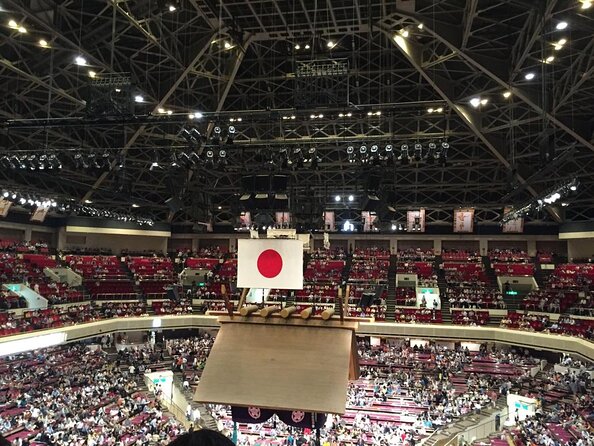
- Ryogoku Kokugikan in Tokyo: The Tokyo meeting point is Ryōgoku Edo NOREN, close to the sumo district and public transportation.
- A four-hour sporting session: Allow about four hours for the tournament experience, with admission included.
- Paper ticket entry: You receive a paper ticket, so keep it safe and bring it to the arena.
- Optional better seats: Seat upgrades are available for an additional fee and may be worth considering if you want a clearer view.
- Ticket-only format: Transportation is not included, and a guide is not part of the standard arrangement.
Why sumo is such a good way to meet Japan
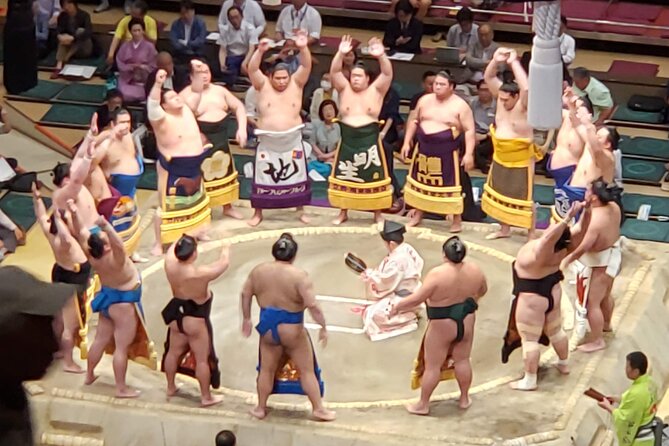
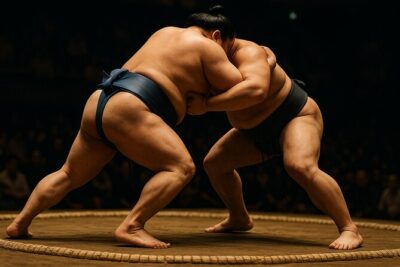
Sumo gives you a direct look at Japanese custom without putting you behind glass in a museum. The action is easy to understand at first: force your opponent out of the ring or make any part of his body, other than the soles of his feet, touch the ground. The surrounding rituals take longer, and that is part of the fun.
Before a bout, wrestlers may throw salt, stamp their feet, crouch, and lock eyes across the ring. These gestures can seem mysterious if you arrive without context. With a little explanation, you start to notice the order of the ceremony, the tension in the staring contest, and the way the crowd responds to a favorite wrestler.
I especially like the contrast between the slow preparation and the sudden finish. A match may last only a few seconds, yet the buildup can take several minutes. That rhythm is very different from most Western sports, and it gives the event a calm, formal quality before the physical force takes over.
You also get a sense of sumo as a major national sport. The crowd cheers, reacts to upsets, and follows the action with the energy you would expect at a major league game. This is not a quiet cultural demonstration. It is a real contest with real fans.
A few more Tokyo tours and experiences worth a look
Tokyo begins at Ryōgoku Edo NOREN
For the Tokyo option, the meeting point is Ryōgoku Edo NOREN in Sumida City, at 1-chōme 3-20, first floor. It is near public transportation, which helps, but you still need to plan your own route to the meeting point and onward to the arena.
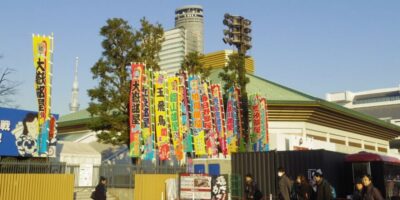
The stated Tokyo itinerary centers on Ryogoku Kokugikan, Japan’s best-known sumo venue. The setting matters. Ryogoku is closely tied to sumo, so the event feels connected to the neighborhood rather than dropped into an unrelated sports hall.
The standard plan is about four hours, with admission included. The supplied details describe this as a ticket-only event. That means you should not expect a formal walking tour, an included transfer, or someone to escort you from your hotel.
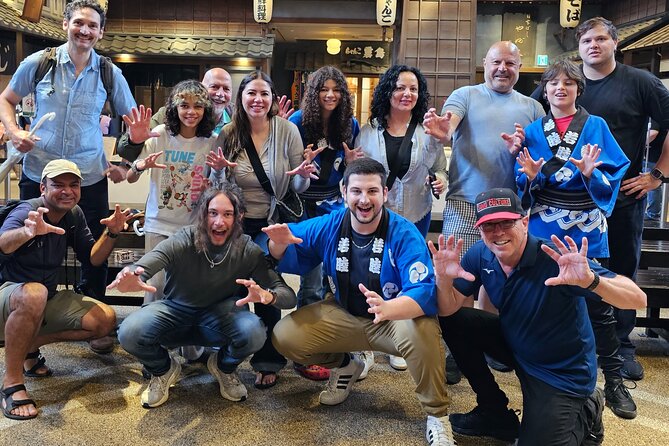
This point deserves attention because the experience has also been associated with guides named Ken and Shin. Some arrangements connected with them have included explanations of sumo rituals, stories about the sport, arena orientation, different viewing points, and even a playful mock bout with members of the group. Those additions sound useful, but you should confirm them before paying. The basic description says no tour guide.
What happens inside the tournament
Your main task is simple: enter, find your seat, and watch the tournament unfold. The paper ticket provides admission, but you may need to pay attention to the seat details and ask arena staff for help if you have trouble locating your section.
One practical warning comes from the ticketing details: an Osaka ticket description was reported as incorrect, and finding seats initially caused some confusion. Arena staff can help, and associated guides have also helped people locate their places, but do not hesitate to ask as soon as you enter.
Once seated, take time to watch more than the headline bouts. The lower-ranked wrestlers help you understand the basic flow of the day, while the later contests usually bring more noise and anticipation. You will see the sport build toward its strongest matches rather than receive one isolated bout.
The tournament atmosphere is one of the strongest reasons to book. Fans cheer loudly, and the event has a festive feel. Food stalls add another layer to the outing, so arriving early may give you more time to look around, eat, and watch the arena fill.
Early arrival is particularly useful if you want more than the bare minimum. You might encounter wrestlers outside the arena, and the surrounding area can offer a better sense of the occasion before you settle into your seat. The exact timing of these moments is not guaranteed, but arriving early gives you a better chance to enjoy them.
Ken and Shin, and what guidance may add
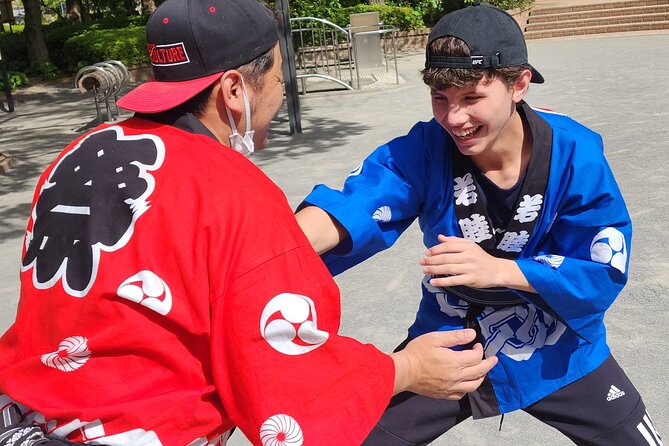
A standard ticket does not promise a guide, but Ken and Shin are important names connected with the richer version of this sumo outing. Ken has been described as a sumo practitioner who explains the sport in a friendly, hands-on way. That kind of background can make a big difference if you know little about the rules or ceremony.
An orientation may cover the history of sumo, the meaning of certain rituals, and practical ways to follow the matches. In some arrangements, guests have been shown different vantage points around the arena or invited to take part in a playful mock match, with others acting as referees. That sounds especially appealing for families and teenagers who might not sit happily through four hours of unfamiliar sport.
Ken and Shin have also been associated with visits beyond the matches, including an old sumo shrine connected with animals. Treat this as an added possibility, not a guaranteed part of the ticket-only package. The written details for this activity say no tour guide, so ask exactly what your booking includes.
If you are an experienced sumo fan, you may prefer to skip extra orientation and focus on the bouts. If you are new to the sport, a guide can help you understand why the rituals matter and when the crowd is reacting to a significant moment.
Tokyo, Osaka, or Nagoya?
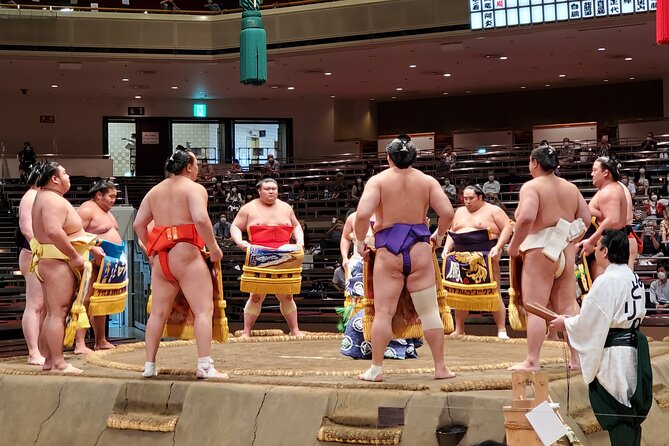
The experience is offered around grand tournaments in Tokyo, Osaka, and Nagoya. The emotional core is the same in each city: a formal Japanese sport, a live crowd, and access arranged in advance.
Tokyo is the clearest choice if you want the Ryogoku connection and the named meeting point at Ryōgoku Edo NOREN. It also makes sense for a first-time visitor who wants to pair sumo with the wider Ryogoku area.
Osaka has its own tournament option and has received praise for the ease of arranging an excellent sumo outing. Be careful with ticket information here, since seat details may not always be perfectly clear. Check the paper ticket as soon as you receive it and ask for help before the matches begin.
Nagoya is included among the available tournament cities, but the supplied information gives fewer venue and meeting-point details for that option. If you choose Nagoya, confirm where you collect or use the ticket, how the meeting arrangement works, and whether any guidance is included.
The dates matter as much as the city. Grand tournaments are scheduled events, not daily attractions, so availability can be tight. That scarcity may explain the high price on some dates, but it does not automatically make the markup good value.


Is $946 a fair price?
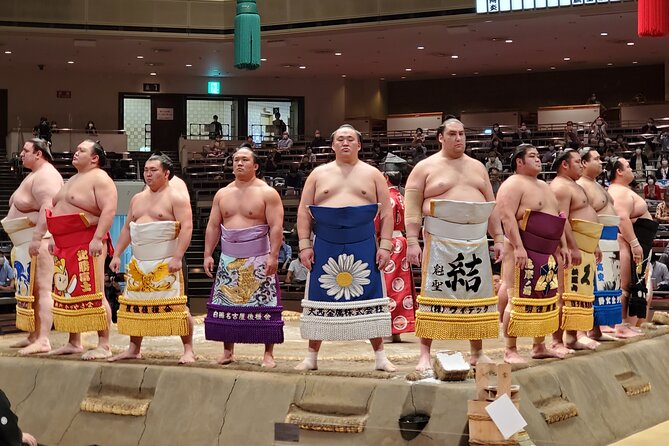
The listed price is $946 per person. That is far above the printed price on many sumo tickets, and it deserves careful thought before you book.
The strongest case for paying more is access. Grand sumo can be difficult for international visitors to arrange, especially when a tournament is sold out. Advance ticket handling can spare you language problems and the risk of reaching Japan without entry.
The weak point is transparency. A ticket can show a lower printed price while the amount you pay is much higher because a supplier or resale channel has added a markup. That difference is not automatically improper, but you need to understand it before purchase. The supplied information specifically explains that sold-out events can lead to more expensive aftermarket tickets.
Here is how I would assess the value:
- If the date is sold out and attending sumo is a top priority, the premium may be acceptable.
- If you are flexible with dates, compare other available tournament sessions first.
- If you are paying $946, confirm whether the amount includes only the paper ticket or also a guided introduction.
- If a better seat costs extra, ask how much the upgrade adds before you decide.
- If you live in Japan or can buy directly, compare the direct ticket price carefully.
The price may be easier to justify for a once-in-a-lifetime Japan trip than for a casual afternoon. Still, a high price does not turn a ticket-only event into a guided tour. Know what you are buying.
Choosing a seat and managing the four hours
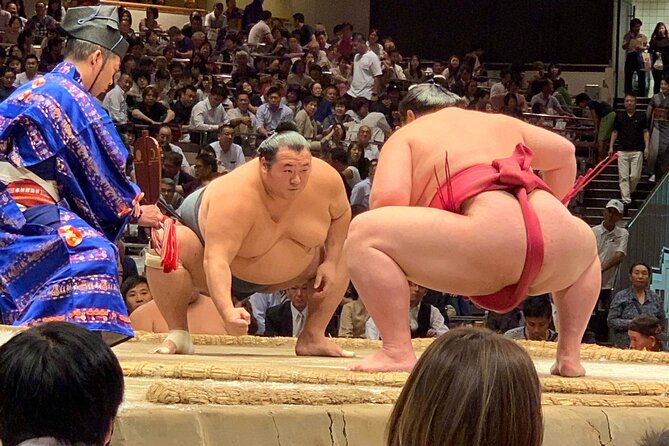
Seat upgrades are available for an additional fee. The exact seating layout is not provided, so I cannot tell you which section offers the best view. The sensible rule is simple: if you want to follow footwork, throws, and the brief clash at the center of the ring, better seating is likely worth considering.
If you mainly want the atmosphere, a cheaper seat may do the job. You will still hear the crowd and see the ceremonial rhythm, even if individual movements are harder to read.
Four hours is long enough to feel like a full outing. Wear something comfortable, plan your meal around the event, and leave time for finding the entrance and your seat. Food stalls are part of the festive setting, and arriving early can make the day feel less rushed.
The group size is limited to a maximum of 20 people, though the core service remains ticket based. A small group can make any optional orientation easier to manage, but it does not mean you have a private guide unless that is confirmed.
Who will enjoy this most?
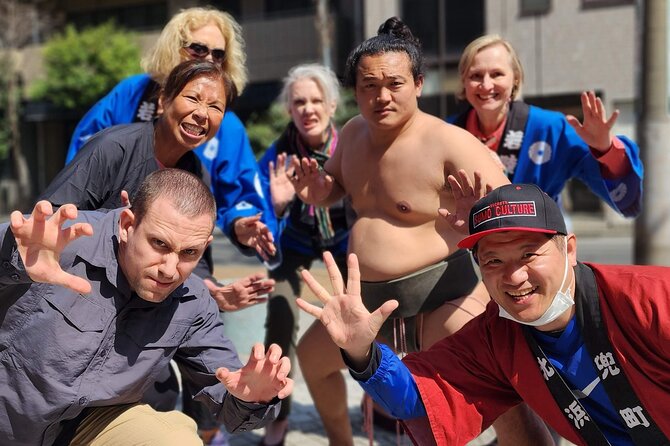
I would recommend this to you if you want a real Japanese sporting event rather than a staged cultural activity. It suits first-time visitors who want help securing entry, people fascinated by ritual, and families with older children or teenagers who enjoy participatory activities.
The experience is also a good match for sports fans. You do not need prior sumo knowledge, but curiosity helps. The contests are short, and the ceremony fills the time between them.
You may want to pass if you need a fully escorted tour, hotel pickup, or clear all-inclusive pricing. The standard format does not include transportation or a guide. It also may not suit you if $946 feels too high for a paper ticket and several hours in an arena.
For visitors who value context, ask about Ken or Shin and confirm whether the booking includes their explanations or any area tour. For visitors who simply need entry to a sold-out tournament, the ticket service may be enough.
Booking advice and final call
Before you pay, confirm five things: the city, tournament date, venue, exact seat information, and whether the booking includes anything beyond admission. Also ask about the price difference between the printed ticket value and your purchase price.
Remember that the experience is non-refundable and cannot be changed for any reason. That makes checking every detail especially important. The booking confirmation is issued at the time of reservation, and the paper ticket should be kept safe.
I like this experience for its access to a sport that can be hard to arrange independently and for the genuine crowd energy inside the arena. I would book it if sumo is high on your Japan wish list, the date is sold out, and you are comfortable paying a premium for convenience.
I would not book it blindly at $946. First confirm what you receive. If it is only a paper ticket with no transport and no guide, compare the cost against any direct options you can find. If Ken or Shin’s instruction is included, the added context may make the outing more useful for a first-time sumo spectator.
FAQ
How long does the sumo experience last?
The activity lasts approximately four hours.
Where does the Tokyo option meet?
The Tokyo meeting point is Ryōgoku Edo NOREN, 1-chōme 3-20, first floor, in Sumida City, Tokyo.
Is admission included?
Yes. Admission to the sumo tournament is included.
Is transportation included?
No. Transportation is not included, so you must make your own way to the meeting point and venue arrangements.
Is a tour guide included?
The standard description identifies this as a ticket-only event with no tour guide. Ken and Shin are associated with guided explanations on some arrangements, so confirm this before booking.
Can I upgrade my seat?
Yes. Upgraded seats are available for an additional fee.
Can I cancel or change the booking?
No. The experience is non-refundable and cannot be changed for any reason.
More Sumo Experiences in Tokyo
More tours in Tokyo we've reviewed




Sumo Experiences, compared.
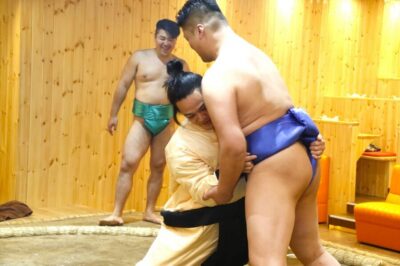 ★ 4.8Tokyo: Sumo Show Experience with Chicken Hot Pot and a PhotoFrom $1032 hours
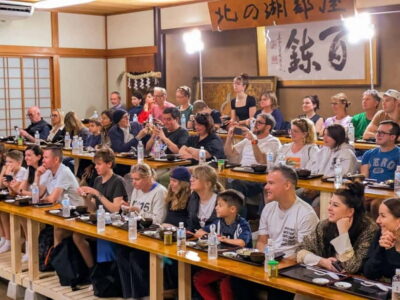 ★ 4.8Tokyo: Sumo Show and Dining ExperienceFrom $7990 minutes - 2 hours
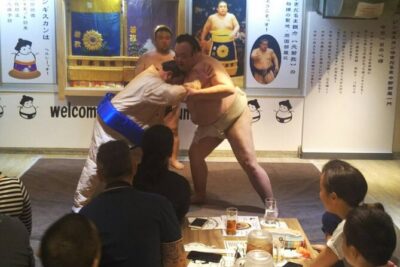 ★ 5.0the SUMO showFrom $89
 ★ 5.0Tokyo Shinjuku Sumo Show & Experience with PhotoFrom $79
 ★ 4.8Tokyo: Sumo Show and Experience in ShinjukuFrom $691h 30m
 ★ 4.6Tokyo: Sumo Tournament Tour with Chair Seat TicketsFrom $141