
Reviewed · TEMPLES & MEDITATION
F: Tokyo:Nagano snow monkey/Zenko Ji temple private day tour
The main draw here is the chance to see Japanese macaques soaking in natural hot springs at Jigokudani Monkey Park, then shift from forest scenery to the quiet halls of 1,400-year-old Zenkoji Temple. It is an unusual pairing: wildlife in the morning, Buddhist tradition after lunch.
I like the private door-to-door service, especially for families or small groups that do not want to manage several trains and buses. I also like the flexible route, which can include Obuse and Yudanaka rather than rushing straight back to Tokyo. The catch is the long drive. From Tokyo, you spend about 3.5 hours each way in the van, so this is a full road day, not a quick side trip.
In This Review
- Key points to know before booking
- A long but rewarding escape from Tokyo
- Reaching Jigokudani Monkey Park
- Zenkoji Temple brings a change of pace
- Lunch in Yudanaka
- Obuse adds art, crafts, and a sweet finish
- The private vehicle changes the experience
- What the guide adds
- Is $499 a fair price?
- Weather, clothing, and practical limits
- Who should book this day trip?
- Should you book it?
- FAQ
- How long does the tour last?
- Where can pickup and drop-off take place?
- Is airport or port pickup available?
- How many people can join the private tour?
- What stops are included?
- Are meals and entrance fees included?
- Is the tour available in English?
- What should I bring?
- Can I cancel the booking?
Key points to know before booking
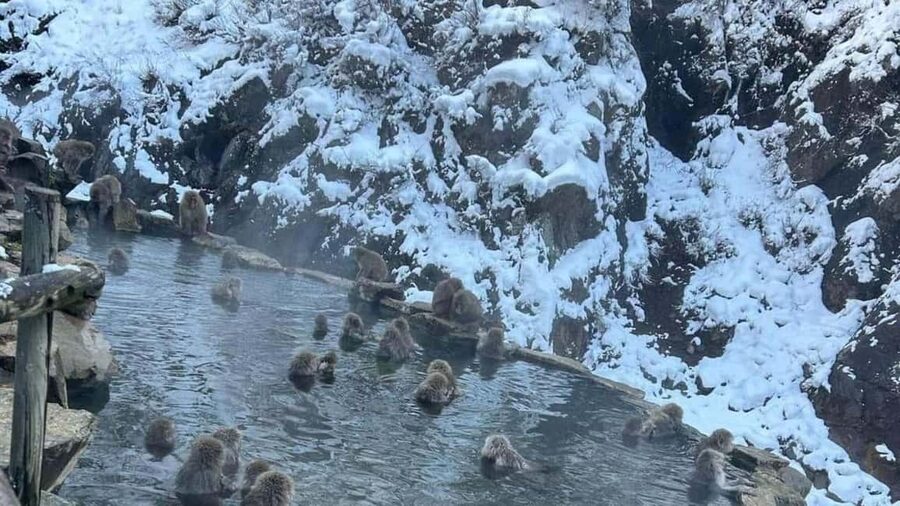
- Snow monkeys in every season: Winter can provide the classic snowy setting, but the macaques may still be visible in summer.
- A private group of up to six: Your group gets the vehicle, guide, pickup, and drop-off without sharing the tour with strangers.
- More than a monkey park: Zenkoji Temple, Yudanaka, and Obuse give the day cultural and food-focused stops.
- Tokyo pickup is convenient but time-consuming: The long journey is easier in a private vehicle, but it still takes much of the day.
- Guides can adapt the day: Ali and Safraz are named guides associated with warm, patient service and attention to individual needs.
- Bring serious winter gear: Waterproof shoes, warm clothing, and a waterproof bag matter at Jigokudani, especially in snow or rain.
A long but rewarding escape from Tokyo
This tour works best when you want to see a very different side of Japan without arranging the connections yourself. Tokyo is dense, bright, and fast. Nagano offers mountain scenery, old religious sites, hot spring towns, and a slower rhythm. The private van lets you connect these places in one day.
The price is $499 per group of up to six, not per person. That makes the cost easier to justify for a group of four to six people. Split six ways, the base price is about $83 per person before meals and entry fees. For two people, it is a much more expensive outing, but you are paying for private transport, hotel pickup, a guide, onboard Wi-Fi, bottled drinks, and the ability to shape the day.
From Tokyo, the journey is demanding. The drive to Nagano area is listed at about 3.5 hours, followed by another 3.5 hours back. Add the stops, lunch, and time spent walking to the monkey park, and you have a packed day. The advertised duration is about 10 hours, so ask for a clear pickup and return estimate before booking, especially if you have an evening reservation in Tokyo.
A few more Tokyo tours and experiences worth a look
Reaching Jigokudani Monkey Park
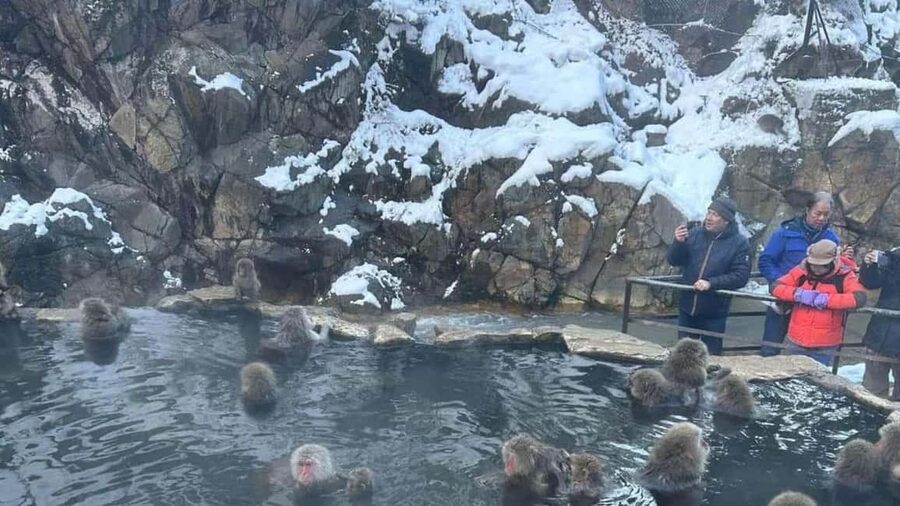
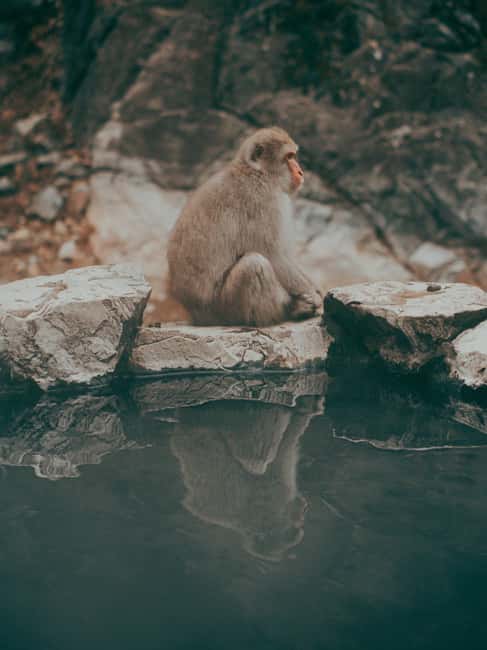
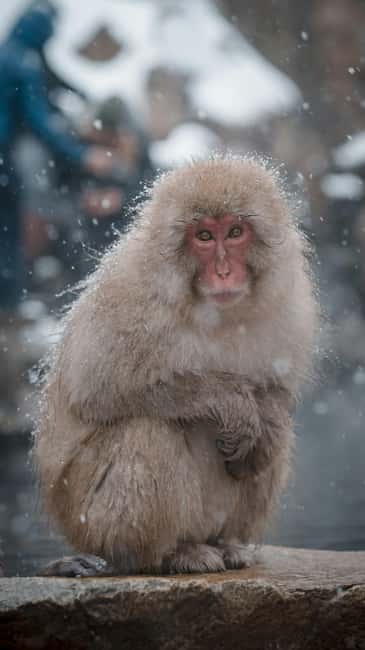
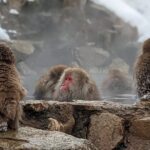
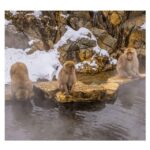
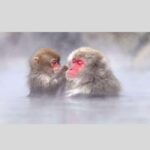
Jigokudani Monkey Park is the emotional center of the day. You walk into a wooded mountain area to see Japanese macaques near the hot springs. The famous image is a snow-covered forest, steam rising from the water, and red-faced monkeys sitting calmly in the warmth.
The setting is natural, but the monkeys are accustomed to people and the park exists for viewing them. You should still treat this as a wildlife encounter, not a petting zoo. You watch, photograph, and keep a respectful distance. The animals decide how close they come and whether they enter the hot spring at all.
That last point matters. On one visit described in the tour feedback, the monkeys stayed far away and did not come down to the bathing area. You should not book this expecting a guaranteed close-up photograph. The park can be wonderful in summer too, but winter usually gives you the most recognizable scene and the strongest reason to make the long trip.
Wear waterproof shoes with a good grip. The route can be wet, snowy, or muddy depending on the forecast. A waterproof camera or a waterproof cover for your phone is sensible, as is a small waterproof bag. Warm shoes and layers are not optional in winter.
Plan for two hours at the park, including the guided visit and time for photographs. If mobility is a concern, tell the operator before the day begins. The tour is designed for different participants, but the monkey park involves walking, and the operator needs advance notice to discuss your needs.
Zenkoji Temple brings a change of pace
After the monkey park, Zenkoji Temple gives you a very different experience. This Buddhist temple in Nagano dates back more than 1,400 years and is one of the city’s defining cultural sites.
The temple grounds are a good counterpoint to the wildlife stop. Instead of waiting for an animal to appear, you can focus on architecture, religious objects, ritual, and atmosphere. The guide can explain the temple’s past and cultural role while you look through the halls and grounds.
The scheduled visit is about one hour. That is enough for an introduction, photographs, and some quiet time, but not enough for a slow study of every building or ritual. Photography is generally allowed, although you should follow any restrictions at the site.
I like this part of the route because it gives the day more substance. A monkey park alone can feel like a single-purpose excursion. Zenkoji adds a major religious site and a chance to see how Japanese tradition is expressed through space, ceremony, and design.
The temple also helps break up the road day. After walking outdoors at Jigokudani, an hour in a historic temple setting gives you a calmer middle section. Ask the guide to allow a little quiet time rather than filling every minute with explanation.
Lunch in Yudanaka
Yudanaka is scheduled as the lunch stop, with about one hour set aside. Meals are not included, so you should budget separately for food and expect to choose and pay for your own lunch.
This arrangement keeps the tour flexible, but it also means the exact meal experience is not fixed. If you have dietary restrictions, tell the operator in advance. The supplied details do not promise a specific restaurant or menu, so do not book this expecting a prepared tasting meal.
Yudanaka is also connected with the area’s hot spring culture, which gives the stop a local feel even if your time is mainly used for lunch. One reported route included Shibu Onsen, although the standard schedule provided here lists Yudanaka for lunch rather than a guaranteed bathing visit. If a hot spring town stop matters to you, confirm exactly what is included before departure.
Obuse adds art, crafts, and a sweet finish
Obuse is the final major stop and is scheduled for about one hour. Here you can look around, take photographs, visit an arts and crafts market, and browse local goods.
This is a smart addition to the route. The monkey park supplies nature, Zenkoji supplies religion, and Obuse gives you a more everyday cultural stop with shops and handmade items. It also creates a chance to buy something connected to the region rather than another generic Tokyo souvenir.
A past route included chestnut mochi in Obuse, a local treat worth looking for if it is available during your visit. Food and shopping are not included in the tour price, so carry a payment method and leave room in the budget if you want snacks or crafts.
One hour is enough for a taste, not a detailed exploration. If you care more about Obuse than photographs at the temple, tell the guide early. The private format means the schedule can be adjusted, though every extra stop has to fit within the road time.
Other private tours in Tokyo
The private vehicle changes the experience
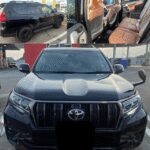
The tour uses a private van, with luxury vehicles such as a Toyota Vellfire, Toyota Crown, or Land Cruiser offered in the service description. The exact vehicle may depend on availability and group size, so confirm what will be used for your booking.
A comfortable vehicle matters here. You may be on the road for roughly seven hours in total, and a private cabin is much easier than changing trains, finding rural bus connections, and keeping a group together. You can also leave small belongings in the vehicle while visiting the sites, but ask the driver about luggage arrangements rather than assuming storage is available.
Hotel pickup and drop-off are provided in Tokyo’s 23 wards and in the Nagano and Obuse area. Pickup can be arranged at a hotel lobby, Airbnb, train station exit, or landmark. Airport and port pickup are not allowed, so this is not a practical same-day shore excursion or airport transfer.
You should be ready in the lobby 10 minutes before pickup. The driver may wait up to 60 minutes after the scheduled time, but relying on that cushion would make an already tight day harder. Add the operator on WhatsApp for easier communication, especially if your accommodation is difficult to find.
Onboard bottled drinks, coffee, tea, Wi-Fi, and a charger are included. Those are small details, but they help on a full day in the vehicle. Meals, attraction admission, shopping, and other personal purchases are not included.
What the guide adds
The tour is offered in English, and the service information also says guides speak English and Japanese. Translation for other languages can be requested in advance.
Ali and Safraz are two guide names connected with this experience. Ali is described as patient and kind while showing visitors around Zenkoji and the monkey park. Safraz is associated with punctual pickup, careful driving, humor, local explanations, and adapting the route to individual needs.
Those qualities matter more than a long speech at each stop. On a private day trip, your guide controls the pace, explains what you are seeing, and helps you decide where to spend limited time. Good communication is especially useful when weather changes or the monkeys are not near the hot spring.
The tour does not promise a fixed set of seven extra destinations, despite promotional wording about extended itineraries. The clearly listed stops are Jigokudani Monkey Park, Zenkoji Temple, Yudanaka, and Obuse. Ask for the exact route if you want additional places such as Matsumoto Castle or Shibu Onsen, since those appeared in one customized outing but are not guaranteed on every booking.
Is $499 a fair price?
For six people, yes, the price can be reasonable. You get private transport over a long distance, pickup and return, an English-speaking guide, drinks, Wi-Fi, and a custom schedule. A group that would otherwise need several rail and bus connections may also value the time saved and the freedom from navigating rural transport.
For one or two people, the calculation is less favorable. Admission fees and meals are extra, and the long drive means you are paying for convenience more than for a large number of included activities. You might prefer a train-based Nagano visit if you are comfortable planning your own transport and want more control over the return time.
The strongest value comes when your group wants a private vehicle and has limited time in Japan. Families, older visitors, and small groups carrying luggage may appreciate door-to-door service. Independent budget travelers may find the cost high.
Weather, clothing, and practical limits
The classic snow monkey scene depends on weather and animal behavior. Snowfall can make the setting look spectacular, but the monkeys may remain distant or skip the hot spring. Summer still offers a chance to see them, as shown by a successful August visit, but you should expect a different visual mood.
Check the local forecast before you leave. Bring warm layers, waterproof shoes, warm shoes, and a waterproof bag. A waterproof camera is specifically recommended because conditions around the park can be wet.
Smoking, alcohol, and drugs are not allowed. Pregnant women are listed as unsuitable for the activity. Tell the operator in advance about mobility concerns, accessibility requirements, or luggage so the vehicle and pace can be discussed before pickup.
The cancellation policy allows a full refund when you cancel at least 24 hours in advance. You can also reserve now and pay later, which is useful when your Tokyo schedule is still changing.
Who should book this day trip?
I would choose this tour if you want the snow monkey experience but do not want to build a complicated Nagano route yourself. It is also a good fit for a family or group of friends that can share the $499 cost and values a private vehicle.
You should think twice if you dislike long drives, need a guaranteed monkey photograph, or want a relaxed day with plenty of time at each stop. From Tokyo, the schedule is ambitious. A Nagano-based pickup makes more sense if you are already in the area, since it cuts down the road time.
Should you book it?
Book it if your priorities are private transport, flexible pacing, and a mix of nature and culture. Jigokudani, Zenkoji, Yudanaka, and Obuse create a varied day, and guides such as Ali and Safraz can make the route easier and more personal.
Skip it if the drive sounds tiring or if your main goal is a guaranteed close encounter with monkeys. Before paying, confirm your pickup location, the exact vehicle, the final route, expected return time, entry fees, and whether any extra stops are included. For a group of up to six, this is a practical way to reach Nagano from Tokyo. For a couple, it is a convenience splurge.
FAQ
How long does the tour last?
The tour lasts approximately 10 hours, including travel time. The Tokyo route includes about 3.5 hours of driving each way, so confirm the exact pickup and return schedule.
Where can pickup and drop-off take place?
Pickup and drop-off are available in Tokyo’s 23 wards and in Nagano and the surrounding Obuse area. Pickup can be arranged at accommodations, Airbnb properties, train station exits, or landmarks.
Is airport or port pickup available?
No. Pickup and drop-off from airports and ports are not allowed.
How many people can join the private tour?
The price covers a private group of up to six people. Larger groups can be accommodated for an additional cost.
What stops are included?
The listed route includes Jigokudani Monkey Park, Zenkoji Temple, Yudanaka for lunch, and Obuse for sightseeing and an arts and crafts market visit.
Are meals and entrance fees included?
No. Meals, attraction entry fees, food, shopping, and personal purchases are not included.
Is the tour available in English?
Yes. The tour includes a live English-speaking guide. English and Japanese are supported, and translation for other languages can be requested in advance.
What should I bring?
Bring warm clothing, waterproof shoes, warm shoes, a waterproof camera, and a waterproof bag. Check the local forecast before leaving.
Can I cancel the booking?
You can cancel up to 24 hours in advance for a full refund. The reserve now and pay later option is also available.
More Winter Activities in Tokyo
More Private Tours in Tokyo
More Temples & Meditation in Tokyo
More tours in Tokyo we've reviewed











Temples & Meditation, compared.
 ★ 4.7Tokyo: Meiji Shrine, Asakusa, Skytree Bus Tour and CruiseFrom $12210 hours
 ★ 4.8Tokyo: Asakusa Walking Tour with Sensoji Temple VisitFrom $222 hours
 ★ 4.6Nikko: Kegon Falls, Lake Chuzenji & Toshogu TempleFrom $8911 hours
 ★ 4.5Tokyo: Kamakura & Enoshima Day Trip including Temple TicketsFrom $589 hours - 570 minutes
 ★ 4.5Tokyo: Nikko Toshogu Shrine and Kegon Waterfall TourFrom $8410h 30m
 ★ 4.5Tokyo Panoramic 1 Day: Meiji Shrine, Asakusa, Odaiba and SKYTREE®From $85