
Reviewed · WINTER ACTIVITIES
Nagano Tokyo: Snow Monkey Private Day Tour Hotel Pick & Drop
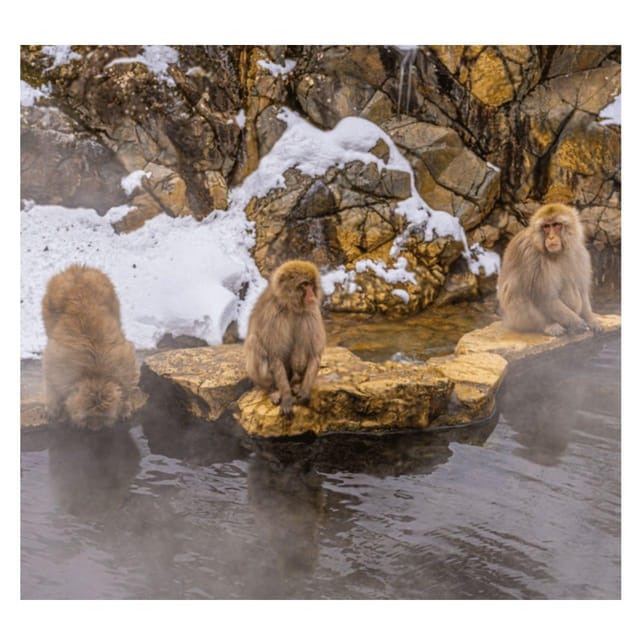
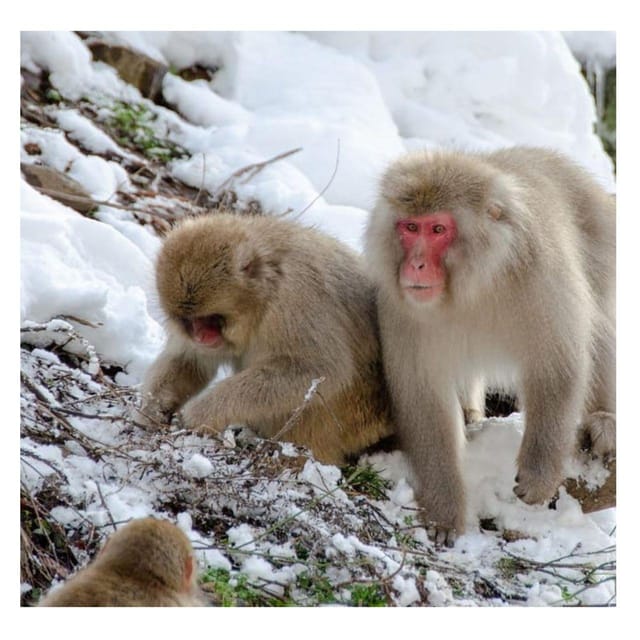
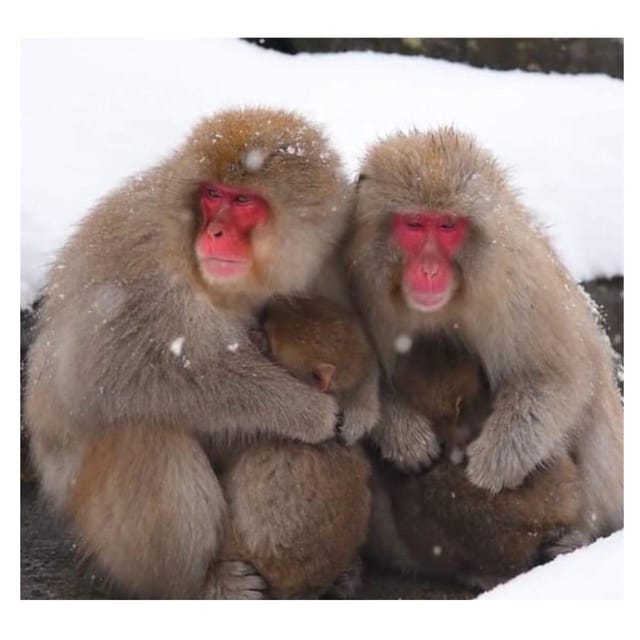
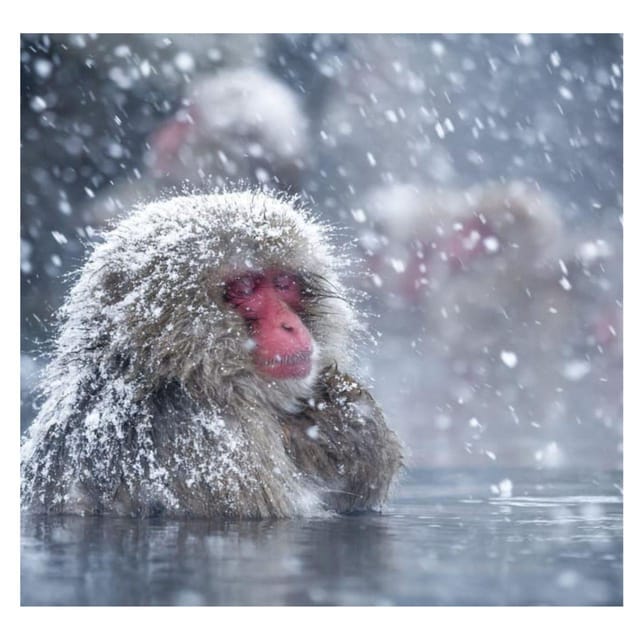
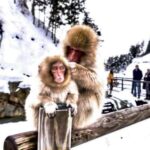
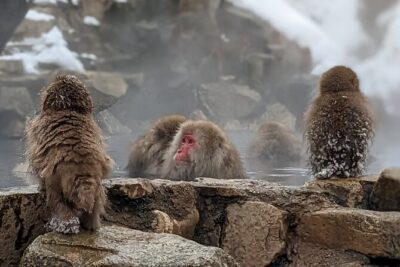
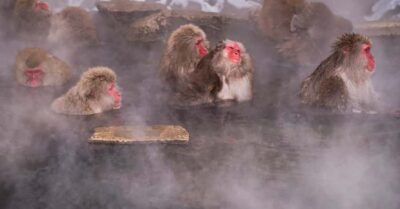
The star of this long day is Jigokudani Monkey Park, where Japanese macaques gather around steaming natural hot springs, often with snow on their backs. You reach the viewing area by a forest path, so comfortable shoes and warm clothing matter more than fancy plans.
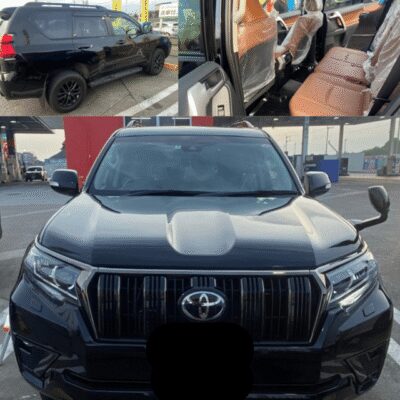
I like the private Toyota Prado, especially for families or groups carrying winter gear. I also like the flexible driver-led format. Guides such as Alex, Baba, Kashi, and Javad have helped guests adjust stops, find lunch, take photos, and handle snowy roads with care. The catch is distance: from Tokyo, this can be a very long day, and an ambitious list of stops may leave only about an hour at each place.
In This Review
- Key points to know before booking
- Why this private Nagano day tour works
- Jigokudani Monkey Park and the winter walk
- Zenkoji Temple and the Key to Paradise
- Togakushi Shrine and the cedar path
- Matsushiro Castle Ruins and former samurai country
- Shibu Onsen, Yudanaka, and the pleasure of slowing down
- Obuse, Hokusai, sweets, and local character
- The reality of a ten-hour schedule
- Drivers, comfort, and communication
- Price, pickup areas, and what you actually receive
- Who should book this private day?
- FAQ
- How long does the tour last?
- How many people can join the private tour?
- Where can pickup and drop-off take place?
- Is transportation included?
- Are meals and entrance fees included?
- Which languages are available?
- Is the tour wheelchair accessible?
- Can I cancel or pay later?
- Should you book it?
Key points to know before booking
- Snow monkeys require a walk: The park viewing area is reached by a scenic trail, which can be slippery in winter.
- Private transport changes the day: You avoid arranging several trains and buses, with hotel pickup and drop-off in one vehicle.
- The route is flexible: Your driver can help decide the order of stops, adjust timing, and suggest a local restaurant.
- The $455 price covers up to five people: That works out to about $91 per person for a full private vehicle, before entrance fees and meals.
- Tokyo pickup means serious driving time: Nagano sights are far from Tokyo, so the tour is most relaxed when you begin in Nagano, Hakuba, Obuse, or Nozawaonsen.
- Not every listed sight may fit: Zenkoji, the monkeys, Shibu Onsen, Obuse, Matsushiro, and Togakushi all deserve time, but ten hours including transport requires choices.
Why this private Nagano day tour works
This is not a standard coach excursion with a fixed line of stops. You have a private group, a professional English-speaking driver, hotel pickup, and a comfortable air-conditioned vehicle with reclining seats and a Wi-Fi hotspot.
That setup matters in Nagano Prefecture. The best-known sights are spread across mountain roads, temple districts, hot spring towns, and former castle country. Public transport can get you there, but it takes planning and often means fitting your day around bus schedules. A private vehicle gives you more control, particularly if you are traveling with children, older family members, or bulky winter clothing.
The Toyota Prado is advertised for groups of up to five. Fuel, highway tolls, parking, water, tea, coffee, and Wi-Fi are included. Entrance tickets, food, and other personal spending are not, so budget separately for the monkey park and any temple or museum admission.
The tour has a reported rating of 4.7 from 84 bookings, with transport receiving especially strong marks. The most consistent praise concerns careful driving, clean vehicles, punctual pickup, and flexible planning. That is useful here because snow, ice, and traffic can change the rhythm of the day.
Other private tours in Tokyo
Jigokudani Monkey Park and the winter walk
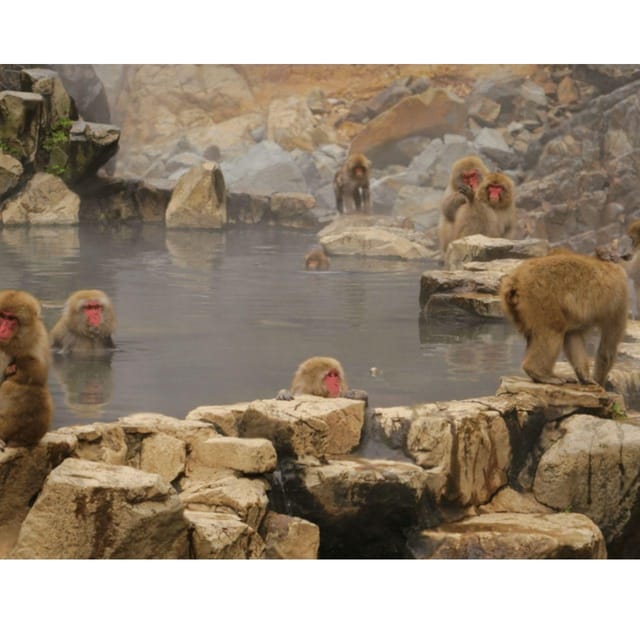
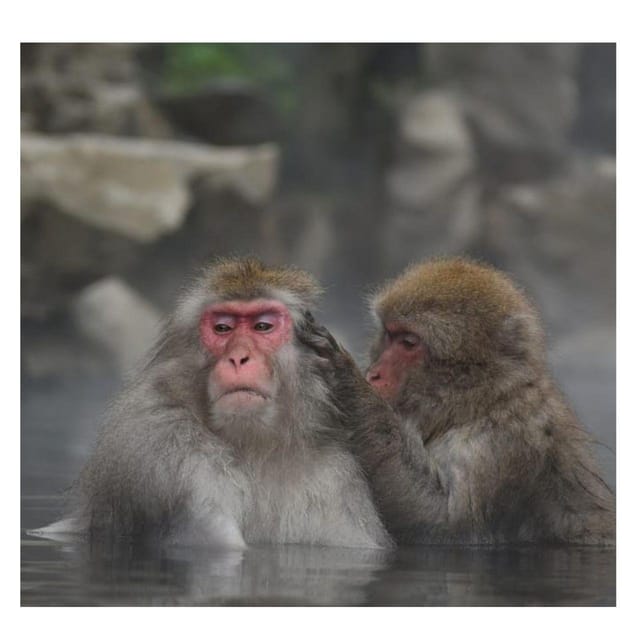
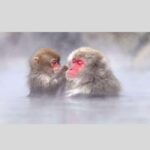
The monkey park is the main reason to book this excursion. Japanese macaques live freely in the surrounding mountains and are famous for using the hot springs during cold weather. You do not enter an animal enclosure. Instead, you walk to a viewing area where the monkeys gather in and around the warm water.
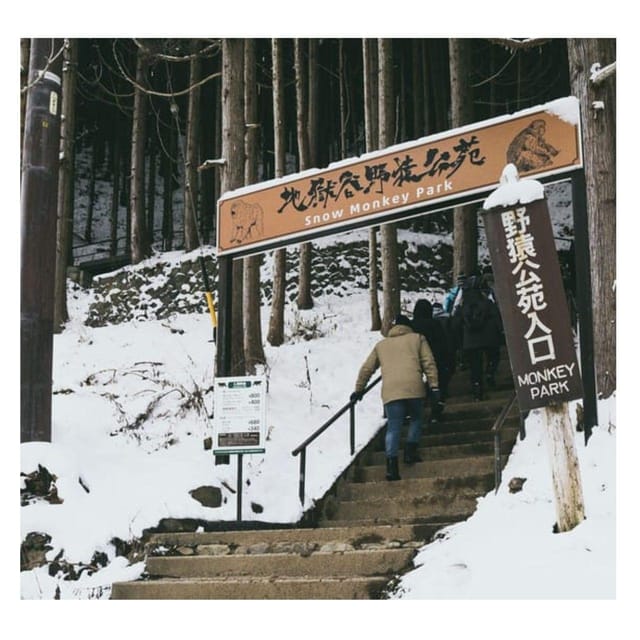
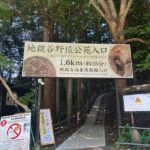
The walk is an important practical detail. The advertised visit lasts about one hour, but that includes reaching the viewing point, spending time there, and walking back. Snow and ice can make the trail slow, so wear shoes with a good grip, bring a hat, and dress in layers.
You should also keep your camera ready, but follow the park’s rules and keep a respectful distance. The monkeys are wild animals, not performers. Their behavior can change with weather and season, so the setting is more rewarding than any promise of a perfect photograph.
This is where a private driver earns his keep. Guests have had help finding the entrance, managing the walk, and allowing extra time when conditions slowed them down. Several drivers, including Baba, Kashi, and Jazib, were praised for patience and safety in snowy conditions.
Zenkoji Temple and the Key to Paradise
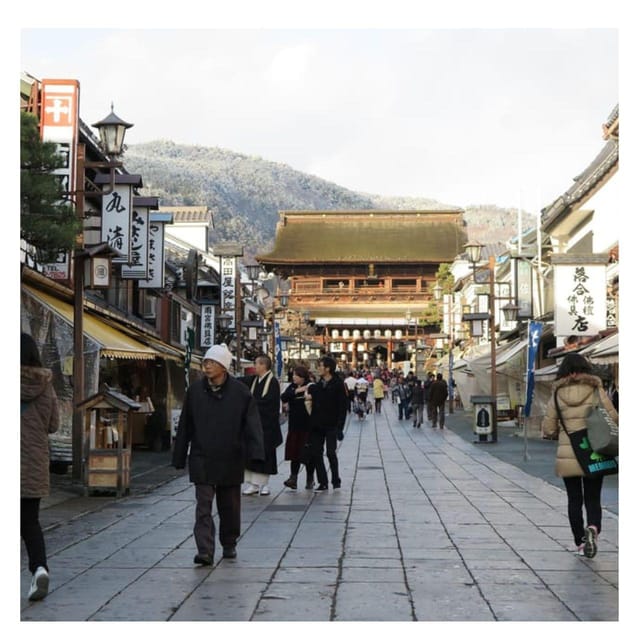
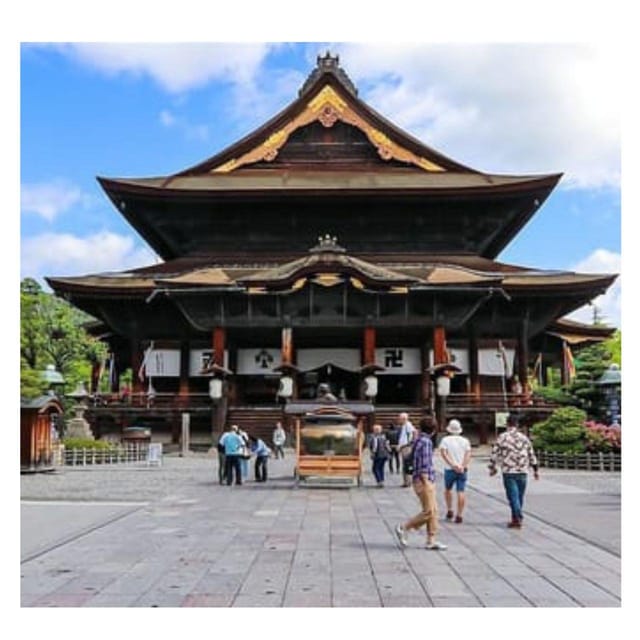
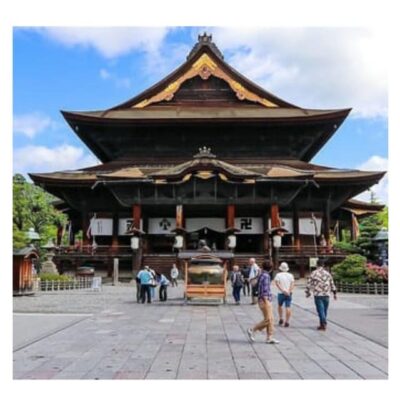
Zenkoji Temple brings a very different mood. This major Buddhist temple in Nagano has centuries-old halls and a famous underground passage where you search in darkness for the Key to Paradise. Touching it is part of the temple experience, though the main value is the chance to move from noisy sightseeing into a quieter spiritual setting.
The usual stop is around one hour. That is enough for a first visit, but it may feel rushed if you want to study the buildings, explore the approach, and take your time with temple rituals or paid areas.
One useful pattern from the day is to pair Zenkoji with the monkeys, rather than treating the excursion as only a wildlife trip. Several itineraries have placed the temple before or after Jigokudani, and guests have found the contrast worthwhile. Plan for a shorter temple visit if traffic or a slow winter walk cuts into the schedule.
Photography is generally allowed, but religious sites may have restrictions in certain areas. Your driver can help you understand the basic flow, though this is a driver-led tour rather than a formal temple lecture.
Togakushi Shrine and the cedar path
Togakushi Shrine’s Okusha route is one of the most atmospheric parts of the proposed tour. A broad path runs through tall cedar trees toward the mountain shrine, giving you a quiet walk before the final sacred buildings.
The appeal is the setting and the sense of pilgrimage. It is a good choice if you want time outdoors and a more reflective stop. It is also the place most affected by weather, walking speed, and daylight.
There is one planning point to clarify before you pay. Togakushi appears in the tour description, but the timed itinerary lists Jigokudani, Zenkoji, a general Nagano stop, Shibu Onsen, Obuse, and Matsushiro instead. Ask the provider which version of the route will operate on your date. The same applies to the optional Yudanaka Onsen stop.
Matsushiro Castle Ruins and former samurai country
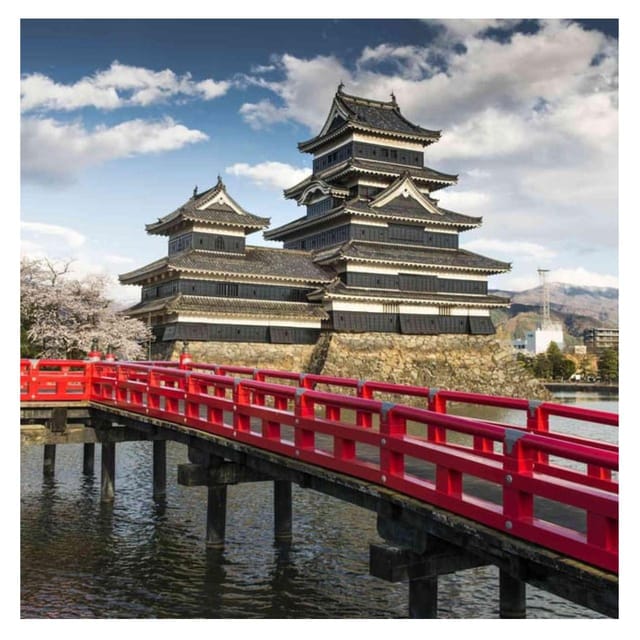
Matsushiro Castle Ruins offer a quieter historical pause. You see the remains of a former castle in a park-like setting, with a chance to think about Matsushiro as an old samurai town rather than simply ticking off another grand building.
Do not expect a complete castle interior. This is a ruins visit, and its value comes from the open grounds, surviving features, and calm atmosphere. It works well for visitors who like Japanese history but do not need a fully reconstructed fortress.
The planned stop is about one hour. That is a sensible amount of time for photographs and a walk. If you are visiting in winter, the open grounds can feel cold, so keep your warm layer handy even after sitting in the car.
A few more Tokyo tours and experiences worth a look

Shibu Onsen, Yudanaka, and the pleasure of slowing down
Shibu Onsen is an old hot spring town with narrow streets, traditional inns, lanterns, and public bathhouses. It gives the day a more local, lived-in feel after the organized excitement of the monkey park.
A stroll through town can be enough, but a hot spring soak may be possible if time permits and the facilities accept your visit. Ask your driver about the exact bathing arrangement before counting on it. The tour price does not include entrance fees, and the description treats Yudanaka Onsen as optional.
The practical issue is timing. The published plan gives Shibu Onsen about an hour, which may allow a walk but not a leisurely bath, lunch, and sightseeing. If soaking is your priority, tell the driver early and remove another stop.
Obuse, Hokusai, sweets, and local character
Obuse is a compact, attractive town with links to the artist Katsushika Hokusai. The Hokusai Museum is the main cultural draw, while traditional sweet shops, sake breweries, and local crafts give you reasons to wander beyond the museum walls.
I would treat Obuse as a flexible finishing stop. It is a good place for a snack, a short walk, or an art-focused visit. One family enjoyed ice cream here, which tells you something about the town’s easygoing appeal, even on a winter route.
Again, check museum opening days and admission costs yourself or ask the driver to confirm them. Entrance fees are not included. If the museum is closed, Obuse can still work as a food and street-walking stop, but it will not offer the same artistic focus.
The reality of a ten-hour schedule
Ten hours sounds generous until you add Tokyo pickup, mountain roads, parking, the walk to the monkeys, lunch, and the return trip. From Nagano or the nearby mountain resorts, this is much easier to pace. From Tokyo, it may become a transport-heavy day with brief visits at the sights.
That does not make Tokyo pickup a bad idea. It can be useful if you are transferring between regions and want to turn the journey into sightseeing. A group of eight has also used two vehicles to travel from Hakuba toward Tokyo with requested stops along the way. Larger groups can be arranged for an extra fee.
Still, I would not try to force every attraction into one day from Tokyo. Choose two or three priorities. For most people, that means Jigokudani, Zenkoji, and either Shibu Onsen or Obuse. Add Matsushiro or Togakushi only if the route and weather allow.
The driver can help decide the order. Several guides have been praised for contacting guests before pickup, confirming hotel details, explaining transport connections, and recommending lunch. That personal help is especially useful when a hotel entrance is difficult to find or when winter traffic changes the schedule.
Drivers, comfort, and communication
The driver is central to this experience. The advertised languages are Arabic, English, Japanese, Punjabi, and Urdu, with other translation help available on request. Named guides praised in the supplied feedback include Alex, Baba, Kashi, Javad, Jazib, Hassan, Rana, Abdullah, Ahmed, Cheemo, and Shamas.
The strongest pattern is not formal guiding at every monument. It is practical care. Drivers have taken photos, checked in before pickup, explained train connections, helped older passengers, suggested restaurants, and reminded people to watch for ice on the monkey trail.
You should confirm how much sightseeing commentary you want. This is best understood as a private driver and local escort service, not necessarily a specialist historical tour at every stop.
The vehicle includes air-conditioning, reclining seats, refreshments, and Wi-Fi. That is a real advantage on a ten-hour day. Bring extra snacks and drinks anyway, since meals are not included. One guest specifically wished for more time at Zenkoji, while another valued getting back to the hotel in time for dinner. Both points show the tradeoff: flexibility helps, but the clock still rules.
Price, pickup areas, and what you actually receive
At $455 per group of up to five, the price is about $91 per person for a full private day if you fill the vehicle. For a couple, the per-person cost is much higher, but you are paying for door-to-door transport, private space, fuel, tolls, parking, an English-speaking driver, and the ability to adjust the route.
Pickup and drop-off are available from accommodations in Tokyo’s 23 wards and in Nagano, Hakuba, Nozawaonsen, and Obuse. Airports and ports are excluded. Be ready in the hotel lobby ten minutes before pickup. Drivers may wait up to 60 minutes, but a hidden hotel entrance can still cause confusion, so confirm the meeting point clearly and use WhatsApp if offered.
Wheelchair access and child seats are available on request. The tour is not suitable for people with back problems, and you should report mobility concerns in advance. The monkey park walk may be difficult in slippery winter weather even if the vehicle itself is accessible.
Free cancellation is available up to 24 hours before departure, and you can reserve now and pay later. Starting times depend on availability.
Who should book this private day?
I would choose this tour for a family, a group of friends, or anyone who dislikes changing trains and buses in winter. It is also a strong option for older relatives if they can manage the walking and do better with door-to-door transport.
It suits people who want several types of Nagano in one day: Buddhist worship, mountain scenery, wildlife, hot springs, art, and samurai history. It is less suitable if you want a slow, detailed visit to every stop or a full day at the monkey park alone.
For the best experience, decide your top three sights before pickup. Tell the driver if lunch, bathing, photography, or accessibility matters most. Wear warm clothes, sturdy shoes, a hat, and sunscreen, and leave room in the schedule for road conditions.
FAQ
How long does the tour last?
The tour lasts approximately 10 hours, including travel time.
How many people can join the private tour?
The Toyota Prado is intended for up to five passengers. Larger groups can be accommodated for an additional fee, and groups over six may use more than one vehicle.
Where can pickup and drop-off take place?
Pickup and drop-off are available from accommodations in Tokyo, Nagano, Hakuba, Nozawaonsen, and Obuse. Airport and port pickup or drop-off are not included.
Is transportation included?
Yes. Private air-conditioned transportation, fuel, highway tolls, and parking fees are included. The vehicle also provides Wi-Fi and complimentary water, tea, or coffee.
Are meals and entrance fees included?
No. Meals and entrance fees are not included, so bring money for food and admissions at places such as Jigokudani Monkey Park or the Hokusai Museum.
Which languages are available?
The listed driver languages are Arabic, English, Japanese, Punjabi, and Urdu. Translation support for other languages can be arranged on request.
Is the tour wheelchair accessible?
Wheelchair access and child seats are available on request. Tell the provider about mobility needs in advance. The tour is not suitable for people with back problems.
Can I cancel or pay later?
You can cancel up to 24 hours in advance for a full refund. Reserve now and pay later is also available.
Should you book it?
Book this tour if you value private transport, flexible timing, and careful winter driving more than the lowest possible price. The strongest reasons are the comfortable vehicle, hotel pickup, and drivers who actively help with route changes, photos, lunch, and safety.
If you are starting in Tokyo, keep your plan modest and accept that much of the day will be on the road. If you begin in Nagano, Hakuba, Nozawaonsen, or Obuse, the same ten hours can feel far more generous. Confirm whether Togakushi and Yudanaka fit your date, then choose your priorities. Done that way, this is a practical and memorable route to Nagano’s snow monkeys and mountain culture.
More Winter Activities in Tokyo
More Private Tours in Tokyo
More tours in Tokyo we've reviewed
Winter Activities, compared.
 ★ 4.6From Tokyo: Snow Monkey 1 Day Tour with Beef Sukiyaki LunchFrom $1511 day
 ★ 4.7From Tokyo: Private Tour Snow Monkey Park & Zenko-ji TempleFrom $4451 day
 ★ 4.8Tokyo: Snow Monkey & Nagano Customiseable Private Day TourFrom $4661 day
 ★ 4.5Nagano Snow Monkey 1 Day Tour with Beef Sukiyaki Lunch from TokyoFrom $151
 ★ 5.0From Tokyo: Snow Monkey Private Customize Day TourFrom $490
 ★ 4.8Nagano/Tokyo: Snow Monkey and Zenkoji Temple Private TourFrom $505