
Reviewed · SAKE TASTING
7 Kinds of Sake Tasting with Complementary Foods
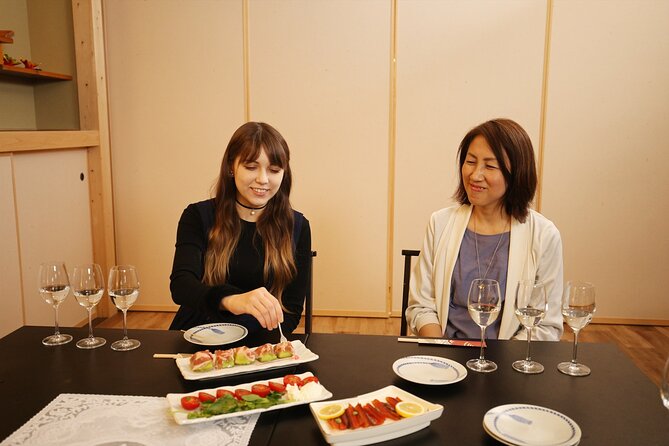
Japan’s sake world can feel like a wall of unfamiliar labels. This 75-minute tasting gives you a friendly way through it: seven sakes from different parts of Japan, served with seven matching dishes while a nationally accredited sake instructor explains what you are drinking and why it works.
I like the clear progression from sparkling and sweet sake to bottles suited to dessert. I also like that the food is treated as part of the lesson, not an afterthought. The main consideration is price: at $107.50 per person, this is not a quick sampling at a bar, and the setting is a basement room in an office building near Tokyo Tower rather than a traditional brewery or polished restaurant.
In This Review
- Key points to know before booking
- Seven sake styles in one sitting
- Pairing sake with seven dishes
- What the sake lesson actually covers
- A friendly class, with some uncertainty about group size
- Finding the Tokyo Tower meeting point
- Is $107.50 good value?
- Who will enjoy this most?
- Timing, cancellation, and practical details
- Should you book the sake tasting?
- FAQ
- Where does the sake tasting take place?
- What time does the activity start?
- How long does the tasting last?
- How many sakes are included?
- Is food included?
- Who leads the tasting?
- Can I cancel for a refund?
- How far ahead should I book?
Key points to know before booking
- Seven regional sakes: Taste a broad range of styles, including sparkling, sweet, and dessert-friendly sake.
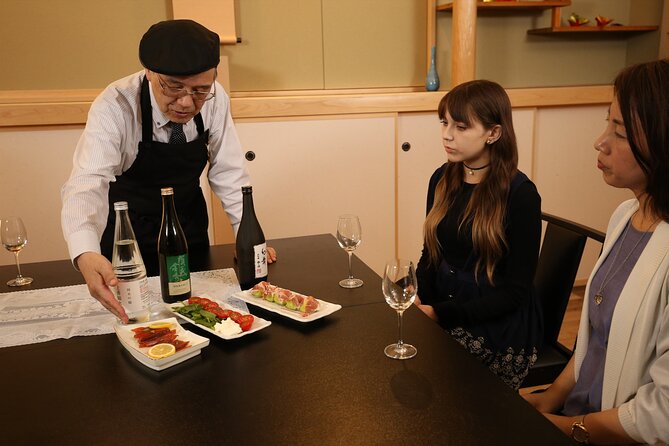
- Seven food pairings: Japanese and Western dishes are served with the drinks, and the pairing logic is explained.
- Accredited instruction: You learn about sake’s history, ingredients, production, and styles from a trained sake specialist.
- A useful dinner substitute: The food portions may add up to more than a few nibbles, with one account describing the meal as enough for supper.
- Central Tokyo meeting point: The session begins at 6:15 pm at Kikai Shinko Kaikan in Shibakoen, near Tokyo Tower and public transportation.
- Book ahead: The experience is often reserved about 24 days in advance, and confirmation is subject to availability.
Seven sake styles in one sitting
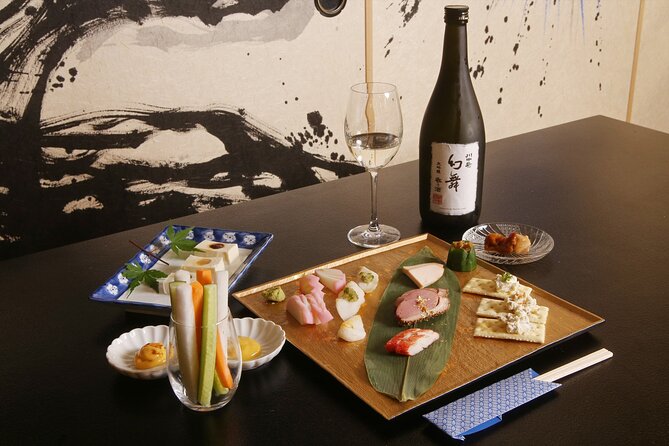
The heart of this experience is the flight of seven different sakes. Instead of tasting one producer’s bottles, you move through a specially selected collection representing several Japanese regions and a range of styles.
That variety matters for beginners. If your first sake was warm and strong, you may think all sake tastes alike. Here, the selection shows a wider picture. You might encounter sparkling sake, sweeter styles, sake that suits savory food, and a bottle chosen to accompany dessert. The point is not simply to decide which glass you like best. You begin to notice how sweetness, aroma, texture, and finish change from one style to the next.
Your instructor explains each pour as you taste it. You can expect an introduction to sake’s background, how it is made, and the qualities that separate one variety from another. That makes the tasting useful long after the session ends. You leave with better questions to ask at a restaurant or bottle shop, even if you cannot remember every Japanese term.
The experience is introductory, not a professional certification course. That is a good fit for most visitors. You get enough structure to make sense of the drinks without spending an entire afternoon on technical details.
If you're still narrowing it down, here are other tours in Tokyo we've reviewed.

Pairing sake with seven dishes
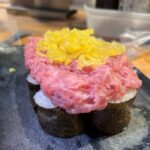
Each sake comes with a complementary Japanese dish. The food can include Japanese and Western items, which gives the instructor room to show how sake behaves with different flavors rather than limiting the lesson to one kind of cuisine.
This is one of the strongest parts of the session. A drink may seem too sweet or too delicate on its own, then make more sense alongside food. Another may cut through a savory bite or work better with a sweet course. The instructor explains those connections as the meal progresses, so you are not left guessing why one dish sits beside one particular glass.
The pairing menu also moves beyond the usual idea that sake belongs only with sushi. Dessert pairings are included, and that is an especially helpful surprise for newcomers. Sweet sake or a softer style can make sense with a final course in a way that many first-time drinkers do not expect.
The meal appears to be more substantial than the phrase small bites might suggest. One account described the food as enough for supper, while another praised the snacks and the cooking done during the session. Still, portions and dishes can vary, so I would not book this as a guaranteed full restaurant dinner if you have a large appetite.
Extra food and drinks are not included. The seven listed dishes and seven sakes are part of the price, but anything beyond that costs extra.
What the sake lesson actually covers
The instructor begins with the culture and history of sake, then explains how it is produced. You will hear about the basic process and how production affects the finished drink. The lesson is meant to make the subject less intimidating, not to overwhelm you with brewing jargon.
That background gives the tasting some purpose. You are not simply being handed seven glasses and told to choose a favorite. You learn to connect the production method and style with the flavor in front of you.
The session also helps you identify your own preferences. One first-time sake drinker found the class useful because it made it easier to understand what they liked and disliked. That is a practical result. You may not leave able to name every style, but you should have a clearer idea of whether you prefer sparkling, sweet, dry, light, or dessert-friendly sake.
The teaching appears to be conversational. Micki was singled out for making the tasting personal, pairing food with each sake, and sharing practical insight. Other accounts describe the hosts as warm and willing to answer questions. Since more than one instructor may lead a session, Micki is not guaranteed for every date, but the format centers on direct instruction rather than a prerecorded presentation.
A friendly class, with some uncertainty about group size
The listed maximum is 100 people. That is worth noticing before you book because the atmosphere could change with attendance. Some sessions have been very small, including one with just two people, while another group included eight friends. Those accounts describe a personal, relaxed setting, but you should not assume every date will be equally intimate.
A large maximum does not mean the room will be full. It does mean the operator can accept a sizeable group, so private conversation with the instructor may be easier in a smaller session than in a crowded one. If you are booking for a group, group discounts are available and the format can suit friends who already enjoy sake.
The tone is less formal classroom and more hosted tasting. The staff answer questions, explain the food, and keep the evening moving. Several people found the atmosphere warm enough to feel like time spent with friends or family. That homely quality may appeal to you if you prefer human contact over a rigid lecture.
It may be less appealing if you want a quiet, private tasting or a highly specialized session for advanced sake collectors. The program is designed as an introduction.
Finding the Tokyo Tower meeting point
The meeting point is Kikai Shinko Kaikan, 3-5-8 Shibakoen, Minato City, Tokyo 105-0011. The start time is 6:15 pm, and the activity returns to the same place.
The location is near public transportation and across from Tokyo Tower. The building itself may not look like the setting you picture for a Japanese alcohol tasting. It is a basement space in an office building, which can feel ordinary from the outside. Once inside, the quality of the instruction and the food matters much more than the exterior.
Give yourself time to find the building and get downstairs. A 6:15 pm start leaves room to pair the activity with an earlier Tokyo sightseeing stop, and Tokyo Tower gives you a useful landmark. Since the tasting ends at the starting point, you do not need to arrange a second pickup location.
The activity lasts about one hour and 15 minutes. That is long enough for seven tastes, food pairings, and an explanation of production without taking over your entire evening. You can plan a later dinner, but the food served may already function as your evening meal.

Is $107.50 good value?
The price is high for a 75-minute activity if you compare it with buying a single glass of sake. That comparison misses the point, though. The fee includes seven different sakes, seven paired dishes, and instruction from a nationally accredited sake instructor. If the food portions on your date are generous, the tasting can also replace dinner.
I see the value in the range and the teaching. A bar can give you a drink, but it may not explain why it tastes different from the next one or why a dessert pairing works. A restaurant can serve sake with food, but it may not walk you through production and regional styles.
The value is weaker if you already know sake well and mainly want rare bottles, a brewery visit, or a long technical discussion. Nothing in the format promises access to a brewery or a special private collection. This is a guided introduction with food, not a collector’s seminar.
Group discounts may help if you are booking with friends. The experience is often booked around 24 days ahead, so I would reserve early if your Tokyo dates are fixed. Confirmation arrives within 48 hours, subject to availability.
Who will enjoy this most?
I would recommend this for a first sake experience, couples, friends, and curious food lovers who want a structured introduction. It works particularly well at the start of a Japan trip because you can use what you learn in izakayas, restaurants, and department store food halls afterward.
It also suits people who enjoy learning through food. The pairings give every glass a job, and the dessert course adds a useful twist. If one person in your group knows sake and another knows very little, the guided format gives both of you something to follow.
The session may not be right for someone seeking a traditional brewery tour, an outdoor setting, or a long evening of free drinking. It is also not the best choice if you want to order unlimited extra food or beverages, since those are excluded.
Dietary requirements should be given to the operator in advance. The available information does not promise that every request can be met, so tell them clearly before the experience rather than waiting until you arrive.
Timing, cancellation, and practical details
The mobile ticket makes arrival simple, and confirmation is sent within 48 hours if space is available. Most people can participate, and the meeting point is near public transportation.
You can cancel for a full refund up to 24 hours before the local start time. Changes or cancellations inside that 24-hour window are not accepted for a refund. That policy is fairly flexible for a scheduled evening activity, but check your Tokyo plans before booking because the start time is fixed.
The tasting ends where it begins. You receive the seven included sakes and seven dishes, but additional food and beverages are separate. The operator is True Japan Tour.
Should you book the sake tasting?
Book it if you want a clear, friendly first step into sake and care about the food pairing as much as the drink. The strongest reasons are the seven-style comparison, the thoughtful dishes, and instructors who explain the subject in plain terms. The experience can leave you better prepared to order sake on your own, which is useful value during a Japan trip.
Think twice if $107.50 feels steep for a short activity, or if you want a brewery setting and a more advanced tasting. The basement office-building location is practical rather than atmospheric, and the possible group size means intimacy is not guaranteed.
For most beginners, couples, and food-focused visitors, I would book it, especially early in a Tokyo itinerary. You get a full introduction, a meal-sized set of pairings, and a better sense of what you actually enjoy. That is a useful souvenir from an evening near Tokyo Tower.
FAQ
Where does the sake tasting take place?
It begins and ends at Kikai Shinko Kaikan, 3-5-8 Shibakoen, Minato City, Tokyo 105-0011, Japan. The meeting point is near public transportation and across from Tokyo Tower.
What time does the activity start?
The scheduled start time is 6:15 pm.
How long does the tasting last?
The session lasts approximately one hour and 15 minutes.
How many sakes are included?
Seven different kinds of Japanese sake are included. The selection can range from sparkling sake to sweet sake and styles suited to dessert pairings.
Is food included?
Yes. Seven complementary Japanese dishes are included, using both Japanese and Western dishes. Extra food and beverages are not included.
Who leads the tasting?
The session is led by a nationally accredited sake instructor. Micki is one instructor associated with the experience, but a particular guide is not guaranteed for every date.
Can I cancel for a refund?
Yes. You can cancel at least 24 hours before the local start time for a full refund. Cancellations or changes made less than 24 hours before the start are not accepted.
How far ahead should I book?
The activity is booked, on average, about 24 days in advance. Confirmation is sent within 48 hours of booking, subject to availability.
More tours in Tokyo we've reviewed



Sake Tasting, compared.
 ★ 5.0Ramen and Sushi Cooking Class with Sake Pairing Set in TokyoFrom $79
 ★ 5.0Sake Tasting Masterclass in Shinjuku (8+ Varieties with a Pro)From $72
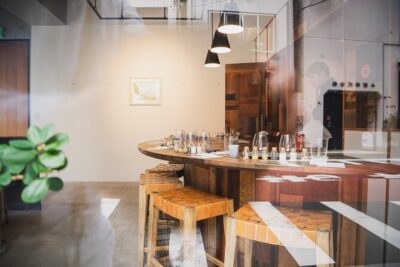 ★ 5.0Sake Omakase in Tokyo: Guided Tasting by Certified SommeliersFrom $79
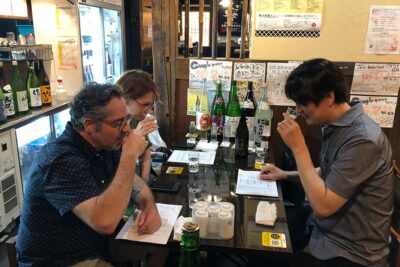 ★ 5.0Tasting All Types of Sake with SommelierFrom $62
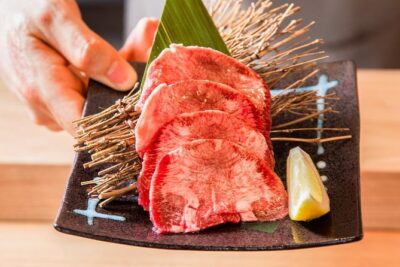 ★ 5.0Wagyu & Sake Pairing in Shinjuku – Steak, Shabu-Shabu & MoreFrom $148
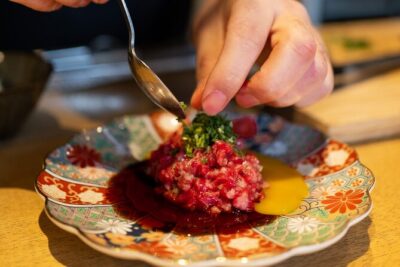 ★ 5.0Tokyo Wagyu & Sake Pairing Tasting Experience with Local FlavorsFrom $151