
Reviewed · SUSHI MAKING CLASSES
Wagyu and Sushi : Tokyo Gastronomic Journey
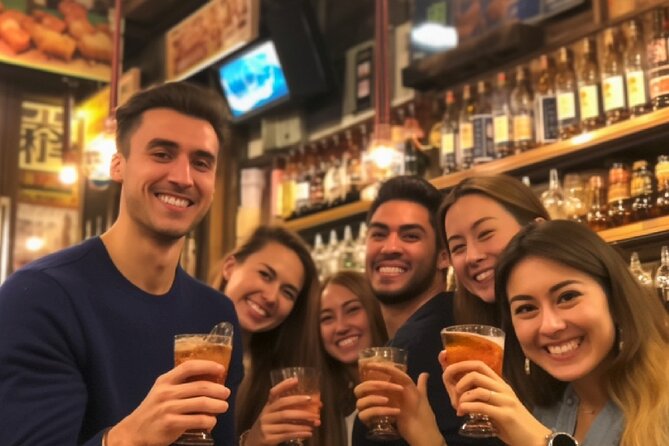
The best part of this three-hour Tokyo evening is the mix of serious food and backstreet exploring. You eat sushi and Wagyu beef at two local restaurants, then walk through Shinjuku areas many first-time visitors might miss, including Omoide Yokocho and Golden Gai. I like the small group of no more than 10 people, and I like that guides such as Yuki, Natsuki, Emma, Miharu, and Ando Minoru have helped guests understand both the food and the neighborhood. The main drawback is simple: at $156.77 per person, you are paying for guidance and atmosphere as much as dinner, and one person felt the two restaurants could be visited without a guide.
I also like the chance to ask questions as you go, rather than simply being handed a plate and sent on your way. The route includes a photo stop at the Godzilla head, plus Kabukicho, Hanazono Shrine, and Golden Gai. Keep in mind that local transportation costs of roughly 200 to 800 yen are not included, and alcoholic drinks are only included for people age 20 and older.
In This Review
- Key points to know before booking
- Why sushi and Wagyu make a strong Tokyo pairing
- Meeting the group near Shinjuku Station
- Omoide Yokocho and the older side of Shinjuku
- Kabukicho after dark
- The Godzilla head photo stop
- Hanazono Shrine offers a quieter pause
- Golden Gai and the final walk
- What the two dinner stops are like
- How much value do you get for $156.77?
- What guides add to the evening
- Who should book this Shinjuku food tour?
- My booking verdict
- FAQ
- How long does the Wagyu and Sushi Tokyo Gastronomic Journey last?
- What time does the tour start?
- Where does the tour begin?
- Where does the tour end?
- How many people can join the tour?
- What food is included?
- Are transportation costs included?
- Is hotel pickup and drop-off provided?
- Can I cancel for a refund?
Key points to know before booking
- Two food stops: The evening centers on sushi and Wagyu, with dinner included at both locations.
- A small group of up to 10: You get more room to ask about sushi manners, beef, drinks, and local customs.
- Shinjuku after dark: The route passes through Kabukicho, Omoide Yokocho, Golden Gai, and Hanazono Shrine.
- Guides add local context: Guides including Yuki, Natsuki, Emma, Miharu, and Ando Minoru have explained food customs, neighborhood stories, and restaurant choices.
- A social evening: This suits solo visitors and food-focused couples who want company at dinner.
- Plan for extra costs: Transportation is separate, and the included alcoholic beverages apply only to people 20 and older.
Why sushi and Wagyu make a strong Tokyo pairing
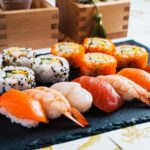
Sushi and Wagyu show two very different sides of Japanese dining. Sushi is about freshness, rice, texture, and restraint. Wagyu yakiniku is more hands-on, with beef cooked at your table and enjoyed in small portions.
That contrast gives the evening a useful rhythm. You are not eating two versions of the same meal. You move from carefully prepared sushi to the richer pleasure of grilling Wagyu, with the guide helping you understand what is on the plate and how to approach it.
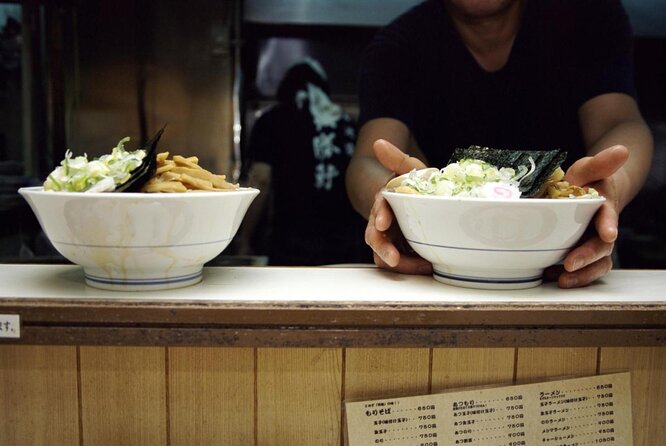
The food is the main reason to book. Several dishes are described as exceptional, and the sushi stop has been praised for expertly crafted pieces in a small, authentic setting. The Wagyu stop gets equal attention, especially the fun of cooking the beef at your own table.
I would not book this as a simple way to get dinner. You can certainly find sushi and yakiniku in Tokyo on your own. The value comes from having someone select the stops, explain the food, handle the route, and connect the meal to the streets around Shinjuku.
A few more Tokyo tours and experiences worth a look
Meeting the group near Shinjuku Station
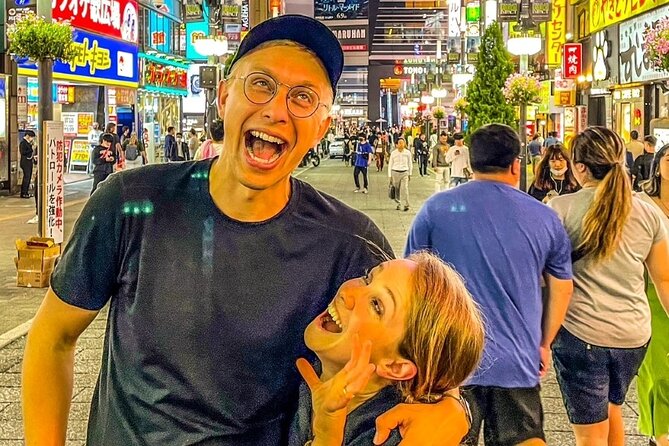
The tour begins at 6:30 pm at 7-chōme-10-5 Nishishinjuku, in Shinjuku City. This is close to one of Tokyo’s major transport hubs, but Shinjuku Station is large and can be confusing, so allow extra time to find the exact meeting point.
The tour ends at the Hashimoto Building at 1-chōme-1-5 Kabukichō. The end point is described as being near Golden Street, one of the area’s famous izakaya lanes. That makes the finish practical if you want to continue your night nearby, though your own return transportation is not included.
The walking route matters here. Shinjuku can feel like a wall of signs, train entrances, department stores, restaurants, and side streets. A guide gives the evening a clear shape, which is especially useful if this is your first night in Tokyo.
The group limit is 10 people. That is small enough for direct questions and easier conversation at a compact restaurant. It also means the experience may feel more like going out with a food-minded group than joining a large bus excursion.
Omoide Yokocho and the older side of Shinjuku
Omoide Yokocho is a tight maze of narrow alleys near the West Exit of Shinjuku Station. It has tiny restaurants and open barbecue stalls, and it feels very different from the polished, modern spaces around the station.
This is one of the most useful parts of the walk because it shows how quickly Tokyo can change from huge and modern to intimate and old-fashioned. You may not spend your meal here, but passing through gives you a sense of the small-scale dining culture that makes Shinjuku so interesting.
The lanes are narrow, and the restaurants are compact. If you prefer wide spaces and quiet dining, this part of the route may feel crowded. If you enjoy seeing where local evening food culture takes place, it is a memorable introduction.
The guide can also help you notice details you might otherwise walk past. Food tours work best when the guide points out what a street is for, how the businesses fit together, and which places are meant for a quick drink rather than a full meal.
Kabukicho after dark
Kabukicho is known for restaurants, bars, nightclubs, and adult entertainment. It is a major nightlife district, not a quiet historic quarter, and the evening route places you in the middle of that energy.
I like this stop because it adds a little edge to the food. You are not moving between anonymous restaurants in a shopping district. You are eating in one of Tokyo’s most famous night zones, where bright signs and narrow lanes create a very different mood from the daytime city.
You should still choose this tour with the setting in mind. Kabukicho is a leisure and pleasure district, so it may not suit someone seeking a calm, traditional neighborhood walk. The tour is aimed at adults who want food, city life, and a look at Shinjuku’s nightlife scene.
The exact amount of walking and time spent at each point is not specified. The full experience lasts about three hours, including the two food stops and the neighborhood route.
The Godzilla head photo stop
The Godzilla head is an easy visual marker in Shinjuku and a fun break between food stops. It gives you a chance to take photos and adds a playful bit of pop culture to an evening otherwise focused on restaurants and local streets.
This is not a museum visit or a long attraction stop. Think of it as a quick photo opportunity along the route. That makes it a good fit for you if you want a few recognizable Tokyo images without giving up much of your dinner time.
It also helps break up the evening. You are not sitting in restaurants for three straight hours, and you are not walking without a purpose. The food, landmarks, and street scenes work together.
Hanazono Shrine offers a quieter pause
Hanazono Shrine is another stop in the Shinjuku route. The information provided does not specify how long you stay there or whether a formal visit is included, so you should treat it as a neighborhood landmark rather than a full shrine tour.
Its value is the change of pace. After Kabukicho’s signs and nightlife, a shrine stop gives you a quieter cultural note. You can ask your guide about the site and its place in the area, then continue through Shinjuku with a better sense of the district’s range.
This is a good example of what the guide contributes. Without context, you may see a shrine, take a photo, and move on. With a guide, the stop can become part of a larger explanation of how religious sites, restaurants, bars, and modern entertainment coexist in Tokyo.
Golden Gai and the final walk
Golden Gai is a maze of very small bars east of Kabukicho. It preserves the look and feel of 1960s Tokyo, with tiny venues packed into narrow lanes.
The end point is near this famous bar area, so the tour closes in a part of Shinjuku that feels intimate and old compared with the large station district. You may want to continue on your own after the tour, but drinks or additional stops after the official experience are not included.
Golden Gai is best appreciated as a walk and a look at the architecture. The small bars may have limited space, and the area is not designed for large groups. That makes the tour’s 10-person maximum helpful, though your group will not necessarily enter every bar.
If you want a guided introduction to Shinjuku’s nightlife districts, this route is stronger than a meal at a restaurant alone. If your only goal is sushi and Wagyu, the sightseeing portions may feel like extra time.
What the two dinner stops are like
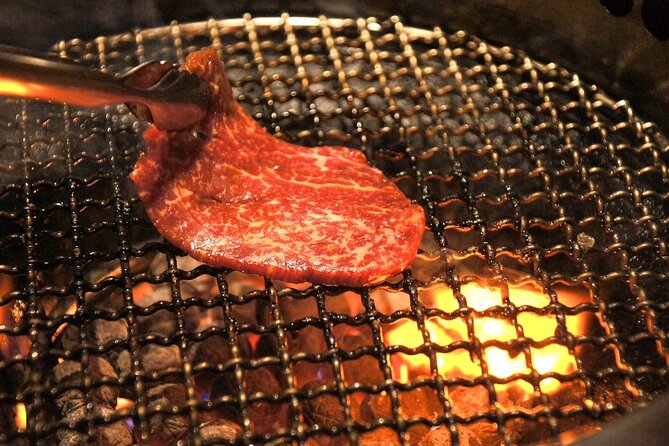
Dinner includes two food stops. One focuses on sushi, with sake mentioned in the experience details. The other centers on Wagyu, with whiskey soda mentioned as a drink pairing in one account of the evening.
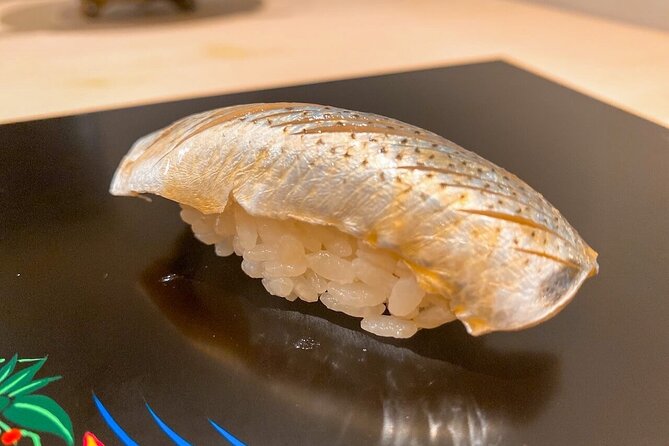
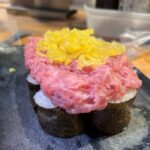
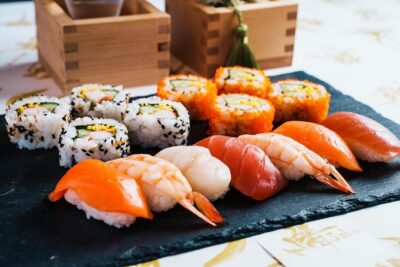
The sushi restaurant is described as small and authentic, with pieces prepared by local chefs. That kind of setting can be a real advantage in Tokyo, where a compact restaurant may offer a more personal meal than a large dining room.
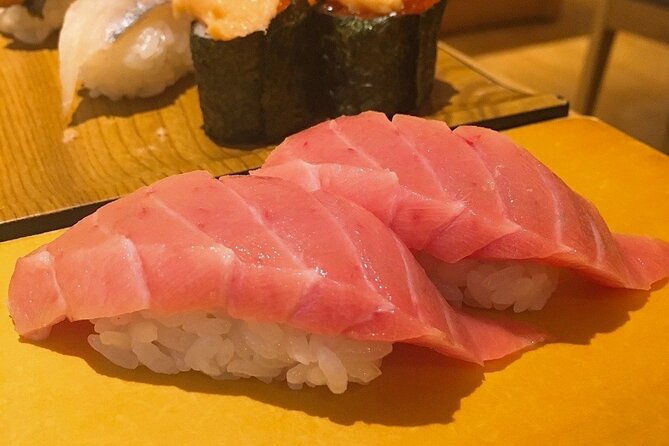
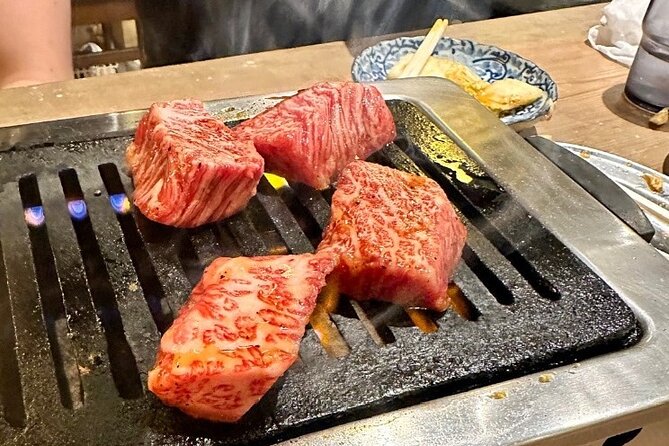
The Wagyu stop is more interactive. You grill the beef at your table, which adds a simple but enjoyable activity to the meal. The beef itself receives especially strong praise, so this is likely to be the highlight for anyone who loves Japanese barbecue.
The exact menu is not listed, and substitutions or specific cuts are not promised. If you have allergies, strict dietary needs, or foods you cannot eat, ask the provider before booking rather than assuming the menu can be changed.
Included alcoholic beverages are limited by age. You must be at least 20 to receive them, in line with Japan’s legal drinking age. Dinner is included, but extra food or drinks beyond what the tour provides should not be assumed.
How much value do you get for $156.77?
At $156.77, this is not a bargain dinner. It can still be good value if you want a planned evening with two restaurant stops, a local guide, neighborhood walking, and the ease of not having to choose or reserve places yourself.
The price makes more sense for a first visit to Tokyo, a solo visitor, or a couple who wants an organized food night. It also suits you if you care about the story behind the meal and enjoy asking questions.
The value is weaker if you already know Shinjuku well or feel comfortable choosing restaurants independently. One person found that the two restaurants could be visited without a guide, and that is a fair criticism. The food itself may justify much of the price, but the guide is the part that turns dinner into a cultural tour.
Group discounts are available, and mobile tickets make access simple. The tour is often booked about 52 days ahead, which suggests you should not leave it until the last minute if your Tokyo dates are fixed.
What guides add to the evening
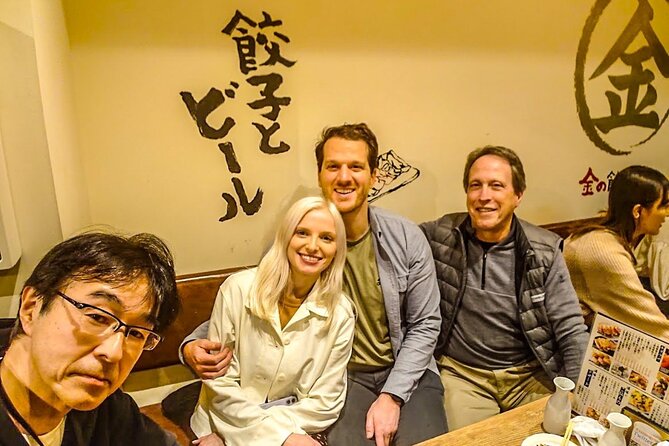
The strongest part of the guide service is not just navigation. It is the explanation of sushi etiquette, Wagyu, food customs, neighborhood stories, and the places that are easy to miss when you walk alone.
Yuki has been praised for explaining Japanese food culture and finding a small sushi restaurant that would be difficult to locate without local help. Natsuki has been described as friendly and strong on the history of the area, with a route that included less famous places.
Emma has been appreciated for making a first night in Tokyo feel easy and welcoming. Miharu has guided groups to sushi with sake and Wagyu with whiskey soda while explaining culture and landmarks along the way. Ando Minoru has been praised for answering questions and explaining the foods served.
You are not guaranteed a particular guide. These names show the range of the guiding style you may encounter, not a promise about who will lead your date.
Who should book this Shinjuku food tour?
I would recommend it to food-focused visitors who want more than a restaurant reservation. It is especially useful for:
- Solo visitors who want company at dinner
- Couples looking for a planned first evening in Tokyo
- People curious about sushi etiquette and Wagyu
- Anyone who enjoys narrow lanes, nightlife districts, and local landmarks
- Visitors who want a small group rather than a large coach tour
I would be more cautious if you dislike nightlife areas, do not drink alcohol, or prefer to choose every restaurant yourself. You can still enjoy the food, but you will pay for elements you may not use.
The tour is near public transportation, and most people can participate. You should expect an evening that combines walking and seated dining, but the supplied details do not give a precise walking distance or accessibility plan.
Free cancellation is available if you cancel at least 24 hours before the 6:30 pm start time. Changes or cancellations made inside that window are not refundable.
My booking verdict
Book this if you want a guided food night in Shinjuku, not just two meals. The combination of sushi, table-grilled Wagyu, Omoide Yokocho, Kabukicho, the Godzilla head, Hanazono Shrine, and Golden Gai gives the evening a clear sense of place.
Skip it if you are confident finding restaurants on your own and would rather spend $156.77 directly on food. For everyone else, the small group, local explanations, and carefully arranged route make this a useful first taste of Tokyo’s food and nightlife districts.
FAQ
How long does the Wagyu and Sushi Tokyo Gastronomic Journey last?
The experience lasts approximately three hours.
What time does the tour start?
The tour starts at 6:30 pm.
Where does the tour begin?
It begins at 7-chōme-10-5 Nishishinjuku, Shinjuku City, Tokyo 160-0023, Japan.
Where does the tour end?
It ends at the Hashimoto Building, 1-chōme-1-5 Kabukichō, Shinjuku City, Tokyo 160-0021, near Golden Street.
How many people can join the tour?
The maximum group size is 10 people.
What food is included?
Dinner is included at two food stops, one focused on sushi and the other on Wagyu. Alcoholic beverages are also included for people age 20 and older.
Are transportation costs included?
No. Transportation costs of about 200 to 800 yen are not included.
Is hotel pickup and drop-off provided?
No. Hotel pickup and drop-off are not included.
Can I cancel for a refund?
Yes. You can receive a full refund if you cancel at least 24 hours before the experience start time. Cancellations or changes made less than 24 hours before the start are not accepted for a refund.
More Sushi Making Classes in Tokyo
More tours in Tokyo we've reviewed






Sushi Making Classes, compared.
 ★ 5.0Sushi Making Tokyo Roll and Authentic Japanese Sushi ClassFrom $59
 ★ 4.9Tokyo: Roll and Authentic Sushi Making Class in AsakusaFrom $581h 40m
 ★ 5.0Make Sushi and Create Unforgettable Memories in TokyoFrom $79
 ★ 4.9Tokyo: Sushi Making Class in a Happi Coat near a Famous SpotFrom $421h 30m
 ★ 5.0Tokyo Sushi Making Class in Tsukiji with Professional ChefFrom $49
 ★ 5.0Tokyo Night Foodie Tour in Shinjuku – Seasonal Sushi, Wagyu BeefFrom $111