
Reviewed · GUIDED
Unlock Hidden Tokyo: Private Custom Tour with a Local guide
Tokyo can feel like several cities stitched together: imperial grounds, old temple lanes, food stalls, polished department stores, youth fashion, and neon crowds. This private five-hour tour lets you choose the mix, with an English-speaking guide handling the route and explaining what you are seeing.
I like the chance to shape the day around your interests, and I like having one guide focused only on your group of up to six. Guide Ryo is especially praised for being kind with children, punctual, helpful, and good at adjusting the route. The catch is simple: seven listed stops in five hours means quick visits, and food, drinks, and any extra purchases are your responsibility.
In This Review
- Key points to know before booking
- A private Tokyo day built around your priorities
- Imperial Palace: a calm start in central Tokyo
- Senso-ji: old Tokyo around the Asakusa temple
- Tsukiji Outer Market: choose food over speed
- Ginza: polished shopping with only 30 minutes
- Takeshita Street: Harajuku’s playful fashion scene
- Meiji Jingu: forest, ceremony, and a slower pace
- Shibuya Crossing: Tokyo’s famous final snapshot
- Why Ryo matters on a tightly packed route
- Five hours, seven stops, and the pace you should expect
- Price, group size, and what you still pay
- Who will get the most from this tour
- Should you book the private Tokyo route?
- FAQ
- How long is the private Tokyo tour?
- How many people can join the private tour?
- What is the price of the tour?
- Is the itinerary fixed?
- Which sights may be included?
- Is an English-speaking guide included?
- Is pickup available?
- Is lunch included?
- Can I cancel for a full refund?
Key points to know before booking
- You can build the route around your interests: Choose cultural sights, shopping, food, major Tokyo icons, or a blend.
- Ryo is a frequently requested guide: He is praised for clear directions, local background, flexibility, and smooth driving.
- Seven stops are listed for roughly five hours: Expect a broad overview rather than long visits at every place.
- The tour is private for up to six people: Your group gets the guide’s full attention instead of sharing time with strangers.
- Pickup is offered and public transportation is nearby: The exact meeting arrangement should be confirmed when you book.
- The $280 group price can work well for families: Split among six people, it is about $46.67 each before food and other personal costs.
A private Tokyo day built around your priorities
The main appeal here is control. Tokyo’s famous areas are spread across the city, and first-time visitors can lose time figuring out which station exit to use, how long a transfer takes, or where a major sight actually begins. A private guide can keep the day moving and adapt it to your group.
You might ask for classic Tokyo: the Imperial Palace, Senso-ji, Meiji Jingu, and Shibuya Crossing. You could instead make the day about shopping, with Ginza and Harajuku, or focus on food around Tsukiji Outer Market. The supplied route also includes all seven, but the word custom matters. You should discuss your priorities before the day rather than assume every stop must be visited exactly as listed.
This is especially useful for families and first-time visitors. Ryo’s strongest praise centers on kindness with children, patience, clear explanations, and practical help. One family-focused account describes him as caring and kind with kids, while several others note that he adjusted the route to match personal interests and schedules.
The five-hour limit requires sensible choices. If you try to give every location equal attention, you will spend much of the day moving between areas and taking a quick look. I would choose three or four main priorities, then treat any extra stops as short photo or orientation visits.
Other guided tours in Tokyo
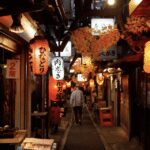

Imperial Palace: a calm start in central Tokyo
The Imperial Palace has been the official residence of Japan’s Emperors since 1868. Its grounds connect present-day Tokyo with the country’s modern imperial era, making this a useful first stop if you want context before heading into busier districts.
The listed visit is one hour, with admission included. That gives you enough time for a measured look at the grounds and a few questions for your guide, but not an exhaustive exploration of every part of the palace area. The palace itself is not simply a standard museum visit, so ask your guide what sections are available during your visit and what you can see from public areas.
I like this stop for contrast. Tokyo is famous for speed, towers, screens, and crowds, yet the palace area offers a more formal setting in the middle of the city. If you are mainly interested in shopping or food, it may be the first place to shorten. If you want history and national symbols, keep the full hour.
Senso-ji: old Tokyo around the Asakusa temple
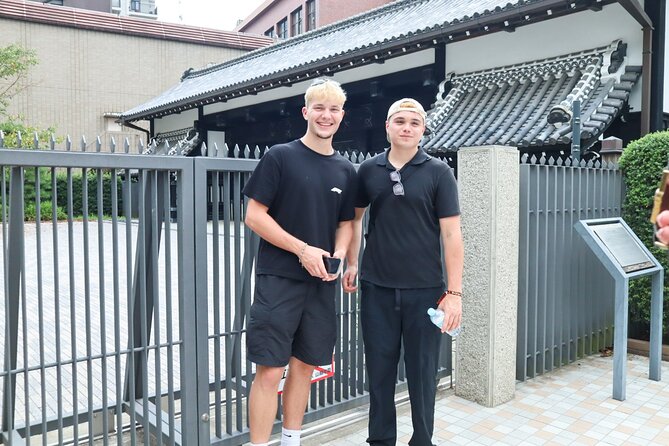
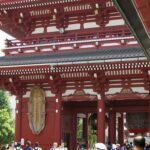
Senso-ji is one of Tokyo’s essential cultural stops. More than 1,400 years old, it is a major Buddhist temple and one of the city’s most visited sights. The temple grounds give you a clear look at traditional religious architecture and the older side of Tokyo.
The planned time is one hour, with admission included. That is enough for the main approach, temple area, and questions about customs, but the area can easily fill a longer visit. You may want time to look at the shops and food stands around the temple, so tell your guide if browsing matters as much as the temple itself.
This is a good place to use the guide’s local knowledge. A guide can explain how to behave at a temple, point out entrances, and help you understand what you are looking at rather than reducing the stop to a quick photograph. Clear directions are one of Ryo’s repeated strengths, which matters in a crowded area with several lanes and access points.
Tsukiji Outer Market: choose food over speed
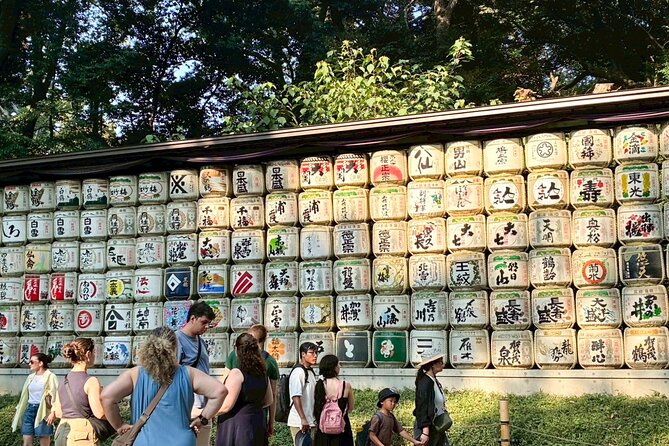
Tsukiji Outer Market is described as Japan’s Food Town, with traditional Japanese foods sold through a mix of wholesale and retail shops. This is likely the most naturally flexible stop on the route. You can walk, look, ask questions, and decide what you want to eat.
The schedule allows one hour. That sounds generous until you factor in browsing and food purchases. Lunch is not included, and anything you eat or drink is paid separately, so bring room in your budget. I would tell the guide in advance if Tsukiji is a top priority, since a rushed market visit can feel more like a pass-through than a meal stop.
The market also shows why a private tour can be useful. Your guide can help you understand the area and suggest how to spend your limited time. Still, the guide cannot make a one-hour visit feel like a full food tour. If you want to sample several dishes at a relaxed pace, consider dropping one of the shopping stops.
Ginza: polished shopping with only 30 minutes
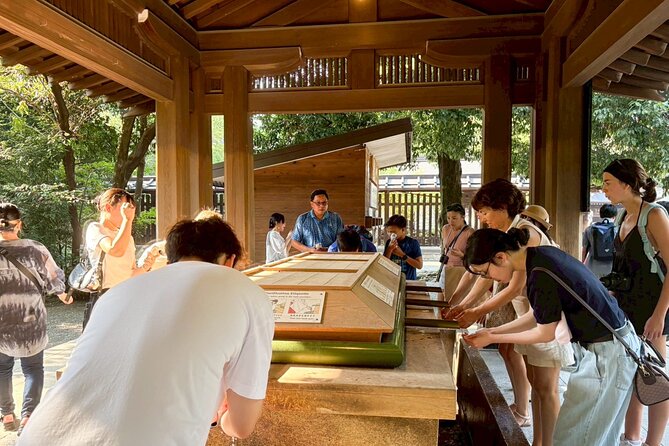
Ginza is Tokyo’s high-end retail district, known for luxury boutiques, flagship stores, and upscale shopping malls. The planned visit lasts 30 minutes and costs nothing to enter, which makes it best as a quick orientation stop or a targeted shopping visit.
You can use this time to see the district’s style, identify a store, or take a short walk before moving on. It is not enough time for serious shopping across several buildings. If your group has different tastes, Ginza may work as a brief look while the guide helps you decide which area deserves more attention later.
I would keep Ginza only if premium shopping, department stores, or modern Tokyo design are part of your plan. For a first visit focused on temples and food, those 30 minutes may be better spent extending Senso-ji or Tsukiji.
Other private tours in Tokyo

Takeshita Street: Harajuku’s playful fashion scene
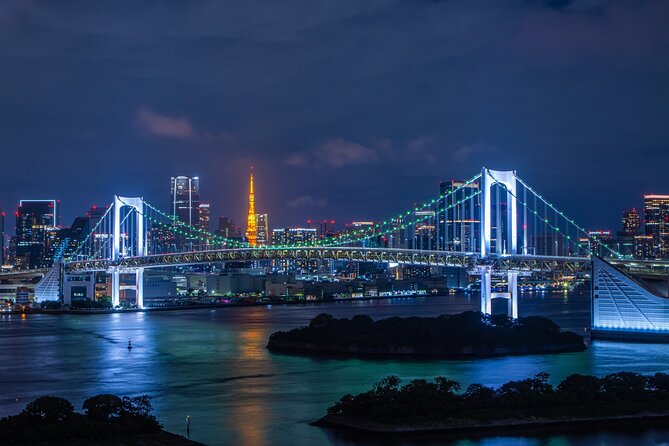
Takeshita Street is a compact look at Harajuku’s youth fashion and kawaii culture. Its shops sell unusual clothing, playful items, and other products associated with the area’s youthful style. The stop is scheduled for 30 minutes, with admission included.
Thirty minutes is enough to walk through and get a taste of the district. It is not enough for a relaxed shopping session if you want to enter several boutiques. The street can also feel very different from the quiet forest at Meiji Jingu, which is why pairing these two stops creates such a useful contrast.
I like this option for families, teenagers, and anyone curious about a less formal side of Japanese city life. If you do not care about fashion or novelty shopping, you may find the stop less rewarding than the market or shrine. Tell the guide what you want from Harajuku so the visit does not become an aimless walk.
Meiji Jingu: forest, ceremony, and a slower pace
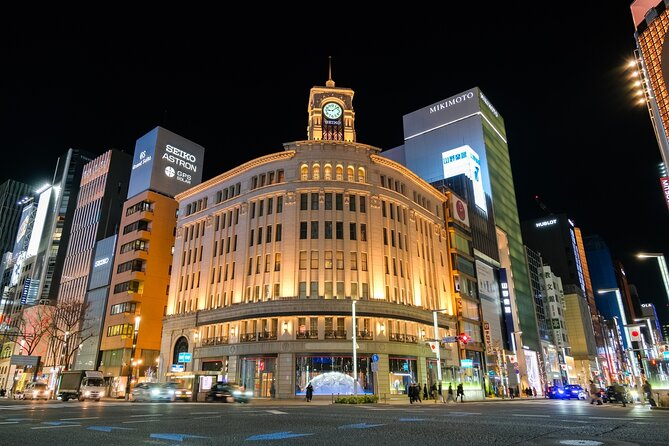
Meiji Jingu is dedicated to Emperor Meiji and Empress Shoken. The shrine sits in a forest containing more than 100,000 trees, offering a quiet break from Harajuku’s shops and Tokyo’s constant motion.
The scheduled time is 30 minutes, with admission included. That is a short visit for a shrine surrounded by a large forest, so you should view it as an introduction rather than a long nature walk. If peaceful religious spaces matter to you, ask for more time here and reduce the shopping stops.
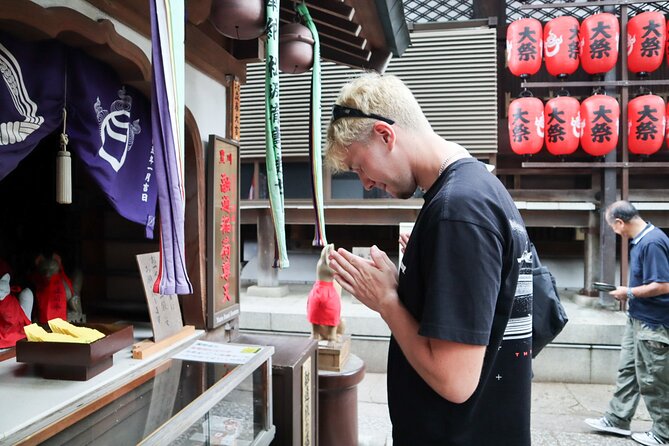
This is one of the route’s best contrasts. In a single part of Tokyo, you can move from youth fashion to a formal Shinto shrine and wooded paths. Your guide can also explain basic shrine manners and help you identify the correct entrance, a practical benefit when the grounds feel larger than expected.
Shibuya Crossing: Tokyo’s famous final snapshot
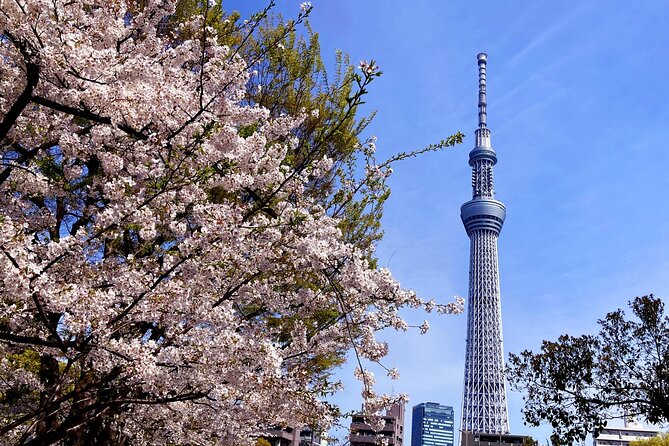
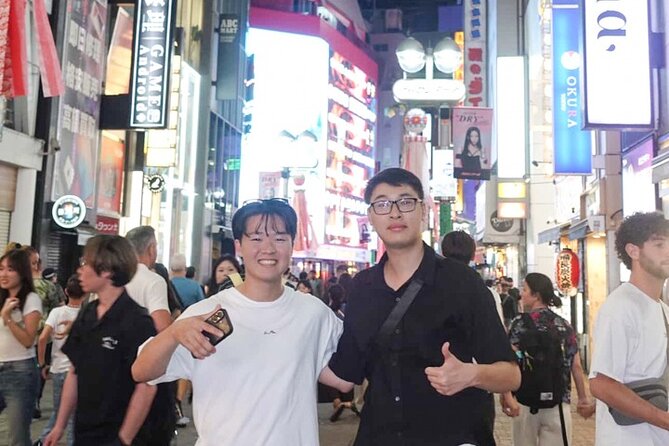
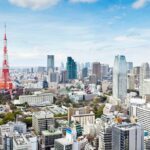
Shibuya Crossing is one of the world’s busiest pedestrian intersections. At each light change, an estimated 2,500 people may cross. The planned visit is 30 minutes, with admission included.
You do not need a long time to understand the crossing. A short visit lets you watch the signal change, cross with the crowd, and take in the surrounding district. The real value of a guide here is not a long historical talk. It is knowing where to enter, where to meet afterward, and how to fit this quick stop into the rest of the route.
The crossing is a strong ending if you want a classic Tokyo image. It is less useful if your priority is quiet culture or food. Because this is a short stop, I would not give up an entire hour at Senso-ji or Tsukiji simply to spend more time here.
Why Ryo matters on a tightly packed route
The guide can make or break a five-hour custom tour. Ryo is singled out for being friendly, polite, punctual, and flexible. He is also praised for showing people where to enter sights, keeping the route organized, and adjusting the plan when a group wants to visit somewhere not originally included.
Several accounts describe him as a safe, smooth driver. The tour information confirms pickup is offered, but it does not spell out the vehicle arrangement for every booking, so clarify whether your group will be driven between stops and how pickup works. Do not assume that every booking follows the same transport pattern.
The strongest practical benefit is having someone who can react during the day. If your children tire of shopping, if Tsukiji deserves more time, or if a particular district matters less than expected, you can ask for a change. That flexibility is more valuable than a rigid checklist.
Five hours, seven stops, and the pace you should expect
The listed schedule totals five hours:
- Imperial Palace, one hour
- Senso-ji Temple, one hour
- Tsukiji Outer Market, one hour
- Ginza, 30 minutes
- Takeshita Street, 30 minutes
- Meiji Jingu Shrine, 30 minutes
- Shibuya Crossing, 30 minutes
Those stop times add up to five hours before allowing for travel between districts. Treat the schedule as a menu of suggested visits, not a promise that you will spend the full posted time at every stop. A private guide may adjust the order or remove stops based on your wishes.
For the best day, tell the provider what matters most before arrival. Ask yourself whether you want food, old Tokyo, imperial history, youth culture, luxury shopping, or famous photo spots. Pick two major themes and one secondary theme, then let the guide build the route.
The broad route is strongest for a first Tokyo overview. It is less suitable if you want a slow temple visit, a full market lunch, or detailed shopping at every district. Tokyo rewards curiosity, but this format rewards clear priorities.
Price, group size, and what you still pay
The price is $280 per group of up to six people, not $280 per person. At maximum capacity, that works out to about $46.67 per person for five hours, before food and personal purchases. For a family or group of friends, that is a sensible way to buy private guidance and route planning.
For two people, the same total is $140 each. That makes the value more dependent on how much you care about private attention, pickup, and a flexible plan. A shared outing may cost less, but it will not give you the same control.
Lunch is not included. Food and drinks at Tsukiji, shopping on Takeshita Street or in Ginza, and any other personal spending come from your own pocket. Keep this in mind when comparing the headline price with your full day’s budget.
The city map is included, along with the English-speaking guide. The map can also help you continue exploring after the five-hour visit, especially if you decide to return to one of the districts at a slower pace.
Who will get the most from this tour
I would recommend this format to first-time visitors who want orientation without joining a large group. Families may also find it useful because Ryo is praised for being patient and caring with children, and because the private setting allows the pace to change.
It suits groups with mixed interests. One person can prioritize temples, another can request shopping, and someone else can ask for food stops. A private guide gives you a better chance of balancing those wishes than a fixed group schedule.
It is less ideal for independent visitors who already know Tokyo’s train system and prefer spending half a day in one neighborhood. It is also not the best fit for anyone who wants a slow, specialist food tour or a detailed historical tour of one site. The value comes from combining several parts of Tokyo efficiently.
Confirmation is provided when you book. The activity operates daily during the published period, with hours listed from 9:00 AM to 11:00 PM, and it is near public transportation. Service animals are allowed, and most people can participate. Free cancellation is available up to 24 hours before the start time, but changes or cancellations inside that window are not refunded.
Should you book the private Tokyo route?
Book it if you want a flexible first look at Tokyo, especially with family or a group of friends. The $280 group rate is strongest when shared by five or six people, and Ryo’s reported strengths in timing, directions, kindness, and route changes are exactly what a busy city tour needs.
Before paying, send your top three priorities and ask how pickup and transport will work. If Tsukiji matters most, protect that hour for eating and browsing. If you want all seven stops, accept short visits. If you prefer depth over coverage, cut the list.
I would choose this tour for convenience, personal attention, and a broad introduction. I would skip it only if you already have a carefully planned Tokyo route or want to spend the day slowly in one neighborhood.
FAQ
How long is the private Tokyo tour?
The tour lasts approximately five hours.
How many people can join the private tour?
Up to six people can participate in one group.
What is the price of the tour?
The price is $280 per group of up to six people.
Is the itinerary fixed?
No. The route is fully customizable around your interests, with possible areas including Asakusa, Harajuku, and Shibuya.
Which sights may be included?
Possible stops include the Imperial Palace, Senso-ji Temple, Tsukiji Outer Market, Ginza, Takeshita Street, Meiji Jingu Shrine, and Shibuya Crossing.
Is an English-speaking guide included?
Yes. An English-speaking guide and a city map are included.
Is pickup available?
Pickup is offered. The experience is also near public transportation.
Is lunch included?
No. You pay separately for any food or drinks.
Can I cancel for a full refund?
Yes, if you cancel at least 24 hours before the experience start time. Cancellations or changes made less than 24 hours before the start time are not refunded.
More Private Tours in Tokyo
More Guided Tours in Tokyo
More tours in Tokyo we've reviewed


Guided, compared.
 ★ 5.0Tokyo 6hr Private Tour with Government-Licensed GuideFrom $155
 ★ 4.9Tokyo: Shinjuku Local Bar and Izakaya Guided Walking TourFrom $343 hours
 ★ 4.8Tokyo: Private City Highlights Tour with Local GuideFrom $1064 - 8 hours
 ★ 4.9Tokyo: Tsukiji Fish Market Guided Walking TourFrom $222 hours
 ★ 5.0Tokyo 4hr Private Tour with Government-Licensed GuideFrom $109
 ★ 5.0Tokyo Guided Small-Group Biking TourFrom $106