
Reviewed · GUIDED
Tokyo Private SightSeeing Day Tour With Guide
Tokyo is a huge city, and this private day tour tackles its greatest hits in one long sweep: Tsukiji, the Imperial Palace, Asakusa, Tokyo Skytree, Meiji Shrine, Harajuku, and Shibuya. For a first visit or a short stay, that range is the main attraction.
I like the door-to-door convenience and the freedom to set your own pace. Guides including Imran and Moon are praised for being flexible, caring, and well-informed, while the private car keeps your group together. The tradeoff is simple: ten hours is a lot of time in a vehicle, and admission tickets, meals, and any required guide fees cost extra.
In This Review
- Key points to know before booking
- A smart way to cover Tokyo’s far-flung sights
- Tsukiji: start with food, shops, and city energy
- Imperial Palace East Gardens: Edo Castle in the middle of Tokyo
- Senso-ji: Tokyo’s most colorful traditional stop
- Tokyo Skytree: pay extra for the view
- Meiji Jingu: quiet paths beside Harajuku
- Takeshita Street: Harajuku’s loud, playful side
- Shibuya Crossing: finish with Tokyo’s famous scramble
- Guides, drivers, and the value of a private car
- What the price includes, and what it does not
- Who should book this Tokyo day tour?
- Should you book it?
- FAQ
- How long does the Tokyo private sightseeing tour last?
- How many people can join the private tour?
- Is hotel pickup available?
- Are attraction tickets included?
- Is lunch included?
- What is included in the vehicle service?
- Can the tour schedule be changed?
Key points to know before booking
- Seven major Tokyo sights in one day: The route covers old temples, imperial grounds, modern shopping, and famous city views.
- Private transport for up to five people: The quoted price is per group, not per person, so the value improves with a full group.
- Flexible pacing: Guides such as Imran, Moon, Abid, and Ahmed have adjusted the schedule around personal interests and available time.
- Hotel pickup is offered: This saves you from finding a meeting point and makes the tour useful after a tiring arrival or for families.
- Tokyo Skytree tickets are extra: The two-hour stop can become costly if you choose an observation deck visit.
- Travel time counts toward the ten hours: You will see a lot, but this is a highlights tour rather than a slow, in-depth visit to each place.
A smart way to cover Tokyo’s far-flung sights
Tokyo’s main attractions are spread across different districts. Tsukiji is near the center, Asakusa lies to the northeast, Harajuku and Meiji Shrine are farther west, and Shibuya is nearby but still deserves its own stop. Moving between them by train is perfectly possible, but it takes planning, station changes, and energy.
This tour replaces that work with a private, air-conditioned vehicle. You receive pickup, private transportation, bottled water, a complimentary soft drink, onboard WiFi, parking fees, and fuel costs. That package is especially useful for a group of four or five, for parents with children, or for anyone who wants one easy day without learning Tokyo’s rail system first.
The price is $718.53 for up to five people. At full capacity, that works out to about $143.71 per person. For two people, the cost is about $359.27 each, so the financial value depends heavily on group size. You are paying for privacy, a vehicle, convenience, and schedule control, not simply for admission to attractions.
The vehicle is also a practical place to rest between stops. Still, Tokyo is large, and the ten-hour duration includes driving time. You should expect a fast overview, not a leisurely afternoon at every location.
Other guided tours in Tokyo
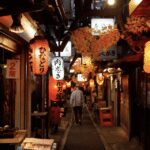

Tsukiji: start with food, shops, and city energy
The first stop is Tsukiji Fish Market, with about an hour set aside. The wholesale market moved to Toyosu in 2018, but Tsukiji’s outer market remains a popular place for retail food shops, restaurants, and stores selling cooking supplies.
Admission is free, which makes this an easy opening stop. You can look around the market lanes, browse seafood and kitchen goods, and decide if you want to buy a snack. Lunch is not included, so Tsukiji could be a convenient place to pay for something to eat, though the planned lunch suggestions also include Asakusa, Tokyo Skytree Town, and Takeshita Street.
The main limit is time. An hour gives you an introduction, not a full market morning. If you care most about food, tell your guide at the start. The itinerary is customizable, and that may be more useful than trying to see every listed stop exactly as scheduled.
Imperial Palace East Gardens: Edo Castle in the middle of Tokyo
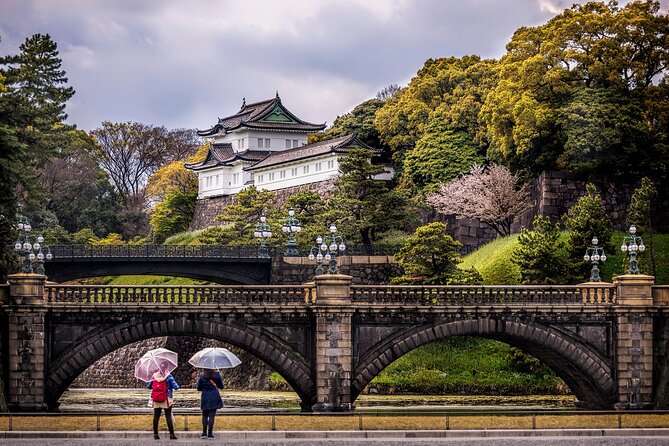
The East Gardens of the Imperial Palace offer a change of mood after Tsukiji. This public garden occupies part of the former Edo Castle grounds, including the inner defensive areas known as the honmaru. You can see remnants of the old castle setting while remaining close to modern Tokyo.
The one-hour visit is a good length for a quick look at the palace grounds and Edo period context. It also gives you a break from commercial districts and crowded shopping streets. There is no admission charge.
Do not expect to tour the private Imperial Palace interior. The stop is specifically the East Gardens, and the appeal is the open grounds and castle remains. If you want a detailed account of Japan’s political past, ask your guide to explain what you are seeing. The guides are not simply drivers in every case, and Imran and Moon are specifically praised for sharing useful information and stories along the way.
Senso-ji: Tokyo’s most colorful traditional stop
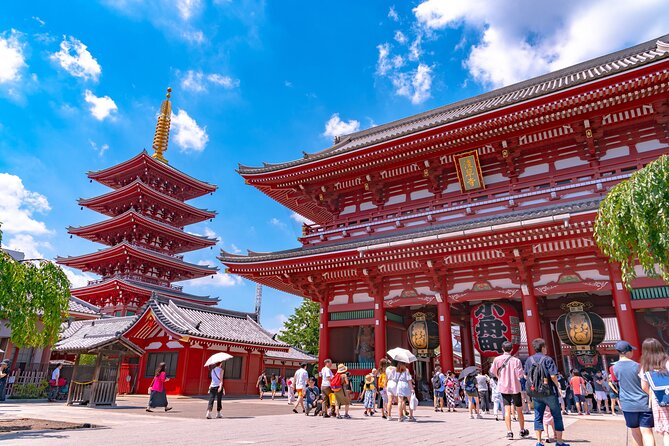
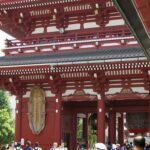
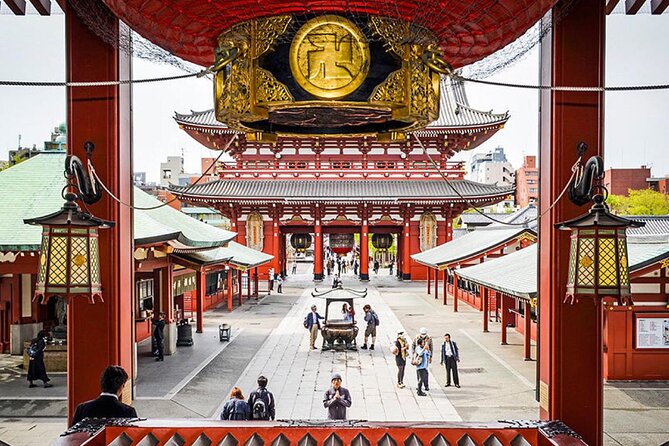
In Asakusa, the tour spends about an hour at Senso-ji, also called Asakusa Kannon Temple. This Buddhist temple is one of Tokyo’s best-known traditional sights, with a strong visual contrast to the city’s towers and department stores.
The temple grounds are free to enter. You will have time to see the approach to the temple, look at the surrounding shops, and take in the religious setting. For many first-time visitors, this is the clearest introduction to old Tokyo on the route.
An hour goes quickly here. You can focus on the temple, browse the nearby shopping street, or use the time for lunch, but you probably cannot do all three at a relaxed pace. A lunch option is available at Senso-ji, though the meal itself is not included in the tour price.
The private vehicle matters in this part of the day because it lets you leave your bags and shopping items in one place. Your guide can also help you decide how much time to spend around the temple before moving on.
Tokyo Skytree: pay extra for the view
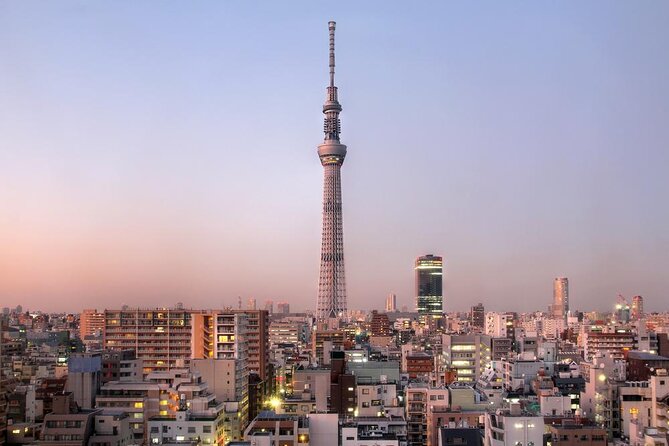
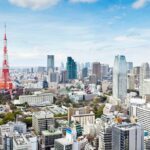
The tour allows two hours for Tokyo Skytree, Tokyo’s 634-meter broadcasting tower and a major landmark in Sumida. It rises above Tokyo Skytree Town, not far from Asakusa, so the pairing makes geographic sense.
The important cost detail is that entry is not included. If you want to go up to an observation deck, you will buy that ticket separately. The two-hour allocation gives you time for the tower, the shopping and dining complex below, or both, but the exact use of the stop depends on your interests.
I would decide before the tour starts if the tower is a priority. If you want the views, tell your guide so the schedule allows for ticketing and the visit upstairs. If you would rather save money, Tokyo Skytree Town can still provide a convenient place for lunch, with lunch also available as an option there.
This is one of the stops most likely to affect the final cost. The private tour price covers transport, not attraction tickets. Keep that distinction in mind before you book.
Other private tours in Tokyo

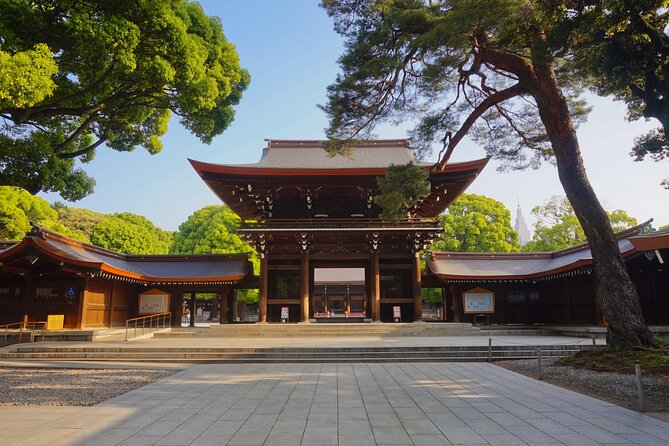
Meiji Jingu: quiet paths beside Harajuku
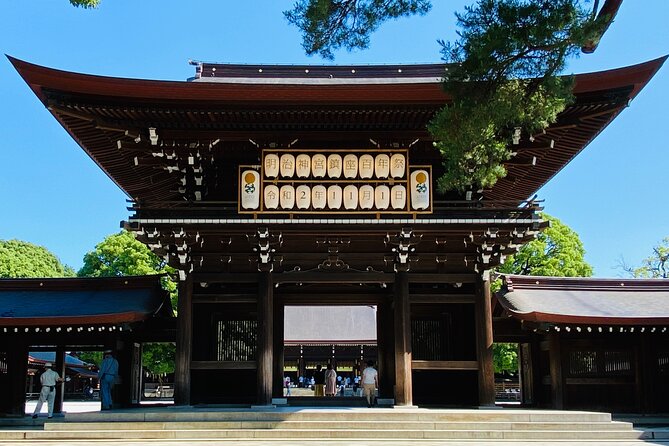
Meiji Jingu Shrine receives about 45 minutes. Dedicated to Emperor Meiji and Empress Shoken, the shrine was completed and dedicated in 1920. Its location near Harajuku makes it an efficient pairing with Takeshita Street.
The shrine is free to enter, and the visit brings a more peaceful, traditional setting into a day otherwise filled with markets, towers, and busy streets. You can walk toward the shrine buildings, observe the grounds, and learn about the people honored there.
Forty-five minutes is enough for a short visit, but it is not a long forest walk or a full religious ceremony experience. If you want more time here, the customizable schedule gives you a reason to discuss priorities with your guide. The tour works best when you treat the published route as a framework rather than a rigid promise.
Takeshita Street: Harajuku’s loud, playful side
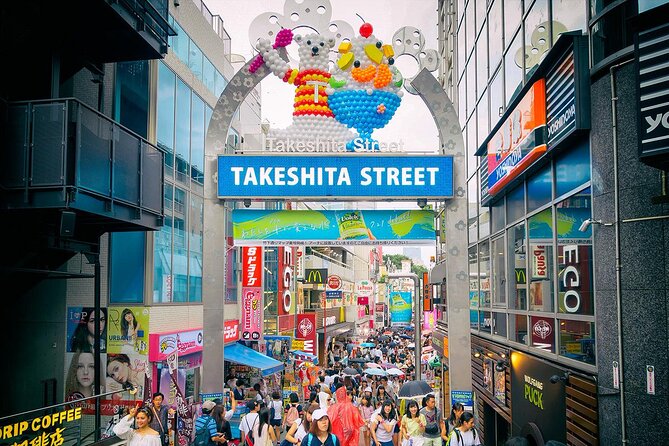
Takeshita Street gets another 45 minutes. This pedestrian shopping street is associated with Harajuku youth culture, colorful sweets, crepes, and novelty shops. It is a sharp contrast to Meiji Jingu, even though the two stops are close together.
You can use the time for a quick walk and a snack. Calbee chips, candy floss, and crepes are specifically noted as local treats to look for. Lunch is also listed as an option here, but you pay for it yourself.
This stop is best for people who want a taste of modern Tokyo’s playful side. It may be less appealing if you prefer museums, gardens, or long meals. The short timing is suitable for sampling the atmosphere, not for serious shopping.
Because the street can be visually and socially intense, a private guide is useful for keeping the day moving. You can also tell the guide if you want to skip shopping and give those minutes to another stop.
Shibuya Crossing: finish with Tokyo’s famous scramble
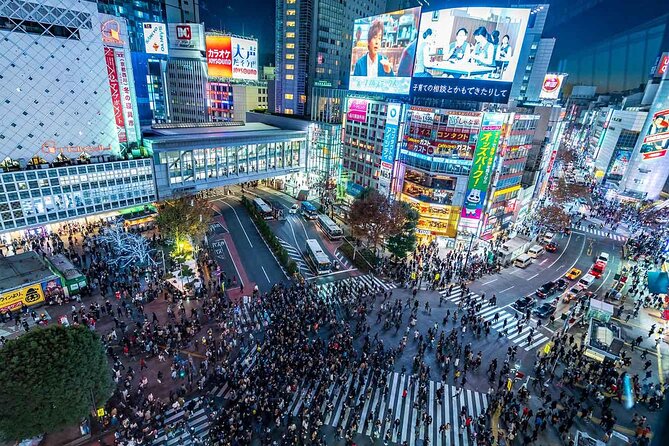
The last listed stop is Shibuya Crossing, with about 30 minutes. Located outside Shibuya Station near the Hachiko exit, the crossing is famous for pedestrians moving through the intersection from several directions once the vehicles stop.
Half an hour is enough to see the crossing, take photographs, and get a quick sense of Shibuya’s scale. It is not enough for a full neighborhood visit, so think of this as a final snapshot rather than an evening in Shibuya.
The stop works well at the end because it leaves you near one of Tokyo’s major entertainment and shopping districts. However, the tour does not promise extra free time after the planned visit. If you want dinner or more time around Shibuya, ask about the schedule before the day begins.
Guides, drivers, and the value of a private car
The strongest part of this experience is the human service. Imran is repeatedly described as pleasant, caring, flexible, and good at explaining sights during the drive. Moon is praised for preparing thoughtfully, adjusting the timing, and helping make the day comfortable. Abid is noted for changing the route to fit personal needs, while Ahmed handled a Tokyo day that began from Yokohama.
These details matter because a ten-hour private tour can feel either relaxed or rigid. Here, the guide names associated with the experience have been praised for adapting the day instead of forcing every group into the same schedule. You should still state your priorities early. Ask for more temple time, less shopping, a meal stop, or a shorter visit at a place that interests you less.
The private car is a real advantage for a family or group of friends. You avoid splitting up on trains, finding station exits, and carrying purchases through transfers. One family of five found the vehicle spacious enough for the day, and hotel pickup made the start especially easy. An air-conditioned vehicle, water, a soft drink, and WiFi add small comforts that matter over ten hours.
The driver and guide may be separate people, as one account specifically praised both a guide and driver. The supplied information does not promise a particular guide, vehicle model, or language beyond the English fluency noted for Angel in one comment. If a specific guide matters to you, request that person when booking, but understand that availability is not guaranteed.
What the price includes, and what it does not
The $718.53 group price includes:
- Private transportation
- Air-conditioned vehicle
- Pickup service
- Parking fees
- Fuel surcharge
- Onboard WiFi
- Bottled water and a complimentary soft drink
It does not include attraction admission or lunch. Tokyo Skytree is the clearest extra because its two-hour visit may tempt you to buy an observation deck ticket. Meals at Senso-ji, Tokyo Skytree Town, or Takeshita Street are also paid separately.
For five people, the cost can be reasonable for a full day of transport and planning. For a couple, the same service becomes a splurge. I would compare it with the value of your time, not just with the price of a train pass. If navigating Tokyo is part of your fun, public transport may be more rewarding. If you have only one day, limited mobility, young children, luggage, or a group that wants to stay together, the private format earns its keep more easily.
Who should book this Tokyo day tour?
I would choose this tour if you are visiting Tokyo for the first time and want a broad introduction in one day. It also suits cruise passengers or anyone with a short stay, provided the pickup and return timing works with your schedule.
Families will appreciate the private vehicle and flexible pacing. Groups of up to five receive the best value. The tour can also work well for visitors who dislike changing trains or who want direct help understanding the cultural difference between a Buddhist temple, a Shinto shrine, imperial grounds, and modern Tokyo districts.
I would not choose it if you want long, quiet visits at each site. Seven stops across ten hours means several short visits, and driving time is included. It is also not the best fit if Tokyo Skytree admission, lunch, and all other costs need to be included in one prepaid price.
Free cancellation is available if you cancel at least 24 hours before the local start time. Changes or cancellations inside that window are not accepted for a refund. Confirmation arrives at booking, and most people can participate, with public transportation nearby.
Should you book it?
Book this tour if convenience and coverage matter more to you than exploring Tokyo independently. The route gives you a useful first look at food culture, imperial history, Buddhist and Shinto sites, Harajuku fashion, and modern city life, all in one day.
The best booking choice is a group of four or five with a clear list of priorities. Tell the guide at the beginning if you want the Skytree observation deck, extra time at Senso-ji, or a proper lunch. If you are a couple or a repeat visitor, consider a more focused private day instead, since this route favors breadth over depth.
FAQ
How long does the Tokyo private sightseeing tour last?
The tour lasts approximately 10 hours, including travel time between stops.
How many people can join the private tour?
The quoted price covers one private group of up to five people.
Is hotel pickup available?
Yes. Pickup is offered, and the experience includes private transportation.
Are attraction tickets included?
No. Entry and admission costs are not included. Tokyo Skytree admission is specifically listed as extra, while the other listed stops are free to enter based on the supplied information.
Is lunch included?
No. Lunch is not included. Suggested meal locations include Senso-ji Temple, the sixth floor of Solamachi Tower at Tokyo Skytree, or Takeshita Street.
What is included in the vehicle service?
The package includes an air-conditioned vehicle, private transportation, parking fees, fuel surcharge, WiFi onboard, bottled water, and a complimentary soft drink.
Can the tour schedule be changed?
The itinerary is customizable, and the guide can adjust timing to suit your interests. Any changes should be discussed during the tour planning process, since the published day includes seven major stops and travel time.
More Private Tours in Tokyo
More Guided Tours in Tokyo

More tours in Tokyo we've reviewed



Guided, compared.
 ★ 5.0Tokyo 6hr Private Tour with Government-Licensed GuideFrom $155
 ★ 4.9Tokyo: Shinjuku Local Bar and Izakaya Guided Walking TourFrom $343 hours
 ★ 4.8Tokyo: Private City Highlights Tour with Local GuideFrom $1064 - 8 hours
 ★ 4.9Tokyo: Tsukiji Fish Market Guided Walking TourFrom $222 hours
 ★ 5.0Tokyo 4hr Private Tour with Government-Licensed GuideFrom $109
 ★ 5.0Tokyo Guided Small-Group Biking TourFrom $106