
Reviewed · WORKSHOPS
Traditional Japanese Knife Sharpening Class
The best part of this Tokyo class is that you do not simply buy a Japanese knife, admire its fine edge, and hope you can maintain it. You learn to sharpen one yourself, using several whetstones and a method you can repeat at home. I like the hands-on format and the fact that every tool is supplied. I also like the small maximum of six, which gives you room to ask questions.
The main consideration is time. Two hours is enough for a focused lesson, not a full apprenticeship. You will need patience and steady attention, especially if you have never used a whetstone. At $98.53 per person, this makes the most sense if you value a lasting skill and a useful souvenir, not just a quick Tokyo activity.
In This Review
- Key points at a glance
- Why this class is more useful than buying another knife
- A two-hour lesson built around practice
- From a dull blade to a sharper kitchen tool
- Charlie and Timothy bring different teaching strengths
- What happens at the Tokyo Skytree stop
- What you take home, and what you may buy later
- Is $98.53 a fair price?
- Who will enjoy the class most
- Practical details before you book
- Should you book this Japanese knife sharpening class?
- FAQ
- Where does the knife sharpening class meet?
- Where does the activity end?
- How long does the class last?
- How much does the experience cost?
- How many people can join the class?
- Is the activity near public transportation?
- Is equipment provided?
- Do I take home a knife?
- Can I cancel for a full refund?
Key points at a glance
- Sharpen a real knife yourself: You work through the process instead of watching a demonstration from the sidelines.
- Use several whetstone grits: The class explains why different stones are used and how each affects the blade.
- Learn from experienced instructors: Charlie and Timothy are specifically praised for clear explanations, patience, and strong English communication.
- Take home your finished knife: Your sharpened blade becomes both a practical kitchen tool and a personal reminder of Tokyo.
- Small group, maximum six: The format leaves more space for individual guidance than a large workshop.
- Meet in Nishiasakusa: The activity starts and finishes at 1-chōme-9-8 Nishiasakusa, in Taito City.
Why this class is more useful than buying another knife
A Japanese kitchen knife can be a wonderful souvenir, but the real challenge begins after you bring it home. A blade that cuts beautifully will eventually lose its edge. This class deals with that problem directly, showing you how to care for the tool instead of treating it as a fragile display piece.
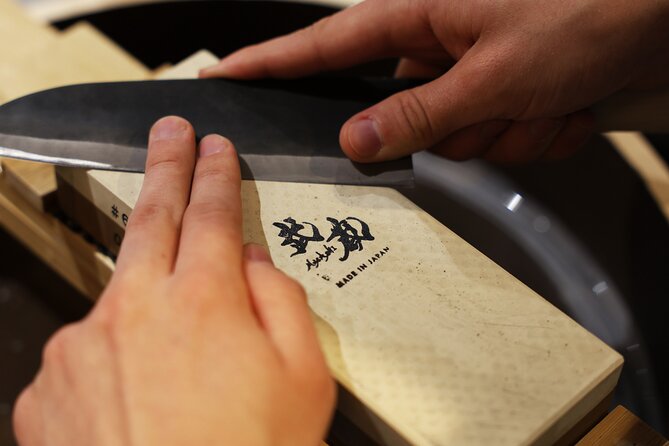
The lesson covers knife history, types of steel, sharpening theory, and practical technique. That mix matters. If you only copy the hand movements, you may not understand why one stone is used before another or why the angle and pressure need to change. The theory gives you enough context to make better choices later.
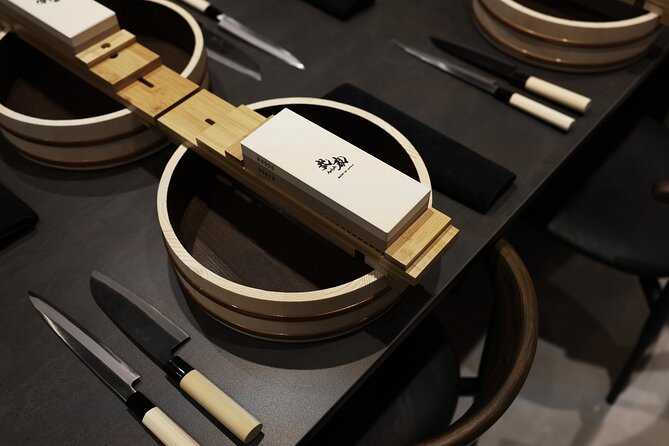
You also work with whetstones of different grits. That is a useful detail for beginners because sharpening stones are not all interchangeable. The class gives you a working introduction to how they fit into the process, without asking you to buy a complete set before you know what you need.
I see this as a practical cultural experience rather than a standard craft demonstration. Japanese knives are tied to cooking, craftsmanship, and careful maintenance. You get to take part in one small piece of that tradition with your own hands.
A few more Tokyo tours and experiences worth a look


A two-hour lesson built around practice
The experience lasts about two hours, so expect a compact lesson with little time for wandering off topic. You begin with background on Japanese knives and the theories behind sharpening. This opening helps explain what you are about to do, particularly if terms such as steel type, grit, and polishing are new to you.
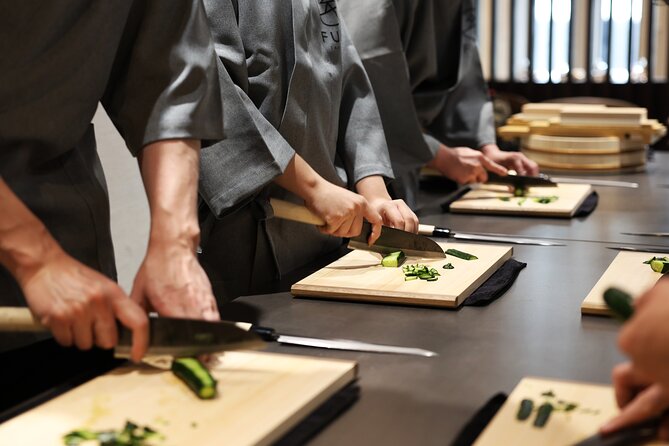
The class then moves into the working session. You use provided equipment and sharpen a blade under instruction. The important point is that you are not expected to arrive with specialist tools or set up a home workshop in advance. Everything required for the activity is supplied.
That makes the class approachable for cooking enthusiasts, craftspeople, and curious beginners. You can arrive with interest rather than experience. Still, this is a manual skill, and the result depends on how carefully you follow the instructor. Do not expect to wave a knife over a stone a few times and leave with a perfect edge.
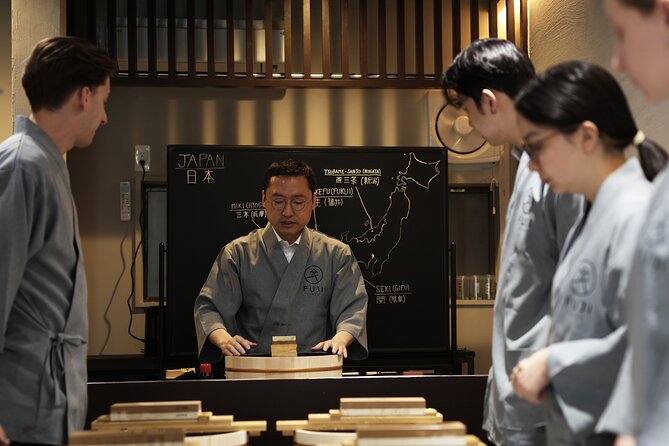
The class has a maximum of six people. I consider that one of its strongest practical features. With a small group, an instructor can watch how you hold the blade, correct your movement, and answer questions before a bad habit settles in. The exact feel of the class can vary by instructor, but Charlie and Timothy are both singled out for patient teaching and clear communication.
From a dull blade to a sharper kitchen tool
One useful teaching choice is to begin with a very dull knife. That gives you a clear before-and-after comparison. You can feel the difference between a blade that struggles to cut paper and one that slices through a rolled paper tube standing on its own.
That test is more than a bit of workshop theater. It gives you a simple way to judge progress without relying on technical equipment. You can see and feel what a sharper edge does, then connect that result to the movements you practiced.
The class also covers polishing technique, so the lesson is not limited to rough sharpening. You learn that finishing the edge matters. A blade can look polished and still cut poorly if the angle, pressure, or sequence is wrong. The instructor’s job is to help connect those details.
I would pay close attention to hand position and pressure. Beginners often assume that more force means faster results. The class is designed to replace that guesswork with a controlled method. Since you want to repeat the skill at home, focus on understanding the process rather than rushing to finish first.
Charlie and Timothy bring different teaching strengths
The named instructors connected with this activity are Charlie and Timothy. Charlie is described as especially good at giving detailed explanations, answering questions, and keeping the lesson engaging. His strong English communication is useful if you want to understand the reasons behind each step, not just follow gestures.
Timothy is associated with a clear, well-taught session that takes participants from a blade that can barely cut paper to one capable of slicing a free-standing paper tube. That example gives you a realistic picture of the class goal: a noticeably sharper knife, reached through guided practice.
The experience may not always have the same instructor, so you should not book on the assumption that one specific person is guaranteed unless the provider confirms it. The important common thread is direct instruction in a small group. You have an opportunity to ask questions as you work, which is far more useful than trying to reproduce a technique from a short video later.
For English-speaking visitors, the available feedback points to strong English communication. That is a practical advantage in a lesson where small technical details matter.
What happens at the Tokyo Skytree stop

Tokyo Skytree appears as the itinerary stop, while the stated meeting point is 1-chōme-9-8 Nishiasakusa, Taito City, Tokyo 111-0035. The activity ends back at that same meeting point.
Treat Tokyo Skytree as an itinerary reference, not as a promise of a tower visit. The supplied details do not say that you enter the tower, receive observation-deck tickets, or take part in a sightseeing tour there. The core activity is the sharpening class.
The Nishiasakusa meeting point is near public transportation, which helps when fitting the lesson into a day around Asakusa and Skytree. Give yourself enough time to find the exact address, since a practical workshop is not the place to arrive flustered and late. Your mobile ticket should be available for check-in, and confirmation is provided at the time of booking.
Because the tour returns to its starting point, you do not need to arrange a separate end location. That is convenient if you want to continue sightseeing afterward or return toward your accommodation.





What you take home, and what you may buy later
At the end, you take home the knife you sharpened. That is a better souvenir than a generic kitchen trinket because it carries a direct connection to the work you did in Tokyo. It is also useful, provided you care for it properly.
The class itself supplies the needed equipment, so you do not need to buy a whetstone before attending. One participant also picked up a sharpening stone from a nearby recommended shop after the lesson. That can be a helpful next step if you want to continue practicing at home, though the activity price does not state that a stone is included for you to keep.
You should treat the take-home knife as a working tool. A newly sharpened edge can be damaged by careless storage or unsuitable cutting surfaces. The lesson’s value grows if you use its advice beyond the workshop. Ask questions about home maintenance while you have the instructor nearby.
The activity information does not specify the knife model, blade size, steel composition, or whether you bring your own knife. Do not assume that you will sharpen a personal heirloom blade. The safe reading is that the class provides a knife for the exercise and lets you take home the one you worked on.
Is $98.53 a fair price?
At $98.53 per person, this is not a cheap way to fill two hours. The price is easier to justify if you count three things: instruction, equipment access, and the finished knife.
You avoid sourcing whetstones and a suitable practice blade in advance. You also get guidance while using them, which can save you from buying the wrong equipment or developing poor technique. The knife you take home adds a physical souvenir, while the sharpening method can remain useful for years.
The value is weaker if you already sharpen Japanese knives confidently or own a full set of stones. In that case, you may learn little beyond what you know. The class is aimed more at beginners and interested home cooks than at advanced knife professionals.
I would also compare it with your own sightseeing priorities. Two hours is a meaningful block of time in Tokyo. If your schedule is tight, choose this only if hands-on craft matters to you. If you enjoy cooking and want an activity with a result you can use, the cost is more reasonable than that of a passive demonstration.
The high satisfaction attached to the experience is understandable: the class offers a visible result, personal instruction, and a souvenir. Still, value depends on your interest. A person who wants a quick photo opportunity may find it too slow and technical. Someone who likes tools and process may find the price worthwhile.
Who will enjoy the class most
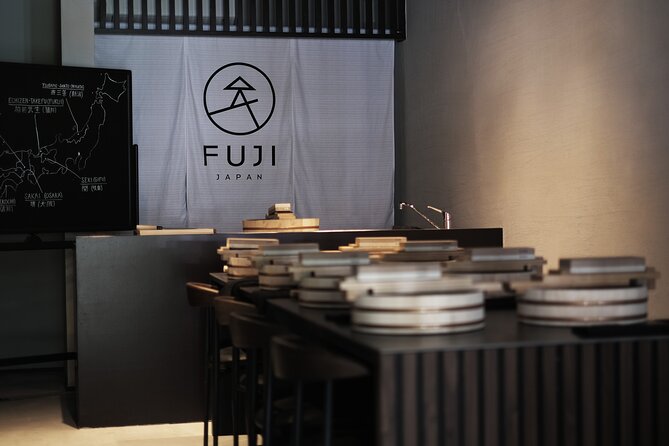
This experience fits you best if you cook regularly, own or hope to own Japanese knives, or enjoy learning traditional hand skills. It also works well for a couple or small group looking for something more focused than another city tour. One booking was used as a birthday experience for a cooking enthusiast, which makes sense: the activity has a built-in shared task and a take-home result.
Craft-minded visitors should also enjoy it. You handle materials, repeat a technique, and see a measurable change by the end. You do not need to identify as a professional cook. Basic curiosity is enough, as long as you are willing to work carefully.
It may be less suitable if you dislike repetitive hand work or want a class with a broad range of activities. The subject is narrow by design. You spend the session on knives, stones, steel, and edge maintenance.
Most people can participate, according to the activity details. The information does not provide specific accessibility features or physical requirements, so contact the provider if you have concerns about standing, seating, hand strength, or handling the equipment.
Practical details before you book
The class is in Tokyo and begins at 1-chōme-9-8 Nishiasakusa, Taito City. It is near public transportation, and the activity returns to this point at the end. Keep the mobile ticket ready and allow extra time to locate the meeting address.
The group is capped at six people. That limit is important because individual correction is central to learning the technique. A crowded room could turn the activity into a demonstration, but this format is intended to keep you involved.
Confirmation arrives when you book. Free cancellation is available if you cancel at least 24 hours before the local start time. Cancellations made within 24 hours are not refunded, and late changes are not accepted. If your Tokyo plans are uncertain, book only when you can protect that cutoff.
The supplied details do not give a list of clothing requirements, exact knife specifications, or a promise that you can bring your own knife. Ask the provider directly if any of those points affect your decision.
Should you book this Japanese knife sharpening class?
I would book it if you want a practical Tokyo experience that continues after your holiday. The strongest reasons are the small group, supplied equipment, clear instruction from teachers such as Charlie and Timothy, and the chance to take home a knife you sharpened yourself.
I would skip it if you are looking only for sightseeing, if your schedule cannot spare two focused hours, or if you already have advanced sharpening skills and equipment. This is not a general Tokyo tour and not a knife-shopping stop. It is a hands-on lesson.
For the right person, $98.53 buys more than a souvenir. You leave with a sharper knife, a basic understanding of Japanese sharpening methods, and a skill you can practice in your own kitchen. That is a solid return for a cooking enthusiast who prefers useful memories to shelf decorations.
FAQ
Where does the knife sharpening class meet?
It starts at 1-chōme-9-8 Nishiasakusa, Taito City, Tokyo 111-0035, Japan.
Where does the activity end?
The activity ends back at the meeting point in Nishiasakusa.
How long does the class last?
The class lasts approximately two hours.
How much does the experience cost?
The listed price is $98.53 per person.
How many people can join the class?
The activity has a maximum of six participants.
Is the activity near public transportation?
Yes. The meeting point is described as being near public transportation.
Is equipment provided?
Yes. The experience provides the equipment needed for the sharpening class, including whetstones.
Do I take home a knife?
Yes. You can take home the knife you sharpen during the session.
Can I cancel for a full refund?
Yes, if you cancel at least 24 hours before the experience start time. Cancellations made less than 24 hours before the start time are not refunded.
More Workshops & Classes in Tokyo
More tours in Tokyo we've reviewed








Workshops, compared.
 ★ 5.0Sushi Making Tokyo Roll and Authentic Japanese Sushi ClassFrom $59
 ★ 4.9Tokyo: Roll and Authentic Sushi Making Class in AsakusaFrom $581h 40m
 ★ 5.0Tokyo Shinjuku Chopsticks Making ClassFrom $20
 ★ 4.9Tokyo: Sushi Making Class in a Happi Coat near a Famous SpotFrom $421h 30m
 ★ 4.8Chopstick Making Workshop in GinzaFrom $251 hour
 ★ 5.0Tokyo Sushi Making Class in Tsukiji with Professional ChefFrom $49