
Reviewed · TOKYO FOOD TOURS
Toyosu Market Morning Tuna Auction and Tsukiji Food Tour with Licensed Guide
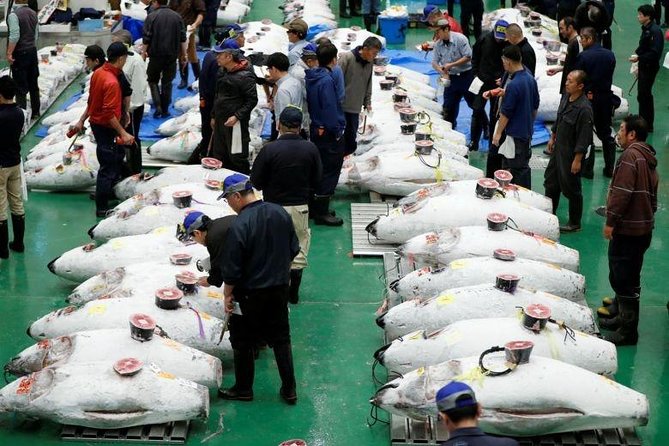
The main event begins before sunrise: Toyosu’s tuna auction, where huge bluefin tuna move through a brisk, highly organized wholesale sale. A guide helps you find the right viewing area, explains what is happening, and connects the auction to the sushi served across Tokyo.
I like two things here. First, a private guide can make Toyosu’s giant complex much easier to understand than a solo visit. Second, finishing at Tsukiji Outer Market gives you a chance to eat, shop, and see the food culture that Toyosu’s wholesale business supplies. The catch is the 5:00 am start, and the $148.65 price does not include transportation, food, or the special observation-deck lottery ticket.
In This Review
- Key points to know before booking
- Why Toyosu and Tsukiji belong in the same morning
- The 5:00 am start is part of the experience
- Seeing the auction from Toyosu’s public viewing area
- The special observation deck is not part of the standard booking
- Toyosu is more than tuna
- Moving between the two markets
- Tsukiji Outer Market is where you eat
- The private format and the guide you receive
- Walking, food, and the real cost
- Best for food-focused first mornings
- Should you book the Toyosu and Tsukiji tour?
- FAQ
- What time does the tour start?
- Where is the tuna auction viewed?
- Is the special tuna auction observation deck included?
- Are transportation and breakfast included?
- Is this a private tour?
- Can I cancel for a full refund?
Key points to know before booking
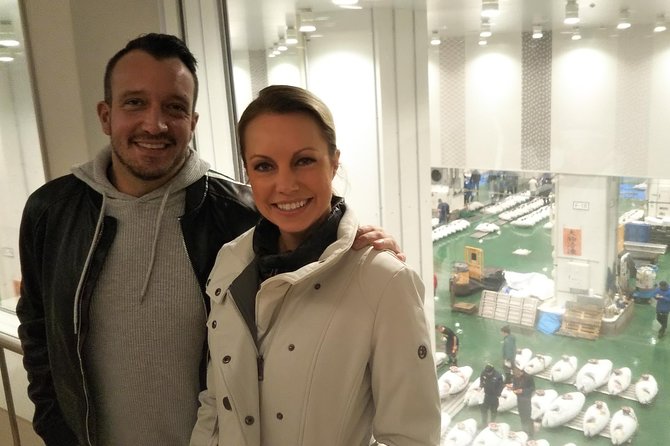
- The tuna auction is viewed from the public third-floor space, not from the auction floor.
- The start time is 5:00 am, so plan your sleep and transport carefully.
- The private format gives your group personal attention, with some flexibility in how the morning unfolds.
- The tour links new Toyosu with old Tsukiji, showing both the wholesale and retail sides of Tokyo’s seafood trade.
- Guides have included Yoshii, Katsu, Toru, Mami, Naoko, Kazu, and others, so the quality may depend partly on your assigned guide.
- Breakfast and market purchases cost extra, but the final stop is well suited to eating on your own.
Why Toyosu and Tsukiji belong in the same morning
Toyosu and Tsukiji tell two parts of the same food story. Toyosu Market opened on October 11, 2018, on a man-made island in Tokyo Bay. It took over the wholesale work once associated with the older Tsukiji Market.
Tsukiji still matters, though. Its Outer Market remains a place for food stalls, specialty shops, seafood, cooking goods, and quick breakfasts. Toyosu is the working wholesale center. Tsukiji feels more like the public-facing food district where you can taste and buy what you have just learned about.
That pairing is the tour’s best idea. You do not simply watch an auction and go home. You see the supply chain in broad outline, then finish where food becomes a meal.
A few more Tokyo tours and experiences worth a look

The 5:00 am start is part of the experience
This is not a late breakfast tour with a little market sightseeing attached. You meet at 5:00 am, and the early hour is necessary if you want to catch the tuna auction at work.
The official pickup is on foot within a designated Tokyo area, and the tour is described as a walking experience. Transportation costs are not included. In practice, one account describes a guide picking the group up by car because trains were not running early enough, but you should not count on a private vehicle. Ask about the meeting arrangement before you leave your hotel.
The early start also affects where you stay. A hotel near Toyosu or in the Ginza area can make the morning easier, but the meeting plan depends on your selected pickup point. Confirm the exact location and allow extra time. Being late can mean losing a good view, especially if the main viewing windows are already occupied.
I like the idea of doing this early in a Tokyo visit, particularly if jet lag has you waking before dawn. You are already up, and the morning gives you a useful first lesson in using Tokyo’s public transport. Still, do not book this after a long night or a packed previous day. A tired person will get less from the guide and the market.
Seeing the auction from Toyosu’s public viewing area
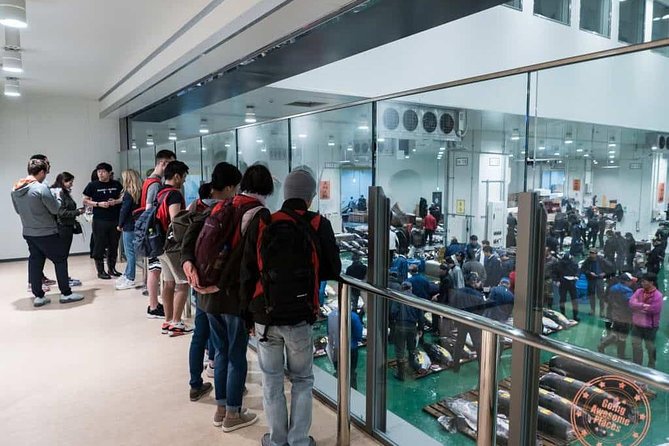
The tuna auction is viewed from a public space on the third floor. You do not walk onto the auction floor. Access to the working floor requires a license, and this tour does not provide that access.
From the viewing area, you can watch the process from above and follow the movement of buyers and sellers. The sale itself is fast, so a guide is useful for pointing out what deserves your attention. Guides such as Toru, Yoshii, Katsu, and Kenji Kasama have been praised for explaining the auction system, the role of tuna in Japanese food culture, and how restaurant buyers obtain fish.
That explanation is the real reason to hire a guide. Without context, you may see rows of frozen tuna and a few minutes of rapid activity. With a good guide, you understand why the fish are displayed as they are, how the bidding works, and how the wholesale market fits into Tokyo’s restaurant trade.
The experience can vary. Some guides have used folders and slides to explain the auction before or during the visit. That can be helpful when the facts are tied to what you are seeing. It can feel less useful if the presentation becomes a string of disconnected details. If your guide is not explaining enough, ask direct questions early, such as how the auction works, who buys the fish, and how the market differs from Tsukiji.
The special observation deck is not part of the standard booking
The public third-floor area is included in the tour. The closer observation deck is separate. You must apply for its lottery about a month in advance, and the maximum group size for that space is five people.
That distinction matters. Some people have reached the special viewing room and considered it a lucky bonus. Others have arrived to find the best viewing windows occupied. Do not book this tour assuming you will stand beside the tuna auction. The standard experience is an elevated public view, not access to the auction floor or guaranteed admission to the special deck.
If you win the lottery, the group-size rule may affect your plans. A larger private party cannot necessarily enter together.
Toyosu is more than tuna
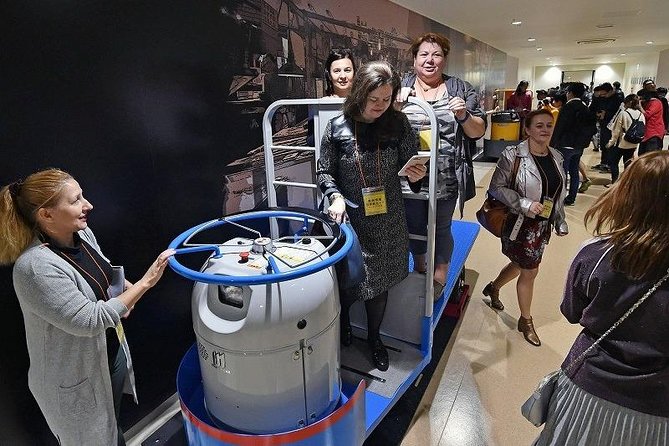
The tour’s Toyosu portion can include more than the tuna sale. The market complex handles fish and vegetables, and some guides lead groups through additional market areas after the auction.
That wider view helps you see Toyosu as a working food center, not just a famous photo stop. You might watch the fish and vegetable trade, see how goods are arranged, and learn how the wholesale system supports restaurants and shops.
The setting is also very different from old Tsukiji. Toyosu was built as a newer market facility, while Tsukiji developed as a dense food district. A guide can explain that change as you move through the morning.
One practical issue is timing. Tsukiji’s retail activity may not be fully open when you finish with the auction. One itinerary leaves about an hour for Tsukiji, while one experience described a gap between the end of the auction and the 7:00 am opening of parts of the old market. Ask your guide how the time will be handled. You might have breakfast at Toyosu, tour another section, or move toward Tsukiji and wait for more stalls to open.
A few more Tokyo tours and experiences worth a look
Moving between the two markets
Transportation is extra, but the guide can show you how to use Tokyo’s public system. One especially useful route described for the tour is the Yurikamome line between Toyosu and the Tsukiji area. It can be slower than a bus, but it offers good city views.
A small tip from the tour is to go to the front of the first Yurikamome car for the best view. That is the kind of practical local advice that can make the transfer more than dead time.
The exact route may change according to the day, opening hours, and your guide. The key point is that you are not simply handed a map and sent off. You get help with the transport system, then finish at Toyosu, Tsukiji, or another desired place within Tokyo.
Because fares are not included, carry a way to pay for local transport. The tour price covers the licensed English-speaking guide, not the train, bus, taxi, admission charges, meals, or shopping.
Tsukiji Outer Market is where you eat
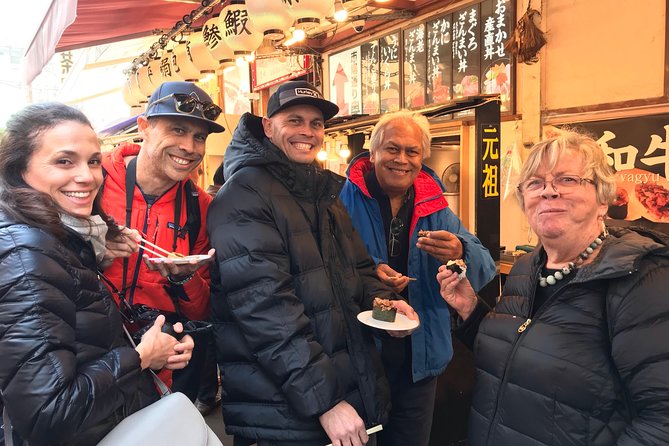
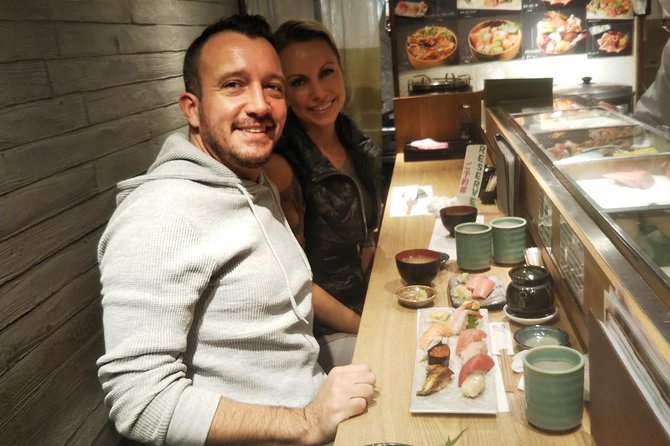
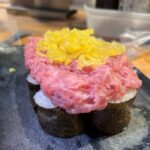
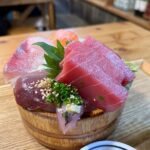
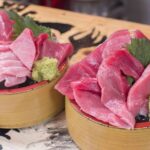
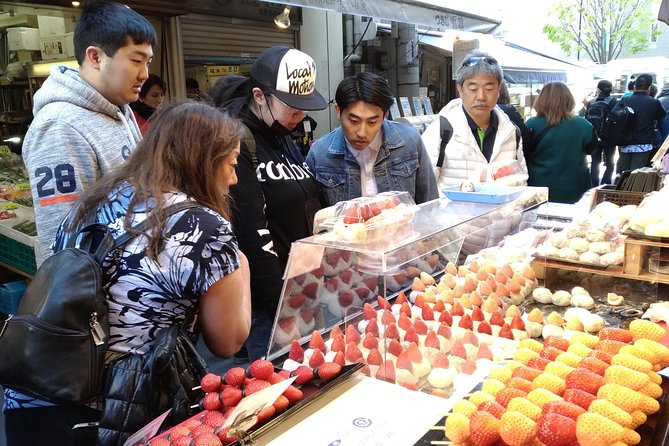
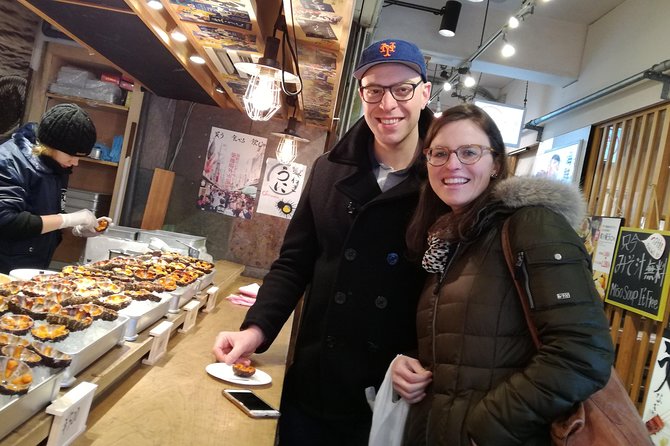
Tsukiji is the more rewarding place to slow down. Its Outer Market is packed with food and cooking-related shops, and the tour can point you toward seafood, oysters, sushi, ramen, matcha, ceramics, and other goods.
The food is your own expense, but this is not a flaw in the format. You can choose what appeals to you rather than accept a fixed tasting menu. You might buy sashimi, sit down for sushi, or snack at a stall while continuing through the market.
Several guides have taken groups to breakfast at or near the market, including sushi and ramen. Toru has been praised for guiding groups to a sushi restaurant at Toyosu, while other mornings have ended with seafood sampling around Tsukiji. Treat these meals as optional purchases, not included parts of the booking.
Your guide may also suggest particular foods to try. Naoko, for example, has provided tips for market specialties to seek out later. Isao has been praised for knowing good places to eat. Those recommendations can be more useful than a formal tasting because they leave you with choices for the rest of your trip.
Tsukiji is also easy to misunderstand when you visit alone. The most visible retail streets do not reveal every part of the market operation. A guide can help you notice working areas and explain how the older market functioned before wholesale operations moved to Toyosu.
The private format and the guide you receive
This is a private activity, so only your group participates. That is a major advantage for a family, couple, or small group with specific interests. You can ask more questions, adjust the pace, and spend less time waiting for strangers.
The tour is also described as customizable, within the limits of the early market schedule. You might focus on auction mechanics, Japanese culinary customs, transport, shopping, or breakfast suggestions.
The guides named in the tour’s experiences include Yoshii Kenichi, Katsu Hayama, Toru Higaki, Mami, Naoko, Kazu, Michio, Isao, Kenji Kasama, Kei, Hiro, and others. Strong guide accounts describe Katsu, also known as Goreilo, as funny and well organized; Yoshii as careful with pre-tour communication and good at explaining Japanese history; Toru as clear about the auction and helpful with sushi; and Mami and Naoko as friendly sources of market advice.
That said, do not assume every guide will offer the same level of English or market detail. One poor experience involved a guide who struggled with questions and gave rushed explanations at Tsukiji. Another complaint concerned arriving late to the viewing area and missing the best windows.
The smart move is to tell the guide what matters to you before the morning begins. If you want auction detail, say so. If you want breakfast, tell the guide early. If you need a slower walking pace or have questions about Japanese food, make that clear.
Walking, food, and the real cost
The tour costs $148.65 per person. For a private three-hour tour with a licensed guide, that is a substantial price. It makes the most sense for you if market access, language help, and personal explanations are worth paying for.
You are not buying a meal package. You also are not paying for transport, the special observation-deck ticket, food, drinks, or personal purchases. Add those costs before deciding.
I see the value in the guide’s local knowledge and the private format. Toyosu is large, the auction is quick, and the move to Tsukiji is easier when someone handles the direction and timing. A guide can also help you avoid wandering past the parts of the markets that are hard to find on your own.
The price is harder to justify if you are comfortable researching the market, using Tokyo transport, and choosing your own breakfast. You can still visit the public viewing area independently, although you will lose the structured explanation and personalized help.
Expect to walk for much of the three hours. Wear comfortable shoes, and remember that the tour does not include a private vehicle. Service animals are allowed, and most people can participate, but the early start and walking schedule deserve more attention than the market’s famous name.
Best for food-focused first mornings
I would recommend this experience most strongly to first-time Tokyo visitors, serious food fans, families, and anyone who wants a guide to explain the auction rather than simply point at it.
It is also useful if you are nervous about Tokyo’s transport system. The guide can help you learn a route and give practical advice for moving around the city later.
You may want to skip it if you dislike early mornings, want guaranteed close-up auction access, or expect food tastings to be included. It is not a relaxed stroll, and the standard viewing area may feel distant if your main goal is dramatic photographs.
December and early January also require care, since Tsukiji may be closed for tours during that period. Check the operating dates before you commit.
Should you book the Toyosu and Tsukiji tour?
Book it if you want the auction explained in context, prefer private guiding, and like the idea of following seafood from wholesale Toyosu to retail Tsukiji. The strongest version of the morning pairs a well-prepared guide with time for your own breakfast and market browsing.
Before paying, confirm the pickup plan, ask about transportation, and understand that the public third-floor viewing area is included but the special observation deck is not. Request the guide’s help with breakfast if that matters to you, and do not expect tuna tasting or other food to be part of the price.
For an informed, early start to Tokyo’s food culture, it can be worth the cost. Just treat the $148.65 as a guide fee and private-market orientation, not an all-inclusive food tour.
FAQ
What time does the tour start?
The tour starts at 5:00 am. This early departure is designed to let you see the Toyosu tuna auction.
Where is the tuna auction viewed?
The standard tour views the auction from a public space on Toyosu Market’s third floor. The auction floor is not open to tour participants.
Is the special tuna auction observation deck included?
No. Tickets for the observation deck are not included. Entry requires a lottery application about a month in advance, and groups entering that space can have no more than five participants.
Are transportation and breakfast included?
No. Transportation fees, food, drinks, and personal expenses are separate. The tour can end at Toyosu or Tsukiji, or at a desired place within Tokyo.
Is this a private tour?
Yes. Only your group participates, and the tour offers personalized attention with some customization.
Can I cancel for a full refund?
Yes, if you cancel at least 24 hours before the experience start time. Cancellations or changes made less than 24 hours in advance are not accepted for a refund.
More Food Experiences in Tokyo
More Tokyo Food Tours in Tokyo
More Tsukiji Market Tours in Tokyo
More tours in Tokyo we've reviewed


Tokyo Food Tours, compared.
 ★ 5.0Tokyo: Shinjuku Food Tour (13 Dishes at 4 Local Eateries)From $86
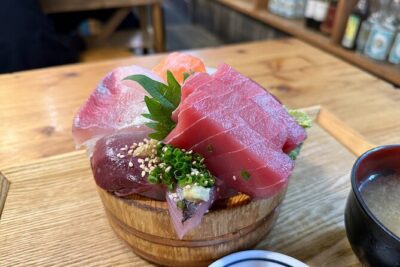 ★ 4.9Tokyo: Shinjuku Food Tour (15 Dishes and 4 Eateries)From $853 hours
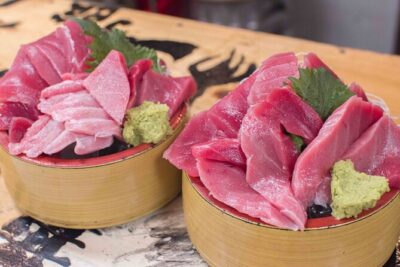 ★ 5.0Best of Shinjuku: Izakaya Food Tour (4 Stops, 14+ Tastings)From $92
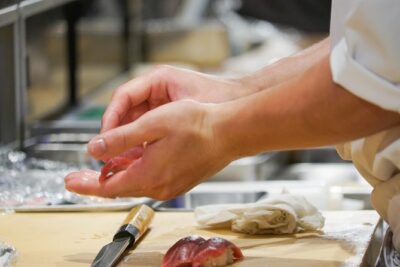 ★ 5.0Tokyo Night Foodie Tour in Shinjuku – Seasonal Sushi, Wagyu BeefFrom $111
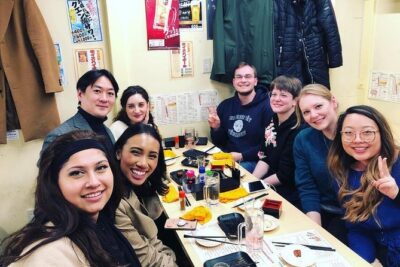 ★ 5.0Eat and Drink Like a Local: Tokyo Ueno Food Tour-Taverns&RamenFrom $95
 ★ 5.0Tokyo: Shibuya Food Tour (13 dishes and 4 Eateries)From $77