
Reviewed · SUSHI MAKING CLASSES
Tokyo Toyosu Tuna Auction + Breakfast (Sushi Dai or Bentomi)
Toyosu’s tuna auction is a pre-dawn show of sharp eyes, quick hand signals, and very expensive fish. You’ll watch buyers inspect bluefin tuna, learn how the bidding works, and see a part of Tokyo’s food trade that most visitors only hear about. The early start is real: the tour begins at 5:25 AM.
I like the access to seafood professionals, especially the chance to see a wholesaler prepare tuna and taste it fresh. I also like the reserved breakfast plan, since it can spare you the famous early queue at Sushi Dai. The main catch is important: the $141 price does not include breakfast, only the reservation. You pay the restaurant separately.
In This Review
- Key points to know before booking
- Why Toyosu’s tuna auction is worth waking up for
- The 5:25 AM start and finding Toyosu Market
- The auction from the third-floor gallery
- The ground-level deck for a closer look
- Meeting a wholesaler and seeing tuna prepared
- Katsuobushi, maguro-bushi, and the taste of umami
- Breakfast at Sushi Dai or Bentomi
- What the $141 price buys you
- Who should book this Toyosu morning
- Practical details that can make or break the morning
- Should you book it?
- FAQ
- What time does the tour begin?
- Where is the meeting point?
- Is breakfast included in the $141 price?
- Which breakfast choices are available?
- What is the difference between the viewing options?
- How far ahead should I arrange the ground-level deck?
- What languages does the guide speak?
- What should I bring?
- Is the tour suitable for wheelchair users or vegetarians?
- Can I cancel the booking?
Key points to know before booking
- Watch bluefin tuna buyers at work: See fresh and frozen tuna inspected, graded, and sold through a fast hand-signal system.
- Choose your viewing style: The third-floor gallery is the standard option, while the ground-level deck is limited to four people and needs advance planning.
- Meet the market beyond the auction: Your guide may take you to a wholesaler, where you can see tuna preparation and sample sashimi.
- Make bonito flakes yourself: Shave katsuobushi, then compare its flavor with rarer maguro-bushi.
- Keep breakfast costs in mind: Sushi Dai or Bentomi is reserved for you, but the meal fee is extra.
- Start before dawn: The 5:25 AM meeting time matters, especially if you hope to use public transportation.
Why Toyosu’s tuna auction is worth waking up for
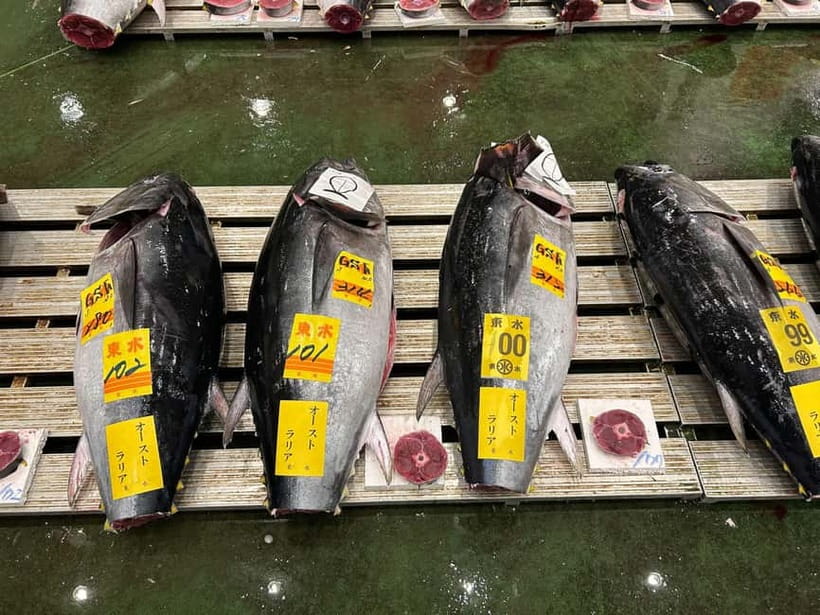
Toyosu Market is not a tourist stage set. It is a working seafood center, and the auction makes that clear within minutes. Rows of tuna are checked by buyers who know what to look for, from the fish’s condition to the quality of the flesh. The bidding itself is quick, coded, and easy to miss if nobody explains it.
That explanation is where the tour earns its keep. Your guide gives you a short lesson in te-jirushi, the hand signals used during bidding, so the auction becomes more than a blur of movement. You begin to understand who is buying, what is being judged, and why one tuna can command a very different price from the next.
The auction hall is also a useful window into Japanese food culture. The fish moves through a strict chain of inspection, sale, preparation, and distribution. You are not simply looking at large tuna. You are watching the first major step in the supply line behind sushi counters and seafood restaurants across Tokyo.
The experience has a 4.8 rating from 97 bookings, and that matches the strongest part of the offering: personal access and clear guidance. Rabia receives especially strong praise for her warm manner and close relationships with market sellers. Ami also leads tours, and the two guides are described as able to explain the auction without making the morning feel like a lecture.
A few more Tokyo tours and experiences worth a look
The 5:25 AM start and finding Toyosu Market
The day begins at PR Square inside Toyosu Market, though the exact meeting point can vary with the option you book. Do not treat the arrival time as a loose suggestion. The tour starts at 5:25 AM, and late arrival could mean missing the group or part of the auction.
Wear comfortable shoes and clothing. You will be in a working market, not a polished museum, and sensible footwear matters more than dressing up. Bring a camera or phone for pictures, along with some cash for food and other expenses.
The public transportation question deserves attention. Standard participants may be able to reach Toyosu using early transit, but you need to check the first service carefully. Anyone choosing the VIP ground-level option must arrive before public transportation is available, so plan on a taxi or walking from nearby accommodation.
Directions have been a weak point for some people. The market can be confusing, and signage to the pickup spot is not always obvious. I would allow extra time to find PR Square, even if you know Tokyo well. If you have trouble, contact the operator before the morning of the tour rather than trying to solve it at the last minute.
The auction from the third-floor gallery
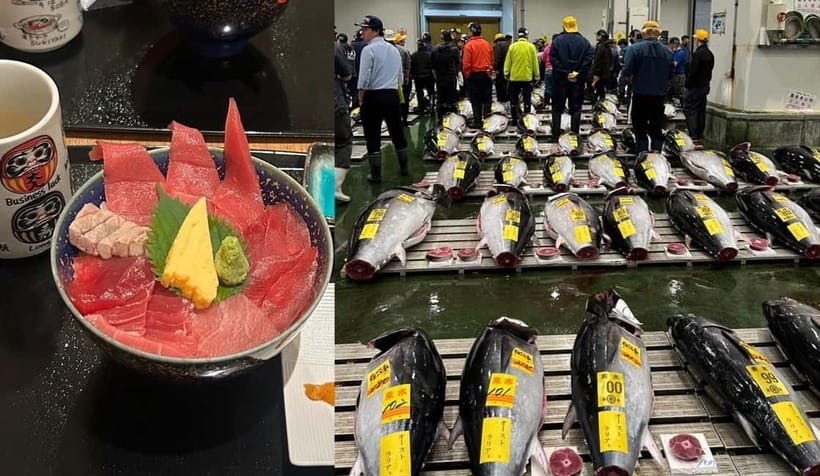
The standard viewing option takes place from the third-floor gallery. From here, you get a broad view over the auction hall and can follow the overall rhythm of the sale. The height makes it easier to see the scale of the operation, the rows of tuna, and the movement of buyers and auction staff.
This is the practical choice for most people. It is more accessible than the lower deck, works for an open group, and gives you the full-room view. The tradeoff is distance. You will not be standing only a few meters from the action, and small details may be harder to see without a good explanation from the guide.
Still, the gallery is not a second-rate version of the tour. The auction’s pattern makes more sense from above, especially when your guide points out the auctioneers’ calls and hand signals. You can watch several transactions at once instead of focusing on one buyer or one tuna.
The type of auction you see can vary by morning. The experience may include fresh tuna, frozen tuna, or both. The highly prized fresh tuna auction is not guaranteed, so you should book for the market experience as a whole, not for one exact fish or sale.
The ground-level deck for a closer look
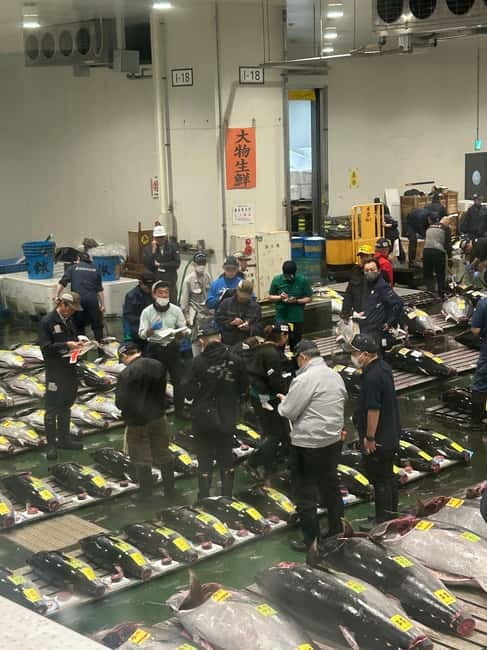
The exclusive option places you on a special lower-floor observation deck, only a few meters from the bidding. With a maximum of four people, this is the more intimate choice and the best fit if close-up access matters most to you.
From this position, the auction should feel more immediate. You can see buyers working near the fish and feel the pace of a sale that involves high-value seafood. Several people who took this option found the chance to visit the wholesale side and watch tuna being prepared especially memorable.
There are two important limits. First, the option is extremely small and cannot be treated as a last-minute upgrade. The operator recommends contacting Yummy Guide Japan through Instagram, @yummyguidejapan, about two months ahead. Second, the VIP group must arrive before public transportation begins, which adds taxi costs or a long walk to the budget.
I would choose this option for serious food lovers, photographers, and anyone who wants personal contact with the seafood trade. If you mainly want to understand the auction and see the room in action, the third-floor gallery should be enough.
Meeting a wholesaler and seeing tuna prepared
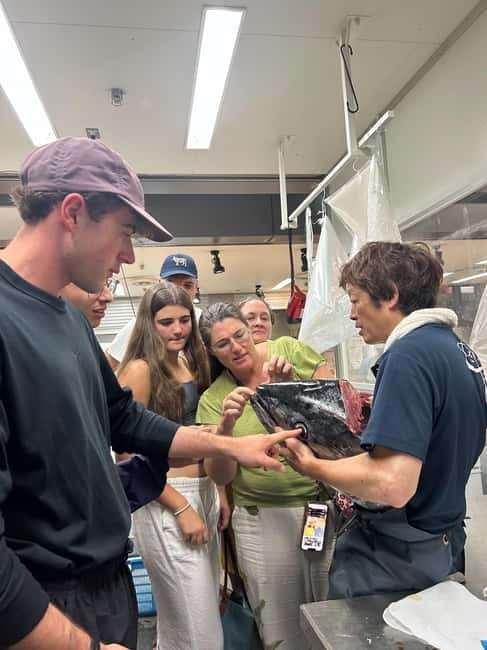
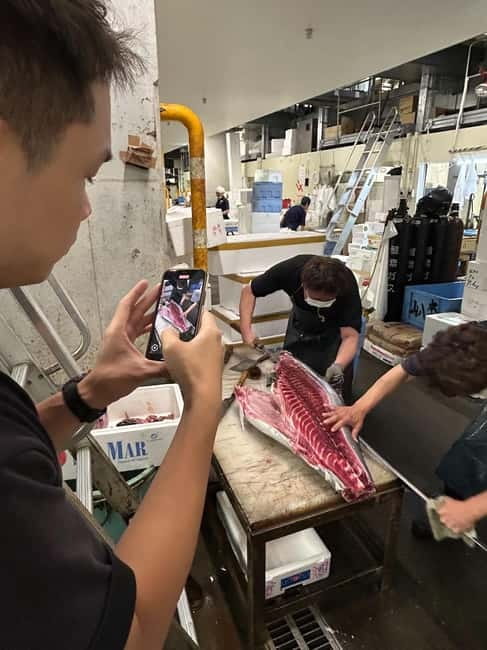
One of the best parts of the morning can come after the main viewing. Depending on the tour arrangement and market access that day, your guide may introduce you to a tuna dealer or wholesaler. This is where Toyosu feels less like an observation attraction and more like a place where real work is being done.
You might see a tuna cut for sale, learn how the dealer handles it, and taste a sample of sashimi. That small tasting gives useful context to the auction. Instead of seeing tuna as an anonymous product in a row, you see how the fish becomes a portion ready for a restaurant or customer.
Rabia’s relationships with vendors are a major part of this experience. She has been able to connect people with sellers and explain what is happening in a friendly, direct way. That access is not the same as a guaranteed private demonstration every morning, so keep your expectations flexible. The auction and market visit are the core; the wholesaler interaction is a valuable bonus when available.
You may also have time to look at other parts of Toyosu, including market goods such as ceramics and restaurant equipment. The amount of guided walking can vary. Some people may prefer more explanation during this period, while others will enjoy having free time to look around before breakfast.

Katsuobushi, maguro-bushi, and the taste of umami
The katsuobushi activity adds a welcome food lesson to a morning focused on tuna. You get to shave real dried bonito flakes and taste the result. It is a hands-on way to understand one of the basic building blocks of Japanese cooking.
The tour also includes a comparison with maguro-bushi, made from tuna. This rarer product has a deeper flavor, and tasting the two side by side helps you notice the difference more clearly than a short explanation would.
This part is easy to underestimate. Many market tours stop at looking and listening. Here, you use your hands, smell the shaved flakes, and taste how a small ingredient can shape broth and other dishes. A special miso soup cup is also provided as a souvenir.
The activity is not a full cooking class, and it should not be confused with the separate sushi-making program operated by the same Toyosu broker. If you want to prepare sushi yourself, that is a different experience. This tour focuses on the auction, the market trade, and the ingredients behind Japanese cooking.
Breakfast at Sushi Dai or Bentomi
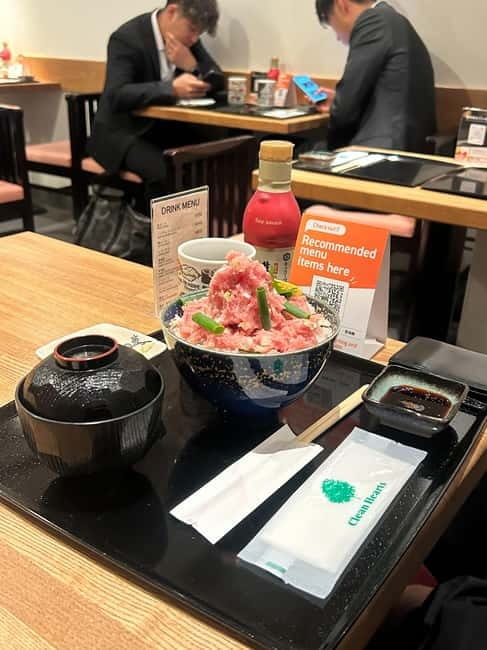
After the auction, the tour arranges breakfast at one of two well-known Toyosu eateries. The reservation is useful because popular market restaurants can involve long waits, especially at peak times. At Sushi Dai, several people appreciated being able to eat without handling a pre-dawn queue themselves.
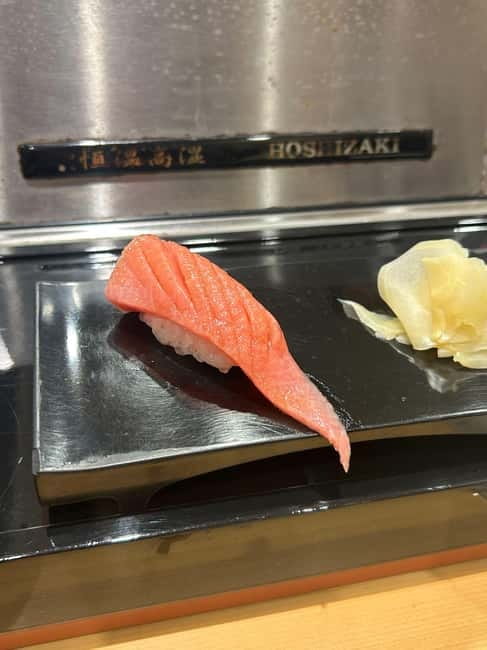
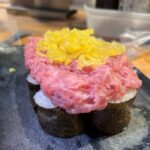
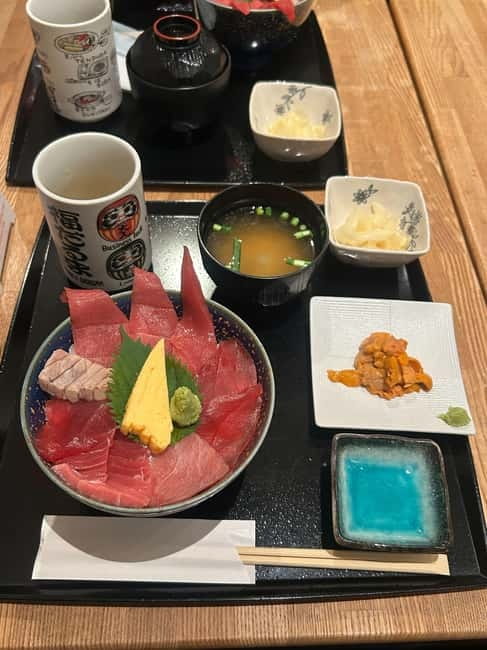
Sushi Dai offers a refined omakase breakfast built around seasonal fish. The food is the main reason to select this option, but it also adds a strong finish to the morning. You move from seeing tuna sold to sitting down with carefully prepared seafood.
Bentomi is a long-running favorite among seafood professionals. The menu centers on fresh market ingredients, including tuna bowls and other kaisendon dishes. This may suit you better if you prefer a hearty seafood bowl and a less formal meal than an omakase counter.
Sushi Dai seating is very limited and only available with select tour plans. Ask about availability before booking if that restaurant is the main reason for your choice. Also read the cost details closely: the tour reserves the table, but you pay the meal separately. The included food and drink are the katsuobushi tasting, a special miso soup cup, and the other listed tastings, not the restaurant breakfast itself.
This distinction is the one clear source of possible disappointment. The title suggests a tuna auction plus breakfast, but the $141 fee does not cover the meal. If you want Sushi Dai or Bentomi, add that restaurant bill to your budget before deciding if the total feels fair.
What the $141 price buys you
At $141 per person, this is not a cheap market walk. You are paying for an early private or small-group arrangement, a live guide in English or Japanese, auction access, the hand-signal lesson, the katsuobushi activity, market introductions, and a restaurant reservation.
The value is strongest if you care about how Japanese seafood reaches the plate. A free visit to a public viewing area could show you the auction hall, but it would not necessarily explain the signals, introduce you to a tuna seller, or arrange a coveted breakfast reservation.
The price is less attractive if you only want a quick look at tuna being sold. You will still need to pay for transportation and breakfast, and the VIP option may require a taxi because of the hour. Those extra costs are easy to overlook.
I would compare the tour with the price of a standalone Sushi Dai or Bentomi meal, a taxi to Toyosu, and the time you would spend organizing the auction visit yourself. If personal guidance and market access matter to you, the package has solid value. If you are happy with a public gallery and casual market breakfast, you may prefer to arrange a simpler morning independently.
Who should book this Toyosu morning
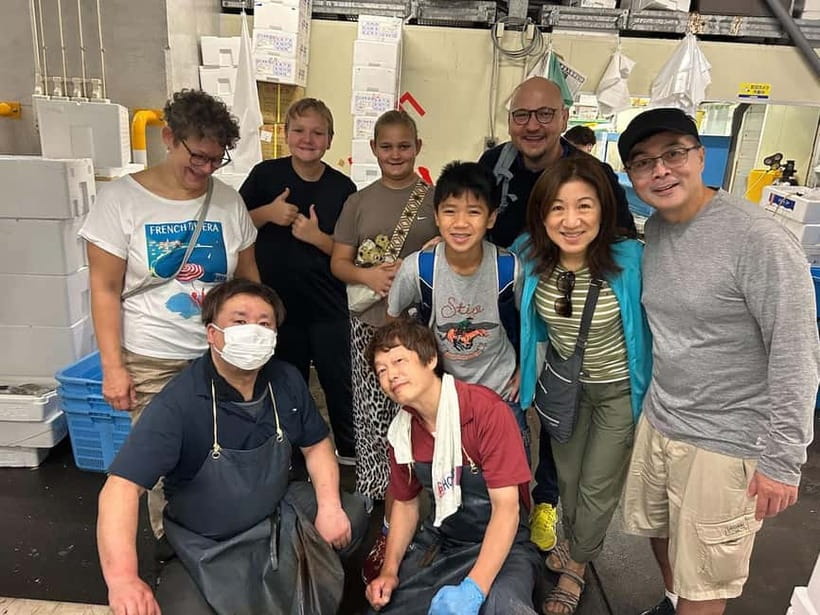
This tour suits food-focused visitors who want the working side of Tokyo, not only its famous restaurants. It is also a good fit for first-time visitors who want someone to explain the auction, guide them through Toyosu, and handle a difficult restaurant reservation.
You will get the most from it if you enjoy early starts and ask questions. The guides can explain tuna grading, market logistics, hand signals, fishing, and preparation, but the experience improves when you take an active interest.
It is less suitable if you need a relaxed morning, dislike fixed schedules, or want a vegetarian meal. The tour is not suitable for wheelchair users or vegetarians. It also may not satisfy anyone expecting a long, structured lesson about the global fishing industry. One participant wanted more background on fisheries and more guided walking through the market, so you should book with the understanding that the auction and food access are the main focus.
The private-group option is worth considering for families or friends who want a more personal pace. The ground-level deck itself is capped at four people, while the standard gallery is an open group setting.
Practical details that can make or break the morning
The tour lasts 150 minutes, which is a useful length for seeing the auction, completing the food activity, and reaching breakfast without taking your entire day. You should have most of the day free afterward, a real advantage in Tokyo.
Bring cash, since the restaurant meal and local spending are not covered. Wear shoes that can handle a market setting, and keep your camera ready. Photos with Okami-san can be taken using your phone or camera.
The operator offers free cancellation up to 24 hours before the start time and a reserve-now, pay-later option. Those terms help if your Tokyo plans are still moving, though the limited places and early hour make advance planning wise.
Double-check your meeting point after choosing the viewing and breakfast plan. Arriving at Toyosu itself is not the same as reaching PR Square inside the market. I would save the meeting details offline and build in a generous buffer.
Should you book it?
Book this tour if you want the auction explained, hope to meet people on the wholesale side, and value a reserved breakfast at Sushi Dai or Bentomi. The most praised elements are the guides, especially Rabia, the personal market connections, the tuna preparation, and the quality of the sushi or sashimi breakfast.
Choose the third-floor gallery if you want the clearest overall view and a simpler arrival. Request the ground-level deck well ahead if being close to the buyers is the whole point of your morning.
Skip it if the separate breakfast charge pushes the total beyond your budget, if you cannot manage a 5:25 AM start, or if you expect a full seafood-industry seminar. For everyone else, this is a thoughtful way to see Toyosu as a working market and to understand why Tokyo’s best sushi begins long before the restaurant opens.
FAQ
What time does the tour begin?
The tour starts at 5:25 AM. You should arrive on time, particularly if you are using public transportation or joining the VIP ground-level option.
Where is the meeting point?
The meeting point is PR Square inside Toyosu Market. It may vary depending on the option you book, so check the details for your selected plan.
Is breakfast included in the $141 price?
No. The tour includes a reservation at Sushi Dai or Bentomi, but the meal fee is not included. You pay for the restaurant meal separately.
Which breakfast choices are available?
You can choose between Bentomi and Sushi Dai, depending on the plan and availability. Bentomi serves seafood bowls and market dishes, while Sushi Dai offers an omakase breakfast with seasonal fish.
What is the difference between the viewing options?
The standard option uses the third-floor gallery and provides a broad view of the auction hall. The exclusive option uses a ground-level deck only a few meters from the bidding and is limited to a maximum of four people.
How far ahead should I arrange the ground-level deck?
The operator recommends contacting Yummy Guide Japan through Instagram at @yummyguidejapan about two months in advance. Availability is very limited.
What languages does the guide speak?
The tour is available with a live guide in English or Japanese. The listed guides include Rabia and Ami.
What should I bring?
Bring comfortable shoes, comfortable clothes, a camera, and cash. You should also allow extra time to find the meeting point inside the market.
Is the tour suitable for wheelchair users or vegetarians?
No. The experience is not suitable for wheelchair users or vegetarians.
Can I cancel the booking?
You can cancel up to 24 hours in advance for a full refund. A reserve-now, pay-later option is also available.
More Sushi Making Classes in Tokyo
More tours in Tokyo we've reviewed



Sushi Making Classes, compared.
 ★ 5.0Sushi Making Tokyo Roll and Authentic Japanese Sushi ClassFrom $59
 ★ 4.9Tokyo: Roll and Authentic Sushi Making Class in AsakusaFrom $581h 40m
 ★ 5.0Make Sushi and Create Unforgettable Memories in TokyoFrom $79
 ★ 4.9Tokyo: Sushi Making Class in a Happi Coat near a Famous SpotFrom $421h 30m
 ★ 5.0Tokyo Sushi Making Class in Tsukiji with Professional ChefFrom $49
 ★ 5.0Tokyo Night Foodie Tour in Shinjuku – Seasonal Sushi, Wagyu BeefFrom $111