
Reviewed · SUMO EXPERIENCES
Tokyo: Sumo Morning Practice with journalists. Not fake show
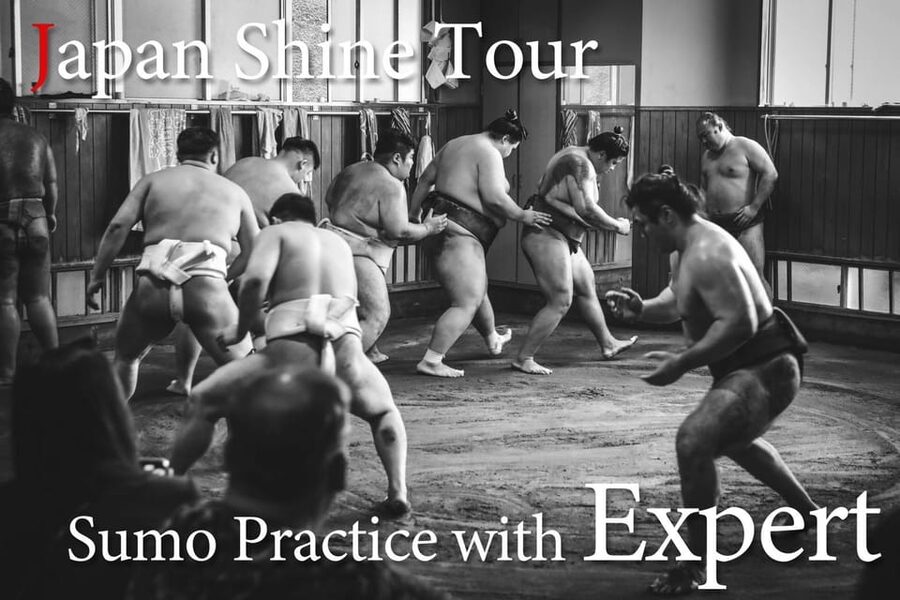
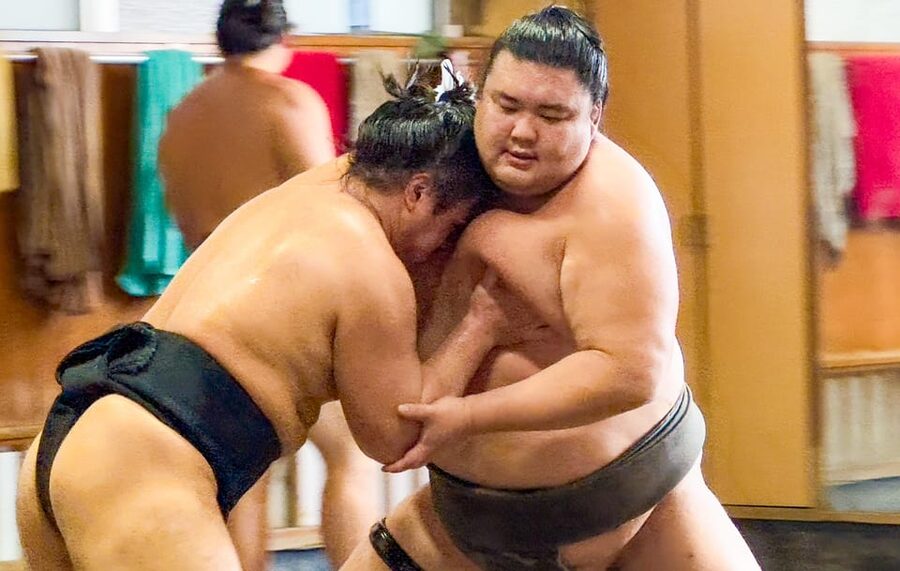
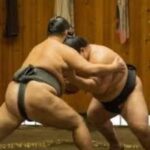
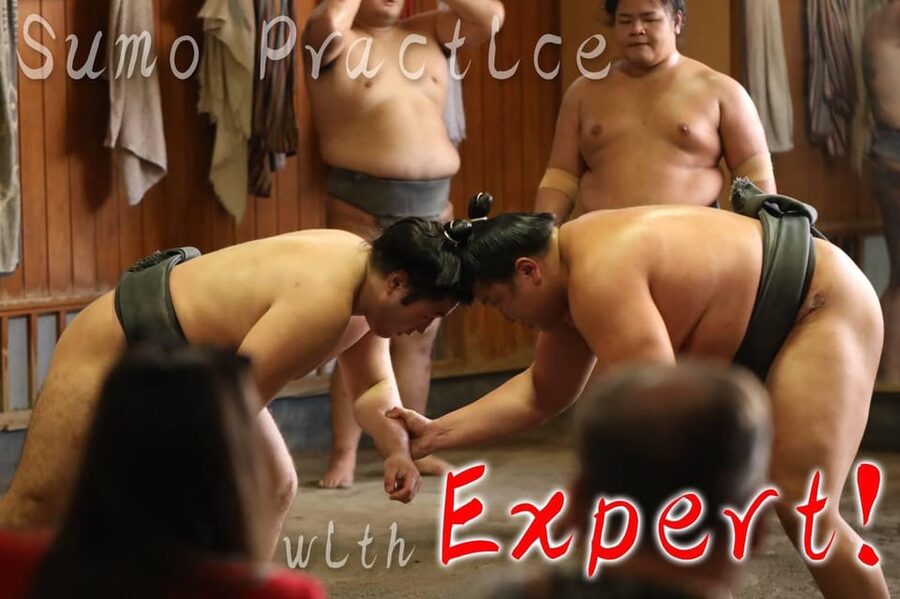
The best thing about this Tokyo sumo tour is that you watch real morning practice, not a performance arranged for tourists. At Takasago-beya, wrestlers train in their working stable, and you see the discipline, silence, strength, and repetition that a tournament crowd rarely reveals.
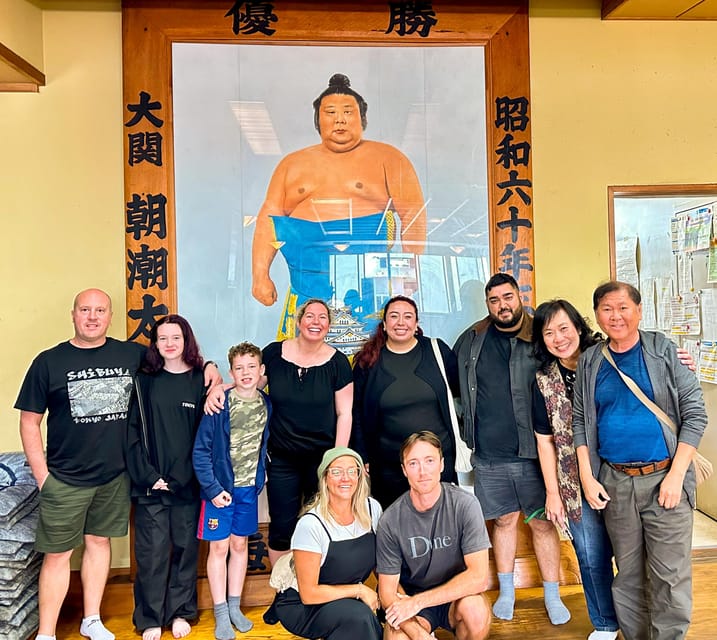
I like two things especially: the access is rare, and the guide adds far more than basic translation. Journalist Shinya Setsu has covered sumo for a national newspaper, and guides such as Shin, Karen, and Ray bring stories about daily life, hierarchy, rules, and famous wrestlers. The chance to take photos with the wrestlers afterward is another fine touch.
The main consideration is comfort. You sit on the floor, must remain quiet during practice, and cannot use flash photography. At $103 per person, this is not a cheap morning activity, but permission to enter a sumo stable is unusual, and the two-hour practice plus expert discussion gives the price a clear reason.
In This Review
- Key points before you book
- Why a real morning practice beats a staged sumo show
- Meeting in Ryogoku and getting ready for the stable
- Two hours inside Takasago-beya
- Photos with wrestlers after practice
- Walking through Ryogoku Edo NOREN
- The guide turns observation into understanding
- Price, timing, and practical value
- Who will enjoy this most
- Small tips that improve the morning
- Should you book this sumo morning practice?
- FAQ
- How long does the sumo morning practice tour last?
- Where is the meeting point?
- Is the sumo practice a real training session?
- Who leads the tour?
- Can I take photographs?
- Do I need to sit on the floor?
- What is included in the $103 price?
Key points before you book
- Watch a genuine stable practice: You observe wrestlers training in their regular sumo environment rather than watching a staged demonstration.
- Learn from a sumo reporter: Shinya Setsu’s journalism background brings insider stories, explanations of rank, and a clearer sense of how wrestlers live.
- Expect close, quiet observation: The stable requires proper decorum, so you watch silently and leave the flash turned off.
- Take home a personal memory: Commemorative photos with the wrestlers are included after the practice.
- Allow three hours in Ryogoku: The experience includes the stable, a walk and guided visit around Ryogoku Edo NOREN, and a finish at Ryogoku Station.
- Plan for floor seating: Comfortable clothing matters. The traditional setup is not suitable for wheelchair users, despite the activity page also carrying a wheelchair-accessible label.
Why a real morning practice beats a staged sumo show
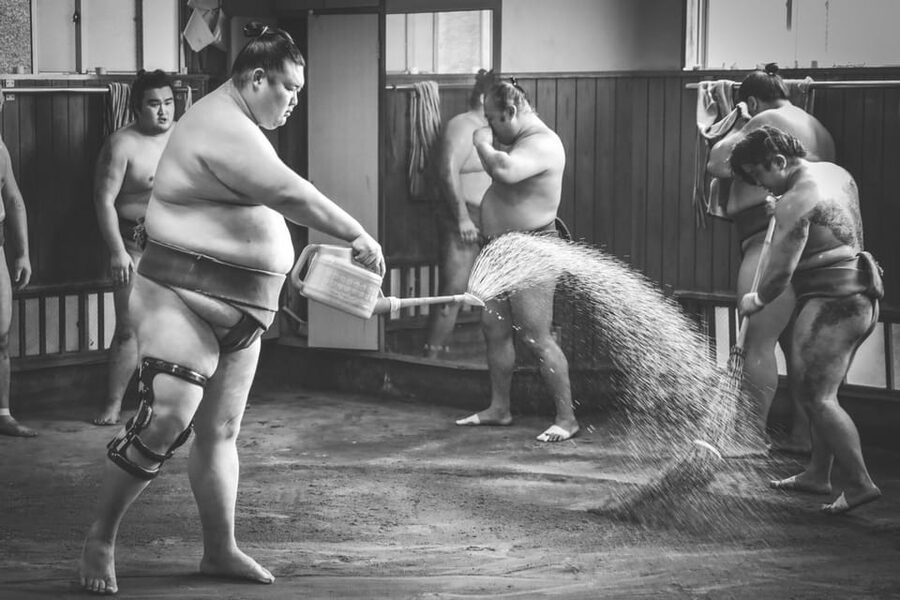
Sumo is easy to encounter in Tokyo through television, tournament tickets, museums, and themed entertainment. A training stable is different. You are not watching athletes perform a tidy lesson for an audience. You are seeing their workday.
That difference matters. Practice can be repetitive, serious, and quiet. The wrestlers are there to train, not to explain the sport. Your guide supplies the context before and after, while the stable provides the atmosphere.
You may see younger wrestlers working through basic movements, followed by more experienced rikishi training with greater force and control. The contrast helps you understand that sumo is not simply two large men pushing each other. It depends on balance, footwork, timing, flexibility, stamina, and strict ritual.
The setting also explains why this opportunity is unusual. Access to a stable is generally restricted, and even many Japanese people do not get to see a morning session. This tour has special permission from Takasago-beya, which is the key reason it offers something beyond the usual Ryogoku sightseeing circuit.
A few more Tokyo tours and experiences worth a look
Meeting in Ryogoku and getting ready for the stable
You meet at the Ryogoku HANAWA Building, near Toei Oedo Line Ryogoku Station, Exit A2 at ground level. From the east exit of JR Ryogoku Station, it is about a five-minute walk.
Pay close attention to the meeting instructions sent before the tour. The group leaves on time, and arriving early is sensible. Once the walk begins, there is only a short transfer of about five minutes before you reach Takasago-beya.
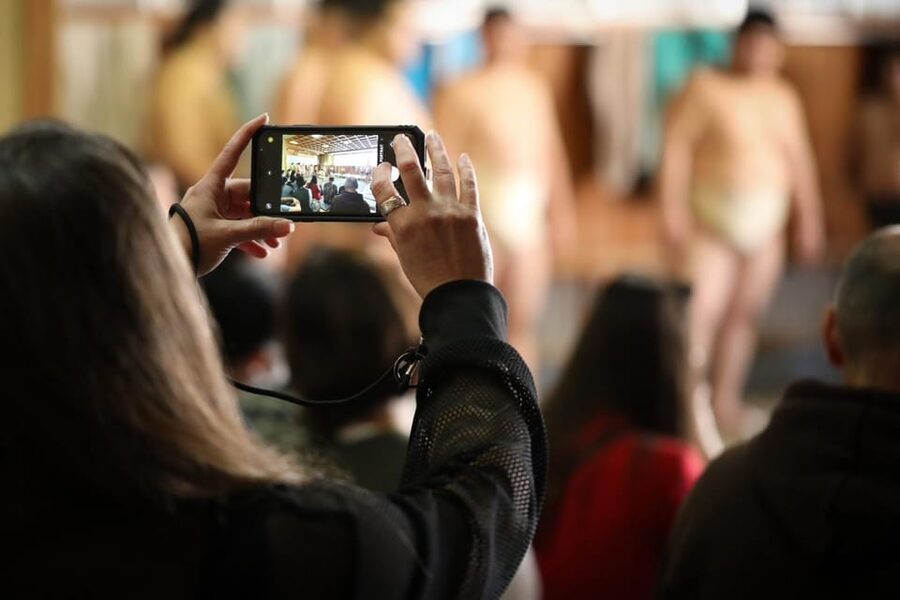
Before entering, your guide explains the basic customs. You need comfortable clothes because you will sit on the floor. Shoes are not allowed indoors, and food, drinks, alcohol, drugs, baby carriages, electric wheelchairs, fireworks, and flash photography are prohibited.
The quiet rule is especially important. You are there to observe, not to chat across the room or call out to a wrestler. The pre-tour material and videos sent by the operator can help you understand the exercises before you arrive, so you can spend the session watching rather than trying to work out what is happening.
Two hours inside Takasago-beya
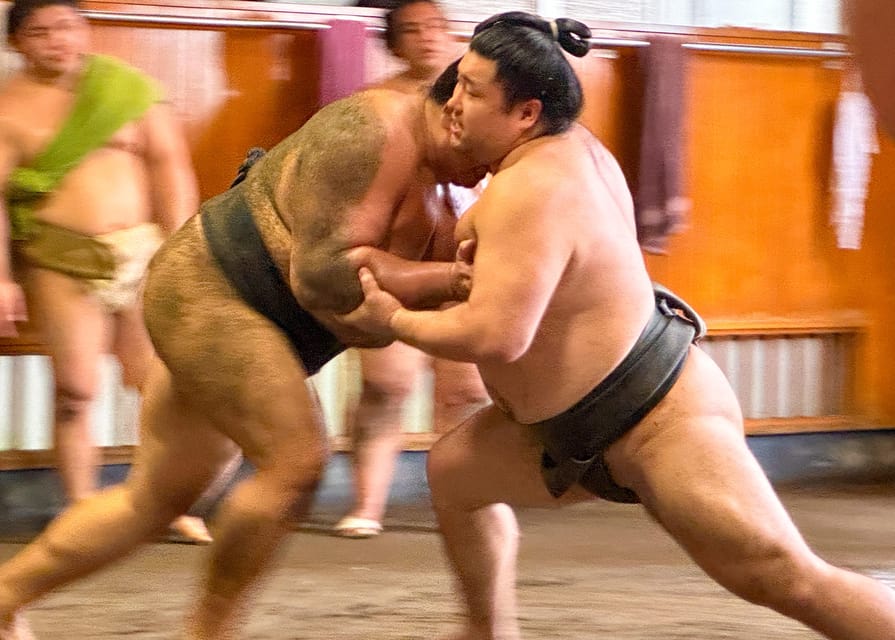
The stable is the heart of the experience. The listed guided visit lasts about two hours, although the exact practice can vary with the stable’s schedule. This is a substantial amount of time for a cultural activity in Tokyo, and it gives you enough room to notice the rhythm of training.
At first, the practice may look simple. Repeated movements, stretching, stance work, and controlled clashes are part of a system built through countless repetitions. Your guide helps you see the purpose behind each action and explains how the morning routine fits into sumo life.
This is where the tour’s specialist guides earn their fee. Shinya Setsu has worked as a sumo reporter, and the guiding team can explain subjects that are difficult to pick up from a match alone. You can ask about rules, training, rank, stable life, etiquette, and the structure of the sport.
The atmosphere is also part of the lesson. Sumo places great weight on respect, order, and ritual. A stable is not a theater, so the group’s behavior matters. You may find the quietness more striking than the noise of a tournament, especially when a hard practice suddenly fills the room with impact.
The close view can be impressive. You see the physical effort at a distance that a tournament seat may not provide. One guide has also pointed out former ozeki Asanoyama during practice, giving fans a chance to recognize a prominent rikishi up close when the stable’s schedule allows it.
Still, keep your expectations sensible. You are not guaranteed a particular wrestler, match-up, or dramatic finale. Practice is a working session, and the schedule belongs to the stable. That unpredictability is part of its authenticity, but it means the experience suits curious observers better than anyone demanding a fixed show.
Photos with wrestlers after practice
Photography is allowed in the appropriate part of the experience, and commemorative photos are included. Flash photography is not permitted during practice, so bring a camera or phone that works well without flash.
The photo opportunity comes after the training, when the group can make a memory with the wrestlers. This is a more meaningful souvenir than a generic sumo product because it connects directly to the stable you have just visited.
Follow your guide’s instructions carefully. The stable operates according to its own customs, and a respectful approach is more important than getting a perfect picture. Your guide can help manage the moment and explain what is appropriate.
Walking through Ryogoku Edo NOREN
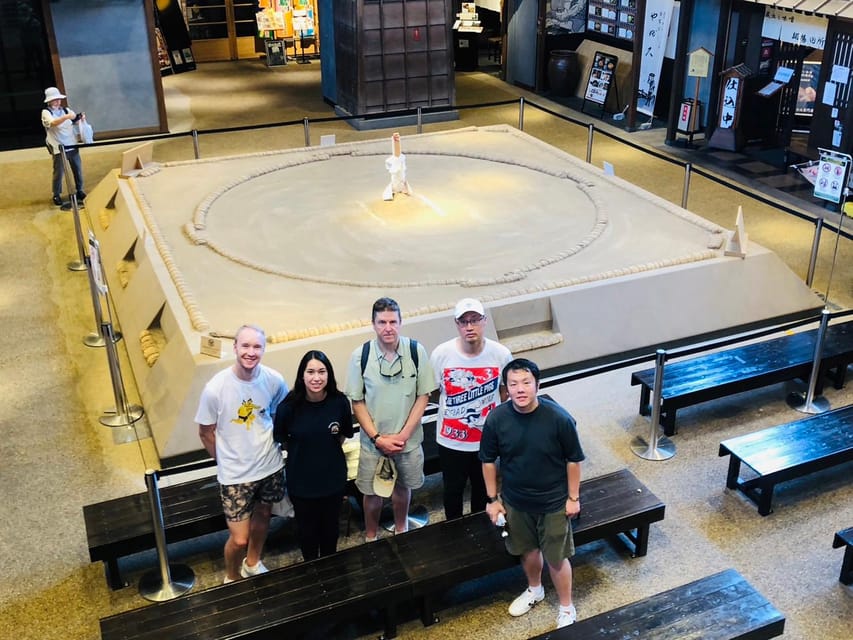
After leaving the stable, the group makes a short transfer and continues to Ryogoku Edo NOREN for about 30 minutes. This stop gives you a less intense setting for questions and discussion.
The itinerary also places the tour near the Ryogoku Kokugikan area, Tokyo’s sumo center. Depending on the day and the exact route, the guide may point out the stadium, a sumo museum, a replica ring, or a sumo shop. Do not assume that you will enter the stadium ring itself. One participant expected that and found the visit focused instead on a nearby replica.
That is a useful distinction when you book. This is not a Kokugikan backstage tour, and it does not include a tournament. The value comes from the stable practice and the guide’s explanations, not from access to the competition arena.
The sumo shop may appeal to collectors, though it is not essential for everyone. If you have little interest in souvenirs, the stop can feel less useful than the discussion. One practical improvement would be placing shopping at the very end, but you can treat it as an optional pause rather than the main event.
A few more Tokyo tours and experiences worth a look

The guide turns observation into understanding
I would not book this experience only for the photo. The strongest part comes when the guide connects what you saw in the stable to the wider world of sumo.
Shinya Setsu is repeatedly praised for his ability to explain the sport with humor and detail. His background as a national newspaper journalist gives him a useful angle: he can talk about sumo as a profession, a media subject, and a traditional institution.
You can ask the questions that do not fit neatly into a television broadcast. How is the hierarchy organized? What is daily life like for a wrestler? Why do certain rituals happen before a bout? How do you recognize a promising rikishi? What does a particular training exercise develop?
The guide team also shares video clips, match references, and follow-up links after the tour. These extras are helpful if you watch sumo on NHK or want to understand future tournaments better. People who know little about sumo can follow the explanations, while established fans get a chance to test their knowledge and ask more specific questions.
The tone is friendly rather than academic. Guides have been described as warm, funny, and willing to help with other Tokyo questions after the formal tour ends. That personal touch matters because the stable itself requires restraint. Much of the conversation happens afterward, when you can finally ask everything that came to mind during practice.
Price, timing, and practical value
The price is $103 per person for three hours. That places it above many ordinary Tokyo walking tours, museum visits, and casual cultural activities.
I still think the value is reasonable for the right person. The fee covers special access to a stable, approximately two hours of live training, an English-speaking sumo specialist, commemorative photos, and the guided Ryogoku portion afterward. The stable permission is the important factor. You cannot usually arrange this kind of visit simply by calling several stables yourself.
The comparison with a tournament ticket is more complicated. A tournament offers formal bouts, crowd energy, rankings, and the drama of competition. This tour offers the private working side of the sport. If tournament tickets are sold out, or if your visit falls outside a tournament period, the morning practice can be a very good alternative.
It may even be better for some first-time visitors. At a tournament, you see the result of the system. Here, you see the training and rituals that create the athlete. You also have time to ask questions instead of watching from a fixed seat.
The tour lasts three hours, with short five-minute transfers at the beginning and between the main stops. It finishes at Ryogoku Station, which makes it easy to continue sightseeing in the neighborhood or head elsewhere in Tokyo.
Cancellation is free up to 24 hours before the start, and you can reserve now and pay later. Check the available start times for your date, since morning practice schedules can vary.
Who will enjoy this most
This is a strong choice if you already watch sumo and want a better understanding of what happens away from the tournament. The chance to see a recognized wrestler such as Asanoyama can be a bonus, though no individual appearance should be treated as guaranteed.
It also suits anyone interested in Japanese customs, discipline, and traditional sport. You do not need to know the rules before arriving. The guide explains the basics and gives you a framework for reading the practice.
Families with older children might enjoy it if they can sit quietly and follow the stable’s rules. Babies under one year are not suitable for the activity, and baby carriages are not allowed.
You should reconsider if sitting on the floor is difficult, if you need a wheelchair, or if you prefer a lively, interactive show. The operator describes the activity as wheelchair accessible in one section, but the practical instructions clearly say the traditional stable setup is not suitable for wheelchair users. I would rely on the more restrictive guidance and ask before booking if access is a concern.
Small tips that improve the morning
Arrive early. The group leaves from the meeting point on time, and a late arrival could mean missing the start of practice.
Wear trousers or another comfortable outfit that allows you to sit on the floor. Think about warmth and comfort rather than dressing for a formal event.
Bring a camera, but keep the flash off. During practice, silence and respect come first. Save your questions for the discussion after the session unless the guide indicates otherwise.
Read the advance emails and watch any supplied videos. They explain the routine and help you recognize what you are seeing. This is especially useful because the stable itself is not a place for running commentary.
If you are hoping to identify the best wrestlers in the room, ask the guide at the beginning. A useful request is to point out notable rikishi before training starts, since it is not always obvious who you are watching.
Should you book this sumo morning practice?
Book it if you want authentic access, not a polished tourist performance. The combination of real training, a respected sumo journalist, time for questions, and photos with the wrestlers makes this one of Tokyo’s more unusual cultural activities.
I would especially recommend it during a month without a tournament, or when tournament tickets are unavailable. Sumo fans will appreciate the close look at training, while newcomers will gain a much clearer sense of the sport’s discipline and customs.
Skip it if $103 feels too high for a quiet, floor-seated activity, or if you want the noise and excitement of a live tournament bout. For everyone else, this is a worthwhile morning in Ryogoku, with access that is difficult to arrange independently and explanations that continue to pay off the next time you watch sumo.
FAQ
How long does the sumo morning practice tour last?
The experience lasts three hours. It includes about two hours at Takasago-beya, a 30-minute guided portion at Ryogoku Edo NOREN, and short transfers between the locations.
Where is the meeting point?
Meet at the Ryogoku HANAWA Building near Toei Oedo Line Ryogoku Station, Exit A2 at ground level. It is about a five-minute walk from the east exit of JR Ryogoku Station.
Is the sumo practice a real training session?
Yes. You watch live morning practice at Takasago-beya Sumo Stable. It is not a staged show, and the stable grants special permission for the visit.
Who leads the tour?
The English-speaking guide is a sumo specialist and national newspaper journalist. Shinya Setsu is named as a guide, and the guiding team may also include Shin, Karen, or Ray.
Can I take photographs?
Yes, commemorative photos are included, and you should bring a camera. Flash photography is not allowed during practice.
Do I need to sit on the floor?
Yes. The stable uses a traditional setup, so you should wear comfortable clothing for floor seating. The activity is not suitable for wheelchair users according to the practical access information.
What is included in the $103 price?
The price includes live morning practice viewing, commemorative photos, guidance from a sumo specialist and journalist, and special permission to enter the stable. Food, drinks, and transportation to and from the stable are not included.
More Shows & Entertainment in Tokyo
More Shows & Performances in Tokyo
More Sumo Experiences in Tokyo
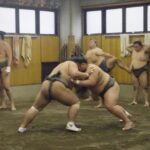
More tours in Tokyo we've reviewed











Sumo Experiences, compared.
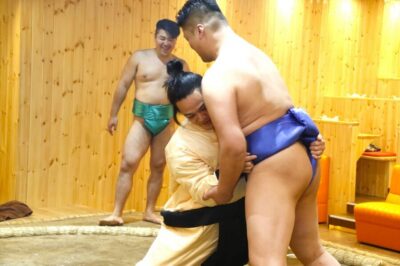 ★ 4.8Tokyo: Sumo Show Experience with Chicken Hot Pot and a PhotoFrom $1032 hours
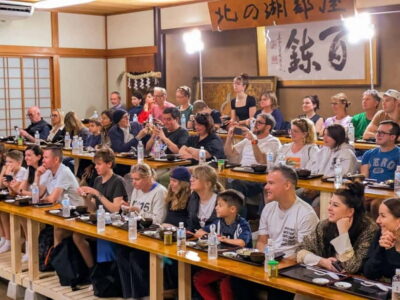 ★ 4.8Tokyo: Sumo Show and Dining ExperienceFrom $7990 minutes - 2 hours
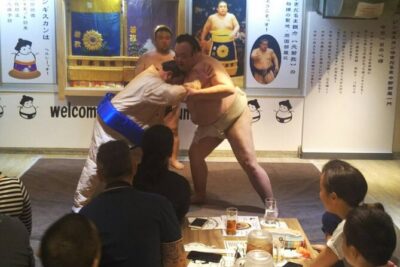 ★ 5.0the SUMO showFrom $89
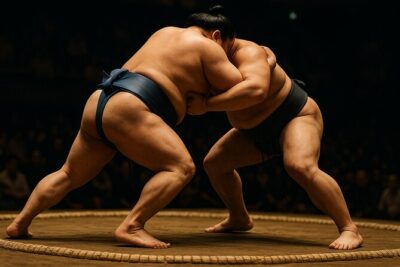 ★ 5.0Tokyo Shinjuku Sumo Show & Experience with PhotoFrom $79
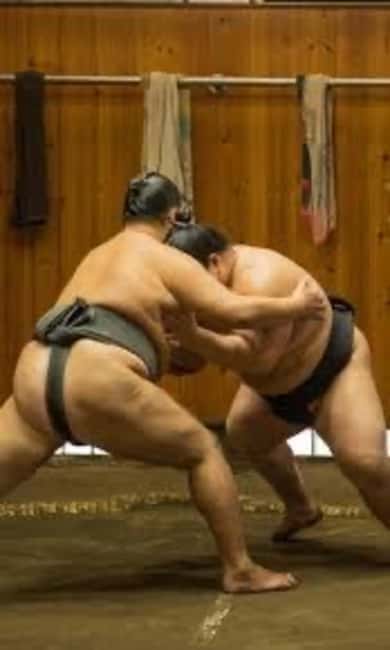 ★ 4.8Tokyo: Sumo Show and Experience in ShinjukuFrom $691h 30m
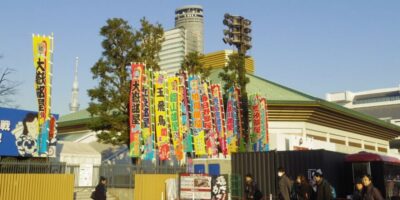 ★ 4.6Tokyo: Sumo Tournament Tour with Chair Seat TicketsFrom $141