
Reviewed · SHINJUKU TOURS
Tokyo Shinjuku Night Tour with Pachinko Gaming Experience
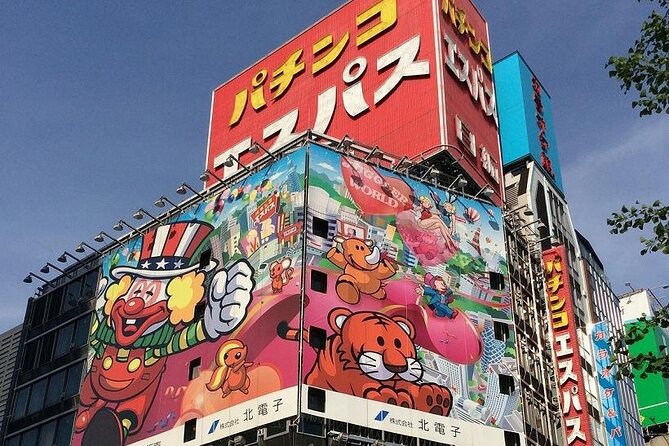
Tokyo’s neon center has a quieter side, and this private walk takes you there. You’ll pass through Kabukicho’s narrow back streets, then enter Omoide Yokocho, the tiny alleyway known as Memory Lane, before learning how pachinko works in a real gaming hall.
I like the one-on-one guidance, especially for first-time visitors who would otherwise stare at a pachinko machine without knowing where to begin. I also like the mix of old Tokyo alleys and modern game culture. The main drawback is important: gaming fees are extra, and one participant reported that a teenager could not enter the gaming areas, so confirm age rules before booking.
In This Review
- Key points to know before booking
- Shinjuku after dark, away from the main signs
- Kabukicho’s back streets in about 30 minutes
- Learning pachinko instead of guessing at the machine
- Toho Cinemas Shinjuku and Japanese arcade culture
- Omoide Yokocho, Tokyo’s Memory Lane
- Why a private guide changes the experience
- Who will enjoy this Shinjuku tour most
- Is $26.13 good value?
- Timing, meeting point, and cancellation
- Should you book this Shinjuku night tour?
- FAQ
- How long does the Tokyo Shinjuku Night Tour last?
- Where does the tour begin?
- Is pachinko included in the tour price?
- Is this a private tour?
- Can children participate?
- What is the cancellation policy?
Key points to know before booking
- Private 90-minute tour: Your group receives the guide’s full attention rather than following a large crowd.
- Kabukicho beyond the neon: The walk uses small lanes to explain how Shinjuku’s nightlife district works.
- Hands-on pachinko lesson: Your guide explains how to buy balls, operate the machine, and handle prizes or tokens.
- Omoide Yokocho after dark: Tiny izakaya and yakitori shops create an atmospheric stop with strong postwar character.
- Adults should check age limits: A reported booking included a teen who could not enter the arcade or pachinko area.
- Gaming money is separate: The $26.13 tour price covers the guide, not the cost of pachinko or arcade play.
Shinjuku after dark, away from the main signs
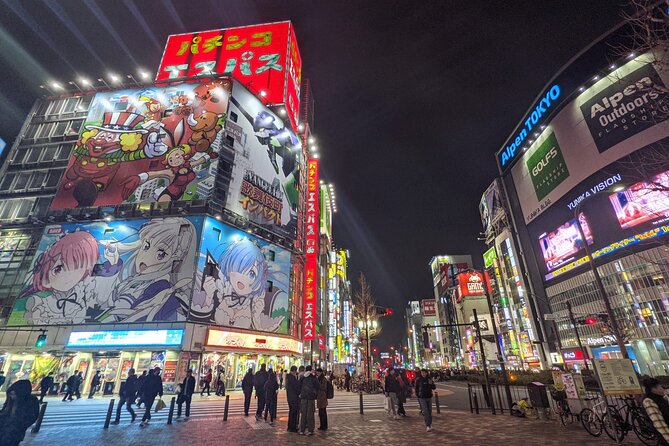
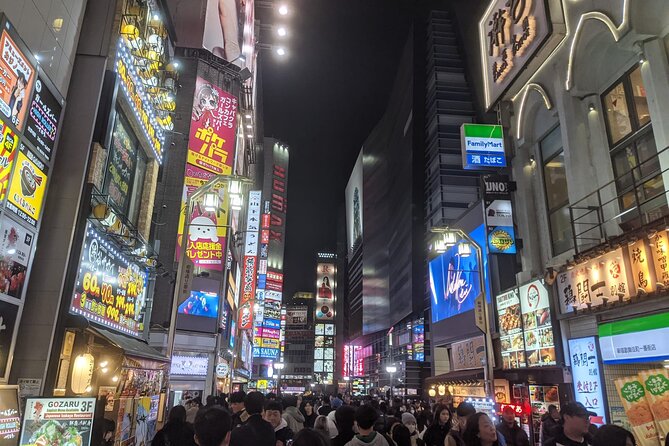
Shinjuku can feel like several cities pressed together. Around the station, huge signs, department stores, bars, restaurants, and entertainment buildings compete for your attention. A few turns away, the mood changes quickly. The streets grow tighter, the signs smaller, and the businesses more local in feel.
This tour begins at the JR Shinjuku East Exit Station Square. That is a practical starting point because Shinjuku Station is enormous, and meeting a guide at a clear public spot saves you from trying to find a little bar or gaming hall on your own.
The walk is private, so you can ask questions as you go. That matters here. Kabukicho is easy to see but harder to understand. Your guide can explain the way the back streets fit together, point out how different parts of the nightlife district operate, and help you separate ordinary local activity from the more theatrical front of Tokyo’s entertainment center.
The tour is not designed as a long historical walk. It is a short look at present-day Shinjuku, with some historical context supplied along the way. If you want temples, formal museums, or a detailed account of Tokyo’s past, this is not the right choice. If you want to understand the district’s nighttime character, it offers a useful introduction.
A few more Tokyo tours and experiences worth a look

Kabukicho’s back streets in about 30 minutes
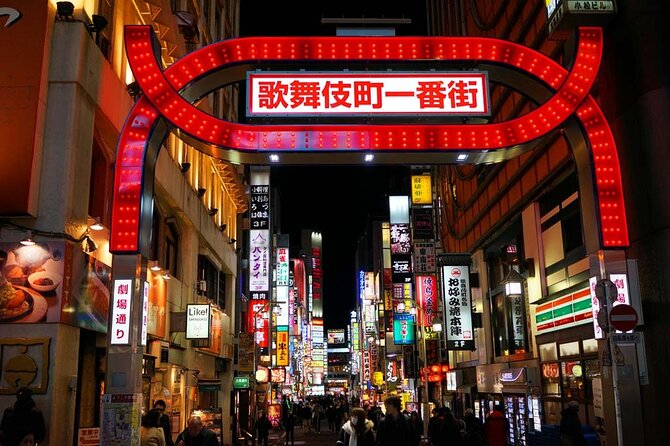
The first part lasts about 30 minutes and focuses on Kabukicho’s side streets. You will see the district’s famous neon, but the point is to move past the obvious signs and into smaller lanes.
That is where a private guide earns the fee. Alone, you can walk through Kabukicho, but you may not know which alleys are worth noticing or what you are looking at. The guide provides translation and interpretation in English, helping you understand the local setting rather than simply photographing it.
You may find dimly lit lanes, small restaurants, and businesses packed close together. One particularly useful detail from the tour feedback is that some restaurants are so tiny they barely fit five people. Many can be full, which gives these alleys a very different feel from the large dining rooms and polished chains around the station.
The walk also touches on what the tour calls the darker side of Tokyo. That does not mean the guide is taking you into unsafe places or promising scandal. It means you see a nightlife district with its own rules, businesses, and social ecosystem. Keep your expectations sensible: this is an observation walk, not a behind-the-scenes investigation.
A guide named Zen received especially warm praise for taking visitors through side streets and answering questions about both the neighborhoods and Japan more generally. Another guide, a woman whose name is not provided here, was praised for her warmth and broad understanding of Japan. Guide quality can shape a short private tour, and the available feedback points to friendly, engaged hosts.
Learning pachinko instead of guessing at the machine
After the walk, roughly 30 minutes are set aside for pachinko. For many visitors, this is the most unusual part of the outing.
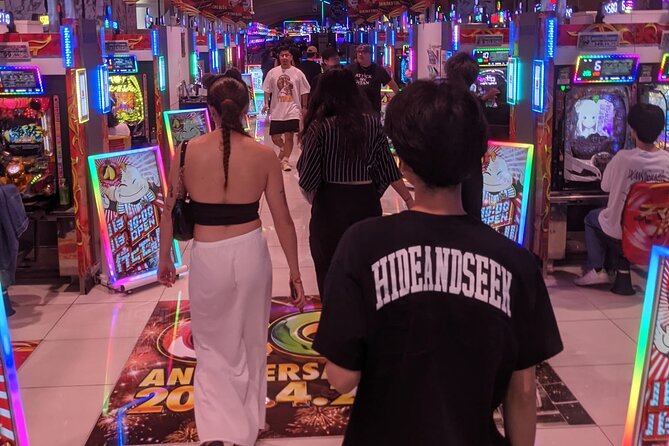
Pachinko is a Japanese gaming pastime built around a vertical machine and small metal balls. The machine can look confusing even if you are familiar with slot machines or arcades. Your guide explains how to buy the balls, how to operate the machine, and how to aim for a jackpot.
That instruction is the real value here. You are not simply handed a machine and left to work out the buttons. The guide can help you get started, explain the basic tactics, and show you how winnings are exchanged for prizes or tokens. The supplied information does not promise a winning system, so treat the word tactics as basic playing advice, not a guarantee that you will beat the machine.
You should also set a firm spending limit before you begin. Pachinko fees are not included in the tour price, and the amount depends on how much you choose to play. The same applies to the later arcade stop. At $26.13 per person, the tour is fairly modestly priced for a private guide, but your final cost rises if you spend freely on games.
This activity is best approached as a cultural tryout rather than a serious gambling session. You are paying to learn how a familiar Japanese pastime works, handle the machine, and enjoy the novelty. Luck is part of the fun, but it should not be the reason you book.
Toho Cinemas Shinjuku and Japanese arcade culture
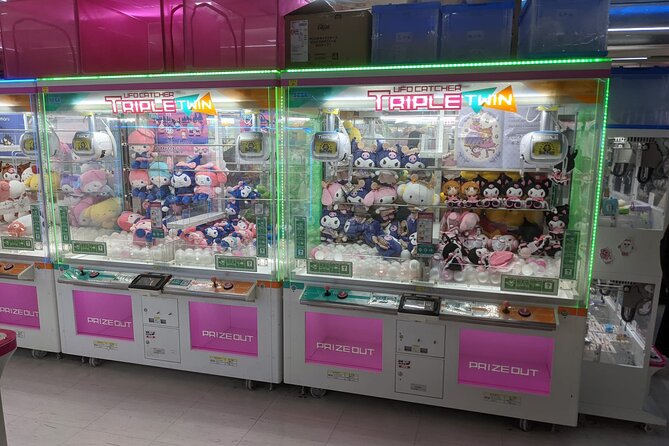
The next stop is Toho Cinemas Shinjuku, where you get about 15 minutes to try a Japanese gaming center. This is a short stop, so do not expect a full arcade visit or time to explore every floor.
Its purpose is to broaden the gaming portion of the tour. Pachinko shows one side of Japanese game culture, while the arcade offers another. You can try a few plays and see how your luck runs. Again, gaming costs are separate.
The short timing is both a strength and a limit. It keeps the whole outing within 90 minutes and gives you a quick taste without taking over the evening. But if you are a dedicated arcade fan, you may want to return independently and spend more time there.
Toho Cinemas Shinjuku also gives the itinerary a useful visual marker. Kabukicho is filled with bright signs and entertainment venues, and this stop helps place you in the middle of the district rather than treating the back streets as an isolated attraction.
Omoide Yokocho, Tokyo’s Memory Lane
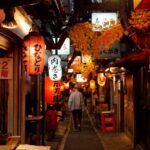
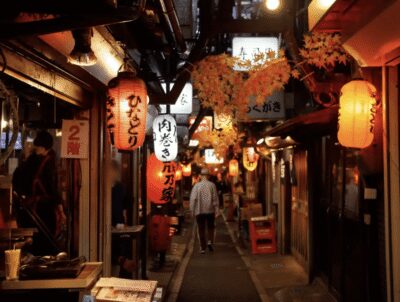
The final stop is Omoide Yokocho, a narrow alleyway often called Memory Lane. It is one of the most distinctive places on this short route.
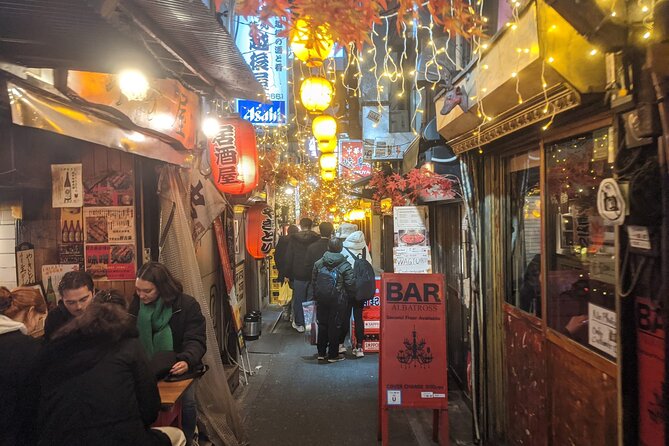
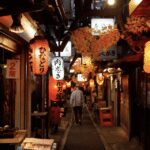
The passage is a tight maze of small restaurants, izakaya pubs, and yakitori stands. Its nickname points to its postwar atmosphere. You will not find broad sidewalks or spacious dining rooms here. Instead, the appeal lies in the cramped lanes, warm lantern light, and tiny storefronts pressed close to one another.
This stop works especially well with a guide because a small alley can be hard to read at first. You can see the setting on your own, but an English-speaking guide gives it context and helps you notice how different it feels from the large entertainment streets nearby.
Food is not listed as included, so do not assume that dinner or tastings are part of the price. One participant did receive help ordering around food allergies, which suggests the guide may be able to assist with communication. Still, you should explain allergies clearly when booking and before ordering, rather than relying on a quick conversation at the end of a fast-moving tour.
The 15-minute stop is enough to look around and understand the character of the lane. It is not enough for a relaxed meal. If you want to eat at one of the tiny izakaya, plan to return later or ask the guide for practical suggestions during the walk.
A few more Tokyo tours and experiences worth a look



Why a private guide changes the experience
The private format is the strongest feature of this tour. Only your group participates, so the guide can adjust the pace and answer questions without holding up a busload of people.
That flexibility is useful in Shinjuku. You may want to ask about pachinko, nightlife customs, restaurant etiquette, Japanese words on signs, or the difference between a neighborhood bar and a tourist-facing venue. A private guide can respond as you go.
It is also helpful for photography. Zen was specifically praised for taking photos of a couple during the walk. That is a small touch, but it can matter when you are traveling as a pair and want a few pictures together rather than another set of one person photographing the other.
The English support includes guiding, translation, and interpretation. That does not mean every conversation in every business will be translated in full. It does mean you have someone with you who can explain the activities and help bridge language gaps.
The tour’s 4.8 rating from 14 reviews and 93 percent recommendation rate suggest strong satisfaction, though the sample is small. I would give particular weight to the repeated comments about friendly guides, useful answers, enjoyable walks, and help with pachinko. Those are the parts that appear most consistently valuable.
Who will enjoy this Shinjuku tour most
I would recommend it most strongly to first-time visitors who want an easy introduction to Shinjuku at night. You get a guided orientation, a look at side streets, and two forms of Japanese gaming without having to plan the route yourself.
It also suits couples and small groups who prefer personal conversation over a scheduled group walk. Zen’s ability to answer general questions about Japan makes the tour more useful if you are still finding your feet in Tokyo.
You may also like it if you have already seen the big Shinjuku signs and want something less obvious. The small alleys provide a different view of the district, especially around Omoide Yokocho and the narrow lanes of Kabukicho.
I would not choose it for children or younger teens without first confirming the age rules. One booking included two adults and a teenage child, but the child could not enter the gaming or arcade areas. The supplied details do not clearly state a formal minimum age for the whole tour, so treat the gaming stops as adult-oriented and ask before paying.
It is also a poor match if you want a long food tour. The route passes restaurants and yakitori stalls, but food is not included, and the time at each area is short.
Is $26.13 good value?
At $26.13 per person, the price is attractive for a private 90-minute tour with English translation and interpretation. Comparable value depends less on the number of stops than on whether you need help making sense of them.
If you are comfortable walking alone, reading signs with your phone, and figuring out pachinko machines by trial and error, you could spend less by exploring independently. But you would lose the personal explanations, the help with the game, and the chance to ask questions throughout the route.
The price is easier to justify for a first visit, especially if you are curious about pachinko but would never try it alone. Just remember to add a separate budget for pachinko balls and arcade plays. The tour fee does not cover those costs, and there is no fixed gaming allowance listed.
The walk itself does not charge an admission fee at the stops. Your main purchase is the guide’s time and help. That makes the experience good value when you use the guide actively, ask questions, and take advantage of the private format.
Timing, meeting point, and cancellation
The activity lasts about 1 hour and 30 minutes and returns to the meeting point. It begins at the JR Shinjuku East Exit Station Square, at 3-chōme-38-1 Shinjuku, Shinjuku City, Tokyo 160-0022.
Shinjuku Station is served by public transportation, but the station complex can be confusing. Allow extra time to reach the East Exit Square. A mobile ticket is provided, and confirmation arrives at booking.
Most participants can take part, but the gaming age concern deserves attention. If anyone in your group is under 18, contact the provider before booking rather than assuming the arcade and pachinko portions will be available.
Free cancellation is available up to 24 hours before the local start time for a full refund. Changes or cancellations made less than 24 hours before the start are not accepted for a refund.
Should you book this Shinjuku night tour?
Book it if you want a short, private introduction to the parts of Shinjuku that are easy to miss, plus a guided first try at pachinko. The strongest reasons are the personal attention, the English assistance, the atmospheric alleys, and guides such as Zen who make room for questions and photos.
Skip it if you want a substantial food experience, a long history tour, or a family activity with younger participants. Also skip it if you dislike paying extra for games and prefer to explore at your own pace.
For most adults visiting Tokyo for the first time, this is a useful first-night orientation. Keep your gaming budget modest, arrive early at the East Exit, and treat the pachinko as a cultural experience rather than a way to make money.
FAQ
How long does the Tokyo Shinjuku Night Tour last?
The tour lasts approximately 1 hour and 30 minutes and ends back at the meeting point.
Where does the tour begin?
It begins at the JR Shinjuku East Exit Station Square, at 3-chōme-38-1 Shinjuku, Shinjuku City, Tokyo 160-0022, Japan.
Is pachinko included in the tour price?
No. The pachinko gaming fee is separate and depends on how much you choose to use. Arcade gaming fees are also extra.
Is this a private tour?
Yes. Only your group participates, and the guide provides English guiding, translation, and interpretation.
Can children participate?
Most travelers can participate, but a reported booking found that a teenage participant could not enter the pachinko or arcade areas. Confirm age requirements with the provider before booking anyone under 18.
What is the cancellation policy?
You can cancel at least 24 hours before the local start time for a full refund. Cancellations or changes made less than 24 hours before the start are not accepted for a refund.
More Evening Experiences in Tokyo
More Night Tours in Tokyo
More Shinjuku Tours in Tokyo

More tours in Tokyo we've reviewed



Shinjuku Tours, compared.
 ★ 5.0Tokyo: Shinjuku Food Tour (13 Dishes at 4 Local Eateries)From $86
 ★ 5.0Tokyo Bar Hopping Tour in Shinjuku (All-You-Can-Drink + Dinner)From $106
 ★ 4.9Tokyo: Shinjuku Food Tour (15 Dishes and 4 Eateries)From $853 hours
 ★ 5.0Best of Shinjuku: Izakaya Food Tour (4 Stops, 14+ Tastings)From $92
 ★ 4.9Tokyo: Shinjuku Local Bar and Izakaya Guided Walking TourFrom $343 hours
 ★ 5.0Tokyo Shinjuku Chopsticks Making ClassFrom $20