
Reviewed · TOKYO FOOD TOURS
Tokyo Shinjuku Food & Backstreet Culture Tour: 15 Dishes+3 Drinks
Shinjuku after dark is a maze of neon signs, tiny bars, old alleys, and food counters that can be hard to approach on your own. This three-hour tour gives you a friendly escort through Omoide Yokocho, Kabukicho, and Golden Gai, with Japanese dishes and drinks along the way.
I like the mix of food, local customs, and nightlife stories. I also like that guides such as Sakura, Kyle, Seiya, Taka, and Kei help you order in English and explain how Japanese dining works. The main thing to consider is that this is a culture and nightlife walk with food, not necessarily a full dinner. One participant found only two restaurant stops and average food, so expectations matter.
In This Review
- Key points to know
- What this Shinjuku night is really about
- Starting under Shinjuku’s giant 3D cat
- Omoide Yokocho and the feel of old Tokyo
- Godzilla Road and a quick visual break
- Kabukicho with stories beyond the neon
- Golden Gai, tiny bars, and postwar Tokyo
- What you may actually eat and drink
- The guide makes the difference
- Who should book this evening
- Price, timing, and practical value
- Should you book the Shinjuku Food and Backstreet Culture Tour?
- FAQ
- How long does the tour last?
- Where does the tour start?
- Where does the tour end?
- Which Shinjuku areas are included?
- How many dishes are included?
- How many drinks are included?
- Can children join the tour?
- Can people under 20 drink alcohol on the tour?
- Can the tour accommodate allergies or dietary restrictions?
- Are extra food and drinks available?
- How many people can join the tour?
- What should I use for communication on the day?
Key points to know
- 15 Japanese dishes are advertised: The selection changes with the season, and individual portions may vary for solo bookings.
- The route covers classic Shinjuku: You visit the giant 3D cat screen, Omoide Yokocho, Godzilla Road, Kabukicho, and Golden Gai.
- Drinks are included: The detailed information lists two drinks, alcohol or soft drinks, although the tour title says three. Confirm this before booking.
- The guides shape the evening: Sakura, Kyle, Seiya, Taka, and Kei have all led tours, with English commentary on food, etiquette, language, and local life.
- The group is capped at 15 people: That keeps the walk manageable, though bar seating can still feel close in Shinjuku’s narrow nightlife districts.
- Dietary limits need careful planning: Meals come from outside kitchens, and substitutions or allergy free food cannot be guaranteed.
What this Shinjuku night is really about
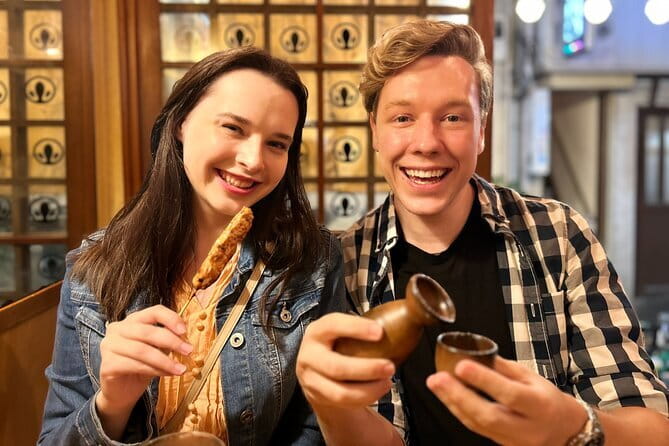
This experience is best understood as a guided evening out rather than a restaurant crawl built around one large meal. You move through famous sights, stop for Japanese food and drinks, and learn how to act in places where menus, customs, and social rules may not be obvious.
That distinction is important. The tour includes 15 selected dishes, but those dishes may be spread across several stops and served as small tastes. One food focused participant found the food excellent, including especially good dumplings. Another felt the tour visited only two restaurants and did not provide enough food. Both reactions make sense because the evening gives equal weight to Shinjuku culture and food tasting.
I would book this early in a Tokyo visit. The guide can explain ordering habits, drinking manners, useful Japanese food terms, and places you might return to later. You also get a ready made night out without having to choose a bar, decode a menu, or work out how to enter a tiny izakaya.
The current price is $100 per person. That is not cheap for three hours, but it can be fair if you value an English speaking guide, several tastings, included drinks, photos, and a structured introduction to Shinjuku nightlife. It is less attractive if you mainly want a large meal or the freedom to linger at one restaurant.
A few more Tokyo tours and experiences worth a look
Starting under Shinjuku’s giant 3D cat
The meeting point is outside the GUCCI Shinjuku M Square Store at 3 Chome 24 1 Shinjuku. The first stop is the famous giant 3D cat display, about a five minute photo opportunity.
The cat appears to move and meow from the curved screen, making it an easy landmark and a quick way to begin the evening. It is a modern symbol of Shinjuku’s playful advertising culture, and the stop gives your group time to meet before heading into older nightlife streets.
Do not treat this as a major sightseeing visit. You are there for photos, not a long explanation or a museum style presentation. The value is practical: it helps you get your bearings in a busy part of Shinjuku and starts the tour with an unmistakable Tokyo image.
Omoide Yokocho and the feel of old Tokyo
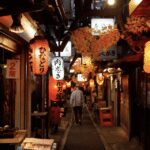
The first substantial food stop is Omoide Yokocho, where small eateries and bars line a narrow alley. The name is often associated with memory and nostalgia, and the atmosphere feels very different from the huge screens and department stores nearby.
You spend about 50 minutes here eating and drinking. The guide explains how to approach small Japanese establishments, what the dishes are, and how to handle basic dining etiquette. For many visitors, this is the first time they get close to the compact counter style that makes Shinjuku nightlife so distinctive.
The setting is part of the meal. You are not simply sitting in a polished dining room and receiving a plate. You are eating in a tight, old fashioned alley where space is limited and the pace may be brisk. That can feel authentic and exciting, but it may be uncomfortable if you need a quiet, spacious restaurant.
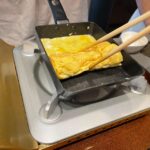
The food list can change. Past tastings have included items such as yakitori, beef offal stew, potato salad, grilled dumplings, soup dumplings, salted squid guts, fried horse meat, century egg, and whole shrimp with eggs. Do not assume every item appears on every departure. The supplied information says the 15 dishes vary by season.
If you are cautious with unfamiliar food, the guide can make the experience easier. You can ask what something is before trying it, and the English explanation removes much of the guesswork. Still, the operator warns that substitutions are not guaranteed, especially for allergies or dietary restrictions.
Godzilla Road and a quick visual break
The group then moves to Godzilla Road and the Godzilla Head, a five minute stop. The giant monster head is perched above the Shinjuku entertainment district and has become one of the area’s most recognizable signs.
This is a short photo stop, not a long attraction. I like it because the route does not focus only on food. You get a few memorable landmarks between tastings, and the guide can connect the exaggerated pop culture image with the wider character of Kabukicho.
The stop also helps break up the evening. Three hours of eating in close quarters can feel repetitive, while a quick walk and a photo give you a chance to reset before the longer nightlife section.
Kabukicho with stories beyond the neon
Kabukicho occupies the largest part of the tour, roughly one hour and 40 minutes. It is Tokyo’s best known entertainment district, with restaurants, bars, arcades, clubs, bright signs, and streets that shift in mood from block to block.
The route is led by an English speaking guide, and the company notes that a former local worker may share behind the scenes stories. That can add useful context to a district that is easy to reduce to neon and nightlife clichés. The goal is to show you how the area works, not simply point at its loudest signs.
Food appears along the way, with visits to local establishments and additional tastings. Past food and drink examples include lemon sours, whiskey highballs, draft beer, tea mixed with shochu, and several types of bar food. Underage participants receive soft drinks because alcohol is prohibited in Japan for anyone under 20.
The drinking etiquette lesson is one of the tour’s strongest features. You learn how to order, how to behave respectfully with staff, and how Japanese drinking customs differ from those at home. That information is useful beyond this one evening. It can help you feel less awkward at an izakaya later in your trip.
The guides also discuss language, changing social norms, history, and daily life. Sakura received especially warm praise for combining food knowledge with cultural explanation, while Kyle was noted for keeping the group laughing and comfortable. Seiya was described as fluent in English and friendly, and Taka and Kei have also led engaging evenings.
Guide quality matters here. Kabukicho can feel confusing without context, but a good guide gives the streets a human story. Since the guide roster varies, you should book for the route and format rather than expecting one particular person unless the company confirms that guide.
A few more Tokyo tours and experiences worth a look
Golden Gai, tiny bars, and postwar Tokyo

Golden Gai is the atmospheric finale. Its narrow lanes contain more than 200 tiny bars, many with only a handful of seats. It is also one of the few parts of Tokyo where postwar building styles remain visible.
This is the place where a guide is most useful. A small bar can feel intimidating when you cannot read the sign, do not know if a cover charge applies, or are unsure if the room is open to newcomers. The tour gives you a way to see the area without making your first visit a guessing game.
Do not expect a large pub with room to spread out. Golden Gai is cramped by design, and each bar has its own character. The guide may explain the local customs and take you into selected places, but the exact stops and seating arrangements can change.
The tour ends in front of Shinjuku Station. If you choose to remain at the final bar, you are dispersed there instead. That option is useful if the night is going well, but you should not assume the guide will continue escorting you after the official tour ends.
What you may actually eat and drink
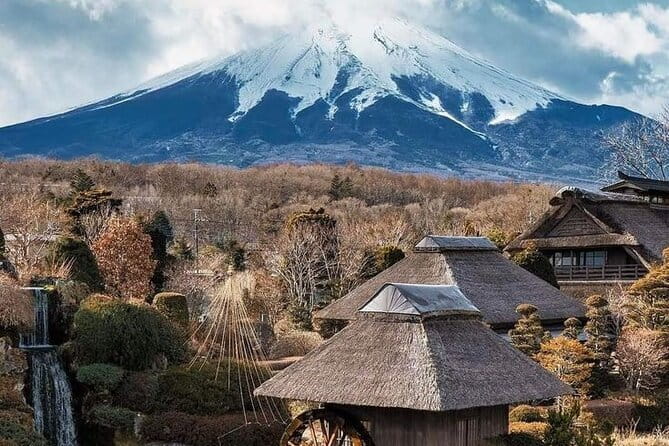
The advertised food count sounds impressive, but count alone does not tell you how filling the evening will be. The 15 dishes are selected Japanese tastes, not 15 full restaurant portions. Think of a series of shared or small servings that introduce different flavors and textures.
The exact menu changes by season. Examples from the experience include grilled meats, dumplings, stews, seafood, unusual ingredients, and sweets such as taiyaki. One participant singled out the dumplings as the best they had eaten, while another found the taiyaki dessert underwhelming.
The detailed tour information lists two included drinks, alcoholic or non alcoholic. The title refers to three drinks, so I would ask Fuji Tour to clarify the current allowance before paying. Extra food and drinks can be ordered at your own cost, with payment made on the spot.
This setup suits curious eaters who want variety. It is not ideal for someone who wants to select every dish, avoid all unfamiliar ingredients, or plan a carefully controlled meal. The company cannot promise allergy free preparation because the food comes from outside kitchens, and it may not be able to provide replacements at each stop.
Single participants should also note that the number of dishes may differ. That does not necessarily mean the evening is poor value, but it is a reason to ask how solo portions are handled.
The guide makes the difference
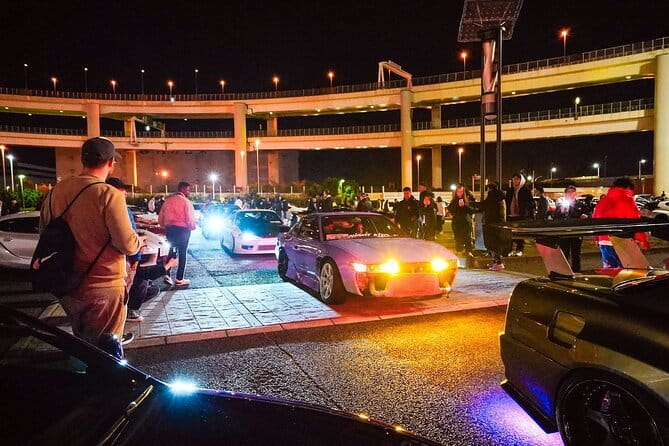
A strong guide can turn this route from a sequence of busy streets into a useful introduction to Tokyo life. You get help with ordering, explanations of eating and drinking manners, and answers to questions about Japanese language and culture.
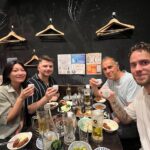
The best accounts of the experience describe the evening as relaxed and social, almost like going out with a friendly local companion. Sakura is repeatedly praised for her energy and clear English. Kyle is described as funny, thoughtful, and good at bringing a group together. Seiya is noted for his warm manner, while Taka and Kei have also guided successful nights.
The group limit is 15 people. That is small enough for a guide to answer questions, though it is not a private tour. In narrow alleys and compact bars, the group may feel close together. Solo participants can benefit from the built in company, especially if they do not usually go out at night alone.
The use of WhatsApp is part of the communication plan, so download it before the tour. The activity is near public transportation, and the guide explains which stations to use depending on your destination.
Who should book this evening
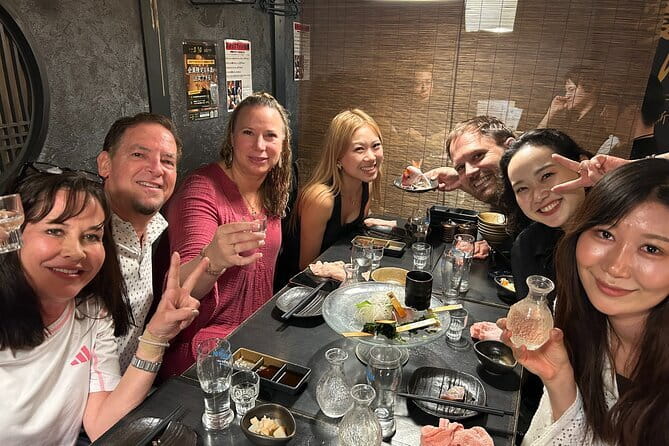
I would recommend it to first time Tokyo visitors who want a gentle introduction to Shinjuku after dark. It is also a good fit for solo visitors, couples who want more context than a self guided walk provides, and food fans who enjoy trying small portions rather than ordering one familiar meal.
It suits people who like conversation. The cultural background is a major part of the value, and the guide may discuss history, etiquette, language, and changing customs as you walk.
I would hesitate if you have serious food allergies, strict dietary rules, or a strong need for guaranteed substitutions. I would also choose another experience if your main goal is a long, filling dinner. One low rating specifically criticized the number of restaurant stops and the quality of the food, so this is not a risk free choice for a dedicated gourmet.
Children can join when accompanied by an adult, but anyone under 20 receives soft drinks instead of alcohol. The nightlife setting may also be more appealing to adults than to young children.
Price, timing, and practical value
At $100 per person, the price covers about three hours, 15 selected dishes, two listed drinks, an English speaking guide, photos, and cultural explanations. The title suggests three drinks, so confirm that mismatch before booking.
The value comes from access and confidence as much as from the food. You are paying someone to lead you through places you might skip, explain what to order, and reduce the language barrier. If you would otherwise pay for several tastings and a couple of drinks, the package can make sense.
The tour is not private, and personal purchases are extra. Gratuity is optional. Free cancellation is available up to 24 hours before the start time, but cancellations or changes inside that window are not refunded or accepted.
Should you book the Shinjuku Food and Backstreet Culture Tour?
Book it if you want an entertaining first night in Shinjuku, enjoy trying unfamiliar dishes, and value a guide who can explain the rules behind Japanese nightlife. The route gives you major visual stops, old alleys, izakaya food, Golden Gai, and a useful lesson in drinking etiquette.
Skip it if you need a guaranteed allergy safe menu, a large dinner, or a fixed list of restaurants. Before booking, confirm the number of included drinks, tell the operator about dietary needs, and remember that the food selection changes.
For most curious first time visitors, I see this as a strong orientation to Shinjuku rather than a final word on Japanese cuisine. It gives you enough confidence to return on your own, which is one of the best things a short city tour can do.
FAQ
How long does the tour last?
The tour lasts approximately three hours.
Where does the tour start?
It starts at the GUCCI Shinjuku M Square Store, located at 3 Chome 24 1 Shinjuku, Shinjuku City, Tokyo 160-0022.
Where does the tour end?
The tour disbands in front of Shinjuku Station. If you stay at the final bar, you disperse there instead.
Which Shinjuku areas are included?
The route includes the giant 3D cat display, Omoide Yokocho, Godzilla Road and Godzilla Head, Kabukicho, and Golden Gai.
How many dishes are included?
The detailed information lists 15 selected Japanese dishes. The dishes vary by season, and the number may differ for solo participants.
How many drinks are included?
The included section lists two drinks, alcoholic or non alcoholic. The tour title refers to three drinks, so confirm the current number with Fuji Tour before booking.
Can children join the tour?
Yes. Children must be accompanied by an adult.
Can people under 20 drink alcohol on the tour?
No. In Japan, alcohol is prohibited for anyone under 20. Soft drinks are provided instead.
Can the tour accommodate allergies or dietary restrictions?
The operator cannot guarantee allergy free meals or accommodate every dietary restriction. Substitutions may not be available at each stop, though the guide will try to compensate at other stops.
Are extra food and drinks available?
Yes. Additional orders are available, but you must pay for them on the spot.
How many people can join the tour?
The maximum group size is 15 people.
What should I use for communication on the day?
The tour uses WhatsApp for day of communication, so download it before joining.
More Food Experiences in Tokyo

More Tokyo Food Tours in Tokyo
More Shinjuku Tours in Tokyo

More tours in Tokyo we've reviewed




Tokyo Food Tours, compared.
 ★ 5.0Tokyo: Shinjuku Food Tour (13 Dishes at 4 Local Eateries)From $86
 ★ 4.9Tokyo: Shinjuku Food Tour (15 Dishes and 4 Eateries)From $853 hours
 ★ 5.0Best of Shinjuku: Izakaya Food Tour (4 Stops, 14+ Tastings)From $92
 ★ 5.0Tokyo Night Foodie Tour in Shinjuku – Seasonal Sushi, Wagyu BeefFrom $111
 ★ 5.0Eat and Drink Like a Local: Tokyo Ueno Food Tour-Taverns&RamenFrom $95
 ★ 5.0Tokyo: Shibuya Food Tour (13 dishes and 4 Eateries)From $77