
Reviewed · ASAKUSA TOURS
Time Travel in Tokyo Explore Old Town Asakusa and Local Food
Asakusa gives you old Tokyo in a compact, easy-to-follow package: a giant red gate, a temple with 1,300 years of legend, sweet cakes, rice crackers, and narrow side streets. This private two-hour walk lets you see the famous sights without losing the local feel.
I like the smart route from Kaminarimon Gate to Senso-ji, then through less obvious backstreets. I also like the food focus, especially the chance to try ningyo-yaki, senbei, kibi-dango, and age-manju while learning how to pray at the temple. The main drawback is time. Two hours goes quickly, and the price of $26.13 does not clearly state that snack purchases are included.
In This Review
- Key points to know before you book
- Why Asakusa works so well for a short Tokyo tour
- Meeting at Kaminarimon Gate and the Asakusa information center
- Nakamise Street, where snacks become part of the sightseeing
- Senso-ji and the simple customs many visitors miss
- Asakusa backstreets and the value of a local guide
- Finishing at Don Quijote Asakusa
- What the $26.13 price really buys you
- Who should book this Asakusa walk
- Final decision: a good short introduction to old Tokyo
- FAQ
- How long does the Asakusa tour last?
- How much does the tour cost?
- Is this a private tour?
- Where does the tour begin?
- Where does the tour end?
- Which sights are included?
- Are food tastings included in the price?
- Who is the guide?
- Can I cancel for a refund?
Key points to know before you book
- Suno is the guide most often named: He is praised for clear cultural explanations, patience, photography, and a friendly manner.
- The food is part of the story: You can try local treats such as doll-shaped ningyo-yaki, fresh senbei, kibi-dango, and age-manju.
- Senso-ji customs are explained: You learn the proper way to offer incense and pray instead of simply walking past the temple.
- The tour is private: Only your own group participates, which makes questions and pacing easier.
- The route ends at Don Quijote: You finish beside a useful shop for snacks, cosmetics, souvenirs, and pop-culture goods.
- The walk is short but full: The listed stops add up to about two hours, with no admission fee for the sights.
Why Asakusa works so well for a short Tokyo tour
Tokyo can feel huge, fast, and hard to read at first. Asakusa gives you a more manageable introduction. Its main sights sit close together, and the route moves from a major city landmark to a working Buddhist temple, then into side streets and a Japanese discount store.
That mix is the real strength. You are not spending two hours on a single grand building. You are seeing how history, worship, food, shopping, and daily habits sit side by side in one part of Tokyo.
I especially like this route for a first visit because it gives you cultural basics without turning the walk into a lecture. You learn a few Japanese phrases, hear local stories, and get practical tips about which shops deserve your time. The guide also helps you avoid overpriced tourist traps, a useful service in an area where the main shopping street can be aimed squarely at sightseers.
The tour costs $26.13 per person. That is fair for a private experience if you want a guide who can explain customs and adjust attention to your group. It is less compelling if you only want to photograph Kaminarimon Gate and Senso-ji, since you can visit both without paying admission.
A few more Tokyo tours and experiences worth a look

Meeting at Kaminarimon Gate and the Asakusa information center
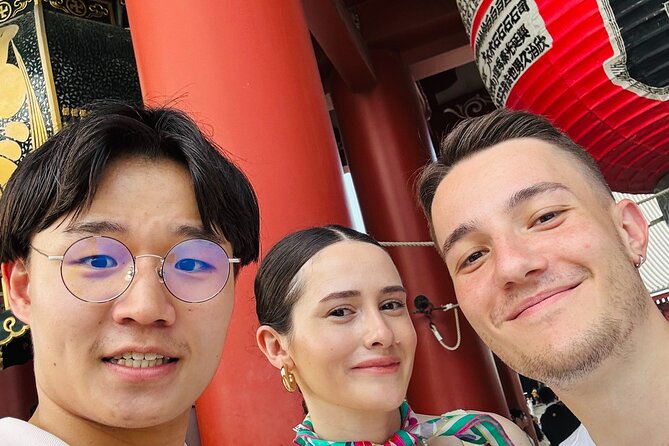
You meet at the Asakusa Culture Tourist Information Center, at 2-chome-18-9 Kaminarimon, Taito City. This places you close to Kaminarimon Gate, the dramatic entrance to the temple district.
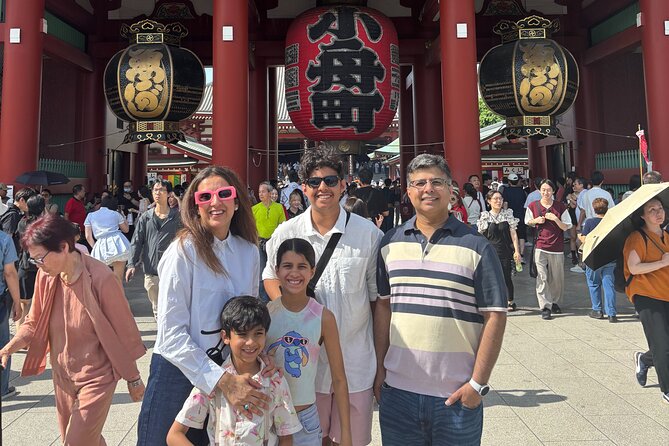
Kaminarimon is marked by a massive lantern and guardian figures. It is one of Tokyo’s most recognizable starting points, but it can feel confusing when you first arrive. A guide gives you an immediate orientation and helps connect the gate to the street and temple ahead.
This is also a practical meeting point for a private tour. You do not need to search through a large group or wait for a bus. The experience uses a mobile ticket, and booking confirmation is provided at the time of booking.
From the start, expect a walking tour rather than a ride-based sightseeing trip. Wear comfortable shoes and allow enough time to reach the meeting point by public transportation. The tour is near public transportation, and most people can take part. Service animals are allowed.
Nakamise Street, where snacks become part of the sightseeing
The first major portion lasts about an hour on Nakamise Shopping Street. This is the main approach to Senso-ji, lined with shops and food stalls. The route is lively, colorful, and often crowded, so the guide matters here.
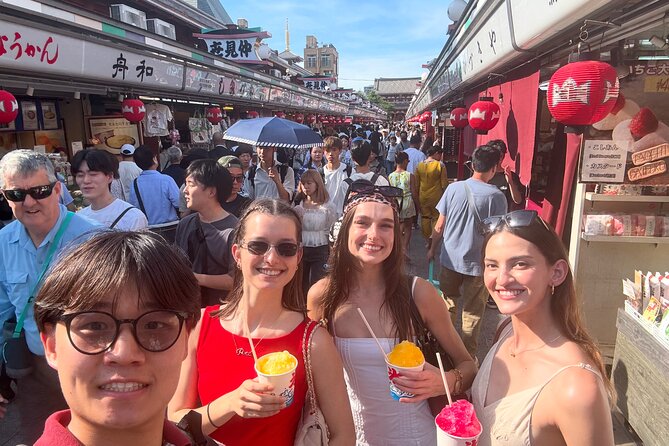
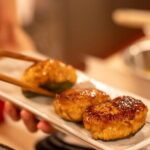
Instead of simply pointing out souvenir shops, the walk uses food to explain the area. You might try ningyo-yaki, small doll-shaped cakes, along with senbei rice crackers, kibi-dango, and age-manju. These snacks give you a quick taste of traditional Tokyo without requiring a sit-down meal.
Ningyo-yaki is particularly suited to this setting. The cakes are shaped like little figures, making them fun to photograph and easy to eat while walking. Senbei offers a different experience, with a crisp rice texture and savory flavor. Kibi-dango and age-manju add more variety, especially if you like sweets.
The important practical point is that the tour price does not specify food purchases as included. Plan to carry some extra money if you want to sample several items. Your guide can help you choose, which is valuable on a street where many shops sell similar-looking treats.
Nakamise is not a quiet, untouched old lane. It is a popular shopping street built for the flow of people heading to the temple. That is not a flaw, but you should set the right expectation. You are seeing a historic approach with strong commercial energy, not a deserted relic from the past.
The guide’s advice can make a difference. Several people singled out the help with avoiding overpriced shops and finding better food. For me, that is one of the strongest reasons to book rather than wander the street alone.
Senso-ji and the simple customs many visitors miss
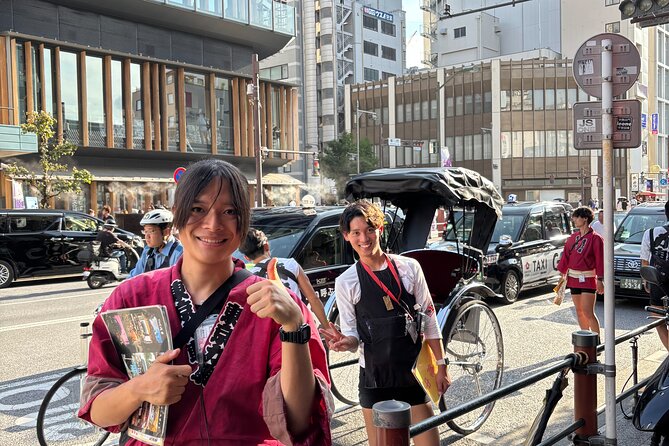
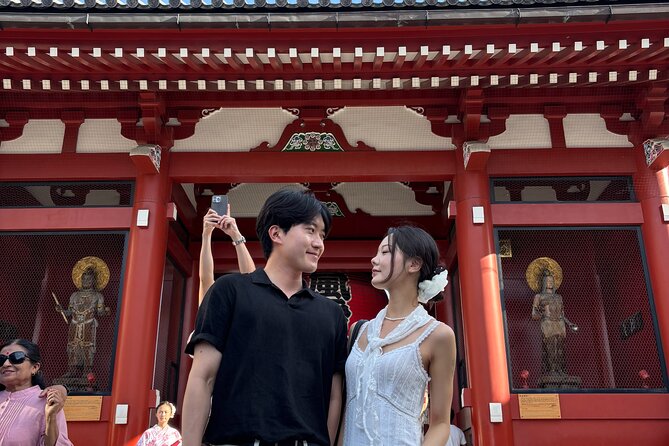
The tour spends about 45 minutes at Senso-ji, Tokyo’s oldest and most sacred Buddhist temple. You enter through Kaminarimon and continue toward the temple grounds, where the large lanterns and guardian statues create the route’s most impressive visual moment.
Senso-ji is not just a place to take a quick photo. It is an active religious site, and the walk explains how to behave there. You can join local worshippers in offering incense and prayers, while learning the proper steps and the meaning behind them.
That guidance is worth more than a list of dates. Many visitors see the incense burner, water, and prayer area but do not know what to do. A patient guide helps you take part respectfully and without feeling awkward.
The temple’s 1,300-year-old legend adds a sense of place to the visit. The story gives context to why Senso-ji matters and helps you see the temple as part of Asakusa’s identity, rather than as another large building on a sightseeing checklist.
Senso-ji can be busy, and the tour does not promise a private temple visit or skip-the-line access. Admission to the stop is free, but the open public setting means the pace may depend on crowds and the needs of your group.
The guide named most often for this experience is Suno. He is praised for explaining temple rules, answering questions patiently, and making families feel comfortable. He is also noted for taking photographs, a welcome extra if you want a few pictures of your group rather than only pictures of the temple.
Asakusa backstreets and the value of a local guide
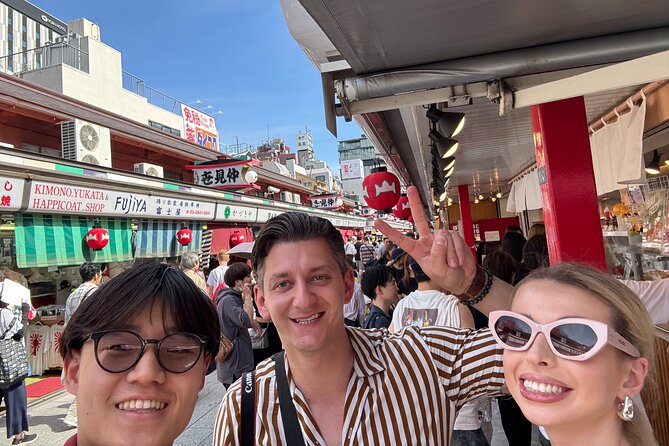
After the best-known sights, the route turns into Asakusa’s backstreets. This section is less about a named monument and more about seeing the parts of the district that are easy to miss when you follow the main path.
You may find lesser-known photo spots, small stories about the neighborhood, and details that do not appear in a standard guidebook. The exact stops can vary because this is a private activity, but the purpose is clear: to show you another side of old Tokyo beyond the gate, temple, and souvenir stalls.
This is where the private format earns its keep. You can ask Suno to explain something that caught your attention, request a slower pace, or focus more on food, photography, or customs. The supplied information does not promise a particular group size beyond saying that only your group participates, so the main benefit is personal attention rather than a fixed small-group arrangement.
The cultural tips are also useful after the tour ends. Learning a few Japanese phrases may not make you fluent, but it can make ordering snacks and greeting people less intimidating. The experience aims to keep those lessons light and practical.
Do not expect a long neighborhood walk. The entire experience lasts about two hours, and the backstreet section shares time with the food stops and temple visit. If you want a slow photography session or detailed historical study, you will probably need more time in Asakusa on your own.
A few more Tokyo tours and experiences worth a look



Finishing at Don Quijote Asakusa
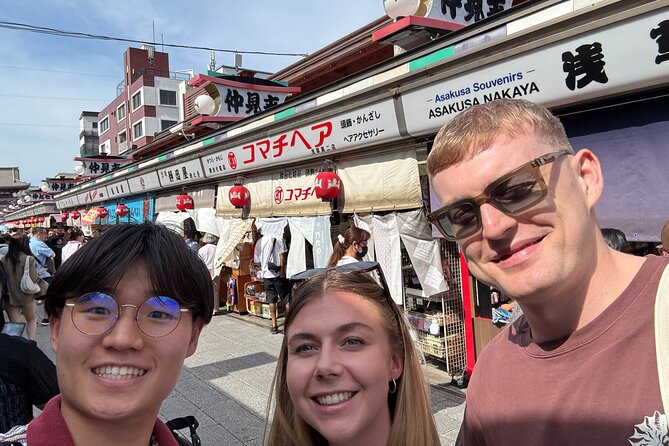
The final 15 minutes take you to Don Quijote Asakusa, at 2-10 Asakusa. The tour ends in front of the store, not with a formal meal or a return to the starting point.
Don Quijote is a useful ending because it shifts the mood from temple tradition to modern Japanese shopping. The store is known for snacks, cosmetics, quirky souvenirs, and pop-culture goods. It is colorful, crowded, and famously packed with products.
This stop works well if you still need gifts or want to browse Japanese everyday goods. It also gives you a clear place to continue exploring after the guide leaves. You can shop, find a snack, or use the location as a landmark for the next part of your day.
The drawback is that the tour does not finish where it began. That is not difficult in Asakusa, but you should note the separate end point when planning your schedule. The tour ends in front of Don Quijote Asakusa, and you are responsible for continuing from there.
What the $26.13 price really buys you
At $26.13 per person, this is not an admission-ticket tour. Kaminarimon, Nakamise Street, Senso-ji, and Don Quijote are public or commercial places, and the listed stops have no admission charge.
You are paying for the guide’s time, route planning, local food advice, cultural explanations, and private attention. That can be good value if you are new to Japan or want help making sense of temple customs. It is especially useful for families and friends who prefer to ask questions without a large group listening.
The food is another value question. Several snacks are named, but the price does not say they are included. I would budget extra for anything you want to taste. This also gives you control: you can try one or two items, or spend more if the food becomes the main event.
The strongest praise focuses on Suno’s personality, explanations, photography, and ability to find good local food. That suggests the quality depends partly on the guide assigned to your booking. Suno is the guide specifically named in the feedback, but you should not assume he is guaranteed unless your booking confirms it.
Who should book this Asakusa walk
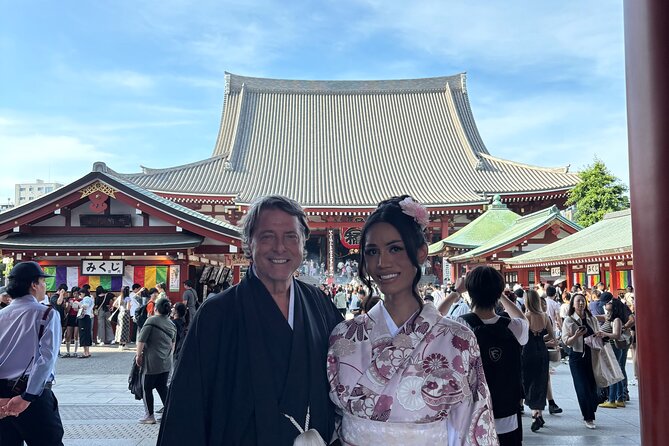
I would choose this tour for a first visit to Tokyo, especially if you want a friendly introduction to Buddhist customs and traditional snacks. It also suits repeat visitors who have seen Senso-ji before but want a guide to reveal side streets and local details.
Families should find the short length manageable. The food tastings, temple legend, photo opportunities, and Don Quijote stop give children and adults different things to enjoy. The private format also makes it easier to keep everyone together.
Food-focused visitors will get the most from the Nakamise section, though this is not a full meal tour. You are sampling street snacks, not moving through a long list of restaurants.
I would be less likely to book it if you have only one free hour, dislike shopping streets, or want a detailed art and architecture tour. The route is active and commercial as well as traditional. For a quiet temple visit, go independently at a less busy time.
Free cancellation is available up to 24 hours before the start time for a full refund. Changes or cancellations made less than 24 hours before the start time are not accepted for a refund, and the cut-off uses Tokyo local time.
Final decision: a good short introduction to old Tokyo
Book this tour if you want Asakusa explained, not just photographed. The combination of snack tasting, Senso-ji customs, local stories, backstreets, and a practical shopping finish gives you a useful first look at Tokyo’s older side.
At $26.13, the private format makes the price reasonable, provided you value personal guidance and remember to budget separately for snacks. The two-hour limit is the main weakness, but it also makes the tour easy to fit into a busy Tokyo plan.
Choose it for cultural orientation, food tips, and a relaxed introduction. Skip it if you prefer exploring alone or want a longer, more specialized history walk.
FAQ
How long does the Asakusa tour last?
The tour lasts approximately two hours.
How much does the tour cost?
The listed price is $26.13 per person.
Is this a private tour?
Yes. Only your group participates in the activity.
Where does the tour begin?
It begins at the Asakusa Culture Tourist Information Center, 2-chome-18-9 Kaminarimon, Taito City, Tokyo 111-0034, Japan.
Where does the tour end?
It ends in front of Don Quijote Asakusa at 2-10 Asakusa, Taito City, Tokyo 111-0032, Japan.
Which sights are included?
The route includes Nakamise Shopping Street, Senso-ji, Asakusa backstreets, and a final stop at Don Quijote Asakusa.
Are food tastings included in the price?
The tour describes opportunities to try ningyo-yaki, senbei, kibi-dango, and age-manju, but the provided information does not state that food purchases are included. Bring extra money if you want to buy snacks.
Who is the guide?
Suno is the guide named in the available tour feedback. You should confirm the assigned guide when booking if having Suno is important to you.
Can I cancel for a refund?
Yes. You can cancel up to 24 hours before the experience start time for a full refund. Cancellations or changes made less than 24 hours before the start time are not accepted for a refund.
More Food Experiences in Tokyo
More Asakusa Tours in Tokyo
More tours in Tokyo we've reviewed



Asakusa Tours, compared.
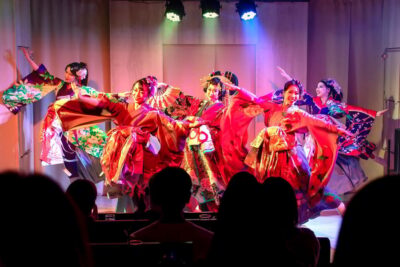 ★ 4.8Tokyo: Japanese Dance Cabaret Theater Asakusa-Kaguwa TicketFrom $492 hours
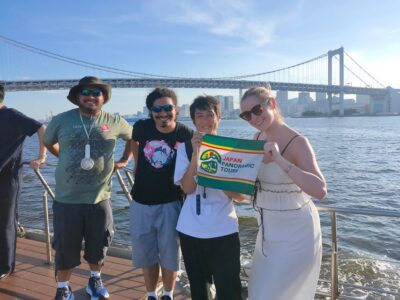 ★ 4.7Tokyo: Meiji Shrine, Asakusa, Skytree Bus Tour and CruiseFrom $12210 hours
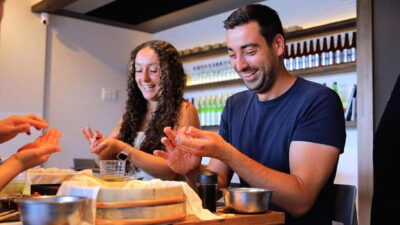 ★ 4.9Tokyo: Roll and Authentic Sushi Making Class in AsakusaFrom $581h 40m
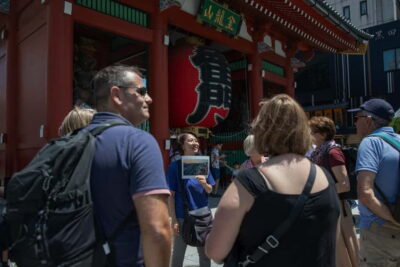 ★ 4.8Tokyo: Asakusa Walking Tour with Sensoji Temple VisitFrom $222 hours
 ★ 5.0Tokyo Asakusa Rickshaw TourFrom $42
 ★ 4.5Tokyo Panoramic 1 Day: Meiji Shrine, Asakusa, Odaiba and SKYTREE®From $85