
Reviewed · SHIBUYA TOURS
Shibuya: Pachinko Gaming Experience
Pachinko is Japan’s noisy answer to the question: what happens if pinball and slot machines share a family tree? This private Shibuya experience takes you inside a pachinko parlor and explains the rules before you spend your money. You get help choosing a game, using the controls, and understanding what those flashing lights and rows of metal balls are doing.
I like the one-to-one guidance, since pachinko can look like a wall of identical machines to a first-time player. I also like the built-in translation and interpretation, which lets you ask direct questions instead of trying to decode the game alone.
The main consideration is cost control. The $22.76 tour price covers the guide, but your pachinko play is extra, and the final gaming cost depends on how much you choose to spend. The activity lasts about an hour, so it is a focused introduction rather than a long gaming session.
In This Review
- Key points before you book
- Why pachinko makes a good Shibuya side trip
- Meeting at Hachiko Statue in Shibuya
- Inside the pachinko parlor
- What you actually learn during the lesson
- The optional arcade center visit
- Is $22.76 a fair price?
- Who will enjoy this one-hour experience?
- What the strong points say about the experience
- Practical booking advice for Shibuya
- Should you book this pachinko lesson?
- FAQ
- Where does the pachinko experience begin?
- Where does the experience end?
- How long does the experience last?
- Is this a private activity?
- Is a guide included?
- Is pachinko play included in the price?
- Can the guide explain how to choose a machine?
- Can I visit an arcade center afterward?
- Is the activity near public transportation?
- Can I cancel for a full refund?
Key points before you book
- Private lesson at a Shibuya pachinko parlor: Your group receives personal guidance rather than joining a large class.
- Practical help with the confusing parts: Learn how to choose a machine, use the buttons, and understand basic playing strategies.
- Translation and interpretation included: You can ask questions with language support from the guide.
- Pachinko costs extra: The listed price pays for the experience and guide, not the balls or any gaming funds.
- Optional arcade stop: After pachinko, the guide can take you to a game arcade center if you request it.
- Easy central meeting point: Meet at the Hachiko Statue and return there at the end.
Why pachinko makes a good Shibuya side trip
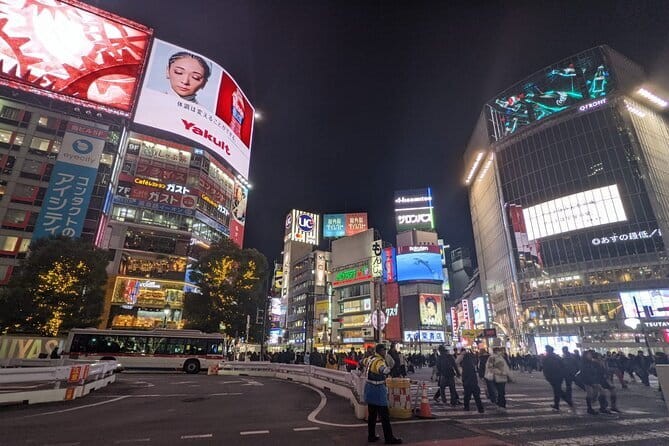
Shibuya is famous for its crossing, fashion, department stores, and late-night energy. Pachinko gives you a different look at the city. It is not a sightseeing stop in the usual sense. You are entering a place where local entertainment, chance, noise, lights, and routine all come together.
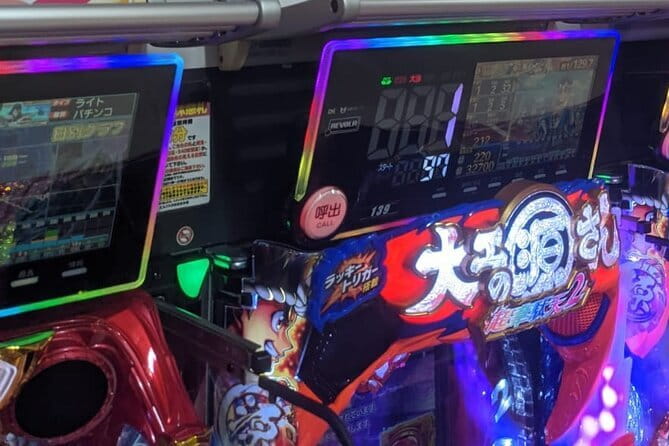
The game is often described as a mix of pinball and slot machines. That comparison helps, but it does not tell you how bewildering a pachinko parlor can be when you first walk in. Rows of machines flash with symbols and numbers. Metal balls move through small channels. Buttons, levers, and screens compete for your attention.
That is where this experience earns its keep. Instead of paying for an hour of random button pressing, you have someone beside you who can explain what matters. I value that kind of help because it turns a strange room into a cultural experience with clear rules.
You should also keep your expectations realistic. This is not a major historical tour of Japanese gaming, and it is not designed as a full evening at a pachinko hall. It is a short, practical introduction for someone who wants to understand what is happening.
A few more Tokyo tours and experiences worth a look

Meeting at Hachiko Statue in Shibuya
The experience begins at the Hachiko Statue, at 2 Chome-1 Dogenzaka in Shibuya. This is a useful meeting point because it is one of the easiest landmarks to find in the area and is near public transportation.
You meet the guide there, then go together to a pachinko shop. The activity ends back at the meeting point, which keeps the logistics simple. You do not need to work out a separate return route from an unfamiliar neighborhood.
Allow yourself enough time to find the statue before the scheduled start. Shibuya can be confusing around major crossings and station exits, so arriving early is sensible even though the meeting place itself is well known.
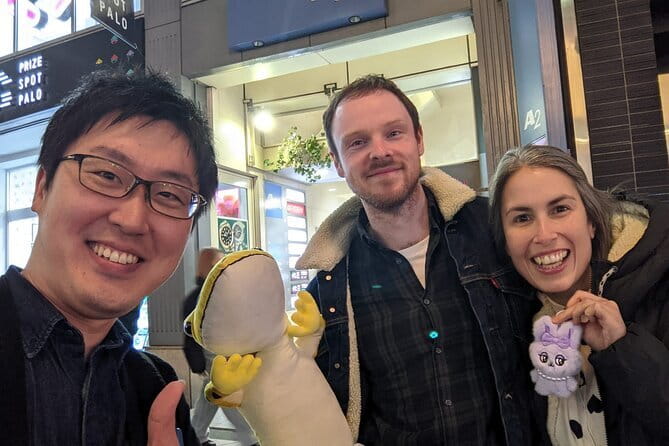
The activity is private, meaning only your group participates. That matters more here than it might on a standard walking tour. In a personal lesson, you can stop and ask what a button does, why one machine might be chosen over another, or what happens if you win. You are not trying to keep up with a large group.
Inside the pachinko parlor
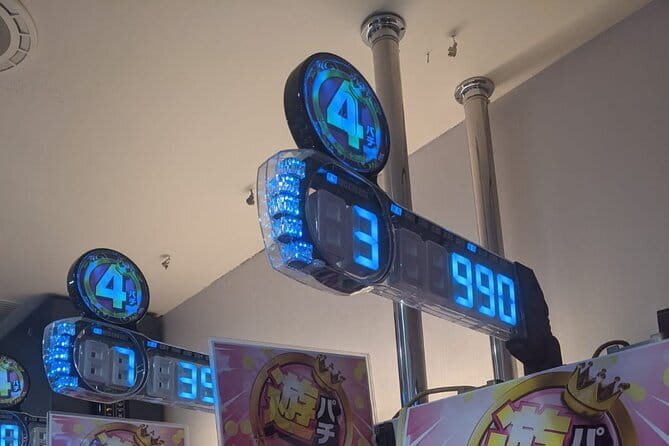
Once you arrive at the shop, the guide explains how pachinko works and helps you get started. The supplied details do not promise a particular parlor or machine type, so you should think of this as an introduction to the setting and the basic play rather than a guaranteed visit to a famous venue.
The first few minutes are likely the most useful. You need to understand how to control the balls, what the main buttons do, and how to read the machine well enough to make a choice. The guide can also explain the basic ideas behind playing strategies, though you should not treat any strategy as a way to guarantee a win.
One especially helpful part of the instruction is learning how to choose a game. For a newcomer, the choice can feel arbitrary. Personal guidance gives you a starting point and helps you understand what you are looking at before you put money into play.
The guide also provides translation and interpretation. That is important because the challenge is not only the game itself. The surrounding signs, machine screens, staff instructions, and prize procedures may be difficult to follow if you do not read Japanese.
Pachinko parlors can be loud, and the machines are designed to attract attention. If you dislike strong noise or flashing displays, consider that before booking. The one-hour format helps limit your exposure, but this is still an active gaming venue rather than a quiet museum.
What you actually learn during the lesson
The experience is most useful when you want practical answers. You can expect help with several parts of pachinko:
- How to select a machine
- How the basic play works
- What the buttons do
- How to handle the pachinko balls
- What basic strategies mean in practice
- How prizes or winnings are exchanged, if your play produces them
The final point deserves care. One experience description includes an explanation of how pachinko balls may be exchanged for cash if you are lucky. Your actual result depends on your play, and the tour does not guarantee winnings.
The guide’s role is to explain the system, not to promise a profitable session. I would approach the gaming money as an entertainment budget. Decide in advance what you are comfortable spending, then stop at that amount.
The lesson can also answer the questions that are hard to solve from a quick online explanation. You can ask why a machine is worth considering, what a particular control does, or what to do after the balls collect. That direct back-and-forth is the strongest reason to choose a private format.
The optional arcade center visit
After pachinko, the guide can take you to a game arcade center if you request it. This is not a required part of the experience, but it gives you another way to see Japanese game culture in the same outing.
The arcade stop may suit you if pachinko is interesting but you prefer games with less financial risk. Keep in mind that the provided details do not specify which arcade center you will visit, how long you will stay, or whether arcade play costs extra. Ask the guide about those points if the optional stop matters to your plans.
Because the whole activity lasts about an hour, the arcade visit should be viewed as an add-on rather than the main event. If your priority is learning pachinko, use the available time for questions and practice first.
Is $22.76 a fair price?
The price is $22.76 per person. That is a reasonable fee for a private introduction if you would otherwise avoid pachinko because the machines seem too confusing to approach alone.
You are paying for the guide’s time, translation, interpretation, and practical instruction. The fee is not a gambling voucher. Pachinko gaming costs are separate, and the amount depends on how much you spend.
This distinction makes the experience easier to judge. If you only want to watch from outside, the price may feel high. If you want to enter, play, ask questions, and understand the system without worrying about a language barrier, the fee has clearer value.
I would compare it with the cost of making several uninformed attempts on your own. A guide cannot improve the odds of a machine or ensure a win, but the lesson can reduce confusion and help you make sensible choices about your time and money.
Group discounts are available, so the value may improve if you are booking with companions. Even so, the activity remains private for your group, rather than becoming a public class.
Who will enjoy this one-hour experience?
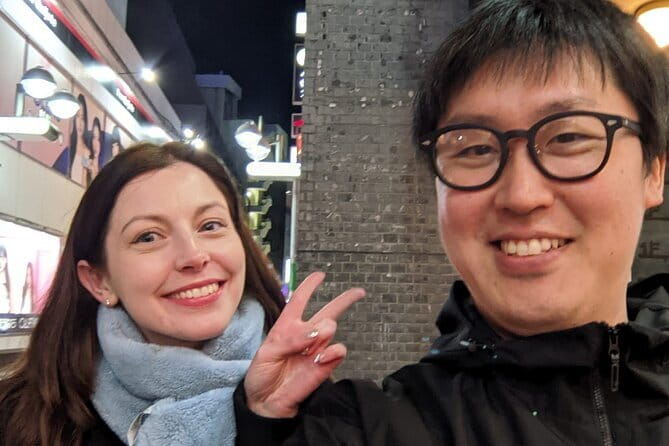
This is a good fit if you have seen pachinko parlors in Japan and wondered what happens inside. It also suits anyone who likes trying local forms of entertainment but wants a clear explanation before taking part.
I would especially recommend it for:
- First-time pachinko players
- Visitors who do not speak Japanese
- People interested in modern Japanese leisure and gaming
- Small groups who prefer private instruction
- Anyone who wants a short activity in central Shibuya
- Players who want help understanding machine choice and controls
It may not suit you if you want a long gambling session, a guaranteed prize, or a quiet cultural tour. The experience is brief and practical. It teaches you how the game works, but it does not remove the element of chance.
The activity is also accessible to most people according to the available information, and it is near public transportation. No special physical requirements are listed, but the parlor environment can be loud and visually busy.
What the strong points say about the experience
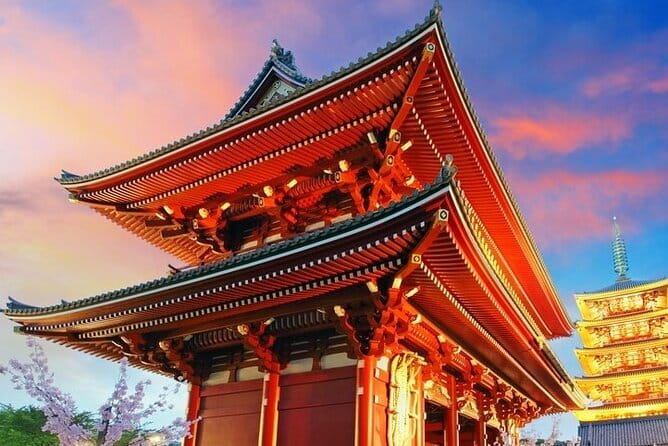
The most consistent strength is the guide. The instruction is described as informative, friendly, and generous with time and knowledge. Those qualities matter because the value of this tour rests less on sightseeing and more on the quality of the explanation.
You will want a guide who answers questions without rushing through the basics. The feedback supports that personal approach, with particular praise for clear answers and help with the ins and outs of pachinko.
Another strong point is the sense of discovery. Pachinko may seem like gambling from the outside, but learning how the machines work makes it more interesting than simply watching balls fall. The guide can give you context about the game’s history and place in Japanese entertainment.
The experience also offers a useful comparison with gaming in the United States. Pachinko has a different look and system, and the combination of physical balls, electronic displays, and prize exchange can feel unfamiliar even if you have played casino games or arcade machines before.
Practical booking advice for Shibuya
The activity is commonly booked about 15 days ahead, so it is wise to reserve before your Shibuya day fills up. Confirmation is received at booking, and mobile tickets are supported.
You can cancel for a full refund if you do so at least 24 hours before the local start time. Cancellations or changes made less than 24 hours before the experience are not accepted for a refund.
Plan for one hour, plus any time you spend reaching the meeting point. Since you return to Hachiko Statue, you can connect the experience with shopping, food, or other Shibuya plans without arranging a distant pickup.
Bring a clear spending limit for pachinko. The tour price is fixed, but your gaming fee is not. Treat the money as part of the entertainment, not as an investment.
Should you book this pachinko lesson?
Book it if you want to understand pachinko from the inside, prefer private help, and value translation in a busy Japanese gaming setting. The one-hour length works well for a first try, and the optional arcade stop gives you a little flexibility.
Skip it if you are looking for a major cultural attraction, a long gaming session, or a no-cost activity. You must pay for pachinko play separately, and there is no promise of winning.
For the right person, this is a smart Shibuya detour. You get a local form of entertainment, a guide who can explain the confusing parts, and a chance to decide for yourself what makes pachinko so popular.
FAQ
Where does the pachinko experience begin?
It begins at the Hachiko Statue at 2 Chome-1 Dogenzaka, Shibuya, Tokyo 150-0043, Japan.
Where does the experience end?
The activity ends back at the Hachiko Statue meeting point.
How long does the experience last?
The pachinko experience lasts approximately one hour.
Is this a private activity?
Yes. Only your group participates in the activity.
Is a guide included?
Yes. The price includes a guide, translation, and interpretation.
Is pachinko play included in the price?
No. The pachinko gaming fee is separate and depends on how much you choose to spend.
Can the guide explain how to choose a machine?
Yes. The experience includes instruction on how to choose a game, along with explanations of playing strategies and the machine controls.
Can I visit an arcade center afterward?
Yes. The guide can take you to a game arcade center after pachinko upon request.
Is the activity near public transportation?
Yes. The experience is near public transportation.
Can I cancel for a full refund?
Yes. You can cancel at least 24 hours before the local start time for a full refund. Cancellations or changes made less than 24 hours before the start time are not accepted for a refund.
More Shibuya Tours in Tokyo

More tours in Tokyo we've reviewed









Shibuya Tours, compared.
 ★ 5.0Official Street Go-Kart in ShibuyaFrom $76
 ★ 4.9Tokyo: Street Kart Experience in ShibuyaFrom $741 hour
 ★ 5.0Shibuya Meltdown Nightlife Tour: All-You-Can-Drink Bar HoppingFrom $106
 ★ 5.0Shibuya Official Street Go-Kart in Shibuya AnnexFrom $69
 ★ 5.0Tokyo: Shibuya Food Tour (13 dishes and 4 Eateries)From $77
 ★ 5.0Best of Shibuya Food TourFrom $217