
Reviewed · WALKING TOURS
Tokyo: Private Walking Tour with a Local
Tokyo is easier to enjoy once someone shows you how its pieces fit together. This private walking tour with a local can introduce you to temples, gardens, markets, modern districts, cafés, and the Tokyo subway without forcing you into a preset route. Guides such as Eduardo, Romana, Lily, and Gonul have helped visitors shape the day around food, gardens, shopping, transport, or first-day orientation.
I like two things right away. First, the guide can meet you at your hotel, a central landmark, or a café and build the walk around your plans. Second, the tour is especially useful for learning Tokyo’s trains, with several guides helping visitors buy tickets, use passes, and understand the metro. The main consideration is that the experience depends heavily on your assigned guide and your preparation. If you arrive with no questions or clear interests, the day may feel less focused than a standard sightseeing tour.
In This Review
- Key points to know before booking
- Why a private Tokyo walk can be worth your first morning
- Meeting your Lokafyer in central Tokyo
- Learning the Tokyo subway without the usual stress
- A flexible route through Tokyo’s old and new sides
- Shinjuku, Shibuya, Harajuku, and Asakusa
- Food, cafés, markets, and local suggestions
- What the guides do especially well
- How much Tokyo can you cover in three to eight hours?
- Price, group size, and what you actually receive
- Practical advice for getting the best route
- Who should book this private Tokyo tour?
- Should you book it?
- FAQ
- Where does the Tokyo private walking tour take place?
- How long does the tour last?
- Is the tour private?
- Where will the guide meet me?
- Which languages are available?
- Is transportation included?
- Are meals and drinks included?
- Are attraction entrance fees included?
- Is the tour wheelchair accessible?
- Can children join the tour?
Key points to know before booking
- A true private route: You set the pace and interests, with no fixed group itinerary or scripted commentary.
- Excellent first-day support: Guides can show you how to use Tokyo’s metro and rail systems, a major help in a city that can feel confusing at first.
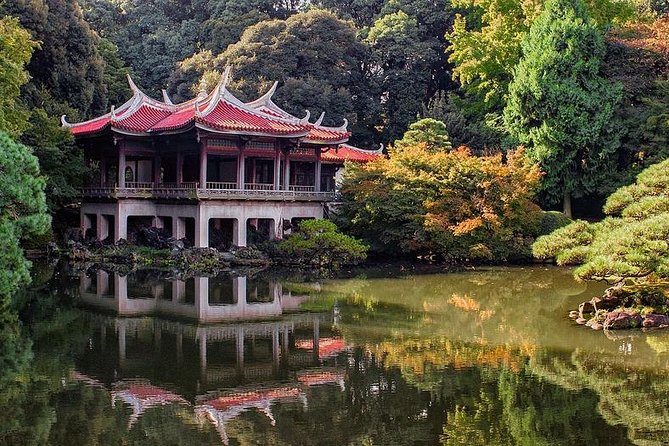
- Neighborhood variety: Depending on your plan, you might visit a temple, garden, market, café, shopping area, viewpoint, or quieter backstreet.
- Useful local advice: Guides can suggest places to eat, shop, wander, and continue exploring after the tour ends.
- Flexible timing: Choose a three to eight hour duration and request a preferred starting time.
- Extra costs matter: Meals, drinks, transport, attraction tickets, and optional activities are not included. If the guide enters an attraction with you, you cover that entrance fee too.
Why a private Tokyo walk can be worth your first morning
Tokyo is not hard because it lacks things to see. It is hard because the city offers too many choices, spread across districts that each feel like a small city of their own. A private local guide gives you a practical starting point instead of another list of famous places.
I see the greatest value here in the first one or two days of a visit. You can ask how the trains work, how to read a station map, where to find a certain kind of meal, or which area makes sense for an evening walk. Once you understand the basic rhythm of the city, you can continue on your own with much less hesitation.
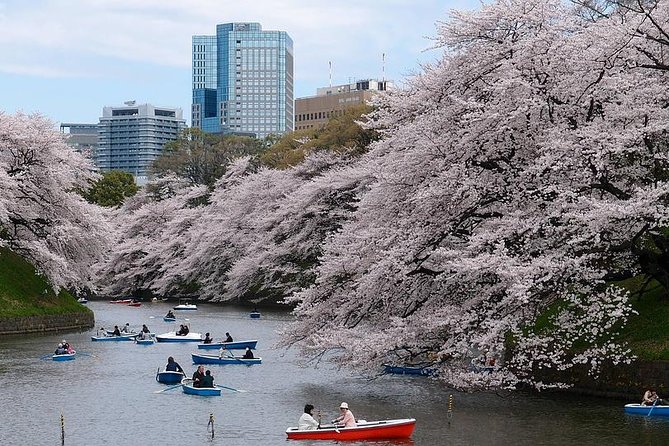
This is not a standard history tour with a fixed sequence of stops. The guide may take you to a major temple, then show you a traditional neighborhood, a market, or a café that fits your interests. One three-hour route covered Shinjuku, Ikebukuro, and Asakusa, including a high-rise view, a Pokémon Center, cherry blossoms, and a cultural site. That kind of range is possible, but it also means you should discuss priorities before setting off.
Other walking tours we've reviewed in Tokyo

Meeting your Lokafyer in central Tokyo
Your guide meets you at a preferred location in or near central Tokyo. That can be your hotel, an iconic sight, or a quiet café. Pickup is included, which removes the need to find a separate meeting point in an unfamiliar station.
The first few minutes are important. Tell your guide what you already plan to see and what you do not need. If you have visited Tokyo before, you may prefer small streets, food, or local customs rather than a basic introduction to Shibuya and Asakusa. If this is your first visit, say so clearly and ask for help with transport as well as sightseeing.
You can also request a specific time. The available duration ranges from three to eight hours, so think about your energy and priorities before booking. Three hours works for a focused introduction to one or two areas. Four hours gives you more room for transport practice and a meal stop. A longer session is better if you want several districts, but Tokyo walking can be tiring, especially in warm weather or during a packed sightseeing day.
The tour is private, so you do not need to match the pace of strangers. That is useful for families, older visitors, and anyone who wants frequent breaks. One guide adjusted the pace for older participants and added rest stops. Another helped a visitor continue comfortably during a rainy day by arranging umbrellas.
Learning the Tokyo subway without the usual stress
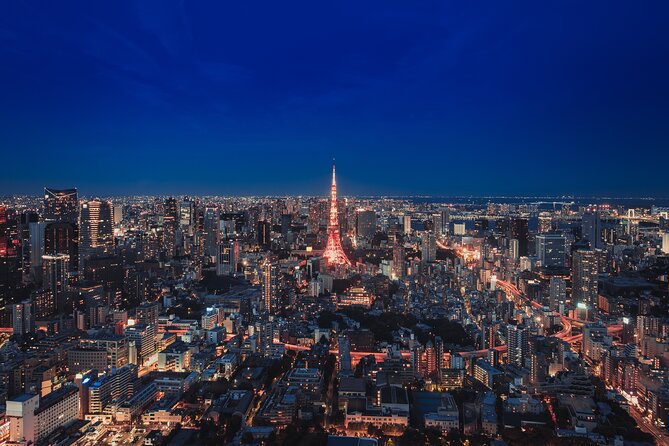
For many people, the most useful part of this experience is not a monument. It is learning how to get around afterward.
Guides have helped visitors buy rail passes, use metro tickets, understand station routes, and work out the best way back to their hotels. This matters because Tokyo’s rail system is efficient but can feel overwhelming at first. A short tutorial with a local can save time for the rest of your trip, especially if you plan to move between districts on your own.
Ask your guide to explain the system using a route you actually need. Going from your hotel to Shibuya, Asakusa, or a garden is more useful than hearing a general explanation with no real destination. Pay attention to station exits, transfer points, and the difference between walking through a large station and taking a train one stop.
Keep in mind that transportation is not included. The tour may combine walking with public transport, a taxi, or another paid option, depending on your chosen plan. You pay those costs separately. This is a small but important detail when comparing the $82 per-person price with a conventional walking tour.
A flexible route through Tokyo’s old and new sides
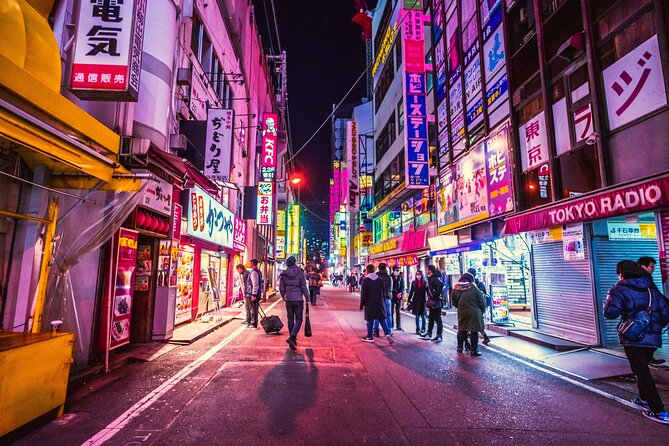
The activity description gives you a broad outline rather than a fixed sightseeing list. Tokyo is the destination, and the route is built around your interests. That freedom can produce a strong day if you communicate well.
A common approach is to combine an older cultural area with a modern district. You might visit a major temple or shrine, then ride the train to a neighborhood known for department stores, youth culture, cafés, or city views. One guide showed both traditional customs at temples and how modern residents live today. Another combined old markets and a temple with a park during blossom season.
Tokyo’s contrast is one of the best reasons to choose a local guide. A shrine visit is more useful when you understand basic behavior, such as where to wash your hands and how to approach the worship space. A modern shopping district becomes easier to enjoy when you know how it connects to nearby streets and stations.
The route can also focus on quieter areas. Guides have taken visitors to less familiar backstreets, local markets, calm parks, and small restaurants. You should not assume that every walk will uncover a secret restaurant or private viewpoint, but the format gives your guide room to suggest places beyond the usual checklist.
Shinjuku, Shibuya, Harajuku, and Asakusa
The tour works well for visitors who want a first look at Tokyo’s major districts without joining a large group.
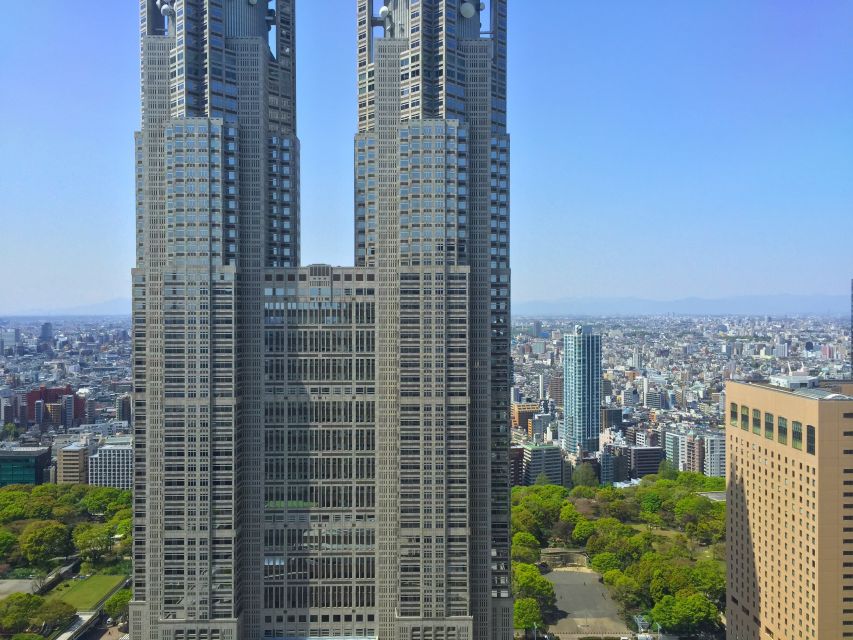
Shinjuku is a practical starting area because it combines transport, shopping, restaurants, tall buildings, and a maze of streets. A guide can help you find the right station areas and explain how to return later. This is also a useful place to ask for a meal recommendation or an evening plan.
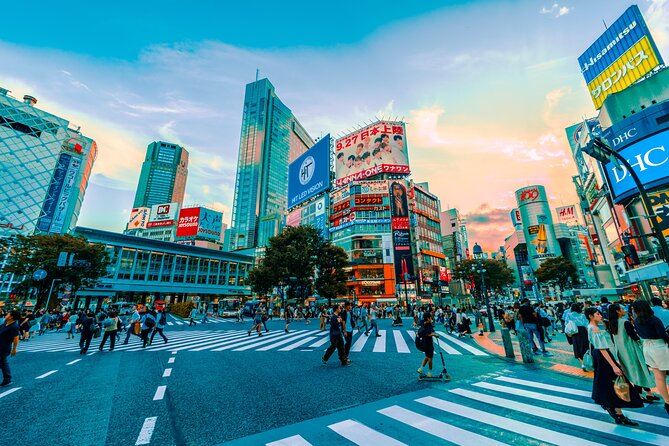
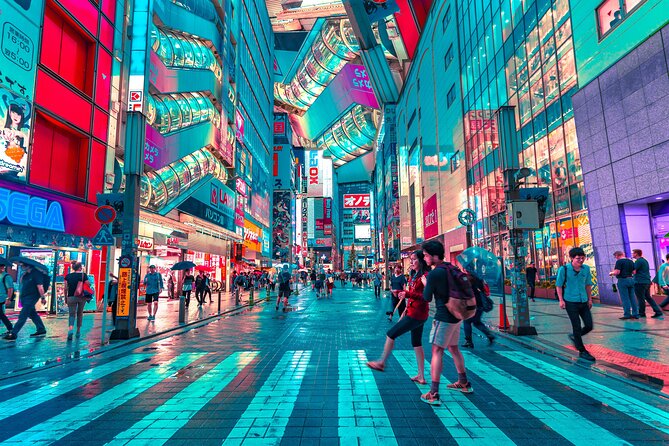
Shibuya offers a very different experience, with its famous crossing, high-rise views, shopping, and side streets. One guide took a visitor to a tower for an impressive view over Shibuya and helped locate a sushi restaurant nearby. If you want a particular activity, tell the guide early so the route does not spend all its time on general sightseeing.
Harajuku and the nearby Cat Street area suit visitors interested in fashion, cafés, youth culture, and street art. A walk here can be efficient because the districts connect well on foot, though some routes involve more walking than expected. One visitor found the walk to Meiji Jingu Shrine longer than anticipated. Ask for an honest estimate of walking time if anyone in your group has mobility concerns.
Asakusa provides a stronger traditional setting, with a major temple, older streets, and markets. A local guide can explain customs and help you balance the busy main area with a quieter walk nearby. It is a sensible choice for a first visit, but it can take up much of a three-hour tour if you add distant districts by train.
Other private tours in Tokyo



Food, cafés, markets, and local suggestions
Food is not included, but it can become part of the day if you want it to. You pay for your own meals and drinks, and you should tell the guide what kind of food interests you.
The guides have helped visitors find sushi, local restaurants, lunch spots, cafés, and market food. One guide took a group to an excellent lunch place, while another found a small sushi restaurant near Shibuya and helped with the wait. These practical touches can be more valuable than a long lecture because they give you a place you may return to later.
You can also ask for food advice without making the meal the main event. A café stop offers a break and a chance to discuss the rest of your trip. A market visit can show you how locals shop and snack, though the exact choice depends on your guide and route.
Do not book this experience expecting a food tour with tastings included. It is a walking tour first. Food works best as one part of a broader plan.
What the guides do especially well
The strongest pattern is personal help. Eduardo is repeatedly praised for being friendly, punctual, adaptable, and strong in both English and Japanese. He has helped visitors with trains, viewpoints, hidden restaurants, Pokémon shopping, Shinjuku, and unexpected corners of the city.
Romana has also been singled out for a warm, flexible approach. She met visitors at their hotel, adjusted routes, explained local transport, and helped make a first day feel manageable. Lily received similar praise for metro guidance, café suggestions, and patient answers, while also adjusting when a walking stretch proved longer than expected.
Other named guides, including Amanda, Gonul, David, Elizabeth, Faustine, Océane, and Johan, have been described as approachable and willing to adapt. Several guides have helped with more than sightseeing, including buying a musical ticket, translating, photographing, and explaining kimono traditions.
That said, you should understand the limitation. A private local guide is not always a professional historian or a specialist in every subject. One booking did not match the requested plan and provided mainly translation and photography help, with limited scheduling and historical information. If detailed historical commentary is your main goal, ask about the guide’s background before the tour or choose a specialist-led museum or history walk instead.
How much Tokyo can you cover in three to eight hours?
A three-hour tour is best for orientation. Focus on your hotel area, one major district, and a lesson in transport. You might add one cultural stop or viewpoint, but trying to cross half of Tokyo can make the walk feel rushed.
Four hours is a useful middle ground. You can combine walking with the metro, visit two areas, stop for coffee or lunch, and still have time for questions. Many of the most practical experiences described by visitors fit this length.
A longer tour gives you more freedom, but do not confuse more hours with unlimited sightseeing. Tokyo is large, and transfers take time. A route covering Shinjuku, Ikebukuro, and Asakusa in three hours can be impressive, but it leaves little room for slow browsing or long meals.
I recommend choosing one main goal and two secondary interests. For example:
- Learn the metro, visit a temple, and find a good lunch.
- Explore Shibuya, see a city view, and locate a café.
- Visit an old market, see gardens, and learn basic shrine customs.
- Get oriented near your hotel, find shopping areas, and plan the next two days.
This keeps the route ambitious without turning it into a race.
Price, group size, and what you actually receive
At $82 per person, the tour is not the cheapest way to see Tokyo. Its value comes from privacy and practical help rather than included admissions or transport. You pay extra for trains, taxis, meals, drinks, attraction tickets, and optional activities.
For a solo visitor, the cost may feel high compared with a group walk. For a couple or family, the calculation improves because you are paying for a private guide rather than separate public tours. The benefit is strongest if the guide helps you avoid wasted time, teaches you the rail system, and gives advice you use for the rest of your stay.
The private format also matters if your group has different needs. You can slow down, change direction, skip a sight, or focus on a particular interest. Wheelchair accessibility is available, but you should still discuss the planned route and walking distance in advance, since Tokyo districts and stations can vary greatly in ease of movement.
The experience is offered in English, Spanish, and French. If language comfort is important, request your preferred language and confirm the arrangement before the day.
Practical advice for getting the best route
Send a short wish list before meeting your guide. Include your hotel area, interests, walking limits, food preferences, must-see sights, and any transport questions. If you have a timed reservation, mention it so the route does not create a conflict.
Wear comfortable shoes. This is a walking tour, and even a route that includes trains can involve long station corridors, stairs, and substantial outdoor walking. Bring water and allow room for a slower pace if you want to browse markets or take photographs.
Ask your guide to finish near a place you want to explore afterward. A good ending might be a shopping district, restaurant area, garden, or station you need for your next outing. The guide can also point out places to return to independently.
Cancellation is flexible up to 24 hours before the start for a full refund. Children under three can join free, and children aged three to twelve receive a 50 percent discount. These terms make the tour easier to fit into a family itinerary, though the walking length still deserves careful planning.
Who should book this private Tokyo tour?
I would recommend it most strongly to first-time visitors, solo visitors who want a friendly start, families learning the rail system, and older visitors who prefer a flexible pace. It is also useful if you have only one day in Tokyo and need help choosing among several districts.
It suits curious people who care more about daily life, local food, neighborhood streets, and practical advice than a memorized list of dates. The best experience comes when you treat the guide as a city-savvy companion and bring questions.
I would be more cautious if you want a formal historical tour, guaranteed access to specific attractions, or a fixed list of famous sights. You may also find the price hard to justify if you are already comfortable with Tokyo’s transport system and prefer exploring alone.
Should you book it?
Book this tour if you want to get your bearings fast, learn Tokyo’s rail system, and shape a day around your own interests. The strongest value is the combination of private attention, flexible routing, and advice you can use long after the guide leaves.
For the best result, request a guide in your preferred language, share a focused wish list, and ask for a route that matches your walking ability. If you do that, this can be an excellent first-day introduction to Tokyo, with enough local guidance to help you explore the rest of the city on your own.
FAQ
Where does the Tokyo private walking tour take place?
The tour takes place in Tokyo on Honshu, Japan. The route is customized, so the exact districts and stops depend on your interests and the plan you make with your local guide.
How long does the tour last?
You can choose a duration from three to eight hours. Starting times are available based on the selected date and booking availability.
Is the tour private?
Yes. It is a private group experience with a customized walking route and no fixed group itinerary.
Where will the guide meet me?
The Lokafyer can meet you at your hotel, an iconic landmark, a quiet café, or another preferred location in or near central Tokyo. Pickup is included.
Which languages are available?
Guides are available in English, Spanish, and French.
Is transportation included?
No. Transportation is not included. If your customized route uses the metro, train, taxi, or another paid option, you cover those costs separately.
Are meals and drinks included?
No. Meals and drinks are not included. You pay for any food, coffee, or drinks you choose during the tour.
Are attraction entrance fees included?
No. Entrance fees are not included. If you ask the guide to enter an attraction with you, you also cover the guide’s entrance cost.
Is the tour wheelchair accessible?
Yes, the activity is listed as wheelchair accessible. Discuss your preferred route and walking distance in advance so the plan fits your needs.
Can children join the tour?
Children under three years old can join free of charge. Children aged three to twelve receive a 50 percent discount.
More Private Tours in Tokyo
More Walking Tours in Tokyo


More tours in Tokyo we've reviewed






Walking Tours, compared.
 ★ 5.0Tokyo Tsukiji Fish Market Food and Culture Walking TourFrom $99
 ★ 5.0Tokyo: Imperial Palace and Shogun Historical Walking TourFrom $22
 ★ 4.9Tokyo: Shinjuku Local Bar and Izakaya Guided Walking TourFrom $343 hours
 ★ 5.0Tokyo: Tsukiji Fish Market Food and Walking tourFrom $30
 ★ 4.8Tokyo: Asakusa Walking Tour with Sensoji Temple VisitFrom $222 hours
 ★ 4.9Tokyo: Tsukiji Fish Market Guided Walking TourFrom $222 hours