
Reviewed · SHOPPING TOURS
Tokyo Private Shopping Tour with a Local – Unique & Quirky Finds
Tokyo shopping is far more than department stores and souvenir stalls. This private walking tour can take you from Harajuku street fashion to Akihabara collectibles, Koenji vinyl, or the useful oddities of a Shinjuku 100-yen shop. Your host adjusts the route to what you actually want.
I like the one-party format, which lets you change plans as you go, and I like the practical help with areas that can feel confusing on a first visit. Saito, for example, handled vintage stores, a department store, and home goods shopping in one outing. The main drawback is that the price does not include transport, food, drinks, or attraction tickets, and the final route depends heavily on your interests and host.
- A shopping day built around you: Share your tastes through an online questionnaire and direct messages with your host.
- Five very different Tokyo areas: Choose from Harajuku, Shibuya, Shinjuku, Akihabara, and Koenji, depending on what you want to buy.
- Private guidance: Only your group joins, so the pace and route can change without waiting for strangers.
- Useful local navigation: Your host can help you move between shops on foot, by public transport, or by taxi at extra cost.
- Good for niche interests: Vintage clothing, anime goods, electronics, streetwear, home goods, records, and unusual gifts all fit the format.
- Flexible timing: The experience lasts about 3 to 5 hours and offers flexible start times.
In This Review
- Why a private Tokyo shopping tour can be worth it
- Meeting near Harajuku and setting the route
- Harajuku for bold fashion and small accessories
- Shibuya for trends, labels, and design-led stores
- Shinjuku for department stores and useful oddities
- Akihabara for electronics, anime, and fan goods
- Koenji for vintage clothing, records, and handmade work
- How the customization works in real life
- Walking, transport, and the cost of your time
- Who will get the most from this experience
- Booking details that affect your decision
- Should you book this Tokyo shopping experience?
- FAQ
- How long does the Tokyo private shopping tour last?
- Is this a private tour?
- Which Tokyo areas can the tour include?
- Is transportation included?
- Can the host pick me up at my accommodation?
- What does the price include?
Why a private Tokyo shopping tour can be worth it
Shopping in Tokyo is easy to begin and surprisingly hard to finish well. You can find a giant store almost anywhere, but locating the right small shop, the right neighborhood, and the right price range takes time. A local host gives you a starting point and helps turn a vague wish into a workable route.
That matters most if you have a narrow interest. Say you want secondhand fashion, anime figures, handmade items, Japanese lifestyle goods, or odd little gifts that do not look mass-produced. Instead of spending half a day wandering through unrelated stores, you can tell your host what appeals to you before meeting.
The tour costs $142.09 per person, which is not bargain sightseeing. Its value depends on your group size and shopping goals. A solo visitor or couple who wants help finding specific stores may get real use from the personal planning. A group of friends with a clear shopping list can also benefit, especially if the per-person price drops through a group discount.
You are paying for time, organization, and local suggestions rather than included merchandise or admission. Bring a separate shopping budget. Public transport and taxis are extra, and the experience is mainly on foot.
Meeting near Harajuku and setting the route
The listed starting point is NewDays Harajuku near the Omotesando Exit. This puts you in a useful part of Tokyo from the beginning, with Harajuku, Omotesando, and Shibuya within reach depending on the plan.
If your accommodation is central, pickup on foot may be available. Confirm this with your host rather than assuming it is included everywhere. The activity ends back at the meeting point, so plan your next stop with that return in mind.
After booking, you receive a short questionnaire about your interests, preferences, and must-see places. Direct communication with the host gives you a chance to explain details that a form may miss. Tell the host if you care more about low prices, unusual design, established brands, secondhand goods, gifts, or a particular subculture.
The questionnaire system is useful, but it may not always cooperate. One guest had trouble getting the form to file after several attempts. Abu, the guide, simply discussed the options in person and built the route from there. If the online form gives you trouble, contact the host and bring a clear list of priorities.
Other private tours in Tokyo


Harajuku for bold fashion and small accessories
Harajuku is the natural first choice if your shopping list includes unusual clothing, street style, or accessories. Your host can point you toward boutiques with distinctive looks and subculture clothing instead of sending you only to familiar international chains.
The appeal here is variety. You might find a shop that fits a very specific style, along with accessories that are hard to locate in a standard shopping center. The area is also a good place to discuss what you like as you go, since your host can learn from your reactions and adjust later stops.
There is a practical catch. Harajuku can become crowded, and its shopping streets cover a wide range of tastes and prices. A private guide helps reduce aimless walking, but you should still tell the host your budget before the tour begins. If you want serious vintage shopping rather than new streetwear, ask whether Koenji or another area makes more sense.
Harajuku also works well for shoppers who want a quick introduction to Tokyo style. You do not need to know the names of every subculture. Explain the colors, cuts, brands, or price range you like, and let the host narrow the choices.
Shibuya for trends, labels, and design-led stores
Shibuya shifts the focus toward trend-driven fashion, local labels, lifestyle products, and concept stores. It is a good match if you want to see where Tokyo’s current style meets pop culture and new retail ideas.
I like this stop for shoppers who are curious but not sure what category they want. Shibuya offers more than clothing, so you can compare fashion with household goods, accessories, and other design-focused products. Your host can help you decide which places deserve your limited time.
The area can also feel broad and fast-moving. Without a plan, you may spend energy crossing between stores that do not suit your taste. The private format helps here because your host can group stops by interest rather than making you cover every famous shopping street.
You should not expect the host to purchase items for you or pay for goods. The service is guidance and company. Bring a payment method that works for your needs, and leave room in your luggage if shopping is a major goal.
Shinjuku for department stores and useful oddities
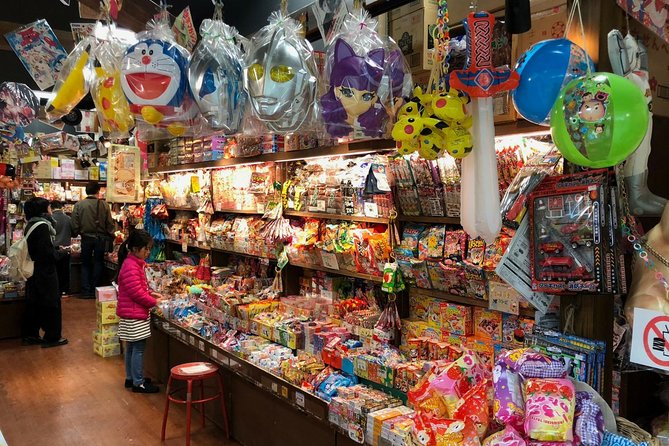
Shinjuku gives the tour a different rhythm. Its shopping mix includes large department stores, 100-yen shops, novelty stalls, and places to pick up practical gifts or everyday items.
This is one of the most useful stops if your shopping list is mixed. You can look for a special present, grab inexpensive small goods, and browse higher-end department store floors without changing neighborhoods. A host can also help you decide when a department store is worth your time and when a cheaper shop will do.
Shinjuku is not a single compact shopping lane. The scale can be tiring, especially after several hours on foot. Ask your host to keep the walking realistic and to build in time for browsing. The experience lasts about 3 to 5 hours, but that does not mean every listed area will fit comfortably into one outing.
If you want souvenirs with broad appeal, Shinjuku may be more practical than a highly specialized district. If you only want vintage records or anime collectibles, use the questionnaire to steer the plan elsewhere.
Akihabara for electronics, anime, and fan goods
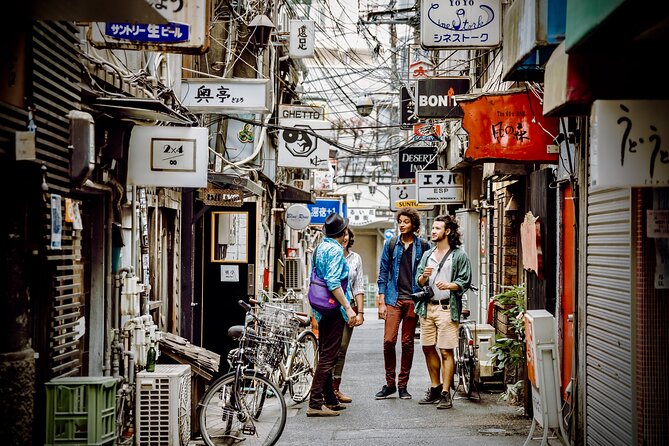
Akihabara is the clearest choice for electronics, anime culture, collectibles, and niche fan merchandise. Its large stores are easy to notice, but a local host can help you decide which places are worth entering for your particular interest.
This matters because Akihabara shopping can become a research project. A guide can help you compare the area’s different types of stores and avoid spending your whole visit in the first megastore you see. If you want a certain kind of gadget or collectible, state that clearly before the meeting.
The district is not ideal for every shopper. If you have no interest in electronics or anime-related goods, another area will likely give you better value. The tour is customized, so there is no reason to include Akihabara simply because it is famous.
Ask about your expected purchases before you set off. The provided information does not promise shipping help, tax advice, or product warranties, so treat the host as a shopping companion and local guide rather than a personal buyer or specialist technician.
Other shopping tours in Tokyo


Koenji for vintage clothing, records, and handmade work
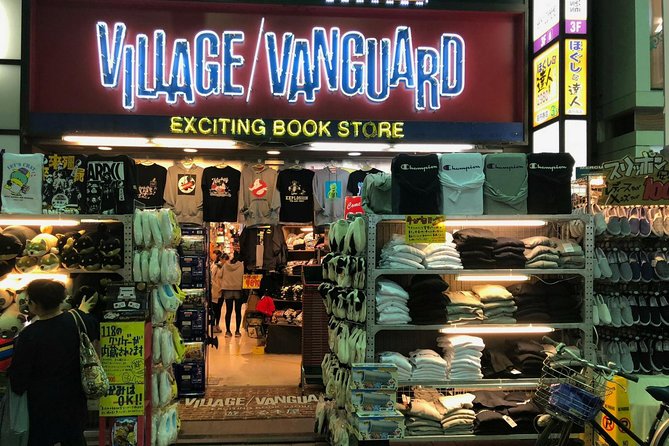
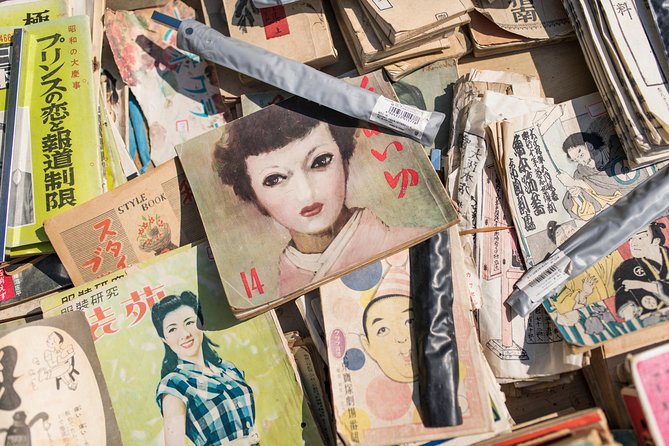
Koenji offers the most relaxed shopping character of the five suggested areas. It is associated here with vintage fashion, vinyl records, handmade crafts, and a creative local feel.
I would choose Koenji if you want objects with personality rather than standard souvenirs. Secondhand shopping rewards patience, and a host can help you spend that patience in the right streets and stores. It is also a useful alternative if Harajuku feels too focused on new fashion.
The drawback is that vintage shopping is unpredictable. You may find one excellent piece quickly, or you may browse for a long time without finding the right size, condition, or price. Do not book this experience expecting a guaranteed purchase. Book it if you enjoy the search and want help narrowing the field.
Koenji also shows why the private format matters. Your host can ask what you mean by vintage, handmade, or unusual. Those words cover a lot of ground, and your answer should shape the route.
How the customization works in real life
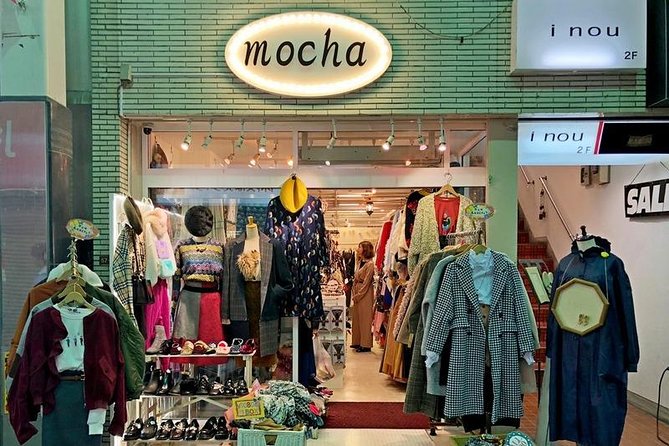
The strongest feature is not the list of neighborhoods. It is the chance to shape the outing before it begins and keep changing it during the walk.
Saito helped one group combine vintage stores, a department store, and a home goods shop. That mix is a good example of the tour’s practical value. You are not locked into one theme if your interests are broad.
Abu used a different approach when the questionnaire failed. He talked through the shopping options by area, then helped the group choose four. That is reassuring if you prefer a conversation to a form, or if your plans change after arriving in Tokyo.
Still, customization has limits. The host cannot guarantee a particular item will be in stock, and the information does not promise entry to private showrooms or special access. Your experience will depend on the guide match, the route, store hours, your pace, and what you tell the host.
Give the host a short, useful brief:
- Your top three shopping goals
- Your approximate budget
- Sizes or product details, if relevant
- Shops or areas you already plan to visit
- How much walking you can comfortably manage
- Any food, history, or cultural interests you want added
Walking, transport, and the cost of your time
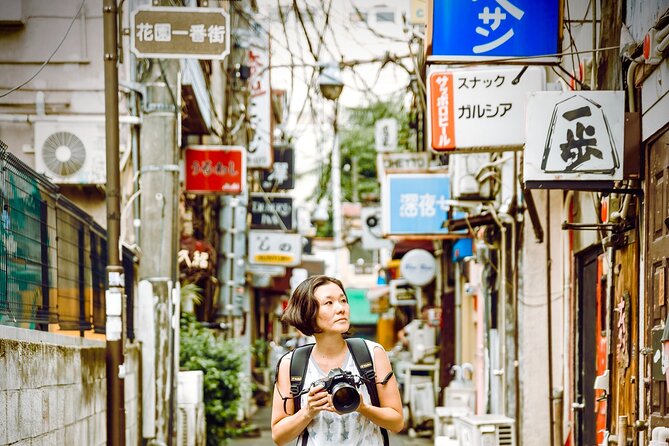
This is primarily a walking experience. Comfortable shoes matter more than a polished outfit, particularly if you combine several districts or browse large shopping areas.
Moving between districts may require public transport or a local taxi. Those costs are not included, and the exact amount can be discussed with your host after the reservation. Ask early if you want to control expenses. A route based in one or two nearby areas should be simpler than trying to connect Harajuku, Akihabara, and Koenji in one short session.
The 3 to 5 hour duration is flexible enough for a focused shopping trip, but it is not a full Tokyo retail survey. Trying to cover every named area would make the day rushed. The best plan is usually a small number of districts chosen around one clear theme.
Food, drinks, and attraction tickets are also extra. Gratuities are optional. Think of the $142.09 as the fee for private planning and guidance, then budget separately for purchases, transport, refreshments, and anything else you choose to do.
Who will get the most from this experience
I would recommend this tour to you if:
- You have a specific shopping interest but do not know where to begin.
- You want a private guide instead of a fixed group itinerary.
- You enjoy small shops and unusual products more than standard sightseeing.
- You are comfortable walking and paying separately for transport and purchases.
- You want help comparing several shopping districts in limited time.
- You are traveling with friends or family and may benefit from a group discount.
It is less suitable if you already know every shop you want to visit. It is also a poor fit if you expect a vehicle, a shopping allowance, guaranteed bargains, or a fixed list of famous stores.
The private setup suits families, couples, and small groups with different tastes. One person can look for home goods while another browses vintage clothing, provided the host can build a route that keeps the group together.
Booking details that affect your decision
You can choose a preferred start time when booking, and confirmation is sent at once. The activity is near public transport, and service animals are allowed. Most people can participate, but remember that the format involves walking and may include transfers between districts.
Free cancellation is available if you cancel at least 24 hours before the local start time. Changes made inside that window are not accepted, and a late cancellation is not refunded.
The tour is commonly booked around three weeks ahead, so reserve early if you need a particular date or start time. After booking, watch for the questionnaire and host messages. Your preparation directly affects the usefulness of the route.
Should you book this Tokyo shopping experience?
Book it if you want a personal shopping plan rather than a standard sightseeing loop. The best reason to choose it is the ability to combine local districts and adjust the route around your actual interests. Saito’s mix of vintage, department store, and home goods shopping shows how useful that flexibility can be, while Abu’s response to a faulty questionnaire shows that the planning does not depend entirely on the online form.
Skip it if you want a cheap, self-guided afternoon or already have a detailed store list. The price is fair only when the host saves you time, points you toward places suited to your taste, and helps you make sense of Tokyo’s huge retail choice. Tell your host exactly what you want, keep the route focused, and this can turn a scattered shopping day into one of the more personal parts of your Tokyo visit.
FAQ
How long does the Tokyo private shopping tour last?
The experience lasts approximately 3 to 5 hours.
Is this a private tour?
Yes. Only your party participates, so the route and pace can be adjusted to your group.
Which Tokyo areas can the tour include?
Possible areas include Harajuku, Shibuya, Shinjuku, Akihabara, and Koenji. The exact itinerary is customized around your interests.
Is transportation included?
No. The experience is mainly on foot. Public transport or local taxis may be used between areas, but those costs are extra.
Can the host pick me up at my accommodation?
Pickup on foot may be available if your accommodation is central. Confirm the details with your host after booking.
What does the price include?
The $142.09 per-person price includes a private, personalized walking experience with a local host, itinerary planning, and local recommendations. Food, drinks, shopping purchases, attraction tickets, transport, and optional gratuities are not included.
More Shopping Tours in Tokyo
More Private Tours in Tokyo

More tours in Tokyo we've reviewed





Shopping Tours, compared.
 ★ 5.0Tokyo Tsukiji Fish Market Food and Culture Walking TourFrom $99
 ★ 5.0Tokyo: Tsukiji Fish Market Food and Walking tourFrom $30
 ★ 4.9Tokyo: Tsukiji Fish Market Guided Walking TourFrom $222 hours
 ★ 5.0Tsukiji Fish Market Guided Tour and Sushi Making with Pro ChefFrom $104
★ 4.7Tokyo: Tsukiji Fish Market Food and Culture Walking TourFrom $963 hours
★ 5.0Tsukiji Fish Market Guided Tour and Sushi Making with Pro ChefFrom $104
★ 4.7Tokyo: Tsukiji Fish Market Food and Culture Walking TourFrom $963 hours
 ★ 5.0Tsukiji Fish Market: Street Food & Culture Walking TourFrom $33