
Reviewed · TOURS
Horse Racing Tour with Local Fans in Tokyo, Oi Racecourse
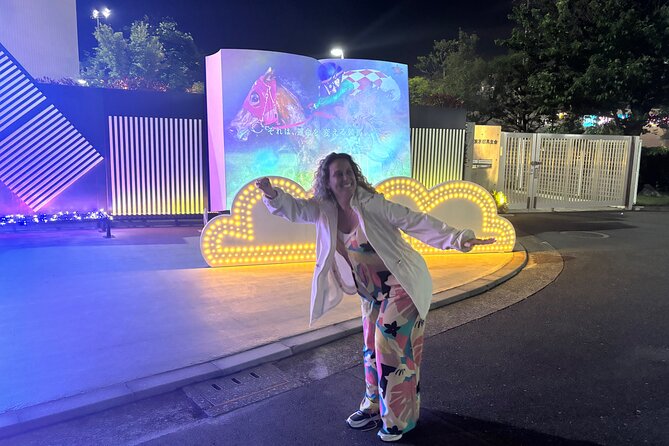
At Oi Racecourse, the real show is not only the horses. It is the quick burst of noise when a race starts, the crowd leaning toward the track, and the friendly ritual of studying a betting slip before choosing a horse. This three-hour evening tour gives you a guide to that world, even if Japanese horse racing is completely new to you. I like the simple betting lessons and the chance to sit with local fans, rather than merely peer at the course and leave.
I also like that the guide can help you reach the racecourse by train and offer race predictions along the way. Eito is named as one guide, and a previous Friday night outing with him earned top marks for making the evening easy and fun. The main drawback is price: at $90 per person, food, drinks, bets, and about ¥400 in public transportation are extra. Bring Japanese yen, and check the exact meeting time because the details give both 18:00 and 6:30 pm.
In This Review
- Key points at a glance
- Why Oi Racecourse makes a good Tokyo night out
- Meeting your guide at Oikeibajo-Mae Station
- A plain-language introduction to Japanese horse racing
- Seats, Japanese food, beer, and premium drinks
- How the betting works, from ¥100 upward
- The sound and pace of a Friday night race
- Is $90 a fair price?
- Who will enjoy this racecourse experience most?
- Practical details before you go
- Should you book the Oi Racecourse tour?
- FAQ
- Where does the horse racing tour meet?
- What time does the tour start?
- How long does the experience last?
- Does the tour end at the racecourse?
- How much does it cost to place a bet?
- Are food and drinks included?
- Do I need Japanese yen in cash?
- How far in advance can I cancel for a full refund?
Key points at a glance
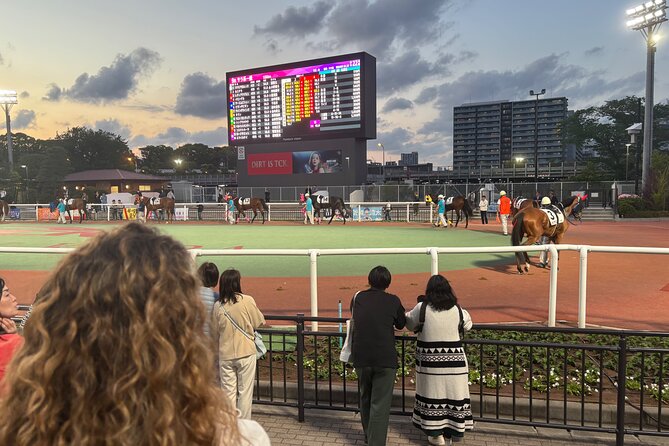
- Live night racing at Oi Racecourse: You watch real races in an energetic evening setting, with cheering fans and seats available.
- Eito and other guides explain the rules: You receive plain guidance on racing and betting, useful if you cannot read Japanese.
- Bets start at ¥100 per ticket: The low minimum lets you try the action without risking much money, though losses are still possible.
- Food and drinks are purchased separately: Japanese dishes, beer, and premium drinks add to the evening cost.
- Small group, up to 12 people: The group size should allow room for questions without feeling like a large stadium tour.
- Meet at Oikeibajo-Mae Station: The tour begins and ends at the meeting point, with public transportation costing about ¥400 per person.
Why Oi Racecourse makes a good Tokyo night out
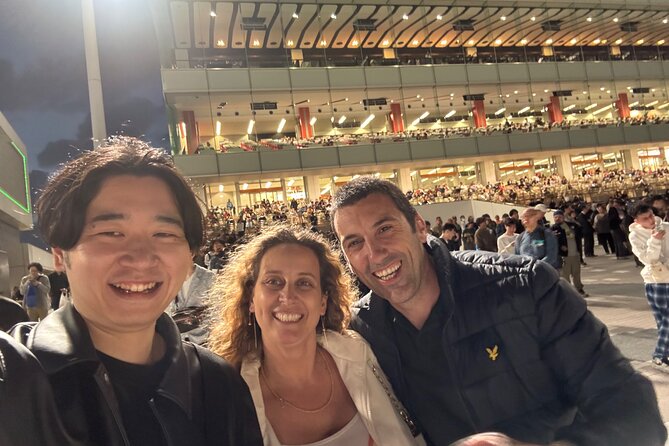
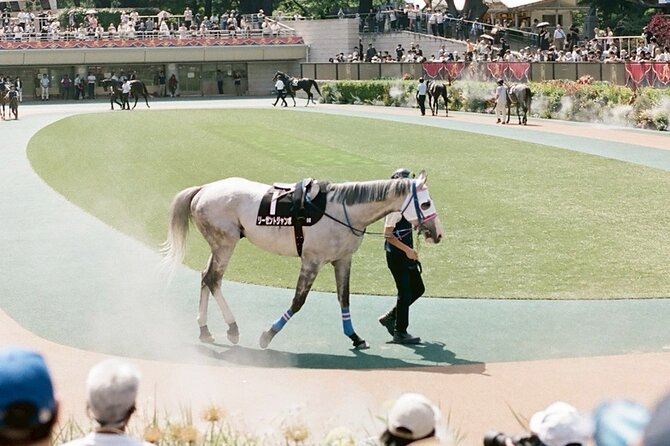
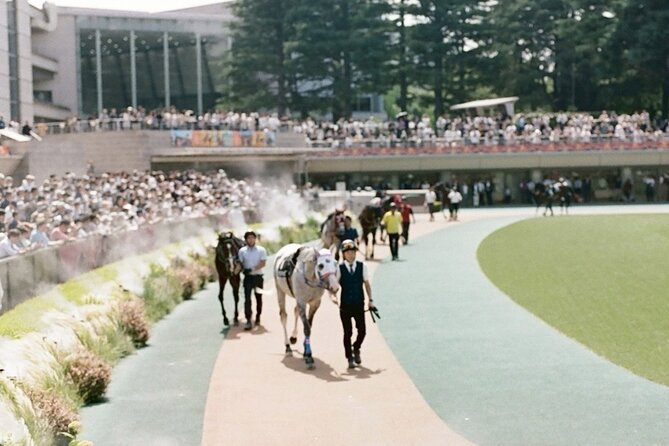
Horse racing in Japan is a social night activity as much as a sporting event. At Oi Racecourse, you get the roar of the crowd, the parade of horses, the short wait before each race, and the sudden rush when the gates open. That rhythm gives the evening a clear shape, even if you know little about racing.
The setting also breaks up the usual Tokyo sightseeing pattern. You are not looking at a temple, shopping street, or city view. You are watching an active local pastime, with people choosing horses, comparing predictions, eating, drinking, and reacting to every turn of the race.
I especially like the timing. A 6:00 or 6:30 pm start puts the activity into the evening, leaving your daytime free for museums, neighborhoods, or a slower meal. The listed finish is around 9:00 pm, so you get a full outing without giving up an entire day.
One point needs care. The supplied details list the experience as beginning at 18:00, while the meeting information gives a 6:30 pm start. Confirm the exact time with Japan Traditional Travel before you leave your hotel. The meeting place is Oikeibajo-Mae Station, at 2 Chome-2 Katsushima, Shinagawa City.
A few more Tokyo tours and experiences worth a look
Meeting your guide at Oikeibajo-Mae Station
Your evening starts at Oikeibajo-Mae Station, which is near the racecourse. The tour ends back at this same meeting point, so you do not need to arrange a separate return location at the end.
A previous participant specifically appreciated having guide Eito explain how to reach the races by train. That is useful because the first challenge may not be the betting system. It may be getting to the correct station and knowing where to meet. Your guide provides a friendly handoff from the station to the racecourse.
The group can include up to 12 people. That is large enough to share the energy of the outing, but small enough that you should be able to ask how a bet works or what the next race means. Service animals are allowed, and the activity is near public transportation.
The listing gives public transportation as an additional cost of ¥400 per person. Treat that as a separate part of your budget. You also need a moderate level of physical fitness, so expect some walking around the venue and station area, even though seats are available.
A plain-language introduction to Japanese horse racing
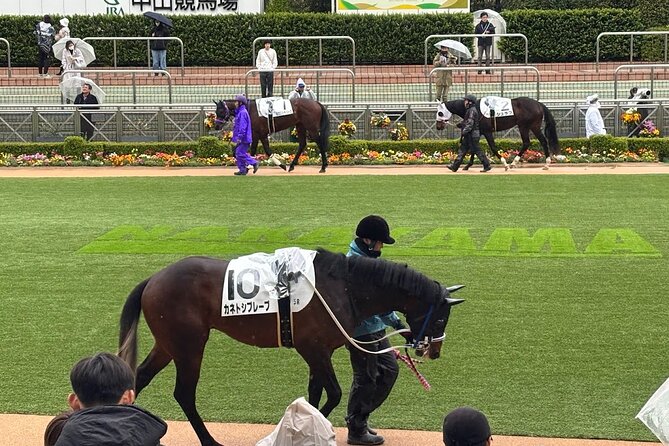
Once you receive your welcome, the guide explains the basic rules in easy-to-understand terms. This is the heart of the tour for first-time racegoers. You do not need to arrive knowing racing vocabulary, the betting categories, or how to read every number on a race card.
That explanation matters because the spectacle can move quickly. Races are short, and the information around them may be unfamiliar. A guide who can stop and explain the choices helps you follow the event instead of simply watching a crowd react.
If you already know horse racing, you may find the introductory portion basic. The useful part for you will be the local setting, the guide’s predictions, and the chance to take part in Japanese racing rather than watching from the sidelines.
The guide also provides race predictions. These can make the process more engaging, especially when you are deciding which horse to support. Still, treat predictions as part of the fun, not as a promise of a win. The tour adds guidance, not a guaranteed betting strategy.
Seats, Japanese food, beer, and premium drinks
Seats are available, which makes a difference during a three-hour evening. You can settle in between races, watch the action, and have a place for your food or drink. The pace is easier to manage when you are not standing the entire time.
Food is not included in the $90 price. You can purchase gourmet Japanese cuisine and local delicacies during the outing, and beer and other premium drinks are also extra. Alcoholic beverages are not included either, so keep your spending plan flexible if eating and drinking are part of your idea of a good night.
This arrangement gives you some choice. You are not paying in advance for a fixed meal you may not want. On the other hand, the headline price does not cover the full evening. Add food, drinks, betting money, and about ¥400 for transportation when judging the value.
I would set aside cash for small purchases. The supplied instructions specifically say to bring Japanese yen because betting may require cash, and food or drinks may also be easier to pay for in yen. Do not treat the $90 as your total budget.
How the betting works, from ¥100 upward
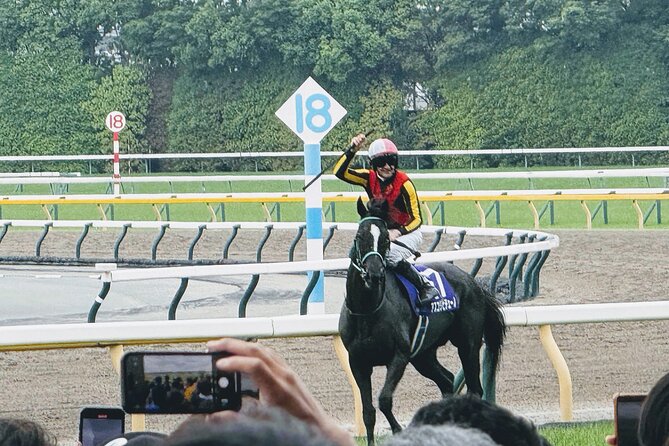
Between races, the guide shows you how to place bets. You can ask questions, listen to the prediction, and then decide how much, if anything, you want to wager. The minimum cost is ¥100 per ticket, making it possible to sample the experience without committing a large sum.
That low entry point is one of the tour’s best practical features. You can place a small bet simply to understand the excitement of waiting for the result. If it loses, the financial lesson is modest. If it wins, you get a memorable first taste of the racecourse ritual.
The word betting still means betting. There is no promise of profit, and the guide’s predictions do not change that. I would decide on a firm cash limit before the first race and treat it as entertainment money. Never spend more because a horse came close or because the next race seems easier to call.
You may also choose not to bet. The crowd, horses, food, and explanations provide an evening even if you prefer to watch. But if you want to understand why the audience reacts so strongly, placing a ¥100 ticket can help you feel the tension without making the activity expensive.

The sound and pace of a Friday night race
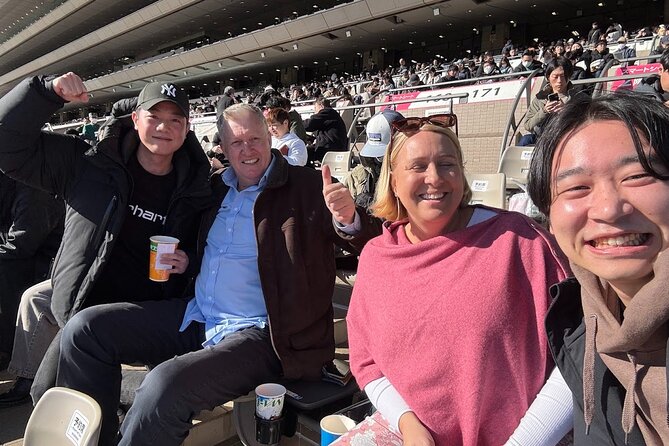
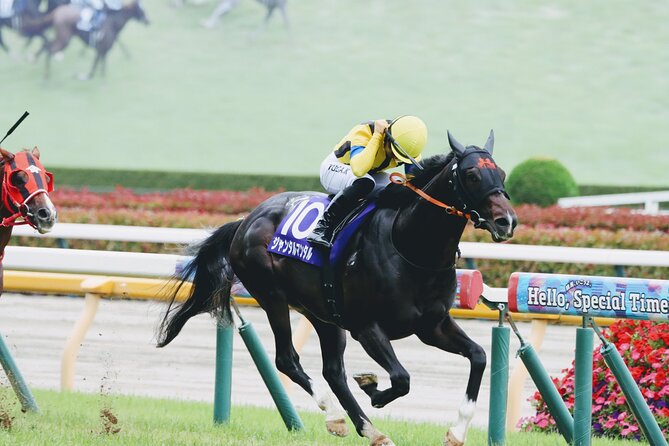
The strongest part of the outing is the change in energy from one race to the next. Before a race, the crowd studies the possibilities. Once it begins, attention shifts to the track, and cheering rises as the horses approach the finish.
A Friday night race can be a particularly lively choice because it fits naturally into Tokyo’s after-work hours. The experience information does not promise a Friday departure every time, so check the date when booking. If your chosen evening is Friday, expect the social side of the racecourse to be an important part of the appeal.
One participant described the racecourse as beautiful and rated the outing 10 out of 10, with Eito’s help making the betting enjoyable. That praise points to the right expectation: this is less about a formal lecture and more about having a guide beside you while the races unfold.
You should not expect a private horse-handling session or a behind-the-scenes stable visit. The experience is about attending live races, learning how to follow them, eating and drinking, and joining the crowd’s response.
Is $90 a fair price?
The price makes the most sense for you if you value help with the language barrier and want a structured introduction to Japanese racing. The guide fee covers the person who meets you, explains the rules, helps with betting, and offers predictions. That can save you from spending the whole night guessing what to do.
The price is harder to justify if you already understand Japanese horse racing or feel comfortable attending the racecourse alone. In that case, you may prefer to pay your own admission and purchases without a guided format, if that option is available to you.
Remember the extra costs:
- Food is not included.
- Alcoholic beverages are not included.
- Other drinks are not included.
- Bets are not included.
- Public transportation is listed at about ¥400 per person.
The group limit of 12 helps support the value. A very large group could make betting guidance slow or impersonal. With a smaller party, you should have a better chance to ask about a race before it starts.
Who will enjoy this racecourse experience most?
I would recommend this tour to a first-time visitor who wants an unusual Tokyo evening and does not speak Japanese. The guide removes much of the uncertainty, while the races provide the excitement. It is also a good match for someone who enjoys sports, people-watching, casual local food, and small-stakes games.
It suits couples and friends who want to do something different from a bar or restaurant. The shared predictions and race results give you easy conversation, even if nobody in your group knows much about horses.
Families should consider the betting and alcohol setting before booking. The available details do not give a minimum age, so confirm any age requirements directly with the provider. Anyone with mobility concerns should also note the moderate physical fitness requirement.
Experienced racing fans may enjoy the local atmosphere and the guide’s predictions, but they may not need the basic explanation. For you, the best reason to book would be the company of local fans and the convenience of having the evening organized.
Practical details before you go
The activity uses a mobile ticket, and confirmation is received when you book. Save the ticket where you can open it easily before meeting the guide.
Plan to arrive at the stated meeting point with enough time to locate the guide. Because the information lists both an 18:00 start and a 6:30 pm start, confirm which time applies to your booking. This is the one detail I would not leave to chance.
Bring Japanese yen in cash. You will need money for bets, and food and drinks are also separate expenses. The minimum bet is ¥100 per ticket, so even a small amount of cash lets you participate.
The tour lasts about three hours and ends where it begins. Free cancellation is available if you cancel at least 24 hours before the local start time. Cancellations or changes made inside that 24-hour window are not accepted for a refund.
Should you book the Oi Racecourse tour?
Book it if you want a friendly introduction to Japanese horse racing, need help with the rules or betting, and like the idea of a lively evening with local fans. The low ¥100 betting minimum, available seating, small group, and guide Eito’s practical support make the experience approachable.
Skip it if you want an all-inclusive night, because food, drinks, bets, and transportation cost extra. It is also less useful if you already know the racing system and can comfortably navigate the racecourse on your own.
For the right person, the value is not only the race itself. It is having someone explain what is happening while you sit down with a drink, try a small bet, and hear the crowd rise around you. Confirm the start time, bring yen, and book this as a lively cultural evening rather than a guaranteed way to win money.
FAQ
Where does the horse racing tour meet?
The meeting point is Oikeibajo-Mae Station at 2 Chome-2 Katsushima, Shinagawa City, Tokyo 140-0012, Japan.
What time does the tour start?
The meeting information gives a 6:30 pm start, while the itinerary says the experience begins at 18:00. Confirm the exact start time with Japan Traditional Travel before attending.
How long does the experience last?
The tour lasts approximately three hours and is listed as ending at 9:00 pm.
Does the tour end at the racecourse?
No. The activity ends back at the meeting point.
How much does it cost to place a bet?
The minimum cost is ¥100 per ticket. Betting costs are not included in the tour price.
Are food and drinks included?
No. Food, alcoholic beverages, and other drinks are not included.
Do I need Japanese yen in cash?
Yes. The instructions say to bring Japanese yen because betting may require cash.
How far in advance can I cancel for a full refund?
You can cancel at least 24 hours before the experience start time for a full refund. Changes or cancellations made less than 24 hours before the start are not accepted for a refund.
More Horses in Tokyo
More tours in Tokyo we've reviewed



Tours, compared.
 ★ 5.0Mt Fuji and Hakone 1-Day Bus Tour Return by Bullet TrainFrom $163
 ★ 5.01-Day Tokyo Bus TourFrom $129
 ★ 5.0Tokyo: Shinjuku Food Tour (13 Dishes at 4 Local Eateries)From $86
 ★ 4.4Tokyo Mt Fuji 5th St & Hakone Cruise Bus Tour w/Bullet TrainFrom $15410 hours
 ★ 5.0Flagship 2-Hours Official Street Go-Kart Tour – Tokyo Bay ShopFrom $642 hours to 2 hours 30 minutes (approx.)
 ★ 4.7Tokyo: Mt. Fuji Tour, Hakone Ropeway, Owakudani, Lake AshiFrom $5410 hours