
Reviewed · GUIDED
Tokyo: Private Shinto Shrines Tour by Car with Local Guide
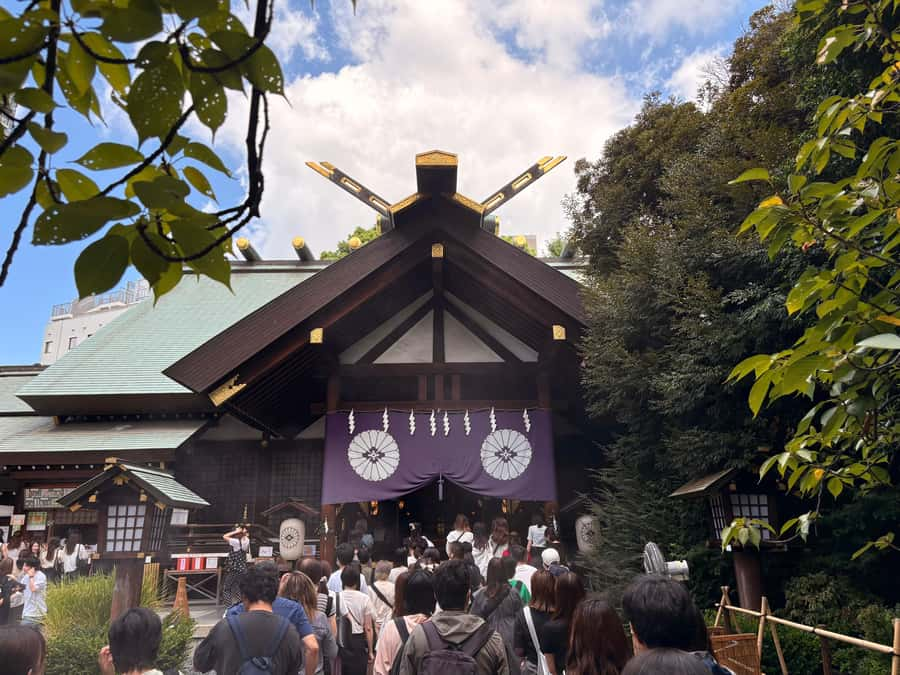
Tokyo’s shrine life is easiest to understand when someone shows you what to do. This private half-day tour links Meiji Shrine, Hie Shrine, Tokyo Daijingu, and Kanda Myojin, with a car between them and an English-speaking guide to explain the rituals.
I like the mix of quiet forest, red torii gates, love prayers, and business blessings. I also like the personal touch: guide Oishi has helped guests understand shrine etiquette, point out Tokyo landmarks, and even adjust the route for Asakusa Shrine or a sushi lunch. The main catch is simple: four shrines in half a day means you will see highlights, not every corner.
In This Review
- Key points to know
- Why a private car helps in central Tokyo
- Meiji Shrine: Tokyo’s forest sanctuary
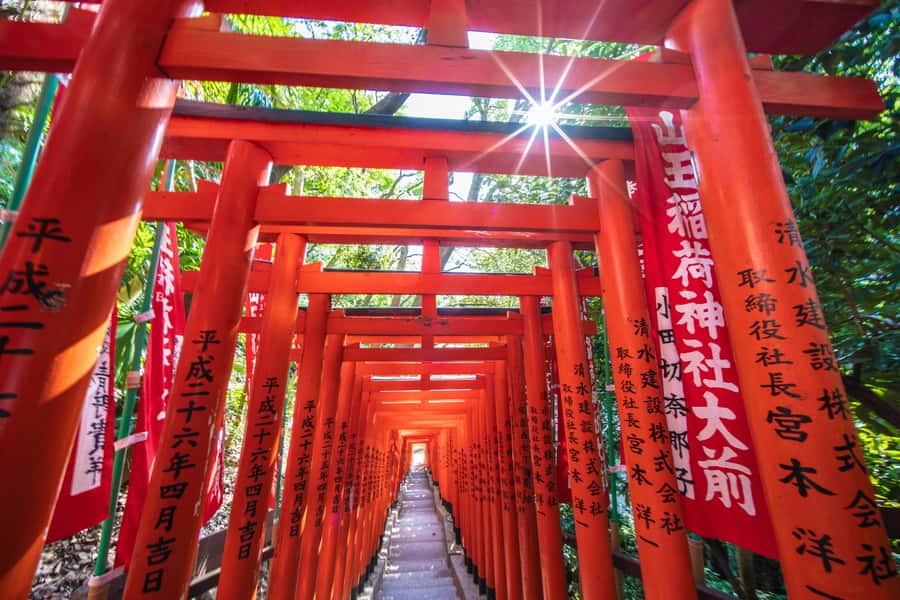
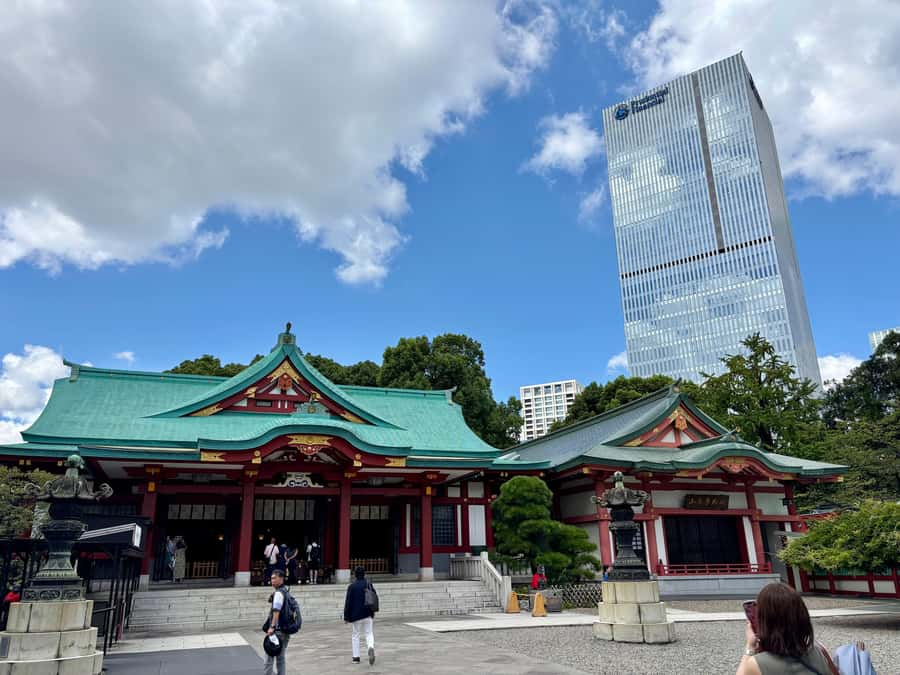
- Hie Shrine: red torii gates and good fortune
- Tokyo Daijingu: a focused stop for love and marriage
- Kanda Myojin: business luck beside the technology district
- Koami Jinja: a possible bonus stop for protection
- Shrine etiquette without the guesswork
- Goshuin stamps: the most useful souvenir
- Flexibility, food, and possible route changes
- Who gets the most value from this tour
- Should you book this Tokyo shrine tour?
- FAQ
- How many shrines are included in the main tour?
- Could the tour visit a fifth shrine?
- Is hotel pickup included?
- Is transportation private?
- Is an English-speaking guide provided?
- Who is the guide?
- Is lunch included?
- How much do goshuin stamps cost?
- What should I bring?
- Can I cancel for a full refund?
Key points to know
- Four different kinds of blessings: Pray for peace, love, good fortune, business success, and protection at shrines with distinct identities.
- Private car and hotel pickup: You avoid piecing together several subway rides and can keep the pace suited to your group.
- A guide for shrine etiquette: Learn how to purify yourself, bow, offer coins, and pray properly instead of guessing.
- Goshuin stamps make a fine keepsake: The guide can help you collect sacred stamps, usually costing 500 yen per shrine.
- A flexible route: If time permits, Koami Jinja may be added, and past arrangements have included Asakusa Shrine.
- Best for small groups: The $248 price covers up to three people, making the cost easier to justify when shared.
Why a private car helps in central Tokyo
Tokyo’s shrines are not all in one district. Meiji Shrine sits near Harajuku and Shibuya, Hie Shrine is near Akasaka, Tokyo Daijingu is close to Iidabashi, and Kanda Myojin is near Akihabara. On public transport, visiting all four means several train rides, walks, and moments spent checking maps.
Here, your private air-conditioned vehicle links the stops. Hotel pickup and drop-off also remove the usual question of where to meet. That matters most if you are traveling with older family members, children, or a small group carrying shopping bags.
The car does not turn the tour into a sightseeing bus. You still walk around each shrine, and comfortable shoes are important. But you spend less of your limited morning or afternoon changing trains and more time at the sacred sites.
The tour is priced at $248 for a group of up to three. That is not a cheap solo outing, but it can be reasonable for three people because the cost is shared. Toll fees, parking, fuel, the car, guide, and hotel transfers are included, so you do not need to keep adding transport costs as the route unfolds.
Lunch is not included. That is not a serious problem, especially since the schedule is only half a day, but leave room in your budget if you want to follow the guide’s local food advice. Oishi has taken guests to a good sushi restaurant, and an optional meal can turn the tour into a longer outing if timing allows.
Other guided tours in Tokyo


Meiji Shrine: Tokyo’s forest sanctuary
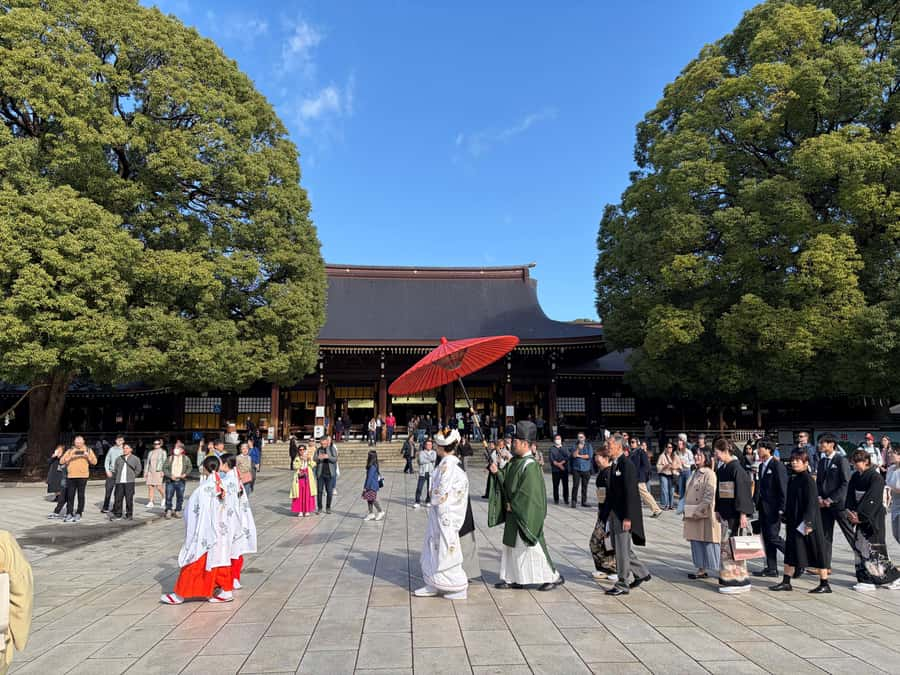
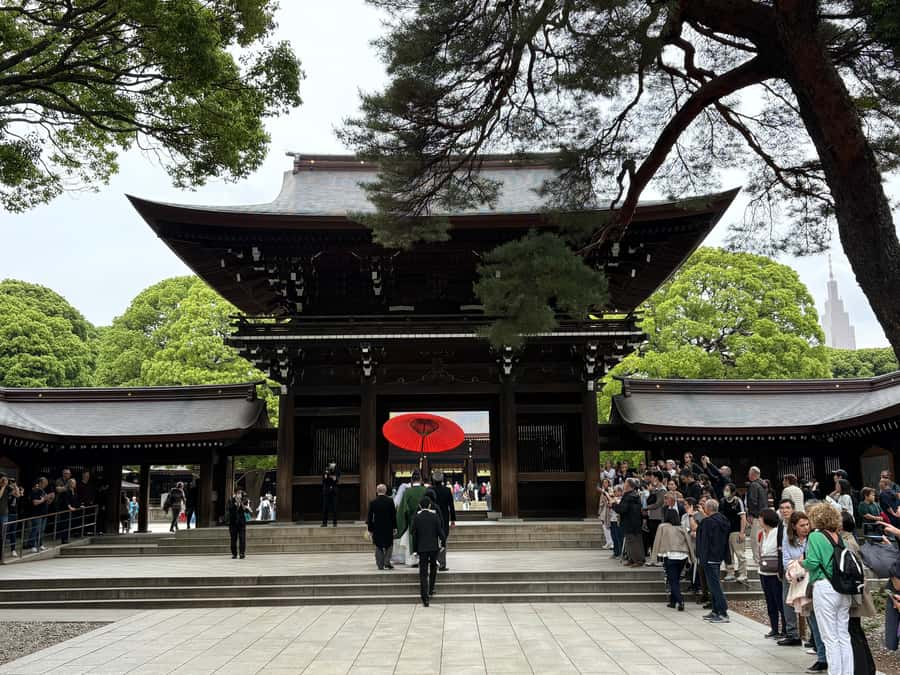
Meiji Shrine is usually the most restful opening stop. It sits in a large forested area in the center of Tokyo, giving you a sharp change of mood from the city streets. The approach helps you slow down before the ritual begins.
The shrine is tied to Emperor Meiji, whose reign marked major change for Japan. Your guide can put the site into context while explaining how to behave at the entrance and before the main shrine building.
You will typically learn the basic Shinto sequence: bow before entering the sacred area, use the water basin to purify your hands and mouth, approach respectfully, make an offering, bow, clap, and pray. The exact instructions from your guide are more useful than trying to copy the nearest person.
Meiji Shrine is a good place to learn because the setting makes the customs feel natural rather than rushed. You can focus on the sound of gravel underfoot, the tall trees, and the clean lines of the shrine buildings.
The trade-off is that the grounds are broad. Even with a car, this stop involves walking. If you want to linger in the forest and study every detail, the four-shrine route may feel fast. If you prefer a clear introduction to Tokyo’s religious traditions, it is a strong first stop.
Hie Shrine: red torii gates and good fortune
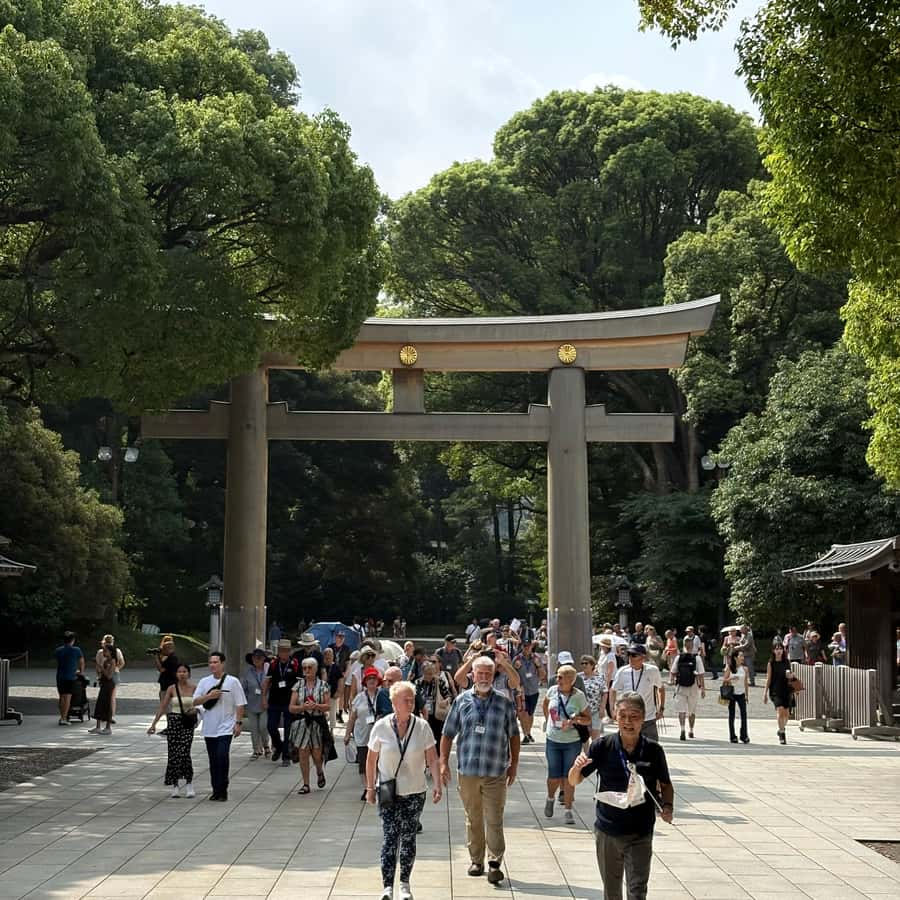
Hie Shrine brings a different visual note. Its best-known feature is a tunnel of bright red torii gates, a smaller-scale version of the famous paths found at some rural shrines. It gives you an attractive photo opportunity, but the real value is learning why torii mark the movement from ordinary space toward a sacred area.
Hie Shrine is associated with good fortune and lasting relationships. Your guide can explain how those themes fit into the shrine’s identity and help you approach the prayer area with the right manners.
The red gates can draw attention away from the rest of the grounds, so do not rush straight to the photo spot and leave. Look at the arrangement of the shrine, notice the contrast between the gates and the surrounding city, and ask your guide about the symbols you see.
This is also a good place to ask practical questions about Shinto. You can learn the difference between a shrine and a temple, how prayer customs work, and why purification comes before worship. The guide’s explanations give the stop more meaning than a quick photograph would.
Tokyo Daijingu: a focused stop for love and marriage
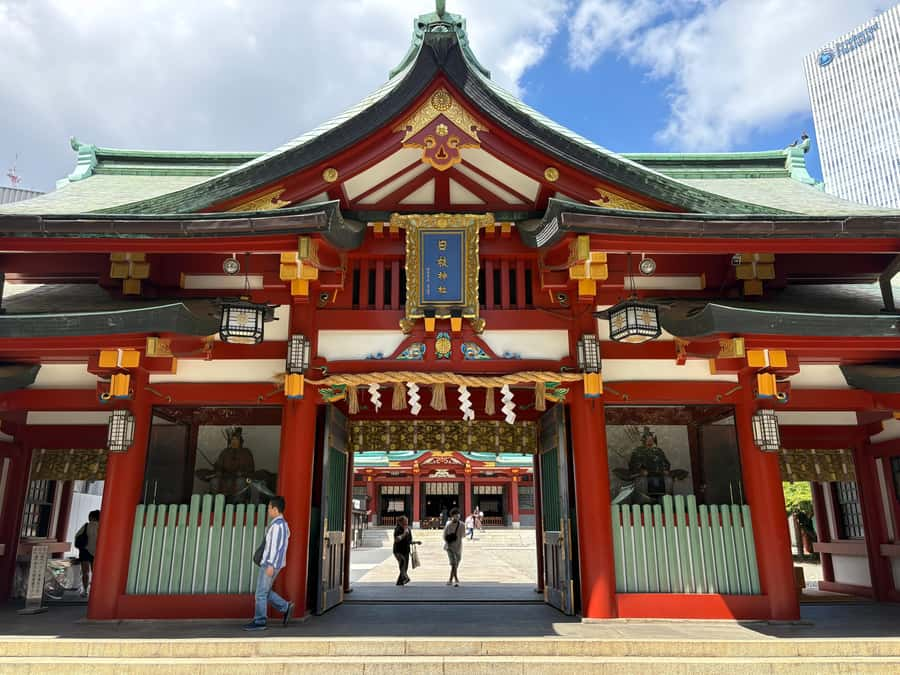
Tokyo Daijingu is known as one of Tokyo’s leading shrines for romantic happiness. If you are interested in love, marriage, or relationships, this stop gives the tour a clear personal theme.
You do not need to approach the visit as a solemn spiritual quest. Many people enjoy Japanese shrines for the small hopes they attach to them, and Tokyo Daijingu makes that connection easy to understand. Your guide can explain the shrine’s role and show you how to offer a prayer without treating the site like a tourist attraction.
The intimate purpose of this shrine also breaks up the larger spaces at Meiji Shrine and the gate-lined approach at Hie Shrine. Each stop begins to feel distinct: quiet reflection, fortune, relationships, then business and protection.
Allow yourself enough time to notice the details instead of treating the shrine as a checklist item. Since this is a private tour, you can tell the guide if love-related blessings matter to you, or simply enjoy the cultural side of the stop.
Kanda Myojin: business luck beside the technology district
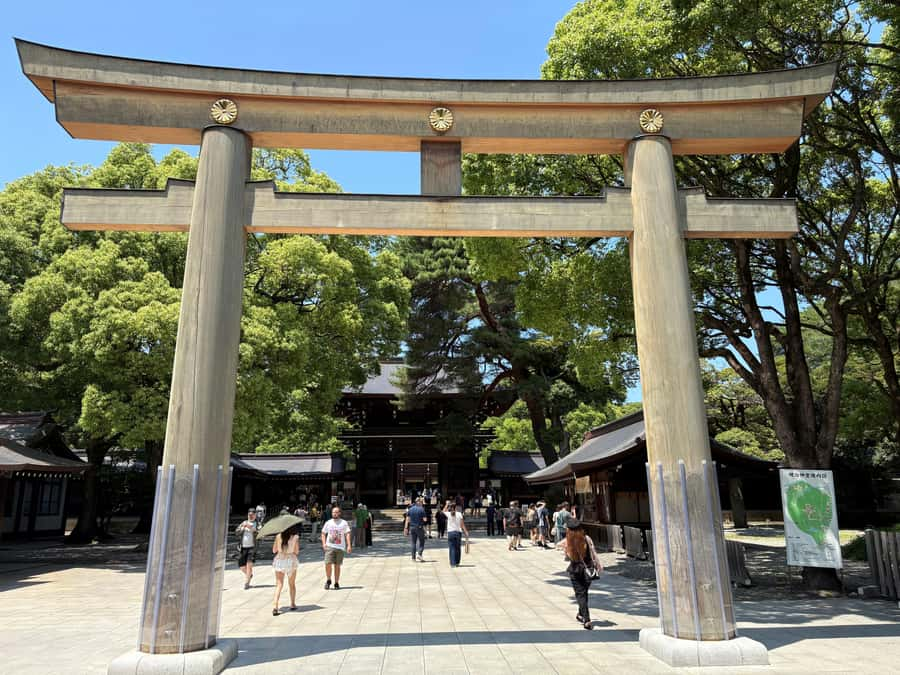
Kanda Myojin is the most urban-feeling shrine on this route. It is cherished by entrepreneurs and people working in technology, and its blessings focus on business success and protection.
That connection makes sense within the surrounding Tokyo setting. After visiting forest and torii-lined shrines, you reach a place associated with commerce, work, and modern city life. The result is a useful reminder that shrine worship is not separate from daily concerns. People come with hopes for healthy relationships, safe travels, good fortune, and successful work.
Ask your guide about the prayers and protective items connected with the shrine. The English explanations are particularly useful here because the meaning behind a charm or ritual may not be obvious from its appearance.
Kanda Myojin also works well near the end of the route because it brings the tour back to present-day Tokyo. You are not only looking at old buildings. You are seeing how sacred places continue to serve people in a high-tech capital.
Other private tours in Tokyo



Koami Jinja: a possible bonus stop for protection
If time permits, the route may include Koami Jinja. This is a small shrine with a strong reputation for good luck and protection. Its story is part of its appeal: it survived earthquakes and wartime bombings, leading many people to believe it has especially powerful protective energy.
Do not count on this stop as a guaranteed fifth visit. It depends on the day’s timing, traffic, and how long you spend at the four main shrines. That uncertainty is worth accepting because the shrine offers a different experience from the larger sites.
Koami Jinja is compact, so it can be a useful extra stop when you want something less grand and more local in scale. If protection and good fortune are your main interests, tell the guide early so the route can be discussed.
Shrine etiquette without the guesswork
A guide adds real value here because Shinto customs are easy to misunderstand. You may know that you should bow, wash your hands, and pray, but the order and small gestures can feel uncertain when you are on your own.
The guide can show you how to approach a torii, use the purification basin, and make a respectful prayer. You can also ask questions while the explanation is connected to the place in front of you.
The etiquette is not meant as a performance for tourists. It is a way of showing respect in a sacred space. Following the basic steps helps you avoid treating a shrine like a backdrop and gives you a better sense of how the site functions.
Smoking is not allowed. Wear comfortable shoes, since every shrine includes some walking and the grounds may involve long approaches or uneven surfaces. Dress and behavior should be respectful, even though no special clothing is required in the information provided for this tour.
Goshuin stamps: the most useful souvenir
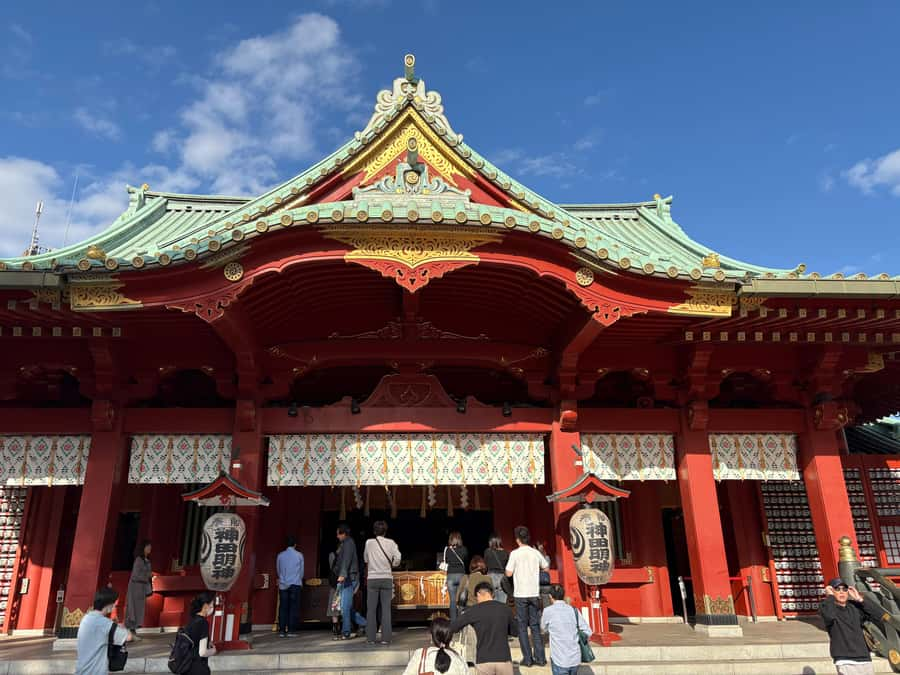
The goshuin book can become the best physical reminder of this tour. A goshuin is a sacred stamp and calligraphy record collected at temples and shrines. The guide can help you with the collection, which is helpful if you are unsure where to request one or how the process works.
The cost is generally 500 yen per shrine. Four stamps can add about 2,000 yen per person, assuming you collect one at each main stop. Bring a little extra cash for this, since the tour price does not include the stamps.
A stamp book is more personal than a standard souvenir because it records the places you visited in a traditional format. It also gives you a reason to remember the difference between the shrines rather than blending them into one long morning.
Keep the book safe and handle it carefully. Ask the guide about the proper way to present it at each shrine. You can also decide to collect only the stamps that matter most to you if you are watching expenses.
Flexibility, food, and possible route changes
The private format gives you more room to shape the experience than a fixed group outing. You can ask the guide to explain a particular blessing, point out Tokyo landmarks during the drive, or adjust the plan when timing permits.
An Asakusa Shrine stop has been added to the route for guests who requested it, even though it was not part of the original plan. That does not mean every extra stop will fit, but it shows why a private tour can be useful if you have one strong interest beyond the listed shrines.
Food can also enter the conversation. Lunch is not included, but Oishi has taken guests to a sushi restaurant that made a strong impression. Treat this as a possible recommendation rather than a promised part of the tour, and confirm how much time remains before adding a meal.
The more additions you request, the less time you will have at the four main shrines. I would keep the core route unless you have already visited one of the main sites or have a special reason to add Asakusa.
Who gets the most value from this tour
I would choose this tour if you want a cultural introduction with practical guidance, rather than a long academic history lesson. It suits first-time visitors who would like to see several major shrines without building the route themselves.
It is also a good fit for couples interested in Tokyo Daijingu, small groups seeking good luck or business blessings, and families who would rather ride between districts than manage several train connections.
The tour may be less suitable if you want a slow, meditative visit at each shrine. Four main stops in half a day require a reasonable pace. You will see more variety, but you will not have unlimited time for photographs, private prayer, or careful architectural study.
The $248 group price makes the strongest financial sense for two or three people. Solo visitors pay the full group rate unless the booking structure offers another option, so compare that cost with a regular taxi-based day and independent shrine visits before deciding.
Booking can be kept flexible with pay later, and cancellation is available up to 24 hours in advance for a full refund. Those terms help if your Tokyo plans may change, but you should still check the exact pickup details when booking.
Should you book this Tokyo shrine tour?
Book it if you want four very different shrine experiences, door-to-door transport, and a guide who can make the rituals feel clear rather than mysterious. The combination of Meiji Shrine’s forest, Hie Shrine’s red torii, Tokyo Daijingu’s love prayers, and Kanda Myojin’s business focus gives you a useful cross-section of Tokyo’s sacred life.
I would especially consider it for a group of three, since the price is easier to share. Add the goshuin stamps and you have a practical keepsake, not just a morning of photographs.
Skip it if you prefer to move slowly, spend hours at one shrine, or explore entirely by train. For most small groups, though, this is an efficient and personal way to connect Tokyo’s spiritual traditions with the city around them.
FAQ
How many shrines are included in the main tour?
The main route visits four shrines: Meiji Shrine, Hie Shrine, Tokyo Daijingu, and Kanda Myojin.
Could the tour visit a fifth shrine?
If time permits, the guide may add Koami Jinja, a small shrine known for good luck and protection.
Is hotel pickup included?
Yes. Hotel pickup and drop-off are included with the private tour.
Is transportation private?
Yes. You travel in a private, air-conditioned vehicle with the guide.
Is an English-speaking guide provided?
Yes. The tour is available with an English-speaking local guide. Japanese is also listed as an available language.
Who is the guide?
Oishi is identified as a guide who has led this experience. Guide assignments can vary, so confirm who will accompany you when booking.
Is lunch included?
No. Lunch is not included in the tour price.
How much do goshuin stamps cost?
The stamp collection assistance is included, but the stamps themselves generally cost 500 yen per shrine.
What should I bring?
Bring comfortable shoes because the tour includes walking around shrine grounds.
Can I cancel for a full refund?
Yes. You can cancel up to 24 hours in advance for a full refund.
More Private Tours in Tokyo
More Guided Tours in Tokyo


More tours in Tokyo we've reviewed





Guided, compared.
 ★ 5.0Tokyo 6hr Private Tour with Government-Licensed GuideFrom $155
 ★ 4.9Tokyo: Shinjuku Local Bar and Izakaya Guided Walking TourFrom $343 hours
 ★ 4.8Tokyo: Private City Highlights Tour with Local GuideFrom $1064 - 8 hours
 ★ 4.9Tokyo: Tsukiji Fish Market Guided Walking TourFrom $222 hours
 ★ 5.0Tokyo 4hr Private Tour with Government-Licensed GuideFrom $109
 ★ 5.0Tokyo Guided Small-Group Biking TourFrom $106