
Reviewed · 1-DAY TOURS
Tokyo: Private Customized 1 day Tour with Local Guides
Tokyo is a city of separate worlds, and this private tour lets you choose which ones you want to see. One day might link Meiji Shrine, Harajuku, Shibuya, and Shinjuku. Another might focus on Asakusa, Ueno, Yanaka, and Akihabara, with a 70-year-old sushi shop along the way. I like the freedom to change direction as you go, and I like that guides such as Ken, Mami, Sherilyn, Ayuko, and Moeka have taken guests beyond the usual sightseeing circuit.
The other big plus is the personal help: guides can adjust the pace, explain shrine customs, help with markets and trains, and find food that suits you, including vegan meals. The main caution is cost clarity. The $30 starting price does not cover your transport, admission fees, lunch, or the guide’s necessary expenses, so ask about the full budget before you set out.
In This Review
- Key points at a glance
- Why a private Tokyo day can be worth it
- Planning your route before the meeting
- Meiji Shrine, Harajuku, and Shibuya
- Asakusa, Ueno, Yanaka, and old Tokyo
- Tsukiji Market and a local food focus
- Shinjuku, gardens, and a slower afternoon
- Food, shopping, and local connections
- Walking, trains, heat, and family pace
- What the guides add
- What the $30 price really covers
- Who should book this Tokyo tour
- FAQ
- How long does the private Tokyo tour last?
- Is the tour private?
- Is the guide English-speaking?
- What places can I include?
- Are transportation and entrance fees included?
- Is lunch included?
- How will I meet the guide?
- Should you book it?
Key points at a glance
- A private plan built around you: Choose famous sights, food, shopping, temples, neighborhoods, or a mix.
- Guides who adapt on the day: The route can change if you want to linger, skip a stop, or add a new interest.
- Local-style Tokyo: Look for quiet shrine corners, small food streets, old diners, and areas larger groups often bypass.
- Flexible timing: Book anywhere from 1 to 8 hours, making this useful for a short layover or a full first day.
- Walking plus trains: The experience is mainly on foot, with public transport used when it helps connect districts.
- A strong family option: Guides have worked well with children, teenagers, older adults, and mixed-interest groups.
Why a private Tokyo day can be worth it
Tokyo is easy to reach and surprisingly hard to read. Its train system is excellent, but the city has no single historic center. Asakusa feels very different from Shibuya, and Yanaka has little in common with Akihabara. A private guide can turn that sprawl into a day with a clear rhythm.
I especially like this format for a first visit. You can see a major landmark, then ask what daily life looks like nearby. You can stop for a meal, take a side street, or spend longer at a place that catches your eye instead of staying tied to a fixed group schedule.
It also works well after you have already seen the headline sights. One couple used Ken for a more local route because they had already visited several standard Tokyo attractions. He took them toward less familiar parts of the city and showed them places they would likely have missed alone.
The tour is not a packaged sightseeing route with a fixed list of stops. That is its strength, but it also means you need to take part in the planning. If you arrive without any idea what interests you, your day may depend heavily on the guide’s suggestions and on how much time you spend moving between districts.
Other private tours in Tokyo


Planning your route before the meeting
Planning is handled through WhatsApp, and the guide contacts you there before the tour. Download the app before the day begins and keep an eye on messages about the meeting point.
You should send a short wish list rather than simply asking to see everything. Useful details include:
- The neighborhoods you want to see
- Your interest in food, temples, shopping, anime, gardens, or modern Tokyo
- Your walking ability
- Children’s ages, if applicable
- Dietary needs
- Places you have already visited
- How much time you want for meals and shopping
The provider can arrange a meeting near the first destination. Pickup is optional, so this is not a private vehicle tour that collects you from one hotel and carries you around town. You meet the guide and explore mainly on foot, using trains when needed.
For a short booking, choose one area or two nearby areas. A two-hour visit around Tsukiji Market and Tsukiji Hongwan-ji Temple is more sensible than trying to cross Tokyo. For five to eight hours, you can link districts, but remember that every train ride and meal uses part of your day.
Meiji Shrine, Harajuku, and Shibuya
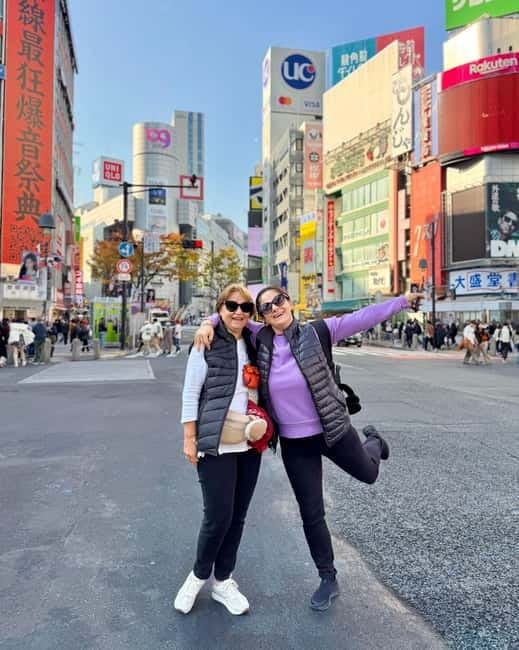
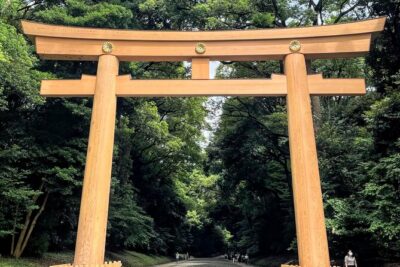
This is one of the clearest choices for a first taste of Tokyo. Guides have paired Meiji Shrine with Harajuku and Shibuya, creating a useful contrast between a wooded Shinto setting, youth fashion streets, and one of the city’s best-known modern districts.
At Meiji Shrine, your guide can explain the customs connected with visiting a Shinto shrine, not just point out the buildings. That matters because Japanese religious sites can be easy to misread if you do not know what people are doing at the entrance or worship area.
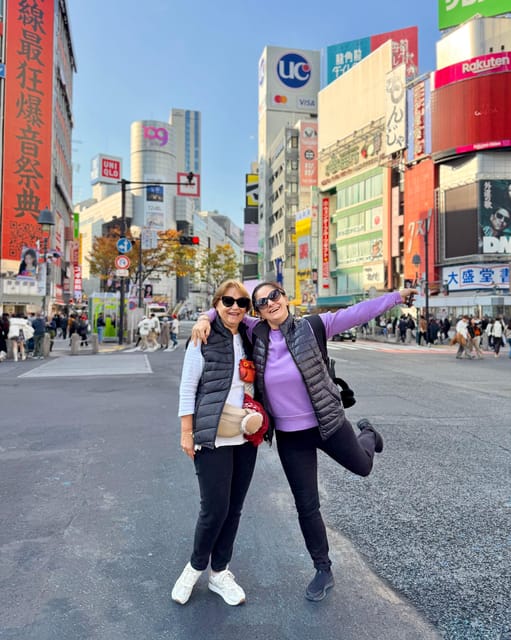
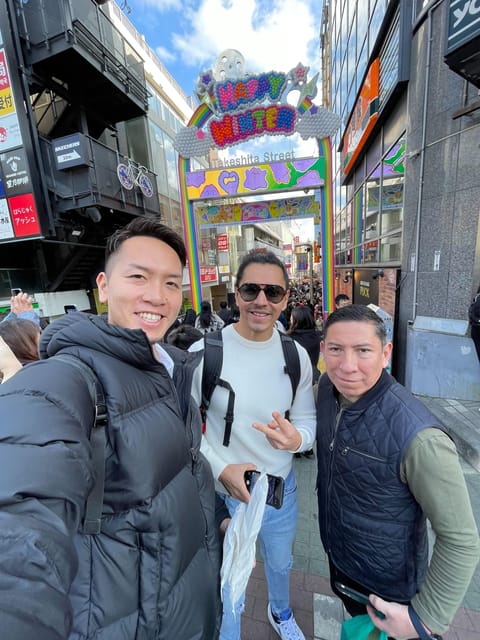
Harajuku brings a completely different mood. Takeshita Street is lively and youthful, while nearby areas offer room to slow down. From there, Shibuya gives you a look at Tokyo’s modern side, with busy streets, shops, and a strong sense of the city in motion.
The drawback is distance and energy. These areas can be demanding on a hot day, and they may feel crowded compared with Yanaka or Ueno. One guide, Moeka, made a point of helping a family stay cool during very hot weather, which is a useful reminder to plan breaks rather than treating the day as a race.
Asakusa, Ueno, Yanaka, and old Tokyo
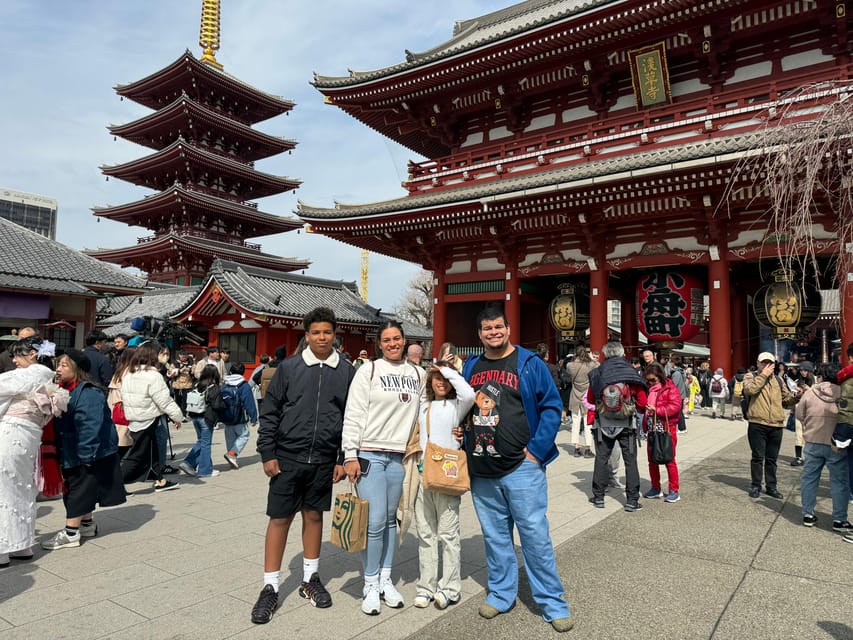
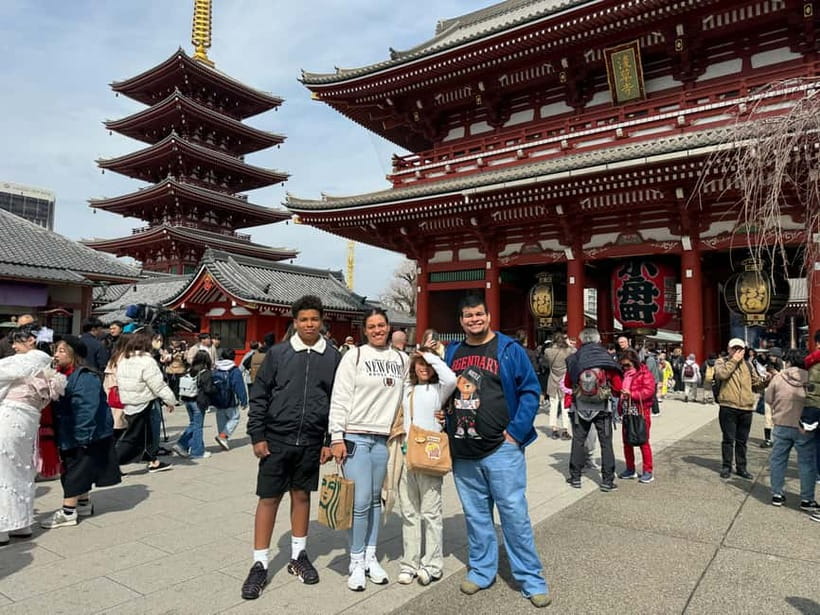
For temples, traditional streets, and a less polished side of the capital, ask about Asakusa, Ueno, and Yanaka. These districts can be linked into a full day, as guide Ken did during a seven-hour route that also included Akihabara.
Asakusa is the obvious anchor. Its temple area gives you a strong introduction to Tokyo’s older identity, while nearby streets offer snacks, souvenirs, and local shopping. A guide is useful here because you can ask questions as you go instead of trying to sort out the customs and symbols from a guidebook.
Ueno adds parks, museums, and smaller religious sites. One particularly unusual stop was an old Shinto shrine tucked within Ueno Park, paired with a small street decorated with tanuki figures, symbols associated with good luck. Details like these are exactly what a flexible private walk can uncover.
Yanaka is a good choice if you want a quieter neighborhood feel. It offers a different picture of Tokyo from the huge stations and commercial centers. The tour information does not promise a set list of Yanaka stops, so ask your guide what fits your interests and the time available.
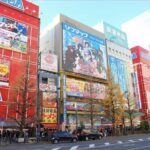
Akihabara works naturally for electronics, gaming, and pop culture. It can also make a sharp contrast with Asakusa and Yanaka. If your group has mixed interests, this four-district pattern gives each person something to anticipate, but it requires train rides and plenty of walking.
Tsukiji Market and a local food focus
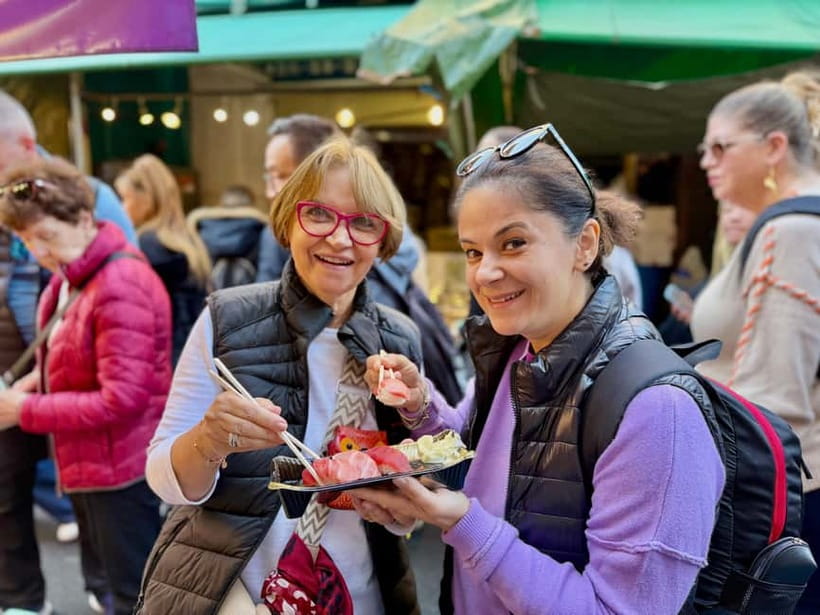
A short food-centered booking can work very well. One two-hour plan focused on Tsukiji Market and Tsukiji Hongwan-ji Temple, giving enough time for food, conversation, and cultural context without forcing a long city circuit.
The advantage of a guide at a market is practical. You can ask what to try, how to move through the area, and which nearby sights fit your remaining time. The experience is not presented as a meal with food included, so bring money for anything you want to buy.
Food can also be built into a longer route. Lunch stops have included a local izakaya, monjayaki, vegan dining, cafés, and a sushi restaurant with 70 years of history. The guide may help select a place that matches your group, but lunch is your responsibility, as are the guide’s necessary expenses during the tour.
That last point deserves attention. Some people will be happy to invite the guide to lunch, especially when the guide has spent the whole day arranging food and conversation. Still, you should confirm how this works before departure, since the published terms place lunch and the guide’s necessary expenses outside the tour price.
A few more Tokyo tours and experiences worth a look



Shinjuku, gardens, and a slower afternoon
Shinjuku can be added to a route that begins in western Tokyo. One five-hour plan combined Meiji Shrine and Shibuya with Shinjuku Gyoen Park, a good way to balance city streets with open green space.
A guide can adjust the pace here. You may spend more time in the park if you need a break, or move on if gardens are not your priority. One traveler used the park for a quiet cultural exchange after lunch, followed by a café stop for sweets.
This is a useful pattern for families and mixed groups. Not everyone wants six straight hours of temples or shopping. A park, meal, and café provide natural pauses, while the guide can continue explaining Tokyo and Japan in a relaxed setting.
The practical issue is that Tokyo’s districts are spread out. Shinjuku, Shibuya, and Asakusa are not next door to one another. A full-day booking gives you room to connect them, but a short booking should stay local to avoid spending your paid time in transit.
Food, shopping, and local connections
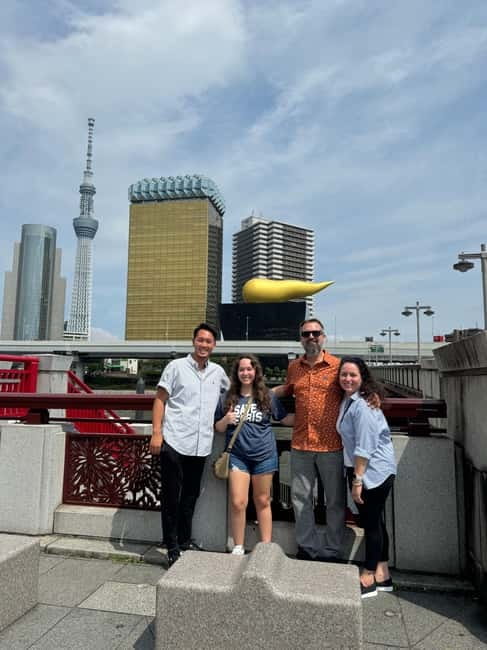
The experience is strongest when you give the guide a clear personal goal. You might want a neighborhood shopping street, a sushi meal, an old diner, a quiet temple, or a better understanding of how residents use a place.
Several guides have helped with small but valuable tasks. Tamami helped a family arrange Suica cards for public transport, which made the rest of their Japan trip easier. Guides have also helped visitors navigate markets, locate suitable restaurants, and choose coffee or dessert breaks.
These are not dramatic sightseeing moments, but they can save time and reduce stress. Tokyo rewards curiosity, yet it can be tiring to make every decision alone. A local companion can explain what you are seeing while also handling the small choices that keep the day moving.
You should not expect guaranteed access to a secret restaurant or a reserved table simply because the description refers to local contacts. The available information promises access to places known through the guide’s connections, but specific venues depend on your interests, availability, and the final plan.
Walking, trains, heat, and family pace
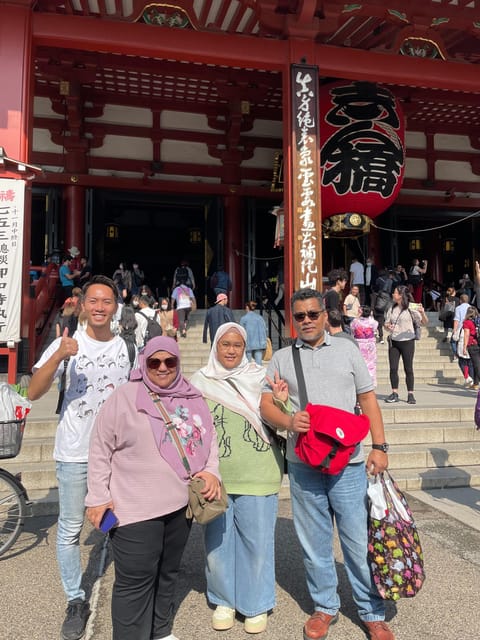
This is a walking tour, not a private car excursion. Public transport may be part of the day, and transportation fees for you are not included. Wear shoes you can use comfortably for several hours and allow time for station walks and transfers.
The level of walking can vary sharply. One group covered about 12 miles with several train rides, while another chose a two-hour neighborhood visit. Tell the guide your limits at the planning stage and repeat them when the day begins.
Families can benefit from the private format because the guide can change the rhythm. A guide named Love kept children aged seven and ten interested in Japanese culture, history, and social life. Another guide worked patiently with a four-year-old and kept the child involved.
Private does not mean effortless. Tokyo stations can be large, and hot or rainy weather can change the feel of an outdoor route. A guide adjusted one rainy-day plan and another helped a family stay safe in extreme heat, but you still need sensible clothing, water, and realistic expectations.
The tour is listed as wheelchair accessible, though the exact route should be discussed in advance. Accessibility can depend on the districts selected, the amount of walking, and the train connections used.
What the guides add
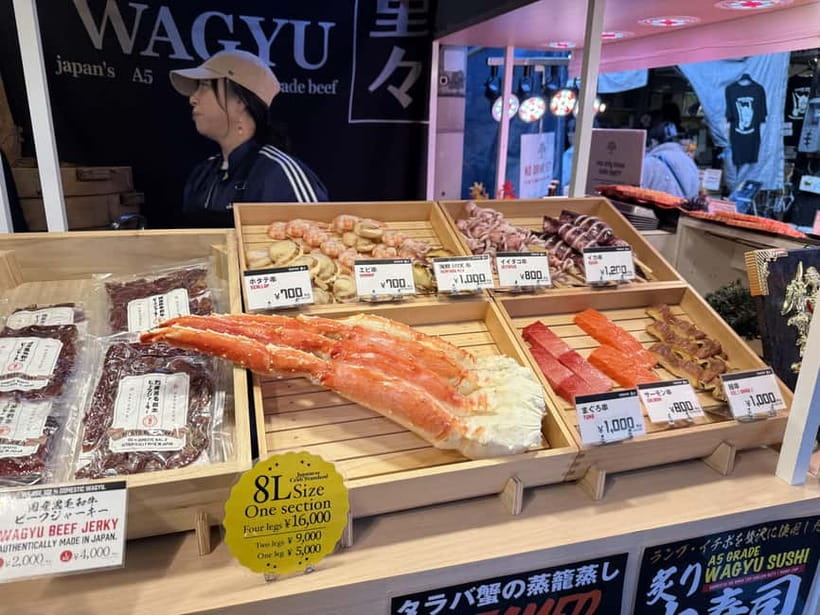
The most praised part of this experience is the guide relationship. The strongest guides are not just giving facts. They are reading your energy, changing the amount of explanation, and helping each person in the group find something to enjoy.
Sherilyn has led routes through several neighborhoods, helped with a long layover, and adjusted plans around personal interests. Douglas described her as energetic and able to judge how much information to give before moving on. That is a useful skill in Tokyo, where too much detail at every shrine can wear you down.
Ken has been especially effective for visitors interested in local life and less familiar streets. He has explained shrine customs, helped with markets, and taken groups to a historic sushi restaurant. If you want a quieter route, ask whether he or a similar guide is available, but guide assignment is not guaranteed.
Mami has arranged lunch and café breaks, found vegan food, and sent photographs after the day. Moeka has received praise for clear organization, warm communication, and thoughtful follow-up information. Ayuko has led routes around Meiji Shrine, Shibuya, Shinjuku Gyoen, and local dining.
Other named guides include Rika, Momo, Yuri, Hana, Daniel, Sho, Mariko, Kanon, Atsushi, Tamami, and Yoshiko. The repeated pattern is flexibility rather than one standard personality or route. Your result will depend on the guide assigned and how clearly you explain what you want.
What the $30 price really covers
The advertised price of $30 per person covers the customized experience, an English-speaking local guide, and the walking tour. For a private booking, that is an attractive starting price, especially if you are splitting it among several people.
It does not cover admission tickets, your transport, lunch, personal spending, private transportation, or the guide’s necessary expenses. These extras can matter more than the headline price if you choose paid attractions, travel across several districts, or spend a full day eating and shopping.
The best value comes when you use the guide for orientation and access to places that would take you longer to find alone. It is less useful if you only want a fixed transfer between famous sights or prefer to plan every minute yourself.
For a first day in Tokyo, five to eight hours gives the guide enough time to explain the city and help you learn the train system. For a layover, one to three hours can still work if you choose a compact area. An eight-hour day offers the most variety, but only if you are comfortable with a long walking day and added meal and transport costs.
Cancellation is free up to two days in advance for a full refund. Starting times vary, so check availability when choosing the duration.
Who should book this Tokyo tour
I would choose this experience if you want a local introduction without joining a large group. It suits first-time visitors, families with different interests, food-focused visitors, and people who want help with trains, markets, or shrine etiquette.
It is also a good fit for a long layover. Sherilyn planned a full outing for visitors with limited time, and the private format lets you stay close to the area that makes the most sense for your flight schedule.
You should think twice if you dislike walking, do not want to pay for the guide’s meal when appropriate, or expect every famous attraction to be included in the base price. You should also avoid packing too many districts into a short session.
FAQ
How long does the private Tokyo tour last?
You can book the experience for 1 to 8 hours. Starting times depend on availability.
Is the tour private?
Yes. It is offered as a private group experience, so the itinerary is designed for your group rather than a shared sightseeing party.
Is the guide English-speaking?
Yes. The live guide language is English, and English is the listed language for the activity.
What places can I include?
The plan can include major sights such as Asakusa Temple, TeamLab, and Shibuya, along with shopping streets, sushi spots, temples, diners, markets, and neighborhoods selected around your interests.
Are transportation and entrance fees included?
No. Your transportation fees and entrance fees are not included. Private transportation is also not included.
Is lunch included?
No. Lunch is not included. The guide’s necessary expenses during the tour are also listed separately, so confirm the arrangements before the day begins.
How will I meet the guide?
Pickup is optional, with the meeting arranged near the first destination. The guide will contact you through WhatsApp, so download WhatsApp before the tour.
Should you book it?
Book this tour if you want Tokyo to feel less like a checklist and more like a day shaped around your interests. Ask for one clear theme, or combine a major sight with a quieter neighborhood and a food stop. That gives the guide something useful to build around.
I would favor five to eight hours for a first full day, two hours for a focused market or neighborhood visit, and a shorter plan for a layover. Confirm extra costs, explain your walking pace, and message your priorities through WhatsApp. With those details settled, this is a flexible way to see both Tokyo’s famous face and the smaller places that give the city its character.
More 1-Day Tours in Tokyo
More Private Tours in Tokyo

More tours in Tokyo we've reviewed






1-Day Tours, compared.
 ★ 5.0Mt Fuji and Hakone 1-Day Bus Tour Return by Bullet TrainFrom $163
 ★ 5.01-Day Tokyo Bus TourFrom $129
 ★ 4.0Mt Fuji & Hakone Cruise, Drum Show Bullet Train 1 Day from TokyoFrom $149
 ★ 4.5Tokyo: DisneySea 1-Day PassportFrom $571 day
 ★ 4.6Tokyo Disneyland 1-Day PassportFrom $571 day
 ★ 4.2Tokyo: Mt. Fuji 5th Station & Hakone Cruise 1-Day Bus TourFrom $12911 hours