
Reviewed · SAKE TASTING
Unique Brewery Tour and One-of-a-Kind Sake Tasting Near Tokyo
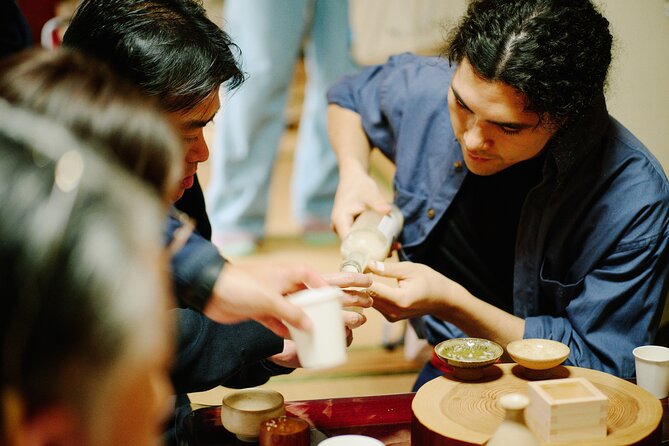
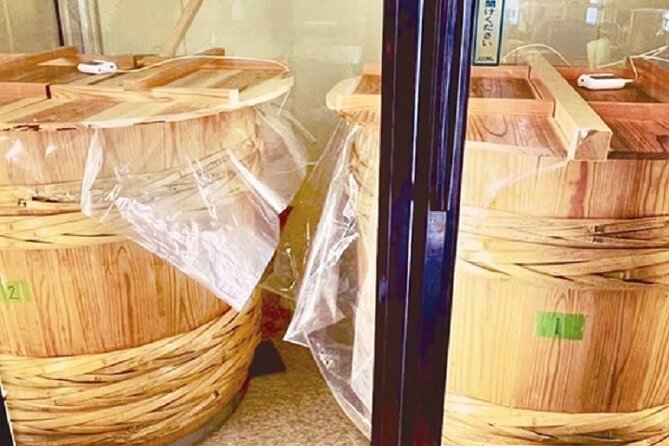
Yamane Brewery makes doburoku, an unfiltered sake bottled while fermentation continues. It is rare, lively, and hard to store, so this small-batch visit gives you a look at a drink you are unlikely to find on an ordinary restaurant menu. The brewery itself operates from a repurposed convenience store and uses wooden Nishikawa timber barrels instead of standard stainless steel tanks.
I like two things here. First, the sake is tied closely to Hanno: local wood, water, soil, and snacks all have a role. Second, the group is capped at eight, giving you a better chance to ask questions and speak with the brewer or guide. The main consideration is cost: at $100.43 per person, you still pay for bus transportation and lunch separately.
In This Review
- Key points at a glance
- Why this sake is different from ordinary sake
- Meeting at Hannō Station at 1 pm
- Inside a repurposed convenience store brewery
- Three pours in cups made from Hanno soil
- Nature conservation and careful production
- Returning to Hannō and planning lunch
- Is $100.43 a fair price?
- Who will enjoy this Hanno sake outing?
- Should you book this tour?
- FAQ
- Where does the tour begin?
- What time does the tour start?
- How long does the experience last?
- Where does the tour end?
- How many people can join?
- Is sake included in the price?
- Is lunch included?
- Are transportation costs included?
- Can I cancel for a refund?
Key points at a glance
- Rare doburoku tasting: Try three types of unfiltered sake that are difficult to store and rarely served in restaurants.
- Wooden barrel brewing: Yamane uses traditional barrels made from local Nishikawa timber rather than stainless steel tanks.
- Hanno-made tasting cups: Sake is served in cups made from 100 percent Hanno soil, a scarce material no longer produced.
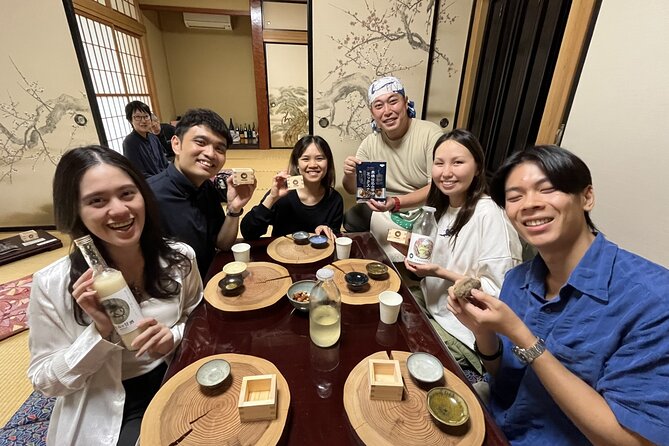
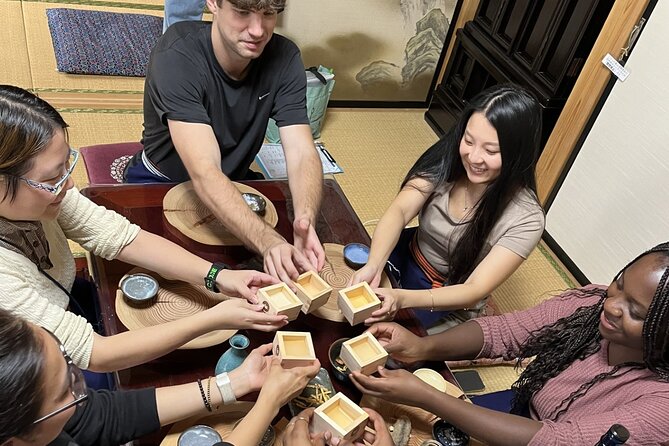
- Small group format: A maximum of eight people keeps the visit personal and makes questions easier.
- Easy Tokyo side trip: Hannō is about an hour by train from Tokyo and also works with visits to Chichibu, Kawagoe, or Moominvalley Park.
- Local craft with a wider purpose: The brewery connects sake making with nature conservation, local materials, and careful production.
Why this sake is different from ordinary sake
Most visitors know sake as a clear or lightly cloudy drink served in restaurants and izakaya. Doburoku belongs to an older, less polished style. The fermented mash, called moromi, is bottled without the usual filtration, and fermentation can continue inside the bottle.
That extra life brings character, but it also creates a problem. Doburoku is difficult to store, which helps explain why you rarely see it on a standard drinks list. At Yamane, production stays small, and each batch can show its own mix of aroma, texture, sweetness, and fermentation.
I would approach the tasting with curiosity rather than a fixed idea of what sake should taste like. The point is not to compare three factory-made labels. It is to notice how a living, unfiltered drink changes from one sample to the next.
The tasting includes three types of sake, along with Japanese snacks. Specific seasonal availability can change, so one especially praised sake, Yamane no Minori, may not be offered at every visit. That is part of the nature of a small producer. You get a particular moment in the brewing calendar, not a guaranteed catalog of permanent products.
If you're still narrowing it down, here are other tours in Saitama Prefecture we've reviewed.
Meeting at Hannō Station at 1 pm
Your day begins at Hannō Station, where you meet the guide outside the ticket gate. Look for a tour placard. This is a useful setup for first-time visitors because you do not need to find a remote brewery on your own.
After a short briefing, the group travels by bus toward Yamane Brewery. The transfer takes part of the opening 40-minute segment, and the cost of public transportation is not included in the tour price. Bring money or a transit card for the bus, and allow room in your plans for the trip back.
Hannō is roughly an hour from Tokyo by train, making this practical as a half-day outing. It is not a quick stop beside a major Tokyo station, but the journey gives you a reason to see a less familiar part of Saitama. You can also pair the outing with nearby destinations such as Chichibu, Kawagoe, or Moominvalley Park, though you should check the timing before adding another fixed booking.
The group limit of eight matters here. Station meetups and public buses can become confusing with a large party. A small group is easier to gather, and the guide can spend more time explaining the brewery rather than managing a crowd.
Inside a repurposed convenience store brewery
Yamane Brewery is unusual before you taste a drop. It operates from a former convenience store, giving the place a practical, improvised feel rather than the grand look of a historic commercial brewery.
You also visit the home of the head of a traditional Japanese house, a setting filled with character and history. The tour combines the working brewery with a personal, lived-in place, so you are not simply walking through an industrial production room. The setting helps connect the sake to the people and land behind it.
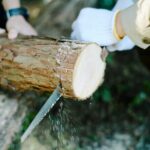
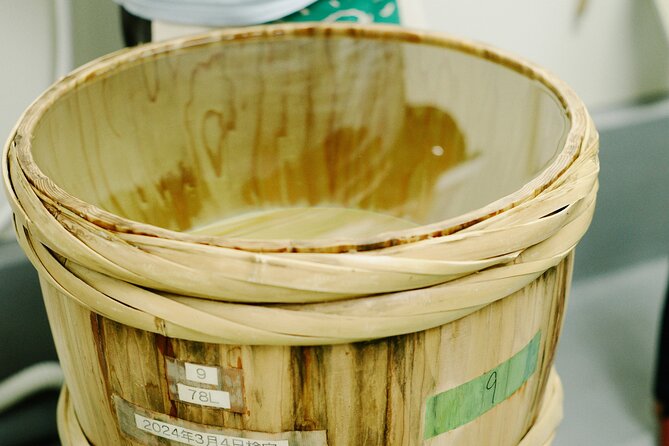
The brewery’s method is the real focus. Large modern producers often rely on stainless steel tanks, but Yamane uses wooden barrels made from local Nishikawa timber. The wood allows natural microorganisms to remain part of the brewing environment. Along with the local water, those materials can influence the flavor and make each batch distinct.
That does not mean every sip will suit every palate. Natural fermentation and unfiltered sake can taste less predictable than a clean, standardized bottle. If you prefer very crisp, uniform sake, ask questions and take small sips. If you enjoy unusual drinks with a strong sense of place, this is the part of the tour most likely to stay with you.
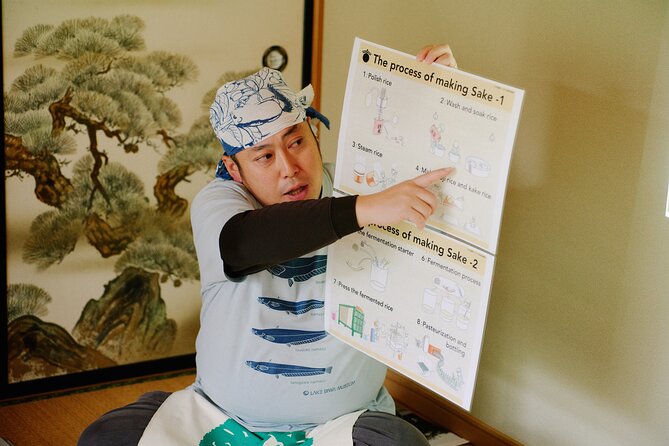
The brewing process also uses the bag-hanging technique, a traditional method noted during the visit. The experience gives you a look at the tools and steps involved, not just a tasting at the end. The owner, identified in tour feedback as Fukunari Wakabayashi or Fuku-san, is described as closely involved in the one-person operation and generous with explanations.
Names and roles can vary depending on who leads your date, so treat the listed guide as your contact rather than expecting a large staff. The central idea remains the same: you are seeing a small operation where the brewer’s choices are visible in every part of the process.
Three pours in cups made from Hanno soil
The tasting is served in locally crafted cups made from 100 percent Hanno soil. This material is no longer produced and exists only in limited quantities, so the cups are more than a decorative extra.
They reinforce the point of the visit: local identity is not just a label on the bottle. The water, timber, clay, ingredients, and snacks all help tell the story of Hanno. You can pay attention to how the cup feels in your hand and how the serving vessel changes the mood of the tasting.
Three types of sake are included, plus snacks known as tsumami. The samples let you compare styles and textures instead of making a single purchase and guessing what you like. The guide also explains the proper way to serve sake, which adds a useful practical note for anyone who wants to continue exploring Japanese drinks after the tour.
Some of the strongest praise for the experience centers on the tasting itself, but the value comes from the explanation around it. You learn why the drink is unusual, how the brewery handles fermentation, and how local materials affect the final product. It is a better fit for someone who wants context with a drink than for someone looking only for a large pour or a souvenir bottle.
Because doburoku continues fermenting, you should listen carefully to handling and storage advice. The supplied information does not specify whether bottles are available to take home, so do not build your plans around buying one. The experience guarantees the tasting, not a particular seasonal label or retail selection.
Nature conservation and careful production
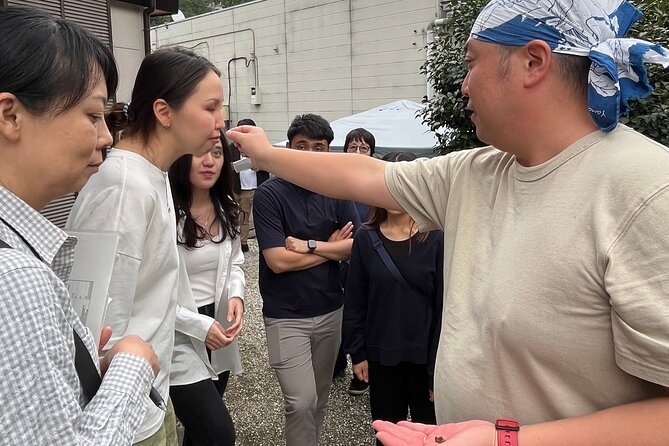
Yamane’s approach reaches beyond old-fashioned equipment. The owner is also described as a researcher with a background in natural studies, and the brewery links production with animal and nature conservation.
That connection gives the tour a wider purpose. You are not only hearing that local ingredients are good for marketing. You are seeing a small business use local materials while trying to protect the environment that supplies them. The result is a conversation about limits: how much can be produced, what should be preserved, and why quantity is not always the goal.
This may appeal to you if you care about rural sustainability, local economies, or traditional crafts. It may be less appealing if you expect a polished corporate tour with a large tasting room, fixed product range, and highly standardized presentation.
The operation also runs an inn and barbecue area, according to the information provided. Those facilities may make Hanno worth a longer visit, but this booked experience lasts about three and a half hours and does not include an overnight stay or meal.
Returning to Hannō and planning lunch
After the brewery visit, you ride the bus back to Hannō Station with the guide. The return portion is listed as about 30 minutes, and the activity ends at the same station where you began.
Lunch is not included. The guide can recommend local restaurants near the station, which is useful if you want to keep your meal in Hanno rather than rushing back to Tokyo. The published schedule gives a 1 pm start and an approximately three-and-a-half-hour duration, so plan lunch after the activity unless the operator confirms a different schedule for your date.
Do not book a tight onward train, attraction entry, or evening reservation. The tour uses public transportation, and the brewery is outside the station area. A little flexibility will make the day more comfortable.
The station ending is convenient for splitting up afterward. You can return to Tokyo, continue toward another Saitama destination, or stay for a meal. Just remember that the tour price does not cover your bus fares or food.
Is $100.43 a fair price?
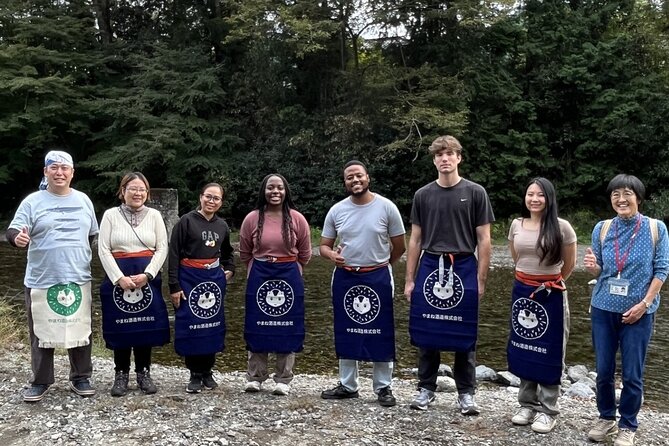
At $100.43 per person, this is not a bargain tasting. You are paying for a small group, a guided brewery visit, transportation coordination, three sake samples, and snacks. You also receive access to a production method and a drink that are not easy to find through an ordinary Tokyo bar crawl.
The value improves if you already plan to visit Hanno or want a focused half-day outside central Tokyo. It is harder to justify if you only want to sample familiar sake styles at the lowest possible price. A department-store tasting or Tokyo sake bar will likely offer more bottles for less money, but not this combination of doburoku, wooden barrel brewing, local cups, and direct access to a tiny producer.
Group discounts may be available, which can help if you are booking with friends. Since lunch and public transportation are extra, include those costs in your day’s budget before booking.
Free cancellation is available up to 24 hours before the start time for a full refund. Changes or cancellations inside that window are not refunded, and the activity requires a minimum number of participants. If that minimum is not met and the operator cancels, you are offered another date or experience, or a full refund.
Who will enjoy this Hanno sake outing?
I would recommend it most strongly to:
- Sake drinkers who want to try something outside the usual restaurant selection.
- Visitors interested in fermentation, traditional tools, and small-scale food production.
- People who enjoy meeting a hands-on maker rather than touring a large commercial plant.
- Nature-minded visitors who care about local timber, soil, water, and conservation.
- Tokyo visitors looking for a half-day side trip with a clear cultural focus.
- Small groups who can make use of the group discount.
You do not need to be an expert. The tour includes an explanation of how Yamane differs from conventional brewing, and the small group makes it easier to ask basic questions.
I would hesitate if you dislike experimental or cloudy drinks, need an entirely indoor luxury experience, or have a strict schedule after the tour. The bus ride, separate costs, and small producer format require a bit more patience than a tasting counter in central Tokyo.
Should you book this tour?
Book it if you want a personal look at Hanno through its sake, wood, soil, and surrounding nature. The rare doburoku is the main reason to go, while the wooden barrels and limited Hanno cups give the visit depth beyond a standard tasting.
Skip it if price is your main concern or if you only want familiar, widely available sake. For the right visitor, the $100.43 fee buys access to a hard-to-find drink and a production story that cannot be copied by a large brewery. Meet at Hannō Station, budget extra for the bus and lunch, and leave your afternoon flexible.
FAQ
Where does the tour begin?
The tour begins at Hannō Station in Saitama Prefecture, outside the ticket gate. Look for the guide holding a tour placard.
What time does the tour start?
The stated start time is 1:00 pm.
How long does the experience last?
The full activity lasts approximately 3 hours and 30 minutes.
Where does the tour end?
The experience ends back at Hannō Station, the same meeting point used at the start.
How many people can join?
The maximum group size is eight participants.
Is sake included in the price?
Yes. The tour includes a tasting of Japanese sake and a sampling of snacks.
Is lunch included?
No. Lunch is not included, though the guide may recommend local restaurants near Hannō Station after the tour.
Are transportation costs included?
No. Public transportation costs, including the bus used to reach and leave the brewery, are not included in the tour price.
Can I cancel for a refund?
You can cancel at least 24 hours before the experience start time for a full refund. Cancellations or changes made less than 24 hours before the start time are not refunded.
More tours in Saitama Prefecture we've reviewed
Sake Tasting, compared.
 ★ 5.0Ramen and Sushi Cooking Class with Sake Pairing Set in TokyoFrom $79
 ★ 5.0Sake Tasting Masterclass in Shinjuku (8+ Varieties with a Pro)From $72
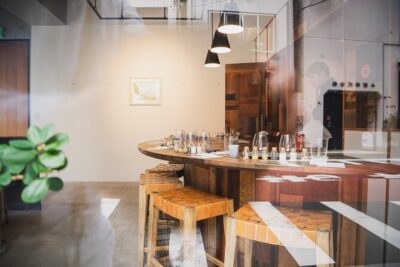 ★ 5.0Sake Omakase in Tokyo: Guided Tasting by Certified SommeliersFrom $79
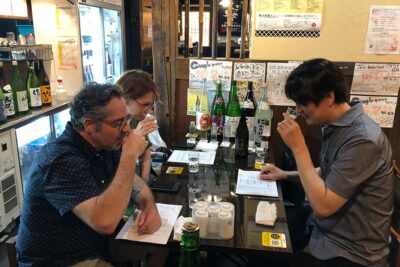 ★ 5.0Tasting All Types of Sake with SommelierFrom $62
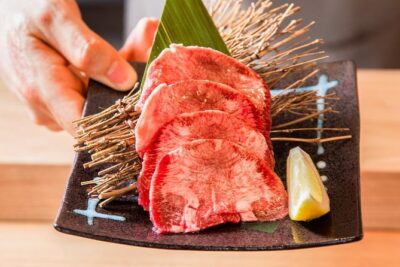 ★ 5.0Wagyu & Sake Pairing in Shinjuku – Steak, Shabu-Shabu & MoreFrom $148
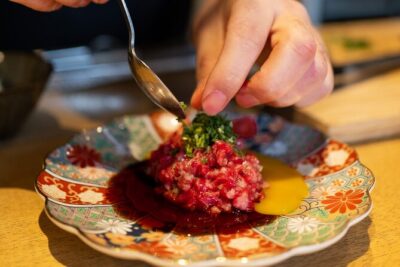 ★ 5.0Tokyo Wagyu & Sake Pairing Tasting Experience with Local FlavorsFrom $151