
Reviewed · WORKSHOPS
Tokyo/Ikebukuro Manga lesson by acitive pro-Manga artists
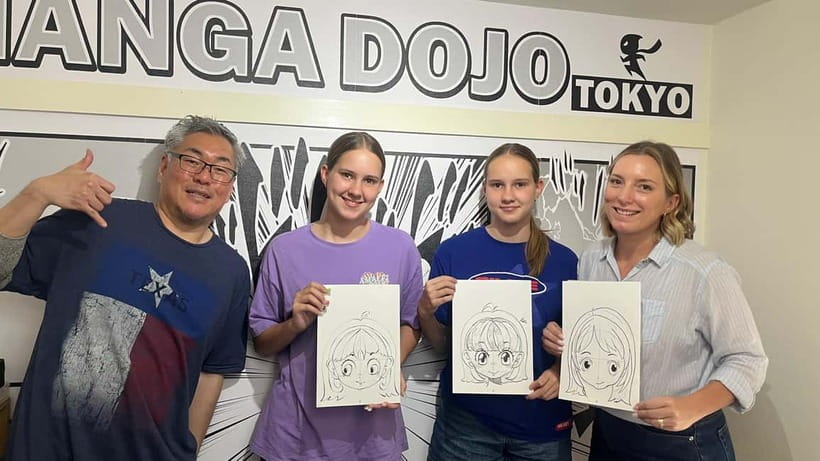
Tokyo’s Manga Artist Experience puts real comic-making tools in your hands, not just behind glass in a museum. Near Ikebukuro’s Animate, you’ll learn from working artists, sketch original characters, and build a short comic in a small class with English interpretation.
I like the hands-on use of G pens, ink, and screen tones, and I like the chance to ask artists about their working lives. The two-hour format is easy to fit into a Tokyo day, though the $127 price may feel high if you expect a full professional drawing course rather than a guided cultural activity.
In This Review
- Key points at a glance
- What the two-hour manga class actually offers
- Starting near Ikebukuro’s Animate
- The opening lesson: manga history and working life
- Character design, from a blank page to an original figure
- Traditional tools: G pens, ink, paper, and screen tones
- Creating a short story comic together
- Picking the right session time
- How much value do you get for $127?
- Who should book this manga experience?
- What to know before you go
- FAQ
- Where is the manga lesson held?
- How long does the manga workshop last?
- What languages are used?
- Are drawing materials included?
- Do I need drawing experience?
- Which course is best for adults?
- What does the intermediate course teach?
- What does the advanced course teach?
- Are children allowed to participate?
- Is food included?
- How many people are in each group?
- Is the activity wheelchair accessible?
- Can I cancel for a full refund?
- Should you book it?
Key points at a glance
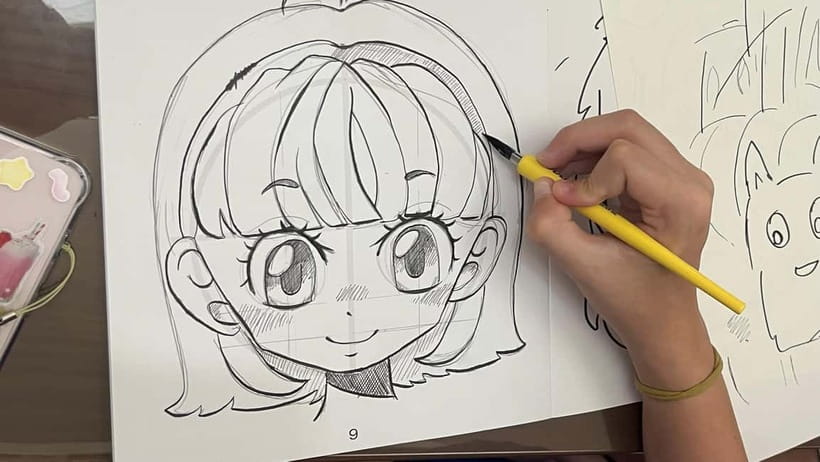
- Draw with traditional manga tools: Use G pens, manga paper, ink, and screen tones supplied for the class.
- Choose your skill level: Beginner, intermediate, and advanced sessions cover different drawing and storytelling goals.
- Learn from active artists: Instructors can discuss published work, career paths, and everyday life as manga professionals.
- Work near Ikebukuro’s Animate: The location puts you close to one of Tokyo’s major manga and anime shopping areas.
- Small classes help with questions: Groups are limited to eight people, with English and Japanese instruction.
- Suitable for families and adults: The beginner class is aimed at younger children and families, while later sessions suit older students and experienced artists.
What the two-hour manga class actually offers
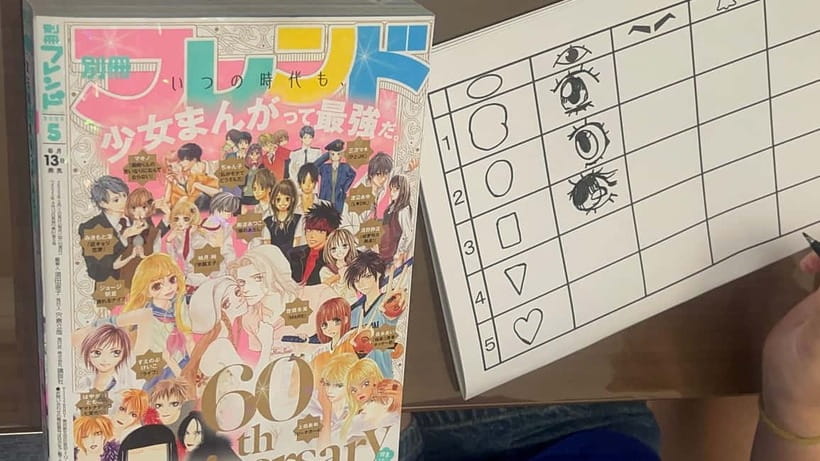
This is a workshop built around making, not simply watching a demonstration. The class introduces manga as both an art form and a part of Japanese popular culture, then gives you time to draw using tools associated with traditional production.
The format is broad enough for a first-time artist. You can learn basic character construction, create an original figure, and work toward a short comic. Depending on your selected course, you may also practice chibi characters, a four-panel comic, panel arrangement, facial expressions, anatomy, and storyboarding.
You should keep your expectations sensible. Two hours is enough to learn a foundation and complete a small creative project, but not enough to master professional manga production. One participant found the experience enjoyable but felt the cost was high for the amount of detailed instruction provided. That is a fair warning, especially if you already draw regularly and want intensive technical coaching.
For most people, the value comes from the mix of cultural context, direct instruction, and a memorable activity. You are paying for an introduction to the manga-making process, professional tools, interpretation, and access to working artists in a small group.
A few more Tokyo tours and experiences worth a look



Starting near Ikebukuro’s Animate
The venue is near Ikebukuro’s Animate, a useful landmark for anyone interested in manga, anime, games, or character goods. The meeting point can vary with the option you book, so check your confirmation carefully rather than assuming every class begins at the same door.
Ikebukuro is a sensible setting for this activity. You can pair the workshop with time around Animate and the surrounding anime district, making the class part of a larger pop-culture day. It also gives younger participants something concrete to look forward to after the lesson.
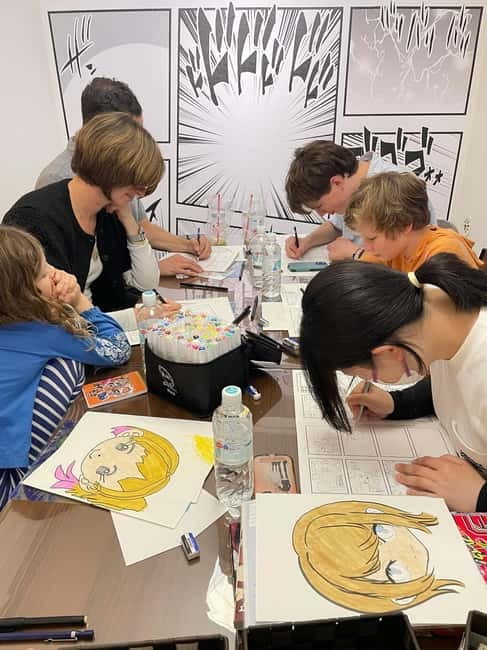
The group size is limited to eight. That matters here. Drawing instruction works better when the teacher can look at your page, answer a question, or show a correction without rushing through a crowd.
English interpretation is provided, with instruction in English and Japanese. Akari has helped interpret sessions and received particular praise for making the lesson easy to follow. If you worry that a Japanese art class will move too quickly, the interpreter is an important part of the experience rather than a minor extra.
The opening lesson: manga history and working life
The class begins with information about manga, its history, and its place in Japanese culture. This gives you useful context before you pick up a pen. You are not simply copying a face from a board. You learn why manga uses distinctive visual conventions and how a page combines drawing, pacing, dialogue, and layout.
The opening talk also connects the art to the people who make it. The instructors are active professional manga artists, and sessions have featured Kazuo Maekawa. You can see examples of an artist’s published comics and ask about the work behind them.
That question-and-answer element adds something a standard art lesson cannot. You can ask how artists earn a living, what their daily routines involve, and how a hobby can develop into a career. The answers will not turn you into a professional in one afternoon, but they offer a more honest view of manga work than the polished finished page alone.
The instructors are described as approachable and entertaining, which helps when the group includes mixed ages and skill levels. Drawing in front of other people can make beginners nervous. A friendly teaching style lowers the pressure and keeps the class focused on trying rather than producing a perfect page.
Character design, from a blank page to an original figure
The practical work moves into character drawing. You learn how to build a face and develop an original manga character, with the exact depth depending on your chosen level.
For beginners, the goal is a clear starting point. You may practice simple shapes, facial features, and basic manga techniques. The children’s and family session is designed for junior high school students and younger, but adults with no drawing experience can also benefit from its slower, friendlier approach.
The class may also include a demonstration of a familiar character such as Pikachu. That gives younger artists an easy way into the lesson. Copying a recognizable figure can help you understand proportions and expressions before you try to invent your own.
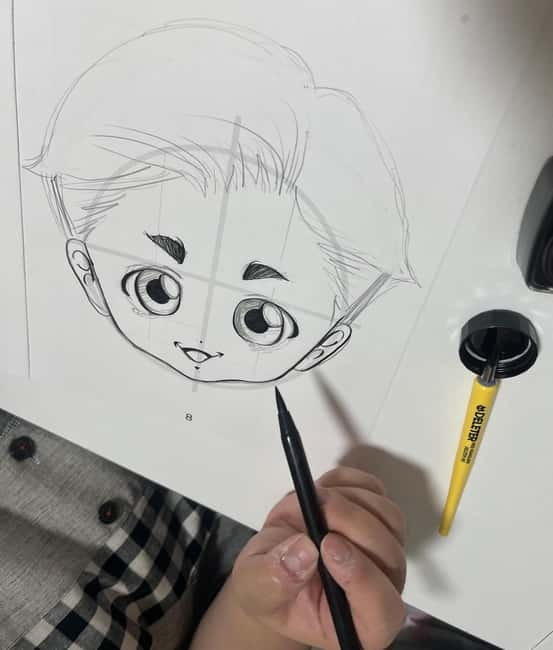
The intermediate course adds character design, chibi drawing, and the structure of a four-panel comic, known in Japan as yonkoma. A four-panel format is a smart teaching tool because it forces you to think about setup, action, and payoff in a short space. You learn that manga is not only about drawing attractive characters. It is also about deciding what happens next.
The advanced session takes a more serious route. It covers character design, panel layout, storyboarding, anatomy, and facial expressions. It also includes career advice and a question-and-answer session with a professional artist. If you already draw as a hobby, this is likely the most useful option.
Traditional tools: G pens, ink, paper, and screen tones
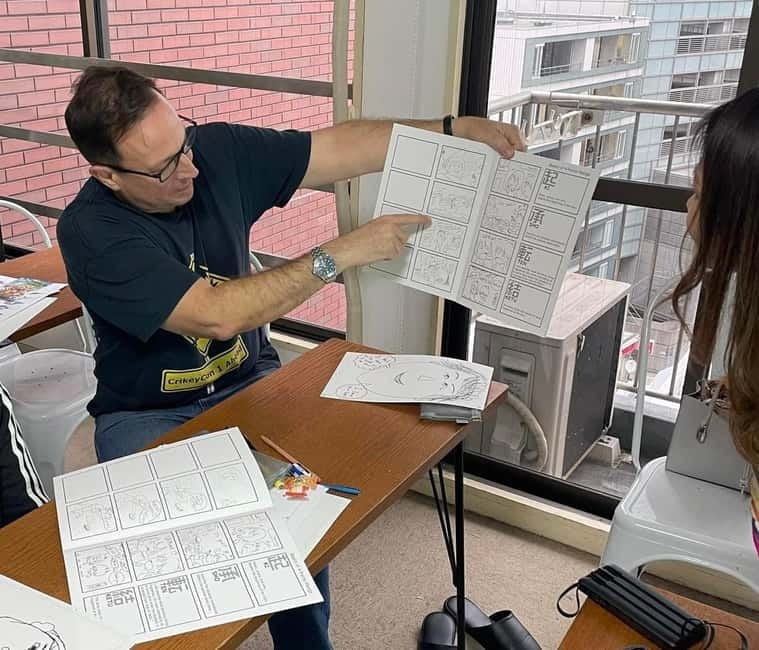
The supplied equipment is one of the class’s strongest features. You receive the tools needed for the activity, including a G pen, ink, manga paper, and screen tones.
A G pen is not the same as drawing with a standard ballpoint or pencil. It lets you create expressive line variation, which is part of the look many people associate with traditional manga artwork. The point takes practice, so do not expect your first lines to look like a published page.
Screen tones are another useful introduction. These patterned sheets add shading, texture, and mood without requiring every gray area to be drawn by hand. Using them gives you a small taste of the production methods behind printed manga.
The tools make the experience feel more authentic, but they also set a limit. You will be introduced to the materials rather than trained to use them at a professional level. If you want detailed lessons on inking, perspective, digital software, or page preparation, this workshop may feel too short.
Still, using the actual materials is more satisfying than filling in a generic worksheet. You leave with a better sense of how a manga page is built and why line control and tone placement matter.






Creating a short story comic together
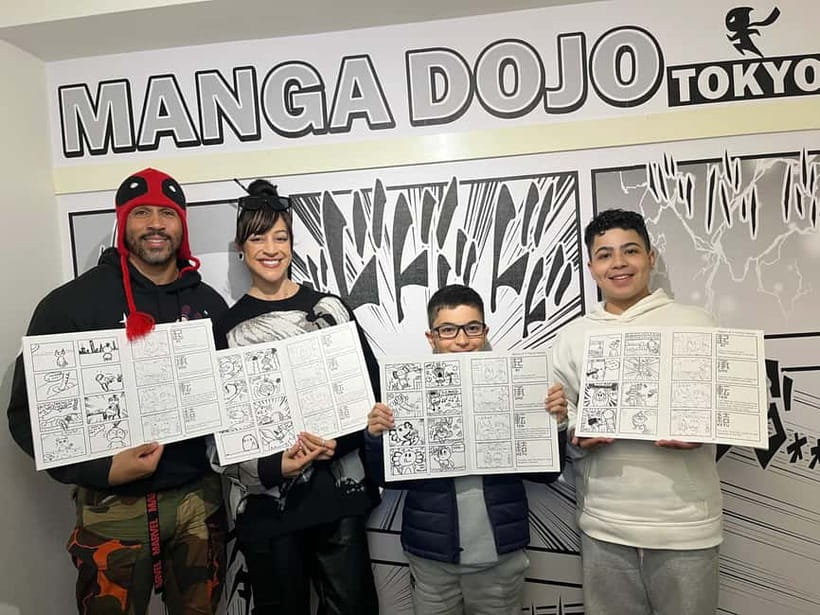
The most rewarding part for many participants is turning separate drawings into a story. The program includes short-story manga creation, and group manga production can add a team-building element.
This is especially useful for families or friends. One person might focus on a character, another on the action, and another on the sequence of panels. The work becomes a shared project rather than a private drawing exercise.
The class is not presented as a professional publishing course. Think of the comic as a compact finished activity that helps you apply the ideas from the lesson. You get to make decisions about characters, expressions, panels, and story flow within a manageable time.
The four-panel format in the intermediate session is particularly practical. It gives you a clear boundary and reduces the fear of facing a blank page. A short comic can be funny, simple, or character-focused. The point is to understand how drawings work together across panels.
If you are attending with children, remember that artistic ability will vary. The beginner class is the safer choice for younger participants. Older children who already draw confidently may prefer the intermediate session, while the advanced option is intended for serious learners and aspiring professionals.
Picking the right session time
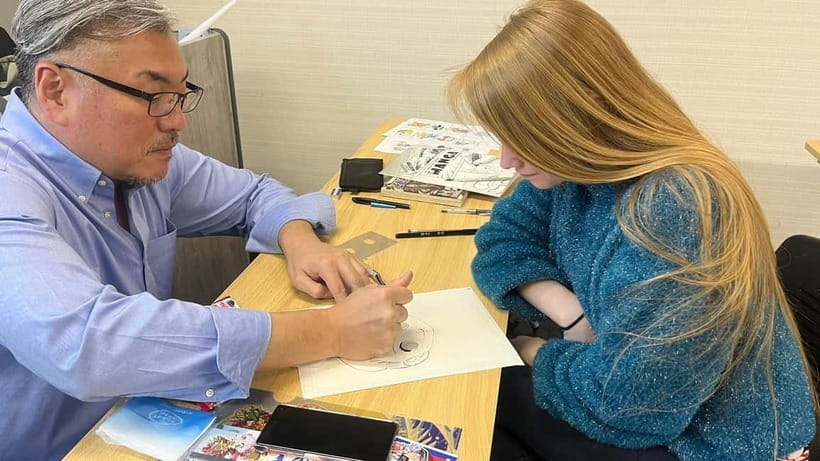
The three levels run at set times, so your choice affects both the content and the pace.
Beginner, 10:00 to 12:00: This is for junior high school students and younger children, families, and people starting from scratch. You will cover character basics and simple manga methods in a relaxed setting.
Intermediate, 13:00 to 15:00: This suits high school students, adults, and hobby artists with some experience in illustration or manga. Character design, chibi figures, and four-panel comics are central topics.
Advanced or professional, 15:00 to 17:00: This is for advanced learners and people considering manga as a career. You will work on anatomy, expressions, storyboards, panel layout, and professional questions.
Do not choose the advanced class just because it sounds more impressive. If you are a beginner, difficult material can leave you with less time to enjoy the creative side. Likewise, an experienced teenage artist may find the morning family course too basic.
The schedule also makes this easy to combine with other Ikebukuro plans. A morning lesson leaves the afternoon free for shopping and sightseeing. An afternoon class works well after exploring the area, though you should allow enough time to reach the meeting point.
How much value do you get for $127?
At $127 per person, this is not a cheap casual craft session. The fee includes the two-hour lesson, drawing equipment, English interpretation, and a small gift from a manga artist. The limited group size also helps explain the cost.
I would judge the price by your reason for booking. If you only want paper and pencils with a quick drawing demonstration, the price is hard to defend. One participant enjoyed the class but thought it should cost about half as much, mainly because the instruction did not go into detailed manga skills.
If you value meeting working artists, using specialized tools, asking career questions, and having an English-supported cultural experience near Animate, the price becomes easier to understand. It is closer to a guided workshop than a drop-in art table.
Families should also think about the number of participants. The cost can add up quickly for several people, but the activity may be worthwhile for children who already love manga and want something more personal than shopping for character goods.
The small artist gift is a pleasant extra, but it should not determine your decision. The main value is the class itself and the chance to hear direct professional advice.
Who should book this manga experience?
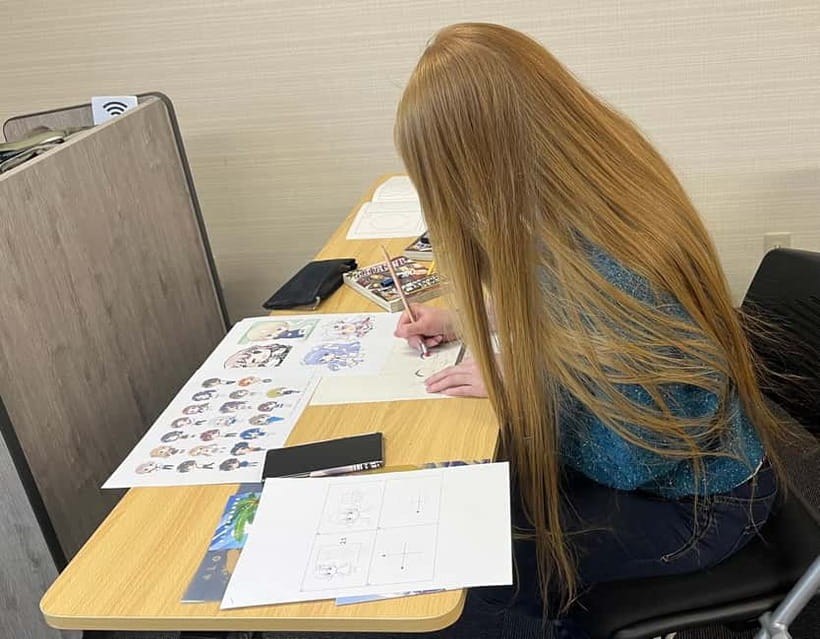
I would recommend it most strongly to:
- Families with children who enjoy drawing, manga, or anime
- Adults curious about Japanese pop culture and traditional comic production
- Hobby artists who want to try G pens and screen tones
- Manga fans who would like to ask a working artist about the profession
- Friends or relatives looking for a shared creative activity
- Visitors who want a structured experience near Ikebukuro’s Animate
It is less suitable for someone seeking a long technical course. You may also find it too introductory if you already have strong skills in anatomy, inking, storyboarding, or page design.
Children under five are not suitable for the activity. The information also gives mixed accessibility guidance: the activity is described as wheelchair accessible, yet wheelchair users are listed as not suitable. Contact the provider before booking if accessibility is important to you.
The class is small, but it is still a group lesson. If you want one-to-one coaching or a custom portfolio review, this is not the right format.
What to know before you go
Bring enthusiasm, not professional expectations. You do not need prior experience, and all manga drawing equipment is supplied. Food and drinks are not included, so plan those separately around the two-hour session.
Check which course you booked and confirm the meeting point, since the location can vary by option. The venue is near Animate in Ikebukuro, but do not rely only on the general neighborhood name.
The free cancellation deadline is 14 days before the activity. After that point, the stated full-refund policy may not apply, so check the terms before committing.
The experience has an overall rating of 4.5 from 10 ratings, with especially strong praise for the clear structure, friendly teaching, professional instruction, and helpful interpretation. The most useful practical takeaway is that language should not prevent you from following the class, but the price deserves careful thought.
FAQ
Where is the manga lesson held?
It is held at a venue near Ikebukuro, right next to Animate. The exact meeting point may vary depending on the option you book.
How long does the manga workshop last?
The activity lasts two hours.
What languages are used?
Instruction is available in English and Japanese, and an English interpreter is present during the class.
Are drawing materials included?
Yes. Equipment supplied includes a G pen, ink, manga paper, screen tones, and other materials needed for the lesson.
Do I need drawing experience?
No. The activity accepts beginners and offers a beginner course designed for younger children and families.
Which course is best for adults?
The intermediate course is recommended for high school students and adults with some experience drawing illustrations or manga. The advanced course is for experienced artists and aspiring professionals.
What does the intermediate course teach?
It covers character design, chibi character drawing, and creating a four-panel comic, also called yonkoma.
What does the advanced course teach?
The advanced course covers character design, panel layout, storyboarding, anatomy, facial expressions, and manga career advice with a question-and-answer session.
Are children allowed to participate?
Yes. The beginner class is intended for junior high school students and younger children, as well as families. Children under five are not suitable for the activity.
Is food included?
No. Food and drinks are not included.
How many people are in each group?
The activity is described as a small-group experience limited to eight participants.
Is the activity wheelchair accessible?
The information is inconsistent. It describes the activity as wheelchair accessible but also lists wheelchair users as not suitable. Contact Manga Dojo Tokyo before booking to confirm the current arrangements.
Can I cancel for a full refund?
You can cancel up to 14 days in advance for a full refund, according to the stated cancellation policy.
Should you book it?
Book this if you want a personal, creative introduction to manga rather than a full professional training session. The strongest reasons are the active artists, English interpretation, small group, traditional tools, and chance to create your own character and short comic.
I would choose the course carefully and book it especially for a child, family, or manga fan who will value the memory of drawing in Tokyo. If your main goal is advanced technical improvement, compare the price with a longer specialist class before paying $127. For the right participant, this is a fun and thoughtful way to connect Ikebukuro’s anime culture with the people who actually make manga.
More Workshops & Classes in Tokyo

More tours in Tokyo we've reviewed










Workshops, compared.
 ★ 5.0Sushi Making Tokyo Roll and Authentic Japanese Sushi ClassFrom $59
 ★ 4.9Tokyo: Roll and Authentic Sushi Making Class in AsakusaFrom $581h 40m
 ★ 5.0Tokyo Shinjuku Chopsticks Making ClassFrom $20
 ★ 4.9Tokyo: Sushi Making Class in a Happi Coat near a Famous SpotFrom $421h 30m
 ★ 4.8Chopstick Making Workshop in GinzaFrom $251 hour
 ★ 5.0Tokyo Sushi Making Class in Tsukiji with Professional ChefFrom $49