
Reviewed · MT FUJI DAY TRIPS
Mt. Fuji, Cherry Blossom & Shiba Sakura Pvt. Day Tour
Mount Fuji is the star here, but the real appeal is the variety packed into one long day. You move from the mountain’s high 5th Station to the famous Chureito Pagoda, clear springs at Oshino Hakkai, an old forest shrine, and flower gardens beside Lake Kawaguchiko. Private roundtrip transport saves you from sorting out several trains and buses.
I like the flexibility, especially when guides such as Rana, Harry, Awais, and Dev have adjusted stops around weather, crowds, lunch, or a boat ride. I also like the comfort: an air-conditioned vehicle, onboard WiFi hotspot, and space for up to five people for $400 per group. The catch is time. Six major stops in about 10 hours can feel rushed, and Fuji views, cherry blossoms, and clear roads all depend on the day.
In This Review
- Key points to know before booking
- Why this private Tokyo to Fuji trip makes sense
- Mt. Fuji 5th Station: the high mountain viewpoint
- Chureito Pagoda and the classic Fuji photograph
- Oshino Hakkai: clear springs and a village atmosphere
- Kitaguchi Hongu Fuji Sengen Shrine: a quiet pause
- Lake Kawaguchiko: your best chance to add an activity
- Oishi Park and seasonal flowers
- What the guide service is really like
- $400 for up to five people: is it good value?
- Timing, crowds, and weather
- Who should book this Fuji day trip?
- FAQ
- How long does the Mt. Fuji private tour last?
- How many people can join the private tour?
- Where does the tour start and end?
- What places are included in the route?
- Is lunch included?
- Is the Mount Fuji 5th Station fee included?
- Does the tour include a boat ride or the Kachi Kachi Ropeway?
- Are cherry blossoms guaranteed?
- What happens if the weather is poor?
Key points to know before booking
- Six Fuji-area stops in one day: The route covers the 5th Station, Chureito Pagoda, Oshino Hakkai, Kitaguchi Hongu Fuji Sengen Shrine, Lake Kawaguchiko, and Oishi Park.
- Private transport from Tokyo: Your group travels together in an air-conditioned vehicle instead of managing several public transport connections.
- A strong option for groups: The $400 price covers up to five people, making the per-person cost more attractive when the vehicle is full.
- Flexible sightseeing style: The day can be adapted, and some guides have arranged boat rides, cable-car visits, different lunch timing, and extra photo stops.
- Weather matters greatly: Fuji may be hidden by cloud, and poor weather can lead to a new date or full refund.
- Extra charges apply: The Subaru Line 5th Station fee is listed separately, and food, drinks, and seasonal shuttle costs are not included.
Why this private Tokyo to Fuji trip makes sense
Getting from Tokyo to the Mount Fuji area is possible by train and bus, but the day takes planning. You need to watch schedules, connect between sites, and allow for crowded roads and limited local buses. This private setup puts your group in one vehicle for the outward and return journeys.
That convenience has real value. You can leave Tokyo together, keep bags in the vehicle, and avoid rebuilding your route at every stop. The onboard hotspot is useful for checking maps, translating signs, or keeping children occupied during the long drive.
The tour lasts about 10 hours, with several morning start times. Earlier departures are useful on clear days, since Fuji views can change quickly and the popular stops become crowded. Still, do not let anyone pressure you into changing your start time without a clear reason. One poor experience involved a requested time change that was not explained well, so confirm the agreed pickup details the day before.
The published meeting point is Tokyo Station, with the activity ending back there. Pickup is also offered, but you should confirm your hotel or pickup location before the day begins. Some successful outings included hotel pickup after the guide contacted the group in advance, while another account described confusion at the hotel lobby. A short confirmation message can prevent a long morning wait.
A few more Tokyo tours and experiences worth a look
Mt. Fuji 5th Station: the high mountain viewpoint
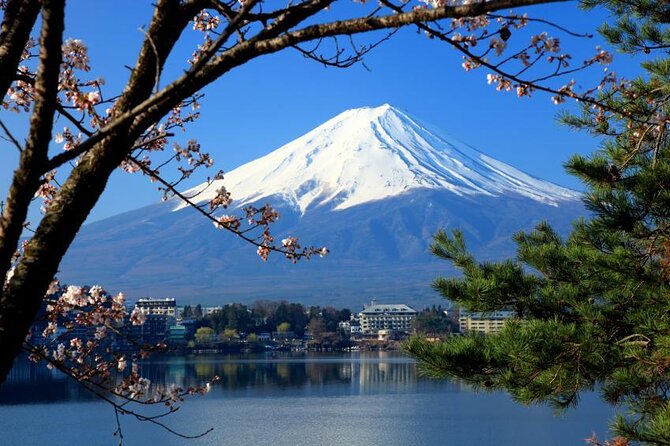
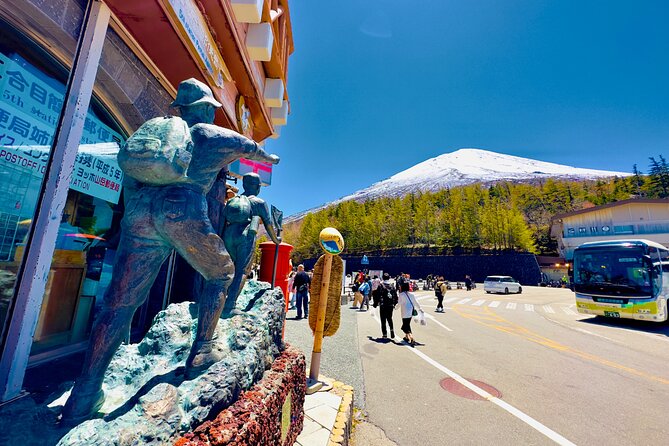
The Fuji Subaru Line 5th Station is the most developed and easiest of Mount Fuji’s four 5th stations to reach by private vehicle. It sits high on the mountain and is a popular sightseeing stop outside the climbing season as well as during it.
You get about two hours here in the planned schedule. That gives you time for mountain views, photos, shops, and a look at the changing environment as you rise above the Fuji Five Lakes area. On a clear day, this is your closest planned view of the upper mountain.
Access is not guaranteed all year. Snow can affect the road, and during the 2024 hiking season, from July 6 through September 10, a shuttle service operated from the 6th Station. The listed shuttle ticket was ¥2,500, or about $20. The tour also lists a separate ¥2,100 entry fee for the Subaru Line. Since fees and access rules can change, ask the operator what applies on your date.
This is one reason not to think of the tour as a fixed promise of six identical stops. Mountain roads and weather can force changes. If reaching the 5th Station is especially important to you, confirm the current road status before departure.
Chureito Pagoda and the classic Fuji photograph
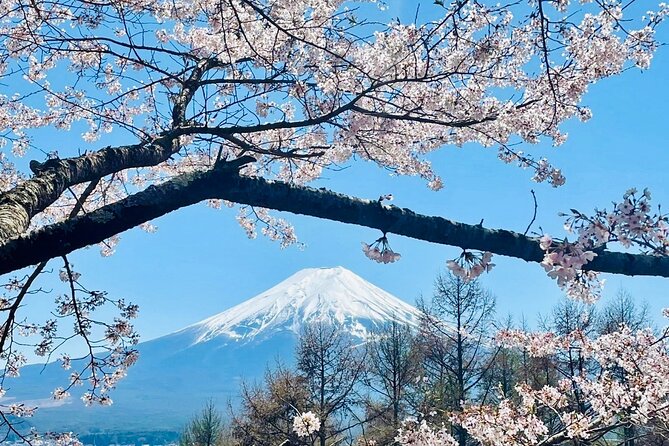
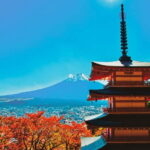
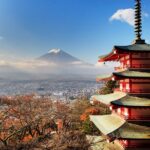
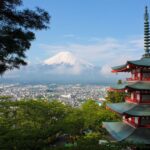
Chureito Pagoda is the most instantly recognizable photo stop on the route. From the viewpoint, you can frame the red-and-white pagoda, Mount Fuji, and seasonal flowers in one scene.
The planned visit is two hours, which is generous compared with a quick photo stop. The site includes an uphill approach, so allow time for stairs and pauses. The reward is a wide view across the surrounding area, with cherry blossoms adding the familiar spring setting when the timing is right.
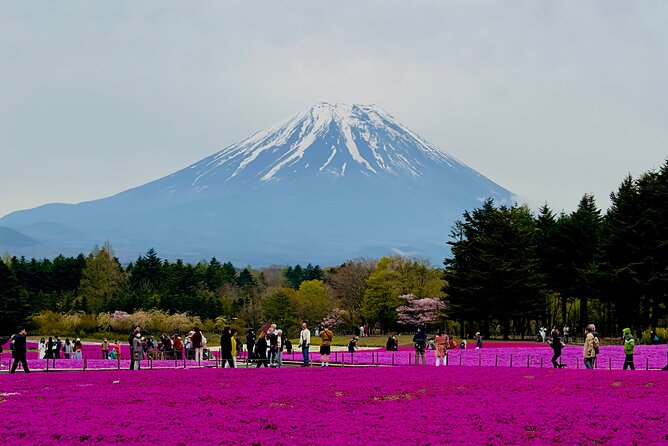
The word when matters. Cherry blossoms have a short season, and cloud can hide Fuji even when flowers are at their best. The tour title highlights cherry blossoms and shiba sakura, but the supplied route does not identify a separate shiba-sakura garden stop. If moss phlox is a main reason for booking, ask exactly where and when that part of the day will occur.
Chureito can also be crowded. Your private vehicle saves time between destinations, but it cannot remove people from one of Japan’s best-known Fuji viewpoints. A morning arrival may help, though traffic from Tokyo can affect the schedule.
Oshino Hakkai: clear springs and a village atmosphere
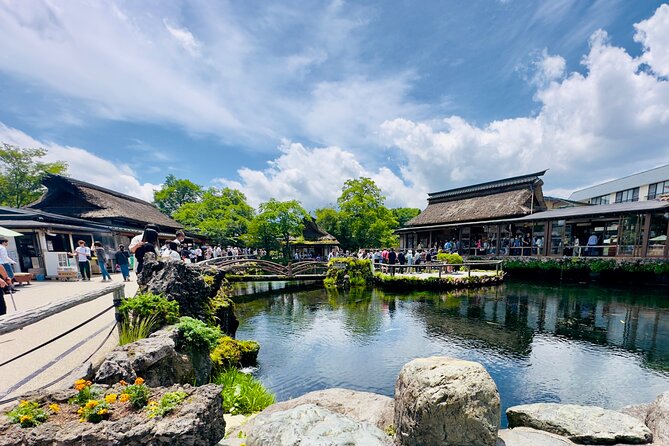
Oshino Hakkai gives the day a different mood. Instead of a single grand viewpoint, you get a traditional village area built around eight clear spring ponds. The water is described as crystal clear, and the area includes food stalls, gift shops, and more than 300 cherry trees.
The planned stop lasts about 90 minutes. I would use that time for a slow walk, spring views, snacks, and a little shopping rather than trying to sit down for a full meal. The village is a practical place to sample local food, but lunch is not included, so budget separately.
Oshino Hakkai is especially useful when Fuji is partly clouded. The ponds and village still give you something to see, while the mountain remains a possible bonus. That said, the route covers many places in one day, and an hour and a half passes quickly if you want food, photos, and a proper look around.
The description refers to the site as a World Heritage place and dates that announcement to 1934. That date should be treated cautiously, since the tour information does not explain the heritage designation in detail. Your guide may add context, but the quality of explanation can vary.
Kitaguchi Hongu Fuji Sengen Shrine: a quiet pause
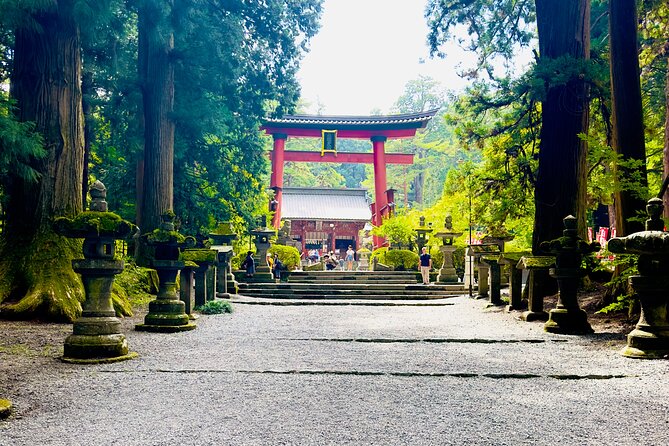
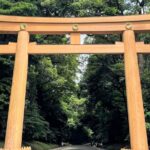
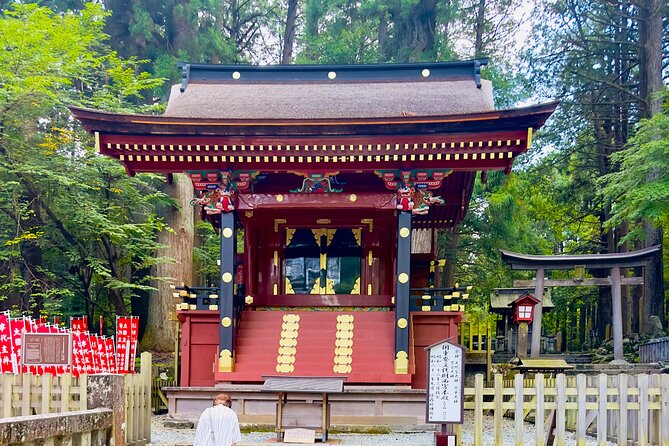
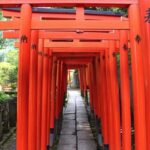
The Kitaguchi Hongu Fuji Sengen Shrine is the calmest stop on the route. Large trees surround the shrine, and its old wooden gate is one of the visual highlights. Two trees are described as about 1,000 years old.
You get about one hour here. That is enough to walk through the grounds, notice the scale of the trees, and enjoy a break from the more commercial stops. If you want a few peaceful minutes during a packed sightseeing day, this is an important part of the route.
The shrine also gives Mount Fuji a cultural setting. The trip is not only about collecting mountain photographs. It includes a place of worship, forest paths, and architecture that feels different from the lake resorts and shopping areas.
Do not expect a long formal history talk as part of the standard service. Some guides have offered useful explanations at each site, while one outing provided very little information and left the group to search online. If learning about Shinto customs and the shrine matters to you, ask your guide questions directly.


Lake Kawaguchiko: your best chance to add an activity
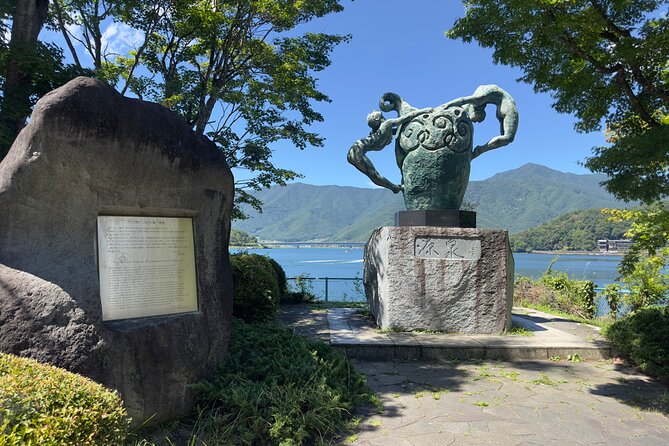
Lake Kawaguchiko is the route’s most flexible stop. The lake has restaurants, gift shops, a sightseeing cruise, and the Kachi Kachi Ropeway. From the ropeway’s upper station, you can get a broad view across the lake toward Fuji.
The planned visit is 90 minutes, but this is one place where you may need to choose. A boat ride and ropeway ride can both take a substantial part of your stop, especially with queues. Some guides have changed the plan to include a speedboat ride or avoid long cable-car lines. That flexibility is valuable, but confirm which admissions are extra before committing.
The boat is a good choice if you want a relaxing view and Fuji is visible. The ropeway is better if you want height and a wide panorama. On a crowded day, your guide may recommend one over the other. You should also tell the guide your lunch needs early, especially if you have dietary restrictions. Lunch is not included, and one poor experience involved dietary needs not being understood.
For families and mixed-age groups, the lake area is easy to tailor. One person can browse shops while another takes photos, and children may prefer the boat or ropeway to another temple or garden. The drawback is that a short stop can feel too tight if you want a meal, a ride, and relaxed lake time.
Oishi Park and seasonal flowers
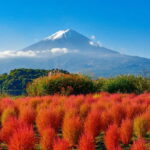
Oishi Park sits on the northern shore of Lake Kawaguchi and is one of the strongest final stops for photographs. It has walking paths, flower displays, a herb garden, seasonal events, shops, and views across the lake toward Fuji.
The planned visit is one hour. Lavender is associated with summer, while cosmos appear in autumn. Spring brings its own flower displays, but the exact appearance depends on the date. This is not a year-round cherry blossom guarantee.
Oishi Park works well late in the day because it offers open views and a simple walk after several structured stops. You can take photos, browse the gift shop, and find a snack or ice cream. The park is also a useful place for children and older adults who may prefer level walking to steep paths.
If Fuji has disappeared behind clouds, the flowers and lake still give you a pleasant stop. If the mountain is clear, the setting becomes one of the day’s best wide-angle views.
What the guide service is really like
This experience is sold as private transport with a guide, but the guide’s performance may shape your day more than the vehicle does. Strong outings have included early arrival, advance contact, clear timing, photo help, lunch suggestions, and changes based on road conditions or crowds.
Rana is repeatedly associated with prompt communication, a comfortable vehicle, useful local advice, good lunch recommendations, and help with photographs. Harry is praised for punctuality and making the day feel special. Awais is described as friendly and flexible, with useful information at the sights. Mohsin is noted for professionalism and courtesy, while Dev is associated with clean transport and a flexible pace.
The experience is not uniformly strong. One outing involved limited explanation, weak communication about lunch and timing, and a guide who acted more like a driver. Another group said the English level made conversation difficult. The operator states that staff speak English, but you should still request an English-speaking guide and confirm what that means in practice.
A useful approach is to message the operator before departure with three requests: your preferred start time, the sites you care about most, and any food or mobility needs. That gives the guide a clear working plan and helps you judge the response before the tour begins.
$400 for up to five people: is it good value?
At $400 per group, the price is reasonable for five people. That works out to $80 per person before food and optional admissions. For two people, the same vehicle costs $200 per person, so the value is much better for a family or small group than for a couple.
The price includes an air-conditioned vehicle, private transportation, the onboard hotspot, and listed taxes and fees. It does not include breakfast, lunch, alcoholic drinks, the Subaru Line 5th Station entry fee, or the seasonal shuttle charge listed for the hiking period.
You are paying mainly for time and convenience. The vehicle does not guarantee clear Fuji views, empty roads, or a brilliant guide. It does give you a practical way to connect distant sites without public transport changes, and it allows the day to be adjusted more easily than a large group schedule.
For a couple, compare the cost against a train and bus plan before booking. For a group of four or five, the private arrangement becomes far more attractive, especially if you value hotel pickup, a shared vehicle, and the ability to alter the route.
Timing, crowds, and weather
The six-stop plan is ambitious. The stated stop times add up to roughly eight hours, leaving only about two hours for the Tokyo drive, traffic, parking, and transitions. In real conditions, you will need to keep moving.
Cherry blossom season brings heavy crowds, and the Fuji area can be busy at other popular times too. Traffic may shorten a stop or push the return to Tokyo later than expected. Keep your evening plans flexible rather than booking a tight dinner reservation.
Clear weather is the biggest factor. Fuji can be hidden all day, even when the rest of the region is pleasant. The experience requires good weather, and if the operator cancels for poor conditions, you can receive a different date or a full refund. You can also cancel up to 24 hours before the start for a full refund. Changes or cancellations inside 24 hours are not accepted for a refund.
Who should book this Fuji day trip?
I would choose this tour if you are a group of up to five, want several Fuji-area sights in one day, and would rather pay for private transport than manage public connections. It is also a good fit for families, older adults, and anyone who wants the option to adjust the day around weather or energy levels.
I would be cautious if your main goal is a long, quiet visit at one place, a serious guided history lesson, or a guaranteed cherry blossom and shiba-sakura display. The route is broad rather than slow, and the actual guide experience can vary.
Before paying, confirm four things: your pickup point, the guide’s English ability, the current 5th Station access and fees, and the exact flower stop promised for your date. If those details are clear and your group values convenience, the tour offers a sensible way to see the Fuji region from Tokyo.
FAQ
How long does the Mt. Fuji private tour last?
The experience lasts approximately 10 hours, including the roundtrip journey between Tokyo and the Mount Fuji area.
How many people can join the private tour?
The price covers one private group of up to five people. Only your group participates in the activity.
Where does the tour start and end?
The published meeting point is Tokyo Station at 1 Chome-9 Marunouchi, Chiyoda City, Tokyo 100-0005. The activity ends back at the meeting point. Pickup is offered, so confirm the exact location when booking.
What places are included in the route?
The planned route includes Mt. Fuji 5th Station, Chureito Pagoda, Oshino Hakkai, Kitaguchi Hongu Fuji Sengen Shrine, Lake Kawaguchiko, and Oishi Park.
Is lunch included?
No. Breakfast, lunch, and alcoholic drinks are not included. Lunch can be arranged during the day, and Lake Kawaguchiko has restaurants.
Is the Mount Fuji 5th Station fee included?
No. The tour information lists a separate ¥2,100 entry fee for the Subaru Line 5th Station. A ¥2,500 shuttle ticket was also listed for the 2024 hiking season, from July 6 through September 10.
Does the tour include a boat ride or the Kachi Kachi Ropeway?
The route includes Lake Kawaguchiko, where you can find a sightseeing cruise and the Kachi Kachi Ropeway. The supplied information does not state that either activity ticket is included, so ask about current admission costs.
Are cherry blossoms guaranteed?
No. Cherry blossoms and seasonal flowers depend on the date and conditions. The route includes flower-viewing areas, but the tour information does not guarantee peak bloom or a separate shiba-sakura stop.
What happens if the weather is poor?
The experience requires good weather. If it is canceled because of poor weather, you will be offered another date or a full refund. You can also cancel at least 24 hours before the start time for a full refund.
More Mt Fuji Day Trips in Tokyo
More tours in Tokyo we've reviewed






Mt Fuji Day Trips, compared.
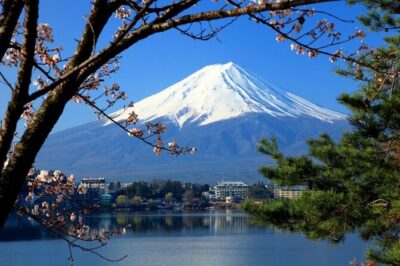 ★ 5.0Mt Fuji and Hakone 1-Day Bus Tour Return by Bullet TrainFrom $163
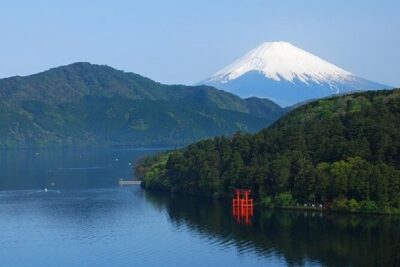 ★ 4.0Mt Fuji & Hakone Cruise, Drum Show Bullet Train 1 Day from TokyoFrom $149
 ★ 4.4Tokyo Mt Fuji 5th St & Hakone Cruise Bus Tour w/Bullet TrainFrom $15410 hours
 ★ 4.5From Tokyo: Mount Fuji Full-Day Sightseeing TripFrom $6810 hours
 ★ 4.7Tokyo: Mt. Fuji Tour, Hakone Ropeway, Owakudani, Lake AshiFrom $5410 hours
 ★ 4.4Tokyo:Mt.Fuji,Kawaguchiko Oishi Park,Arakurayama Sengen ParkFrom $5410 hours