
Reviewed · JDM & CAR CULTURE
Tokyo: JDM Scene Tour with Daikoku PA & Tokyo Tower
Tokyo’s famous car culture makes the most sense from inside a tuned machine, not behind a museum rope. This small-group night drive begins in Akihabara, heads through the city’s tunnels and Wangan highway, and reaches Daikoku PA, where custom cars gather under the lights.
I like two things right away: you get access to genuine local enthusiasts, and groups may switch cars during the evening. Guides such as Yuto, Ayumu, Hiro, Kei, and Yudo are praised for being friendly and easy to talk with. The other strong point is variety, from a Silvia S15 or WRX to an R35 GT-R, NSX, Evo, BMW, Audi, or Liberty Walk build.
The main consideration is the word JDM. The exact car lineup can change, and one recent booking included mostly German cars before an Evo appeared later. Traffic can also soften the high-speed thrills, and A PIT AutoBacs may feel expensive if you are shopping rather than browsing.
In This Review
- Key points to know before you book
- Why this Tokyo car tour feels different
- Starting in Akihabara, Tokyo’s electric town
- The drive through Tokyo tunnels and Wangan highway
- Daikoku PA, the stop that makes the tour worthwhile
- A PIT AutoBacs for parts, books, and car goods
- Tokyo Tower closes the loop
- The guides and the social side
- Timing, group size, and practical value
- Who should book this night out
- Should you book the JDM Scene Tour?
- FAQ
- Where does the tour start?
- Where does the tour finish?
- How long does the tour last?
- Which cars can I ride in?
- Can I switch between cars?
- Is Daikoku PA always open?
- Is Tokyo Tower admission included?
- What languages are available?
- Is this a private tour?
- What should I bring?
- Can I cancel the booking?
Key points to know before you book
- Daikoku PA is the main event: Allow about an hour to look around Tokyo’s best-known car meet.
- The cars can change by date: Possible rides include an R34 Skyline, R35 GT-R, Silvia S15, NSX, WRX, Lancer Evolution, GT86, and powerful European cars.
- Car switching adds value: Groups may rotate between vehicles, giving you more than one taste of the scene.
- Wangan highway brings the motion: Tunnels, bridges, city lights, and open road create the tour’s cinematic feel.
- A PIT AutoBacs is best for enthusiasts: You can browse JDM parts, books, clothing, and car goods, though prices may not suit every budget.
- Daikoku is not guaranteed: Holiday closures and late openings can send the group to Umihotaru PA instead.
Why this Tokyo car tour feels different
Many Tokyo sightseeing tours keep you on foot or inside a standard coach. This one makes the road part of the attraction. You are not simply being driven between sights. The tunnels, ramps, bridges, engine sounds, and changing city views are part of the experience.
The appeal is strongest if you like modified cars, Japanese performance models, motorsport, anime, or urban night photography. You do not need to know every engine code to have fun. Several people who were only mildly interested in cars still found the ride and car meet entertaining because the evening combines transport, people, machines, and Tokyo scenery.
The atmosphere is informal. You meet local drivers who own and drive the cars, rather than listening to a formal lecture from a distant guide. That makes it easy to ask about modifications, Japanese car culture, music, driving routes, and the difference between a factory model and a full-tuned build.
The listed price is $124 per person. That is not cheap for a three-hour-style outing, but the value depends on what you would otherwise pay for access to these places. Daikoku PA is not a simple train-and-walk destination, and the cost includes the vehicle, local drivers, the highway route, and several stops. If you want a standard sightseeing tour, it is poor value. If you want a rare ride in enthusiast-owned cars, it is a fair specialty experience.
A few more Tokyo tours and experiences worth a look
Starting in Akihabara, Tokyo’s electric town
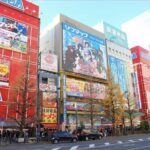
The meeting point is at 4-chome-3-3 Sotokanda in Akihabara, though the exact location can vary with the option you book. Akihabara is a fitting place to begin. Its electronics, anime, gaming, and pop-culture identity connects naturally with the car world, where manga, racing games, anime, and tuning culture overlap.
Plan to arrive ready to move. Large luggage is not allowed, and food, drinks, alcohol, pets, and drugs are prohibited in the vehicles. Bring a camera, since the cars, Tokyo Tower, tunnel lights, and Daikoku parking area give you plenty to photograph.
The group size is small, which matters here. A large coach would miss the point, while a compact group can talk with the drivers and potentially rotate between cars. The exact number of cars is not fixed, but several outings used three or four vehicles for a group of six to twelve people.
The drive through Tokyo tunnels and Wangan highway
The drive is the tour’s moving center. Wangan highway is known to many fans through the manga and anime Wangan Midnight, and the route gives you the kind of Tokyo view that is easy to miss from a train. You pass through tunnels, across elevated roads, and along routes where the city opens into bridges and industrial waterfront views.
I would keep expectations sensible. This is a major city, not a closed racing circuit. Traffic, signals, road conditions, and the group’s pace shape the ride. You may get a spirited run through a tunnel, but you should not book this expecting a guaranteed top-speed blast.
That said, the cars provide much of the excitement even at ordinary road speeds. A tuned Subaru WRX, Silvia S15, R35 GT-R, or Evo has a different sound and feel from a taxi or rental car. Several drivers are clearly proud of their cars and enjoy showing how each one feels on the road.
Some groups switch cars at stops. This is one of the best features for the price because you are not locked into a single vehicle for the entire night. You might begin in a BMW 335i Cabriolet, move into a Silvia, and later ride in an Evo or WRX. Exact swaps depend on the group and cars present, so ask at the start if changing vehicles matters to you.
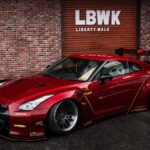
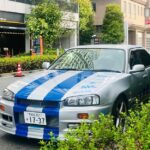
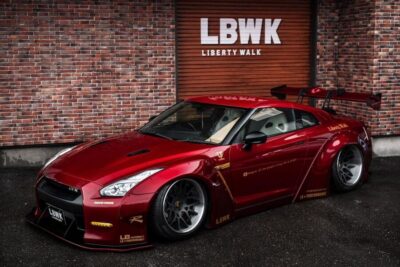
The possible lineup is unusually broad. Listed examples include the R35 GT-R, R34 Skyline, Lancer Evolution, Impreza WRX with a high-power tune, first-generation NSX, GT86, Silvia S15, BMW 335i Cabriolet, Audi S5 with APR tuning, S63 AMG, and Liberty Walk builds. Not every car appears on every departure.
That last point deserves attention. One car enthusiast was disappointed when three of four initial cars were German rather than Japanese, although an Evo 7 later improved the evening. Book this for the driving and community, not as a promise that you will sit in a particular model.
Daikoku PA, the stop that makes the tour worthwhile
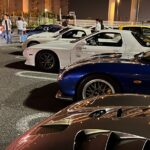
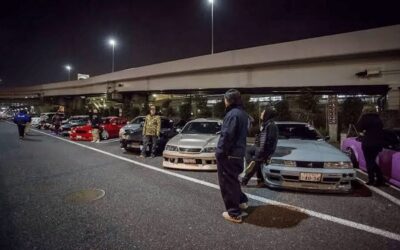
Daikoku Parking Area is the evening’s anchor. It is Tokyo’s best-known gathering point for unusual and modified cars, with everything from carefully restored Japanese models to dramatic wide-body builds and high-end performance cars.
You get about one hour for sightseeing here. That is enough time to walk around, inspect the cars, take pictures, and talk with the group. The scene can change from one night to the next. A weekday may still bring plenty to see, but weekends and special dates can produce a larger crowd.
Daikoku is not a car museum with labels and barriers. It is a working highway rest area. That means the experience feels more spontaneous, but it also means nothing is guaranteed. You might find an impressive mix of older Japanese cars, tuned modern models, European performance cars, and rare builds. You might also find a quieter night.
The site can close or open later without notice during Golden Week, New Year, weekends, and other holiday periods. If Daikoku is unavailable, the group may use Umihotaru PA instead. This backup is important because it keeps the evening moving, but Umihotaru is not the same stop. If Daikoku is the only reason you are booking, check the date and understand the risk.
For photography, bring a camera or phone with enough storage and battery. Night scenes are hard on small batteries, and you will likely want pictures of both the cars and the Tokyo roads.
A PIT AutoBacs for parts, books, and car goods
A PIT AutoBacs in Shinonome offers a different side of Japanese car culture. Daikoku is about people and machines meeting in a parking area. A PIT is about the retail side: parts, accessories, books, apparel, and merchandise.
The stop may be brief, shown as a zero-hour shopping stop in the schedule. Think of it as a chance to browse rather than a long shopping session. You can look through shelves of car-related goods and pick up something more distinctive than a generic souvenir.
Prices are not always a bargain. One person found the shop expensive, while others enjoyed the selection. I would treat A PIT as a bonus for enthusiasts, not as the financial reason to choose the tour. If you already want a Japanese tuning magazine, branded clothing, or a small car item, it can be useful. If you are hoping for cheap parts, compare prices before buying.
Tokyo Tower closes the loop
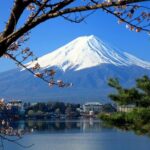
The final sightseeing point is Tokyo Tower, used as a photo stop. It gives the trip a clear visual finish after the darker highway and parking-area scenes.
Admission to Tokyo Tower is not included, and the listed stop is for photography and sightseeing rather than a full tower visit. You should not count on going up unless your booking details and timing allow it. The value here is the contrast: tuned cars below, one of Tokyo’s best-known landmarks above, and a chance to get a classic night photograph.
Because the tour ends with Tokyo Tower rather than spending a long time inside a shop or attraction, it works well for people who want several Tokyo experiences in one evening. The tradeoff is time. None of the stops receives the leisurely pace of a dedicated visit.
The guides and the social side
The guides are a major part of the experience. The advertised languages are English, Japanese, and German, and the drivers are local car enthusiasts. Names connected with especially praised departures include Yuto, Ayumu, Hiro, Kei, Yudo, and Jay.
The important distinction is that you are riding with people who care about the scene. They can explain what you are seeing, answer questions about modifications, and talk about daily car culture in Japan. They also help make the group feel relaxed, which matters when you are sharing a car with people you have just met.
Several outings included multiple drivers traveling together. That creates a convoy feel and gives you more chances to see different cars in motion. It also explains why car switching is possible on some departures.
The quality of the driving is widely praised as smooth, skilled, and safe. Still, anyone prone to motion sickness should think twice. The tour involves tunnels, highways, acceleration, braking, and night driving. Children under three, babies under one, pregnant women, and people over 70 are listed as unsuitable for this activity.
Timing, group size, and practical value
The duration is advertised as 3 hours or 210 minutes, so allow roughly three and a half hours and confirm the exact schedule when you book. The meeting and drop-off area is in Sotokanda, but the precise point can vary by booking option.
The tour returns to Sotokanda after the Tokyo Tower stop. Since the route uses several parts of Tokyo and Daikoku is outside the central sightseeing zone, this organized transport is much simpler than trying to arrange the same evening independently.
A small group is the right format. You can speak with the drivers, get a better look at the cars, and avoid the anonymous feel of a large bus. It also means the experience depends more on the people in your particular group and the cars available that night.
The booking terms are flexible: you can cancel up to 24 hours in advance for a full refund, and a reserve-now, pay-later option is available. Tokyo Tower admission, personal purchases, food, and drinks are extra. Food and drinks are not allowed in the vehicle anyway.
Who should book this night out
You should consider it if you:
- Care about Japanese performance cars, tuning, anime, or motorsport.
- Want to see Daikoku PA without working out complicated transport.
- Like meeting local enthusiasts more than taking a formal guided tour.
- Want city lights, tunnels, bridges, and highway views in one outing.
- Are happy to enjoy whatever cars are available that evening.
- Have already seen Tokyo’s main temples and neighborhoods and want something less conventional.
You may want to skip it if you need a fixed itinerary, guaranteed access to an R34 or GT-R, a quiet ride, or a low-cost sightseeing option. You should also avoid it if motion sickness is a serious concern.
Should you book the JDM Scene Tour?
For a serious car fan, this is one of the more unusual ways to spend an evening in Tokyo. The strongest parts are the local drivers, the chance to rotate through different cars, the Wangan drive, and the hour at Daikoku PA. Those pieces work together better than any single stop would on its own.
I would book it if the experience matters more than a guaranteed model. Check the expected car lineup, especially if you want only Japanese cars, and avoid assuming that every advertised vehicle will appear. If Daikoku is essential, consider the holiday and weekend closure warning.
At $124, it is a specialty tour rather than a casual add-on. But for the right person, a ride through Tokyo in a tuned car, a real car meet, A PIT AutoBacs, and Tokyo Tower make a memorable package. If the sound of a Silvia, WRX, Skyline, or GT-R makes you turn your head, this is a strong choice.
FAQ
Where does the tour start?
The stated meeting point is 4-chome-3-3 Sotokanda in Sotokanda, Akihabara. The exact meeting point may vary depending on the option booked.
Where does the tour finish?
The listed drop-off area is Sotokanda, at or near 4-chome-3-3 Sotokanda.
How long does the tour last?
The activity is advertised as 3 hours or 210 minutes. Check the available start times and booking details for the exact schedule.
Which cars can I ride in?
Possible cars include the R35 GT-R, R34 Skyline, Lancer Evolution, tuned Impreza WRX, NSX NA1, GT86, Silvia S15, BMW 335i Cabriolet, Audi S5, S63 AMG, and Liberty Walk builds. The available lineup can change.
Can I switch between cars?
Some groups switch cars during the drive so participants can experience more than one vehicle. This depends on the cars and group arrangement on your departure.
Is Daikoku PA always open?
No. During periods such as Golden Week or New Year, and on weekends, Daikoku PA may close or open later without notice. Umihotaru PA may be used as an alternative.
Is Tokyo Tower admission included?
No. Tokyo Tower admission is not included. The planned stop is for photography and sightseeing.
What languages are available?
The live guides are listed as speaking English, Japanese, and German.
Is this a private tour?
The experience offers small-group availability. It is not stated that every departure is private.
What should I bring?
Bring a camera. Oversize luggage, pets, food, drinks, alcohol, and drugs are not allowed in the vehicle.
Can I cancel the booking?
You can cancel up to 24 hours in advance for a full refund. A reserve-now, pay-later option is also available.
More JDM & Car Culture in Tokyo
More tours in Tokyo we've reviewed

JDM & Car Culture, compared.
 ★ 4.7FAST&FURIOUS EXPERIENCE Tokyo Car Club membershipFrom $138
 ★ 4.8GT-R35 800hp Club Membership – secret underground car meetFrom $205
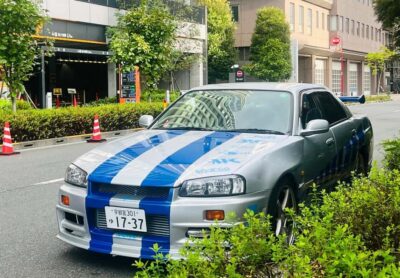 ★ 4.8Tokyo: Fast & Furious Tokyo Drift 3 Experience (Kaila Yu SP)From $157
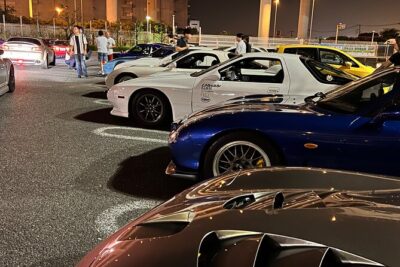 ★ 4.8Tokyo: Daikoku JDM Car Meet & Night Car Culture TourFrom $984 hours
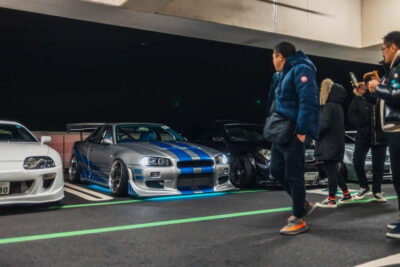 ★ 4.8Secret Car Meet: R34 Skyline Car Club MembershipFrom $236
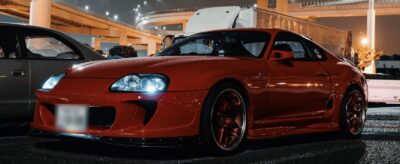 ★ 4.7Tokyo Drift: Daikoku PA Supreme Car Experience 大黒PAFrom $583 hours