
Reviewed · JDM & CAR CULTURE
Tokyo: Best Price Daikoku Parking Area JDM Car Meet
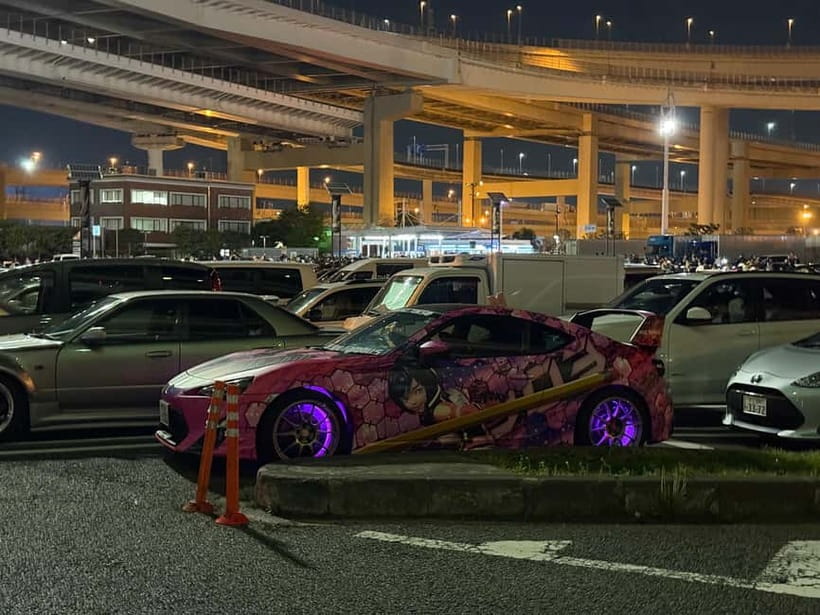
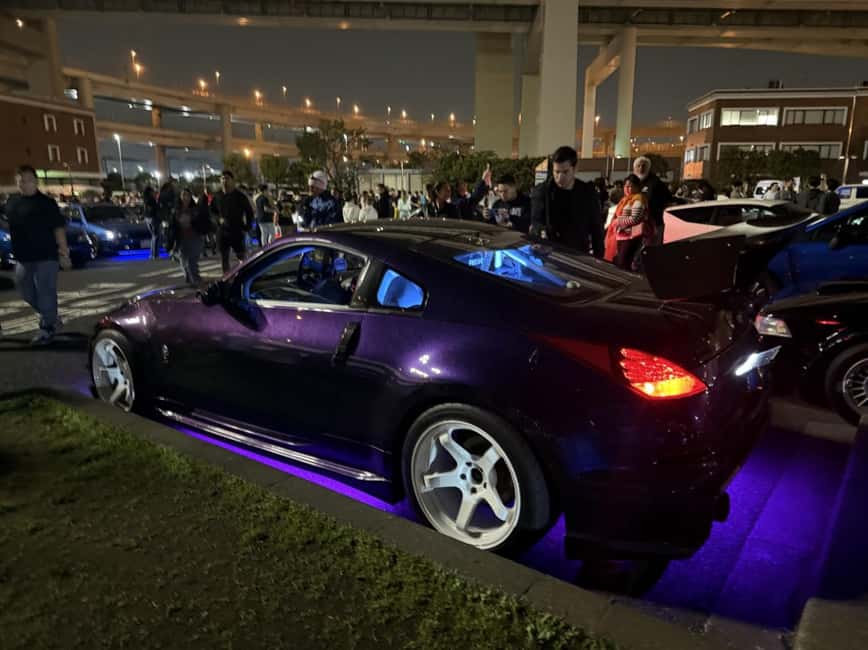
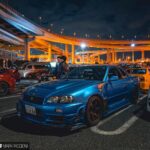
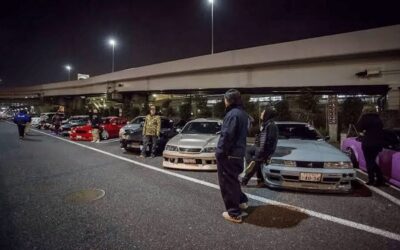
Daikoku Parking Area is not a museum or a staged car show. It is a working highway rest stop that can turn into Japan’s most exciting public car gathering, with Skylines, GT-Rs, modified tuners, classics, and expensive supercars arriving as the evening unfolds. The ride from Tokyo is part of the event, with expressways, the Rainbow Bridge, Haneda Airport, and Yokohama views along the way. The best feature is the honest flat price, with no inflated solo rate or fake starting price.
I like the freedom to walk around and follow your own interests, and I like that guides such as Joshua and Kai add useful talk about Japanese car culture without forcing you through a scripted tour. The shared vehicle keeps the cost reasonable, though you should know that the car meet is unpredictable, the vehicle may feel snug at full capacity, and Daikoku can sometimes close before you arrive.
In This Review
- Key points to know before booking
- Why Daikoku Parking Area matters
- The ride from Tochomae to Yokohama
- Crossing the Rainbow Bridge and passing Haneda
- One and a half hours among the cars
- What happens if Daikoku closes
- The return through Tokyo
- Is $76 good value?
- Vehicle comfort and group size
- Who will enjoy this most
- Booking tips for a better evening
- Should you book the Daikoku car meet?
- FAQ
- How long does the Daikoku Parking Area experience last?
- Where does the experience start and finish?
- Is hotel pick-up included?
- What type of vehicle is used?
- How many people can join?
- Are specific cars guaranteed to appear?
- What happens if Daikoku PA is closed?
- Is this a drifting or racing tour?
Key points to know before booking
- Daikoku is a real car meet, not a staged performance: The cars and crowd change from night to night.
- The 210-minute outing includes driving time: You spend about 1.5 hours at Daikoku PA, with the rest used for the ride there and back.
- The expressway journey is part of the fun: You cross the Rainbow Bridge, pass Haneda Airport, and return through central Tokyo.
- You explore independently: Guides can explain the parking area and car culture, but this is not a guided walk from car to car.
- The shared ride carries up to six people: A Toyota Aqua may serve a small group, while larger groups may use a Noah, Voxy, Serena, or Hiace.
- Plans can change: If Daikoku closes or the car turnout is poor, the team has a backup plan.
Why Daikoku Parking Area matters
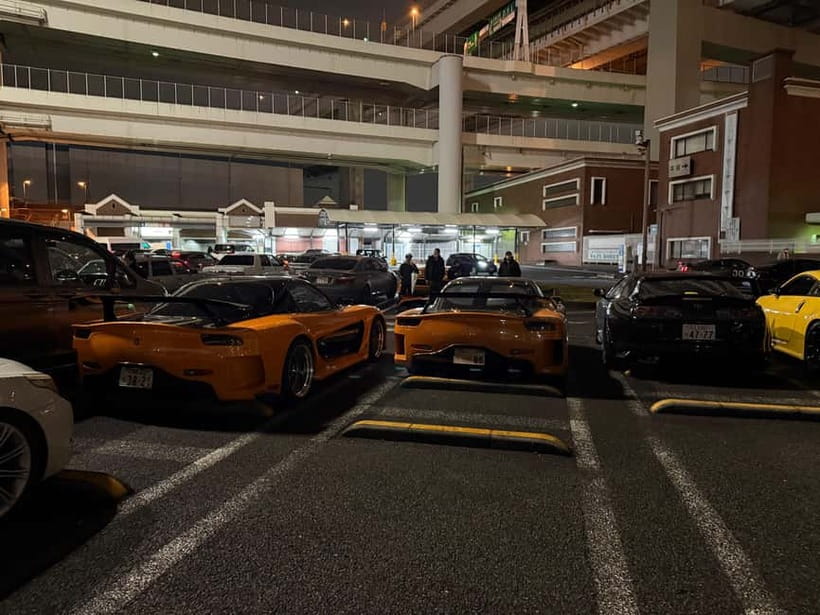
Daikoku PA sits on Daikoku Futo, a large pier area in Yokohama. For car fans, its importance comes from the mix of place and people. This is where owners bring carefully built cars, rare machines, and everyday Japanese performance cars to meet, chat, and show what they drive.
You are not promised a particular model. That is the honest tradeoff. One evening may bring a strong group of JDM cars, while another may start quietly and build later. The supplied experiences include ordinary weekday nights with plenty to see, but also evenings when police activity cleared the area soon after arrival.
That uncertainty is part of the appeal, but it changes the way you should think about the outing. You are not buying a guaranteed display of ten GT-Rs or a particular exotic car. You are paying for access to a hard-to-reach car scene, a scenic night drive, and the chance to see what turns up.
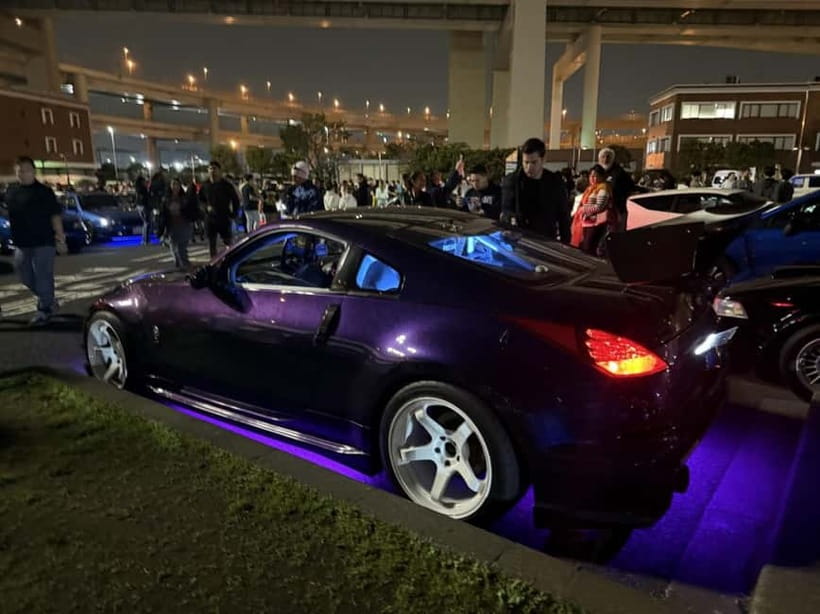
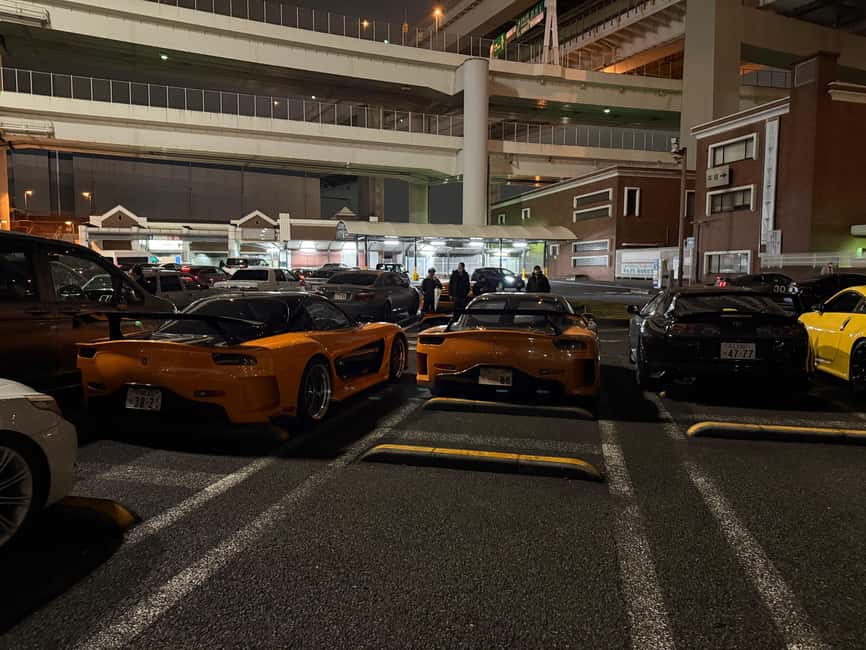
The atmosphere can feel more authentic than a ticketed motor show because nobody has arranged the collection for your benefit. Owners arrive on their own schedule. Cars leave. New groups appear. You may see older classics beside modern performance cars, heavily modified tuners beside clean factory examples, and expensive exotics sharing the same rest area.
A few more Yokohama tours and experiences worth a look
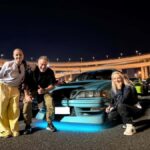
The ride from Tochomae to Yokohama
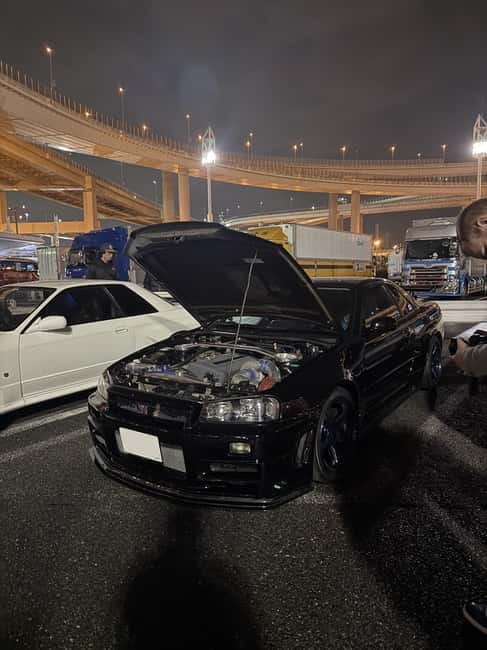
The standard experience begins at Tochomae Station in Nishishinjuku, with the exact meeting point depending on the option booked. Hotel pick-up is not included, so you need to reach the starting point yourself.
The first section is a drive through Tokyo’s expressway system. This is more than a transfer. From the window, you get a moving view of the city at night, with elevated roads, water crossings, and changing views of Tokyo and Yokohama. The route passes the Rainbow Bridge and Haneda Airport before reaching Daikoku.
I like this setup because it gives the evening a clear sense of place. You are not simply dropped at a parking lot. You leave the neon center, cross the bay, and head into an industrial port setting that feels separate from central Tokyo.
The driver is also your main source of context. Joshua is often praised for his English, friendly manner, and ability to explain Japanese car culture and city sights during the drive. Kai has also been singled out for an easygoing style and useful information along the route. The exact guide can vary, but the experience is designed around a car-loving host who can answer questions and talk about the local scene.
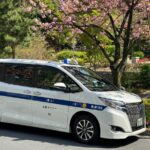
Do not expect a tuned sports car for the ride. The standard shared option uses an ordinary vehicle, such as a Toyota Aqua for a small group or a Toyota Noah, Voxy, Nissan Serena, or Toyota Hiace for a larger group. That may disappoint anyone expecting a dramatic performance-car drive, but it also makes the trip more practical and helps keep the price at $76 per person.
A Toyota GR86 is available as an additional option, with different pricing from the standard shared ride. If the car used for the journey matters to you, check the option carefully before booking.
Crossing the Rainbow Bridge and passing Haneda
The Rainbow Bridge is a highlight of the outward route, especially after dark. You pass through Tokyo’s bay district and get a different view of the city than you would from a temple, observation deck, or train window.
Haneda Airport is another pass-by point rather than a stop. The itinerary does not include time to visit the airport, so think of it as part of the route and scenery. The same applies to Tokyo Tower on the return journey. These landmarks add variety to the drive, but you will not leave the vehicle for sightseeing at them.
This distinction matters. If you want a traditional Tokyo sightseeing tour, this is not the right format. The city views are a pleasant bonus around the main goal, which is Daikoku and the drive through the expressways.
One and a half hours among the cars
At Daikoku PA, you have about 1.5 hours to walk around, take photographs, and watch the arrivals and departures. The team lets you explore freely because people care about different cars. One person may spend the whole visit near JDM legends, while another may be more interested in classics, supercars, or the way local owners use the space.
This freedom is a strength, but it is also the main point to understand before you reserve. There is no fixed procession from one vehicle to the next, and the guide does not promise a running commentary on every car. You can ask for explanations of the parking area and the local car scene, but you should be comfortable finding your own way around.
Bring a camera, but use it with care. The instructions ask you to respect car owners and their vehicles. That means admiring the cars without touching them, blocking them, or treating the parking area like a private photo set.
The best photos may come from patience rather than speed. If the lot seems quiet at first, more cars may arrive later. One evening described by a participant began slowly and grew busier over time, while another had a large selection even on a Tuesday. There is no formula, but staying for the planned visit gives you the best chance of seeing the scene develop.
Weekdays can suit you if you prefer a calmer setting and more room to walk. Weekends and holidays may bring larger crowds and more cars. Still, the meeting is impromptu, so a weekday can surprise you and a weekend can be quieter than expected.
What happens if Daikoku closes
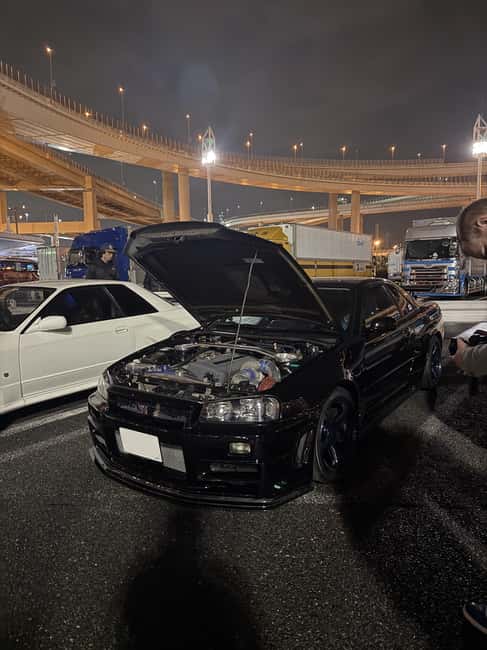
Daikoku PA is not fully under the tour team’s control. Police may close the gathering, the parking area may shut, or there may be very few cars on a particular night.
The backup plan is an important practical safeguard. Several outings have continued to another spot after Daikoku was closed or cleared. One evening, the group reached the parking area and found the cars leaving almost immediately, but the guide arranged another location rather than ending the activity on the spot.
You should not read this as a promise of an equal substitute. The backup location will not be Daikoku itself. It does show that the team understands the risk and has a way to salvage the evening.
The return can bring an extra surprise. If sports cars leave Daikoku while you are heading back, you may see them again on the expressway. That possibility adds energy to the drive, but it is not a guaranteed part of the plan.
This is strictly a car culture outing. It is not a drifting experience, illegal racing tour, or invitation to copy unsafe driving. The purpose is to observe cars and meet enthusiasts in a public setting.
The return through Tokyo
After the Daikoku visit, the vehicle returns toward central Tokyo. The route passes the Rainbow Bridge again and includes a view of Tokyo Tower before finishing near Shinjuku Station.
The final drop-off is useful if you plan to continue your evening in the city. It is also more convenient than returning to a remote port area by public transport. The total duration is 210 minutes, so allow roughly three and a half hours from departure to finish, including the driving time.
Departure times vary, so check the available start time when you choose a date. A sample evening began around 5 p.m., reached Daikoku for the main visit, and finished near Shinjuku at about 9:15 p.m. The exact timing can shift if the group visits a backup location or spends longer waiting for the car scene to develop.
Is $76 good value?
At $76 per person, this is not a cheap ride across town. It is a fair price for a small-group evening that combines transport to an inaccessible-by-train car-spotting area, time at Daikoku, a return through Tokyo, and a host who can discuss the cars and route.
The flat pricing is especially helpful. The standard shared ride has one price for everyone, with no higher solo rate and no minimum number of participants. That makes the cost easier to understand than offers that advertise a low starting figure and add charges later.
The value depends on what you want. For a serious car fan, the access is the main benefit. Daikoku is far from central Tokyo, and reaching it without a car is difficult. You also avoid trying to arrange the route, parking, and return journey yourself.
For a casual sightseer, the calculation is less clear. You may enjoy the expressway ride and the unusual side of Tokyo, but the cars are not guaranteed. If a quiet parking area would ruin your evening, the uncertainty may bother you.
Food and drinks are not included. Plan to eat before or after, and do not assume you will have a meal stop during the outing. Comfortable shoes are useful because you will be walking around the parking area. Bring an umbrella if rain is possible.
Vehicle comfort and group size
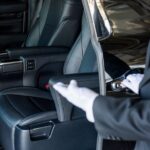
The activity is limited to six participants, which keeps the group small enough to avoid a coach-tour feel. The exact vehicle depends on group size, and the standard ride never exceeds its legal capacity.
A Toyota Aqua should feel manageable for a small group, while a Noah, Voxy, Serena, or Hiace gives a larger party more space. At full capacity, the ride may feel snug. That is worth considering if you are tall, carrying bulky camera gear, or want a roomy premium transfer.
People over 280 pounds, or 127 kilograms, should not book this experience. The outing is wheelchair accessible, but you still need to confirm that the selected meeting arrangement works for your needs.
Smoking and pets are not allowed. These rules matter more in a shared vehicle, where a three-hour-plus ride brings everyone into close quarters.
Who will enjoy this most
I would choose this for someone who already follows Japanese performance cars, enjoys spotting unusual vehicles, or wants a side of Tokyo that does not appear on the usual first-visit schedule. It also works well for a parent and child, couples, and small groups with one keen car fan and several curious companions.
You do not need to be an expert. Several hosts are comfortable explaining the scene, and the drive gives you plenty to talk about. But you should enjoy looking around independently rather than expecting a formal lecture or a guide beside you every minute.
I would be cautious about booking it for a tightly scheduled final night in Tokyo. Delays, closures, and a backup stop can alter the timing. I would also avoid it if your main goal is to ride in a tuned JDM sports car, since the normal vehicle is a practical Toyota, Nissan, or similar people carrier.
Booking tips for a better evening
Choose a weekend or holiday if your priority is the largest possible turnout, while accepting that the area may be busier. Pick a weekday if you prefer a more relaxed visit and are happy with a little more uncertainty.
Read the shared-ride description carefully before paying. The experience is built around a normal vehicle, free exploration, and an impromptu meeting. Misunderstanding any of those points can lead to disappointment.
Keep your camera ready, wear walking shoes, and bring rain protection. Ask Joshua, Kai, or your assigned host about the parking area and the cars, but give yourself time to simply watch the scene.
Cancellation is free up to 24 hours before the activity for a full refund, and you can reserve now and pay later. Those terms help if your Tokyo schedule is still shifting, but they do not change the basic risk that the car turnout cannot be guaranteed.
Should you book the Daikoku car meet?
Book it if you want access to a famous car scene without renting a car, and if an unpredictable evening sounds more interesting than a fixed show. The highway ride, Rainbow Bridge, free time at Daikoku, and return to Shinjuku make a good package for $76, especially with no inflated solo pricing.
Skip it if you need a guaranteed lineup, a luxury vehicle, or a structured guide-led tour. For the right person, though, this is one of Tokyo’s more unusual outings: part night drive, part car-spotting session, and part chance to see local enthusiasts share a place they genuinely care about.
FAQ
How long does the Daikoku Parking Area experience last?
The total duration is 210 minutes, or three and a half hours. This includes travel time to and from Daikoku PA, with about 1.5 hours scheduled at the parking area.
Where does the experience start and finish?
One starting option is Tochomae Station at 2-chōme-7-2 Nishishinjuku. The meeting point may vary by booking option, and the experience finishes near Shinjuku Station.
Is hotel pick-up included?
No. Transportation to the starting point and hotel pick-up are not included.
What type of vehicle is used?
The standard shared ride uses a Toyota Aqua for a small group. Larger groups may ride in a Toyota Noah, Voxy, Nissan Serena, or Toyota Hiace. A Toyota GR86 is available as a separate option with different pricing.
How many people can join?
The experience is limited to six participants. The vehicle will not exceed its stated capacity, though it may feel snug when full.
Are specific cars guaranteed to appear?
No. The meeting is impromptu, so the number and type of cars cannot be guaranteed.
What happens if Daikoku PA is closed?
The team may switch to a prepared backup plan if Daikoku is closed or no cars appear. The alternative location is intended to preserve the car culture experience.
Is this a drifting or racing tour?
No. This is an observation-based car culture experience. Drifting and illegal racing are not included.
More JDM & Car Culture in Yokohama
More tours in Yokohama we've reviewed
JDM & Car Culture, compared.
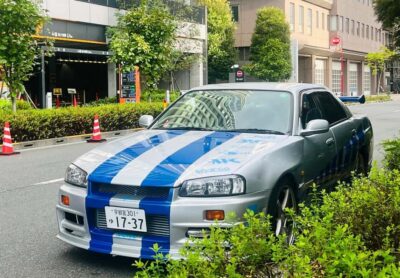
 ★ 4.7FAST&FURIOUS EXPERIENCE Tokyo Car Club membershipFrom $138
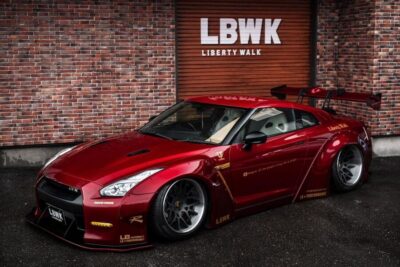 ★ 4.8GT-R35 800hp Club Membership – secret underground car meetFrom $205
 ★ 4.8Tokyo: Fast & Furious Tokyo Drift 3 Experience (Kaila Yu SP)From $157
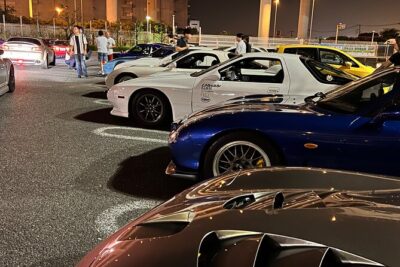 ★ 4.8Tokyo: Daikoku JDM Car Meet & Night Car Culture TourFrom $984 hours
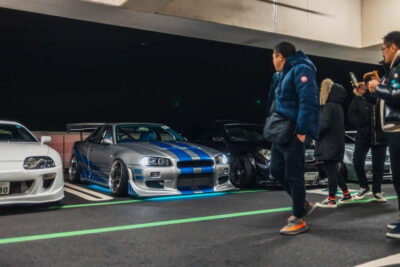 ★ 4.8Secret Car Meet: R34 Skyline Car Club MembershipFrom $236
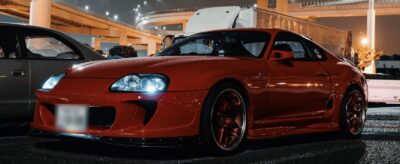 ★ 4.7Tokyo Drift: Daikoku PA Supreme Car Experience 大黒PAFrom $583 hours