
Reviewed · GO-KARTS
Official Japan Go-Kart Tokyo Skytree/Akihabara (IDP Required)
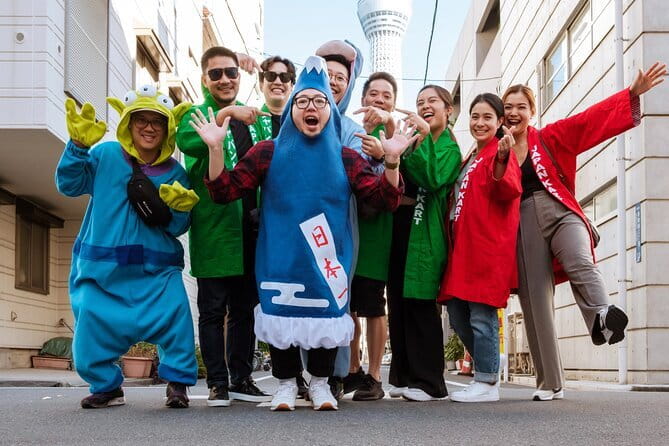
Tokyo looks different from a go-kart. Instead of viewing Asakusa, Ueno, Akihabara, and Tokyo Skytree as separate stops, you link them in one fast-moving ride. You sign a waiver, choose from available costumes, watch a short safety video, and follow your guide through city streets.
I like the small group of up to 10, which keeps the ride more personal, and I like how much ground you cover in about 90 minutes. The main catch is serious: you need the right driving documents, proper clothing, and good weather. Arriving without an accepted permit can mean losing your booking fee.
In This Review
- Key points to know before you book
- Tokyo sightseeing with a throttle
- What happens before you leave JapanKart
- The paperwork is the real booking test
- Kaminarimon and the Asakusa start
- Ameyoko brings a different kind of Tokyo
- Ueno Park adds open space
- Akihabara supplies the neon and pop culture
- Kappabashi shows Tokyo’s practical side
- Tokyo Skytree gives the ride its big finish
- Why the small group matters
- Is $65.69 a fair price?
- Weather, cancellations, and timing
- Who should book this ride?
- FAQ
- How long does the go-kart experience last?
- Where does the experience start and finish?
- What driving documents do I need?
- Are 1968 Vienna Convention permits accepted?
- What should I wear?
- What happens if bad weather cancels the activity?
- My booking advice
Key points to know before you book
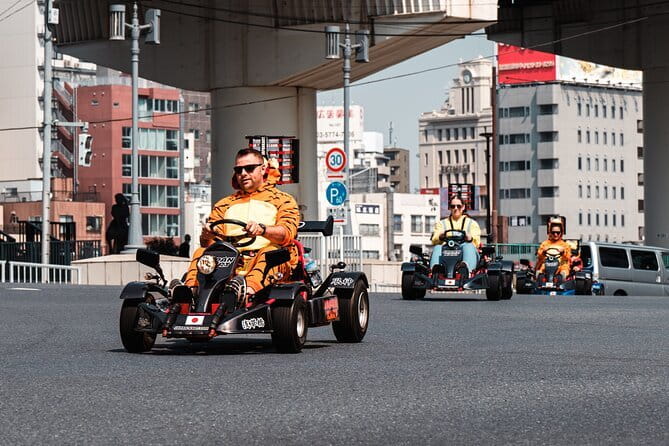
- Drive past six distinct Tokyo sights: The route includes Kaminarimon, Ameyoko, Ueno Park, Akihabara, Kappabashi, and Tokyo Skytree.
- Expect a short but active outing: The experience lasts about 1 hour 30 minutes, with the driving portion described as a shorter one-hour format.
- Bring the exact documents required in Japan: Most participants need a 1949 Geneva Convention IDP, home-country license, and passport.
- Choose a costume before setting off: Costumes add a playful touch, but the main experience is the street ride itself.
- Follow a guide rather than driving alone: An English and Japanese speaking guide leads the group and explains the area as you go.
- Dress for safe driving: Long skirts, high heels, and sandals are not allowed.
Tokyo sightseeing with a throttle
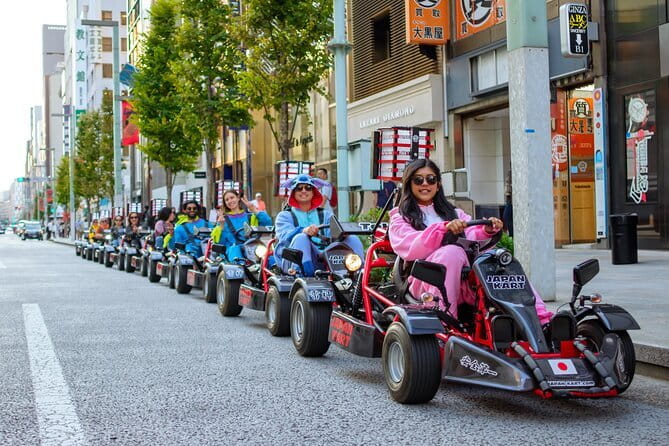
This is not a slow photo tour. You are seated in a go-kart, moving through Tokyo streets in a small convoy, with a guide at the front and the city passing close by. The appeal is simple: you can cover several districts in one outing without spending the day transferring between them.
The route connects places with very different personalities. Asakusa brings temple gates and old Tokyo atmosphere. Ueno adds a market and a large park. Akihabara supplies neon, anime, manga, and electronics. Kappabashi is more local and practical, with its kitchen shops. Tokyo Skytree gives the route its unmistakable landmark.
I like that variety. You do not spend the whole ride looking at one type of scenery. The experience also gives you a quick sense of how Tokyo’s neighborhoods change from one block to the next.
The tradeoff is that this is sightseeing from the road. You will pass the main places rather than visit their museums, shops, temple grounds, or observation decks. If you want long stops and careful photographs, choose a walking tour instead. If you want movement, novelty, and a different view of familiar sights, this format makes sense.
A few more Tokyo tours and experiences worth a look

What happens before you leave JapanKart
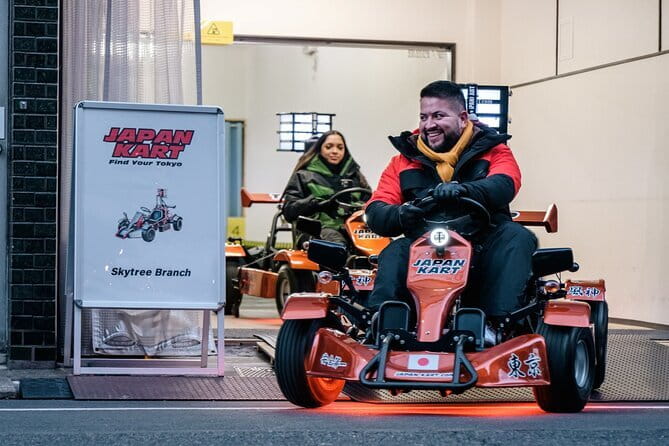
The meeting point is JapanKart at 2-chōme-18-15 Azumabashi, Sumida City, Tokyo 130-0001. You should arrive 15 minutes early. The operator can wait no more than 10 minutes after your reserved time, so a late train or a wrong turn can quickly become a costly problem.
At the shop, you sign a waiver and prepare for the ride. You can choose from available outfits or costumes, then watch an instructional video of about three minutes. The short briefing covers how to use the kart and what to expect before you join the road.
That preparation matters. This is not a simple amusement-park ride where you can climb in and start driving. You need to listen, follow the guide, and stay with the group. The guide speaks English and Japanese, which helps with the basic instructions and route.
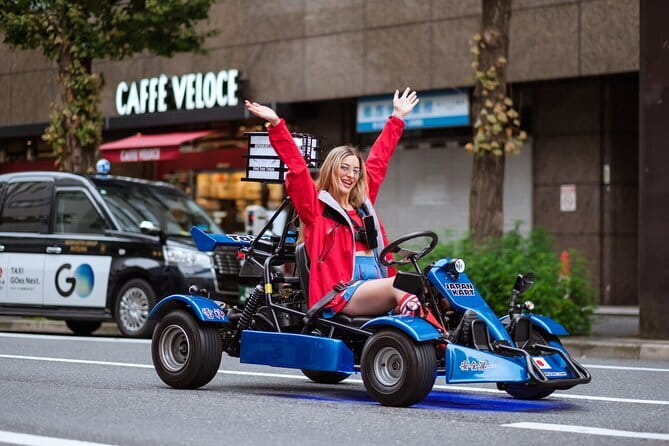
Alcohol before the experience is prohibited. Wear practical clothing and closed, secure shoes. Long skirts, high heels, and sandals are specifically not allowed. The costume element is fun, but safe clothing matters more than appearance.
The paperwork is the real booking test
The title may catch your eye because of Tokyo Skytree and Akihabara. The document rules should catch it too. Most participants must bring all three of these:
- A valid International Driving Permit issued under the 1949 Geneva Convention
- Your driving license from your home country
- Your passport
The IDP must be a booklet, not a printed sheet or an A4 document. Japan does not accept international permits issued under the 1968 Vienna Convention for this activity.
Your permit must also come from an approved issuer in your country. The listed examples are AAA or AATA in the United States, AAA in Australia, AA or RAC in the United Kingdom, and CAA in Canada. Do not assume that any online permit seller provides a valid document.
There are special rules for licenses issued in Switzerland, Germany, France, Taiwan, Belgium, and Monaco. In those cases, you need a Japanese translation from the Japan Automobile Federation, known as JAF, plus your own driving license. The passport requirement still applies where specified.
This is the most important practical warning in the whole experience. If your papers are wrong or missing, you can be refused participation without a refund. Check the permit format before you pay, and watch the instructional video sent with your confirmation.
Kaminarimon and the Asakusa start
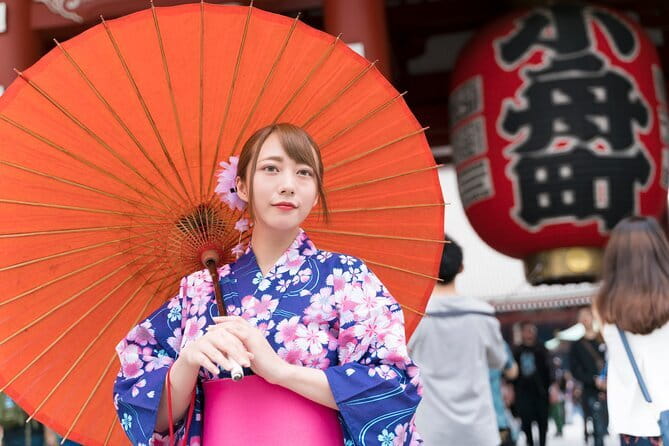
Kaminarimon, or Thunder Gate, marks the entrance to Sensō-ji in Asakusa. Its large red lantern and statues of Fujin, the wind god, and Raijin, the thunder god, make it one of Tokyo’s most recognizable urban sights.
From a go-kart, you see the gate as part of the wider street scene rather than as a temple visit. That distinction is worth keeping in mind. You are not getting time to walk through Sensō-ji, browse the nearby lanes, or study the details of the gate. You are passing through with the guide and the group.
Still, it is an effective opening. Asakusa gives you an immediate contrast with the modern towers and electronics districts later on. If you have already visited Sensō-ji on foot, the ride offers a new angle. If you have not, you may want to return later for a proper visit.
Ameyoko brings a different kind of Tokyo
Ameyoko, short for Ameya Yokocho, is a street market in Ueno. Its name is linked to American goods, though the area has developed into a busy shopping corridor with food, clothing, and small retailers.
The go-kart route lets you see the market area without stopping for a full shopping session. That is useful if you want a broad look at Ueno but have limited time. It is less useful if your goal is to compare food stalls, hunt for a particular item, or take close-up photographs.
I like this part because it shows everyday commercial Tokyo rather than only grand landmarks. The market atmosphere, narrow retail frontage, and steady street activity give the ride a more local feel. Just keep your expectations realistic: you are observing the district from the vehicle, not exploring every shop.
A few more Tokyo tours and experiences worth a look

Ueno Park adds open space
Ueno Park is a large public park known for the Tokyo National Museum, Ueno Zoo, and spring cherry blossoms. It provides a welcome change from dense streets and shop fronts.
The park is especially appealing in cherry-blossom season, though the experience does not include a dedicated blossom stop or picnic break. You pass the area as part of the route, so your view depends on traffic, timing, and the pace of the group.
For me, Ueno is valuable because it shows another side of the city. Tokyo can feel like one long wall of buildings and signs, but parks such as Ueno break that pattern. If you want to visit the museum or zoo, plan separate time. This outing is designed to connect districts, not replace their main attractions.
Akihabara supplies the neon and pop culture
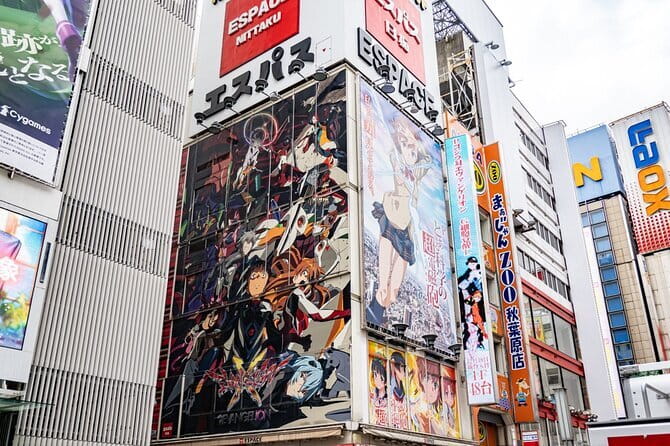
Akihabara is Tokyo’s center for electronics, anime, manga, and otaku culture. Tall signs, specialty stores, and colorful displays give this section a strong visual identity, even during a short pass through the streets.
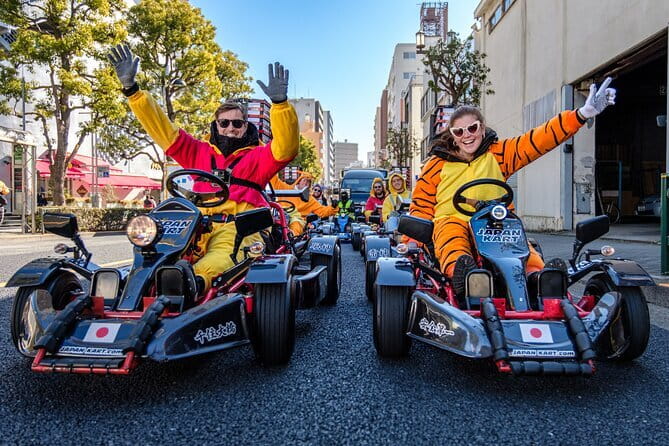
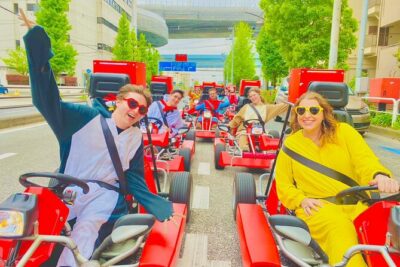
This is one of the most playful parts of the ride, especially when you are wearing a costume and moving in a line of small karts. You may attract waves and smiles from people along the street, which adds to the sense that you are part of a moving Tokyo scene rather than simply looking at it.
The downside is that Akihabara rewards walking. Its best shops, arcades, cafés, and side streets need time. The kart route gives you an energetic introduction, but it cannot provide the browsing time needed for serious shopping or anime sightseeing.
If Akihabara is high on your list, use this experience as an orientation. Return later by train or on foot and explore at street level.
Kappabashi shows Tokyo’s practical side
Kappabashi, often called Kitchen Town, is lined with shops selling knives, cookware, restaurant supplies, and plastic food models. It is an unusual stop because it is less famous among first-time visitors than Asakusa, Ueno, or Skytree.
You may find this section especially interesting if you cook, enjoy Japanese tableware, or like seeing the trade districts that support the city’s restaurants. The plastic food displays are also a memorable detail, though the ride does not include time to shop.
Kappabashi helps keep the route from becoming a simple parade of famous sights. It introduces a working retail neighborhood with a clear purpose. You see a side of Tokyo that is useful, specialized, and easy to miss if you only follow the standard sightseeing circuit.
Tokyo Skytree gives the ride its big finish
Tokyo Skytree reaches 634 meters and is Japan’s tallest structure. Its observation decks offer wide views of Tokyo and, on a clear day, Mount Fuji. The complex also includes shops, dining, and an aquarium.
The kart experience takes you past the tower. It does not include admission to the observation decks, aquarium, or other facilities, so budget separately if you want to go inside.
Even from street level, Skytree works as a strong route marker. After the smaller-scale sights of markets and neighborhood streets, the tower gives you a dramatic sense of Tokyo’s size. You can take in its full height more easily from outside than from an observation deck, where the building itself is no longer in view.
If you want a proper skyline visit, reserve separate time. If you mainly want to see the tower as part of a moving city route, the pass-by is enough.
Why the small group matters
The maximum group size is 10 people. That is not a private tour, but it is small enough to make the briefing easier and keep the convoy manageable.
The guide leads the group, and some riders may be placed at the front. Being first can feel more exciting because you have a clear view ahead and help set the pace. Other positions may give you a better view of the karts behind you. The exact arrangement can depend on the group and kart availability.
The experience has received strong marks overall, with a 4.8 rating and 94 percent recommendation figure from 17 ratings. The most praised elements are the friendly, professional staff, the simple preparation process, and the thrill of driving through Asakusa, Ueno, and Akihabara.
That enthusiasm should not hide the basic fact that you are driving in city traffic. Some people find the idea nerve-racking, and that is a fair reaction. You need to feel comfortable following directions and operating a vehicle on public roads. The staff help you get set up, but they cannot remove the responsibility that comes with driving.
Is $65.69 a fair price?
At $65.69 per person, the price is reasonable if you value the unusual format. You are paying for the kart, a guide, a small group, and a fast connection between several well-known districts. Compared with booking separate transport and a guided visit to each area, it can be an efficient way to see a lot in a short window.
The value is weaker if you mainly want entry to attractions. The price does not include dinner, Tokyo Skytree admission, museum tickets, zoo admission, shopping, or food. It also does not give you long periods at each stop.
I would see it as a specialty experience rather than a complete Tokyo sightseeing tour. You are paying for the act of driving through the city, not simply for access to landmarks. That makes it a good supplement to a normal itinerary, especially if you have already planned walking visits to Asakusa or Akihabara.
The shorter format also suits a packed schedule. The activity lasts about 1 hour 30 minutes, while its description presents the ride as a shorter one-hour outing. Leave extra time around it for check-in, preparation, and returning to the meeting point.
Weather, cancellations, and timing
Good weather is required. If poor weather cancels the experience, you can receive a full refund or reschedule if another date is available.
You can cancel for a full refund up to 24 hours before the local start time. Cancellations or changes made within 24 hours are not refunded or accepted. Because the operator may need to adjust bookings when kart capacity is reached, keep an eye on your confirmation and arrive early.
The experience ends back at the meeting point. It is near public transportation, but the supplied information does not specify a station or walking time. Check your route before the day of the ride rather than relying on a last-minute map search.
Who should book this ride?
I would recommend it to you if you want a memorable break from temples, museums, and train transfers. It suits adults and other eligible participants who enjoy novelty, can meet the Japanese driving-document rules, and are comfortable with a guided road experience.
It is also a good fit if you have limited time and want a quick look at several neighborhoods. The route gives you useful orientation, and the costume option adds a light, humorous side to the outing.
I would not make it your main Tokyo activity if you want deep visits to Sensō-ji, Ueno Park, Akihabara’s shops, Kappabashi’s stores, or Tokyo Skytree’s observation decks. I would also skip it if you do not already have the correct permit, dislike city driving, or cannot wear practical shoes and clothing.
FAQ
How long does the go-kart experience last?
The experience lasts approximately 1 hour 30 minutes. It is also described as a shorter one-hour tour, so allow extra time for early arrival, the waiver, costume selection, safety video, and preparation.
Where does the experience start and finish?
It starts at JapanKart, 2-chōme-18-15 Azumabashi, Sumida City, Tokyo 130-0001. The activity ends back at the same meeting point.
What driving documents do I need?
Most participants need an International Driving Permit issued under the 1949 Geneva Convention, a driving license from their home country, and a passport. The IDP must be an official booklet, not a paper or A4 version.
Are 1968 Vienna Convention permits accepted?
No. International Driving Permits issued under the 1968 Vienna Convention are not accepted in Japan for this experience.
What should I wear?
Do not wear long skirts, high heels, or sandals. Choose practical clothing and secure footwear suitable for operating a go-kart.
What happens if bad weather cancels the activity?
You can receive a full refund, or you may reschedule depending on availability. For personal cancellations, full refunds are available when you cancel at least 24 hours before the local start time.
My booking advice
Book this ride for the experience, not as a substitute for sightseeing on foot. The strongest reasons to go are the unusual road-level view, the mix of Asakusa, Ueno, Akihabara, Kappabashi, and Skytree, and the small group with a guide.
Before booking, confirm your permit with the approved issuer in your country. That one step matters more than the price, the route, or the costume. If your paperwork is correct and you want a lively, slightly nerve-racking way to connect several Tokyo districts, this is a worthwhile addition to your schedule.
More Tickets & Passes in Tokyo

More Go-Kart Tours in Tokyo
More Akihabara & Anime Tours in Tokyo
More tours in Tokyo we've reviewed


Go-Karts, compared.
 ★ 5.0Flagship 2-Hours Official Street Go-Kart Tour – Tokyo Bay ShopFrom $642 hours to 2 hours 30 minutes (approx.)
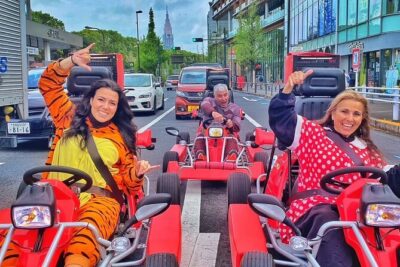 ★ 5.0Official Street Go-Kart in ShibuyaFrom $76
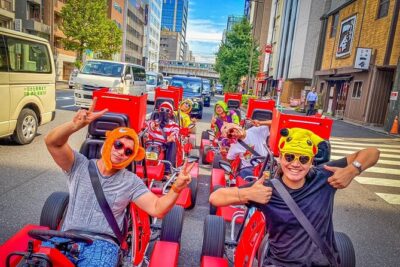 ★ 5.0Official Street Go-Kart Tour – AkihabaraFrom $61
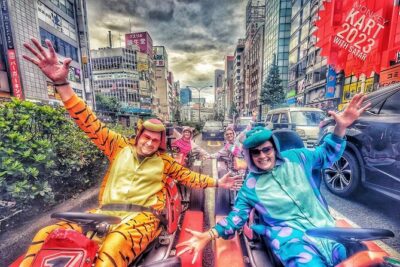 ★ 5.0Tokyo Go Kart: Asakusa, Skytree, and Akihabara **IDP MUST**From $99
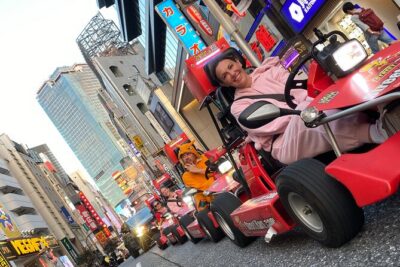 ★ 5.0Shibuya Official Street Go-Kart in Shibuya AnnexFrom $69
 ★ 4.7Tokyo: Asakusa, Skytree & Akhihabara Go-Kart City ExperienceFrom $961h 10m