
Reviewed · CITY TOURS
Tokyo City 1-Day Private Tour with Bilingual Driver
Tokyo City 1-Day Private Tour with Bilingual Driver is built around one simple idea: cover a huge city without spending your entire day changing trains and walking between stations. In about 10 hours, you can move from Tsukiji’s food stalls to Asakusa’s temple grounds, then on to Meiji Shrine, Harajuku, Shibuya, and Odaiba.
I like the private vehicle and the freedom to adjust the route. I also like that drivers such as Abdul, Maz, Khan, and Shawn have been praised for patience, photography help, local tips, and working well with children or older family members. The main catch is that the quality of the guiding can vary, so you should agree on the day’s plan and the amount of commentary before setting off.
In This Review
- Key points to know before booking
- A fast, flexible introduction to Tokyo
- Tsukiji Fish Market: start with Tokyo’s food culture
- Asakusa and Sensō-ji: old Tokyo in a compact walk
- The Imperial Palace area: confirm what you will actually see
- Meiji Jingu Shrine: a quiet break from the city
- Harajuku, Takeshita Street, and Shibuya: Tokyo’s modern pulse
- Odaiba: two hours for Tokyo’s futuristic waterfront
- What the bilingual driver adds to the day
- Why the private van can be worth the price
- Booking details and practical cautions
- Should you book the Tokyo private day?
- FAQ
- How long does the Tokyo private tour last?
- How many people can join the private tour?
- Is pickup offered?
- Which places are included in the planned route?
- Are admission tickets included?
- Is entry to the Imperial Gardens guaranteed?
- What is the cancellation policy?
Key points to know before booking
- Cover six major Tokyo areas in one day: Tsukiji, Asakusa, the Imperial Palace area, Meiji Shrine, Harajuku and Shibuya, plus Odaiba.
- Private transport saves energy: Your group of up to six people travels together instead of navigating Tokyo’s train system all day.
- The route can change: You can request different sights, shopping, dining, or family stops, subject to time.
- Expect a driver-guide, not always a full-time historian: Some drivers give detailed cultural background, while others mainly handle transport.
- Clarify the Imperial Palace stop: The Imperial Gardens are not guaranteed, and entry tickets may sell out.
- Best for a tight schedule: It works especially well for families, older visitors, and airport layovers.
A fast, flexible introduction to Tokyo
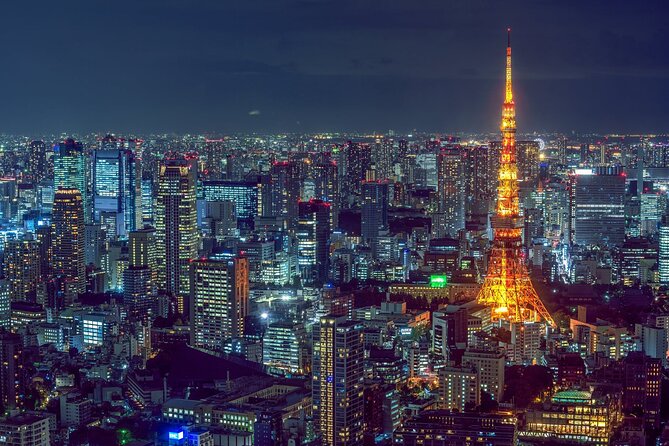
Tokyo is too large for a neat one-day tour. The city spreads across distinct districts, each with its own mood and purpose. That makes this private outing useful: you can sample old Tokyo, modern Tokyo, shopping streets, shrines, waterfront attractions, and central government landmarks without building the route yourself.
The listed price is $425 per group of up to six people. For six, that works out to about $71 per person before any separate attraction costs. For two people, it is much less of a bargain, but the price buys privacy, door-to-door transport, and a driver who can adapt the day around your needs.
The tour lasts approximately 10 hours and pickup is offered. That makes it practical after a long flight, especially if you want to see Tokyo without wrestling with luggage, train connections, and unfamiliar ticket machines. One group with an 11-hour airport layover used the tour for sightseeing and returned to the airport on time, but you should still build in a healthy margin for traffic and airport procedures.
Other city tours we've reviewed in Tokyo


Tsukiji Fish Market: start with Tokyo’s food culture
Tsukiji is often the most rewarding first stop because it gives you an immediate sense of Tokyo’s everyday appetite. The traditional market area sells seafood, vegetables, other produce, and kitchen goods. You get about an hour here, with no admission charge listed.
I would use this stop for small bites, browsing, and a look at the practical side of Japanese food culture. It is not simply a place to pose beside a market sign. The food stalls and shops give you a chance to notice the tools, ingredients, and presentation that shape Japanese cooking.
The timing matters. If you have just eaten breakfast, you may prefer to visit Tsukiji later. One group changed the order and ran into trouble at another attraction because the revised schedule was not handled well. Tell your driver clearly what you want to eat, what you want to skip, and how long you expect to stay.
Asakusa and Sensō-ji: old Tokyo in a compact walk
Asakusa offers the strongest traditional contrast to Tokyo’s high-rise districts. The district is known for Sensō-ji, a Buddhist temple devoted to Kannon, and it includes other temples, festival traditions, shops, and streets with a more old-fashioned feel.
The scheduled stop is about one hour, and admission is free. That is enough for a first look at the temple complex and nearby streets, but not enough for a slow visit to every corner. If you want photos, shopping, snacks, and time inside the temple grounds, say so before the day begins.
One especially nice possibility is seeing people in period-style clothing around Sensō-ji, an experience one group enjoyed. The area can feel crowded, so keep an eye on your meeting point and make sure your driver tells you exactly where to return to the vehicle.
The Imperial Palace area: confirm what you will actually see
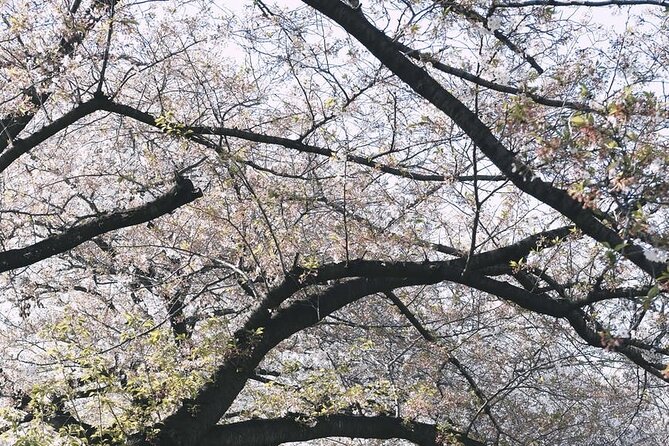
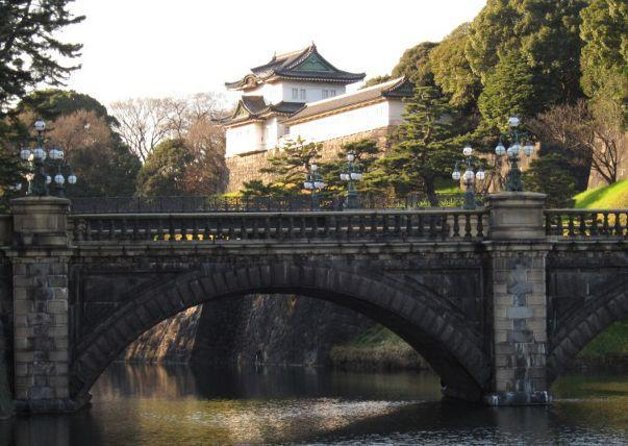
The Imperial Palace is the usual home of Japan’s emperor and occupies a large park-like area in central Tokyo. The tour allows about an hour here, but this is the stop that needs the clearest conversation before departure.
Do not assume that a one-hour Imperial Palace stop means entry into the Imperial Gardens. The gardens are not included as a guaranteed part of this experience, and one dissatisfied family expected more than a drop-off near the corner. Another group was told tickets were unnecessary and found that entry had sold out.
I would ask three direct questions at the start of the day:
- Are we seeing the palace grounds from outside or entering a garden area?
- Are reservations or tickets required today?
- How much time will we spend walking from the vehicle to the entrance?
This is a good example of why customization needs limits. Tokyo’s attractions have opening hours, reservations, parking rules, and long walking approaches. A driver can improve the route, but cannot create extra time or guarantee entry after tickets are gone.
Meiji Jingu Shrine: a quiet break from the city
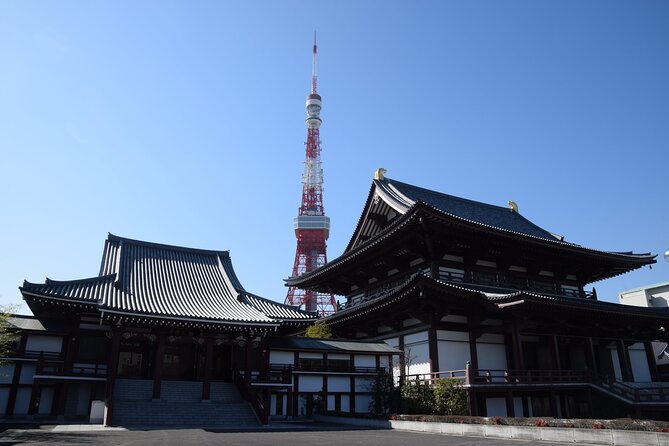
Meiji Jingu is a Shinto shrine in Shibuya dedicated to the deified spirits of Emperor Meiji and Empress Shōken. It is one of the day’s more peaceful stops and gives you a useful change of pace after busy streets and commercial districts.
You have about an hour, with no admission fee listed. The shrine visit involves walking, so comfortable shoes still matter even though the vehicle reduces the total amount of walking across the day. You may see traditional shrine details, ceremonies, or visitors paying their respects, but the exact experience depends on the date.
I like this stop because it explains an important part of Tokyo that shopping streets cannot show. Ask your driver to explain basic shrine etiquette and the people commemorated here. Some drivers provide good background on Japanese history and customs, while others may offer only a quick drop-off, so make your preference clear.
Other private tours in Tokyo

Harajuku, Takeshita Street, and Shibuya: Tokyo’s modern pulse
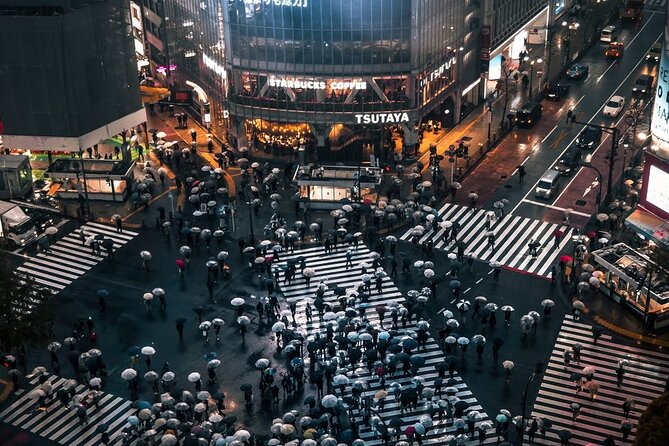
The itinerary groups Shibuya, Harajuku, and Ebisu into a one-hour stop, followed by another 15 minutes in Shibuya. That is a lot to pack into a short period. You can browse Takeshita Street, a pedestrian shopping street lined with fashion shops, cafés, and restaurants, then get a quick look at Shibuya’s famous crossing and the Hachikō dog monument if time allows.
This section is best treated as a sampler, not a full shopping afternoon. If you want to buy clothes, eat, and cross Shibuya several times for photos, you will need to remove other stops. If your priority is simply seeing the districts, the private vehicle lets you take in a broad stretch without hauling shopping bags through several train stations.
Shibuya is a major commercial and business center, and its railway stations are among the world’s busiest. That fact matters less than the practical experience: roads and sidewalks here can slow the schedule, and a 15-minute photo stop can disappear quickly.
The strongest approach is to choose one main goal. Tell the driver you want Takeshita Street, Shibuya Crossing, shopping, or a meal. Trying to do all four in one hour will leave you rushing.
Odaiba: two hours for Tokyo’s futuristic waterfront
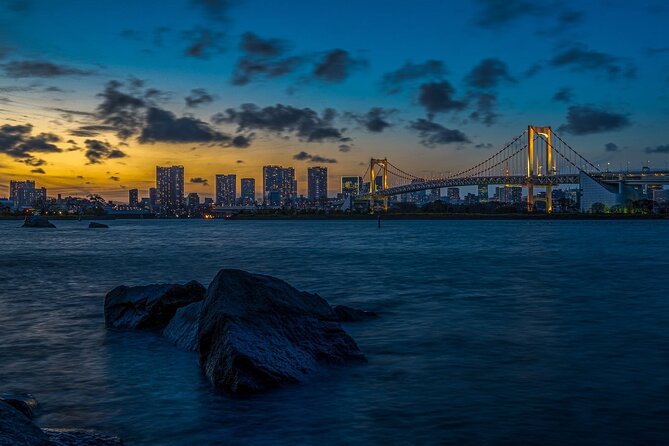
Odaiba receives the longest scheduled stop, about two hours. This artificial island in Tokyo Bay is an entertainment and technology district with attractions such as Seaside Park, the Daikanransha Ferris wheel, and the Miraikan science museum. The tour does not include admission tickets, so any paid attraction would be an additional expense.
Odaiba works well late in the day because it feels different from central Tokyo. You can see the bay, take a break from dense streets, and choose between shopping, open-air views, and indoor attractions. On a clear day, the area may offer views toward Mount Fuji, though weather will decide what you actually see.
Rain can change the value of this stop. One group faced seven hours of heavy rain, poor visibility at Tokyo Skytree, and limited walking. Their driver, Maz, supplied umbrellas and shifted the route toward indoor options. That kind of flexibility helps, but no driver can make an outdoor waterfront day feel sunny.
The tour requires good weather. If poor weather causes cancellation, you are offered another date or a full refund. If the day simply becomes wet after the tour operates, you will need to work with the driver to find practical alternatives.
What the bilingual driver adds to the day
The driver is the key variable. Several drivers have been praised for punctuality, courtesy, safe driving, patience with children, and help with photos. Abdul, in particular, is described as friendly, witty, helpful with pictures, and willing to add stops. Maz has been praised for adjusting plans around rain and family needs. Khan has helped keep schedules moving and even assisted with dinner reservations.
Those personal touches are valuable. A private driver can drop you near an attraction, wait while you explore, and help older relatives avoid unnecessary walking. Families with young children have appreciated having a calm adult who could adjust the route, including adding a child-focused stop such as the lucky cat museum.
But you should not assume every assigned driver offers the same level of explanation. Some provide detailed history and cultural context. Others drive safely, ask where you want to go, and provide little information. One group felt the driver functioned as transport rather than a guide.
At the beginning, show your preferred route and ask for a simple running plan: first stop, expected departure time, next stop, and any ticket deadlines. If you want stories about Tokyo, say that plainly. If you mainly want efficient transport, say that too.
Why the private van can be worth the price
Tokyo’s trains are excellent, but a day of transfers and walking can wear you down. The private vehicle is especially useful for grandparents, young children, or anyone who cannot walk for long periods. You can see more districts while getting occasional relief from heat, rain, and crowded stations.
The value is strongest for a group of four to six. At the full six-person capacity, $425 becomes a reasonable shared transport cost for a long private day. For a couple, the same price is harder to justify unless you place a high value on comfort, hotel pickup, and saving time.
Attraction admission is not included in the stated price. The itinerary lists free admission for the main stops, but Tokyo Skytree, museums, the Ferris wheel, and other added attractions may require separate tickets. Agree on any additions before you count them as part of the day.
The route is also not a magic solution to traffic. Tokyo can be slow, and each extra request takes time from somewhere else. A private car gives you control, not unlimited hours.
Booking details and practical cautions
Confirmation is provided at booking, and the tour offers a mobile ticket. Pickup is offered, and the activity is private, so only your group participates. Most people can take part, but the day still includes walking at markets, shrines, shopping streets, and palace areas.
You can cancel for a full refund up to 24 hours before the start time. Changes made less than 24 hours before departure are not accepted, and late cancellations are not refunded. Because the experience depends on good weather, a provider cancellation for poor conditions brings either a different date or a full refund.
The tour is often booked well ahead, with an average booking lead time of 34 days. I would reserve early if your Tokyo schedule is fixed, especially if you want a particular pickup time or have an airport connection.
Most important, do not leave the itinerary vague. Send your priority list in advance, then repeat the top two or three goals when you meet the driver. A long list can look easy on paper but become impossible once parking, walking, meal stops, and attraction hours enter the picture.
Should you book the Tokyo private day?
Book this tour if you have only one day, want to see several far-flung districts, or are traveling with older relatives or children. It is also a strong choice for an airport layover when door-to-door timing matters. The best version of the day combines a few cultural stops, one shopping area, and Odaiba or another modern district.
Think twice if you want long, detailed guiding at every site, or if you prefer to explore each neighborhood slowly. In that case, Tokyo’s rail system and several focused half-day visits may give you more depth for less money.
My advice is to book with a written priority list and clear expectations about the Imperial Palace. Ask for a bilingual driver who will explain the sights, not just deliver you to them. With that preparation, this is an efficient way to get your bearings, save your legs, and see the broad shape of Tokyo in one demanding but useful day.
FAQ
How long does the Tokyo private tour last?
The experience lasts approximately 10 hours.
How many people can join the private tour?
The price covers one private group of up to six people.
Is pickup offered?
Yes. Pickup is offered as part of the experience.
Which places are included in the planned route?
The planned route includes Tsukiji Fish Market, Asakusa, the Imperial Palace area, Meiji Jingu Shrine, Shibuya and Harajuku, and Odaiba District.
Are admission tickets included?
The main listed stops show free admission, but separate tickets may be needed for added attractions such as Tokyo Skytree, museums, or the Ferris wheel.
Is entry to the Imperial Gardens guaranteed?
No. The Imperial Gardens are not guaranteed as part of the tour, so you should clarify the exact palace visit and ticket requirements before the day begins.
What is the cancellation policy?
You can cancel up to 24 hours before the experience for a full refund. Cancellations or changes made less than 24 hours before the start time are not accepted for a refund.
More 1-Day Tours in Tokyo


More Private Tours in Tokyo
More City Tours in Tokyo



More tours in Tokyo we've reviewed











City Tours, compared.
 ★ 4.8Tokyo: Private City Highlights Tour with Local GuideFrom $1064 - 8 hours
 ★ 4.7Tokyo: Asakusa, Skytree & Akhihabara Go-Kart City ExperienceFrom $961h 10m
 ★ 4.8Tokyo: 3-Hour Bike or E-Bike City Highlights TourFrom $453 hours
 ★ 4.8Tokyo: Sumo Morning Practice Tour at Sumida CityFrom $1162 hours
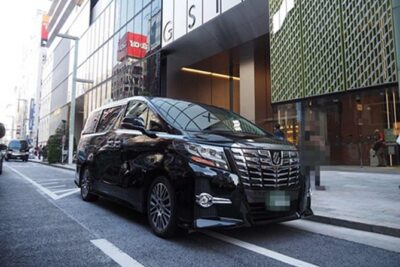 ★ 4.5Private Haneda Airport (HND) to Central Tokyo City TransferFrom $119
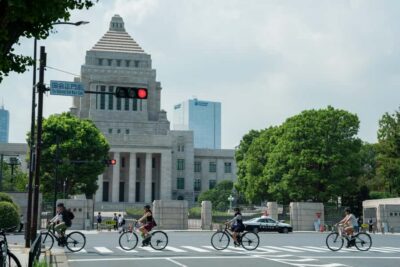 ★ 4.8Tokyo: 3-hour Guided E-Bike Tour of the City’s Hidden GemsFrom $65