
Reviewed · KAMAKURA & ENOSHIMA DAY TRIPS
Tokyo: Bus Tour to Kamakura Great Buddha & Enoshima with Pickup
Kamakura and Enoshima pack seaside views, medieval Japan, shrine rituals, anime fame, and a giant bronze Buddha into one long day. This small-group shuttle tour gives you a practical way to cover the highlights without planning several train connections yourself.
I like the included Enoden streetcar ride and the freedom to explore each stop at your own pace. I also like the modest group size, capped at nine, and the chance to see the Slam Dunk locations along the Shonan coast. The catch is important: this is mainly transportation with essential support, not a full lecture tour, and English communication may vary by driver.
In This Review
- Key points to know before booking
- A full day from Tokyo to the Shonan coast
- Enoshima: two hours on an island tied to legend
- Kamakura High School and the Slam Dunk photo stop
- The Enoden ride, a short but useful highlight
- Tsurugaoka Hachimangu and Kamakura’s samurai past
- The Great Buddha at Kotoku-in
- What the driver and guide service is really like
- Timing, meals, and what to budget
- Who should choose this Kamakura day trip?
- Should you book it?
- FAQ
- How long does the Tokyo to Kamakura and Enoshima tour last?
- Where does the tour start and end?
- Is hotel pickup available?
- Is the Enoden streetcar ticket included?
- Do I pay separately to enter the Great Buddha?
- Is lunch included?
- How large is the group?
- Will the driver provide detailed guided commentary?
Key points to know before booking
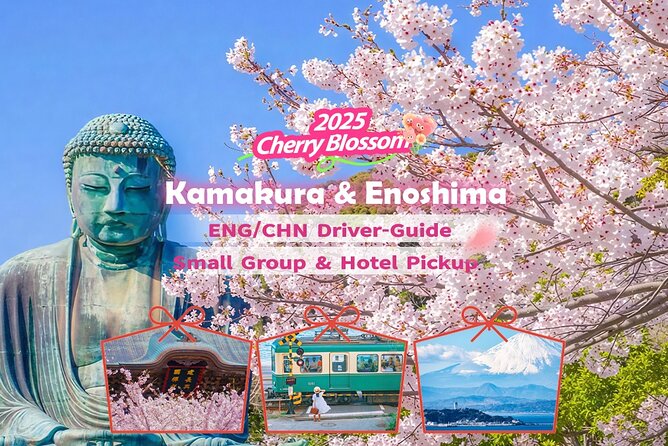
- The Great Buddha costs extra: Pay ¥300 at Kotoku-in, while the Enoden ticket is included.
- Enoshima gets two hours: You have time for a good walk, photos, shopping, and local food.
- The tour is self-guided at the stops: Your driver helps with transport and timing but may not provide detailed explanations.
- Slam Dunk fans get a quick photo stop: Kamakura High School and its nearby intersection receive about 30 minutes.
- The day lasts about 10 hours: The stops take roughly four hours and 20 minutes, with the rest used for driving.
- Hotel pickup costs extra: The standard meeting point is Tokyo Station’s Marunouchi North Exit, Bus Stop No. 21.
A full day from Tokyo to the Shonan coast
This outing is designed for convenience. You meet at Tokyo Station, board an air-conditioned vehicle, and let someone else handle the route toward Kamakura and Enoshima. The group limit of nine is much easier to manage than a large coach, especially when the day includes several timed stops.
The standard start is Tokyo Station Marunouchi North Exit Bus Stop No. 21. The tour returns to that same meeting point. Hotel or bed-and-breakfast pickup can be arranged for an added charge, but you should treat the pickup details as something to confirm carefully.
The company describes the service as a driver and guide arrangement, but the practical experience is closer to a shared shuttle with sightseeing stops. You get help getting from place to place and can ask about local attractions, yet you should not expect a long explanation at every temple, shrine, or viewpoint.
That distinction determines the value. At $63.44 per person, the tour is reasonably priced if you want transport and a simple route through Kamakura. It is less attractive if your main goal is expert commentary on Buddhist art, Shinto practice, or Kamakura’s political past.
The day runs about 10 hours. The listed stops total about four hours and 20 minutes, so a large share of your time goes to travel. That is normal for a day trip from Tokyo, but it means you should come ready for a full outing rather than a relaxed half-day visit.
A few more Tokyo tours and experiences worth a look

Enoshima: two hours on an island tied to legend
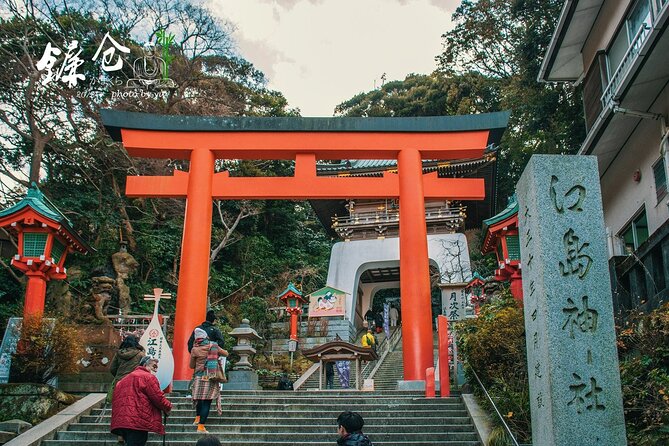
Enoshima is the first major stop, with about two hours to explore. The island is linked to a local legend in which the goddess Benzaiten emerged from the sea in 552 and subdued a five-headed dragon. You can enjoy that story as part of the island’s atmosphere, even if the tour does not provide a long guided talk about it.
Your time here is flexible. You can walk, take pictures, browse for souvenirs, and sample local food. The two-hour allotment gives you room to get a feel for the place, though it is not enough time for an unhurried visit to every possible attraction on the island.
I would use this stop for the coast and the island streets rather than trying to force a checklist. The tour specifically presents Enoshima as a place to enjoy at your own pace, which is useful because the most satisfying moments may come from simply walking around and taking in the sea views.
You should also watch the clock. With several stops still ahead, this is not a place where you can wander indefinitely. Confirm exactly where and when to meet the driver before setting off, especially if you separate from the group.
Kamakura High School and the Slam Dunk photo stop
The visit to Kamakura High School lasts about 30 minutes. The school served as the model for Shohoku High School in the Slam Dunk manga and anime series, and fans can visit the well-known intersection near the station associated with Sakuragi Hanamichi.
This is a focused stop, not a broad visit to the school grounds. The appeal is the recognizable setting and the chance to connect a real coastal town with one of Japan’s best-known sports stories. If Slam Dunk means little to you, the stop may feel brief and less important than the shrine or Buddha.
For fans, though, 30 minutes can be enough for photos and a quick look around. I would keep your expectations in check. You are visiting a public area connected with the series, not entering a themed museum or receiving a detailed anime presentation.
The coast adds to the appeal. The Shonan area gives this day a different feel from central Tokyo, with the Enoden route, seaside views, and low-key town streets replacing skyscrapers and department stores.
The Enoden ride, a short but useful highlight
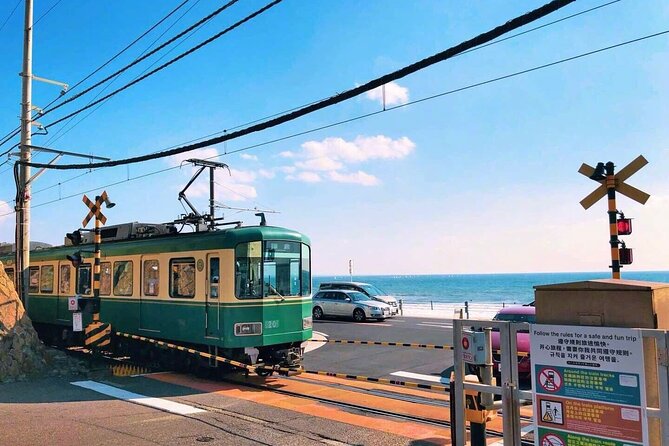
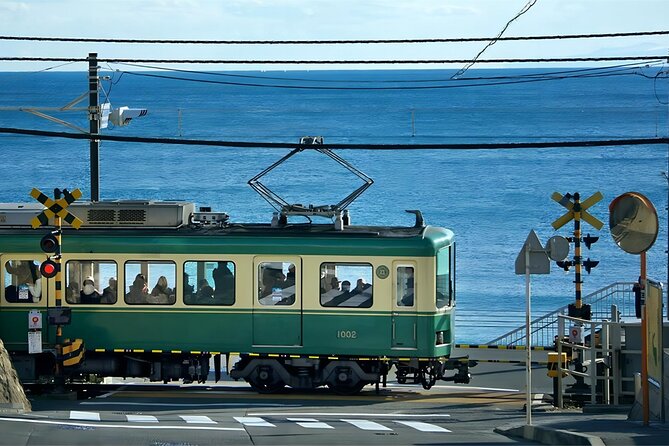
The Enoden is a charming streetcar running between Fujisawa and Kamakura. The tour includes a ticket and sets aside about 20 minutes for the experience. That is short, but it gives you a taste of one of Kamakura’s most distinctive forms of transport.
The route is valued for its views of the Shonan coast and access to famous Kamakura sights. Riding it also changes the rhythm of the day. Instead of spending every minute inside the tour vehicle, you get a brief local transit experience that connects the coast and town.
Pay close attention to meeting instructions here. The transition between the vehicle, the Enoden, and the next pickup point is one of the places where clear communication matters most. Directions have not always been easy to follow, and a visitor who assumes the driver is providing a detailed guided transfer could become confused.
Think of the Enoden ticket as a convenience, not as a private rail excursion. The ride is included, but the tour does not promise a long narrated journey. Keep your ticket and stay aware of the group’s rendezvous point.
Tsurugaoka Hachimangu and Kamakura’s samurai past
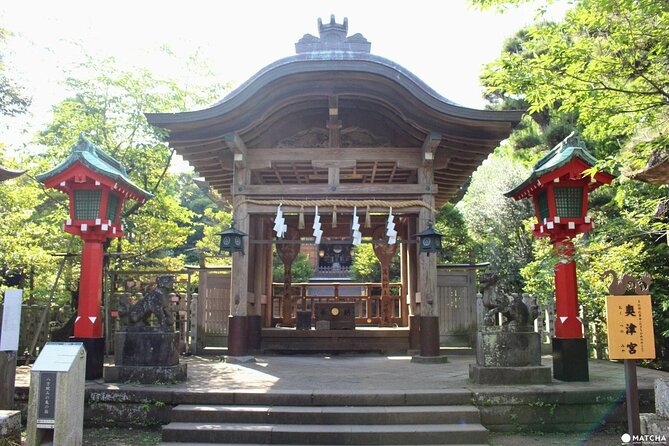
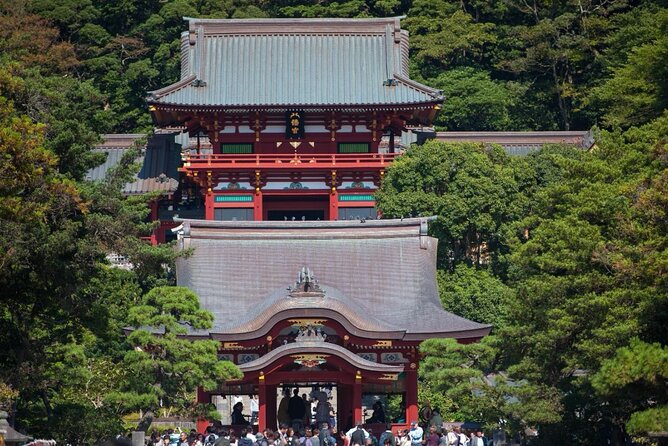
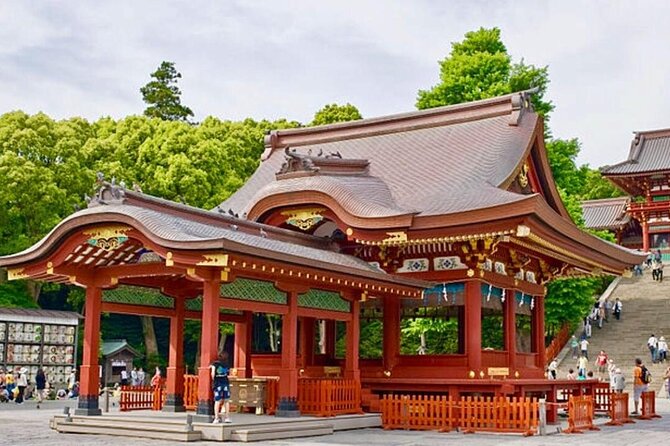
Tsurugaoka Hachimangu receives about 90 minutes, making it one of the more substantial stops. The Shinto shrine dates to the 12th century and was founded by Minamoto no Yoritomo, the first shogun of the Kamakura Shogunate.
This is where the day gains its strongest historical setting. The shrine is dedicated to Hachiman, a deity associated with the warrior tradition, and its long connection with the Kamakura Shogunate gives the visit more weight than a quick photo stop.
You can walk through the shrine precinct, observe the layout, and take time for the visual details of a major Shinto site. Since general admission is free, you do not need to set aside an entrance charge here. Personal offerings, food, souvenirs, and any optional activities are your responsibility.
Ninety minutes is useful but still structured. You can see the main areas without turning the visit into a slow, scholarly study. If shrine architecture and Japanese history are priorities, you may wish for more time and more explanation. The driver’s role is to keep the day moving, not to teach a full class on the Kamakura period.

The Great Buddha at Kotoku-in
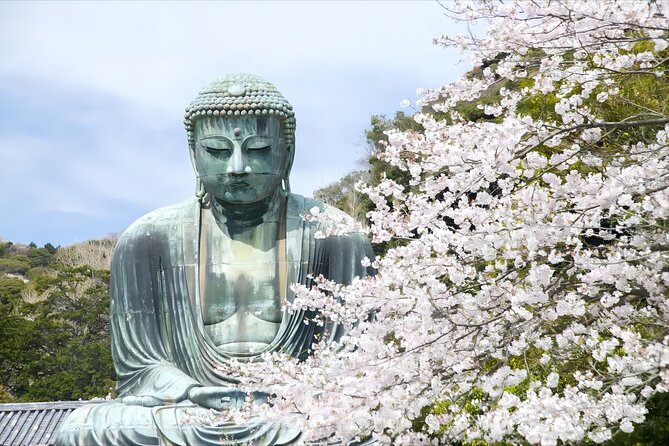
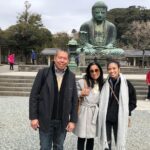
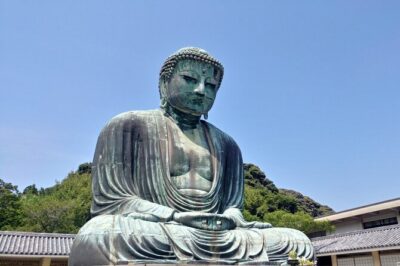
The Great Buddha of Kamakura is the day’s most famous sight for many people. The bronze Amitabha Buddha sits at Kotoku-in Temple, a 13th-century temple, and the visit lasts about 40 minutes.
Admission is not included. The entrance fee is ¥300 per person, so add that small cost to the advertised tour price. This is the only specific entrance fee listed for the main stops, and it is easy to budget for.
Forty minutes works well for seeing the statue, taking photographs, and looking around the temple grounds. It is not much time for a detailed temple visit, especially if you want to linger over the statue’s construction, religious meaning, and setting.
The Great Buddha is especially valuable in combination with Tsurugaoka Hachimangu. One stop shows a major Shinto shrine tied to warrior rule; the other presents a large Buddhist image tied to Pure Land Buddhism. Even without a long guide talk, that contrast gives the day a useful glimpse of Japan’s overlapping religious traditions.
Bring a little cash or otherwise be ready to pay the entrance fee. Also remember that the tour schedule leaves limited room for delays. If you want to spend extra time at Kotoku-in, this may not be the right format for you.
What the driver and guide service is really like
The strongest version of this experience comes from a friendly, safe driver who can offer practical help, point out local alternatives, and communicate well in English. Useful touches may include bottled water or the loan of an umbrella. Those small acts matter on a long day moving between several places.
You should also prepare for a less polished version. One account describes a driver who spoke mostly Chinese and only limited English, with pickup and drop-off directions that were hard to understand. That does not mean every departure will be difficult, but it is a fair reason to confirm details before the day begins.
The most accurate expectation is support rather than interpretation. You will be taken to the main sights, told when and where to regroup, and given time to look around. You may not receive detailed commentary about the shrine, temple, legends, or anime connections.
This works well for independent visitors who are comfortable using their own phone, reading signs, and exploring without constant narration. It works less well for anyone who wants a specialist guide explaining every stop in polished English.
Timing, meals, and what to budget
Lunch is not included. You can use part of your free time for local food, particularly during the Enoshima stop, but the schedule does not promise a dedicated restaurant meal. Bring money for lunch, drinks, snacks, souvenirs, and optional activities.
The base price is $63.44 per person. Add the ¥300 Kotoku-in admission fee and the cost of lunch. Hotel pickup is an optional paid add-on, while the standard meeting point is Tokyo Station.
For the number of places covered, the price makes sense if you value simplicity. You see Enoshima, the Slam Dunk location, the Enoden, Tsurugaoka Hachimangu, and the Great Buddha in one day without arranging each leg yourself.
The value drops if you are already confident with Japanese trains and want to set your own pace. Kamakura and Enoshima can reward a slower visit, and this tour’s fixed schedule limits that freedom. You are paying for a ready-made route and shared transport, not a private car or an in-depth guided tour.
Mobile tickets are provided, and most people can participate. The tour operates near public transportation, but the activity begins and ends at the specified Tokyo Station meeting point unless you pay for the pickup option.
Who should choose this Kamakura day trip?
I would recommend it to a first-time Tokyo visitor who wants to see Kamakura and Enoshima in one day without wrestling with connections. It also suits small groups, solo visitors who prefer organized transport, and Slam Dunk fans who want a quick stop at the real-world setting.
It is a good fit if you enjoy choosing your own pace once you arrive. You can take your own photos, browse, eat, and explore rather than follow a guide through every corner.
I would be cautious if you need detailed English explanations or precise, highly polished pickup instructions. Families and older visitors may appreciate the air-conditioned vehicle, but the 10-hour schedule and repeated transfers still make this a demanding day.
The maximum group size of nine is a real advantage. It keeps the outing more personal than a large bus tour, even though it remains a shared service. Just do not mistake a small group for a private tour. You still follow a common schedule and share the vehicle with other people.
Should you book it?
Book this tour if your priority is efficient sightseeing from Tokyo. The route covers the biggest names in Kamakura and Enoshima, the Enoden ticket is included, the group is limited to nine, and the price is fair for a full day of transport.
Skip it if you want a guide who gives detailed cultural and historical explanations, or if you prefer to linger at one shrine, temple, or coastal town. Before departure, save the meeting point, confirm any pickup instructions, and understand that the driver may provide support rather than a running commentary.
The best way to enjoy this outing is to treat it as a well-planned shuttle day with sightseeing built in. Bring comfortable shoes, lunch money, a charged phone, and realistic expectations. With that approach, you get a broad and memorable look at Kamakura and Enoshima without trying to organize every piece yourself.
FAQ
How long does the Tokyo to Kamakura and Enoshima tour last?
The tour lasts approximately 10 hours. The listed sightseeing stops take about four hours and 20 minutes in total, with the remaining time used for travel.
Where does the tour start and end?
It starts at Tokyo Station’s Marunouchi North Exit, Bus Stop No. 21, at Chome-6 Marunouchi, Chiyoda City. The tour ends back at the same meeting point.
Is hotel pickup available?
Yes. Pickup from your hotel or bed-and-breakfast to the meeting point is available as a paid add-on.
Is the Enoden streetcar ticket included?
Yes. The Enoden experience and ticket are included in the tour price.
Do I pay separately to enter the Great Buddha?
Yes. The Kotoku-in entrance fee is not included and costs ¥300 per person.
Is lunch included?
No. Lunch, optional activities, and personal expenses are not included.
How large is the group?
The tour has a maximum of nine participants. It is a shared, non-private shuttle service.
Will the driver provide detailed guided commentary?
The driver and guide provide essential support, but the experience is not presented as a detailed commentary tour. You should expect to explore the stops largely at your own pace, and English communication may vary.
More Kamakura & Enoshima Day Trips in Tokyo
More tours in Tokyo we've reviewed



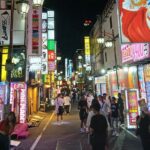
Kamakura & Enoshima Day Trips, compared.
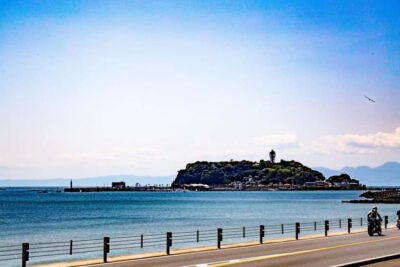 ★ 4.5Tokyo: Kamakura & Enoshima Day Trip including Temple TicketsFrom $589 hours - 570 minutes
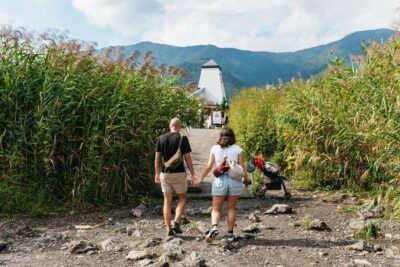 ★ 4.5Tokyo: Mt. Fuji, Kamakura, Big Buddha, & Lake Ashi Day TripFrom $4910 - 11 hours
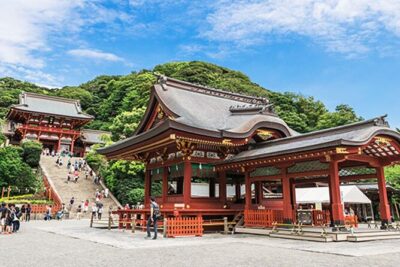 ★ 4.5From Tokyo: Kamakura & Enoshima 1-Day Bus TourFrom $66
 ★ 5.0Kamakura Historical Walking Tour with the Great BuddhaFrom $98
 ★ 5.0Kamakura Private Tour: Temples, Nature, and the Great BuddhaFrom $98
 ★ 5.0Kamakura Walking Tour – The City of ShogunFrom $35