
Reviewed · 1-DAY TOURS
Tokyo 1-Day Bus Tour, pickup from 28 designated hotels in Tokyo
Tokyo is a hard city to grasp in one day, but this tour gives you a useful first look from an air-conditioned bus, then gets you out for shrines, gardens, temples, and city views. The most unusual part is the one-way boat ride to Asakusa, which breaks up a busy sightseeing day.
I like the hotel pickup because Tokyo’s rail system can feel like a puzzle on your first morning. I also like the mix of old and new: Meiji Shrine and Sensō-ji sit alongside Tokyo Tower, Ginza, Shibuya, and the Imperial Palace.
The trade-off is simple: you cover a lot, but you follow a tight schedule. Traffic, a group of up to 40 people, long walks, and occasional cruise cancellations can turn this into a tiring day.
In This Review
- Key points to know before booking
- Why this bus tour works for a first day in Tokyo
- Meiji Shrine begins the morning quietly
- Tokyo Tower gives you the big picture
- The Imperial Palace and central Tokyo from the bus
- Ginza lunch: convenient, but choose carefully
- Hamarikyu Gardens bring a softer pace
- Hinode Pier and the cruise to Asakusa
- Sensō-ji and Nakamise in Asakusa
- The final route: Skytree, Kappabashi, Ueno, and Akihabara
- What the full-day pace feels like
- Who should book this Tokyo tour?
- Should you book it?
- FAQ
- What time does the Tokyo bus tour start?
- How long does the tour last?
- Is lunch included?
- Can the tour accommodate food allergies?
- Is the river cruise included?
- What should I wear for the tour?
Key points to know before booking
- Tokyo in one sweep: Visit Meiji Shrine, Tokyo Tower, Hamarikyu Gardens, Sensō-ji, and major central districts in one day.
- A boat ride adds variety: The 30-minute cruise from Hinode Pier to Asakusa gives your feet a break and shows Tokyo from the water.
- Two guides may lead the day: The morning and afternoon portions can have different guides, including names such as Yoshi, Yuki, Sakura, or Spring.
- Lunch is optional: Choose a Japanese-style regular lunch or vegetarian lunch, but special allergy meals are not available.
- Hotel pickup saves effort: Pickup and return are offered at designated Tokyo hotels, though you should confirm the exact time and hotel location.
- Expect a full day: The advertised sightseeing lasts about 8 hours 30 minutes, while total time can reach roughly nine to ten hours with hotel stops and traffic.
Why this bus tour works for a first day in Tokyo
At $89.19 per person, this is not the cheapest way to see Tokyo. It can be good value if you want transport, a guide, Tokyo Tower admission, Hamarikyu Gardens admission, and the river cruise handled in one booking.
The real value is time and orientation. You do not need to work out several train changes between Meiji Shrine, Tokyo Tower, Ginza, the waterfront, and Asakusa. The bus links districts that are spread across a very large city, letting you see how Tokyo’s neighborhoods fit together.
I would choose this tour for a first visit, a short stay, or a day when you want an overview before exploring on your own. If you already know Tokyo well, or prefer slow meals and long visits at each site, the pace may feel too brisk.
A certified English-speaking guide provides commentary during the day. Several guides named in past bookings include Yoshi, Yuki, Sakura, Spring, and Oshi, though your guide is assigned by the operator. Some travelers praised the guides for clear English, useful cultural background, and practical help, while others found the afternoon commentary too quiet or fast.
A few more Tokyo tours and experiences worth a look
Meiji Shrine begins the morning quietly
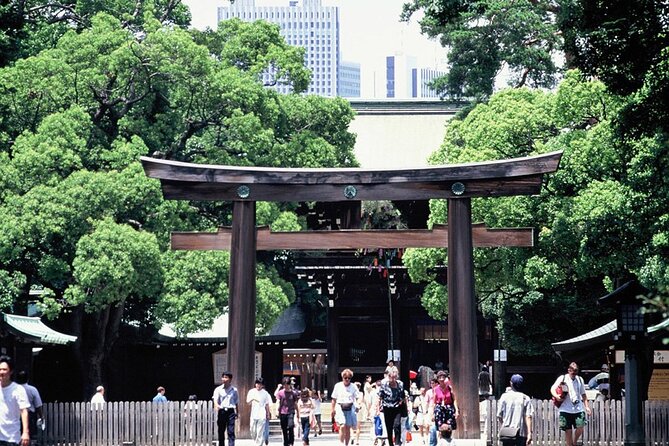
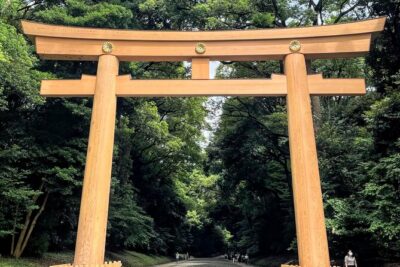
Your first major stop is Meiji Jingu Shrine, completed in 1920 to honor Emperor Meiji and Empress Shoken. It is one of Tokyo’s most important Shinto sites and offers a calm opening to a day that later moves through packed shopping streets and busy intersections.
You have about 40 minutes here, with no admission charge. That is enough to walk through the grounds, see the shrine buildings, and get a first sense of Shinto customs. You will be outdoors, so comfortable shoes matter from the start.
The tour also passes Shibuya Scramble Crossing, known as one of the busiest pedestrian intersections in the world. This is mainly a drive-by sight rather than a long stop. If seeing the crossing is high on your personal list, you may want to return independently later, when you can choose a good viewing point and watch several crossings at your own pace.
Tokyo Tower gives you the big picture
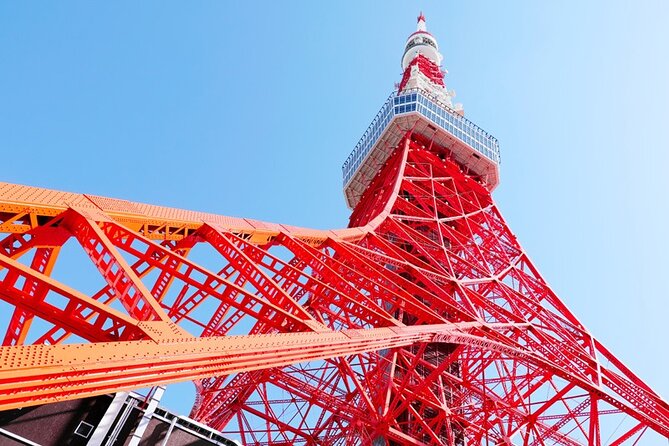
Tokyo Tower is one of the day’s clearest highlights. The tour includes admission to the main observation deck, and a high-speed elevator takes you upward for broad views over the city.
You have around 40 minutes here. That includes the elevator, observation area, and time for photos, so do not expect a leisurely visit to every level. Still, the view helps you understand Tokyo’s scale better than any map. On a clear day, you can pick out the dense central districts, broad roads, towers, and distant edges of the city.
The ticket inclusion matters. You avoid the need to buy admission during a packed schedule, and the guide can keep the group moving. The drawback is that observation decks depend heavily on weather. Rain or haze can reduce the payoff, and the tour may alter parts of the route because of weather or traffic.
The Imperial Palace and central Tokyo from the bus
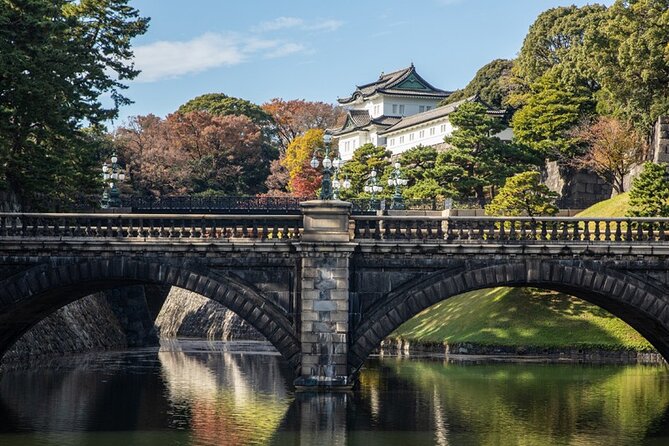
The bus takes about 20 minutes to loop around the Imperial Palace area. The palace was once the shogun’s castle before the political changes of the mid-19th century, and the guide gives commentary during the drive.
This is a useful way to see the area, but it is not a palace interior visit. You remain on the bus, so think of it as a guided orientation rather than a full sightseeing stop.
The route also passes Japan’s Diet building, completed in 1936, where both houses of the national parliament meet. Ginza follows, with its department stores, luxury brands, restaurants, and long connection to Tokyo’s Western-style shopping culture.
These drive-through sections make the tour efficient, but they also show the limits of a bus itinerary. You see more districts than you could easily visit on foot, yet you have less control over where to stop for photos.
Ginza lunch: convenient, but choose carefully
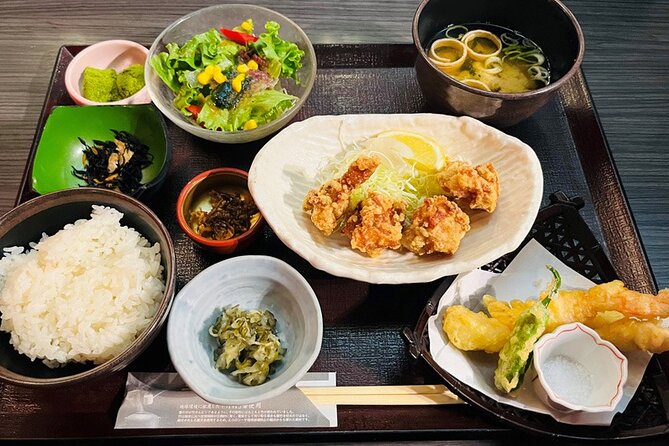
The lunch option provides a Japanese-style regular meal or a Japanese-style vegetarian meal. It is a practical break in the middle of a demanding schedule, and many bookings praised the food as enjoyable and filling.
You should not expect a food tour. The meal is there to keep the day moving, not to explain every dish, ingredient, or dining custom in detail. Some meals have felt hurried, and one vegetarian meal reportedly lacked dessert, so expectations should stay modest.
If you have food allergies or strict dietary needs, select the tour without lunch. The operator states that special meals cannot be provided. Drinks are not included, so bring money for a beverage or plan to buy one during the day. Bottled water is not included either, and vending machines and convenience stores are common in Tokyo, but carrying your own water is the sensible choice.
Hamarikyu Gardens bring a softer pace
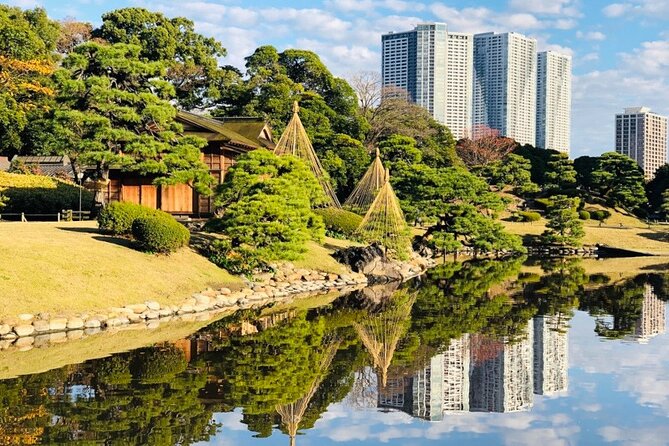
After the city streets, Hamarikyu Gardens offer a welcome change. This former shogun’s garden was also used as a fortress and follows the classic Daimyo garden style, with ponds, trees, stones, and tea houses.
Admission is included, and you have about 40 minutes to walk around. The gardens are not just decorative. They show how Japanese gardens use water, carefully placed rocks, paths, and views to create a sense of space inside a large city.
This stop can feel short if you enjoy gardens. A few people have preferred more time here and less time at Sensō-ji. That is a fair concern, since the day gives you only a quick sample of each place. Still, Hamarikyu is one of the tour’s best contrasts: after neon districts and wide roads, you get ponds, old trees, and quiet corners.
Hinode Pier and the cruise to Asakusa
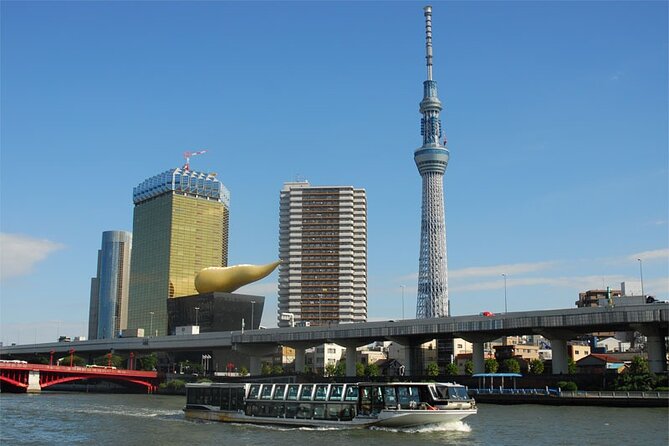
From Hinode Pier, you take a one-way boat ride of about 30 minutes toward Asakusa, traveling along Tokyo Bay and the Sumida River. This is the day’s most relaxing transfer and gives you a different view of the city’s bridges, waterfront, and buildings.
The cruise is included in the price. It is not designed as a full guided sightseeing boat trip, and commentary may be limited. If you expect a narrated harbor tour, you could find this section under-explained. I see its main benefit as a change of setting and a chance to sit down after several walking stops.
Operational problems can affect this part of the route. If the Sumida River cruise is suspended, the alternative may be a longer Tokyo Bay cruise from Odaiba across Rainbow Bridge, lasting about 50 minutes including the river portion. In that case, Hamarikyu Gardens may be omitted.
If both cruises are unavailable because of weather or operations, the bus may drive through Odaiba and across Rainbow Bridge before continuing to Asakusa. The tour is not automatically canceled or refunded when individual visits are changed for these reasons, so book this with some flexibility.
Sensō-ji and Nakamise in Asakusa
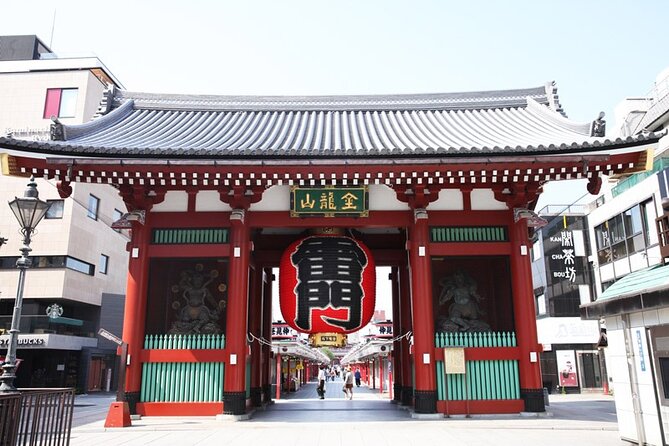
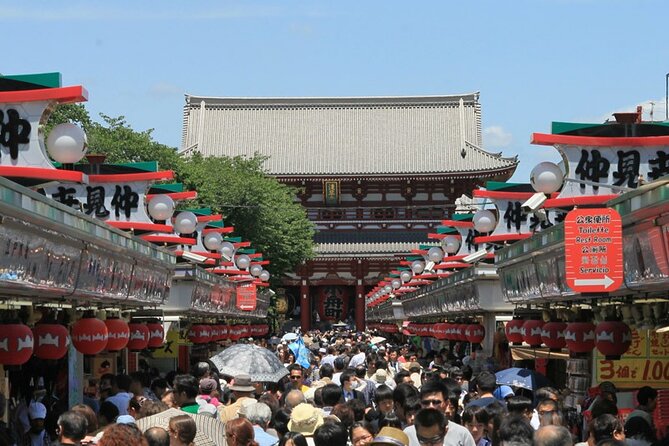
Sensō-ji is one of the oldest Buddhist temples in the area, dating to the seventh century. The temple’s approach includes Nakamise, a narrow shopping lane lined with souvenir and snack shops.
You have about 50 minutes here, the longest scheduled stop of the day. That gives you time to see the temple, walk along Nakamise, and make a few purchases. It can also feel like too much time if shopping is not your priority, especially after a full morning.
Asakusa is an important part of the tour because it shows an older side of Tokyo. The bright commercial districts earlier in the day present modern Japan, while Sensō-ji connects you with Buddhist worship, temple architecture, and long-running local customs.
The area can be crowded, and a group of 40 is not always easy to keep together. Listen closely when the guide gives a meeting point and time. The afternoon portion can move quickly, and losing sight of the group may cost you part of the next stop.
The final route: Skytree, Kappabashi, Ueno, and Akihabara
The bus continues past Tokyo Skytree, one of the world’s tallest structures, with a shopping center at its base. The itinerary does not include Skytree observation-deck admission, so this is a passing view rather than another tower visit.
You also pass Kappabashi, often called Kitchen Street or Utensil Street. Its shops serve professional chefs and restaurant owners, selling cooking tools and restaurant supplies. It is an interesting detail that many short Tokyo tours skip, though you will need a separate visit if you want to browse its stores.
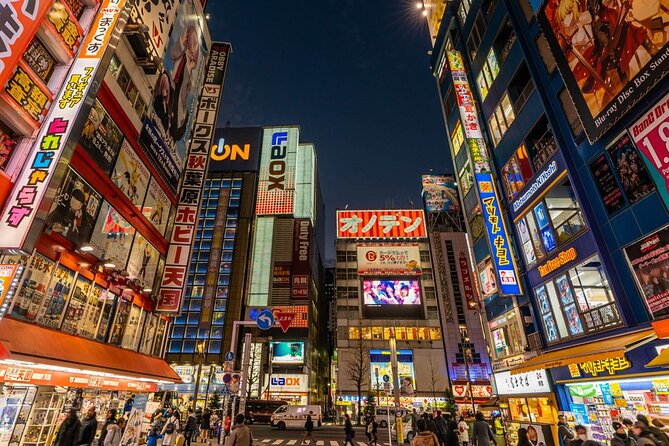
The final drop-off options can include Ueno and Akihabara. Ueno is a major commercial district, while Akihabara is the center of Japan’s anime and manga culture. You may be able to leave the tour at one of these points instead of returning to your original hotel, which is useful if you want to continue sightseeing.
The return portion can be slow because the bus may stop at several hotels. One difficult day included long pickup and return delays, while other bookings praised the service for being punctual. This difference reflects Tokyo traffic and the number of hotel stops, so do not schedule a tight dinner, train, or flight immediately afterward.
What the full-day pace feels like
The tour starts around 8:30 a.m. and lasts about 8 hours 30 minutes, though pickup and travel between attractions can push the total closer to nine or ten hours. You spend some time seated, but this is not a restful bus ride.
You will walk outdoors at shrines, gardens, temples, piers, and shopping areas. Wear sneakers or other comfortable shoes, and bring rain gear. Cold, wet weather can make the schedule feel much harder, while hot weather can drain your energy by the afternoon.
The bus is air-conditioned, which is a major comfort in a city as spread out as Tokyo. WiFi is not included. A taxi may handle hotel pickup or return, and a guide may not accompany that short transfer, so pay attention to the instructions you receive.
Pickup is offered at designated major hotels. The tour information refers to 28 designated hotels in one place and 33 major hotels in the inclusions, so confirm your exact hotel, pickup time, and meeting instructions before the morning of the tour. A reservation made less than one hour before pickup may not allow the hotel pickup to be arranged.
Who should book this Tokyo tour?
I would recommend it if you want maximum sightseeing in one day and do not want to manage Tokyo’s complex rail connections. It suits first-time visitors, short-stay visitors, families who value a fixed route, and anyone who wants a guide to explain the cultural difference between a Shinto shrine, a Buddhist temple, an imperial district, and a modern commercial center.
It is also a smart choice if Tokyo Tower and the boat ride are both on your list. Buying the transport and admissions together saves planning time, even if the price is higher than using trains and visiting fewer sights independently.
I would hesitate if you have mobility limits, dislike crowds, need frequent toilet breaks, or want long, quiet visits. The tour requires moderate fitness, includes outdoor walking, and uses a large group. It also cannot guarantee every listed stop if traffic, weather, tides, or cruise operations interfere.
Free cancellation is available up to 24 hours before the start time. Changes or cancellations inside that window are not refunded, and weather or minimum-participant cancellations are handled with a new date, another experience, or a full refund.
Should you book it?
Book this tour if your goal is to get a strong first outline of Tokyo in one long day. The best parts are the broad route, hotel pickup, Tokyo Tower view, Hamarikyu Gardens, and boat transfer into Asakusa. Guides such as Yoshi, Yuki, Sakura, and Spring have been praised for clear explanations and helpful service, though guide quality and volume can vary.
Skip it if you want Tokyo at a slow pace. For a more personal day, choose two or three districts and use the trains. For everyone else, $89.19 buys a useful, tightly packed introduction, with the important warning that Tokyo traffic and a large group are part of the deal.
FAQ
What time does the Tokyo bus tour start?
The stated start time is 8:30 a.m. Hotel pickup timing varies by the designated hotel.
How long does the tour last?
The sightseeing program is approximately 8 hours 30 minutes. Pickup, return service, and travel between attractions can make the total day roughly nine to ten hours.
Is lunch included?
Lunch is included only when you select the tour option with lunch. That option offers a Japanese-style regular lunch or a Japanese-style vegetarian lunch.
Can the tour accommodate food allergies?
No. Special meals cannot be provided. If you have food allergies or dietary restrictions, choose the option without lunch.
Is the river cruise included?
Yes. The scheduled 30-minute river cruise from Hinode Pier to Asakusa is included. It may be replaced or omitted because of weather, tidal conditions, or operational problems.
What should I wear for the tour?
Wear sneakers or other comfortable shoes because the tour involves substantial outdoor walking. Rain gear is recommended in case of bad weather.
More 1-Day Tours in Tokyo


More tours in Tokyo we've reviewed


1-Day Tours, compared.
 ★ 5.0Mt Fuji and Hakone 1-Day Bus Tour Return by Bullet TrainFrom $163
 ★ 5.01-Day Tokyo Bus TourFrom $129
 ★ 4.0Mt Fuji & Hakone Cruise, Drum Show Bullet Train 1 Day from TokyoFrom $149
 ★ 4.5Tokyo: DisneySea 1-Day PassportFrom $571 day
 ★ 4.6Tokyo Disneyland 1-Day PassportFrom $571 day
 ★ 4.2Tokyo: Mt. Fuji 5th Station & Hakone Cruise 1-Day Bus TourFrom $12911 hours