
Reviewed · TOKYO FOOD TOURS
Shinjuku: Food Tour – 15 Dishes & 3 Drinks at 4 Eateries
Shinjuku after dark is best understood one small restaurant at a time. This three-hour walk takes you from the lantern-lit lanes of Omoide Yokocho through Kabukicho and into Golden Gai, with up to 15 Japanese dishes and three drinks along the way.
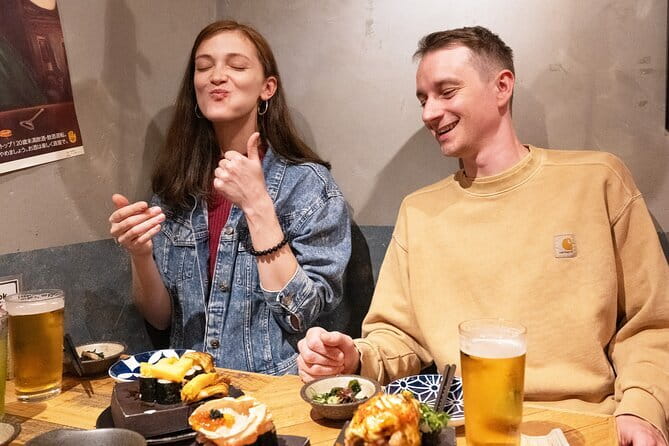
I like the sheer range of food, from yakitori, gyoza, and fried tofu to sushi, kushikatsu, grilled vegetables, and a sake flight. I also like the chance to enter small places that can be hard to find or difficult to approach without a Japanese speaker, with guides such as Ayaka, Naoto, Shun, and Midori helping the evening along.
The main caution is organization. Some sessions have felt easy and personal, while others have involved large groups, missed explanations, or time spent finding the next restaurant. At $112.75, you are paying for guidance, food, drinks, and access to several stops, not simply a cheap dinner.
In This Review
- Key points about this Shinjuku food tour
- Why this three-hour route works in Shinjuku
- Meeting at Shinjuku Station East Exit
- Omoide Yokocho: smoky lanes and easy first bites
- Kabukicho: the value of a local booking
- Golden Gai: tiny bars and a social finish
- The food: a wide Japanese tasting menu
- What the guides add to the evening
- Is $112.75 a fair price?
- Who should book this experience?
- Should you book the Shinjuku food tour?
- FAQ
- How long does the Shinjuku food tour last?
- How many eateries does the tour visit?
- How much food and drink is included?
- Which Shinjuku areas are included?
- Where does the tour begin and end?
- How many people can join the tour?
- Can I cancel for a full refund?
Key points about this Shinjuku food tour
- Four distinct Shinjuku neighborhoods: Walk through Omoide Yokocho, Kabukicho, and Golden Gai rather than eating in one fixed venue.
- Up to 15 dishes and three drinks: The spread can include sushi, gyoza, yakitori, kushikatsu, grilled vegetables, fried tofu, beer, and sake.
- A useful first night in Tokyo: The route gives you a quick introduction to Shinjuku nightlife, food customs, and narrow restaurant districts.
- Small-group format on paper: The maximum is 15 people, though one account describes a much larger, poorly managed group, so guide and date may matter.
- Shoes may need to come off: At least one restaurant requires you to remove your shoes, a small detail worth knowing before you arrive.
- Free cancellation up to 24 hours ahead: You receive a full refund if you cancel at least 24 hours before the local start time.
Why this three-hour route works in Shinjuku
Shinjuku can feel like several different cities packed together. One street is lined with neon and department stores. The next is a narrow alley filled with tiny counters, smoky grills, and signs you cannot read. A food tour gives you a reason to move through these districts instead of simply wandering past them.
This experience is built around four eateries, with roughly an hour allocated to each stop. That pacing matters. You get enough time to eat and talk, but the night keeps moving, so you see several sides of Shinjuku rather than settling into one restaurant for the whole evening.
The food is served as a broad tasting menu rather than one large course. Up to 15 dishes sounds like a lot, and it is, but many Japanese bar foods arrive in small portions meant for sharing. That lets you sample several flavors without making one unfamiliar dish the centerpiece of your meal.
The three included drinks also make a difference. You might have beer at one stop and sake at another, with a sake tasting or flight included on some departures. Since drinks in Shinjuku add up quickly, the inclusions help explain the price.
A few more Tokyo tours and experiences worth a look
Meeting at Shinjuku Station East Exit
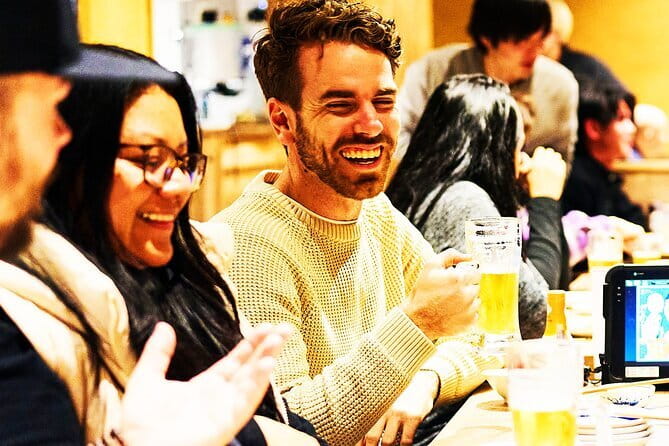
The meeting point is the police box at the East Exit of Shinjuku Station, at 3-chome-38-1 Shinjuku. This is a sensible place to begin because Shinjuku Station is enormous, and the East Exit puts you close to the evening route.
Give yourself extra time to get there. The meeting point is specific, but navigating Shinjuku Station can take longer than expected, especially if you arrive by another train line or exit on the wrong side. A mobile ticket is provided, and confirmation arrives when you book.
The tour returns to the same meeting point. That is useful if you want to continue your evening nearby, though you should not treat the route as a simple straight line. The group walks between restaurants and nightlife districts, so comfortable shoes will make the night easier.
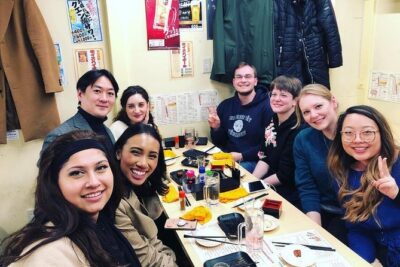
The stated maximum is 15 people. That is a reasonable size for narrow lanes and small izakaya, where a group much larger than that can become awkward. Still, the experience may vary by departure. One account describes a group of about 50 people struggling to hear the guide and keep up, while other outings became private or very small tours. If personal attention matters greatly to you, ask about the expected group size before booking.
Omoide Yokocho: smoky lanes and easy first bites
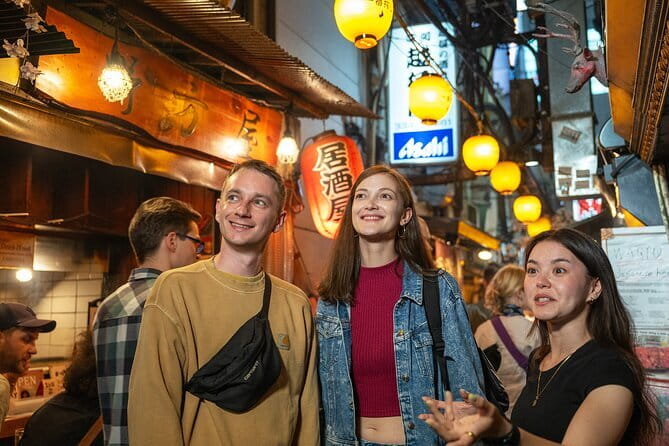
The first stop is Omoide Yokocho, one of the most recognizable food lanes in Shinjuku. Its narrow passageways and compact izakaya offer the nostalgic side of Tokyo nightlife, with tables and counters tucked close together.
This is a strong opening because the food is approachable and varied. Expect items such as yakitori, gyoza, fried tofu, grilled vegetables, craft beer, and sake. The exact dishes can vary, but the pattern is clear: small savory plates, food cooked for sharing, and a drink to set the evening in motion.
Yakitori gives you a direct introduction to Japanese grill cooking. Gyoza brings a crisp edge and a familiar shape, though the seasoning and dipping sauce may differ from what you know. Fried tofu and grilled vegetables keep the first stop from becoming an all-meat meal.
Omoide Yokocho is also a visual introduction to Shinjuku. You are not just being served food in a standard dining room. You are seeing how much Tokyo nightlife can fit into a small alley. The drawback is that these lanes can be tight, noisy, and difficult to navigate as a group. If your guide falls behind or the group spreads out, it may take effort to stay together.
Kabukicho: the value of a local booking
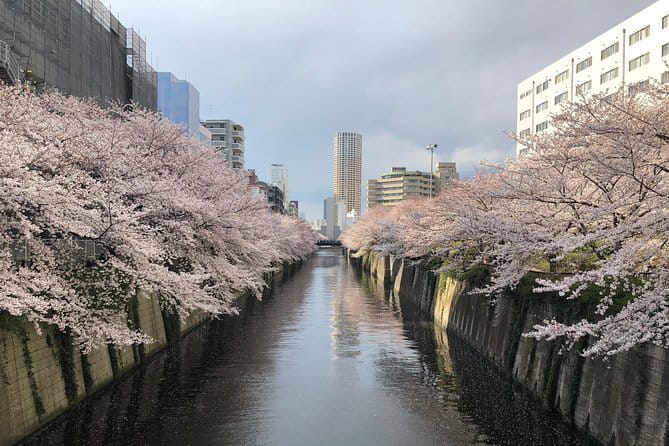
The second hour moves into Kabukicho, Shinjuku’s famous nightlife district. Here, the appeal is less about a landmark view and more about getting through the door of a local-favored izakaya.
The experience is designed around a restaurant that can be crowded and difficult to enter without a reservation. That is one of the clearest reasons to take this tour instead of simply choosing a restaurant at random. Your guide handles the social mechanics, helps the group order, and gives you a setting where you can focus on the food.
This stop may bring more substantial or varied dishes, including sushi, gyoza, fried items, and other Japanese bar food. The menu is not presented as a fixed promise beyond the stated selection of up to 15 dishes, so you should expect variety rather than a precise dish-by-dish guarantee.
The best guides add context here. Ayaka received especially warm praise for helping people find parts of Shinjuku they might not have reached alone. Naoto was praised for taking a group to four places with different moods, while Shun turned one small-group outing into something closer to dinner with a friend and added historical stops.
That difference is important. A good guide can turn a sequence of meals into a sense of place. A rushed guide can make the same route feel like a series of errands. The most serious criticism concerns poor directions and limited explanation between restaurants, including long waits while the group searched for the next stop. Keep your expectations realistic: the food and access are central, but the quality of interpretation can depend heavily on the individual guide.
Golden Gai: tiny bars and a social finish
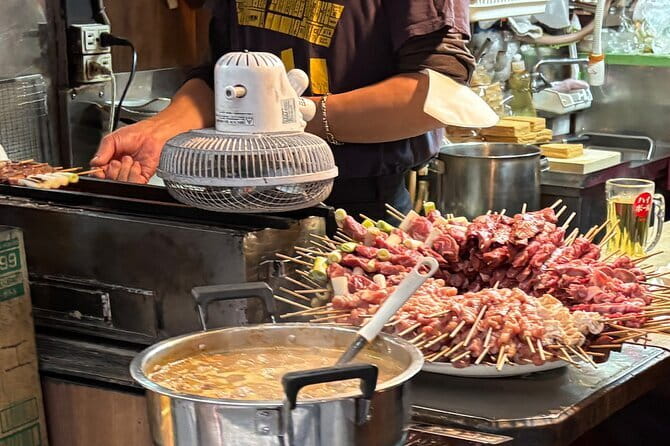
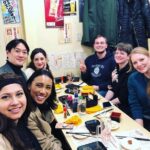
The final area is Shinjuku Golden Gai, a maze of narrow lanes packed with very small bars. The tour uses this setting for its social portion, giving you time to mingle with local people, other participants, and your guide.
Golden Gai is not the place for a large, quiet meal. Its appeal is atmosphere, conversation, and the feeling that you have stepped into a much smaller version of Tokyo. The tour is meant to help you cross the language and cultural gap through shared food and drink.
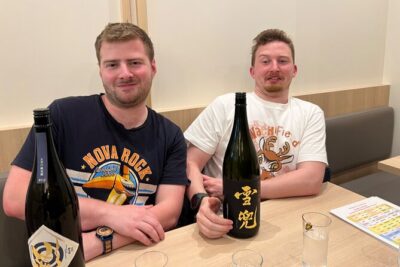
This is where the three included drinks can feel most useful. A sake tasting may include several types, and one account specifically praised the quality of the sake selection. If you have never ordered sake in Japan, tasting several styles with a guide can give you a clearer starting point than choosing one bottle from a long menu.
Golden Gai also brings practical limits. Bars are tiny, seating can be close, and a group needs to follow instructions carefully. The stop works best if you enjoy conversation and do not mind a lively, compact setting. It is less suitable if you want a private table, a long uninterrupted meal, or a quiet night.
A few more Tokyo tours and experiences worth a look

The food: a wide Japanese tasting menu
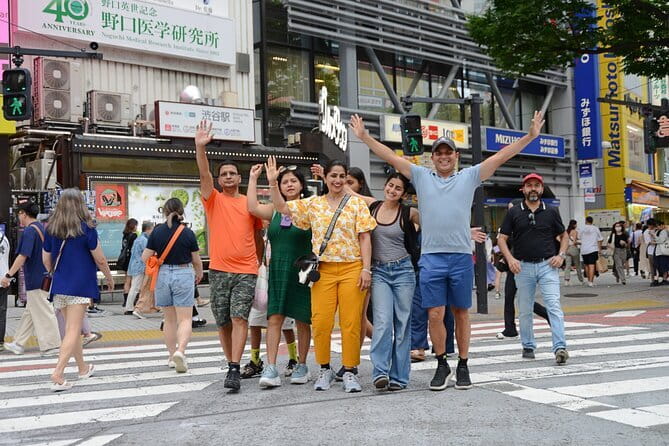
The promise of 15 dishes is the tour’s strongest selling point. You are likely to encounter a useful mix of familiar and less familiar foods, rather than four versions of the same meal.
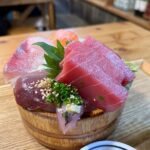
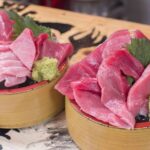
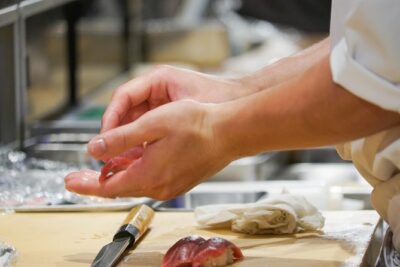
The named highlights include fresh sushi, crispy kushikatsu, juicy gyoza, yakitori, fried tofu, grilled vegetables, and a custard-filled fish-shaped cake. Kushikatsu is especially fitting for this kind of night: skewered foods are breaded and fried, making them easy to share alongside a drink.
The custard-filled fish was a favorite detail from one outing, and it shows the advantage of a tasting format. You may try foods that would not have made your personal shortlist. The menu also seems designed to cover several textures: crisp fried items, grilled foods, soft fillings, rice-based dishes, and raw fish.
Do not read up to 15 dishes as 15 full-size restaurant portions. This is a bar-hopping meal built from shared plates and samples. It should be enough for many people as dinner, but a very large appetite may call for a snack later.
Dietary needs deserve attention before booking. The provided details do not specify vegetarian, vegan, gluten-free, halal, allergy, or other menu accommodations. Ask the provider directly if you need changes, and do not assume every stop can adjust its food.
What the guides add to the evening
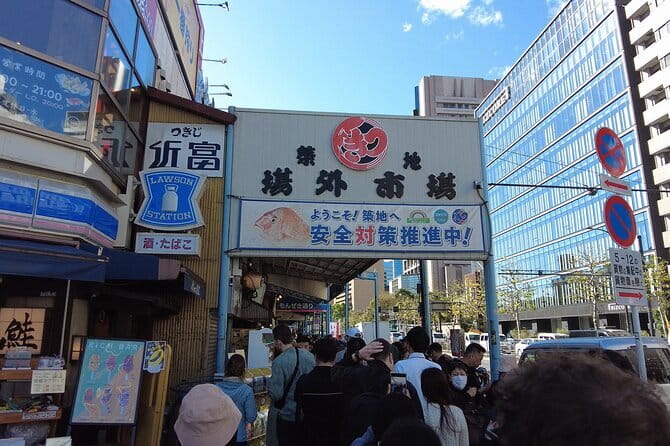
The guide is a major part of the value. The route itself is easy to describe, but the person leading it determines how much you learn and how smoothly the group moves.
Several guides received strong praise for warmth and care. Ayaka was singled out for navigating the area well. Naoto was praised for the food choices and the distinct character of each stop. Shun adapted a private outing with extra historical points, while Midori was praised for combining food with information about Shinjuku’s past.
Other named guides include Luna, Yuki, and Nono. Their presence in positive accounts shows that the provider uses multiple hosts, so you should not book on the assumption that one particular person will lead your date unless the provider confirms it.
A good host also helps with social pressure. Ordering in a tiny Japanese bar can feel intimidating when you do not know the customs or menu. Having someone arrange the stops, explain what is arriving, and keep the group moving removes much of that friction.
The weak point is communication. One account describes little information about the neighborhood or food, plus confusion between restaurants. On a walking food tour, losing the route is more than a small nuisance because every minute spent outside is a minute taken from eating and conversation.
Is $112.75 a fair price?

At $112.75 per person, this is not a bargain dinner. It becomes a fairer deal when you count the four eateries, up to 15 dishes, three drinks, a local guide, and the work of arranging access to places that may be hard to enter independently.
You are also paying for variety. A self-guided evening could cost less if you choose inexpensive dishes and skip drinks, but you would need to locate four places, decide what to order, manage the language gap, and handle reservations or crowded venues yourself.
The price makes the most sense for a first evening in Shinjuku, especially if you want a guided introduction rather than a list of restaurant names. It makes less sense if you already know the district, prefer to order slowly, or want complete control over every dish.
The 97 percent recommendation rate and 4.9 rating from 323 ratings suggest strong overall satisfaction, but the sharply negative accounts are useful warnings. The experience seems capable of being excellent with the right guide and group, yet group management is not a detail you should ignore.
Who should book this experience?
I would choose this tour if you want a social night, enjoy trying many small dishes, and feel unsure about entering compact Japanese bars on your own. It is also a good choice for a first visit to Tokyo, when Shinjuku’s size and nightlife can be hard to read.
You will get the most from it if you are open to shared food, unfamiliar dishes, sake, and changing locations. The tour is built for movement and conversation, not a slow formal dinner.
Families should consider the evening setting carefully. The supplied details say most people can participate, but the route includes bars and nightlife areas. The information does not state a minimum age, child pricing, or a specific accessibility plan, so ask before booking if those points matter to you.
The tour may not suit you if you need a guaranteed small group, extensive food explanations, or a menu tailored to strict dietary requirements. If you do book, arrive early, wear comfortable shoes, and be ready to remove them at one restaurant.
Should you book the Shinjuku food tour?
Book it if you want a guided introduction to Shinjuku that combines food, sake, and local nightlife in one compact evening. The best version gives you four very different settings, plenty of small dishes, and a host who makes unfamiliar places feel easy to enter.
I would be more cautious if you dislike crowds or need a tightly managed walking route. The food selection and access are strong value at $112.75, but the guide’s organization matters greatly. Confirm the expected group size if possible, and cancel at least 24 hours before the start time if your plans change, since cancellations inside that window are not refunded.
FAQ
How long does the Shinjuku food tour last?
The experience lasts approximately three hours.
How many eateries does the tour visit?
The route visits four eateries in Shinjuku.
How much food and drink is included?
The experience includes up to 15 Japanese dishes and three drinks.
Which Shinjuku areas are included?
The route includes Omoide Yokocho, Kabukicho, and Shinjuku Golden Gai.
Where does the tour begin and end?
It begins at the police box by Shinjuku Station East Exit, at 3-chome-38-1 Shinjuku, and ends back at the same meeting point.
How many people can join the tour?
The stated maximum is 15 participants.
Can I cancel for a full refund?
Yes. You can receive a full refund if you cancel at least 24 hours before the experience start time. Cancellations or changes made within 24 hours are not refunded or accepted.
More Food Experiences in Tokyo

More Tokyo Food Tours in Tokyo
More Shinjuku Tours in Tokyo

More tours in Tokyo we've reviewed










Tokyo Food Tours, compared.
 ★ 5.0Tokyo: Shinjuku Food Tour (13 Dishes at 4 Local Eateries)From $86
 ★ 4.9Tokyo: Shinjuku Food Tour (15 Dishes and 4 Eateries)From $853 hours
 ★ 5.0Best of Shinjuku: Izakaya Food Tour (4 Stops, 14+ Tastings)From $92
 ★ 5.0Tokyo Night Foodie Tour in Shinjuku – Seasonal Sushi, Wagyu BeefFrom $111
 ★ 5.0Eat and Drink Like a Local: Tokyo Ueno Food Tour-Taverns&RamenFrom $95
 ★ 5.0Tokyo: Shibuya Food Tour (13 dishes and 4 Eateries)From $77