
Reviewed · UENO & YANAKA WALKS
Private Workshop for Making Paper Last 1,000 years in Ueno
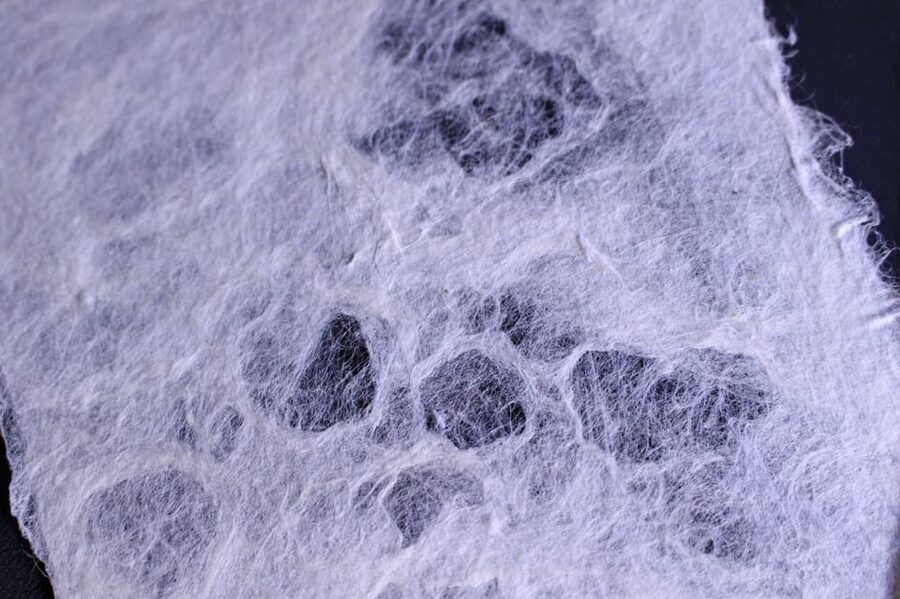
Making paper by hand is usually a quiet craft, but this Ueno workshop gives you the whole chain, from peeling tree bark to lifting finished sheets from a mold. In 150 minutes, you make two postcard designs, one Rakusui paper, and one A5 sheet. The work is practical, tactile, and far more memorable than simply buying a packet of handmade paper.
I like two things right away: you make four usable paper products, and the lesson takes place in a private group rather than a large class. The instructor speaks Japanese and English, demonstrates each step, and provides work clothes. The one thing to consider is the price: at $130 per person, this is not a casual craft stop, and the workshop has a cat, Kami-chan, so people with allergies should mention them before booking.
In This Review
- Key points to know before booking
- From tree fiber to a sheet of Washi
- Shaping four pieces in one private session
- Tea made from the same plant family
- A small studio with a friendly cat
- What the $130 price gets you
- Finding the workshop in Ueno
- Who will enjoy this Washi workshop
- What the strongest praise tells you
- Booking details that matter
- Should you book Washi labo TOKYO?
- FAQ
- Where does the Washi paper-making workshop take place?
- How long does the activity last?
- How much does the workshop cost?
- What will I make during the workshop?
- Is the instructor able to speak English?
- Is the workshop private?
- What is included, and are there any allergy concerns?
Key points to know before booking
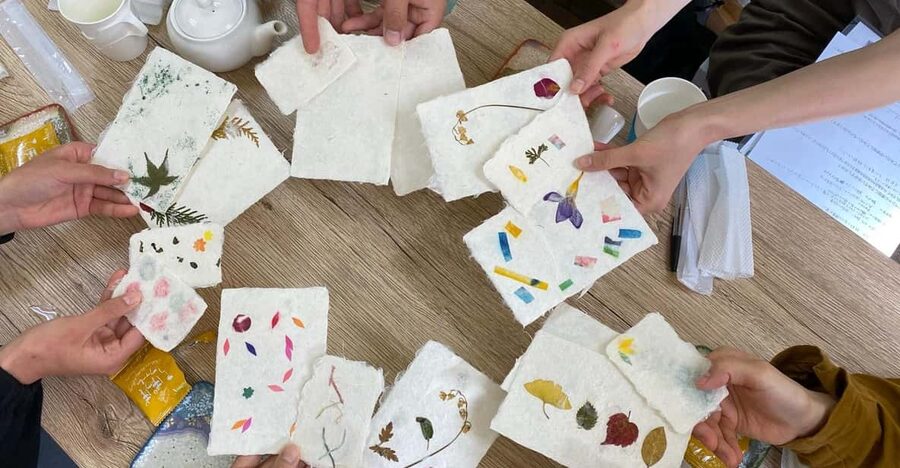
- Four finished paper pieces: You create two postcard designs, a Rakusui paper, and an A5 sheet.
- The full traditional process: Try Hyouhitor, peeling the outer bark, and Dakai, beating the tree fibers.
- Private and English-friendly: Your group receives direct attention from an instructor who speaks Japanese and English.
- A thoughtful waiting break: Kozo-leaf tea and sweets from a beloved local shop are served while your paper dries.
- A small studio atmosphere: The workshop includes work clothes, required materials, and resident cat Kami-chan.
- Allow a full 150 minutes: The session is hands-on from start to finish, not a quick demonstration.
From tree fiber to a sheet of Washi
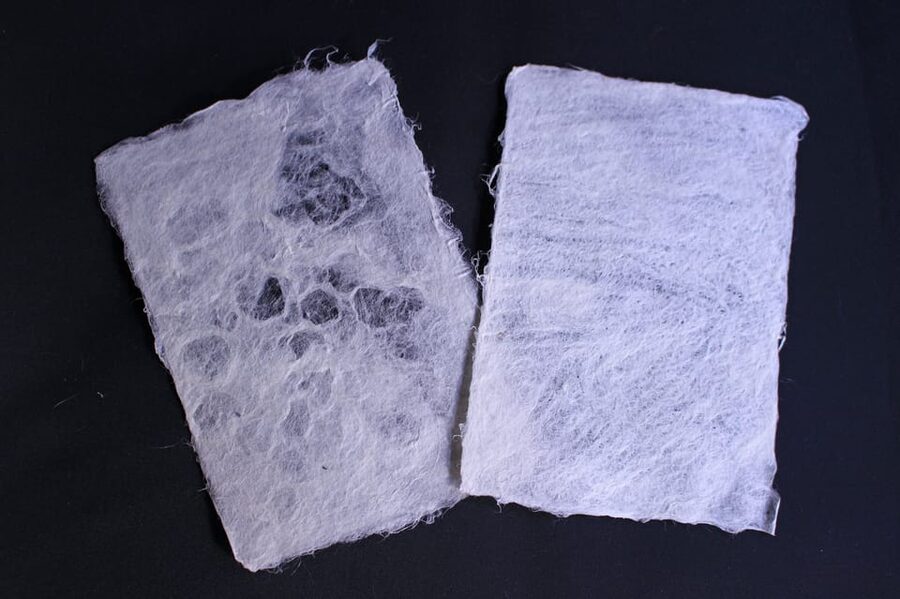
The title promises paper that can last 1,000 years, but the real value is seeing why traditional Japanese paper has such staying power. You are not simply decorating pre-made sheets. You work with plant fiber and take part in the basic actions that turn raw material into paper.
The workshop begins with a general explanation. This matters because the process can look simple from a distance: mix fiber with water, scoop it up, and let it dry. In practice, the evenness of the sheet depends on how you handle the mold, deckle, and watery pulp.
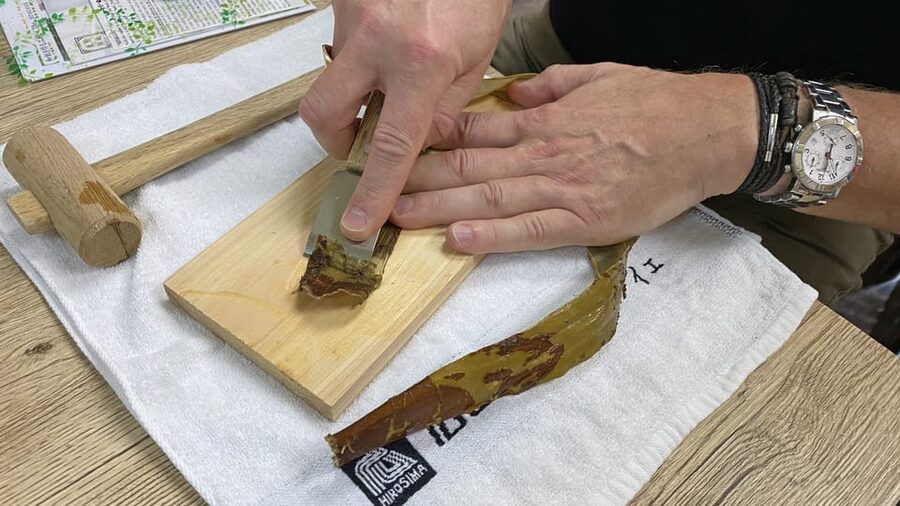
You then experience Hyouhitor, the removal of the outer bark. This is one of the less familiar parts of papermaking for most visitors. It connects the finished postcard or A5 sheet to the tree itself, rather than treating paper as an anonymous craft material.
Next comes Dakai, beating the tree fibers. This is physical work, though the exact effort will depend on the material prepared for your session. The point is to break down the fibers so they can spread through the water and form a flat sheet.
I like this order. You learn the material before you start making designs, so the decoration does not become the entire lesson. The paper stays at the center.
A few more Tokyo tours and experiences worth a look
Shaping four pieces in one private session
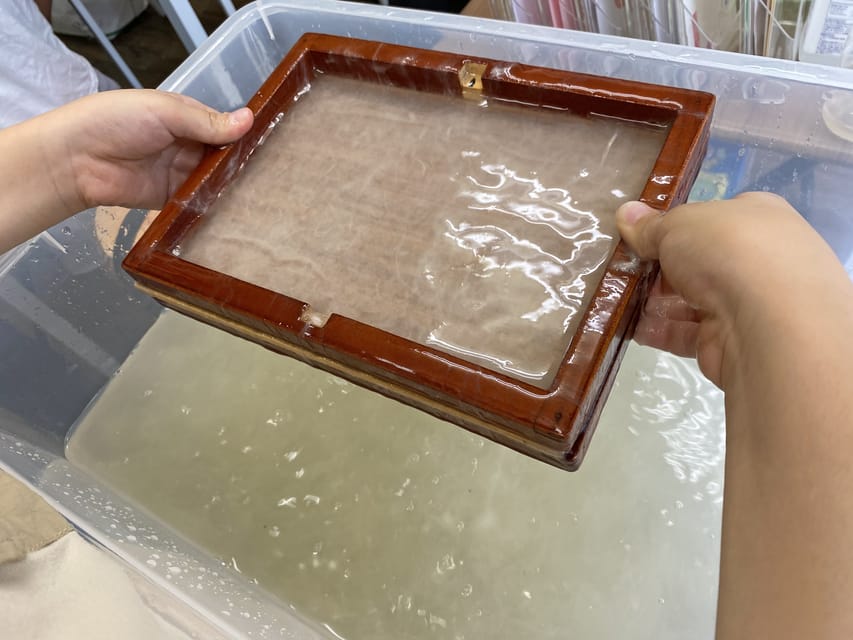
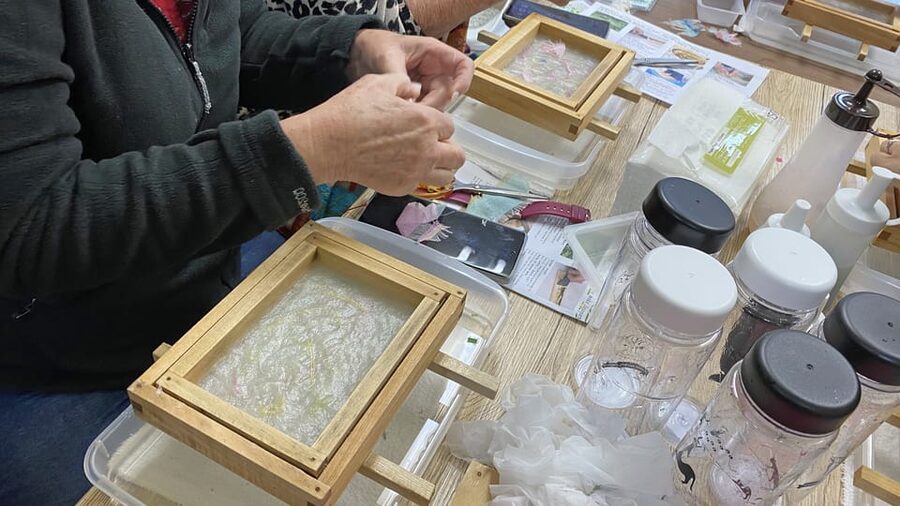
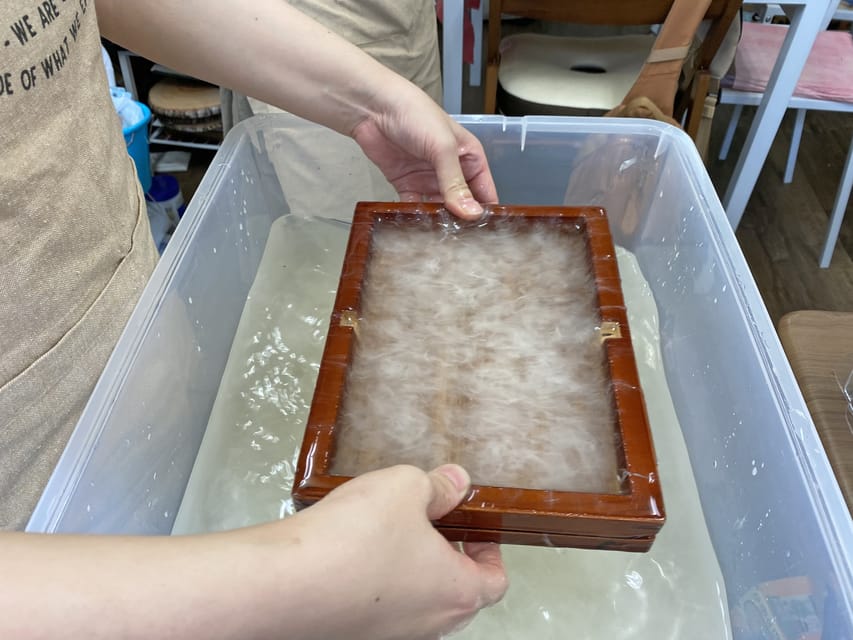
The main paper-making stage uses a mold and deckle. You pour the raw material into the frame, then sift the solution so the fibers spread into an even layer. This is the moment when careful movement matters most.
You will make two postcard designs, giving you room to try the technique more than once. That is useful for beginners. The first sheet lets you understand the motion, while the second gives you a chance to adjust your handling.
The third item is a Rakusui paper. The supplied details do not explain its exact design or final use, so expect it as a separate paper project rather than assume it is another postcard. You also make an A5 sheet, a useful size for seeing how your technique works on a larger surface.
Four products create a busy session. If you prefer a slow, single-object craft class, this may feel active. I see that as a strength for most visitors, since you leave with a small set of personal souvenirs rather than one fragile experiment.
The instructor demonstrates the process, and the class is private. That combination is important. You can ask for help at the point where the pulp looks uneven or your sheet does not behave as expected, rather than wait for a group of strangers to finish.
Tea made from the same plant family
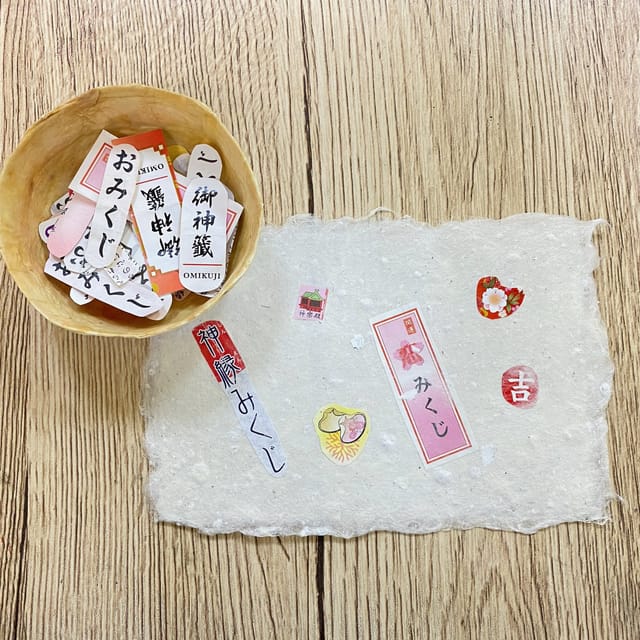
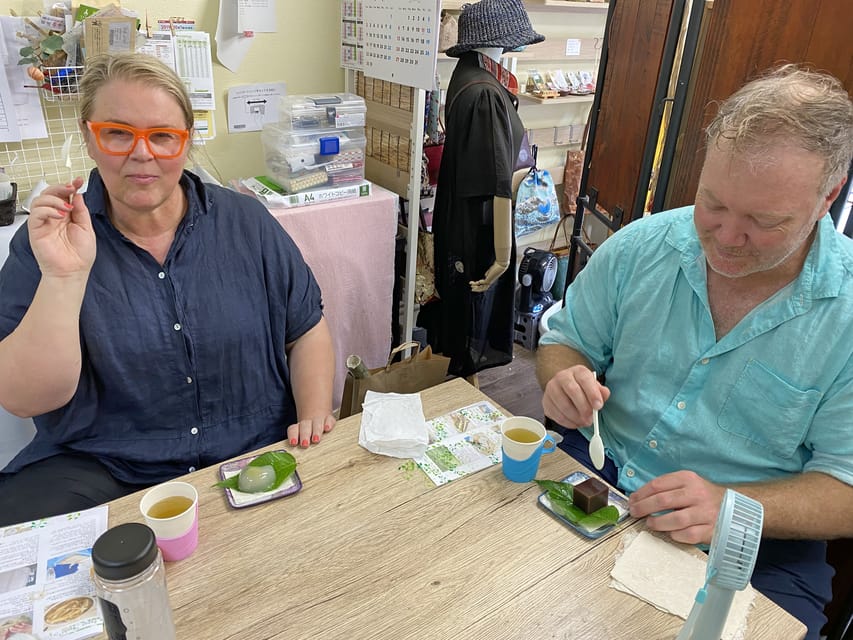
Paper needs time to dry, and the workshop turns that pause into part of the experience. You are served coffee or tea, plus original Japanese paper tea made from Kozo leaves, the same raw material used in papermaking.
That detail gives the break a sense of purpose. You are not simply killing time while your work dries. You are learning another use for the plant connected to the craft.
Local Japanese sweets are served as well. They come from a beloved local shop, according to the activity details, though no shop name or specific sweets are provided. You should expect a small seasonal-style treat rather than plan around a particular menu.
This is also a welcome change of pace after the hands-on work. The session involves peeling, beating, pouring, and sifting, so a warm drink and sweet bite help break up the 150 minutes.
A small studio with a friendly cat
Washi labo TOKYO is described as a small, compact workshop. That has practical advantages. Materials can be ready to use, the instructor can keep an eye on your technique, and the whole lesson feels more personal than a production-line attraction.
The space includes Kami-chan, the workshop’s cat. The cat was described as well behaved, but you should not book this activity without noting the allergy issue. Tell the provider in advance if you have allergies, since the animal is part of the workshop setting.
Work clothes are provided. That is helpful because paper fiber and water are not ideal companions for your best sightseeing outfit. You still need to follow the instructor’s guidance around the materials, but you do not have to arrive dressed like a craft worker.
The private format is particularly useful for couples, families, and small groups who want to work at their own pace. It also suits solo visitors, though the $130 price per person is easier to justify when you value personal instruction and the private setting.
What the $130 price gets you
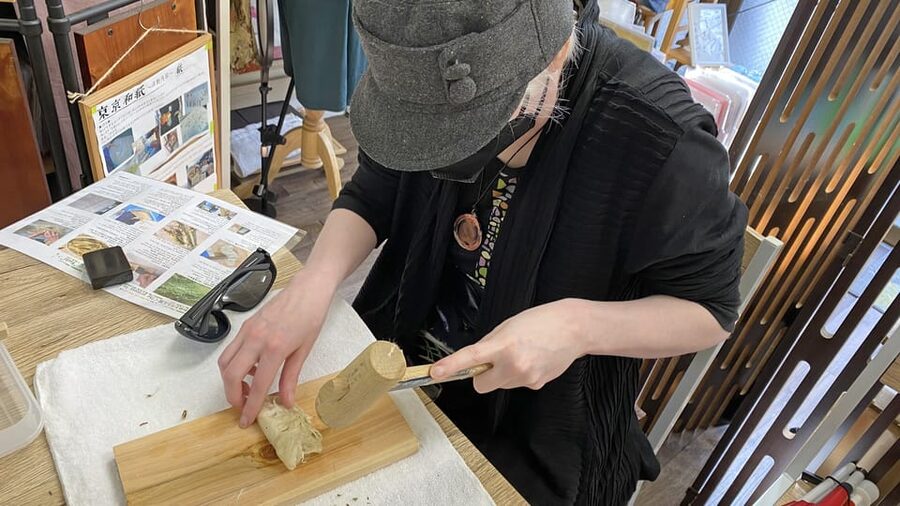
At $130 per person, this is a premium craft experience. The price includes all required materials, coffee or tea, the instructor, work clothes, and the chance to make four separate paper products.
The strongest value comes from the amount of direct activity. You are not paying mainly to watch a craftsman work. You handle the material yourself and take home your own postcards, Rakusui paper, and A5 paper.
The private group structure adds value, too. A cheaper group class might be enough if you only want to try one quick sheet. Here, the session provides instruction across the full process, including Hyouhitor and Dakai, and gives you several chances to form paper.
I would book it if handmade goods, Japanese craft, or small-group instruction are high on your list. I would skip it if you are trying to keep costs low or want a short activity between major Ueno sights.
The perfect comparison is not a museum ticket. It is a private creative lesson with materials, finished souvenirs, refreshments, and an instructor’s time. Seen that way, the price is easier to understand, though it remains a significant part of a Japan trip budget.
Other private tours in Tokyo




Finding the workshop in Ueno
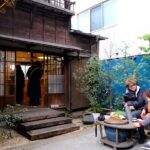
The location is in Ueno, but the available details do not give a full street address or a named meeting point. One important practical warning comes from the experience of finding the place: a Metro problem affected access to the nearest station, making the arrival harder than expected.
I would allow extra time for the journey and check transport conditions on the day. Do not cut it close just because the workshop lasts two and a half hours. If a train or Metro line changes, you want enough room to find the studio without turning the start of the class into a race.
The instructor speaks Japanese and English, and the work is demonstrated step by step. That makes the experience workable for English speakers, even if you do not speak Japanese. Clear demonstrations matter here because paper forming is a physical skill, not something you can learn from translated words alone.
Since the setting is a private workshop rather than a large attraction, confirming the exact meeting instructions before departure is sensible. The available information supports the Ueno location, but not a detailed arrival map.
Who will enjoy this Washi workshop
I would recommend it to anyone who wants a souvenir made by their own hands. The postcards are easy to share or mail later, while the Rakusui and A5 sheets can serve as keepsakes from the day.
It also suits visitors who want contact with a traditional Japanese craft without committing to a full-day cultural program. The workshop has a clear start and finish, and the 150-minute length fits neatly into a day in Ueno.
Families may like the variety of tasks, although the activity details do not state a minimum age. You should check age suitability directly if you are booking for young children. The private format gives a family more control than a large public class, but the material handling still requires attention.
Couples and friends get the benefit of working side by side and comparing the finished sheets. Solo visitors can also book, and one published booking had a single participant with the materials fully prepared for the morning session.
This is less suited to someone who wants a polished souvenir without any effort. The charm comes from the unevenness and personal marks that result from making the paper yourself.
What the strongest praise tells you
The most consistent praise centers on the instructor and the organization. The teacher is described as attentive, accommodating, and able to make the process easy to follow. That matches the workshop’s private format and hands-on design.
The preparation also earns notice. Materials are ready, work clothes are supplied, and the compact studio is organized around the activity. That reduces the usual friction of a craft lesson, where time can disappear while people wait for tools or instructions.
The class also appears to move quickly. Two hours can pass fast when you are working through several stages, and the full session lasts 150 minutes. You should not expect a leisurely morning with long periods of sitting around.
The cat adds warmth to the setting, but it is not a reason to book if you have allergies. Think of Kami-chan as part of the atmosphere, not as a scheduled attraction.
One small but useful caution is arrival. The workshop itself received top marks from the four supplied bookings, but reaching the studio was the only clear difficulty described. Plan the route before leaving your hotel.
Booking details that matter
You can cancel up to 24 hours in advance for a full refund. The reserve-now-and-pay-later option lets you hold a place without paying at the time of booking, which helps if your Japan schedule is still changing.
The duration is fixed at 150 minutes, but starting times depend on availability. Check the available slot before arranging another Ueno activity immediately afterward.
The group type is private, and the instructor languages are Japanese and English. Required materials, coffee or tea, and the instructor are included. Local sweets and the special Kozo-leaf tea are also part of the described workshop experience.
No accessibility details are provided, so contact Washi labo TOKYO directly if you need specific information about the space or the paper-making setup.
Should you book Washi labo TOKYO?
Book this workshop if you want to understand Japanese paper through your hands, not just through a display case. The strongest reasons are the full process, four finished paper products, private instruction, and the unusual Kozo-leaf tea during the drying break.
The $130 price is fair for a private, materials-included lesson, but it is still a splurge. Make sure you have enough time to reach the Ueno studio, and mention any allergies because Kami-chan lives there.
For craft-minded visitors, couples, small groups, and anyone seeking a personal Japan souvenir, I would book it. If you want a low-cost activity or a quick demonstration, spend your money elsewhere.
FAQ
Where does the Washi paper-making workshop take place?
The workshop takes place at Washi labo TOKYO in Ueno, on Honshu, Japan.
How long does the activity last?
The workshop lasts 150 minutes.
How much does the workshop cost?
The listed price is $130 per person.
What will I make during the workshop?
You will make two postcard designs, one Rakusui paper, and one A5 paper.
Is the instructor able to speak English?
Yes. The instructor languages are Japanese and English.
Is the workshop private?
Yes. The group type is a private group.
What is included, and are there any allergy concerns?
Required workshop materials, coffee or tea, and the instructor are included. Japanese sweets and original tea made from Kozo leaves are served while the paper dries. A cat named Kami-chan is present in the workshop, so tell the provider about allergies before booking.
More Workshops & Classes in Tokyo


More Private Tours in Tokyo
More Ueno & Yanaka Walks in Tokyo
More tours in Tokyo we've reviewed










Ueno & Yanaka Walks, compared.
 ★ 5.0Eat and Drink Like a Local: Tokyo Ueno Food Tour-Taverns&RamenFrom $95
 ★ 4.5The Old Quarter of Tokyo – Yanaka Walking TourFrom $40
 ★ 5.0Yanaka Walking Tour: Historic and Traditional District of TokyoFrom $72
 ★ 4.8Tokyo: Old Quarter Yanaka Walking TourFrom $323 hours
 ★ 5.0Tokyo: Food Tour in Ueno with 10+ Tastings of Japanese ClassicsFrom $142
 ★ 4.9Tokyo:Stroll in Old traditional culture towns~Yanaka & NezuFrom $293h 30m