
Reviewed · SUSHI MAKING CLASSES
Special sushi rolls only available in Japan Making Experience
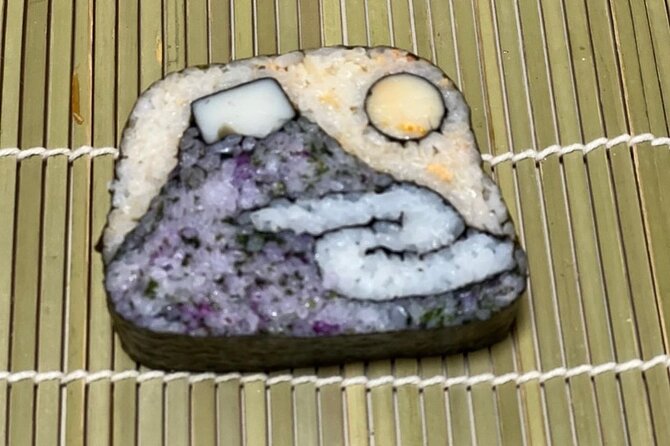
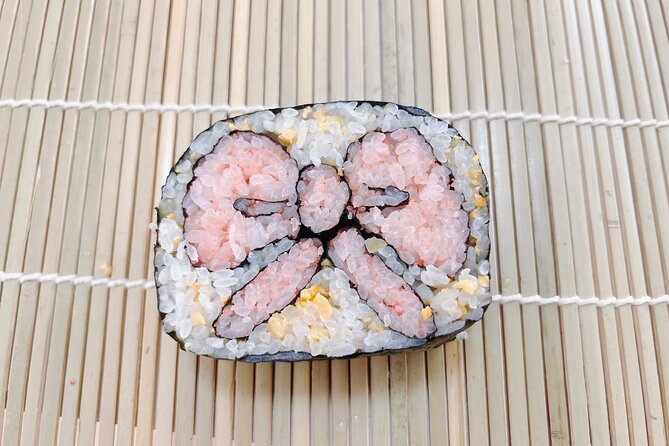
The best part of this class is the reveal. You layer colored rice, seaweed, and small decorations, then slice the finished roll into four pieces to see whether you have made a flower, cat, dog, character, Santa, or Mount Fuji scene. It is sushi as edible craft, not just lunch.
I like the one-to-one tuition, since Yumi can guide you through each fiddly step and answer questions as you work. I also like that you can take the sushi home, with containers provided, rather than rushing through a meal at the end.
The main point to check is the location. The listed meeting point is in Shinkashiwa, Chiba, outside central Tokyo. A Tokyo kitchen near Asakusa or Tokyo Skytree may be possible, but you must request it and pay a kitchen rental fee.
In This Review
- Key points at a glance
- What this sushi class is really about
- The first step: turning plain rice into color
- Cutting seaweed and building the picture
- The four-piece reveal
- Packing the sushi and slowing down afterward
- The location question: Shinkashiwa or Tokyo
- Private format and group size
- Is $40.97 good value?
- Who should book this experience?
- Booking advice and cancellation terms
- Should you book the designer sushi class?
- FAQ
- Where does the sushi-making experience start?
- Does the activity take place in central Tokyo?
- How long does the class last?
- Is this a private activity?
- What kinds of sushi designs can you make?
- Are the ingredients provided?
- Can I take the sushi home?
- Is the activity suitable for people with no sushi-making experience?
- What is the cancellation policy?
Key points at a glance
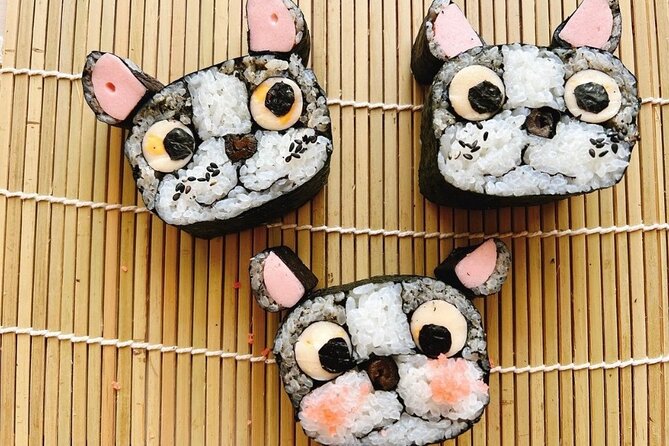
- Designer sushi, not standard maki: Choose from playful forms such as animals, flowers, Minions, Santa, characters, or Mount Fuji.
- Private instruction: Your group works with the instructor rather than joining a large public class.
- A patient guide named Yumi: She leads the process step by step, including the tricky rice colors and seaweed cuts.
- A two-hour creative session: The class includes preparation, assembly, slicing, packing, and time for coffee, tea, and snacks.
- Take-home food: Containers are supplied so you can carry your finished rolls with you.
- Location needs planning: The standard meeting point is Shinkashiwa Clinic in Kashiwa, Chiba, not central Tokyo.
What this sushi class is really about
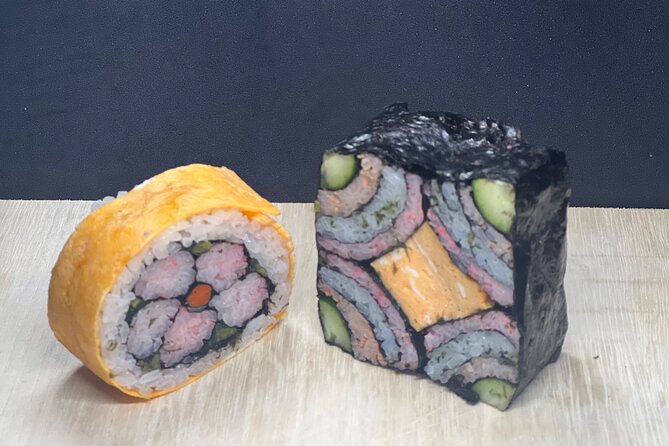
This is a lesson in decorative makizushi, the kind of rolled sushi that hides a picture inside. The finished design only appears after the roll is cut, so the class has a small element of suspense. You may spend much of the session looking at ingredients in separate pieces, then suddenly see a face, flower, animal, or scene when the knife goes through.
That makes this a good choice if you want more than the usual sushi-making lesson. You are not simply spreading rice on seaweed, adding a filling, and rolling it up. You are learning how colored rice and carefully placed strips combine to create a recognizable image.
The activity lasts about two hours. That is long enough to make the process feel worthwhile, but short enough to fit into a busy Japan itinerary. You should expect a practical, hands-on class rather than a lecture. The focus is on making the rolls yourself, with Yumi guiding the work as you go.
A few more Tokyo tours and experiences worth a look
The first step: turning plain rice into color
The class begins by mixing rice with ingredients that give it different colors. This part matters more than it may seem. In decorative sushi, the rice is not just the base of the food. It becomes the eyes, petals, fur, clothing, or other parts of the pattern.
You will work with the ingredients provided by the instructor, so you do not need to shop for supplies or carry cooking equipment across Tokyo. The class is designed to take you through the process from the start, which helps if you have never made maki sushi before.
Pay attention during this stage. The amounts and placement of colored rice help determine the final picture. A casual approach may still produce something tasty, but careful work gives you a better chance of seeing the intended design clearly.
Cutting seaweed and building the picture
After the rice is prepared, you cut the seaweed and begin arranging the colored rice and other decorations. This is the most technical part of the session. Each piece has a job, and the order of assembly affects the shape inside the finished roll.
The private format is especially useful here. If you are unsure where a strip belongs or how much rice to use, you can ask right away. Yumi is described as patient and experienced, and the class format gives her room to guide your hands through the process instead of simply demonstrating from the front of a room.
You may choose a theme such as a flower, animal, character, or Mount Fuji. The exact design available can vary, so it is sensible to add a special request when booking if you have a particular idea in mind. The activity information also mentions Minions, dogs, cats, and Santa as examples of the playful designs that may be made.
This is a useful distinction when comparing classes. A standard sushi lesson usually teaches shape and technique. This one asks you to think about construction from the inside out. You are making a small edible illustration, and that calls for more planning.
The four-piece reveal
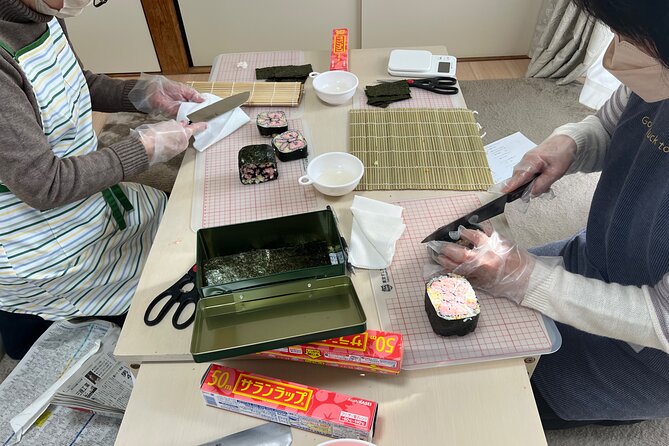
Once the roll is assembled, you cut it into four pieces. This is the moment that gives the class its appeal. The pattern you have been building is hidden until the knife exposes the cross-section.
The result may be surprisingly polished, especially for a first attempt. One family made a Santa design during the class, while another group made decorative rolls despite having no previous maki experience. That does not mean every roll will look perfect. Small differences in rice placement and pressure can change the final image, which is part of the fun.
I would treat the reveal as the main payoff, not as a test. You are learning a Japanese food craft, and the imperfect pieces are still edible. If you are traveling with children, the visible result gives them a clear goal and keeps the activity from feeling like a long cooking demonstration.
The designs are also highly suited to photographs. Take pictures before packing the rolls, since the pattern is easiest to appreciate when the pieces are arranged together. The food is both your meal and a souvenir of the activity.
Packing the sushi and slowing down afterward
After the cutting is finished, the rolls are wrapped and placed in takeout containers. This is a practical feature, especially if you have a full schedule and do not want to eat immediately. You can carry the sushi with you and enjoy it later.
The class then includes a relaxed period with coffee, tea, and snacks. That gives you a little time to look at the finished work, ask final questions, and settle down after the hands-on portion. It also makes the experience feel less rushed than a class that ends the instant the food is ready.
The activity ends back at the meeting point. You should allow time afterward to continue your day from there, especially if you are returning toward central Tokyo. The listed end point is not a separate destination.




The location question: Shinkashiwa or Tokyo
The standard starting point is Shinkashiwa Clinic, at 1-chome-4-5 Shinkashiwa, Kashiwa, Chiba 277-0084. This is an important detail because the experience is presented as a Tokyo activity, but the regular meeting point is in Kashiwa, outside the central city.
If you are already staying near Kashiwa, the location may work well. If your plans center on Asakusa, Ueno, Shibuya, or other central Tokyo districts, the journey can add time and transport cost. Check the route before booking rather than assuming the class takes place near the main Tokyo sights.
There is another option. If Shinkashiwa is too far, a kitchen can be rented in Tokyo for an additional fee. The suggested areas are near Asakusa and Tokyo Skytree. You need to make this request in advance by adding a special request with your preferred location.
That option could make the experience much easier to fit into a sightseeing day, but it changes the value calculation. The advertised price is $40.97 per person, while a Tokyo kitchen rental adds a separate cost. Ask for the total before you commit if central Tokyo is essential.
Private format and group size
This is a private activity, so only your group participates. That is a strong advantage for families, couples, and small groups who want to work at their own pace. You do not need to worry about strangers taking up counter space or a child asking questions while the instructor is busy with several groups.
The setting depends on the booking size. A small booking may take place at the instructor’s parents’ house. A larger group is directed to a communal kitchen. That difference affects the feel of the session, so ask about the venue if the setting matters to you.
The private setup also makes this a better fit for beginners than for people seeking a formal professional course. You can stop to ask how much rice to use, where to place a decoration, or how to keep the roll together. The goal is a successful and enjoyable homemade design, not restaurant certification.
Families should take note of the positive experience with two young daughters. The class can work well for children who enjoy making things, though the activity still involves cutting seaweed and slicing the completed roll. Adult help and attention will be needed during those steps.
Is $40.97 good value?
At $40.97 per person, the price is reasonable for a private two-hour food activity, particularly because ingredients, instruction, takeout containers, and refreshments are included. You are paying for personal help and a creative result, not just for a plate of sushi.
The value is strongest when you share the class with people who will enjoy the process. A family can turn it into a shared activity, and a couple or small group can make different designs and compare the final pieces. The private format would cost less per person in practical terms if you are booking as a group, though the listed price is per person.
The price is less attractive if you only want to eat sushi or if you are looking for a class in central Tokyo with no extra arrangements. Add the transport from central Tokyo, and possibly the fee for a rented Tokyo kitchen, before comparing it with other food activities.
The take-home portion helps. You receive something tangible from the class, and you can enjoy it later rather than having the value end when the lesson finishes. Still, this is a craft class first and a meal second.
Who should book this experience?
I would recommend it most strongly to:
- Families with children who enjoy creative projects
- First-time sushi makers who want close instruction
- Couples or small groups looking for a food activity with photographs
- People who like Japanese food but want a less formal lesson
- Visitors willing to travel to Kashiwa or arrange a Tokyo kitchen
It may not suit you if you want to learn professional knife skills, prepare a wide range of traditional sushi, or spend the entire session eating. The focus is on one decorative roll design, with the pleasure coming from the assembly and reveal.
It is also not the simplest choice for someone with a tightly packed central Tokyo schedule. The location request can solve that problem, but it requires planning and may cost extra.
Booking advice and cancellation terms
This activity is often booked about 56 days ahead, so plan early if you need a particular date or a Tokyo location. Confirmation is provided at booking, and the activity is near public transportation.
You can cancel for a full refund up to 24 hours before the start time. Changes or cancellations made less than 24 hours before the local start time are not accepted for a refund. That policy is useful, but the location request should still be settled before the final day.
Should you book the designer sushi class?
Book it if you want a small, personal Japanese food experience with a clear creative result. Yumi’s patient, step-by-step approach should help beginners, and the chance to make Santa, animals, flowers, characters, or Mount Fuji designs gives the class more personality than a basic roll-making lesson.
Before booking, check the meeting point carefully. If Kashiwa works for you, the price offers a solid two-hour activity with ingredients, refreshments, and take-home sushi. If you need central Tokyo, request a kitchen near Asakusa or Tokyo Skytree and confirm the extra fee first.
For families and first-time sushi makers, I think this is an easy choice. For serious sushi students or people who want a central location without added planning, choose only after checking those practical details.
FAQ
Where does the sushi-making experience start?
The listed meeting point is Shinkashiwa Clinic, 1-chome-4-5 Shinkashiwa, Kashiwa, Chiba 277-0084, Japan.
Does the activity take place in central Tokyo?
The regular meeting point is in Shinkashiwa, Kashiwa, Chiba. A kitchen near Asakusa or Tokyo Skytree may be arranged for an additional rental fee if you make a special request.
How long does the class last?
The experience lasts approximately two hours.
Is this a private activity?
Yes. Only your group participates in the activity.
What kinds of sushi designs can you make?
Examples include animals, flowers, Minions, Mount Fuji scenes, dogs, cats, characters, and Santa designs. You can add a special request if you have a preferred design or location.
Are the ingredients provided?
Yes. The instructor provides the ingredients used for the colored rice, seaweed, and decorations.
Can I take the sushi home?
Yes. Takeout containers are provided, and the finished rolls are wrapped so you can carry them with you.
Is the activity suitable for people with no sushi-making experience?
Yes. The class is hands-on and guided step by step. Previous participants with no maki sushi experience successfully made designer rolls.
What is the cancellation policy?
You can cancel up to 24 hours before the local start time for a full refund. Cancellations or changes made less than 24 hours before the start time are not accepted for a refund.
More Sushi Making Classes in Tokyo
More tours in Tokyo we've reviewed










Sushi Making Classes, compared.
 ★ 5.0Sushi Making Tokyo Roll and Authentic Japanese Sushi ClassFrom $59
 ★ 4.9Tokyo: Roll and Authentic Sushi Making Class in AsakusaFrom $581h 40m
 ★ 5.0Make Sushi and Create Unforgettable Memories in TokyoFrom $79
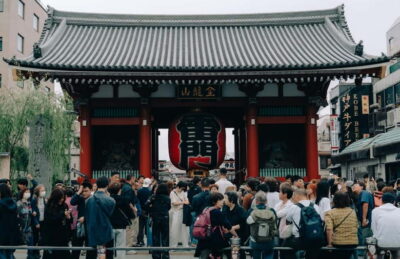 ★ 4.9Tokyo: Sushi Making Class in a Happi Coat near a Famous SpotFrom $421h 30m
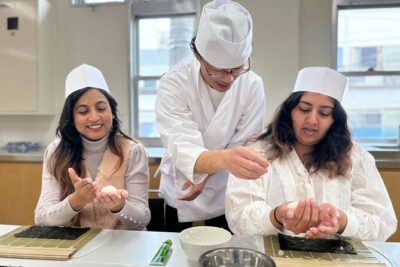 ★ 5.0Tokyo Sushi Making Class in Tsukiji with Professional ChefFrom $49
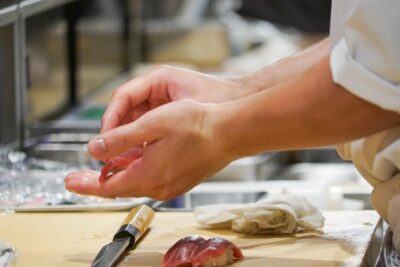 ★ 5.0Tokyo Night Foodie Tour in Shinjuku – Seasonal Sushi, Wagyu BeefFrom $111