
Reviewed · MT FUJI DAY TRIPS
Private Unforgettable Mt Fuji Tour with English Speaking Driver
Mt Fuji is best seen from several angles, and this private day trip gives you a full ten hours to chase the clearest views. You can move from spring-fed Oshino Hakkai to Chureito Pagoda, Lake Kawaguchiko, and the mountain’s 5th Station without wrestling with train changes or crowded buses. I especially like the door-to-door pickup and the chance to change the plan when clouds or traffic get in the way. I also like that drivers such as Irfan, Shaan, Ahmad, and Reji have helped with photos and adjusted the day to suit each group. The main caution is simple: this is a chauffeur service, not a fully guided tour, unless you pay extra for a guide.
In This Review
- Key points at a glance
- Why a private Mt Fuji day from Tokyo makes sense
- Oshino Hakkai and the clear water of Fuji
- Chureito Pagoda and the famous Fuji photograph
- Lake Kawaguchiko, the ropeway, and Oishi Park
- Saiko Iyashi no Sato Nemba and a slower look at rural Japan
- Arakura Fuji Sengen Shrine and choosing your priorities
- Mt Fuji 5th Station and the limits of weather
- Gotemba Premium Outlets for a very different finale
- How the $480 group price holds up
- What the driver can add to the day
- Timing, traffic, and how to plan the ten hours
- Who should book this private Fuji tour
- Should you book it?
- FAQ
- How much does the private Mt Fuji tour cost?
- Where does the tour start?
- Is this a guided tour?
- What happens if the weather blocks Mt Fuji or the 5th Station?
- Are the ropeway and village admission included?
- Can the itinerary change during the day?
Key points at a glance
- Private car for up to five people: The price is $480 per group, so the value improves sharply when five people share it.
- Nine possible sightseeing stops: The day can include springs, shrines, a pagoda, lakeside views, a ropeway, a traditional village, the 5th Station, and outlet shopping.
- The schedule is flexible: You can skip a shrine, linger at a viewpoint, or change stops to avoid long queues and heavy traffic.
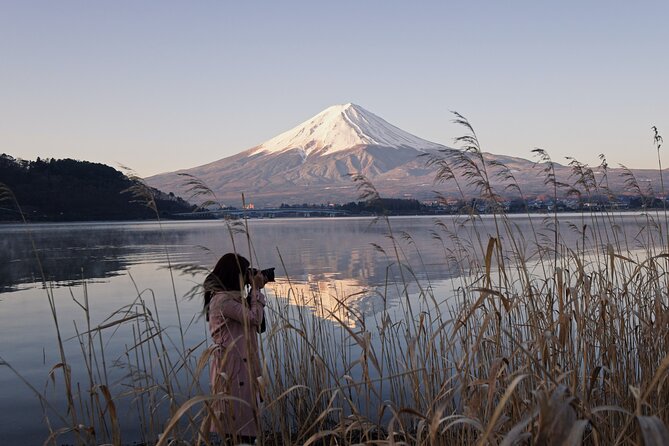
- Photography help is part of the appeal: Drivers commonly offer to take group photos and help position you for Mt Fuji views.
- Weather controls the day: Clouds may hide Fuji, and the 5th Station may be unreachable. The highest practical point becomes the backup.
- Expect a long day: Ten hours includes the drive from Tokyo and the return trip, with weekend traffic sometimes making the journey home slow.
Why a private Mt Fuji day from Tokyo makes sense
Getting from Tokyo to the Fuji Five Lakes area is possible by train or direct bus. The trouble is fitting several far-flung sights into one day. A private car takes away the map work, the station changes, and the need to keep checking the next departure.
You are collected at 7:00 am from your hotel or another Tokyo location. From there, the driver handles the route while you watch the city give way to the Yamanashi countryside. For a family or group of friends, this is far easier than trying to coordinate everyone on public transport.
The privacy matters most when the weather shifts. Mt Fuji may be clear at breakfast and hidden by cloud later. Drivers including Irfan and Shaan have changed the order of stops to reach good viewpoints before the cloud arrived. That kind of quick adjustment is hard to make when you are tied to a fixed bus schedule.
Still, set your expectations correctly. Your driver speaks English and may explain points of interest, but the standard service is not a formal walking tour. Some drivers offer plenty of local information, while others mainly handle the driving. If detailed history at every stop matters to you, request a guide for an added fee.
A few more Tokyo tours and experiences worth a look
Oshino Hakkai and the clear water of Fuji
Oshino Hakkai is a pleasant first stop, with eight springs fed by water filtered through Mt Fuji. The springs are recognized as a Natural Monument of Japan, and the setting gives you an early taste of the mountain region before the main viewpoints.
You have about 30 minutes here, which is enough to look at the water, take photos, and get your bearings. It is not enough for a slow visit if you want to examine every corner, so treat this as a short scenic stop rather than a major morning visit.
The value is in the contrast. Tokyo feels dense and fast; Oshino Hakkai feels rural and calm. If your main aim is a perfect Fuji photograph, the springs are less important than the later viewpoints. If you enjoy traditional settings and natural details, keep this stop in the plan.
Chureito Pagoda and the famous Fuji photograph
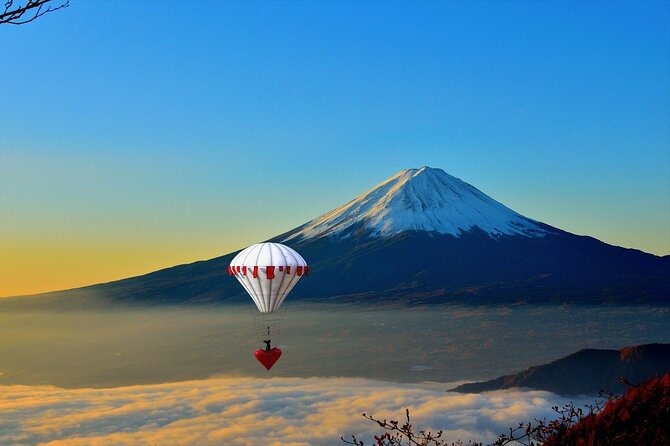
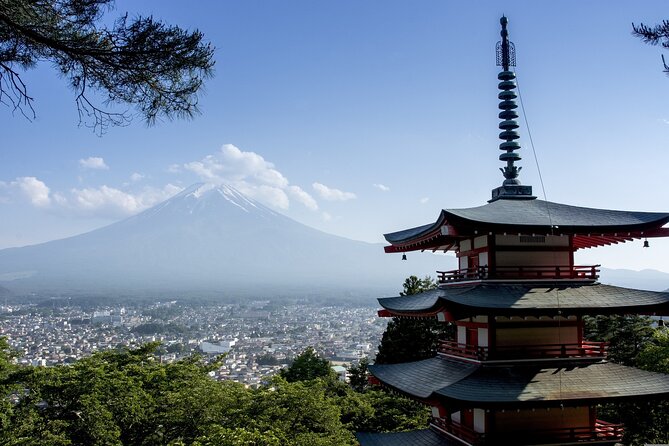
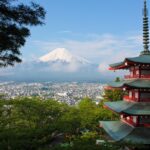
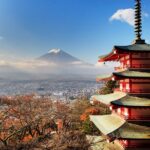
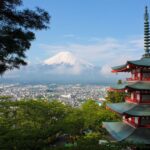
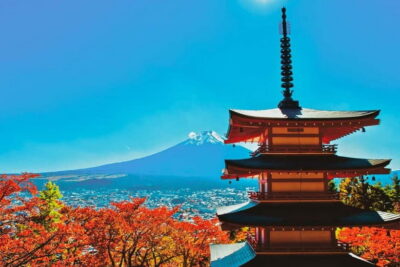
Chureito Pagoda is one of the most recognizable places in the Fuji area. The five-story red-and-white pagoda sits above the town, with Mt Fuji forming the backdrop when the weather cooperates.
The visit is listed at 30 minutes, but the climb is the part to watch. One driver, Irfan, climbed the 400 steps with his group, while other arrangements may leave you to make the ascent at your own pace. The time allowance can feel tight if you walk slowly, need rest breaks, or arrive when the steps are crowded.
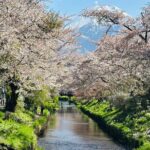
This is a particularly strong stop for first-time visitors who want an iconic Japanese view without climbing Mt Fuji. In spring, cherry blossoms add another reason to come. The shrine area also has religious importance, including prayers for family happiness, protection from evil, and safe childbirth.
Wear shoes you can walk in. The pagoda is free to visit, but the physical effort is real. Your driver can usually help with photographs, which is useful here because the best composition requires both people and pagoda to fit into a busy viewpoint.
Lake Kawaguchiko, the ropeway, and Oishi Park
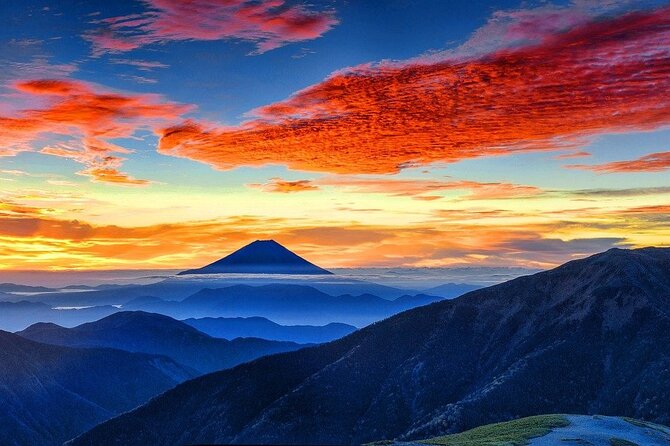
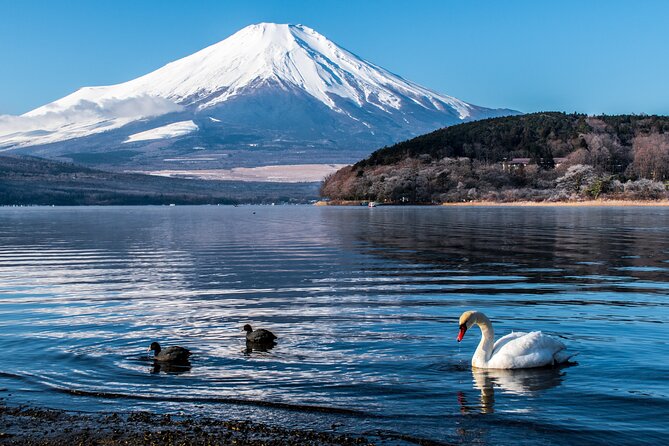
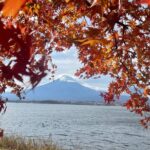
Lake Kawaguchiko is the most accessible of the Fuji Five Lakes, and it forms the central sightseeing area for this trip. You have 30 minutes at the lake itself, followed by up to an hour for the Mt Fuji Panoramic Ropeway.
The ropeway climbs 400 meters from the eastern shore to an observation deck near the top of Mt Tenjo. From there, you get a higher view across the lake toward Mt Fuji. The ride adds variety to a day that otherwise depends on roadside viewpoints and short walks.
The ropeway ticket is not included, so budget for that separately. Waiting time can also affect the schedule. If the queue is long, the driver may suggest another stop or adjust the order. That flexibility is useful, but it means you should not assume every listed activity will receive its full advertised time.
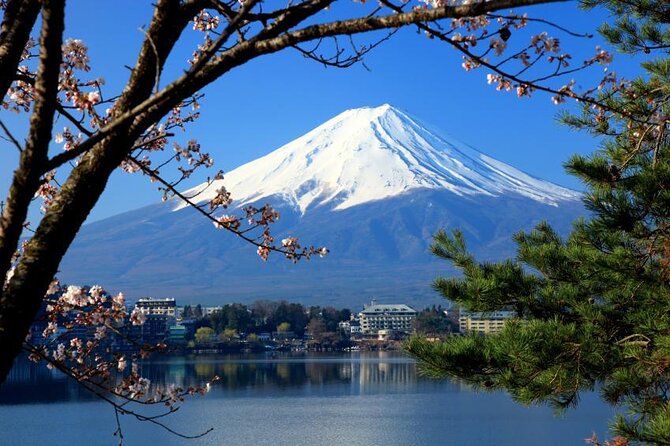
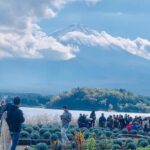
Oishi Park is another 30-minute stop and one of the strongest photo locations. The view places Mt Fuji in the background, Lake Kawaguchiko in the middle, and the park’s lavender in front when the flowers are in season. Even without peak blooms, the layered view gives you a clear sense of why this side of the lake is popular.
I would give priority to Oishi Park if your day is shortened by traffic. The ropeway offers height and a paid ride, but Oishi Park gives you a broad, easy view with no admission charge.
Saiko Iyashi no Sato Nemba and a slower look at rural Japan
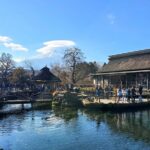
Saiko Iyashi no Sato Nemba is a recreated traditional village with thatched-roof buildings. It gives the day a cultural pause after the big viewpoints and lets you walk through an old-style rural setting.
Admission is not included. The stop is scheduled for about 30 minutes, which is enough for a quick look but not a detailed visit to every building. If you want photographs, local crafts, or a slower stroll, you may need to give up another stop.
This is a good choice for anyone who wants more than a mountain photograph. It also works well when cloud covers Fuji, since the village remains worth seeing even if the peak disappears.
Other private tours in Tokyo


Arakura Fuji Sengen Shrine and choosing your priorities
Arakura Fuji Sengen Shrine is another free shrine stop, scheduled for 30 minutes. It is associated with prayers for protection, family happiness, and safe childbirth. During cherry blossom season, the shrine and its view draw large crowds.
Because Chureito Pagoda is already part of the day, visiting both can feel repetitive if you have limited time. One group chose to skip one shrine and spend longer at another stop. That is exactly the kind of decision you should make before the day becomes rushed.
Tell the driver early if you prefer gardens, religious sites, shopping, or mountain views. The tour works best when you treat the stops as choices rather than obligations. Trying to complete every location can turn a scenic day into a series of hurried exits and re-entries.
Mt Fuji 5th Station and the limits of weather
The 5th Station is the highest major stop listed, with up to two hours allowed. It is a common starting point for climbers and offers a different feeling from the lakeside viewpoints. You are much closer to the mountain, and the air and terrain change as the road climbs.
The admission cost is not included. More important, access depends on road and weather conditions. If the 5th Station cannot be reached, or it is not visible from the base, the driver takes you to the highest point that conditions allow. The tour does not offer a cancellation or refund simply because this part becomes impossible.
That policy is worth taking seriously. You are paying for access to a region and a flexible route, not a guaranteed view from a fixed altitude. Mt Fuji is famously changeable, and cloud can cover the summit even when the rest of the area looks clear.
If the mountain is your main goal, book with a flexible attitude and avoid placing the tour on the only day you have for Fuji. The best photographs are never guaranteed. The pagoda, lake, and parks still give you worthwhile alternatives.
Gotemba Premium Outlets for a very different finale
Gotemba Premium Outlets has more than 200 stores and sits near Mt Fuji in Shizuoka. A two-hour stop makes sense if shopping is part of your plan, but it is a major change of mood after shrines, springs, and mountain views.
The outlet itself is listed with free admission, though purchases are of course extra. You may find this a useful place to buy clothing, gifts, or name-brand goods. If shopping does not interest you, ask whether the time can be used elsewhere, especially if traffic or weather has already shortened the sightseeing portion.
For families and mixed-interest groups, the outlet can be practical. One person can shop while another rests. For a couple focused on scenery and culture, two hours may feel like too much.
How the $480 group price holds up
The listed cost is $480 for up to five people. That works out to $96 per person for a full group of five, or $240 each for two people. For a couple, the price is high compared with public transport, but the comparison is not just about the fare.
You are also paying for hotel pickup, return transfer, a private vehicle, route planning, and the freedom to change the day. A group of five gets strong value because the cost does not rise per person within the stated limit. A family with children, older relatives, or bulky luggage may find the convenience worth more than a cheaper bus excursion.
The value is less clear if you are traveling alone or as a pair and are comfortable managing trains and buses. It is also less attractive if you expect a dedicated guide, because guiding costs extra. Before booking, decide which service you actually need: a private driver who helps you move efficiently, or a guide who explains every site in detail.
Vehicle quality may vary by assignment. Several groups describe a comfortable, roomy, clean van, while one dissatisfied customer reported an older mid-sized Honda van rather than the large SUV expected from a message. Confirm the vehicle type if space and comfort are important to you, especially with five adults.
What the driver can add to the day
The strongest part of this experience is often the person behind the wheel. Drivers named Irfan, Shaan, Ahmad, Reji, Ali, and John have been praised for patience, route changes, English communication, and taking photographs. That does not mean every driver will offer the same level of commentary, so keep the distinction between chauffeur and guide in mind.
A good driver can make the day feel easy. They can wait while you take photos, point out useful sights along the way, help you find a better angle, and change the route when clouds move over Fuji. Some drivers have joined groups for lunch or climbed the steps at Chureito, though those details should not be treated as guaranteed inclusions.
The experience also depends on professional communication. One poor account described a driver with weak English and little tour information, while another found a driver overly personal and unhelpful with lunch choices. These are exceptions within a very high overall rating, but they explain why a private service can feel excellent one day and merely functional the next.
Timing, traffic, and how to plan the ten hours
The 7:00 am start is sensible. You need the early departure to fit several sights into a day that includes long drives from Tokyo. Even then, ten hours includes commuting, not ten full hours of sightseeing.
Weekend traffic is the main threat. A crash on the return route once made the trip back to Tokyo especially slow, and heavy weekend traffic has caused similar problems. You cannot control the roads, but you can improve the odds by keeping the route flexible and accepting that one or two stops may need to go.
I would not plan an important evening reservation immediately after the scheduled return. Allow extra time, especially on a weekend or during a busy travel period. The driver may alter the order or skip a stop to avoid a long wait, which is usually better than protecting a rigid schedule.
The day can feel hectic even when it goes well. If you want a slow meal, long walks, and time at every site, consider staying overnight near the lake instead of forcing the whole region into a day trip.
Who should book this private Fuji tour
I would recommend it most to:
- Families or friends who can share the $480 cost among four or five people.
- People who want several Fuji viewpoints without handling transport.
- Visitors who value hotel pickup and return more than the lowest possible price.
- Anyone who wants help with group photographs.
- People willing to adjust plans around clouds, queues, and traffic.
I would be more cautious if you want a formal cultural guide, a guaranteed 5th Station visit, or a fixed vehicle model. I would also hesitate if your budget is tight and you are happy using public transport.
Free cancellation is available up to 24 hours before the start time. A weather cancellation can lead to a different date or a full refund, but poor visibility during a tour does not automatically qualify for a refund. Read that distinction carefully before you count on seeing the summit.
Should you book it?
Book this tour if convenience is your priority and you can fill most of the vehicle. The private transfer, flexible route, photo help, and wide range of viewpoints make it a practical way to see the Fuji area from Tokyo in one day.
Do not book it expecting a guaranteed clear mountain or a full-time historian. You are buying a private chauffeur experience with possible commentary, not a traditional guided tour. If you communicate your priorities at the start and accept that weather may rewrite the plan, this can be a memorable and efficient day. For two people paying $480, compare it carefully with public transport. For five people sharing the cost, the case is much stronger.
FAQ
How much does the private Mt Fuji tour cost?
The tour costs $480 per group of up to five people. A larger group can be accommodated for an additional cost.
Where does the tour start?
Pickup begins at 7:00 am from your hotel or another Tokyo location. Return transportation to your hotel or another Tokyo location is included.
Is this a guided tour?
It is a private chauffeur tour rather than a standard guided tour. The bilingual driver may provide information about Mt Fuji and the stops. A separate guide can be arranged for an additional fee.
What happens if the weather blocks Mt Fuji or the 5th Station?
If the 5th Station cannot be reached or seen because of weather, the driver takes you to the highest elevation point possible. The tour is not canceled or refunded for this reason. If the operator cancels the experience because of poor weather, you can receive a different date or a full refund.
Are the ropeway and village admission included?
Admission to Oshino Hakkai, Chureito Pagoda, Lake Kawaguchiko, Oishi Park, Arakura Fuji Sengen Shrine, and Gotemba Premium Outlets is listed as free. The Mt Fuji Panoramic Ropeway, Saiko Iyashi no Sato Nemba, and Mt Fuji 5th Station have admission costs that are not included.
Can the itinerary change during the day?
Yes. Stops may be changed or skipped because of traffic, crowds, or long waiting times. You can also discuss your interests with the driver and adjust the route.
More Private Drivers in Tokyo

More Private Tours in Tokyo
More Mt Fuji Day Trips in Tokyo
More tours in Tokyo we've reviewed



Mt Fuji Day Trips, compared.
 ★ 5.0Mt Fuji and Hakone 1-Day Bus Tour Return by Bullet TrainFrom $163
 ★ 4.0Mt Fuji & Hakone Cruise, Drum Show Bullet Train 1 Day from TokyoFrom $149
 ★ 4.4Tokyo Mt Fuji 5th St & Hakone Cruise Bus Tour w/Bullet TrainFrom $15410 hours
 ★ 4.5From Tokyo: Mount Fuji Full-Day Sightseeing TripFrom $6810 hours
 ★ 4.7Tokyo: Mt. Fuji Tour, Hakone Ropeway, Owakudani, Lake AshiFrom $5410 hours
 ★ 4.4Tokyo:Mt.Fuji,Kawaguchiko Oishi Park,Arakurayama Sengen ParkFrom $5410 hours