
Reviewed · GUIDED
Private Tokyo Tour with Licensed Guide & Vehicle (Max 15 persons)
Tokyo is easiest to understand when you connect its old neighborhoods with its modern districts. This private tour does that by car, taking you from the Imperial Palace and Meiji Jingu to Senso-ji, Shibuya Crossing, Tsukiji, or Akihabara without asking you to wrestle with Tokyo’s famously complex train system. The real strength is flexibility: your guide can shape the day around food, history, shopping, or family interests.
I like the hotel pickup and drop-off, especially for a first day in a huge city. I also like the separate guide and driver arrangement, which lets guides such as Yoshi, Kazu, Sam, Taku, and Hideki focus on explanations and planning while the driver handles Tokyo traffic. The catch is simple: six hours is not enough for every listed stop. You must choose three or four places, and even then, long visits or heavy traffic can make the day feel rushed.
In This Review
- Key points to know before booking
- What this six-hour Tokyo tour really offers
- Imperial Palace: Edo-era Tokyo in the city center
- Takeshita Street and Meiji Jingu: Harajuku in two contrasting moods
- Senso-ji and Asakusa: old Tokyo with food in hand
- Kappabashi Street: cooking tools and plastic food
- Tsukishima Monjya Street: a taste of Tokyo
- Ginza: polished shopping and department stores
- Shibuya Crossing and Hachiko: Tokyo’s organized chaos
- Akihabara: anime, electronics, and gachapon
- Yanaka Ginza and Ueno Park: slower streets and open space
- Tokyo Tower: a classic view with extra ticket costs
- Tsukiji Outer Market: eat, browse, and spend a little
- How to plan three or four stops without rushing
- Price, group size, and overall value
- Comfort, accessibility, and family needs
- Should you book this private Tokyo tour?
- FAQ
- How long is the private Tokyo tour?
- How many people can join the tour?
- Does the tour include hotel pickup and drop-off?
- How many attractions can I visit?
- Is a licensed English-speaking guide included?
- Is transportation included?
- Are meals and entrance fees included?
- Can children’s car seats be provided?
Key points to know before booking
- Choose three or four stops: The long list is a menu, not a promise to visit every location.
- Private car, private company: Your group travels alone, with room for groups of up to 15.
- Excellent guide flexibility: Guides have adjusted routes for children, older family members, wheelchair users, shopping requests, food interests, and cherry blossom hunting.
- Best for a first look: You can connect historic Tokyo, modern Tokyo, and local food in one organized day.
- Start early for Senso-ji: An early 8:00 or 9:00 start can help you avoid the thick crowds around Asakusa.
- Extra costs remain: Lunch, personal purchases, and admission fees such as Meiji Jingu or Tokyo Tower are not included.
What this six-hour Tokyo tour really offers
Think of this as a private introduction rather than a full Tokyo sightseeing day. You receive a licensed local English-speaking guide, a private vehicle, and hotel pickup and drop-off in Tokyo. The guide helps you decide where to go, explains what you are seeing, and can point you toward restaurants or shops that fit your interests.
The vehicle matters more than you might expect. Tokyo’s train network is excellent, but moving between Imperial Palace, Asakusa, Harajuku, Shibuya, and Tsukiji can consume time and energy. A car takes you close to the next stop, and reviews describe clean vehicles, spacious vans, precise drop-offs, and drivers who handled narrow streets and crowded roads with care.
You are not locked into a fixed route. Families have shaped days around teenagers, elderly parents, and young children. One guide helped a group of 15 adjust plans as they went. Another built an itinerary around history and culture, using maps, photographs, diagrams, and a simple timeline of Japanese history.
That personal approach is the main reason to consider this tour. It is less useful if you already know Tokyo well or prefer to explore slowly on your own. It is very useful if you have only one day, are traveling with mixed abilities, or want a local guide to make quick decisions.
Other guided tours in Tokyo
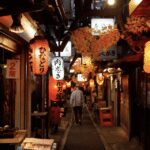

Imperial Palace: Edo-era Tokyo in the city center
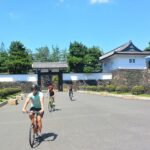
The Imperial Palace gives you a calm opening to the day and a useful introduction to Tokyo’s past. The grounds contain historic remains connected with the old Edo period, when Tokyo was the seat of the shogun. You can get a sense of how a feudal capital occupied the center of what is now a vast modern city.
The visit is listed at about 30 minutes, with no admission charge. That is enough for photographs and a short explanation, but not enough for a leisurely garden visit. If palace grounds are a priority, confirm exactly which area your guide plans to visit, since the tour description refers broadly to the palace area and historic relics.
I would choose this stop for a first visit focused on Japanese history. If you are more interested in food, anime, or shopping, those 30 minutes may be better spent elsewhere.
Takeshita Street and Meiji Jingu: Harajuku in two contrasting moods
Takeshita Street is the playful side of Harajuku. It is associated with kawaii fashion, unusual outfits, youth culture, and shops selling items that feel distinctly Japanese. The tour allows about 30 minutes, so you can look around and take in the atmosphere, but serious shopping will require more time.
The private format helps here. You can tell the guide whether you want fashion, snacks, character goods, or a particular shop. One family with children added a dog café and an otter café near this part of Tokyo, showing how the route can be adjusted to suit a group.
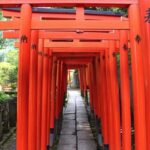
Meiji Jingu offers the opposite experience. Walk beneath tall trees and enter a Shinto setting that feels far removed from Harajuku’s retail noise. Guides use the shrine to explain Shinto customs, Japanese religious life, and the role of ritual in everyday culture. One guide even used photographs of a Shinto wedding to make the explanation easier to follow.
Admission is not included, though the tour data does not specify the amount. A half-hour visit gives you time to see the main setting and ask questions, but not to wander every path. I would give Meiji Jingu priority over Takeshita Street if you want a peaceful, cultural stop.
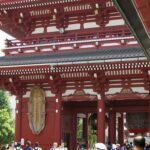
Senso-ji and Asakusa: old Tokyo with food in hand
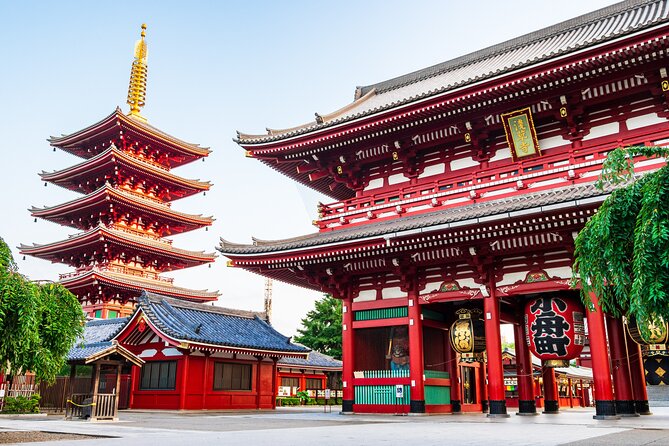
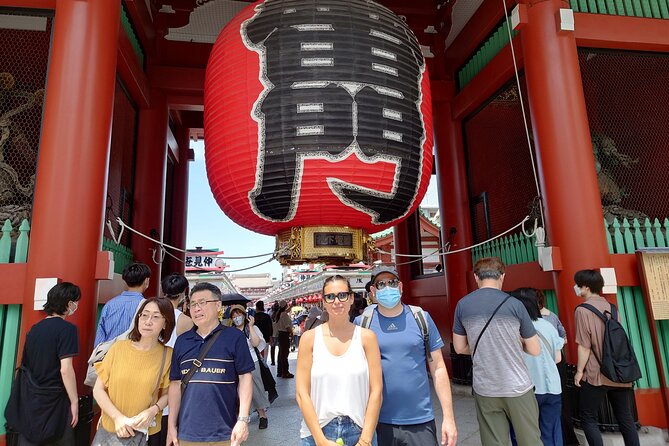
Senso-ji is one of Tokyo’s best introductions to traditional city life. The temple area combines religious history, busy shopping lanes, snack stalls, and souvenir shops. You can try dango, small mochi balls, or agemanjū, a fried sweet filled with bean paste.
The planned stop is about 30 minutes, which is brisk. You can learn the basic story of the temple, see the main approach, and sample a snack, but Asakusa rewards a slower visit. The shopping lanes alone can absorb much of an afternoon.
Timing is important. A guide specifically advised an 8:00 or 9:00 start for an earlier visit, before the area becomes crowded. That advice is especially useful for anyone using a wheelchair or traveling with older relatives. A wheelchair-accessible route can be arranged more easily when the streets are less crowded, although one family found movement difficult at Senso-ji on a Saturday.
If you want temple history, Japanese sweets, and a strong sense of old Tokyo, make Senso-ji one of your three or four choices.
Kappabashi Street: cooking tools and plastic food
Kappabashi Dogugai is a fine choice for shoppers who want something more distinctive than a standard souvenir. The street is known for Japanese cooking tools, kitchen goods, restaurant supplies, and remarkably lifelike plastic food displays.
The tour allows roughly 30 minutes. That works for browsing and picking up a small food-model keychain, but serious cooks may want to return independently. The stop also pairs well with Senso-ji because both are in the eastern part of Tokyo, reducing the amount of time spent crossing the city.
This is a specialty stop rather than a must-see landmark. Choose it if Japanese food culture interests you or if you want practical souvenirs. Skip it if your first visit calls for major sights only.
Other private tours in Tokyo

Tsukishima Monjya Street: a taste of Tokyo
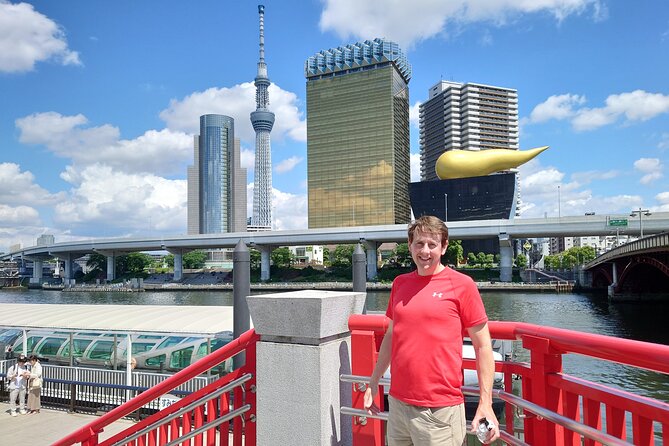
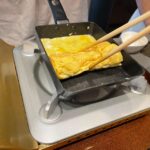
Tsukishima Monjya Street offers a chance to eat something strongly associated with Tokyo: monjayaki. This savory dish is cooked at the table and has a softer texture than the better-known okonomiyaki.
The stop is described as a 30-minute visit, but that may not be enough for a relaxed restaurant meal. Lunch is not included, and the guide can recommend a place, but you should expect to pay for the food yourself. For a group with dietary restrictions, it is worth discussing lunch plans in advance. One guide successfully recommended a tonkatsu restaurant that suited a couple’s needs and explained the sauces and accompaniments.
I would treat Tsukishima as a food-focused option, not as a quick photo stop. If you want to eat monjayaki, ask how the timing will work before the day begins.
Ginza: polished shopping and department stores
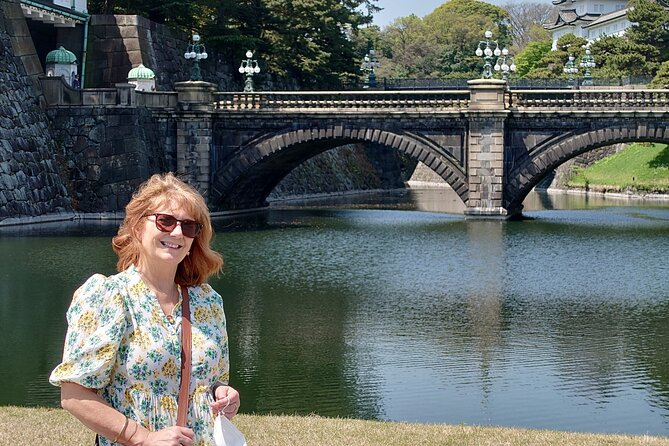
Ginza is Tokyo’s high-end shopping district, with major department stores, luxury brands, and jewelry shops such as Mikimoto. It is a practical choice if you have a specific purchase in mind or want to see the city’s more formal commercial side.
Thirty minutes is enough to walk through a department store or make a targeted purchase. It is not enough for a relaxed shopping session across several blocks. Tell your guide what you need, since the private arrangement can save time by taking you near the right store.
Ginza works well for visitors who want shopping combined with sightseeing. It is less compelling if you prefer neighborhood food, temples, or small independent shops.
Shibuya Crossing and Hachiko: Tokyo’s organized chaos
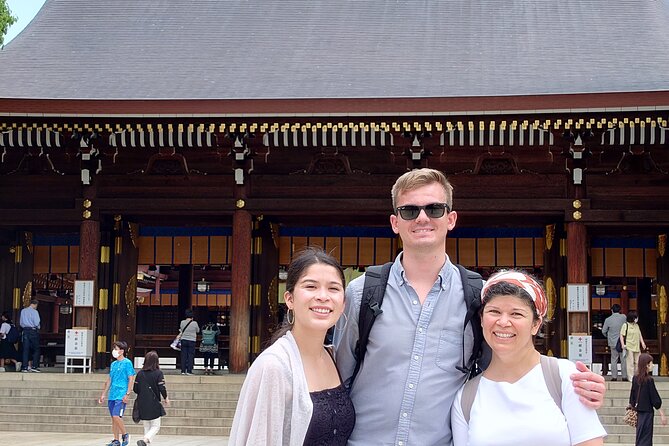
The itinerary also includes Shibuya Crossing, described as one of the busiest pedestrian crossings in the world, along with the statue of Hachiko, the loyal Shiba dog. This is one of the most recognizable modern Tokyo scenes and a good place for photographs.
A short stop lets you watch the crossing and learn the story behind Hachiko. It will not give you much time for the wider Shibuya district, shopping, or observation decks. If you want the famous crossing, keep your expectations focused: this is a quick taste, not a full neighborhood visit.
Shibuya is often paired with Meiji Jingu or Takeshita Street because the locations fit naturally into a west Tokyo route. A guide can also point out nearby sights from the vehicle, but the exact plan depends on your chosen stops.
Akihabara: anime, electronics, and gachapon
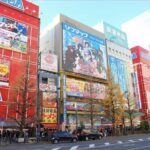
Akihabara is the natural pick for anime fans, technology enthusiasts, and anyone curious about Japan’s specialized pop culture. You can browse shops, look for gachapon capsule machines, and take in a district built around hobbies and electronics.
Again, the half-hour allowance is a sampler. You may see the main atmosphere and enter a shop, but you should not expect to search every floor for a particular collectible. Be specific about what you want, especially if a child or teenager has a priority store.
One short-stop itinerary added an anime section and a 7-Eleven because a daughter wanted to see them. That is exactly where this tour can work well: small personal requests can matter as much as the famous sights.
Yanaka Ginza and Ueno Park: slower streets and open space
Yanaka Ginza Shopping Street provides a different view of Tokyo. Its retro feel, small shops, croquettes, and famously adorable stray cats offer a more relaxed contrast to Ginza or Shibuya.
The listed 30 minutes gives you time for a walk and a snack. It is a good choice if you want a neighborhood experience rather than a landmark checklist. The street is also a pleasant option for repeat visitors who have already seen the major temples.
Nearby Ueno Park is listed for only 10 minutes. That is enough for a quick look at the park or Shinobazu Pond, but not enough for its museums, zoo, Toshogu Shrine, and gardens. Ueno is particularly associated with cherry blossom viewing, and one private group used its flexibility to focus on gardens and late-season blossoms instead.
I would not choose Ueno Park unless you have a specific seasonal or museum-related reason. Ten minutes is simply too short for the full park.
Tokyo Tower: a classic view with extra ticket costs
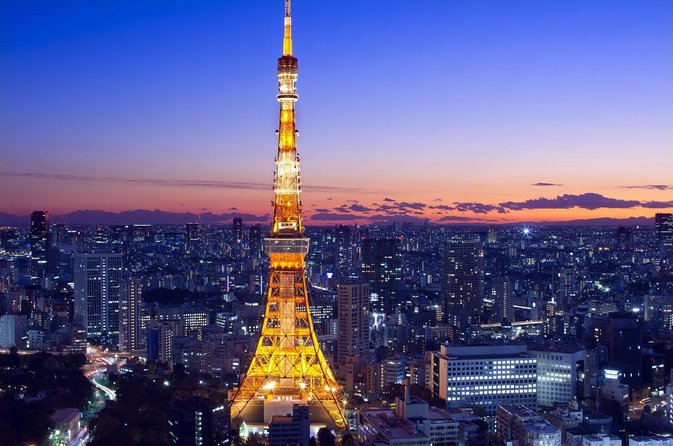
Tokyo Tower is a familiar city landmark and a useful choice if you want a high view over central Tokyo. The tour includes access only up to the main deck. The top deck is not included, and admission is not included either.
The visit is planned for 30 minutes, but elevator lines can change the calculation. One family found that Tokyo Skytree was difficult to complete in under 90 minutes because of elevator queues, even with a rushed visit. That warning applies to observation towers generally: a short scheduled stop may become tight once you add ticketing and waiting.
Choose Tokyo Tower for the tower itself and the view. Do not choose it if you expect a long, unhurried observation-deck visit within the six-hour route.
Tsukiji Outer Market: eat, browse, and spend a little
Tsukiji is the old fish market area, now best known for its outer-market food stalls, specialty foods, and small shops. It is a strong choice for anyone who wants to taste Tokyo rather than only photograph it.
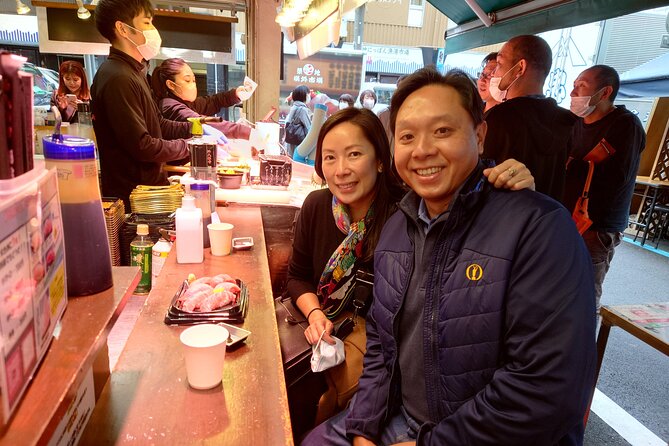
You will need to pay for anything you eat or buy, and the tour specifically encourages supporting local shops. Thirty minutes allows for a few tastes and a quick look. A longer food-focused itinerary would be better if you want a full lunch or extensive browsing.
Tsukiji pairs well with a guide who can explain what you are seeing and help with ordering. It also gives families a more hands-on stop than a palace or tower.
How to plan three or four stops without rushing
The biggest planning mistake is trying to cover the entire list. Tokyo is too large, traffic is unpredictable, and every stop has a different pace. A sensible route might include:
- Imperial Palace, Meiji Jingu, Takeshita Street, and Shibuya for history and modern west Tokyo.
- Senso-ji, Kappabashi, Ueno, and Yanaka Ginza for old neighborhoods and local shopping.
- Tsukiji, Ginza, and Tsukishima for food and polished city shopping.
- Senso-ji, Shibuya, Akihabara, and Meiji Jingu for a broad first taste of Tokyo.
Ask your guide to estimate driving time between your choices before the tour. The most successful days described by guides and groups began with communication weeks ahead of arrival. Taku, for example, prepared a timed itinerary and adjusted it for a requested extra site, while other guides changed plans around mobility needs, meals, and shopping.
Price, group size, and overall value
The listed price is $553.58 per group of up to four. That is not a budget sightseeing option, but the comparison changes when you divide it among four people. You are paying for a private vehicle, a licensed English-speaking guide, hotel pickup and drop-off, and the ability to avoid several train changes.
For a couple, the price is harder to justify unless convenience, mobility, or limited time matters greatly. For a family of four, it can be good value, especially when public transport would be tiring or when everyone wants a different kind of day. Larger groups can include up to 15 people, but the price structure and vehicle arrangements should be confirmed for your party size.
Lunch, personal purchases, and admissions are extra. The tour also says you cannot combine separate tour groups, so this is genuinely private rather than a shared vehicle with strangers.
The 97 percent recommendation rate and 4.9 rating indicate strong overall satisfaction, but the one important warning is worth taking seriously: six hours can feel rushed. The solution is not to expect more stops. It is to choose fewer stops and give the guide clear priorities.
Comfort, accessibility, and family needs
Most travelers can participate, and service animals are allowed. The operator has only a limited number of car seats and booster seats, and rear-facing car seats are not available. Contact the provider directly if you need child seating.
The tour can be particularly helpful for anyone with reduced mobility. One guide and driver arranged wheelchair-accessible drop-offs, helped with entrances and tickets, and handled the wheelchair in and out of the vehicle. That does not make every Tokyo attraction fully easy, so discuss the exact route in advance, especially if Senso-ji or crowded shopping streets are on your list.
Families also benefit from the private setting. Guides have adjusted the pace for children and older parents, and the vehicle lets the group rest between stops. You still need to be realistic about walking and crowds at temples, markets, and crossings.
Should you book this private Tokyo tour?
Book it if you have one day in Tokyo, are traveling with family, want hotel pickup, or need a guide to connect very different parts of the city. It is especially useful for a first visit built around three or four clear priorities, such as Senso-ji, Meiji Jingu, Shibuya, and Tsukiji.
Skip it if you want to spend an entire morning in one neighborhood, visit several museums, or browse shops without watching the clock. For the best result, contact the provider before arrival, name your must-see stops, explain mobility or food needs, and start early if Senso-ji matters.
FAQ
How long is the private Tokyo tour?
The tour lasts approximately six hours.
How many people can join the tour?
The experience is private and can accommodate groups of up to 15 people. The listed price is for a group of up to four.
Does the tour include hotel pickup and drop-off?
Yes. Hotel pickup and drop-off in Tokyo are offered.
How many attractions can I visit?
The included service describes a customizable tour covering three or four sites from the available choices. You should not expect to visit every stop in six hours.
Is a licensed English-speaking guide included?
Yes. A licensed local English-speaking guide is included.
Is transportation included?
Yes. A private vehicle is included, with a separate driver accompanying the guide.
Are meals and entrance fees included?
No. Lunch and personal expenses are not included. Admission fees are also extra at locations such as Meiji Jingu, Ueno Park attractions, and Tokyo Tower.
Can children’s car seats be provided?
Only a limited number of car seats and booster seats are available. Rear-facing car seats are not available, so contact the provider directly if you need one.
More Private Tours in Tokyo
More Guided Tours in Tokyo
More tours in Tokyo we've reviewed


Guided, compared.
 ★ 5.0Tokyo 6hr Private Tour with Government-Licensed GuideFrom $155
 ★ 4.9Tokyo: Shinjuku Local Bar and Izakaya Guided Walking TourFrom $343 hours
 ★ 4.8Tokyo: Private City Highlights Tour with Local GuideFrom $1064 - 8 hours
 ★ 4.9Tokyo: Tsukiji Fish Market Guided Walking TourFrom $222 hours
 ★ 5.0Tokyo 4hr Private Tour with Government-Licensed GuideFrom $109
 ★ 5.0Tokyo Guided Small-Group Biking TourFrom $106