
Reviewed · JDM & CAR CULTURE
Tokyo: Fast & Furious Authentic Drift and JDM Experience
Tokyo’s Wangan and C1 expressways are the real stars here. At night, you ride in a tuned Japanese sports car beneath the city lights, pass through huge underwater tunnels, cross near the illuminated Rainbow Bridge, and stop where Tokyo’s car culture gathers. This is not a self-drive rental. Professional drivers handle the car while you enjoy the speed, sound, and scenery.
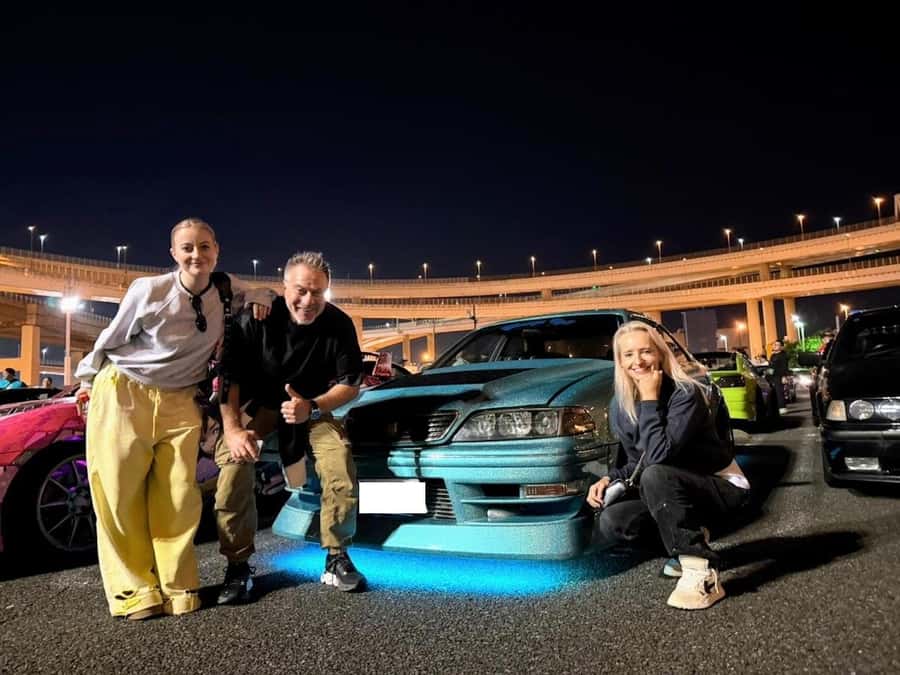
I like two things right away: the Daikoku Parking Area stop, where you can see Japan’s tuning scene up close, and the convoy feel when several cars travel together. One evening included eight cars from the company, which made the ride feel less like a taxi trip and more like a short-lived JDM parade. The main consideration is the late return, plus the fact that you must reach the meeting point yourself.
- Wangan and C1 at night: Ride Tokyo’s famous expressways with the skyline and road lights outside your window.
- Professional drift-style driving: Enjoy controlled, spirited driving without being expected to handle the car yourself.
- Daikoku Parking Area: Spend time at one of Japan’s best-known meeting points for modified and performance cars.
- Convoy atmosphere: Several vehicles may travel together, adding to the sense of joining Tokyo’s car scene.
- Neon meeting point: Start at the TOKYO VIDEO GAMERS sign, with free arcade games and drinks before departure.
- Useful language support: English, Portuguese, Japanese, and Spanish assistance is available, with translation support if needed.
In This Review
- Why This Tokyo JDM Tour Feels Different
- Starting at the TOKYO VIDEO GAMERS Sign
- Riding the Wangan and C1 Expressways
- Rainbow Bridge and Tokyo After Dark
- Daikoku Parking Area and the Japanese Car Scene
- The Cars and Drivers Make the Difference
- What the $170 Price Really Buys
- Who Will Enjoy This Most
- Practical Tips for a Better Night
- Should You Book This JDM Experience?
- FAQ
- Is this a self-drive experience?
- Where does the activity start?
- What can I do before departure?
- Does the tour visit Daikoku Parking Area?
- Are fuel and toll fees included?
- What languages are available?
- Is the tour suitable for everyone?
Why This Tokyo JDM Tour Feels Different
Many Tokyo night tours show you the city from a bus window. This one gives the city a soundtrack: engine noise, tunnel echoes, expressway lights, and the low glow of modified cars parked together. I would not book it as a general sightseeing tour. I would book it for the particular pleasure of seeing Tokyo through its performance-car culture.
The $170 price is easier to judge when you look at what it covers. Fuel and toll fees are included, as are the car, driver-guide, and stops at key locations. Tokyo’s expressway tolls can add up, and a private car experience with a professional driver would normally cost more than an ordinary shared city transfer. Still, this is a specialist evening. If you do not care about Japanese cars, the value drops quickly.
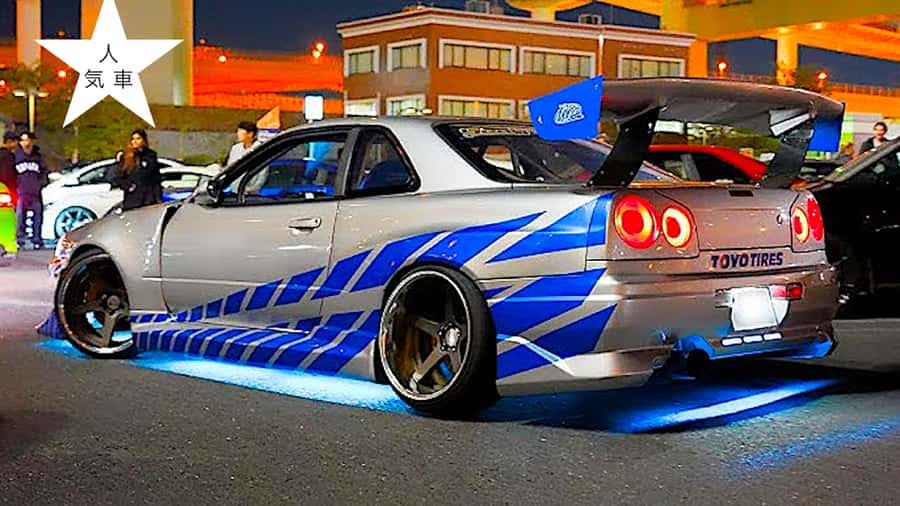
The experience also has a social side. On some nights, cars from the same company travel as a group. That convoy may include several striking vehicles, such as the matte black Mazda RX-8 driven by Prabash or an STI driven by Masa. The exact cars and drivers are not guaranteed, but the possibility is part of the fun.
Starting at the TOKYO VIDEO GAMERS Sign
Your meeting point is marked by the bright TOKYO VIDEO GAMERS sign. Look for the neon lettering and the line of parked cars nearby. The location is designed to be easy to spot, but you still need to arrange your own way there, since transportation to the meeting point is not included.
Arrive with comfortable clothes and shoes. You may spend time standing around the cars, walking at stops, and taking photos, so this is not the night for stiff dress shoes. The meeting point also gives you a useful few minutes to settle in before the drive.
You can grab a drink and play free arcade games while waiting. That small detail helps set the tone. You are not simply being handed a car key and sent off. You meet the drivers, see the vehicles, and get a feel for the enthusiast crowd before leaving.
The guides are described as energetic and enthusiastic, and several names have been singled out for good reason. Kei is especially passionate about modified cars, while Prabash and Masa have each been praised as attentive drivers. If you want to request a particular driver or car, I would ask before booking, since vehicle assignments can change.
A few more Yokohama tours and experiences worth a look
Riding the Wangan and C1 Expressways
Once you leave, the road itself becomes part of the attraction. The Wangan and C1 routes are central to Tokyo’s famous night-driving culture, with broad expressways, city lights, and a steady sequence of bridges and tunnels. You are riding rather than driving, which lets you concentrate on the view and the movement of the car.
The tour describes the driving as drift-style, safe but thrilling. That wording matters. This is intended to provide an adrenaline rush with professional drivers in control, not an invitation for passengers to attempt illegal street racing or risky stunts. You should expect spirited driving, but the exact pace and style will depend on road conditions, traffic, and the driver.
The best seat will vary by vehicle. If you care about filming, ask the driver where you can use your camera safely. One useful detail from the experience is that drivers may give you time to take photos and videos while moving between locations, but you should keep your attention on safety and follow all instructions inside the car.
The underwater tunnels add a memorable bit of engineering to the ride. Tokyo is a city of islands, reclaimed land, bridges, and tunnels, and these routes show how the city connects its separate districts. You may not get a long explanation of every tunnel, so I would treat them as visual and sensory highlights rather than a formal architecture lesson.
Rainbow Bridge and Tokyo After Dark
The illuminated Rainbow Bridge is one of the more recognizable sights along the route. Seeing it from a moving performance car feels different from viewing it from a normal lookout. You get the bridge, the expressway, the surrounding lights, and the changing city perspective in a single sequence.
Do not expect the same photo opportunities as on a walking tour. You may pass some sights quickly, and reflections through the windows can affect your pictures. Bring a camera, but keep your expectations practical. The strongest images will likely come during scheduled stops, when you have time to get out and photograph the cars.
Night conditions also make the weather important. Check the forecast before you go. Rain can change visibility, road conditions, and the ease of taking photos. The tour still may be enjoyable in poor weather, but the bright car-meet atmosphere and skyline views will be less reliable.
Daikoku Parking Area and the Japanese Car Scene
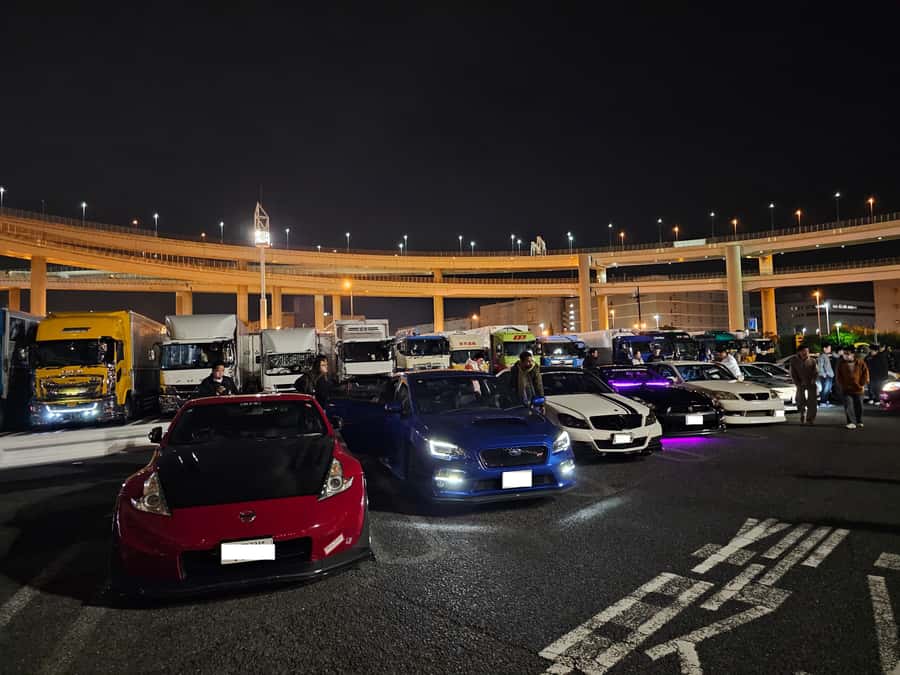
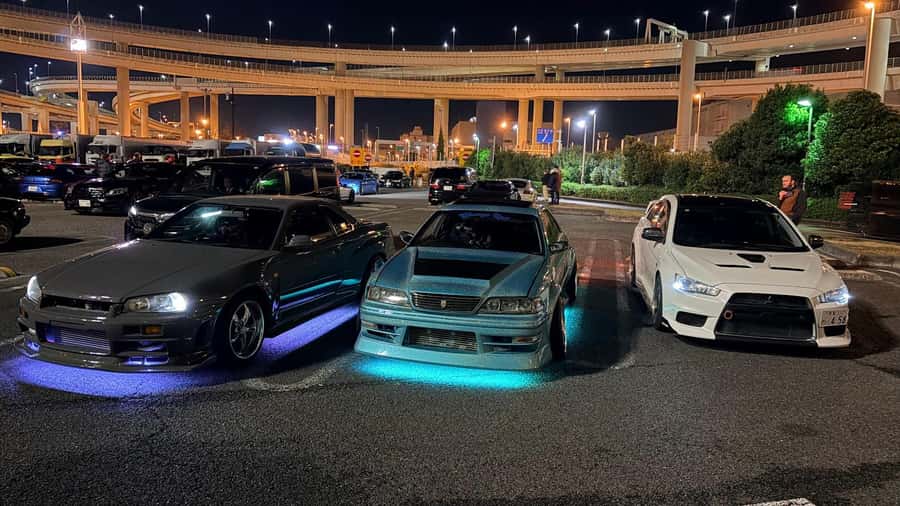
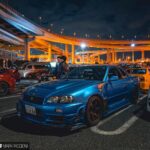
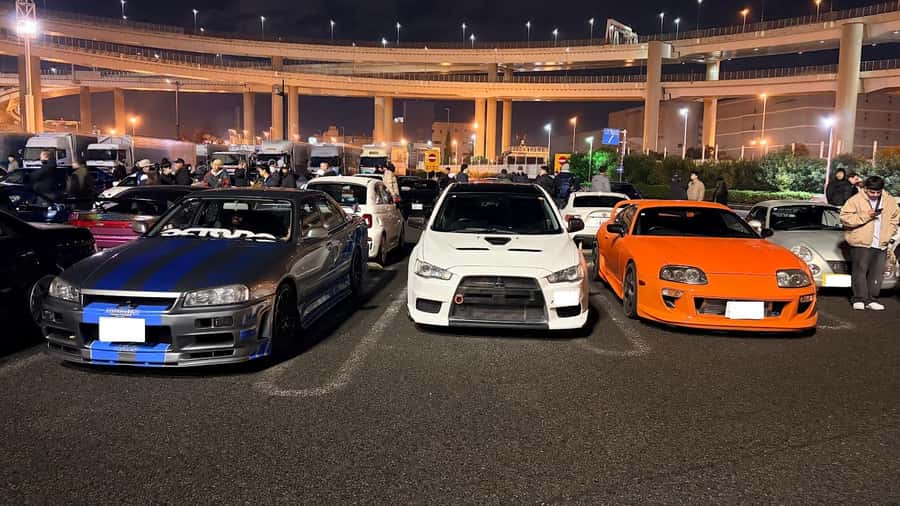
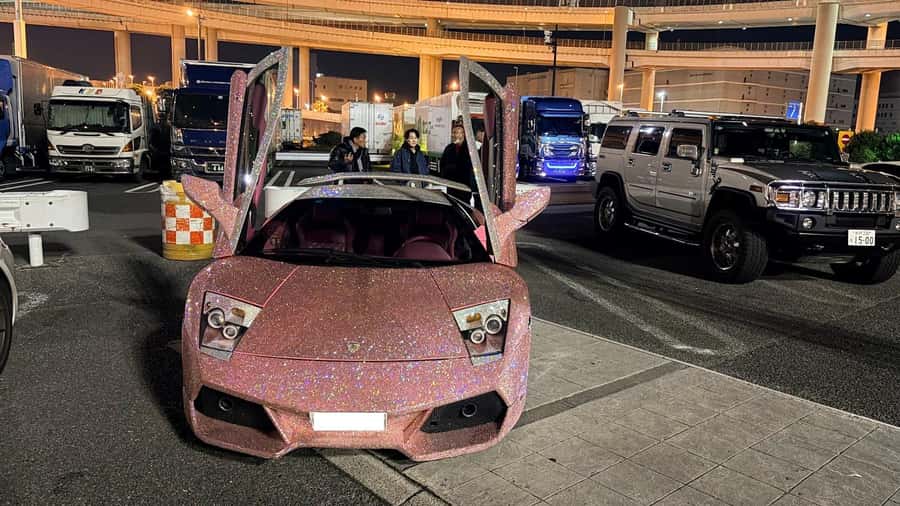
Daikoku Parking Area is the heart of the experience for many car fans. It is known as a meeting place for Japanese car enthusiasts, and the appeal comes from seeing actual vehicles gathered in one setting rather than looking at cars behind museum glass.
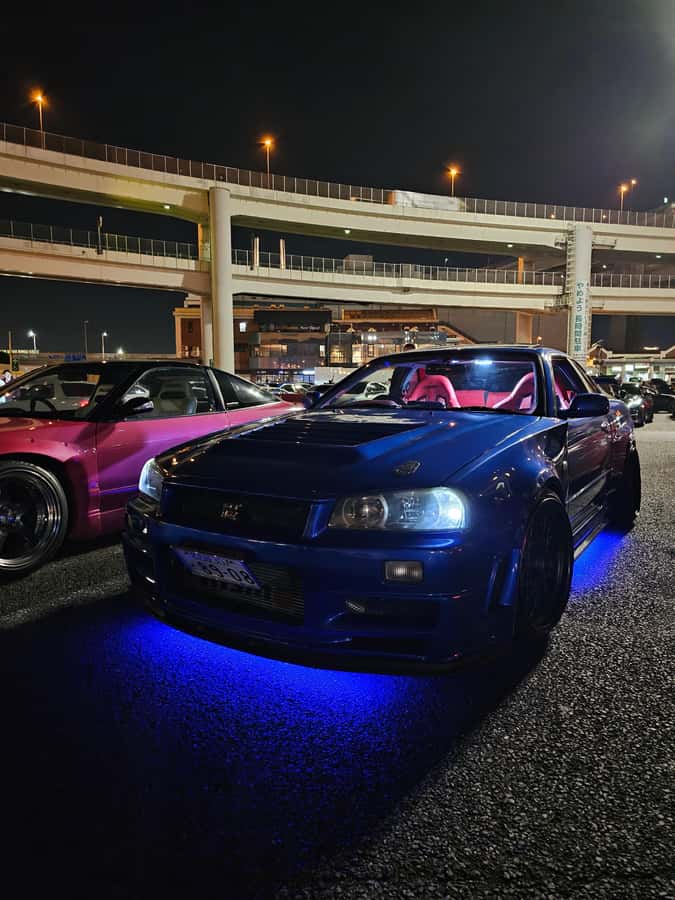
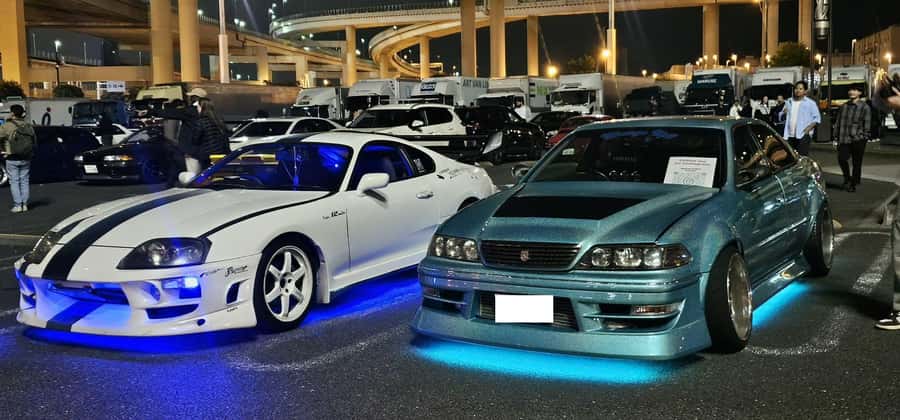
This stop gives you a window into Japan’s tuning culture. You may see modified JDM cars, performance models, and unusual builds, though the exact mix is never fixed. That unpredictability is part of the attraction. A car meet can be quiet one night and packed with interesting machines another.
I would allow yourself time to look beyond the most obvious cars. Notice the wheel designs, bodywork, exhausts, paint choices, and the way owners treat their vehicles. Even if you cannot identify every model, the stop helps explain why Japanese car culture has such a strong following around the world.
Daikoku is also where the convoy effect makes the most sense. Arriving with several company cars gives you a chance to photograph the group together. One outing included eight cars, creating the feeling of joining a moving car club for the evening. That group size is not promised, but a multi-car departure can add a lot to the night.
There is one practical limit: the parking area is not a guaranteed private event. Other cars and visitors may be present, and conditions can change. The tour takes you to the location, but it cannot promise a particular model, a certain number of cars, or a major meet on your chosen date.
The Cars and Drivers Make the Difference
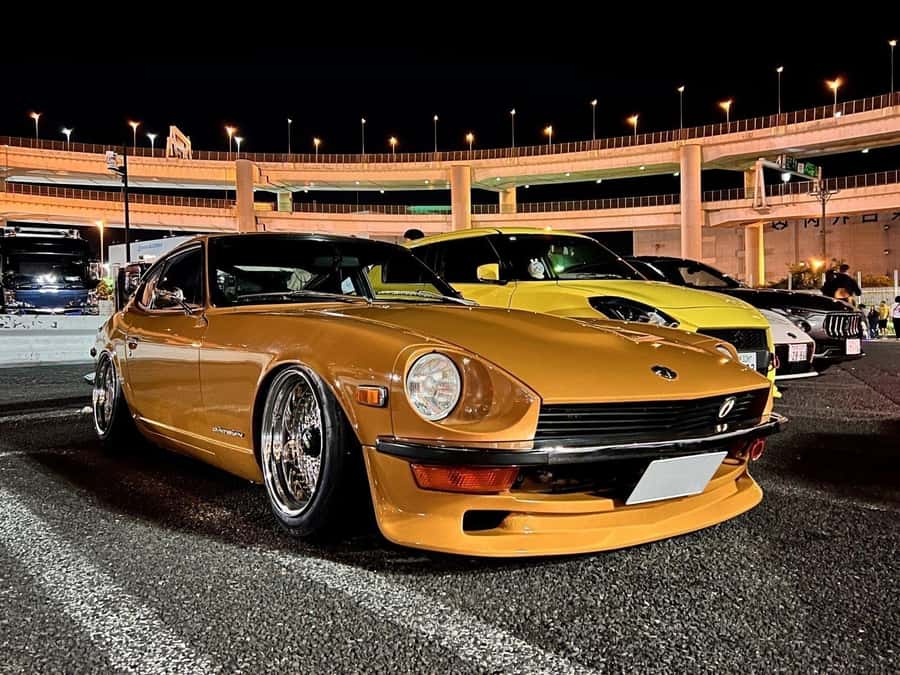
The vehicle is not just transportation here. It is the main attraction. The company offers an exclusive selection of sports cars and luxury vans, with vehicles that may include cars such as the Mazda RX-8 and Subaru STI mentioned by name in the experience details.
A car like Prabash’s matte black RX-8 gives you the flavor of the evening: a recognizable Japanese performance car with a strong visual presence. Masa’s STI offers a different kind of appeal, especially if you like rally-bred Japanese cars. These examples are useful for understanding the range, but you should not assume you will ride in one specific model.
The driver can shape your memory of the tour as much as the car. Kei has been praised for his enthusiasm and attention to modified cars. Other drivers have been described as friendly and attentive, taking time for conversation and helping passengers get good photos.
Language support is another plus. English, Portuguese, and Japanese are listed, and Spanish assistance is also available in the supplied information. One passenger had a guide who was not fully fluent in English and used a translation box. That is a workable solution, but if detailed conversation matters to you, confirm the language arrangement before you reserve.
What the $170 Price Really Buys
At $170 per person, this is not a cheap way to get around Tokyo. It is a paid experience built around access, atmosphere, and driving time. I think the price is reasonable for a car enthusiast who would otherwise struggle to reach Daikoku and experience the expressways in a tuned Japanese vehicle.
The included fuel and tolls matter. You avoid the extra road costs that can catch people off guard on a private driving outing. The professional driver also means you can focus on the ride instead of navigating Tokyo’s complicated expressway system.
The value is weaker if you mainly want city views. A regular night sightseeing tour will cover more famous landmarks and may offer more narration for less money. This experience gives you fewer traditional sights, but it offers something ordinary tours cannot: a close look at a specific part of modern Japanese culture.
Accommodation drop-off is listed as included, while the stated end point says the activity finishes back at the meeting point. Since those details do not match perfectly, confirm the return arrangement before booking. Either way, plan for a late return on a night drive and do not schedule an early morning activity afterward.
Who Will Enjoy This Most
I would recommend this experience first to:
- JDM fans and people who follow Japanese tuning culture
- Visitors who enjoy cars more than standard landmark tours
- Families with older children and teenagers who can handle a late night
- Photographers looking for modified cars, tunnels, bridges, and neon-lit roads
- Couples or friends who want an unusual Tokyo evening
- People comfortable riding in a performance car with spirited driving
A 14-year-old passenger reportedly had a terrific time, which makes this a strong choice for a car-loving parent and teenager. It is less suitable for young children who need an early bedtime or for anyone who dislikes fast-feeling driving.
The tour is not suitable for pregnant women or people with back problems. Smoking and drinks are not allowed in the vehicle. You should also be comfortable with walking and standing at the meeting point and stops.
Practical Tips for a Better Night
Bring a camera, but charge it fully before you leave. You may want photos at the meeting point, at Daikoku, near the bridge, and beside the cars in the convoy. A small camera or phone is easier to manage than a large bag inside a performance car.
Wear shoes that are comfortable for walking. Clothing should also allow you to sit comfortably for a long evening. Avoid bringing drinks into the vehicle, and keep personal belongings compact so they do not get in the way.
Ask your guide about photos before the driving begins. Drivers may help you find good angles or give you time at stops, but filming from inside a moving vehicle should always follow their instructions. The best moments may be the parked-car shots, especially if several vehicles arrive together.
Keep an eye on the weather. Clear skies offer better bridge and skyline views, while rain can make the roads and car photography less predictable. Also leave room in your schedule for a late finish. The exact return time can be affected by the night’s route and road conditions.
You can reserve now and pay later, which helps if your Tokyo plans are still shifting. Cancellation is available up to 24 hours in advance for a full refund, giving you some useful flexibility.
Should You Book This JDM Experience?
Book it if you want cars first and sightseeing second. The Wangan and C1 routes, underwater tunnels, Rainbow Bridge, and Daikoku Parking Area create a distinctive Tokyo night, but the real payoff is riding in a Japanese performance car with drivers who care about the machines.
I would be more cautious if you are looking for a quiet city tour, detailed historical commentary, or a guaranteed specific car. Vehicle assignments, convoy size, and the activity at Daikoku can vary. I would also confirm the language and drop-off details before paying.
For the right person, $170 buys a memorable slice of Tokyo that is hard to arrange alone. If a matte black RX-8, an STI, a line of tuned cars under neon lights, and a late-night expressway ride sound better than another standard observation deck, this is a strong pick.
FAQ
Is this a self-drive experience?
No. Professional drivers operate the sports cars and luxury vans. You ride as a passenger and experience the expressways and drift-style driving.
Where does the activity start?
It starts near the bright TOKYO VIDEO GAMERS sign. Look for the colorful neon sign and the parked cars nearby.
What can I do before departure?
You can grab a drink, play free arcade games, and meet the professional drivers before the ride begins.
Does the tour visit Daikoku Parking Area?
Yes. Daikoku Parking Area is one of the planned stops and is known as a gathering place for car enthusiasts.
Are fuel and toll fees included?
Yes. Fuel and toll fees are included in the $170 per-person price.
What languages are available?
Professional drivers and guides are available in English, Portuguese, and Japanese. Spanish support is also described in the experience information.
Is the tour suitable for everyone?
No. It is not suitable for pregnant women or people with back problems. Smoking and drinks are not allowed in the vehicle, and you should wear comfortable clothing and walking shoes.
More JDM & Car Culture in Yokohama
More tours in Yokohama we've reviewed
JDM & Car Culture, compared.
 ★ 4.7FAST&FURIOUS EXPERIENCE Tokyo Car Club membershipFrom $138
 ★ 4.8GT-R35 800hp Club Membership – secret underground car meetFrom $205
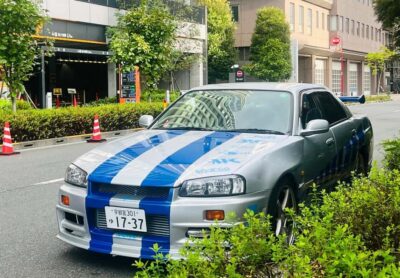 ★ 4.8Tokyo: Fast & Furious Tokyo Drift 3 Experience (Kaila Yu SP)From $157
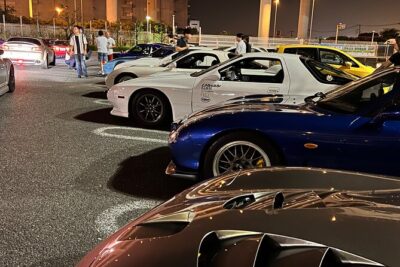 ★ 4.8Tokyo: Daikoku JDM Car Meet & Night Car Culture TourFrom $984 hours
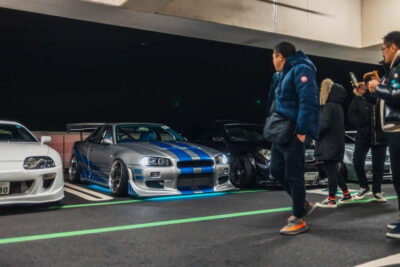 ★ 4.8Secret Car Meet: R34 Skyline Car Club MembershipFrom $236
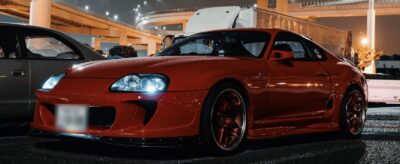 ★ 4.7Tokyo Drift: Daikoku PA Supreme Car Experience 大黒PAFrom $583 hours