
Reviewed · TOKYO FOOD TOURS
Old Town Tokyo Food Tour
Yanaka gives you a side of Tokyo that neon-heavy sightseeing can miss: quiet temple grounds, old wooden homes, a cemetery park, and small food shops along Yanaka Ginza. This 3.5-hour walking tour ties those sights to six food stops, a Kyushu-style teishoku lunch, and a wagashi tea experience.
I like the small maximum of 10 people, which keeps the food stops manageable and makes it easier to ask questions. I also like that the meal is more than a quick snack: the included regional lunch gives you a proper taste of Japanese home-style dining. The main drawback is the price, $231 per person, which is high for a half-day outing, especially since transport and extra drinks are not included.
In This Review
- Key points to know before booking
- Why Yanaka makes a better food walk than central Tokyo
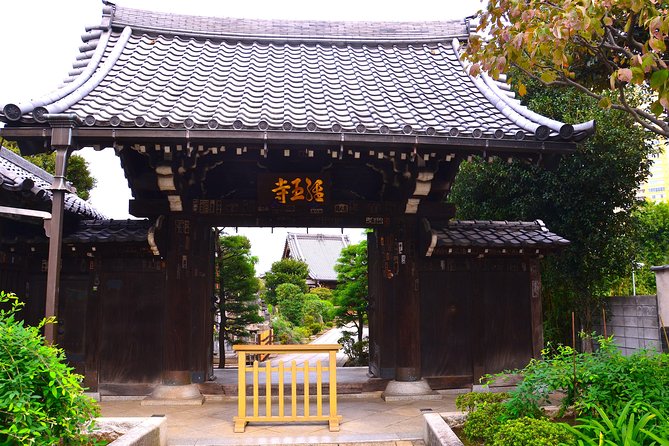
- Temples and quiet corners before lunch
- Yanaka Ginza: small shops and street food
- A look at Yanaka Cemetery Park
- Okakura Tenshin Memorial Park and local culture
- Teishoku lunch with Kyushu flavors
- Wagashi and tea to finish the walk
- What the small group and timing mean for you
- Dietary needs and possible changes
- Is $231 a fair price for this Yanaka tour?
- Who should book this experience?
- My recommendation for the Old Town Tokyo Food Tour
- FAQ
- Where does the Old Town Tokyo Food Tour start?
- What time does the tour begin?
- How long does the experience last?
- Where does the tour end?
- How many people can join the tour?
- Is lunch included?
- What food is included besides lunch?
- Are dietary requirements accepted?
- Is hotel transportation included?
- What happens if the weather cancels the tour?
Key points to know before booking
- Yanaka is old Tokyo without the polished gloss: Explore temples, historic streets, Yanaka Ginza, and quiet green spaces.
- Six food stops are included: You sample local dishes and street food without paying separately at each planned stop.
- Lunch is a full teishoku meal: The restaurant serves seasonal ingredients with regional specialties from Kyushu Island.
- The tea experience comes with wagashi: You finish with Japanese sweets and a traditional tea setting.
- The group is capped at 10 people: That suits anyone who wants a more personal walk than a large bus tour.
- Plan for a walking morning: Meet at 10:30 a.m. near Nippori Station in Yanaka, and expect moderate physical activity.
Why Yanaka makes a better food walk than central Tokyo
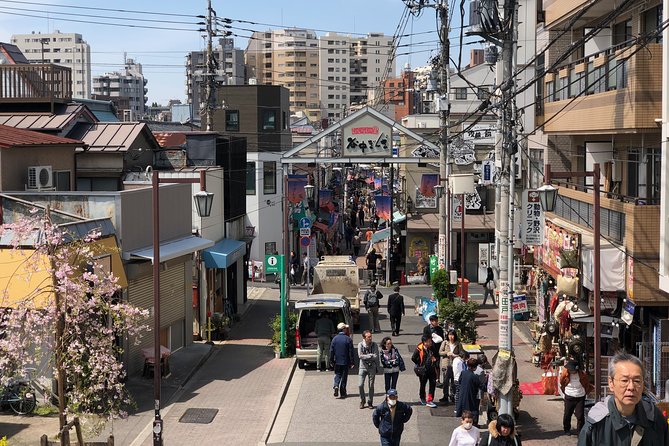
Tokyo can feel polished, vertical, and fast. Yanaka feels more grounded. It is one of the city’s older neighborhoods, known for surviving fires, earthquakes, and the bombings of World War II. That survival is not presented as a museum display. You see it in the neighborhood’s temples, narrow lanes, small stores, and everyday residential streets.
The tour starts at Coffee Room Renoir Nippori Yanaka at 10:30 a.m. The meeting point is in Yanaka, Taito City, close to public transportation. I would arrive early because Tokyo station exits and neighborhood streets can take longer to sort out than expected.
From there, your English-speaking guide leads you through the Yanesen area. Yanesen is a name used for the connected old neighborhoods of Yanaka, Nezu, and Sendagi. The route focuses on Yanaka, but the larger point is to show you how old Tokyo still functions as a lived-in district.
This is not a tour built around famous monuments alone. Food gives you a reason to pause, while the guide supplies the local context. You get architecture, religion, neighborhood life, and Japanese dining in one compact outing.
A few more Tokyo tours and experiences worth a look

Temples and quiet corners before lunch
Early stops include Tennō-ji and Kyōōji Temple. The supplied schedule does not give a fixed length for each temple visit, so expect these to be short cultural stops rather than long guided temple tours.
That is probably the right balance for this experience. The tour’s purpose is not to examine every statue or gate in detail. Instead, the temples help you understand why Yanaka has a calmer feel than many other parts of Tokyo. They also break up the food stops, so the morning does not become a simple march from one snack to the next.
You will also pass Yūyake Dandan, a well-known staircase and local viewpoint area associated with Yanaka’s old neighborhood character. The name refers to evening light, and the spot is tied to the nostalgic feel of the district.
Do not expect a grand panorama or a major attraction with a long viewing platform. The appeal is more modest. You are seeing a familiar neighborhood setting that has become part of Yanaka’s identity.
Yanaka Ginza: small shops and street food
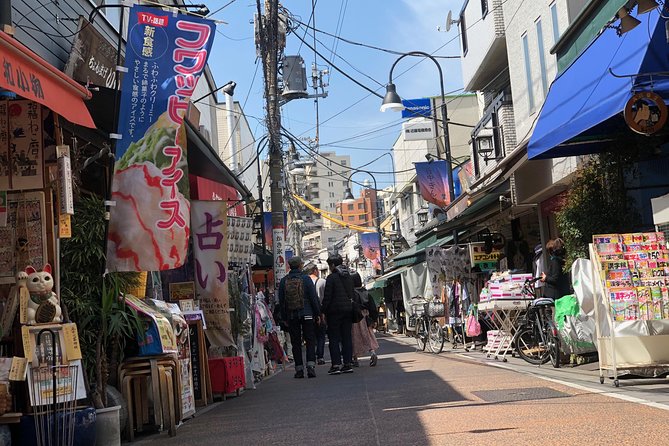
Yanaka Ginza is the liveliest food-focused section of the walk. The shopping street is lined with small businesses, and the tour allows time to visit local shops and sample specialties.
The included tastings matter here. Without them, a food street can become a parade of things you might want to try but cannot easily identify or order. With a guide and planned stops, you can focus on flavor and local custom rather than guessing at every menu.
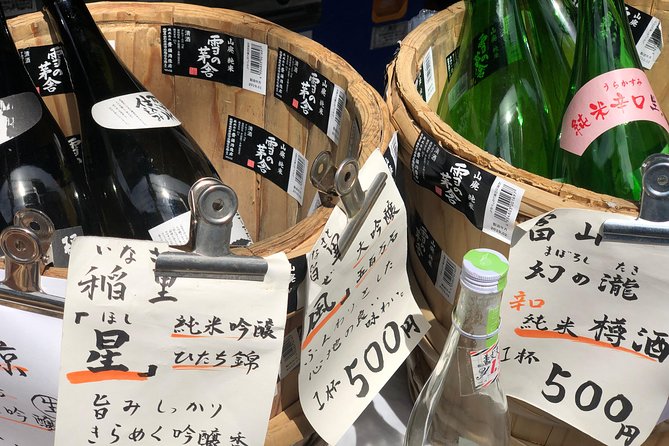
The tour includes dishes and drinks at six food stops overall. The exact food selection may change because restaurants and shops have different schedules, public holidays can affect opening hours, and weather can alter plans. If a particular item is unavailable, the operator says a substitute will be provided.
That flexibility is useful, but it also means you should not book this expecting a fixed menu. Food tours work best when you treat the published route as a framework, not a guarantee of one exact snack at one exact shop.
Shopping time is included, which gives you a chance to look around instead of being rushed from tasting to tasting. Since extra food and drinks are not included, this is also the natural point to buy something beyond the planned samples if you want it.
A look at Yanaka Cemetery Park
Yanaka Cemetery Park offers a different kind of pause. It is not a typical tourist attraction, and the value comes from seeing how burial grounds, temples, trees, and residential streets fit together in the old city.
The stop adds a quiet, reflective note to the morning. It also keeps the tour from presenting Yanaka as only a food district. The neighborhood’s appeal comes from its mix of daily life, religious buildings, memorial spaces, and small commerce.
You should be comfortable walking through a cemetery respectfully. This is a place for observation, not loud conversation or casual wandering away from the group. The tour’s moderate fitness rating suggests that you should expect steady walking on city streets and paths.
Okakura Tenshin Memorial Park and local culture
Okakura Tenshin Memorial Park adds an arts and cultural thread. The name refers to Okakura Tenshin, an important figure in Japanese art and cultural thought. The stop is part of the route’s effort to connect Yanaka’s streets with broader Japanese traditions.
The schedule does not promise a full museum visit or a long indoor presentation, so keep your expectations focused on the setting and the guide’s explanation. This is another example of the tour’s strength: you get several short windows into Yanaka instead of spending the entire morning at one formal attraction.
I like this structure for a first Tokyo visit. You may not remember every temple name, but you will leave with a clearer sense of how an old neighborhood can contain food shops, memorial spaces, religious sites, and local art in a relatively small area.
A few more Tokyo tours and experiences worth a look


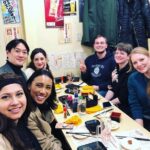

Teishoku lunch with Kyushu flavors
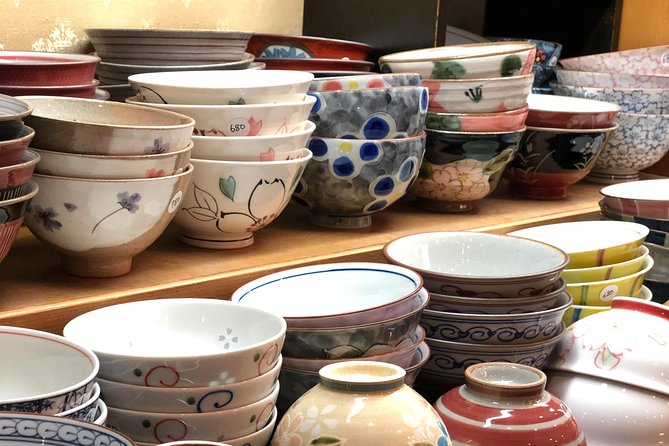
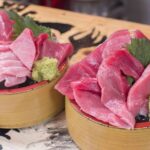
The restaurant lunch is the most substantial part of the food program. Teishoku means a set meal, usually arranged with several components rather than one large main dish. In practical terms, you get a more complete picture of Japanese dining than you would from a string of street snacks.
The meal features regional specialties from Kyushu Island and uses seasonal ingredients. That regional focus gives the lunch a clear purpose. You are not simply eating generic Japanese food in Tokyo. You are using Tokyo’s dining culture to sample flavors associated with another part of Japan.
Lunch is included in the tour price, along with the planned dishes and drinks at the six food stops. Additional drinks are not included, so check with the guide or restaurant if you want something beyond the arranged meal.
The meal should also help you judge the price. At $231, this experience is not a budget food crawl. Its value comes from the combination of a guided neighborhood walk, several tastings, a full restaurant meal, shopping time, and a tea experience. If you would otherwise book a private guide, pay for a separate lunch, and arrange tastings on your own, the package becomes easier to justify.
If your main goal is simply to eat as much as possible for the lowest cost, this is not the right pick. Tokyo offers cheaper meals and casual food streets. You are paying here for structure, interpretation, and the chance to connect food with place.
Wagashi and tea to finish the walk
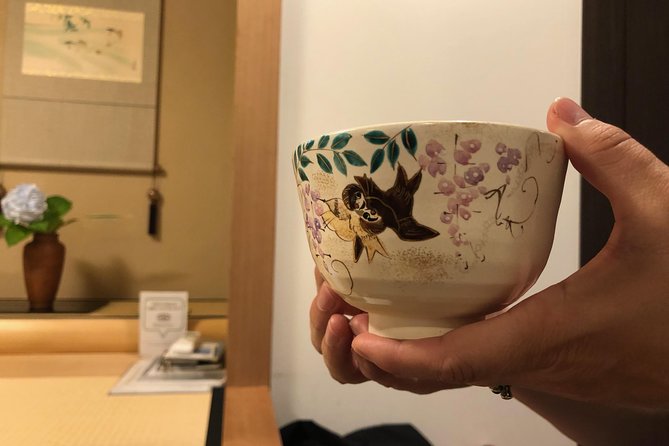
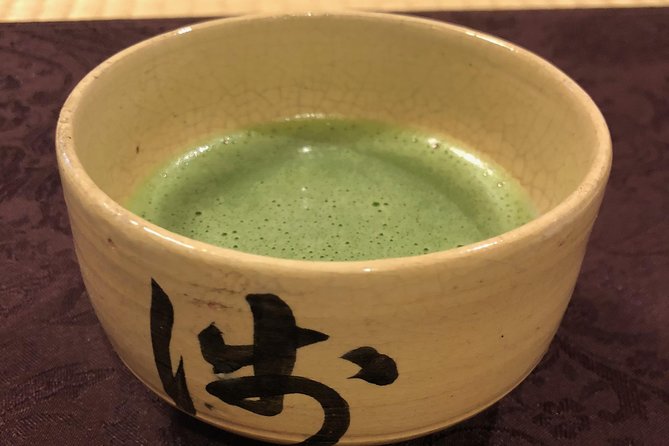
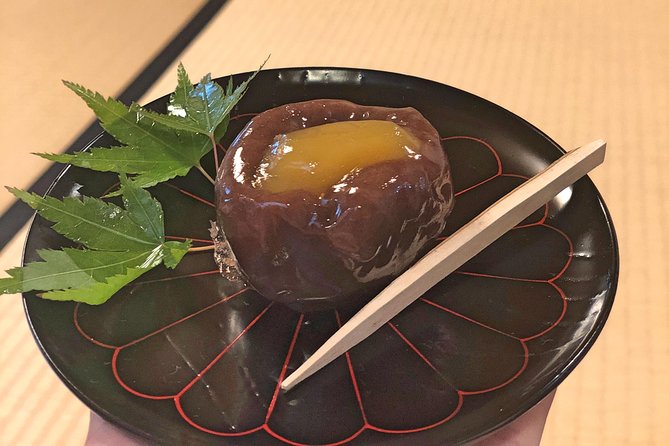
The wagashi and tea experience gives the tour a calm ending. Wagashi are Japanese sweets often served with tea, and they can be shaped, colored, or flavored according to season and occasion.
The information provided does not specify the exact tea school, venue, or sweets served. You should therefore expect an authentic tea experience in a local setting, but not assume a full formal ceremony with every traditional step.
That distinction matters. A short tea session is designed to fit into a food walk. It gives you a taste of Japanese tea culture without asking you to spend an entire afternoon at a specialized ceremony. For many people, that is a good introduction.
The tea stop also changes the pace. After street food and lunch, sitting down with a small sweet and tea gives the outing a measured finish rather than ending abruptly at the last shop.
One guide named Sandra has been specifically associated with an excellent old-town walk and tea ceremony. Guide assignments can change, so do not book solely on the hope that she will lead your date. Still, the guide makes a large difference here, especially when explaining etiquette, ingredients, and neighborhood customs in English.
What the small group and timing mean for you
The tour runs about three hours and 30 minutes, with a 10:30 a.m. start. That places the main walking and food portion around late morning and early afternoon.
The group maximum is 10 people. This is small enough for the guide to manage food orders and dietary needs without the stop becoming chaotic. It also gives you a better chance to hear explanations at temples and ask about Japanese eating habits.
The tour does not include hotel pickup or drop-off. You make your own way to the starting cafe and leave from the Yanaka area at the end. Since the start and finish are both in or near Yanaka, you do not need a return transfer built into your plans, but you should allow time to navigate Tokyo’s public transportation.
The route is near public transportation, but transportation costs are your responsibility. A mobile ticket is provided, and booking confirmation is received at the time of reservation.
The operator describes the activity as family-friendly, with children required to be accompanied by an adult. Passport information is required for children age 10 and above. The moderate fitness requirement is worth taking seriously because the experience involves walking between food and cultural stops rather than sitting in one place.
Dietary needs and possible changes
The tour is listed as friendly to vegan, vegetarian, pescetarian, and gluten-free diets. You should give accurate dietary information when booking and remind the guide at the start, especially since the tour includes several different food stops and a set restaurant meal.
Food substitutions may be needed. Restaurant schedules, public holidays, weather, and other unforeseen conditions can change the route or dishes. The operator says applicable substitutions will be made, but you should not assume every replacement will be identical in taste or style to the original item.
The experience also requires good weather. If poor weather causes cancellation, you are offered another date or a full refund. The same applies if the minimum number of people is not met.
For regular cancellations, you receive a full refund if you cancel at least 24 hours before the start time. Changes or cancellations inside that window are not accepted for a refund. The cut-off uses Tokyo local time, so check the time difference before making a last-minute decision.
Is $231 a fair price for this Yanaka tour?
The price is the biggest decision point. At $231 per person, this costs much more than a self-guided walk through Yanaka with a casual lunch. You could visit Yanaka Ginza, see the temples, and buy snacks for considerably less.
The tour earns part of that premium through convenience. You do not need to research which shops to enter, decide what to order, or fit a restaurant lunch and tea stop into a route. You also receive English-language explanations and a small group rather than a large coach-style outing.
The included food is important. Six food stops, a restaurant lunch, and wagashi with tea add up, though the exact portions and menu can vary. The price makes the most sense for someone who wants a planned food-and-culture experience and values the guide’s local knowledge.
I would compare it with the cost of several separate activities, not just the cost of a single lunch. If you are already comfortable exploring Tokyo alone and have a tight food budget, spend your money elsewhere. If you have limited time and want one organized morning in old Tokyo, the package is easier to defend.
Who should book this experience?
I would recommend it to first-time Tokyo visitors who want a break from Shibuya, Shinjuku, and the major shopping districts. It also suits repeat visitors who have seen the famous sights and want a slower neighborhood walk.
Food-focused visitors will appreciate the six tastings, but this is not only a food tour. You spend meaningful time around temples, Yanaka Cemetery Park, Okakura Tenshin Memorial Park, and Yanaka Ginza. Book it if you want context along with lunch.
Families can consider it because the tour is listed as family-friendly, but children should be able to manage a moderate amount of walking and sit politely during the tea experience. People with strict dietary requirements should contact the operator in advance and remain prepared for substitutions.
I would skip it if you dislike organized schedules, want a private experience, or plan to spend as little as possible. The maximum group of 10 is friendly and manageable, but it is still a group tour with a set start time and route.
My recommendation for the Old Town Tokyo Food Tour
Book this tour if you want a compact introduction to Yanaka that connects food, temples, neighborhood life, and tea. Its strongest feature is the mix: street samples alone would be forgettable, and a temple walk alone might feel dry, but the two work well together.
The price demands careful thought. You are buying more than lunch, but you are also paying for a guide, planned tastings, and a fixed cultural program. For a special Tokyo day, that can be good value. For a budget-minded food explorer, an independent Yanaka visit will cost less.
Choose a clear-weather morning, wear comfortable shoes, arrive early at the Nippori Yanaka meeting point, and tell the operator about dietary needs before you go. If the route is led by Sandra, expect the tea and old-town portions to receive particular attention, though guide assignments may vary.
FAQ
Where does the Old Town Tokyo Food Tour start?
The tour starts at Coffee Room Renoir Nippori Yanaka, located at 7-chōme206 Yanaka Homes, Yanaka, Taito City, Tokyo 110-0001.
What time does the tour begin?
The start time is 10:30 a.m.
How long does the experience last?
The experience lasts approximately three hours and 30 minutes.
Where does the tour end?
The tour ends in the Yanaka area of Taito City, Tokyo.
How many people can join the tour?
The maximum group size is 10 people.
Is lunch included?
Yes. A restaurant lunch is included, featuring a teishoku meal with regional specialties from Kyushu Island.
What food is included besides lunch?
The tour includes dishes and drinks at six food stops, plus a wagashi and tea experience.
Are dietary requirements accepted?
The tour is listed as friendly to vegan, vegetarian, pescetarian, and gluten-free diets.
Is hotel transportation included?
No. Hotel pickup and drop-off are not included, and you are responsible for transportation costs.
What happens if the weather cancels the tour?
If poor weather causes cancellation, you will be offered a different date or a full refund.
More Food Experiences in Tokyo
More Tokyo Food Tours in Tokyo
More tours in Tokyo we've reviewed




Tokyo Food Tours, compared.
 ★ 5.0Tokyo: Shinjuku Food Tour (13 Dishes at 4 Local Eateries)From $86
 ★ 4.9Tokyo: Shinjuku Food Tour (15 Dishes and 4 Eateries)From $853 hours
 ★ 5.0Best of Shinjuku: Izakaya Food Tour (4 Stops, 14+ Tastings)From $92
 ★ 5.0Tokyo Night Foodie Tour in Shinjuku – Seasonal Sushi, Wagyu BeefFrom $111
 ★ 5.0Eat and Drink Like a Local: Tokyo Ueno Food Tour-Taverns&RamenFrom $95
 ★ 5.0Tokyo: Shibuya Food Tour (13 dishes and 4 Eateries)From $77