
Reviewed · MT FUJI DAY TRIPS
Mount Fuji, Hakone and Owakudani One Day Bus Tour from Tokyo
Mount Fuji is the headline, but the real treat here is the route through Hakone’s volcanic mountains, across Lake Ashi on a ship styled like a pirate vessel, and up the Hakone Ropeway above Owakudani’s steaming sulfur fields. You may catch Fuji in the distance, but this is not a climb or a close-up Fuji tour.
I like the cruise because it turns a long day on the road into a scenic break, and I like the mix of nature, hot-spring geology, shrines, and island food streets. The main caution is time: seven stops in about 10 hours can feel rushed, and traffic or cloud cover can greatly change the day.
In This Review
- Key points to know
- What this $59 Tokyo day trip really covers
- Lake Ashi sets the tone
- Owakudani shows Japan’s volcanic side
- The Hakone Ropeway is the day’s best ride
- Enoshima brings in shrines, sea views, and snacks
- Mount Fuji is a possibility, not the main stop
- The guide can make or break the day
- The bus ride requires realistic expectations
- Who will get the most from this tour
- Should you book the Mount Fuji, Hakone, and Owakudani tour?
- FAQ
- How long does the tour last?
- Where does the tour depart from?
- Is Mount Fuji guaranteed to be visible?
- Is there a dedicated Mount Fuji stop?
- How much do the optional Hakone rides cost?
- Is lunch included?
- How large can the group be?
- Can the itinerary order change?
- What is the cancellation policy?
Key points to know
- Lake Ashi cruise: The 25-minute boat ride is one of the day’s most enjoyable and photogenic sections.
- Owakudani black eggs: Try eggs cooked in the valley’s hot-spring waters, a local specialty tied to the area’s volcanic activity.
- Mount Fuji is weather dependent: You might see it from Lake Ashi, the ropeway, or Enoshima, but there is no guarantee.
- Enoshima gets a proper visit: You have time for the island, its three-part shrine, and Benzaiten Shopping Street.
- Extra costs matter: The cruise costs 1,200 yen and the ropeway costs 1,500 yen, both paid separately.
- Guide quality can vary: Guides such as Augustine, Sandy, Pin, Winnie, and Nakajima have drawn especially warm praise, while some guests found English explanations difficult to follow.
What this $59 Tokyo day trip really covers
At $59 per person, this is an inexpensive way to reach several places that are awkward to connect by public transport in one day. The air-conditioned vehicle and guide are included, while lunch, the Lake Ashi cruise, and Hakone Ropeway cost extra.
The price looks good if you want an overview rather than a slow, independent visit. You get a full day outside Tokyo, two major Hakone rides, a volcanic valley, and Enoshima’s cultural sights without arranging several train and bus connections yourself.
But the low base price is not the final cost. Add 2,700 yen for the cruise and ropeway, plus lunch and snacks. You should also think of the trip as a sampler. You will see many places, but you will not have long hours at any one of them.
The advertised duration is about 10 hours. Traffic can stretch the day, with one reported experience reaching 13 hours. That is a serious point in Tokyo, where evening train connections and dinner plans may be time-sensitive.
The group can reach 45 people. That size keeps the price down, but it can make boarding, head counts, and meeting times more important. Follow your guide’s instructions closely and return to the bus promptly.
A few more Tokyo tours and experiences worth a look
Lake Ashi sets the tone
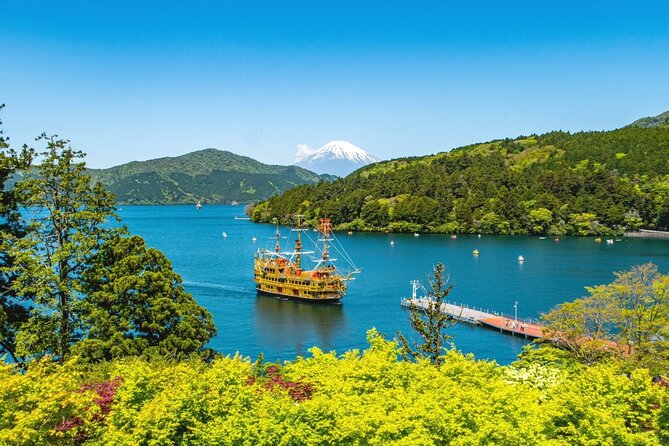
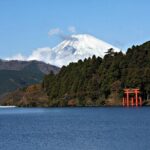
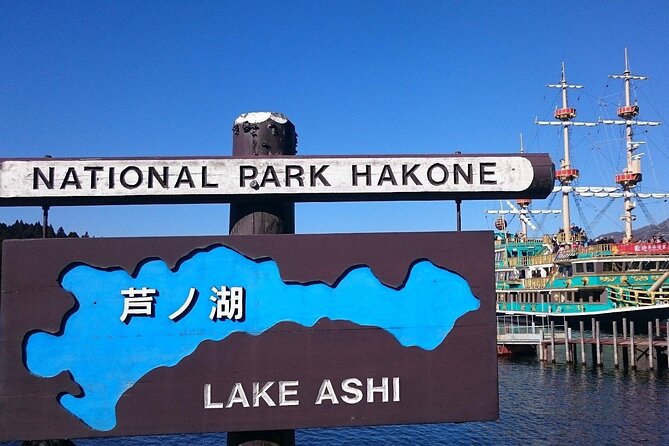
Lake Ashi, also called Lake Ashinoko, is a caldera lake formed after a volcanic eruption around 3,000 years ago. Mountains ring the water, and hot springs below help keep it from freezing.
The initial lake stop is listed as 20 minutes, followed by a 25-minute Hakone Sightseeing Cruise. Those timings tell you how to use the area. You are not getting a long lakeside walk. You are getting a quick look, then a moving view from the water.
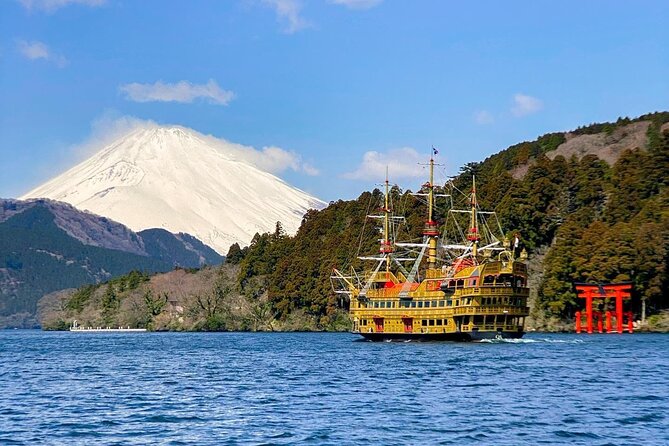
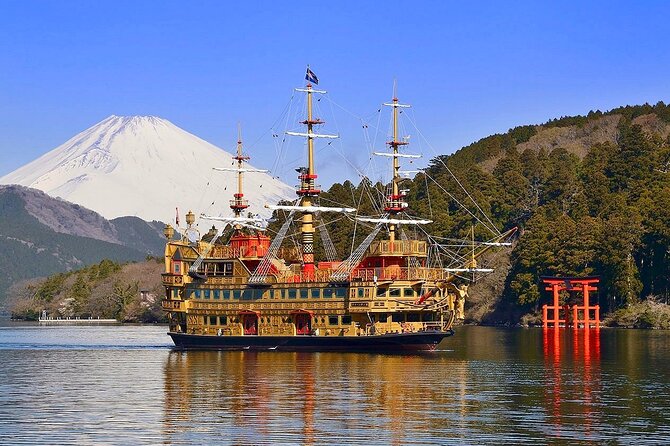
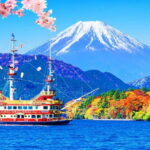
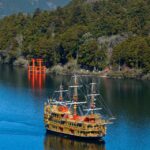
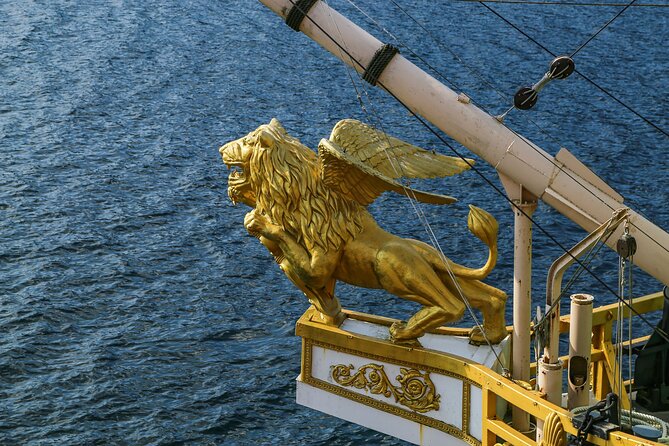
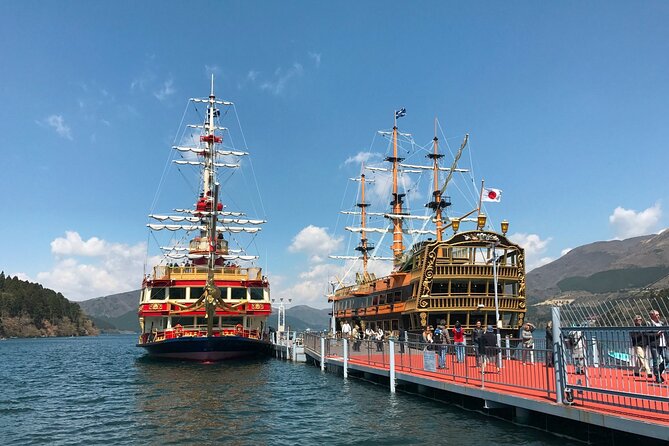
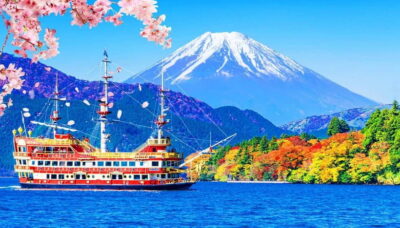
The cruise ships are designed with a European battleship and pirate-ship look. It is a playful touch, but the ride is not just a gimmick. From the deck, you can see the wooded slopes, open water, and, on a clear day, Mount Fuji.
I would pay for the boat unless you have a strong reason not to. A bus tour can involve plenty of road time, so the cruise gives you fresh air, room to look around, and a welcome change of pace. The ticket is 1,200 yen and is not included in the tour price.
Clouds can erase Fuji completely. Do not judge the whole day by that one view. Lake Ashi is still a fine stop in gray weather, though the grand postcard scene depends on clear conditions.
Owakudani shows Japan’s volcanic side
Owakudani is a volcanic valley created around 3,000 years ago. It remains active, with sulfurous steam and other signs of heat rising from the ground.
The stop lasts about 30 minutes. That is enough for a look at the unusual terrain and a snack, but not enough for a long walk through the valley. Conditions can also affect where you go and how much of the area you can see.
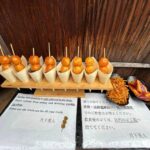
The famous purchase here is the black egg, cooked in hot-spring water. Its dark shell comes from the cooking process, while the egg inside remains familiar. It is an easy local food experience and a good way to connect the snack with the volcanic setting around you.
Bring a light jacket even in warm weather if you are sensitive to cooler mountain air. Also be ready for stairs and uneven walking. One especially enthusiastic account called the caves a highlight but noted the many stairs, so comfortable shoes are sensible.
Owakudani gives the tour some substance beyond scenic photographs. You are seeing the physical forces that shaped Hakone, not just looking at a pretty lake.
The Hakone Ropeway is the day’s best ride
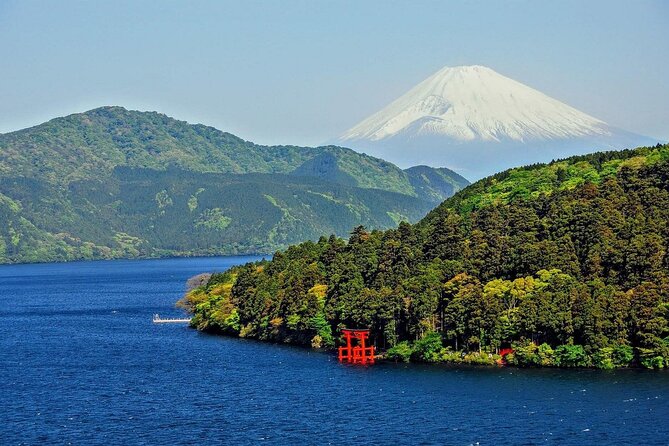
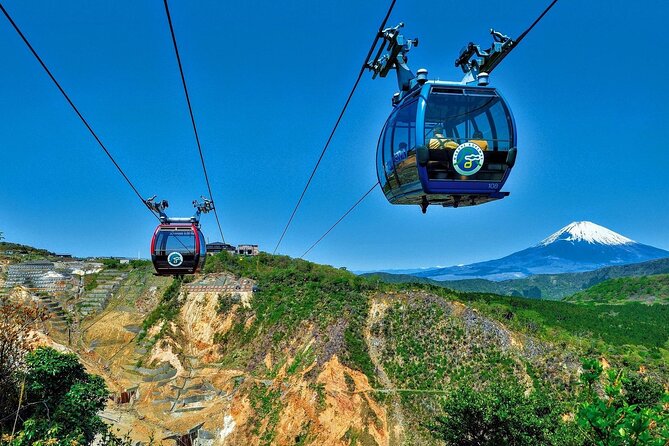
The ropeway passes through Owakudani and offers broad views of the sulfur fields, Lake Ashi, and the surrounding mountains. The ride lasts about 25 minutes, making it one of the most efficient ways to see Hakone from above.
The ticket costs 1,500 yen and is paid separately. I consider it worthwhile because it adds a completely different angle from the cruise. On the water, you look across the lake. In the gondola, you look down over volcanic ground and outward toward the mountains.
Clear weather is important here too. Mount Fuji might appear, but clouds can hide it. Even without Fuji, Owakudani’s steam vents and dark volcanic slopes give the ride its own appeal.
You should expect a short stop rather than a full Hakone circuit. The tour does not give you hours for museums, a hot-spring bath, or a long village walk. That is the trade-off for fitting Hakone and Enoshima into one day.
Enoshima brings in shrines, sea views, and snacks
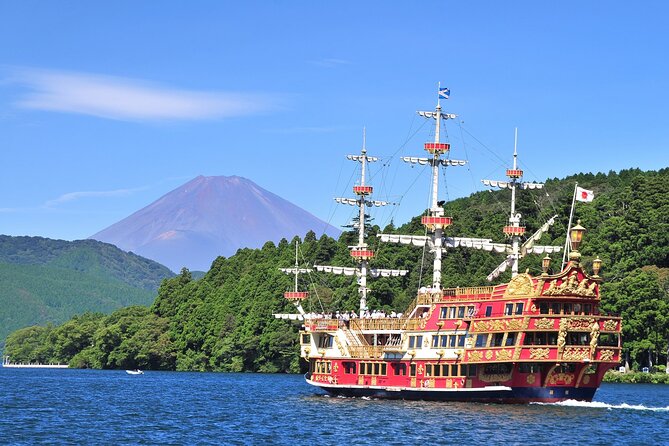
After the mountain section, the tour heads toward Enoshima, an island connected to the mainland by a bridge for cars and pedestrians. The island looks out over Sagami Bay and can offer another distant Mount Fuji view.
The schedule allows about 30 minutes for Enoshima Island itself, 50 minutes for Enoshima Shrine, and 40 minutes for Benzaiten Shopping Street. In practice, these sections overlap as part of one walking visit, so your guide will direct you through the order.
Enoshima Shrine is made up of three shrines: Hetsumiya, Nakatsu-miya, and Okutsu-miya. The complex began with worship connected to fishing and maritime travel, and later gained wider religious associations.
The shrine visit adds a calm cultural counterpoint to Owakudani’s raw volcanic ground. Look for the different settings as you walk uphill and through the island’s lanes. With limited time, you will not explore every corner, but you can get a clear sense of why Enoshima is more than a beach stop.
Benzaiten Shopping Street begins near an old bronze torii gate. The narrow, old-fashioned shopping lane is the place to browse small food stalls and local goods. It is also where you are most likely to find a quick bite if lunch has not already been arranged.
Lunch is not included. The schedule is busy, so do not assume you will have time for a long restaurant meal. A quick purchase on the island may fit the day better, though your guide will control the timing.
One important clarification: the description mentions Hakone, Mount Fuji, and Kamakura-Enoshima, but the stated stops are Lake Ashi, Owakudani, the ropeway, and Enoshima. There is no separate Kamakura stop listed. Book this for Enoshima, not for a detailed Kamakura visit.
A few more Tokyo tours and experiences worth a look

Mount Fuji is a possibility, not the main stop
The title may lead you to expect a dedicated Mount Fuji viewpoint or a visit to one of the mountain’s famous stations. That is not what this trip provides.
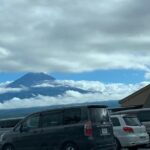
You may see Fuji from Lake Ashi, the Hakone Ropeway area, or Enoshima on a clear day. The mountain can be hidden by clouds, mist, rain, or haze. Several people enjoyed the day despite missing Fuji, while others felt disappointed because the view was brief or absent.
I would book this only if you can accept Fuji as a bonus. If seeing the mountain is your top goal, choose a tour built around a confirmed Fuji viewing area and check its exact stops carefully.
This route works better for someone who wants a broad day outside Tokyo. You get water, volcanic activity, mountain transport, shrines, and a coastal island. Fuji adds a memorable photograph when the weather cooperates, but it does not carry the entire experience.
The guide can make or break the day
The strongest praise has centered on guides who manage time well and explain the places in a clear, friendly way. Augustine has been singled out for useful information and keeping the group moving. Sandy has been praised for a warm manner and extra care with older visitors.
Pin has been credited with interesting explanations of Lake Ashi, Enoshima, and Owakudani. Winnie has helped people understand how to spend their limited time at each stop. Nakajima has earned praise for polite cultural explanations, and Jimmylin has handled both English and Chinese while answering individual questions.
That range of experiences also points to a weakness. Guide quality is not completely predictable. Some people found the English hard to understand or felt the explanations lacked detail. One guide reportedly began by saying that English was not his strongest language, which understandably made the spoken commentary harder to follow.
You should see the guide as a useful organizer, not your only source of information. Keep your meeting times, ticket costs, and stop names handy on your phone. The best guides add context and make the day relaxed. A less effective guide may mainly get you from place to place.
The guide can also help with small practical needs. Positive feedback has included extra toilet stops and small adjustments when possible. Still, a seven-stop day leaves little room for delay, so tell the guide early if you need assistance.
The bus ride requires realistic expectations
The air-conditioned vehicle is a major advantage in hot, rainy, or cold weather. Some people found the bus comfortable and appreciated being able to rest between stops.
Comfort is not guaranteed, however. Vehicle size and seating conditions may vary. One particularly negative experience described a cramped vehicle during a journey of more than 200 kilometers. Another account criticized hard braking and rough driving.
Traffic is the larger issue. Roads between Tokyo, Hakone, and Enoshima can become slow, especially on weekends. Traffic may change the order of the stops, though the planned locations are meant to remain the same.
This is not a quiet countryside tour from start to finish. You can spend long stretches on ordinary roads. The payoff comes in concentrated bursts at the lake, valley, ropeway, and island.
I would avoid booking tight evening plans after the stated 10-hour return. The day can run late, and the tour provider says traffic may affect the itinerary. A flexible dinner reservation is safer than a prepaid show.
Who will get the most from this tour
This excursion suits first-time Japan visitors who want to see several major sights beyond Tokyo without managing a complicated route. It is also useful for families and mixed-age groups who value an air-conditioned bus and a guide.
You will likely enjoy it if you:
- Want Hakone’s cruise and ropeway in one day
- Like scenic views but do not need a long hike
- Are happy to sample Enoshima rather than explore it slowly
- Want a chance to see Fuji without making Fuji the only goal
- Prefer a guided plan over several train changes
You may want another option if you need a slow pace, a guaranteed Fuji view, a detailed Kamakura visit, or a spacious small-group vehicle. The short stops can feel hurried, especially at Enoshima, and the long road sections may test your patience.
Most people can take part, and the meeting points are near public transportation. If you book separately from relatives or friends, tell the provider at least one day ahead so they can try to place you in the same vehicle.
Free cancellation is available until 24 hours before the start time. Changes or cancellations inside that window are not accepted for a refund.
Should you book the Mount Fuji, Hakone, and Owakudani tour?
Book it if you want a value-focused day that combines Lake Ashi, Owakudani, the ropeway, and Enoshima. At $59 before optional tickets and lunch, it covers a lot of ground and gives you several kinds of scenery in one outing.
Do not book it expecting a dedicated Mount Fuji experience. Think of Fuji as a weather-dependent bonus, and think of Enoshima as the final destination rather than a small add-on.
My practical advice is simple: pay for both included-in-neither rides if your budget allows, wear shoes suited to stairs, carry water, and keep your evening free. With the right expectations, this can be an excellent introduction to the countryside around Tokyo. With the wrong ones, especially a demand for a guaranteed Fuji photograph, the same busy schedule may feel like too much road and too little time.
FAQ
How long does the tour last?
The planned duration is approximately 10 hours, though traffic can make the day longer.
Where does the tour depart from?
You can depart from Tokyo or Shinjuku, according to the booking option.
Is Mount Fuji guaranteed to be visible?
No. Views of Mount Fuji depend on clear weather and may be available from Lake Ashi, the Hakone Ropeway area, or Enoshima.
Is there a dedicated Mount Fuji stop?
The listed stops do not include a separate Mount Fuji visit. The mountain is viewed from a distance when conditions allow.
How much do the optional Hakone rides cost?
The Hakone Sightseeing Cruise costs 1,200 yen, and the Hakone Ropeway costs 1,500 yen. Neither ticket is included.
Is lunch included?
No. Lunch is not included in the tour price.
How large can the group be?
The maximum group size is 45 people.
Can the itinerary order change?
Yes. Traffic conditions may change the order of the stops, but the planned locations are intended to remain the same.
What is the cancellation policy?
You can cancel at least 24 hours before the experience start time for a full refund. Cancellations or changes made less than 24 hours beforehand are not accepted.
More 1-Day Tours in Tokyo


More Hakone Day Trips in Tokyo
More Mt Fuji Day Trips in Tokyo
More tours in Tokyo we've reviewed





Mt Fuji Day Trips, compared.
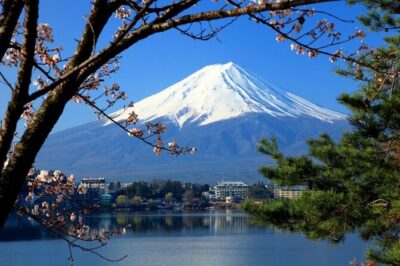 ★ 5.0Mt Fuji and Hakone 1-Day Bus Tour Return by Bullet TrainFrom $163
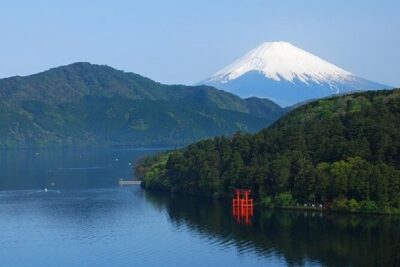 ★ 4.0Mt Fuji & Hakone Cruise, Drum Show Bullet Train 1 Day from TokyoFrom $149
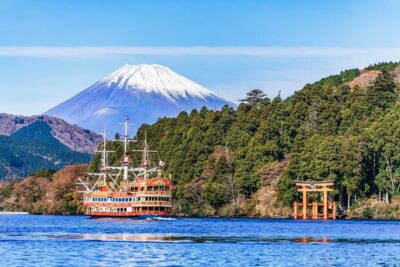 ★ 4.4Tokyo Mt Fuji 5th St & Hakone Cruise Bus Tour w/Bullet TrainFrom $15410 hours
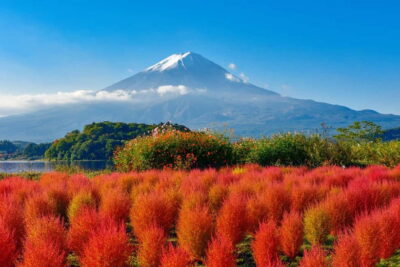 ★ 4.5From Tokyo: Mount Fuji Full-Day Sightseeing TripFrom $6810 hours
 ★ 4.7Tokyo: Mt. Fuji Tour, Hakone Ropeway, Owakudani, Lake AshiFrom $5410 hours
 ★ 4.4Tokyo:Mt.Fuji,Kawaguchiko Oishi Park,Arakurayama Sengen ParkFrom $5410 hours