
Reviewed · SHINJUKU TOURS
Matcha Making Experience in Shinjuku
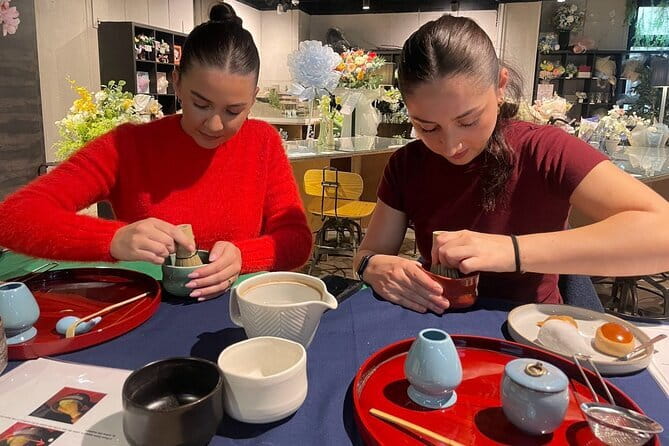
The heart of this experience is simple: you learn to prepare matcha with a bamboo whisk, then drink the tea you made. That hands-on step gives you more than a quick cup at a café. It shows you why the bowl, whisk, powder, water, and movements all matter. The kimono-clad instructor adds a traditional touch, and the included sweets make the lesson feel complete.
I like two things here. First, you need to bring nothing, since the equipment and ingredients are provided. Second, the one-hour format fits neatly into a day in Shinjuku and costs about $32.66 per person, a fair price for instruction, tea, sweets, and a cultural activity in central Tokyo. One point needs checking before you pay: the supplied schedule also names Senso-ji Temple, Tokyo Tower, and Yokohama Landmark Tower Sky Garden, which do not fit the stated one-hour matcha lesson. Confirm the exact program and meeting instructions.
In This Review
- Key points at a glance
- What the Shinjuku matcha lesson actually offers
- Why the one-hour format works in Tokyo
- Preparing matcha with the bamboo chasen
- Tea, sweets, and the taste of the finished bowl
- The kimono-clad instructor and the human touch
- Finding the meeting point in Shinjuku
- A note about the unusual sightseeing stops
- Is $32.66 a fair price?
- Who will enjoy this activity most?
- Booking, cancellation, and timing advice
- My recommendation for the Shinjuku matcha experience
- FAQ
- How long does the matcha-making experience last?
- Where does the activity start and end?
- Are matcha equipment and ingredients provided?
- Are tea and sweets included?
- How many people can join the activity?
- Can I cancel for a full refund?
Key points at a glance
- Whisk your own bowl of matcha: You learn the basic preparation technique using a traditional bamboo chasen whisk.
- Tea and sweets are included: The price covers the ingredients, equipment, matcha, and a sweet to eat with it.
- A kimono-clad instructor adds ceremony: The available feedback specifically praises the instructor’s presentation and explanation of matcha customs.
- The class meets in Shinjuku: The meeting point is a flower-decorated house at 3-chome, Shinjuku, near public transportation.
- Plan for about one hour: This is a focused cultural lesson, not a full-day sightseeing tour.
- A small maximum group helps: The activity accepts up to 20 people, though the actual group may be smaller.
What the Shinjuku matcha lesson actually offers
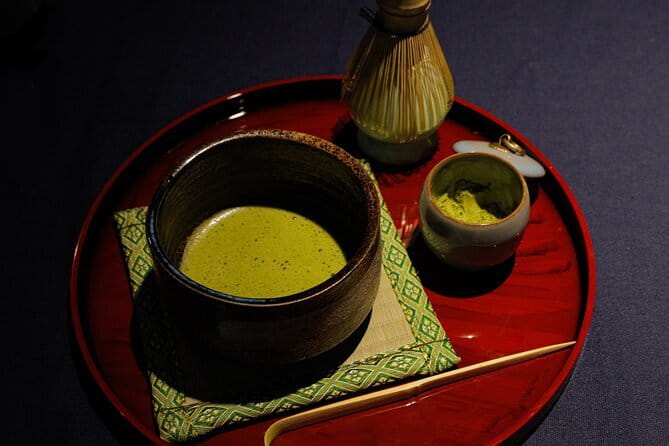
Matcha is powdered green tea, not loose leaves steeped and removed. You mix the powder directly with hot water, traditionally using a bamboo whisk called a chasen. The result depends on how well you combine the powder and water, so the preparation itself becomes the main event.
You begin with an introduction to matcha and the Japanese tea ceremony. The instructor explains the background of the drink and the customs tied to its preparation. You then handle the equipment, measure or receive the ingredients provided, and learn how to whisk the tea properly.
The format is useful for first-time visitors because you do not need to decode the ceremony from a distance. You can ask questions while holding the tools and repeat the motion yourself. That turns an unfamiliar ritual into something you can recognize later in tea shops, temples, or Japanese homes.
The class finishes with the tea you prepare and traditional sweets. The sweet is not just a snack on the side. It balances matcha’s grassy, slightly bitter flavor and helps you understand how the two are traditionally enjoyed together.
A few more Tokyo tours and experiences worth a look

Why the one-hour format works in Tokyo
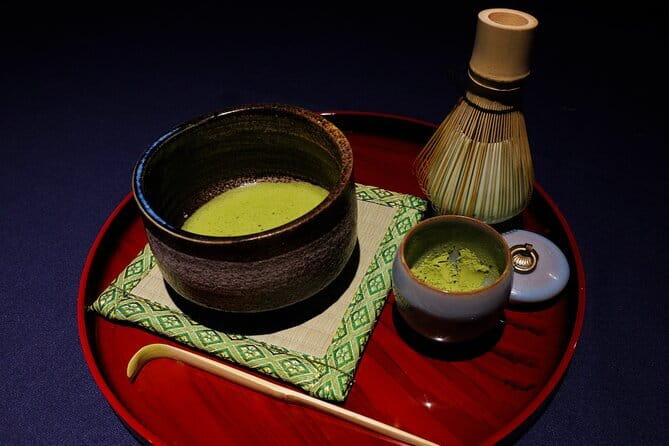
Tokyo days fill quickly. You may have a temple visit in Asakusa, a department store stop, a meal reservation, and a train connection all competing for your time. A one-hour matcha lesson can fit between larger plans without taking over the day.
The short duration also keeps the focus sharp. You are not signing up for a long ceremony where much of the time is spent watching in silence. You learn the basic background, see the technique, prepare a bowl, and taste it.
There is a tradeoff. One hour is enough for an introduction, but not enough for a detailed study of every tea ceremony rule or school of preparation. If you want a formal ceremony with extended etiquette, architecture, and a longer sequence of movements, this is probably too brief.
I see this as a practical first step. You get a genuine cultural activity without giving up half a day. It works especially well on a first Tokyo visit, when you want a taste of traditional Japan alongside modern Shinjuku.
Preparing matcha with the bamboo chasen
The whisk is the key tool in the lesson. A chasen is made from fine bamboo strands and is designed to mix the powder into the water while creating a light layer of foam. It does not work like a kitchen whisk, and the lesson gives you a chance to learn the difference.
Your instructor demonstrates the process before you try it. Expect guidance on how to hold the bowl and whisk, how to combine the ingredients, and how to create the right texture. The point is not to produce a perfect bowl on your first attempt. The point is to learn the movement and understand what you are doing.
This is one of the strongest reasons to choose a class instead of simply ordering matcha at a café. At a café, you receive the finished drink. Here, you see the tools and make the tea yourself. That small act gives the drink more meaning and makes it easier to remember.
The available five-star feedback gives special credit to the teaching itself. The participant found the process and techniques interesting, enjoyed the class, and appreciated the explanation of the tradition behind it. That suggests the instructor does more than hand you a whisk and walk away.
Tea, sweets, and the taste of the finished bowl
Matcha has a distinct flavor. It can taste grassy, earthy, and bitter, with a smooth quality when prepared well. If you are used to sweetened bottled green tea, the first sip may surprise you.
The included sweet helps soften that first impression. In the traditional pattern, a sweet is eaten before or alongside the tea so the bitterness feels balanced. You get to try the pairing rather than hearing about it only as a cultural footnote.
Because the tea and sweets are included, the price is easier to judge. You are not paying only for a demonstration. Your fee covers the ingredients, tools, instruction, and tasting portion. No additional meal or drink is included, so do not treat this as a substitute for lunch or a full café stop.
I would plan a meal before or after the class, especially if you are scheduling it during a busy sightseeing day. The activity gives you a cup of tea and a sweet, but its purpose is instruction and cultural understanding, not a large refreshment break.
The kimono-clad instructor and the human touch
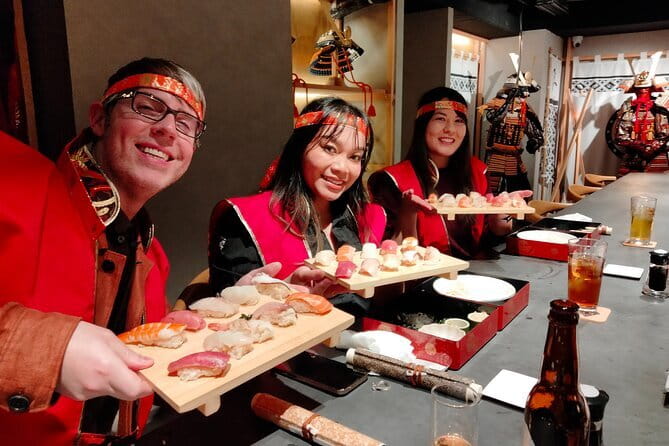
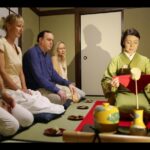
The most specific praise concerns the instructor’s presentation. The instructor was dressed in a kimono, which helped create a more traditional setting, and the explanation of the tea process and techniques was singled out as a highlight.
No instructor name is provided, so you should not expect to request a particular teacher. Still, the clothing and teaching style matter. A matcha lesson can feel flat if it is reduced to a quick recipe. A teacher who explains the customs and demonstrates the movements gives the activity a stronger connection to Japanese culture.
The setting is described as a house with flowers at the Shinjuku meeting address. That sounds more personal than a large commercial attraction, though the available details do not describe the room, seating arrangement, or décor in full. Keep your expectations focused on the lesson rather than on an elaborate tea house visit.
The maximum group size is 20 people. That is not a tiny private lesson, but it is limited enough for a structured class. If the group reaches its maximum, you may have less individual attention during practice. If fewer people attend, the instructor may have more time to correct your whisking technique and answer questions.
A few more Tokyo tours and experiences worth a look


Finding the meeting point in Shinjuku
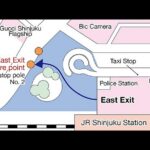
The activity starts at a flower-decorated house in Shinjuku City, at 3-chome, near the address 6-7, 第6三和ビル, 4th floor, Tokyo 160-0022. It ends back at the same meeting point.
The area is near public transportation, which is important in Tokyo. Shinjuku is large and can be confusing, so allow time to find the right building and floor. The description of the meeting point as a house with flowers is a useful visual clue, but you should still read the mobile ticket and confirmation details carefully before setting out.
Your ticket is mobile, so you do not need to print anything. Keep your phone charged and make sure the booking confirmation is easy to open. A mobile ticket is convenient, but a dead battery is less helpful than a paper backup.
Private transportation is not included. You make your own way to Shinjuku and return from the same place after the lesson. That arrangement keeps the cost down and lets you combine the class with nearby plans, but you need to manage your own route.
A note about the unusual sightseeing stops
Three stops are named in the supplied schedule: Senso-ji Temple, Tokyo Tower, and Yokohama Landmark Tower Sky Garden. Those are major sights in different parts of the wider Tokyo area, and they do not match a one-hour matcha lesson that begins and ends in Shinjuku.
Do not assume you will visit all three as part of this class. The stated overview describes a matcha-making activity, not a multi-stop sightseeing outing. It also says private transportation is not included, which would make such a route difficult to fit into the advertised duration.
This discrepancy is the main practical concern. Before booking, check the confirmation for the exact start time, location, and activity description. If the experience is being sold as a one-hour lesson, plan around the Shinjuku address and do not build your day around visits to the three named sights.
If you want to visit Senso-ji, Tokyo Tower, or the Yokohama Landmark Tower, treat those as separate plans unless your final confirmation clearly says otherwise. Senso-ji is in Asakusa, Tokyo Tower is in central Tokyo, and Yokohama is outside Tokyo proper. They should not be assumed to be connected to this matcha class.
Is $32.66 a fair price?
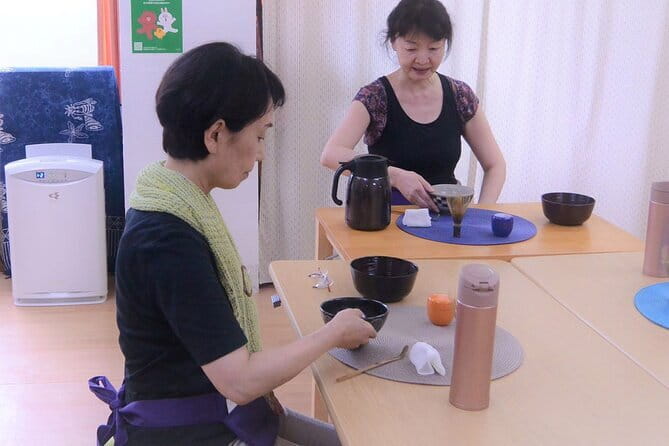
At about $32.66 per person, the class sits in a reasonable range for a short cultural activity in Tokyo. Your payment includes all fees and taxes, tea ingredients, equipment, instruction, matcha to drink, and sweets.
The value comes from participation. You are not paying for a simple sample cup. You receive an explanation of the tea’s customs and background, a demonstration, and the chance to prepare the drink yourself. If you have been curious about matcha but never understood how it is made, that practical lesson is worth more than a standard café purchase.
The price is less attractive if you want a long ceremony, a full meal, or a private teacher. None of those are promised. The class lasts about an hour, accepts up to 20 people, and includes only the tea and sweet portion.
I would call it good value for a first introduction, especially if you already plan to be in Shinjuku. It is also a sensible choice for people who want one traditional activity without spending heavily on a full-day tour.
Who will enjoy this activity most?
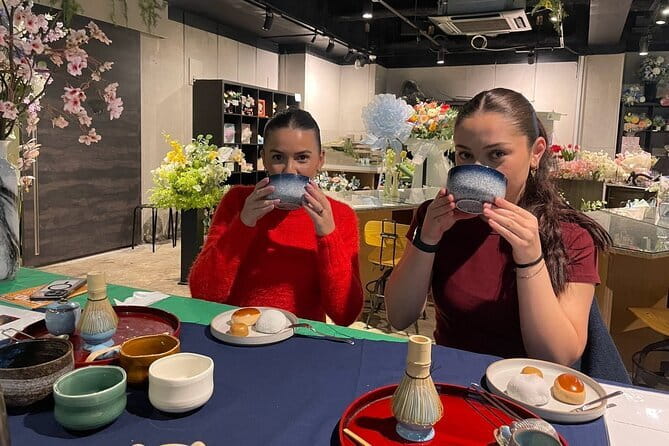
This class suits you if you like learning by doing. It is a good match for first-time matcha drinkers, couples, families with an interest in Japanese culture, and solo visitors who want a guided activity with a clear start and finish.
It can also help if you are unsure about tea ceremony etiquette. You do not need to arrive with specialist knowledge or equipment. The tools and ingredients are supplied, and the instructor explains the basic customs during the lesson.
The activity may not suit you if you dislike powdered green tea, prefer fast sightseeing, or want a private and highly formal ceremony. The group limit of 20 means the experience may have a class-like feel rather than the quiet intimacy of a private tea room.
The lesson also requires good weather according to its booking conditions. That is worth noting even though the activity is described as taking place at a house. If poor weather causes cancellation, you are offered another date or a full refund.
Booking, cancellation, and timing advice
The experience is often reserved about seven days ahead, so book roughly a week before your preferred date if your schedule is firm. Confirmation arrives at booking, and the mobile ticket is convenient for showing your reservation.
You can cancel for a full refund up to 24 hours before the start time. Cancellations or changes made inside that 24-hour window are not refunded or accepted. The cut-off uses local Tokyo time, so check the clock carefully if you are arranging the activity from another country.
The experience also requires a minimum number of participants. If that minimum is not reached, the operator can cancel and offer another date or experience, or provide a full refund. That policy is standard for small-group activities, but it is another reason not to schedule an important connection immediately afterward.
My recommendation for the Shinjuku matcha experience
Book this if you want a compact, hands-on introduction to Japanese tea culture. The strongest features are the chance to whisk your own matcha, the explanation of preparation and customs, the included sweets, and the traditional presentation provided by the kimono-clad instructor.
I especially like the balance of structure and participation. You learn the background, watch the technique, try it yourself, and taste the result. At $32.66, that is a reasonable way to add a meaningful cultural hour to a Tokyo itinerary.
Pause before booking if the three sightseeing stops are important to you, since they do not fit the stated matcha program. Confirm the Shinjuku meeting details and exact activity before payment. If the confirmation matches the one-hour tea lesson, this is a worthwhile choice for curious visitors who want to do more than simply photograph a bowl of green tea.
FAQ
How long does the matcha-making experience last?
The activity lasts approximately one hour.
Where does the activity start and end?
It starts at a flower-decorated house in Shinjuku City, Tokyo, at the supplied address in Shinjuku 3-chome, on the fourth floor. It ends back at the same meeting point.
Are matcha equipment and ingredients provided?
Yes. The equipment and ingredients are provided, so you do not need to bring your own tea tools or supplies.
Are tea and sweets included?
Yes. You can enjoy the matcha you prepare along with traditional sweets. Additional meals and drinks are not included.
How many people can join the activity?
The maximum group size is 20 people.
Can I cancel for a full refund?
Yes. You can cancel at least 24 hours before the local start time for a full refund. Cancellations and changes made less than 24 hours before the start time are not refunded or accepted.
More Tea Ceremony & Matcha in Tokyo
More Shinjuku Tours in Tokyo

More tours in Tokyo we've reviewed








Shinjuku Tours, compared.
 ★ 5.0Tokyo: Shinjuku Food Tour (13 Dishes at 4 Local Eateries)From $86
 ★ 5.0Tokyo Bar Hopping Tour in Shinjuku (All-You-Can-Drink + Dinner)From $106
 ★ 4.9Tokyo: Shinjuku Food Tour (15 Dishes and 4 Eateries)From $853 hours
 ★ 5.0Best of Shinjuku: Izakaya Food Tour (4 Stops, 14+ Tastings)From $92
 ★ 4.9Tokyo: Shinjuku Local Bar and Izakaya Guided Walking TourFrom $343 hours
 ★ 5.0Tokyo Shinjuku Chopsticks Making ClassFrom $20