
Reviewed · KAMAKURA & ENOSHIMA DAY TRIPS
Kamakura&Enoshima Tour to-and-from Tokyo, Yokohama, up to 12
Kamakura and Enoshima give you two very different sides of coastal Japan in one day: samurai-era temples and shrines inland, then island views, seafood, and shopping by the water. A private vehicle links the sites far more efficiently than walking between them.
I like the flexible format, especially for families or groups with mixed interests. I also like that the day includes a local restaurant stop and time to browse the arcades near Enoshima Shrine. The main consideration is price: at $878 for up to 12 people, this makes the most sense for a larger group, not a solo visitor or couple.
In This Review
- Key points to know before you book
- Why Kamakura and Enoshima work well together
- Hokoku-ji and its bamboo grove
- Tsurugaoka Hachimangu and Kamakura’s samurai past
- The Great Buddha at Kotoku-in
- Hase-dera, gardens, and seasonal changes
- Lunch on Enoshima
- Enoshima views and Ukiyo-e connections
- Shopping near Enoshima Shrine
- The private vehicle and group-size value
- Pickup choices, flexibility, and limits
- Who should book this day trip?
- Should you book the Kamakura and Enoshima tour?
- FAQ
- How long does the Kamakura and Enoshima tour last?
- Where can the tour pick me up and drop me off?
- Is Narita pickup available?
- What is included in the price?
- How many people can join the private tour?
- Is the tour wheelchair accessible?
Key points to know before you book
- Hokoku-ji starts the day quietly: Its bamboo grove and in-house tea service offer a calm first stop before the busier sights.
- The Great Buddha is only one part of Kamakura: Tsurugaoka Hachimangu and Hase-dera add important religious and cultural context.
- Enoshima supplies the scenic finish: On a clear day, you can see Mount Fuji from viewpoints connected with classic Ukiyo-e images.
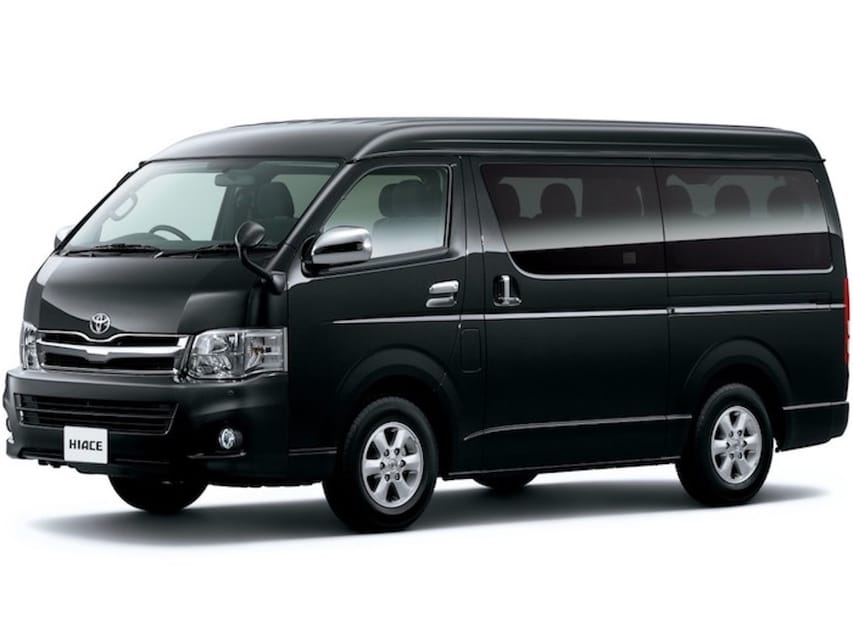
- A private minivan or minibus saves serious time: The same route on foot could stretch to roughly a day and a half.
- Lunch is not included: Plan to pay separately for seafood or rice and curry at a local restaurant.
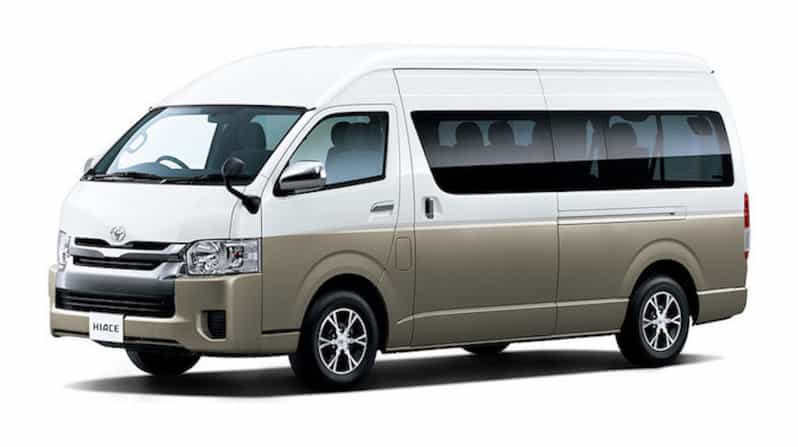
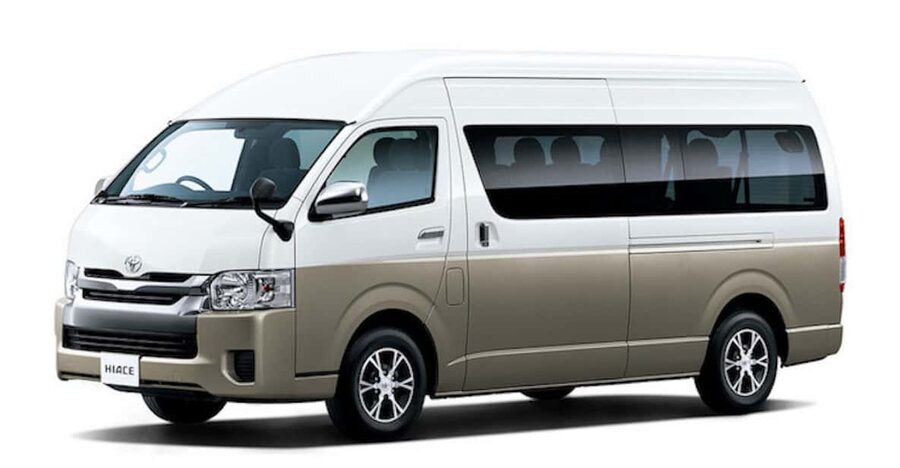
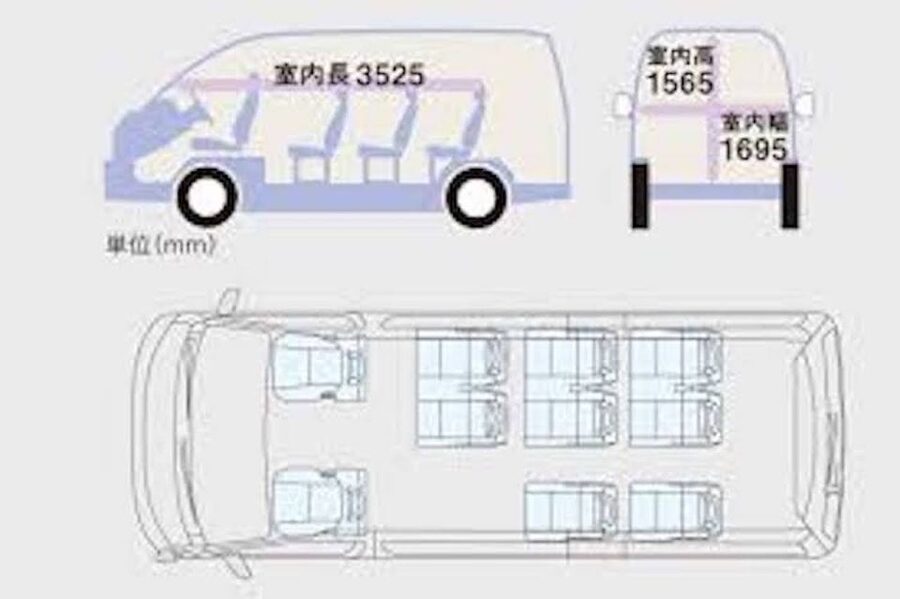
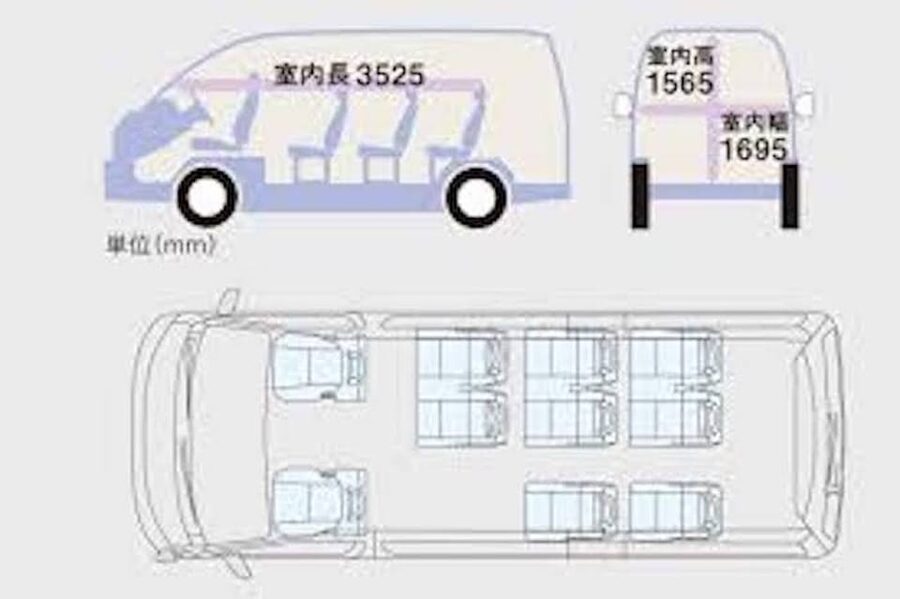
- The group size changes the value: Vehicles range from a minivan for 3 to 4 people to a medium minibus for 9 to 12.
Why Kamakura and Enoshima work well together
Kamakura is one of Japan’s best day trips from Tokyo because the sights are concentrated in a historic coastal city rather than spread across a huge region. The temples and shrine here connect to the rise of the samurai government, while Enoshima adds ocean views, souvenir shopping, and a more relaxed seaside feel.
You get a useful mix in nine hours. The first half leans toward architecture, religious art, gardens, and old political power. The second half gives you lunch, views, and room to browse. That contrast keeps the day from feeling like a long procession of temples.
A private tour also lets you adjust the pace. If your group wants more time at the Great Buddha, a slower lunch, or a shorter stop at one temple, you can discuss that with the driver-guide. Seasonal flowers may also influence which temple gardens receive more attention.
The tour is offered from Tokyo, Yokohama, Odawara, or Maihama, with return options to those same areas. Tokyo and Yokohama are the most natural choices for a standard day trip. Odawara can suit people moving between Tokyo and Kyoto, while Maihama is useful if your hotel base is near the theme-park district.
A few more Tokyo tours and experiences worth a look
Hokoku-ji and its bamboo grove
Hokoku-ji is often called the bamboo temple, and it gives the day a gentler opening. The bamboo area is compact, so do not expect a vast forest. Its appeal comes from the cool green corridor, the quiet atmosphere, and the chance to pause with powdered tea at the café inside.
I like this stop because it gives you more than a quick photograph. The tea service adds a simple cultural ritual to the visit, and the temple offers a softer introduction to Kamakura than starting immediately with the Great Buddha or a major shrine.
You have about 45 minutes here. That is enough for the grove, tea, and a short look around, but not an unhurried temple stay. If tea service matters to you, tell your guide early so the stop does not get squeezed by later timing.
Comfortable shoes are important from the beginning. Temple grounds can involve walking between entrances, gardens, and viewing areas, and the full day includes several stops on foot.
Tsurugaoka Hachimangu and Kamakura’s samurai past
Tsurugaoka Hachimangu is the major Shinto shrine in central Kamakura. It was established by Minamoto Yoritomo, the first shogun of the samurai government, so this is the stop that most directly connects the city to the political origins of medieval Japan.
The shrine gives you a different experience from Hokoku-ji. Instead of a small temple setting, you see a larger ceremonial complex with broad approaches and a stronger sense of public ritual. Your guide can help explain how the shrine relates to Minamoto power and Kamakura’s role in Japanese history.
The planned visit lasts about 45 minutes. That works for a focused introduction, but the grounds can reward a slower pace if you enjoy religious architecture or seasonal plantings. Since the tour is private, you can ask for more time here if your group prefers the shrine to shopping.
One practical point: attraction entry fees are not included in the tour price. Keep some budget aside for the temples and other paid sites. The exact amount is not supplied, so check current fees before departure if you want a precise total.
The Great Buddha at Kotoku-in
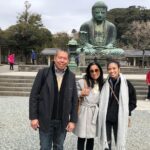
The Great Buddha of Kamakura at Kotoku-in is the day’s most recognizable sight. The large bronze figure gives you a clear sense of Kamakura’s Buddhist importance, and the open-air setting makes the statue easy to appreciate from several angles.
You have roughly 30 minutes here. That is enough to see the statue, take photographs, and listen to a short explanation. It is less time than some people may want, especially if you hope to linger or inspect every detail.
I would tell your guide if this is the stop you most want to experience. A private arrangement makes that conversation possible, though the day still has to fit within its nine-hour window. The Great Buddha is also a good place to keep the group together, since it is a major shared landmark and the visit is relatively straightforward.
The stop is not only about size. It helps connect the earlier temple visits with Kamakura’s wider Buddhist tradition. After Hokoku-ji’s intimate bamboo setting and Tsurugaoka Hachimangu’s Shinto symbolism, the statue provides a strong Buddhist counterpoint.
Hase-dera, gardens, and seasonal changes
Hase-dera is known for enshrining an important Kannon Buddha and for its temple grounds. The visit lasts about 45 minutes, giving you time to see the main areas and enjoy the gardens.
This stop can be especially appealing if flowers and garden design matter to you. The tour may change visiting spots according to the season because each temple garden has different flowers at different times of year. That means the exact emphasis can shift, which is helpful for repeat visitors but less useful if you want a fixed checklist.
Hase-dera also adds texture to the day. The Great Buddha is a single powerful object, while Hase-dera asks you to notice a broader setting of religious buildings and planted spaces. I like that the tour includes both kinds of sight.
The order listed for Kamakura places Hase-dera after the Great Buddha, though private tours can sometimes adjust the flow. Ask your guide about the day’s sequence at pickup if your group has a strong preference.


Lunch on Enoshima
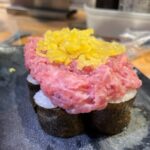
Lunch is planned for about one hour on Enoshima. The suggested local choices are seafood or rice and curry, both practical options for a busy sightseeing day.
Food and drinks are not included, so this is an out-of-pocket stop. That is worth remembering when comparing the $878 group price. The benefit is choice: you are not locked into a prepaid set menu, and your group can select what suits its appetite and budget.
I like having lunch here rather than returning to Tokyo before eating. Enoshima changes the mood of the day, and a local meal gives you time to sit down after several temple visits. If your group includes children or picky eaters, rice and curry may be the easier choice. Seafood is the natural pick if you want to sample a local specialty.
The supplied details do not name a specific restaurant, so do not book this tour expecting one famous dining address. The guide can direct you to a suitable local restaurant, but restaurant selection may depend on opening hours and the day’s pace.
Enoshima views and Ukiyo-e connections
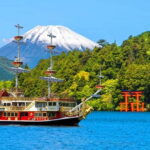
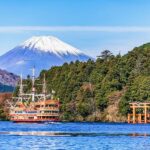
Enoshima is the scenic finish. The island is known for views that were depicted in Ukiyo-e woodblock prints, and on a clear day you may see Mount Fuji in the background.
That view depends on weather, so keep expectations sensible. Fuji is not guaranteed, and haze or cloud can block it. Even without Fuji, Enoshima gives the tour a seaside ending that feels very different from Kamakura’s temple districts.
The guided sightseeing portion lasts about 75 minutes. Use it for the main viewpoints and a look at the island’s character, then leave time for the shopping arcades leading toward Enoshima Shrine.
The island can involve walking and changes in elevation, so comfortable shoes matter here too. Weather-appropriate clothing is equally useful. Conditions by the coast can feel different from those in Tokyo, and the tour does not provide a special clothing layer or equipment.
Shopping near Enoshima Shrine
The arcades leading toward Enoshima Shrine are a useful place to buy small souvenirs, accessories, or gadgets. This is not presented as a dedicated shopping tour, so think of it as flexible browsing within the sightseeing portion.
I like this part because it gives you a chance to choose something small rather than spending the entire day moving from one formal sight to another. It also works well for groups with different interests. Some people can browse while others focus on the island views.
Keep an eye on the clock. With only 75 minutes assigned to guided sightseeing, shopping can reduce your time at viewpoints if you stop at every shop. Tell the guide if you want shopping to be a priority, and let the rest of the group know before splitting up.
The private vehicle and group-size value
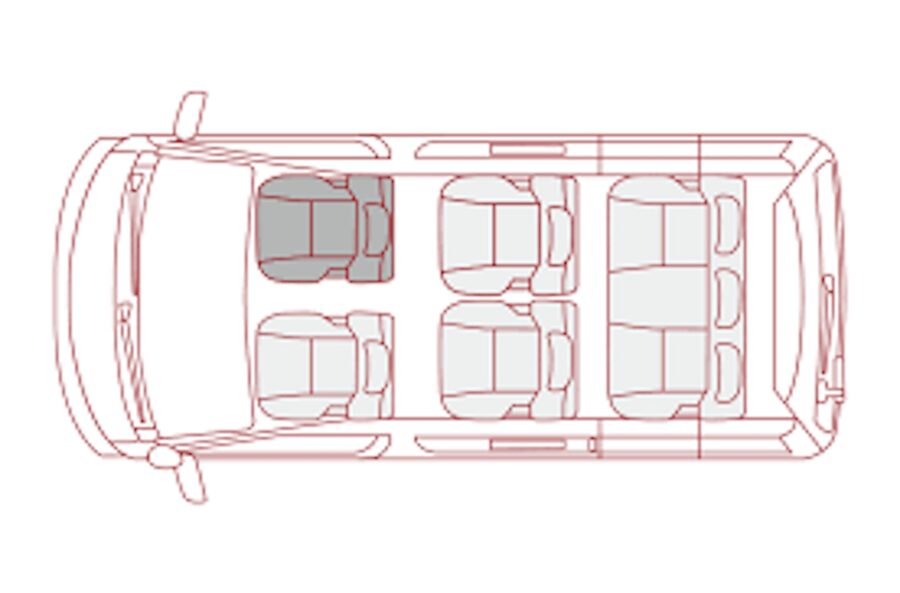
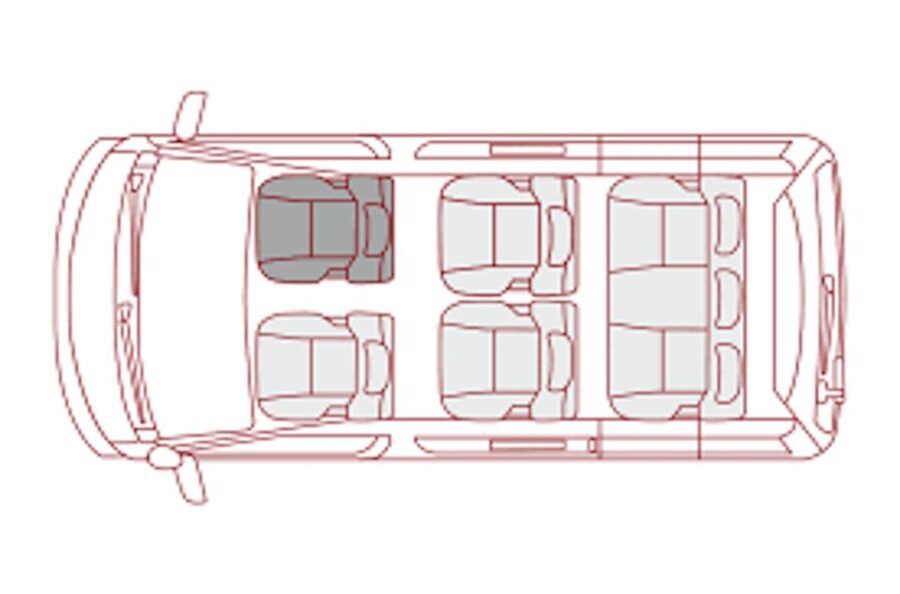
The strongest practical reason to book this tour is transport. Kamakura and Enoshima can be covered by public transit, but moving between several temples, the Great Buddha, lunch, and the island takes planning and waiting. The private vehicle keeps the group together and cuts down on wasted time.
The tour description estimates that walking the full schedule could take about a day and a half. That is a blunt but useful comparison. You are paying for time, door-to-door transport, and an English-speaking driver-guide, not simply for admission to the sights.
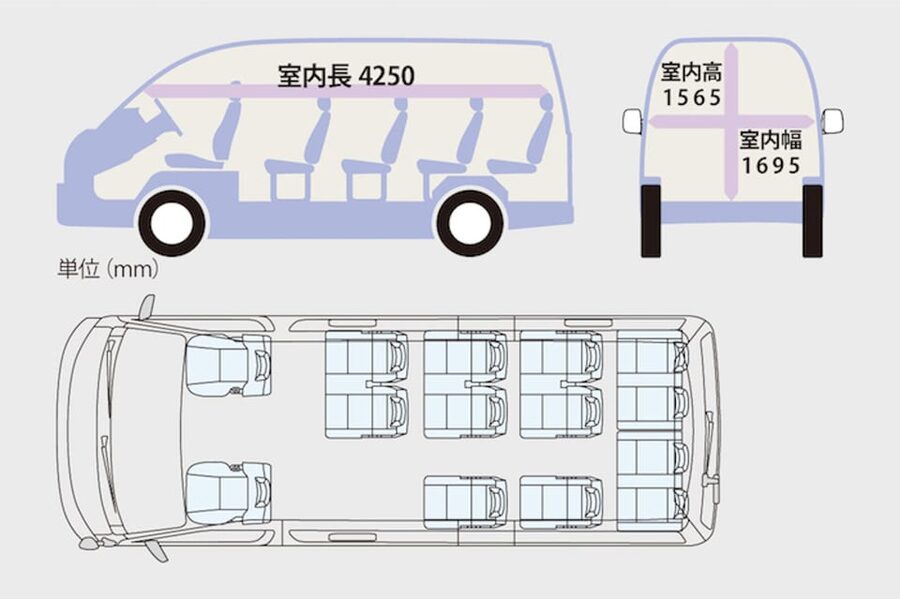
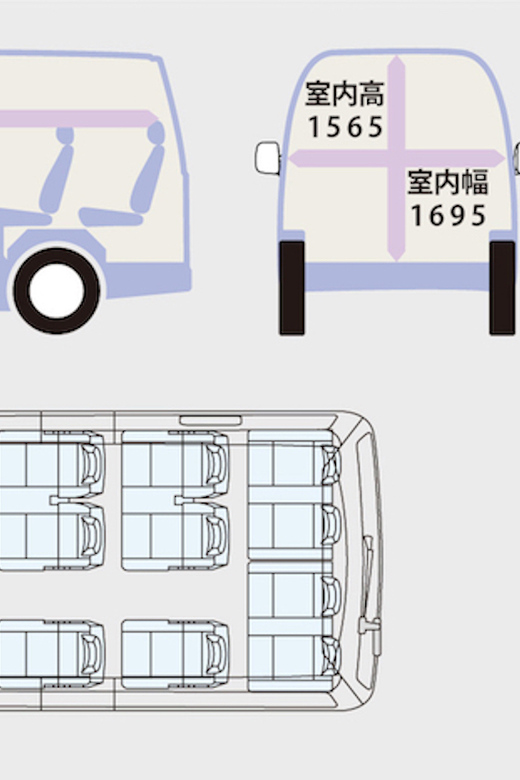
The vehicle depends on your group:
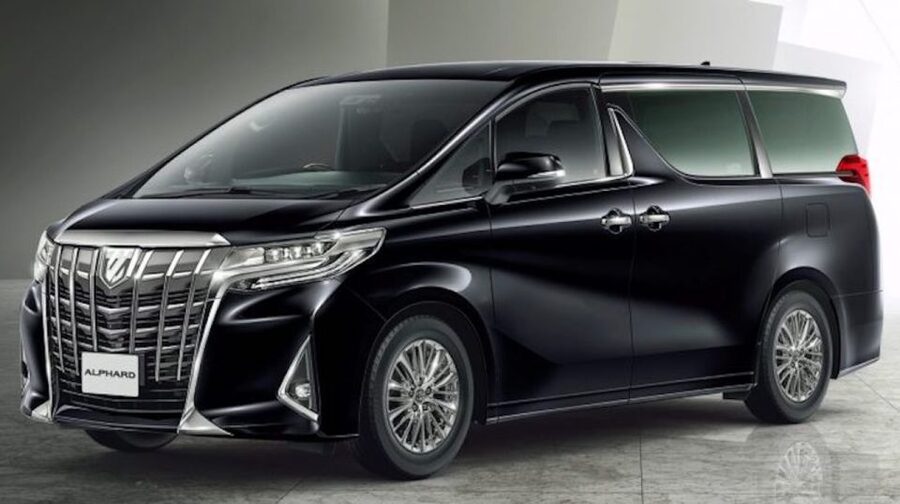
- Three to four people use a minivan.
- Five to eight people use a small minibus.
- Nine to 12 people use a medium minibus.
A larger vehicle can be requested if you have many pieces of luggage. That matters if you are being picked up at a cruise terminal or traveling between hotels with bags. One group of six was collected from a cruise terminal and had luggage with them, so the cruise pickup option is worth noting for port visitors.
The price is $878 per group, not per person. For 10 to 12 people, that works out to about $73 to $88 per person before food and attraction fees. For four people, it becomes about $220 each, and for two people it is $439 each. I see the value most clearly for larger families, cruise groups, or friends traveling together.
Pickup choices, flexibility, and limits
Pickup and return are available in Tokyo, Yokohama, Odawara, and Maihama. Many doorway points within the Tokyo metropolitan area are covered, and Tokyo to Yokohama or Yokohama to Tokyo arrangements can be made. This is useful for cruise passengers and people staying in different parts of the region.
Narita options are possible with an extra charge. A Narita pickup and drop-off costs an additional ¥20,000, while a Narita leg combined with Tokyo or Yokohama pickup or drop-off costs an additional ¥10,000. These fees are paid on the spot, so confirm the route before booking if Narita is involved.
Pickup instructions are simple: wait in your hotel lobby five minutes before the scheduled time. The driver holds a name board. The driver-guide speaks English, and the format is private rather than shared with strangers.
The experience is wheelchair accessible, but you should still discuss your exact needs in advance. Several temple grounds and the island sightseeing route may require careful handling, and the supplied details do not describe the precise accessible route at every stop.
Smoking, explosive substances, and alcoholic drinks are not allowed in the vehicle. The activity is also not suitable for people with motion sickness, a sensible warning for anyone who finds long road journeys difficult.
Who should book this day trip?
I would recommend it to a group that wants Kamakura’s major sights without building a transport plan. Families benefit from the private setting, especially when younger and older members need different pacing. A group of friends can also make the price reasonable by sharing the vehicle cost.
It is a strong choice for cruise passengers because pickup from a cruise terminal can be arranged, and the vehicle gives you a direct way to see inland Kamakura and Enoshima in one port day. It can also suit people moving between Tokyo and Kyoto through an Odawara drop-off.
I would hesitate to recommend it to a couple on a tight budget. Public transport may cost less, and the high group price is harder to justify for two people once food and entry fees are added. I would also hesitate if your main goal is a slow temple study day. The schedule covers many stops, so each visit is an introduction rather than a long, quiet exploration.
Should you book the Kamakura and Enoshima tour?
Book it if you value private transport, flexible pacing, and a broad first look at Kamakura. The combination of Hokoku-ji, Tsurugaoka Hachimangu, Kotoku-in, Hase-dera, and Enoshima gives you a well-rounded day, with tea, temples, a major Buddha, local food, views, and shopping.
The value improves sharply as your group grows. For up to 12 people, the price can be quite reasonable for a full private vehicle and English-speaking guide. For a small party, compare the cost carefully with arranging the same route independently.
Bring good shoes, clothing suited to the weather, and extra money for admission, lunch, and drinks. If you want more time at a particular temple or more shopping at Enoshima, say so at the start. That small conversation is one of the main advantages of choosing a private tour.
FAQ
How long does the Kamakura and Enoshima tour last?
The tour lasts nine hours. Starting times depend on availability when you book.
Where can the tour pick me up and drop me off?
Pickup and drop-off options include Tokyo, Yokohama, Odawara, and Maihama. Tokyo and Yokohama transfers can also be arranged in either direction.
Is Narita pickup available?
Yes. Narita pickup and drop-off can be arranged for an additional charge. The stated fees are ¥20,000 for Narita pickup and drop-off, or ¥10,000 for a Narita leg combined with Tokyo or Yokohama.
What is included in the price?
The price includes an English-speaking driver-guide, transportation, and a private flexible tour. Attraction entry fees, food, and drinks are not included.
How many people can join the private tour?
The tour accepts up to 12 people in one group. The vehicle is a minivan for three to four people, a small minibus for five to eight, and a medium minibus for nine to 12.
Is the tour wheelchair accessible?
Yes, the activity is listed as wheelchair accessible. Contact the provider in advance to discuss the exact needs of your group and the stops you plan to visit.
More Kamakura & Enoshima Day Trips in Tokyo
More tours in Tokyo we've reviewed









Kamakura & Enoshima Day Trips, compared.
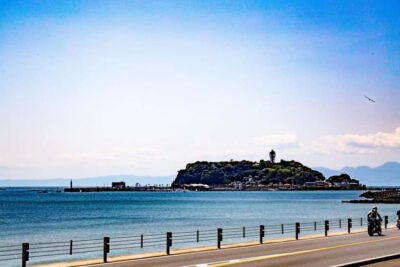 ★ 4.5Tokyo: Kamakura & Enoshima Day Trip including Temple TicketsFrom $589 hours - 570 minutes
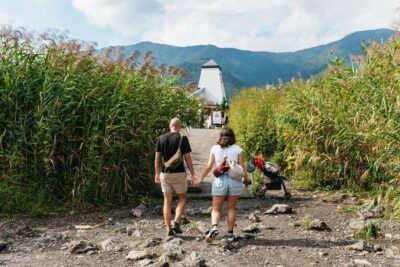 ★ 4.5Tokyo: Mt. Fuji, Kamakura, Big Buddha, & Lake Ashi Day TripFrom $4910 - 11 hours
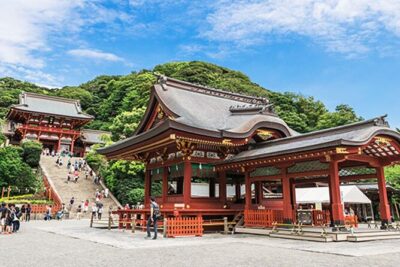 ★ 4.5From Tokyo: Kamakura & Enoshima 1-Day Bus TourFrom $66
 ★ 5.0Kamakura Historical Walking Tour with the Great BuddhaFrom $98
 ★ 5.0Kamakura Private Tour: Temples, Nature, and the Great BuddhaFrom $98
 ★ 5.0Kamakura Walking Tour – The City of ShogunFrom $35