
Reviewed · SAMURAI & NINJA EXPERIENCES
Tokyo Asakusa : Samurai School, Become a Samurai Warrior
The best part of this 90-minute workshop is that you do not simply watch a samurai demonstration. You put on the costume, hold a practice sword, and learn a short piece of swordplay under the direction of a professional master with 25 years of action experience. The instructors have also trained with the choreographer connected to Kill Bill, so the focus is on controlled movement, performance, and camera-ready technique.
I like the small group size of six, which gives you more room to ask questions and repeat movements. I also like the generous photo and video session. You leave with a certificate, pictures, and footage that show more than a quick costume pose.
The main point to check before booking is the location. The activity is promoted as an Asakusa experience, but sessions are currently being held at Soushi-Kan in Shimo, Kita City, because the Asakusa dojo is unavailable. That is a real change of plan, so confirm the meeting point before you set out.
In This Review
- Key points at a glance
- What this samurai workshop is really about
- Getting to the current dojo in Shimo
- Changing into samurai clothing
- Learning the bow and the sword draw
- Choosing a practice sword and learning the movement
- Watching the master demonstrate
- Filming your choreographed battle scene
- Photos, video, and the certificate
- Who gets the best value from $90
- Practical preparation for the 90 minutes
- Is this a good choice for children?
- My call: book it if the venue works for you
- FAQ
- Where is the samurai workshop currently held?
- Which station is closest to the dojo?
- How long does the experience last?
- How much does the experience cost?
- What languages are available?
- What is included in the price?
- Can I take part in a staged sword fight?
- What should I bring?
- Who should not take part?
Key points at a glance
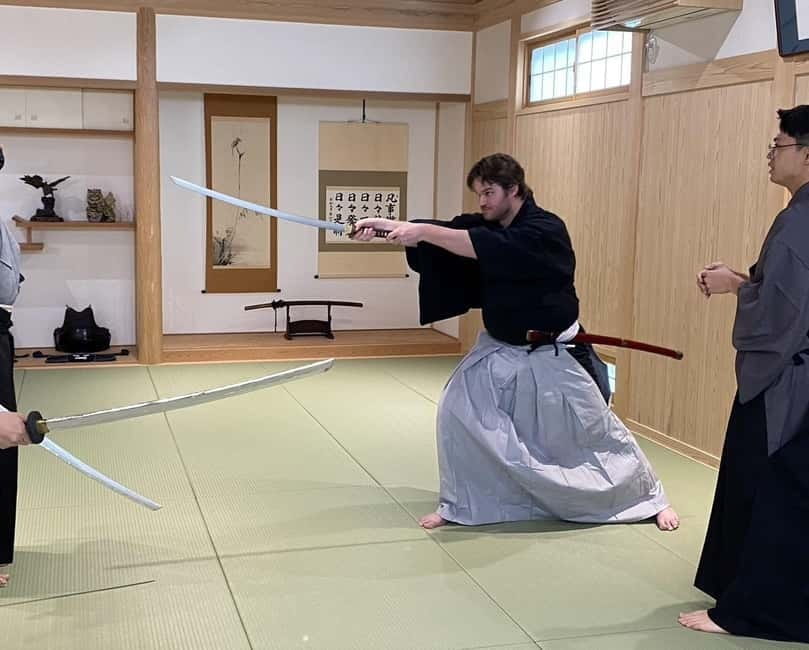
- A hands-on samurai lesson: Learn how to bow, draw a sword, take a stance, and make stylized strikes.
- A 25-year action master: Your instructor brings professional sword performance experience, not just a costume demonstration.
- A tiny class of up to six: The format allows direct guidance and time for photographs and video.
- A full costume experience: Choose samurai clothing, dress at the dojo, and pose for a commemorative picture.
- A staged battle option: You may perform a choreographed sword fight in a safe, controlled setting.
- A temporary meeting location: The current dojo is Soushi-Kan, a six-minute walk from Shimo Station on the Namboku Line.
What this samurai workshop is really about
This is a performance class inspired by samurai culture, not a historical martial arts course. You will learn the visual language of samurai swordplay: the bow, the stance, the sword draw, and formal strikes performed with a practice sword.
That distinction matters. If you want a long study of battlefield tactics or traditional sword manufacture, this is not the right activity. If you want a structured, memorable introduction with a strong theatrical side, the format makes good sense.
The class is guided in English and Japanese, with an English-speaking interpreter included. That should help you follow the physical instructions, especially when the master is showing precise hand, foot, and body positions.
The instructors are experienced professionals who have trained with the choreographer associated with Kill Bill. That does not turn the session into a movie set, but it explains the emphasis on clear poses, safe spacing, controlled strikes, and movements that read well on camera.
A few more Tokyo tours and experiences worth a look


Getting to the current dojo in Shimo
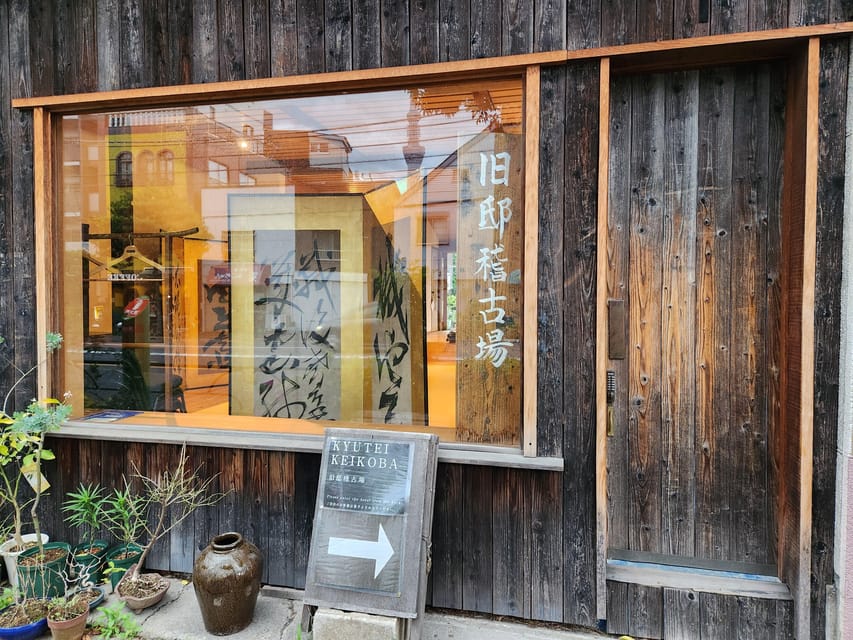
The listed meeting point is Soushi-Kan, 4-6-2 Shimo, Kita City, Tokyo 115-0042. The nearest station is Shimo Station on the Namboku Line. From Exit 2, allow about six minutes on foot and meet in front of the dojo.
Do not rely only on the activity title when planning your day. Although the experience is described as Tokyo Asakusa and the dojo is associated with the area near Tokyo Skytree, the current sessions are temporarily taking place elsewhere because the Asakusa location is unavailable.
This change has caused some practical confusion. One parent arrived early and found that a map application had pointed to the wrong side of the street, but the location was sorted out quickly. My advice is simple: check the map link, look for the dojo name in Japanese, and arrive with enough time to cross the street or ask for help if your phone sends you to the wrong entrance.
The location change is the one part of this booking that deserves extra attention. Contact the provider at [email protected] if you cannot prepare for the session or need clarification about the current venue.
Changing into samurai clothing
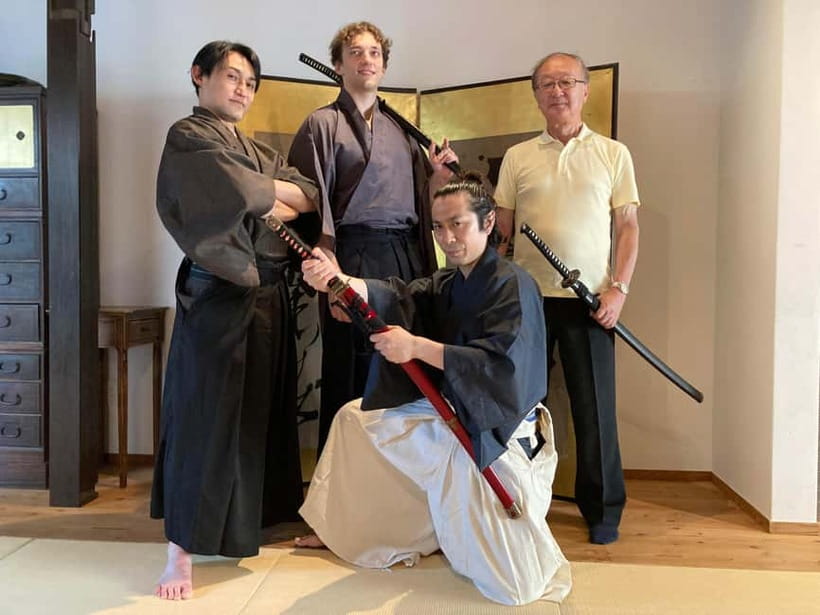
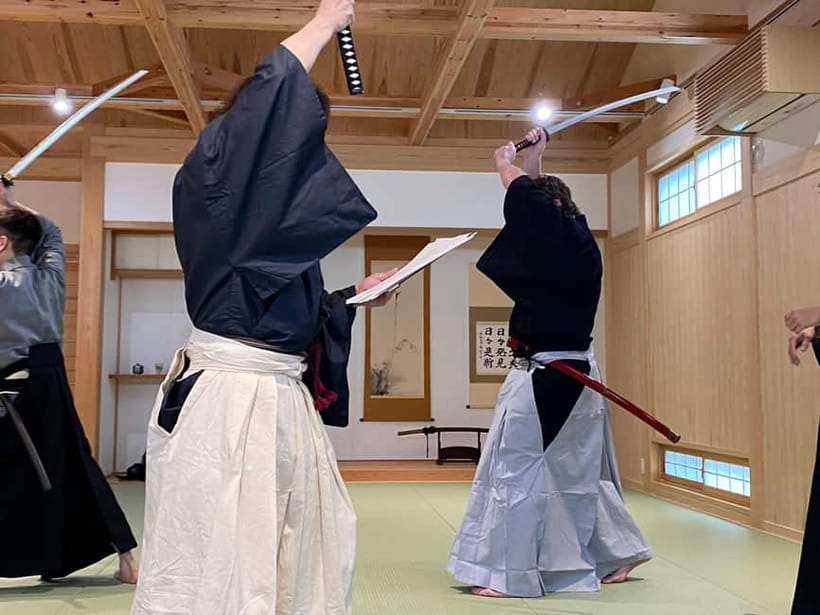
The activity begins with a costume change at the dojo. This is more than a quick photo prop. Once you are dressed, the class shifts your attention from ordinary sightseeing to the posture and manners expected of a samurai performer.
You can choose from the available samurai outfits, then prepare for the lesson in traditional-style clothing. The costume is one of the strongest features for families and first-time participants because it gives the session a clear beginning and makes the final photographs feel like a record of the whole activity.
Wear a T-shirt underneath the costume. Bring a towel and water, since the physical work can make you warm. Food and smoking are not allowed during the class.
You should also expect to remove or adjust anything that makes movement difficult. The supplied information does not specify changing-room details, so keep your clothing practical and easy to manage.
Learning the bow and the sword draw
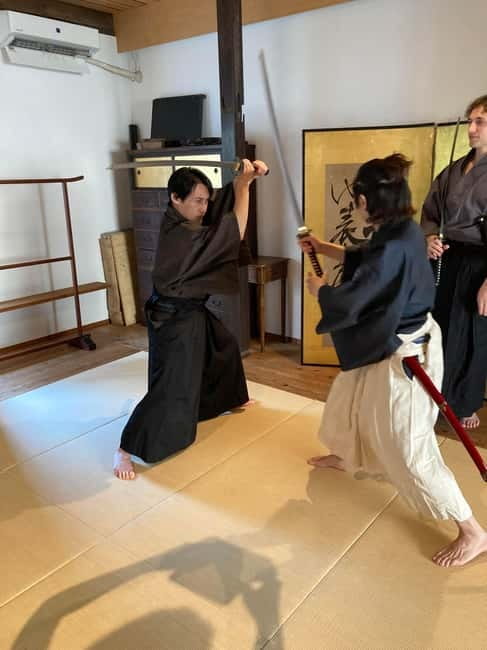
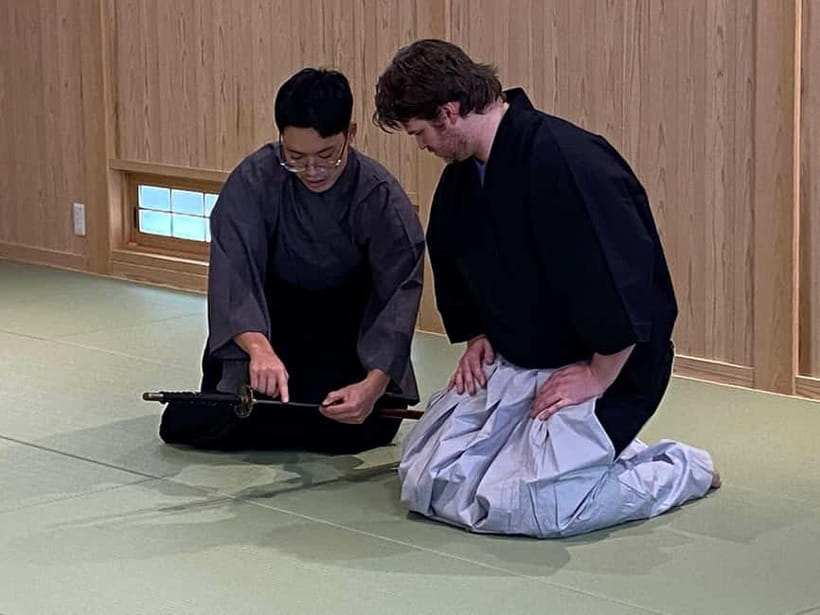
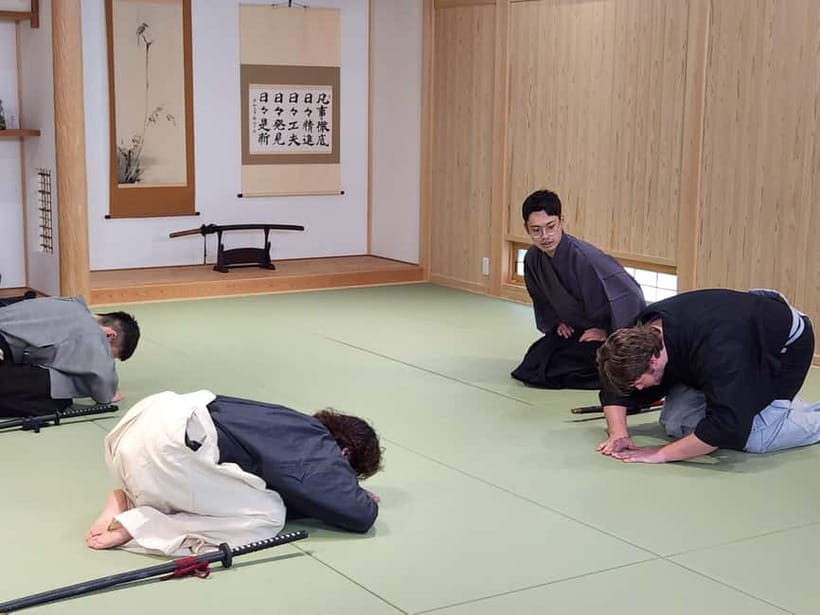
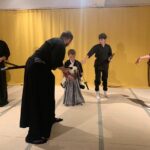
The first lesson covers respect and form. The master shows you how to bow to your opponent, how to hold yourself, and how to draw the sword in a stylized manner.
These details are valuable because they explain that samurai swordplay is not simply swinging a blade. The bow sets the tone, while the slow, deliberate movements give the performance its discipline. You will be learning a sequence that looks convincing because each gesture has a place.
The class then moves through fundamental stances, strikes, and movements. You will use practice swords rather than real weapons, and the instruction takes place in a controlled setting.
The teacher’s job here is partly martial instruction and partly stage direction. You may be asked to adjust your feet, keep your shoulders in position, or repeat a strike so that the movement is safe and easy to see. The small group limit should help, since the master can watch each participant more closely than in a large demonstration.
Choosing a practice sword and learning the movement
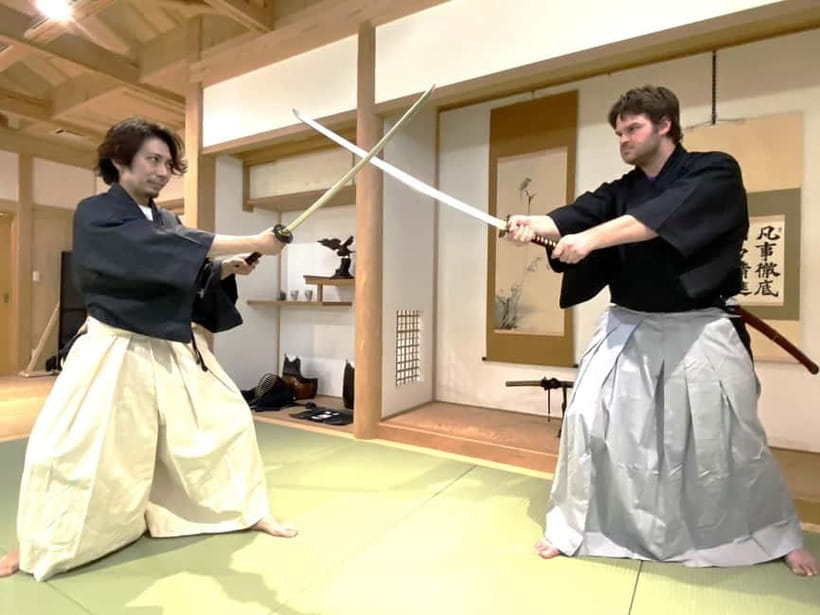
At the swordplay stage, you choose a practice sword from the selection available at the dojo. The act of choosing gives the session a personal touch, especially for children who may be more excited by selecting their equipment than by hearing a long explanation.
The practice is built around basic positions and stylized strikes. You are not being trained to fight. You are learning a choreographed form that combines timing, posture, respect, and performance.
That makes this a good choice for people who enjoy action films, cosplay, photography, or hands-on cultural activities. It also makes the experience approachable for someone who has never held a sword before.
The physical demands appear modest but should not be ignored. You will stand, move, and repeat sword actions, so the activity is not suitable for pregnant women or people with back problems. If you need an alternative to any item on the preparation list, contact the provider before the session.
A few more Tokyo tours and experiences worth a look
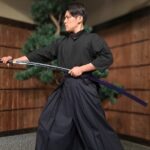
Watching the master demonstrate
The masters also demonstrate their swordsmanship in front of the group. This is an important part of the lesson because you see the difference between a beginner’s careful practice and a professional performance.
Watch the timing, not just the speed. The most useful lesson is likely to be how the master pauses, turns, bows, and finishes each movement with control. Those details help you understand why staged samurai fighting can look powerful without becoming reckless.
The demonstration also gives you a chance to enjoy the class without having to perform every second. That balance is useful for parents accompanying children, since the adult may want to take pictures while the child watches the master.
Filming your choreographed battle scene
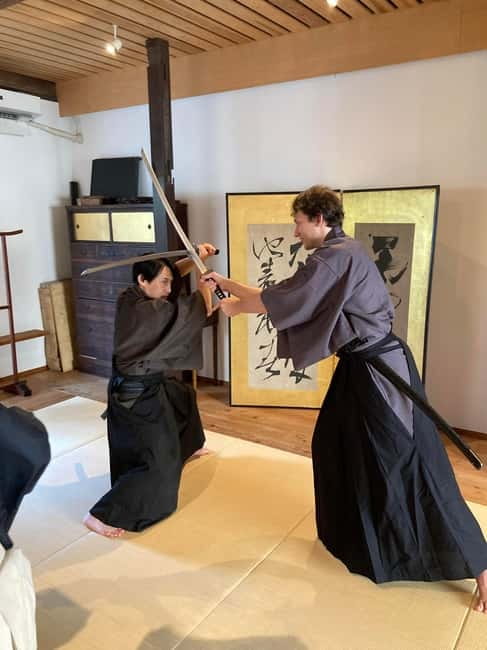
The optional staged battle is the most theatrical part of the experience. You use the movements learned earlier in a choreographed sword fight that reflects the drama of a historical duel.
The word choreographed is important. This is not free sparring, and you should follow the instructor’s timing rather than improvise. The setting is described as safe and controlled, with professional stunt performance guidance.
You may be able to capture your own samurai video or photo with the master. The class also includes a photo session, and the final costume images are part of the experience rather than an extra sightseeing snapshot.
One parent who booked the class for a 10-year-old found that the recorded scene and learning the choreography became the child’s favorite part. That makes sense: the activity gives children a clear role, a costume, a sequence to remember, and a finished piece of video or photography.
Adults can enjoy the same feature, though you should be comfortable following directions in front of a camera. If you prefer a quiet cultural lecture, this workshop may feel too performative.
Photos, video, and the certificate
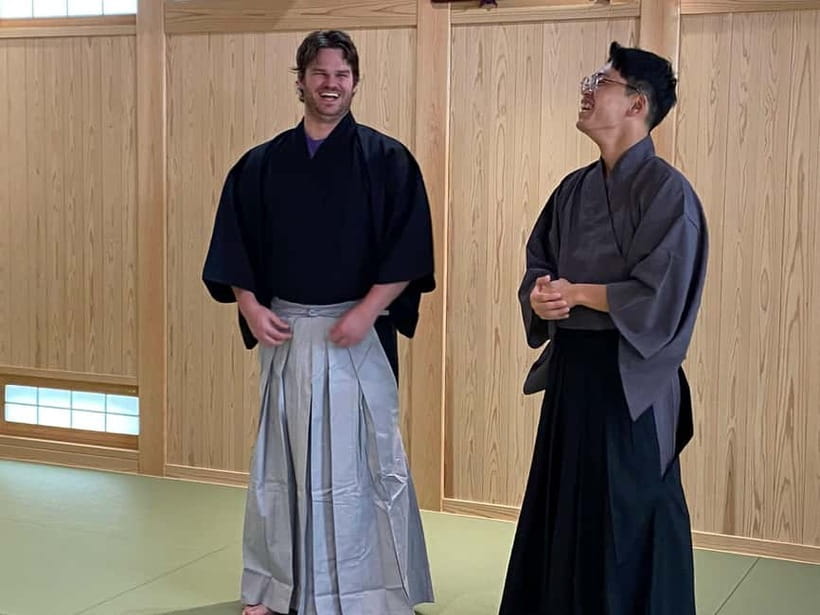
The photo session is not a minor add-on. It gives you time to pose in costume after the instruction, and the class includes many photos and videos according to the supplied experience details.
You should think of the result as a souvenir package made during the activity. Instead of buying a generic samurai magnet, you receive images of yourself performing the movements you just learned.
At the end, you receive a completion certificate after bowing respectfully to the master. The certificate will not make you a trained martial artist, of course, but it is a pleasant keepsake and gives children a clear finish to the lesson.
The photo and certificate elements also help justify the price for families. At $90 per person, this is more expensive than a short museum visit or a quick costume rental. You are paying for an instructor-led lesson, costume use, practice equipment, an interpreter, a small group, and a dedicated photo session.
Who gets the best value from $90
I see the price as fair if you want an active, photo-friendly cultural experience and plan to use the full 90 minutes. The cost covers the main equipment and instruction, so you do not have to arrange a costume, practice sword, or photographer separately.
The value is strongest for:
- Families who want a memorable activity for children
- Couples or friends who enjoy staged photographs
- Film fans interested in stunt and camera movement
- First-time visitors who prefer doing something rather than only observing
- Small groups that want direct contact with an instructor
The value is weaker if you are mainly interested in detailed Japanese history, authentic battlefield training, or a long traditional martial arts course. The class is built around demonstration, safe practice, and performance rather than advanced study.
The small-group limit of six is a useful part of the price calculation. You are not lost in a crowd, and the master and interpreter can keep the lesson moving while helping individuals with their form.
Practical preparation for the 90 minutes
Bring a T-shirt, towel, and water. The T-shirt is especially useful under the costume, while the towel and water make the physical activity more comfortable.
Arrive at the correct dojo, not simply the neighborhood named in the experience title. The current meeting point is in Shimo, and the activity provider says the Asakusa dojo is temporarily unavailable.
The session lasts 90 minutes, so plan your day around a fixed block rather than treating it as a quick stop between major sights. The experience does not include food, snacks, or private transportation.
The activity is wheelchair accessible according to the supplied details. Still, because the class includes dressing, standing, and sword movements, contact the provider ahead of time if you need a specific accommodation.
Free cancellation is available up to 24 hours before the activity for a full refund. You can also reserve now and pay later, which helps if your Tokyo schedule is still shifting.
Is this a good choice for children?
The experience can work well for children, especially those who enjoy costumes, video-making, and action scenes. A 10-year-old participant particularly enjoyed choosing the outfit, learning the choreography, and filming the scene.
The class still requires attention and respect for instructions. A child who wants to run around with a sword may not be a good fit, even with a practice weapon. The bowing and controlled movements are central to the session, so adults should explain that this is a lesson in performance and discipline.
The group size is helpful for families. With no more than six participants, the instructor can give clearer guidance than a crowded workshop. Parents should bring water and a T-shirt for the child, and contact the provider if those items are difficult to arrange.
My call: book it if the venue works for you
I would book this samurai workshop if you want a friendly, active experience with a strong visual payoff. The costume, staged sword movements, photographs, video, and certificate create a complete 90-minute activity rather than a single demonstration.
Before paying, confirm that you are comfortable going to the temporary Shimo location instead of an Asakusa dojo. Book with care if you are pregnant, have back problems, or want serious martial arts instruction.
For families, film fans, and anyone who likes to bring home personal photographs instead of only sightseeing snapshots, the $90 price can be worthwhile. Just arrive prepared, follow the master’s choreography, and treat the swordplay as performance rather than combat.
FAQ
Where is the samurai workshop currently held?
Sessions are currently held at Soushi-Kan, 4-6-2 Shimo, Kita City, Tokyo 115-0042, Japan. The Asakusa dojo is temporarily unavailable.
Which station is closest to the dojo?
The nearest station is Shimo Station on the Namboku Line. The dojo is about a six-minute walk from Exit 2.
How long does the experience last?
The samurai workshop lasts 90 minutes.
How much does the experience cost?
The listed price is $90 per person.
What languages are available?
The instructor can provide English and Japanese instruction. A friendly English-speaking interpreter is included.
What is included in the price?
The experience includes samurai costumes, practice swords, an English-speaking interpreter, a photo shoot, and a completion certificate.
Can I take part in a staged sword fight?
A choreographed battle is available as an optional activity. It takes place in a safe and controlled setting under professional guidance.
What should I bring?
Bring a towel, water, and a T-shirt. If you cannot prepare these items, contact [email protected] for alternatives.
Who should not take part?
The experience is not suitable for pregnant women or people with back problems. It is listed as wheelchair accessible, but you should contact the provider about any specific access needs.
More Samurai & Ninja Experiences in Tokyo
More Asakusa Tours in Tokyo


More tours in Tokyo we've reviewed










Samurai & Ninja Experiences, compared.
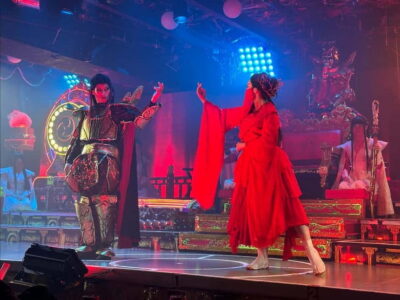 ★ 4.5Tokyo: Samurai Restaurant Show Ticket with 2 DrinksFrom $551h 30m
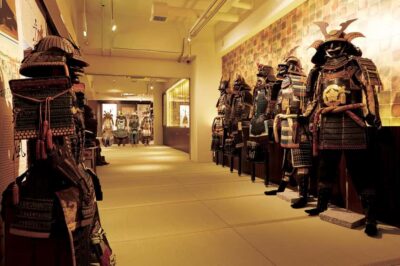 ★ 4.6Tokyo: Samurai Ninja Museum Guided tour and ExperienceFrom $27
 ★ 5.0Tokyo: Samurai Sword & Archery Class from Samurai DescendantFrom $1933 hours
 ★ 5.0Best Samurai Experience in TokyoFrom $65
 ★ 5.0Ninja Experience (Family Friendly) at Samurai Ninja Museum TOKYOFrom $47
 ★ 4.6Tokyo: Samurai Entertainment Night Show in Kanda ShrineFrom $412 - 3 hours