
Reviewed · KAMAKURA & ENOSHIMA DAY TRIPS
Kamakura: A Journey Through Medieval Japan
Kamakura gives you Japan in a compact package: Zen temples, samurai politics, seaside views, and a giant bronze Buddha. This tour connects those pieces with guide John, whose storytelling and practical knowledge help turn a string of famous sights into a coherent day.
I like the way the tour links Engaku-ji, Tokei-ji, Tsurugaoka Hachimangu, and Kōtoku-in rather than treating them as isolated photo stops. I also like the flexible use of trains and buses, which lets you cover more ground without making the whole day a forced march.
The main drawback is that this remains a walking tour, even with public transport and sitting breaks. The full eight-hour version is a long day, and the route is not suitable for wheelchair users or people with mobility impairments.
In This Review
- Key points at a glance
- Why Kamakura works so well as a Tokyo escape
- Engaku-ji: start with Zen, not just scenery
- Tokei-ji brings women’s history into the day
- Shojin-ryori: a meal with a religious purpose
- Tsurugaoka Hachimangu connects Kamakura to samurai rule
- Kōtoku-in and the Great Buddha
- Enoshima adds a seaside ending
- How John shapes the experience
- Walking, transport, and physical demands
- Four hours or eight hours?
- Who gets the best value from this tour?
- Final call: book it for the stories and flexibility
- FAQ
- Where does the Kamakura tour begin?
- Where can the tour end?
- How long does the experience last?
- Is the tour private?
- Is the tour conducted in English?
- Is lunch included in the price?
- Can I request shojin-ryori?
- Are vegetarian and vegan diets supported?
- Are admission fees included?
- Is transportation included?
- Is this tour suitable for wheelchair users?
- Can the itinerary be customized?
- Can I cancel for a full refund?
- Do I have to pay when I reserve?
Key points at a glance
- Start at Kita-Kamakura Station: The East Exit is the easy meeting point for the opening temple visits.
- Engaku-ji explains Zen and power: You get more than pretty gardens, with context about religion, art, and politics.
- Tokei-ji adds a different story: This former nunnery once offered a pilgrimage destination for women across Japan.
- Shojin-ryori makes lunch part of the culture: The Buddhist vegetarian meal is generally part of the eight-hour tour and can be arranged for four hours.
- The Great Buddha is a major finale before Enoshima: Kōtoku-in brings you face to face with one of Japan’s largest Buddha statues.
- John can adjust the day: Private and small-group options allow changes to pace, interests, and dietary needs.
Why Kamakura works so well as a Tokyo escape
Kamakura was the base of Japan’s first samurai government about 900 years ago, during the Kamakura Period. That gives the town a different feel from Tokyo’s modern districts. Here, religious buildings and political landmarks sit within a manageable day-trip area, with the sea nearby.
I like Kamakura because the history is not locked away in a museum. You encounter it at temple gates, along shrine approaches, and in the contrast between quiet Kita-Kamakura and the more popular center of town. The route also shows how Buddhism, Shinto, the samurai class, and later leisure culture overlap in one place.
The tour costs $35 per person, before admission fees, transportation, and lunch. Those extra costs are estimated at about 800 to 1,500 yen per person for entry fees, around 400 yen for transportation, and about 1,000 yen for lunch. That makes the guide fee a reasonable buy if you want historical explanation and help with local trains and buses, rather than simply collecting landmarks on your own.
A half-day is enough for a useful first look at Kamakura. If you want the food experience and Enoshima, choose the longer option. The eight-hour day gives the town room to breathe, but you should be ready for a substantial amount of walking.
A few more Kamakura tours and experiences worth a look
Engaku-ji: start with Zen, not just scenery
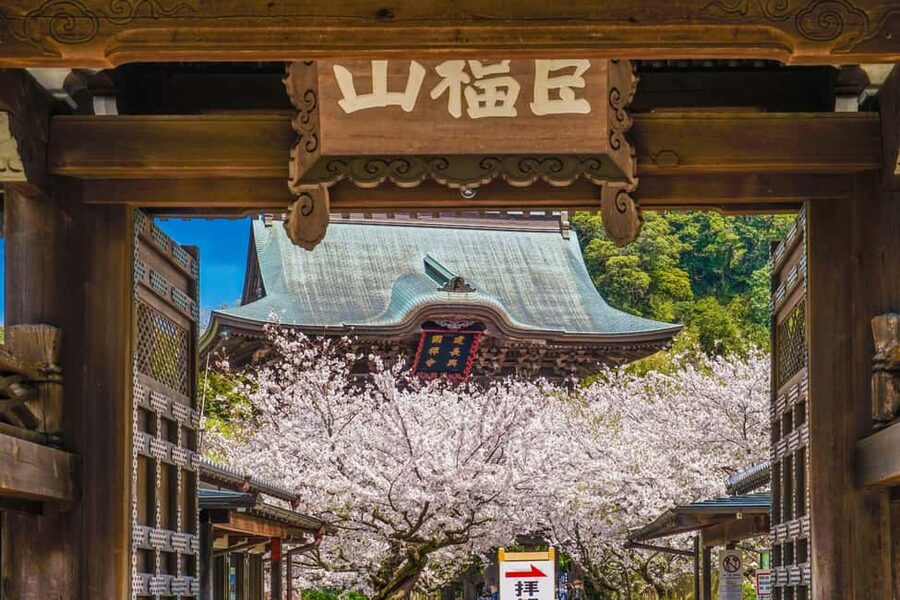
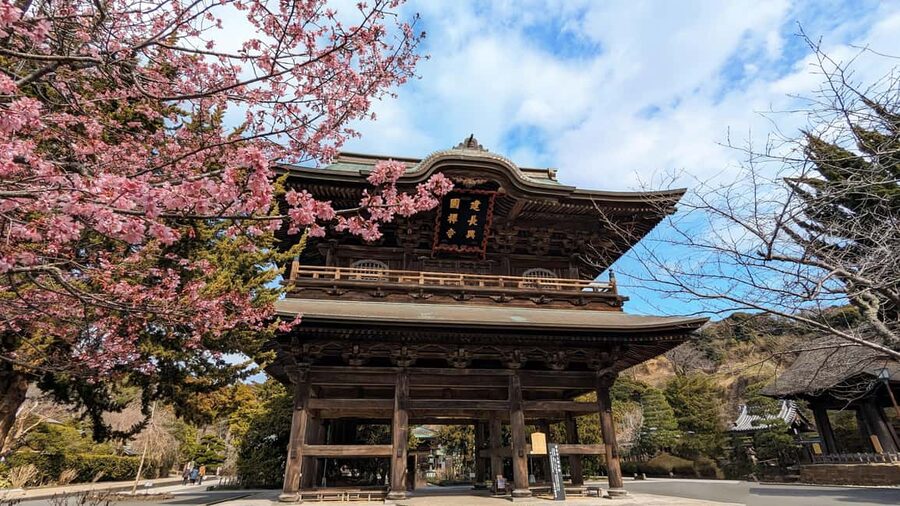
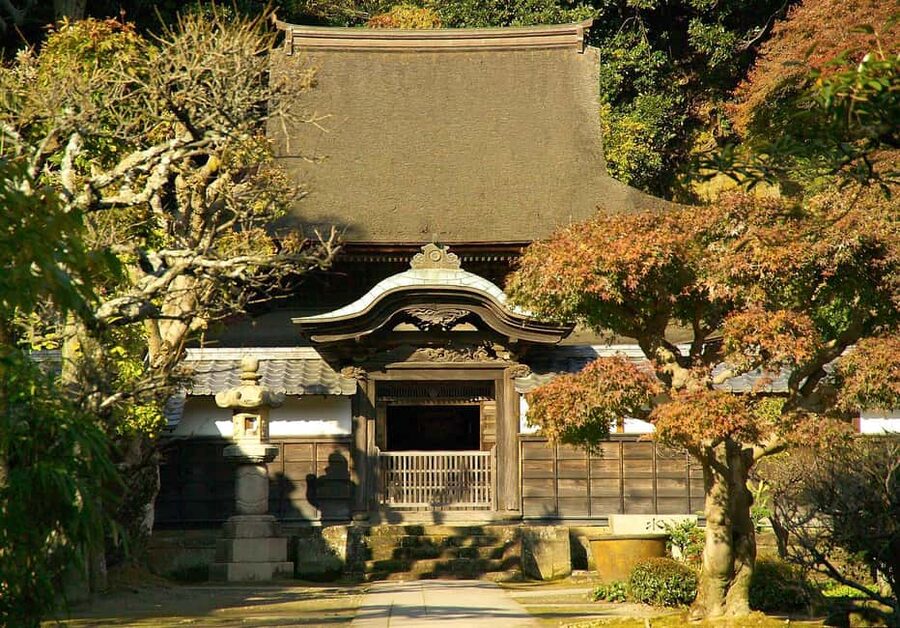
The tour begins outside the East Exit of Kita-Kamakura Station, then heads to Engaku-ji. Allow about an hour here. It is one of Japan’s most important Zen temples, and it sets the tone for the rest of the day.
The value of having John at this first stop is the framework he provides. Instead of seeing Zen as a vague collection of gardens and quiet rooms, you learn how it affected Japanese politics, art, and religious practice. That context matters because many visitors otherwise notice the atmosphere but miss the forces that shaped it.
Engaku-ji also gives you an early chance to settle into the walking pace. There are places to sit along the route, and the tour makes use of public transport later, but temple grounds still require time on foot. Wear shoes you can comfortably walk in and bring enough energy for the later sections.
John’s strength is storytelling. Several people who spent time with him singled out his stories about Kamakura’s past and its personalities. That is useful here, where names and dates can blur together without a guide who can make the people behind the history memorable.
Tokei-ji brings women’s history into the day
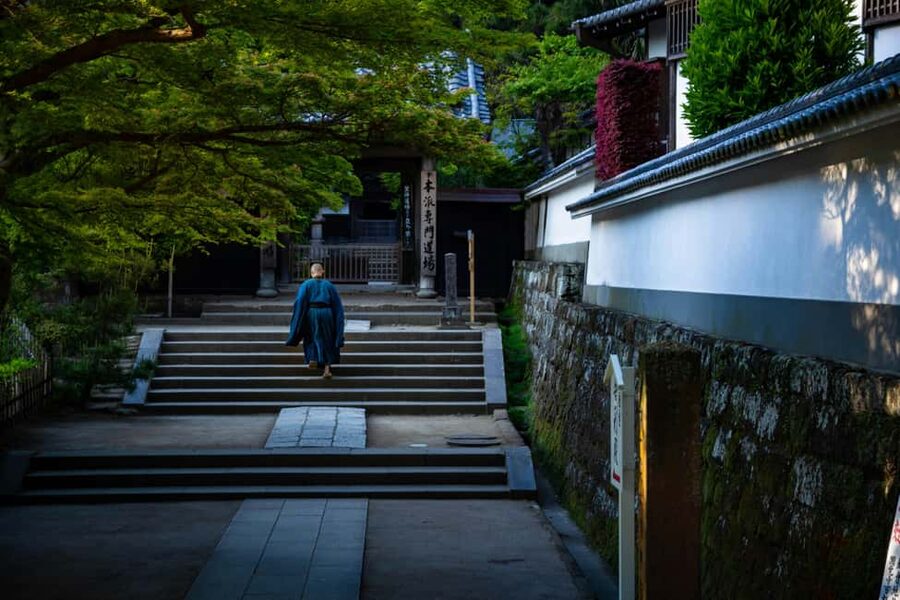
A short visit to Tokei-ji follows Engaku-ji, with about 15 minutes set aside for a guided look. This former nunnery was also a pilgrimage destination for women from across Japan.
It is a brief stop, but it widens the story. A tour focused only on samurai leaders and male religious figures would leave out a large part of Kamakura’s social past. Tokei-ji gives the day a different angle and helps explain why religious sites mattered to ordinary people, not only rulers and monks.
Because the stop is short, you should think of Tokei-ji as a focused historical pause rather than a long temple visit. If you choose a private tour, you can ask John to adjust the timing around your interests. The private format is especially useful if your group wants more time at one site or needs a slower rhythm.
Shojin-ryori: a meal with a religious purpose
Lunch is planned at a local restaurant, usually for about 45 minutes. On the eight-hour tour, this generally includes shojin-ryori, the vegetarian food associated with Japanese Buddhist monks. It is available on the four-hour tour by request.
This is one of the most worthwhile parts of the experience because it connects the religious theme to something you can taste. Shojin-ryori is not just a convenient vegetarian substitute. Within the tour’s context, it represents Buddhist food practice and gives you a more direct link to temple culture.
Vegetarian and vegan requests can be accommodated if you tell the guide beforehand. A gluten-free lunch was also arranged for one participant with celiac disease, so it is sensible to share dietary needs before the day begins rather than waiting until you sit down.
Lunch costs about 1,000 yen per person, including the guide’s meal. The exact restaurant and menu are not specified, so you should view the meal as a cultural option rather than a guaranteed fine-dining event. If food is a major reason for booking, request shojin-ryori in advance and confirm that it fits your timing.
Tsurugaoka Hachimangu connects Kamakura to samurai rule
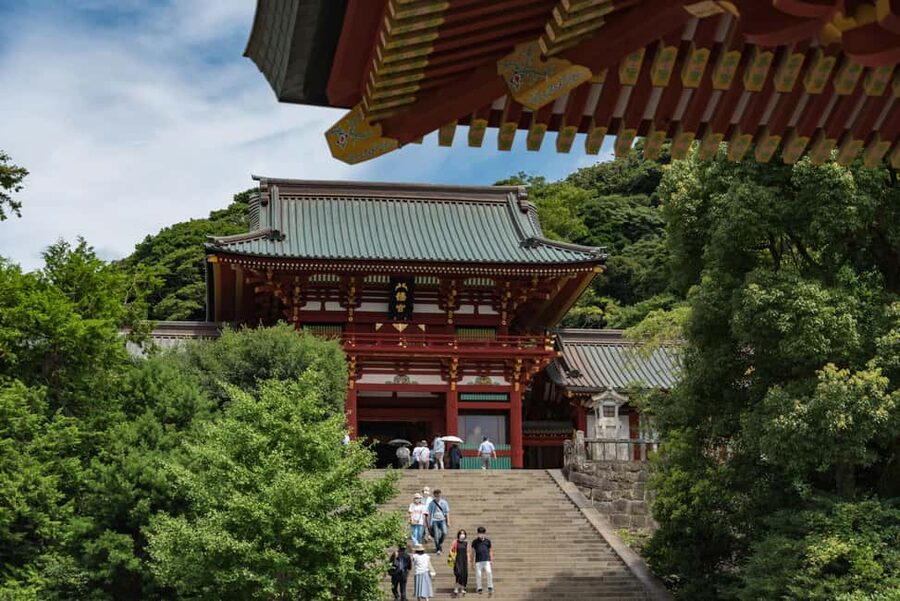
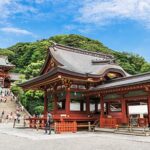
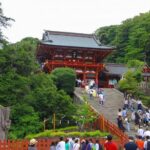
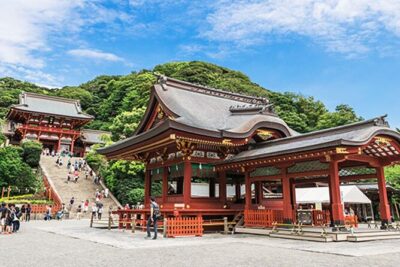
After lunch, the route continues to Tsurugaoka Hachimangu, with about 30 minutes for a guided visit. This is one of the largest and most popular shrines in the region, located in central Kamakura.
This is where the political side of the city comes into clearer view. The shrine is tied to the Kamakura-period government, so John can help you read the setting as more than a grand religious complex. The connection between faith and warrior authority is one of the most interesting themes in Kamakura, and this stop gives it a strong physical setting.
The shrine is also one of the places where you are most likely to encounter a busy public atmosphere. That is not a flaw, but it changes the mood from quiet Kita-Kamakura. John’s familiarity with photo spots and crowd avoidance can help you use the short visit well, especially if you are exploring during a popular season.
The 30-minute schedule is enough for an introduction, but not for a slow, detailed study of every corner. If this shrine is a priority for you, ask about spending more time here when arranging a private tour.
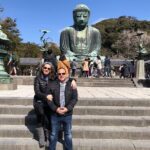
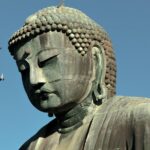
Kōtoku-in and the Great Buddha
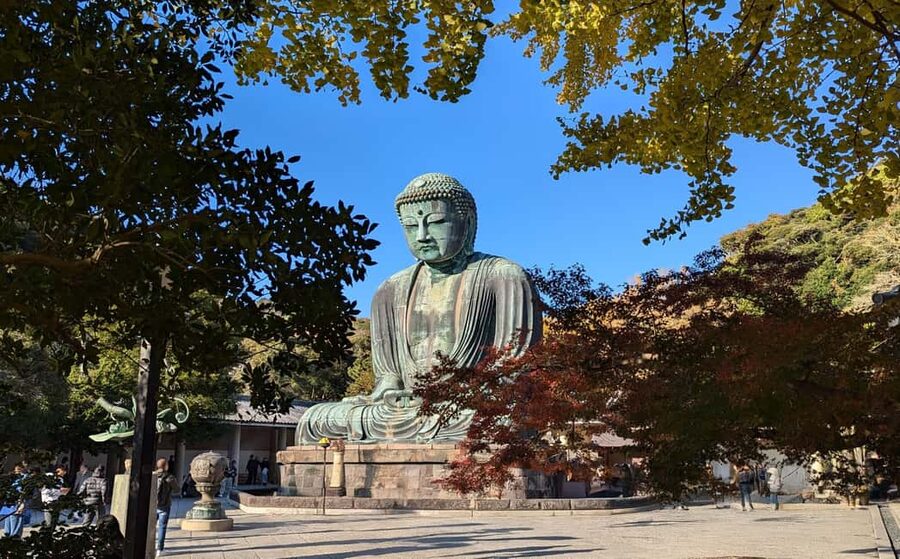
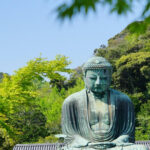
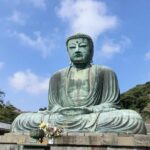
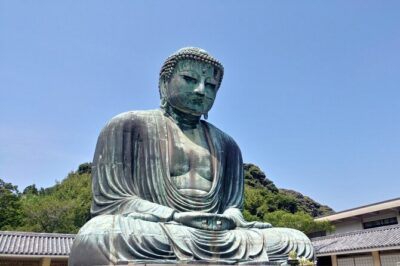
A bus ride of about 20 minutes takes you toward Kōtoku-in, home of the Great Buddha of Kamakura. The guided visit lasts about 30 minutes.
The statue is one of the largest Buddhas in Japan and, for many people, the visual highlight of the Kamakura visit. Its scale is impressive, but the guide adds the useful part: why this particular statue matters and how it fits into the wider religious story of the city.
I like the placement of Kōtoku-in after Engaku-ji and Tokei-ji. You first encounter Zen institutions and their ideas, then arrive at a single monumental Buddhist image. The sequence gives the day a clear shape instead of presenting unrelated temple names.
The bus is important here. Kamakura is walkable in sections, but not every major site sits comfortably beside the next one. Using public transport means you can see more without spending the entire day on long road stretches. Transportation is not included, and the estimated cost is about 400 yen per person.
The 30-minute stop is fairly brisk. It works well if you want the main sight and an explanation, but a private group can ask for a different pace. If you enjoy taking photographs or prefer quiet observation, tell John early in the day.
Enoshima adds a seaside ending
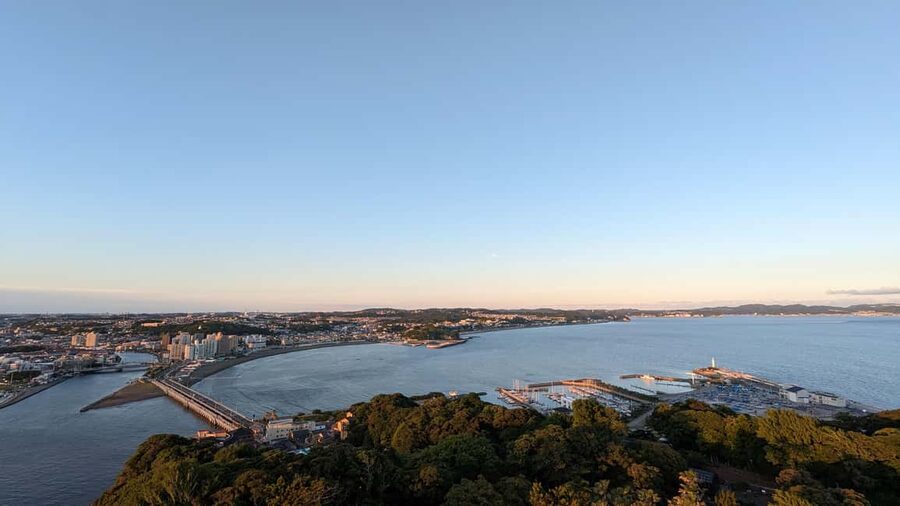
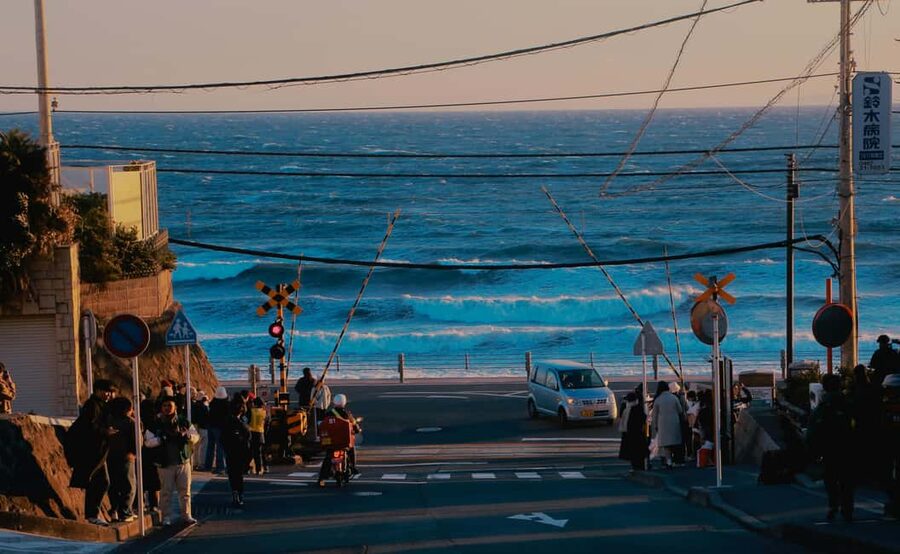
The eight-hour private route can continue by train to Enoshima, with about two hours for a guided visit. This final section changes the mood again. Enoshima has long been considered a holy island, while today it is also a popular seaside escape for couples and families.
That mix is precisely what makes it interesting. You get religious associations, coastal scenery, and a more playful holiday atmosphere in the same place. It is not presented as a solemn temple district only. The combination of holiness, kitsch, and natural wonder gives the day a lighter ending after the heavier history of samurai government and religious institutions.
The train ride is listed at about 15 minutes. Enoshima is best treated as a reason to choose the full-day option, not as a small extra that can be squeezed into a half-day schedule. Two hours gives you time to walk with purpose, see the main sights John selects, and enjoy the setting without turning the whole visit into a race.
One especially appealing detail is the possibility of timing the Enoshima walk for sunset. John has guided groups to especially scenic views at that time, though you should confirm the schedule when booking because sunset depends on the season and the tour’s starting time.
The full route returns to either Kita-Kamakura Station or Kamakura Station. That gives you a practical choice at the end of the day, especially if you plan to continue exploring or return to Tokyo from a different point.
How John shapes the experience
The strongest reason to book this tour is John himself. He guides in English, and his style centers on stories, historical personalities, and practical advice about Japan. Several groups found his English especially clear, which can make a real difference when you want to ask detailed questions or discuss changes to the plan.
John also adjusts well to private groups. He has tailored routes, changed the pace for groups of six, and helped visitors cover major Kamakura sights during a shorter day. That flexibility is more valuable than it may first appear. Kamakura has enough temples, shrines, trains, and buses to create confusion if you are trying to make decisions on the spot.
You should still be direct about what you want. Tell him if you care most about religious history, samurai politics, photography, local food, Enoshima, or a gentle pace. The standard route is sensible, but the private option is where this experience earns its extra value.
Walking, transport, and physical demands
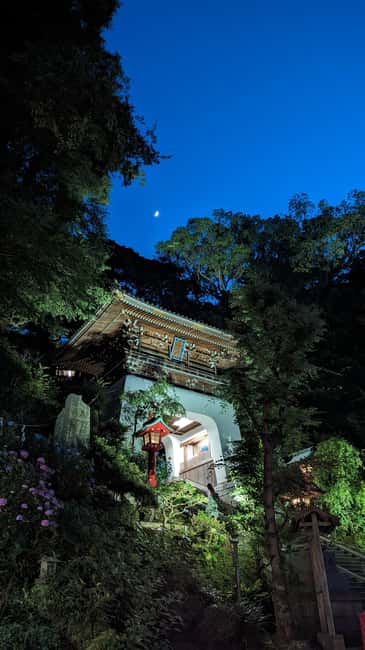
The description calls this a walking tour, with public transport used between sites and places to sit along the way. That means you do not need to walk every kilometer between the attractions, but you should not book it expecting a vehicle-based sightseeing day.
The route includes temple and shrine grounds, station access, bus and train transfers, and the two-hour Enoshima section on the full-day version. One participant specifically advised being prepared for a lot of walking. That is the most useful warning to take seriously.
This tour is not suitable for people with mobility impairments or wheelchair users. If you have a physical limitation that is not a wheelchair requirement, contact the guide in advance. The provider says it will try to meet individual needs, but the stated route has clear mobility limits.
For most able walkers, the four-hour version is the safer choice if you are unsure about stamina. The eight-hour version suits you if you want Enoshima, lunch, and a fuller picture of Kamakura.
Four hours or eight hours?
Choose four hours if you want a focused introduction from Tokyo, especially if Kamakura is one stop within a busy Japan itinerary. You can see major temples, the shrine, and the Great Buddha, depending on the final arrangement and pace.
Choose eight hours if you want the complete arc: Zen, women’s religious history, Buddhist food, samurai politics, the Great Buddha, and Enoshima. The longer format also gives John more room to answer questions and adjust the day instead of moving quickly from one site to the next.
The eight-hour private option is the clear choice for families or small groups with specific interests. The four-hour option offers better time efficiency and may be enough for first-time visitors who mainly want the historic center.
Who gets the best value from this tour?
I would recommend it to you if you want Kamakura explained in plain English rather than simply photographed. It is particularly useful for first-time visitors, families, small groups, and anyone who values a guide who can handle public transport and adjust the schedule.
It also suits visitors interested in how Japanese religion and government influenced one another. The route is not only a greatest-hits list. Engaku-ji, Tokei-ji, Tsurugaoka Hachimangu, Kōtoku-in, and Enoshima each add a different piece.
You may prefer to explore independently if you want to spend hours at one temple, move at a very slow pace, or avoid walking. The fixed site sequence and additional costs also mean you should compare the tour with a self-guided day before booking.
Final call: book it for the stories and flexibility
Book this tour if you want a well-shaped Kamakura day with a strong English-speaking guide, clear historical storytelling, and help navigating trains and buses. John’s ability to customize the route is the main advantage, and the optional shojin-ryori lunch and Enoshima extension give the day more character than a basic temple transfer.
Choose the four-hour version for a compact overview. Choose eight hours if you want the food, the seaside island, and time for questions. Skip it if you need wheelchair access or strongly dislike walking.
At $35 per person before admission, transport, and lunch, the guide fee is good value for a private or small-group experience, especially if you are making a day trip from Tokyo and want to understand what you are seeing.
FAQ
Where does the Kamakura tour begin?
The meeting point is outside the East Exit of Kita-Kamakura Station.
Where can the tour end?
The tour can finish at Kita-Kamakura Station or Kamakura Station.
How long does the experience last?
The tour lasts between four and eight hours, depending on the option and itinerary chosen.
Is the tour private?
Private and small-group options are available.
Is the tour conducted in English?
Yes. The live tour guide language is English, and the guide is John.
Is lunch included in the price?
No. Lunch is not included. It costs about 1,000 yen per person, including the guide’s meal.
Can I request shojin-ryori?
Yes. Shojin-ryori is generally offered on the eight-hour tour and can be requested for the four-hour option.
Are vegetarian and vegan diets supported?
Yes. Vegetarian and vegan requests can be accommodated if you tell the guide beforehand.
Are admission fees included?
No. Entry fees are not included and are estimated at about 800 to 1,500 yen per person for the guide and participants.
Is transportation included?
No. Transportation is paid separately, with estimated transport costs of about 400 yen per person.
Is this tour suitable for wheelchair users?
No. The experience is not suitable for wheelchair users or people with mobility impairments.
Can the itinerary be customized?
Yes. Private tours can be adjusted to suit your interests and needs.
Can I cancel for a full refund?
You can cancel up to 24 hours in advance for a full refund.
Do I have to pay when I reserve?
No. The reserve-now, pay-later option lets you book without paying immediately.
More Kamakura & Enoshima Day Trips in Kamakura
More tours in Kamakura we've reviewed

Kamakura & Enoshima Day Trips, compared.
 ★ 4.5Tokyo: Kamakura & Enoshima Day Trip including Temple TicketsFrom $589 hours - 570 minutes
 ★ 4.5Tokyo: Mt. Fuji, Kamakura, Big Buddha, & Lake Ashi Day TripFrom $4910 - 11 hours
 ★ 4.5From Tokyo: Kamakura & Enoshima 1-Day Bus TourFrom $66
 ★ 5.0Kamakura Historical Walking Tour with the Great BuddhaFrom $98
 ★ 5.0Kamakura Private Tour: Temples, Nature, and the Great BuddhaFrom $98
 ★ 5.0Kamakura Walking Tour – The City of ShogunFrom $35