
Reviewed · MT FUJI DAY TRIPS
From Tokyo: Fuji Mountain Area – FujiQ – Lake Kawaguchiko – Chureito Pagoda
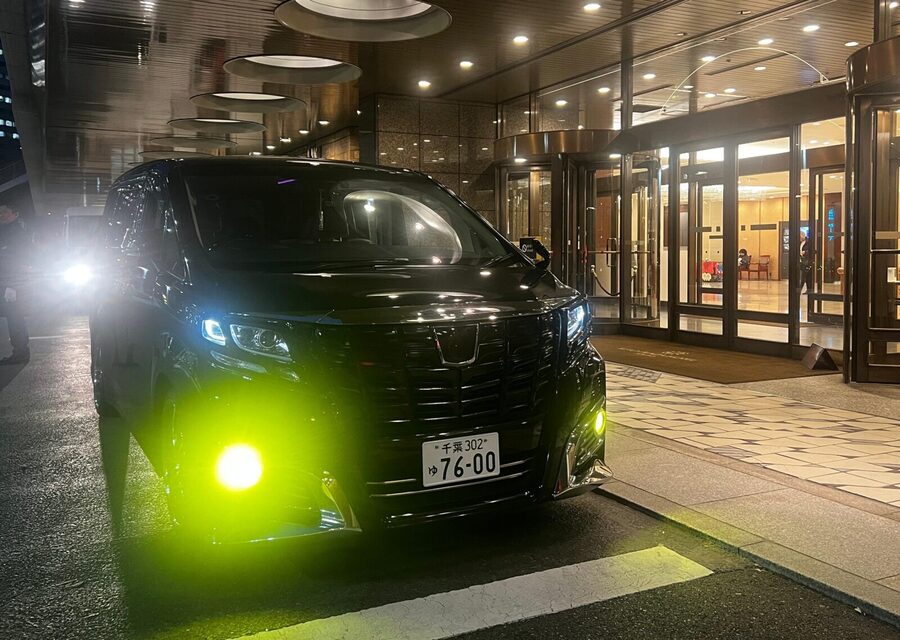
Mount Fuji is the star here, but the best part is seeing it from several very different angles in one day. You move from flower beds at Oishi Park to the calm waters of Lake Kawaguchiko, then to the springs of Oshino Hakkai and the famous red pagoda at Chureito.
I like the private Toyota Alphard, hotel pickup, Wi-Fi, water, cookies, and flexible routing. I also like the human touch: Marcelo has been praised for taking photos and adjusting the pace, while Hiroshi supplied a phone charger and handled busy roads with care. The main drawback is time. A Tokyo to Fuji day means long drives, and the advertised 450 minutes does not seem to match every listed stop and transfer, so confirm the schedule before booking.
In This Review
- Key points to know before you book
- Why this private Fuji day trip works
- The long ride from Tokyo to Mount Fuji
- Oishi Park and the first classic Fuji view
- Lake Kawaguchiko by the water
- Oshino Hakkai, springs and old village details
- Fujiyoshida on the way to the pagoda
- Chureito Pagoda and the climb for the view
- Adding FujiQ Highland for a split-interest group
- What the $292 price includes
- Who will get the most from this outing
- Should you book this Fuji tour?
- FAQ
- How long does the experience last?
- Is hotel pickup included?
- What vehicle is used?
- Which languages are available?
- Are attraction tickets included?
- Can the itinerary be changed?
- Can FujiQ Highland be added?
Key points to know before you book
- Several classic Fuji viewpoints: Oishi Park, Lake Kawaguchiko, Oshino Hakkai, Fujiyoshida, and Chureito Pagoda all bring a different setting.
- Private transport from Tokyo: You get pickup and drop-off at a hotel, Airbnb, or another requested place within Tokyo’s 23 wards.
- Guides in four languages: English, Portuguese, Spanish, and Japanese are available.
- A flexible day plan: You can request changes within the tour time, and FujiQ Highland may be added for a group member who wants rides.
- Comfort matters on a long day: The vehicle includes Wi-Fi, water, cookies, Japanese sweets, and insurance, while attraction tickets and personal spending cost extra.
- Weather controls the views: Fuji may be hidden by clouds or affected by snow, so the private format is useful when plans need adjusting.
Why this private Fuji day trip works
The appeal is simple: you do not need to piece together trains, buses, local connections, and viewpoints on your own. Your driver collects you in Tokyo and takes you toward the Fuji area in a private, fully insured vehicle. That matters because the main stops are spread around the eastern side of Mount Fuji, and public transport connections can eat into your sightseeing time.
You also get control over the pace. If your group wants more photos at Oishi Park, a slower walk at Oshino Hakkai, or a shorter stop somewhere else, the operator says the route can be adjusted within the tour schedule. This is especially useful for families, mixed-age groups, and anyone who does not want to follow a rigid bus timetable.
The service is designed for a small private group rather than a shared coach. The black Toyota Alphard gives you a quieter ride and a place to leave your day bag while you walk. Wi-Fi, water, snacks, and a phone charger provided by at least one guide are modest details, but they make a long outing easier.
There is one important question to settle early: how much time do you really have? The experience is described as seven hours, or 450 minutes, yet the listed plan includes a 105-minute drive from Tokyo, several visits, and a two-hour return drive. The listed stop lengths alone add up to a full day. Ask for the exact departure and return plan before paying, particularly if you have an evening reservation in Tokyo.
A few more Tokyo tours and experiences worth a look
The long ride from Tokyo to Mount Fuji
The first drive is listed at about 105 minutes. Traffic can affect any Tokyo departure, so the earlier your start, the more useful it may be for protecting time at the Fuji stops. Pickup is included from your hotel or Airbnb, with drop-off at your accommodation or another requested location inside Tokyo’s 23 wards.
The private vehicle is one of the strongest practical reasons to choose this outing. You can talk with your guide, keep your own schedule, and avoid changing trains with camera gear or shopping bags. Guides such as Marcelo, Camila, Hiroshi, Anderson, and Cami have each been singled out for kindness, communication, or flexibility in the supplied feedback.
The guide’s role is not just driving. The tour is offered in English, Portuguese, Spanish, and Japanese, and the Spanish-speaking service was particularly useful for one group that did not speak English. If language support matters to you, request your preferred language when arranging the booking rather than leaving it to chance.
Oishi Park and the first classic Fuji view
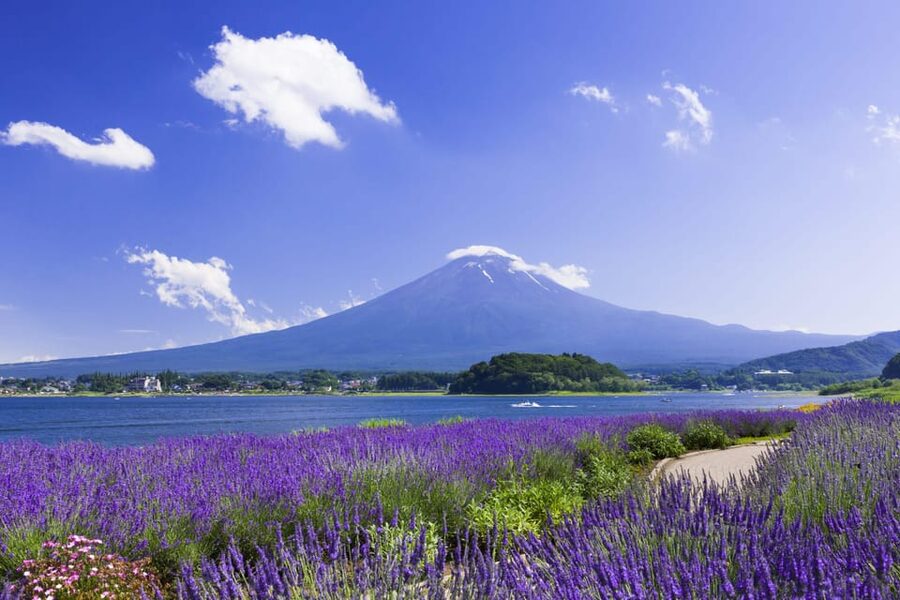
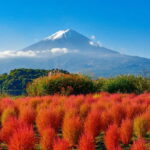
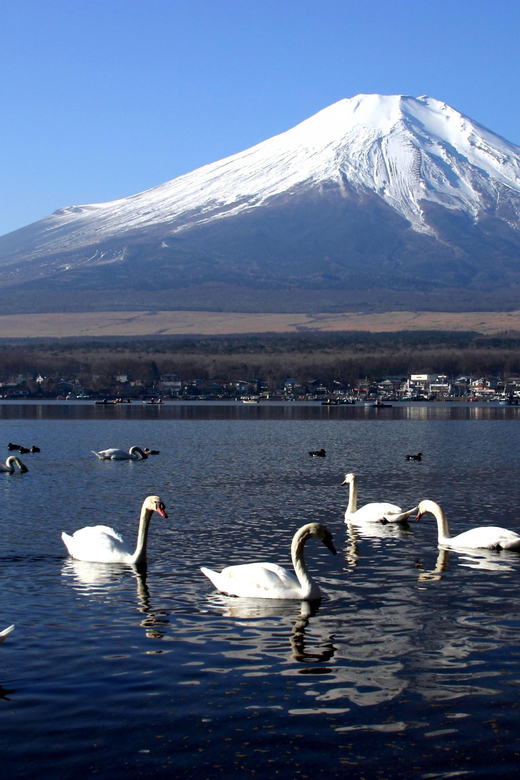
Oishi Park is a strong opening stop because it gives you the postcard version of Fuji: mountain, lake area, and seasonal flowers in one frame. The flower displays change with the season, so the color and feel of the park will depend on when you go. Autumn brings golden tones, while spring offers a more colorful setting.
You get about an hour here for a break, photos, walking, and sightseeing. That is enough for a relaxed look, but not an hour for a long wander through every corner. Bring comfortable shoes and keep your camera ready, since the mountain can disappear behind cloud while you are elsewhere.
I like this stop for its easy access to the view. You do not need a difficult hike to get a memorable Fuji photograph. The tradeoff is that it is a popular photo setting, so the most obvious viewpoints may feel busy at certain times.
Lake Kawaguchiko by the water
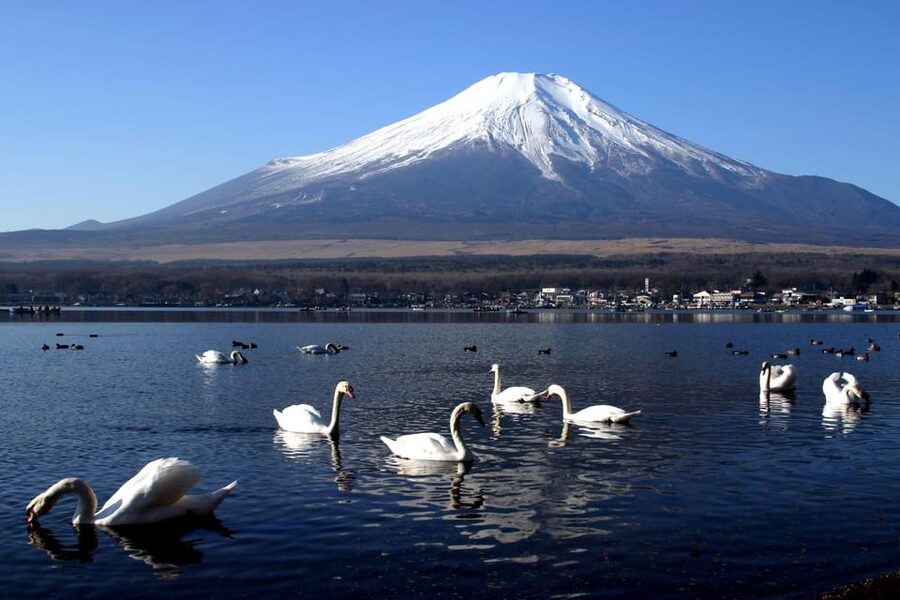
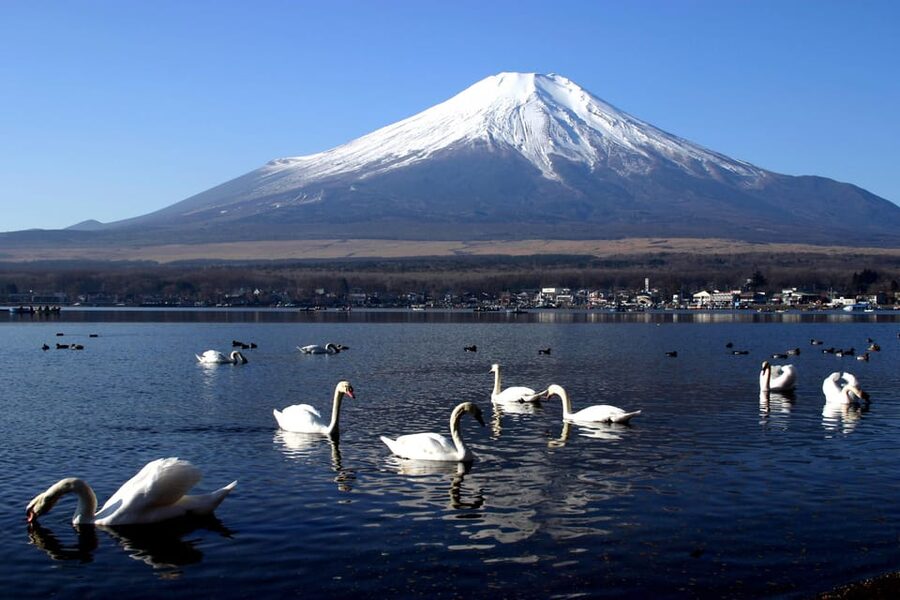
Lake Kawaguchiko gives you a quieter way to see the mountain. The tour allows about an hour for walking and sightseeing beside the lake, where the water may reflect Fuji if the weather cooperates. Even when the reflection is not perfect, the open view and fresh air provide a useful change from Tokyo’s dense streets.
The description also mentions the option to ride a TELEPHONE for a better view of the lake and Fuji, or to take an APPARE boat trip around the lake. Those names are not explained clearly, and tickets are not included, so ask the operator exactly which attraction is meant, how much time it takes, and what it costs before choosing it.
This is a good place to judge the pace of your day. If your group wants the optional ride or boat, you may need to spend less time at another stop. Since the tour is private, that choice is easier than it would be on a shared excursion, but the total day still has limits.
Oshino Hakkai, springs and old village details
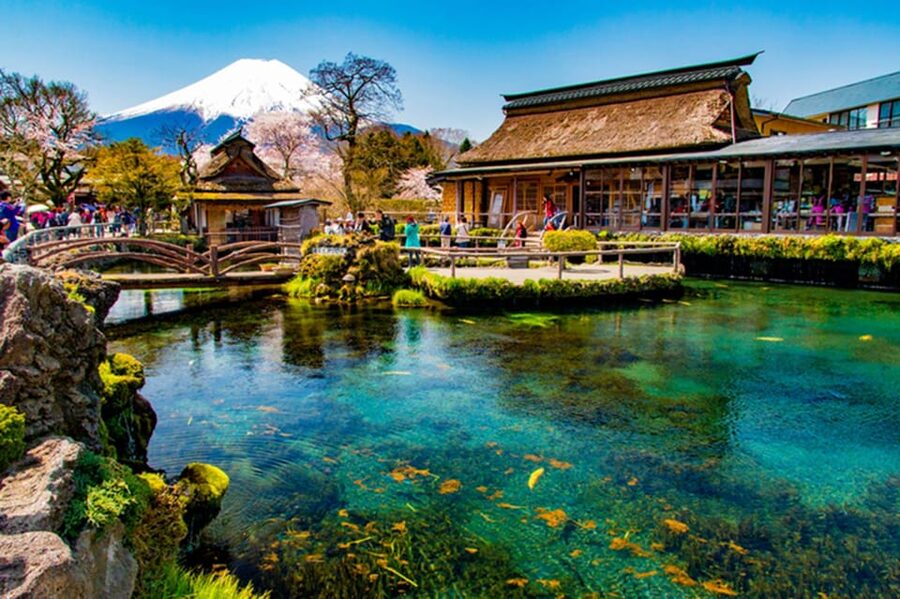
Oshino Hakkai changes the mood completely. Instead of a broad lake view, you walk among clear springs said to come from snowmelt from Mount Fuji. The ponds, small bridges, and traditional village setting make this more than a quick photo stop.
The visit is listed at 90 minutes, with guided sightseeing, walking, photographs, and shopping. That is one of the more generous stops in the plan, and it should give you time to look closely rather than simply step out, take a picture, and return to the van.
The water is the main visual draw, but the cultural side gives the stop its character. You can connect the springs with Fuji’s importance in local spirituality and daily life without needing a long formal lecture. Your guide can add context, point out good views, and help you decide how much time to spend browsing.
Keep your expectations practical. Oshino Hakkai is a sightseeing village, not an empty rural retreat. Shops and other people are part of the experience. If you want only silent nature, this may be less appealing than the lake. If you like food stalls, small purchases, clear water, and traditional buildings, it is a useful middle stop.

Fujiyoshida on the way to the pagoda
The itinerary gives Fujiyoshida about an hour for photos, walking, sightseeing, and scenic views along the way. The description does not name one fixed attraction in Fujiyoshida, which is actually helpful if you want the guide to adjust the route around weather, traffic, or your group’s interests.
Treat this portion as a flexible Fuji-area stop rather than a guaranteed landmark. Ask your guide what the planned Fujiyoshida visit will include on your date. That keeps the experience clear and prevents disappointment if you expect a specific shrine, street, or viewpoint that is not part of the final route.
The town also places you closer to Arakurayama Sengen Park, the setting for the day’s most famous photograph.
Chureito Pagoda and the climb for the view
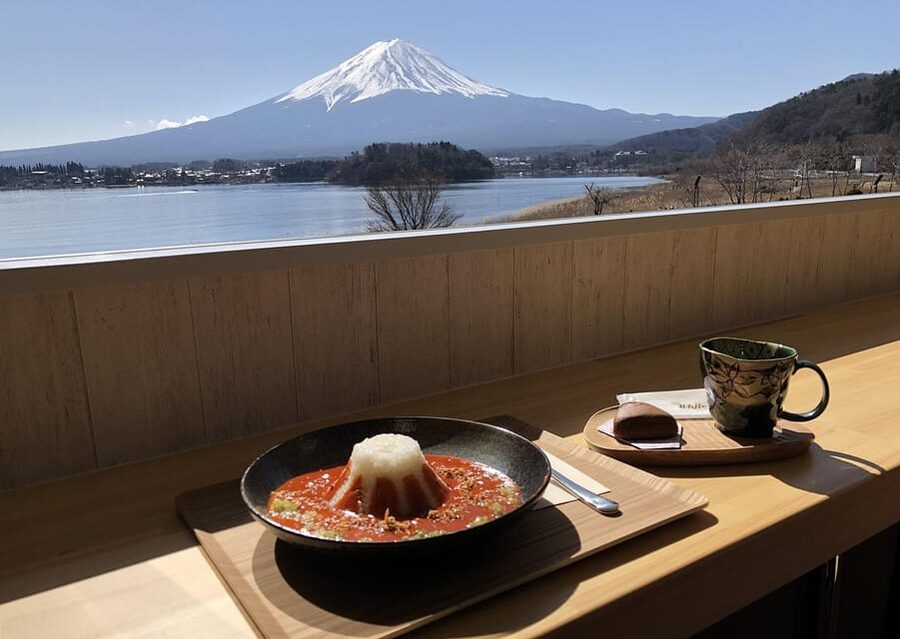
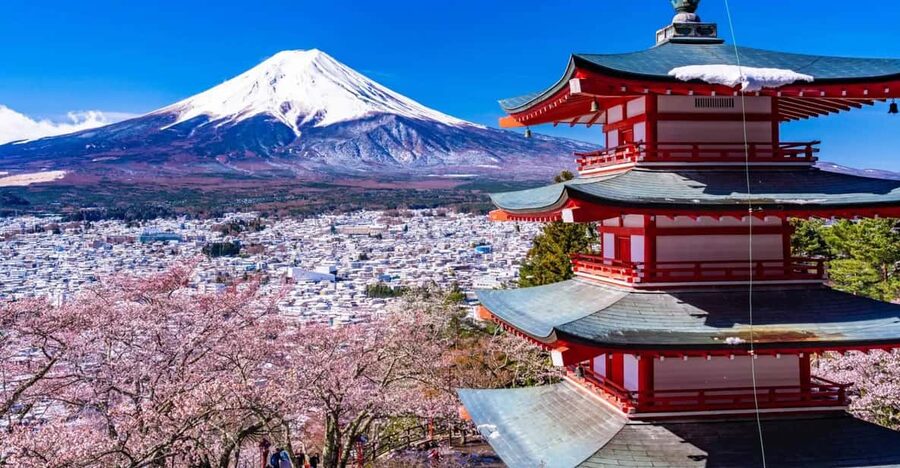
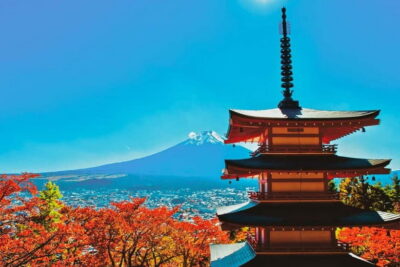
Chureito Pagoda is the visual payoff for many people. From Arakurayama Sengen Park, you look across the red-and-white pagoda toward Mount Fuji, with the surrounding area spread below. The scene is especially striking in clear weather and can be beautiful near sunset, which is why the final stop is scheduled for photography and self-guided sightseeing.
The listed time is 90 minutes. You should allow for walking and stairs, as the pagoda viewpoint is not beside the vehicle. Comfortable shoes are not a suggestion here. If anyone in your group has limited stamina, discuss the stop with the guide so you understand how much of the approach is practical.
This is a self-guided portion, so you may not receive a long explanation at the viewpoint. That can be a plus. You have time to frame photos, pause, and enjoy the view without being rushed through a speech. It can also mean you should ask questions before leaving the van if you want more background.
Sunset is not guaranteed to line up with the tour’s timing. Weather, traffic, and the season all matter, and Fuji may be hidden. Still, placing Chureito late in the route gives you a sensible chance at the soft light that makes this scene so popular.
Adding FujiQ Highland for a split-interest group
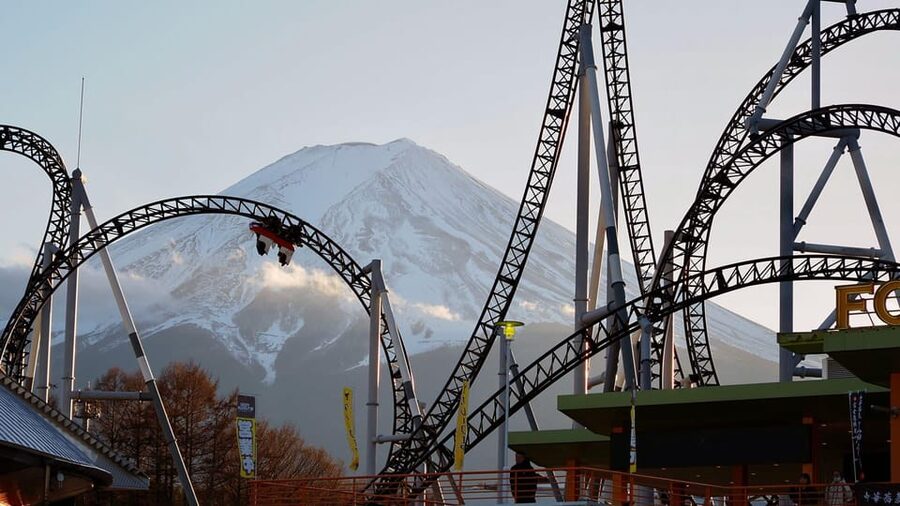
FujiQ Highland can be added for people who want an adrenaline rush while others prefer a gentler day. The description suggests that younger members of a group can enjoy the theme park while the rest of the party takes it easy, then everyone can reunite for the return to Tokyo.
Do not assume this addition fits automatically into the advertised schedule. Theme park time, entrance tickets, and extra costs are not included in the base price. Ask how FujiQ would replace or shorten the other stops, since trying to fit every viewpoint and a theme park into one day may leave everyone feeling hurried.
This option makes the private format more useful for families or groups with different ideas of fun. It is less attractive if your main aim is a slow Fuji photography day.
What the $292 price includes
At $292 per person, this is not a budget sightseeing outing. You are paying for private transport, pickup and drop-off, a fully insured vehicle, fuel, tolls, a multilingual driver-guide, Wi-Fi, water, cookies, and Japanese sweets. For a group that values privacy and door-to-door service, those costs can add up to a fair package.
The value depends heavily on group size. A couple pays a high per-person rate for a private vehicle, while a family or group can spread the transport cost across several people. You also avoid paying separately for gas, tolls, and the mental cost of arranging a complicated Fuji route.
Tickets and entrance fees are not included, and personal expenses are extra. Optional lake activities and FujiQ Highland may also add to the bill. I would treat the $292 as the transport and guided day price, not the final cost of every activity.
The strongest value is flexibility. A shared tour may be cheaper, but it usually cannot slow down for photos, switch the order of stops, provide a preferred language, or return you to a specific place in Tokyo.
Who will get the most from this outing
I would choose this tour if you want several famous Fuji views in one private day and do not want to manage the transport yourself. It fits couples, families, and small groups who value a comfortable vehicle and direct hotel pickup.
It is also a good match if you need Spanish, Portuguese, Japanese, or English support. Names connected with especially warm service include Marcelo, Cami, Camila, Hiroshi, and Anderson. Marcelo has been noted for patience, photos, useful conversation, and adapting to different physical limits. That kind of practical care matters more than a polished speech when the day includes stairs, walking, and changing weather.
I would hesitate if your budget is tight, if you want a slow stay at one lake, or if you need a firm seven-hour return time. The route covers a lot, and Fuji visibility is never guaranteed. A private vehicle improves your odds of using your time well, but it cannot control clouds, snow, or Tokyo traffic.
Comfortable clothes and shoes are the only listed packing requirements, but I would also bring a charged phone and extra space for photographs. The vehicle includes Wi-Fi and may include a charger, yet your own battery backup is still sensible for a photo-heavy day.
Cancellation is free up to 24 hours before the experience, and you can reserve now and pay later. Those terms help if your Tokyo plans are still moving, but they do not remove the need to confirm the actual timetable and language request.
Should you book this Fuji tour?
Book it if your priority is convenience, privacy, and a broad sample of the Fuji area. Oishi Park, Lake Kawaguchiko, Oshino Hakkai, Fujiyoshida, and Chureito Pagoda give you flowers, water, springs, village scenes, and the classic pagoda photograph in one organized outing.
The decision comes down to price and pace. At $292 per person, the tour makes the most sense for a group sharing a private vehicle, or for anyone who places a high value on hotel pickup, multilingual help, and an adjustable route. Confirm the 450-minute duration, clarify the optional lake activity, ask which guide language is available, and check how FujiQ Highland would change the day.
If those details suit you, this is a comfortable way to see Mount Fuji without wrestling with regional transport. If you want maximum time at one viewpoint or the lowest possible price, plan the Fuji area independently instead.
FAQ
How long does the experience last?
The activity is advertised as 7 hours, or 450 minutes. The detailed plan includes several stops and long drives, so confirm the exact start and return schedule before booking.
Is hotel pickup included?
Yes. Pickup is available from your hotel or Airbnb in Tokyo, and drop-off is provided at your hotel or another requested place within Tokyo’s 23 wards.
What vehicle is used?
Pickup is provided in a black Toyota Alphard. The vehicle is described as high quality, fully insured, and equipped with Wi-Fi and water.
Which languages are available?
Live guiding is available in English, Portuguese, Spanish, and Japanese. Request your preferred language when arranging the tour.
Are attraction tickets included?
No. Entrance fees and attraction tickets are not included. Personal expenses and extra places outside the main route also cost extra.
Can the itinerary be changed?
Yes. The operator says the route can be adapted to your own itinerary and places of interest within the tour schedule.
Can FujiQ Highland be added?
Yes, FujiQ Highland is available as an option, particularly for groups with members who want rides and adrenaline. Confirm the added cost and how it will affect the time at the other stops.
More Mt Fuji Day Trips in Tokyo
More tours in Tokyo we've reviewed


Mt Fuji Day Trips, compared.
 ★ 5.0Mt Fuji and Hakone 1-Day Bus Tour Return by Bullet TrainFrom $163
 ★ 4.0Mt Fuji & Hakone Cruise, Drum Show Bullet Train 1 Day from TokyoFrom $149
 ★ 4.4Tokyo Mt Fuji 5th St & Hakone Cruise Bus Tour w/Bullet TrainFrom $15410 hours
 ★ 4.5From Tokyo: Mount Fuji Full-Day Sightseeing TripFrom $6810 hours
 ★ 4.7Tokyo: Mt. Fuji Tour, Hakone Ropeway, Owakudani, Lake AshiFrom $5410 hours
 ★ 4.4Tokyo:Mt.Fuji,Kawaguchiko Oishi Park,Arakurayama Sengen ParkFrom $5410 hours