
Reviewed · UENO & YANAKA WALKS
Japanese Food Experience Night Tour in Ueno
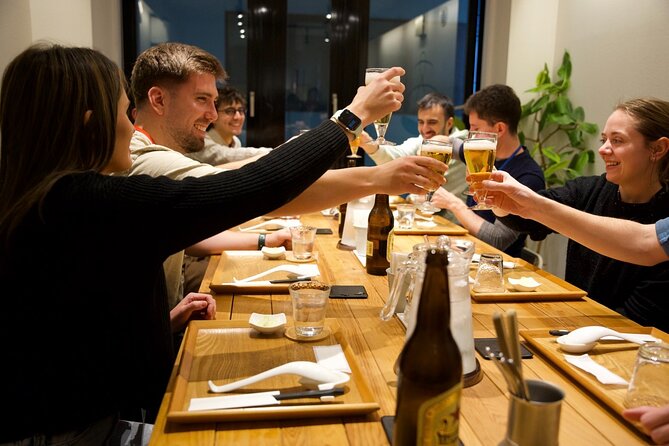
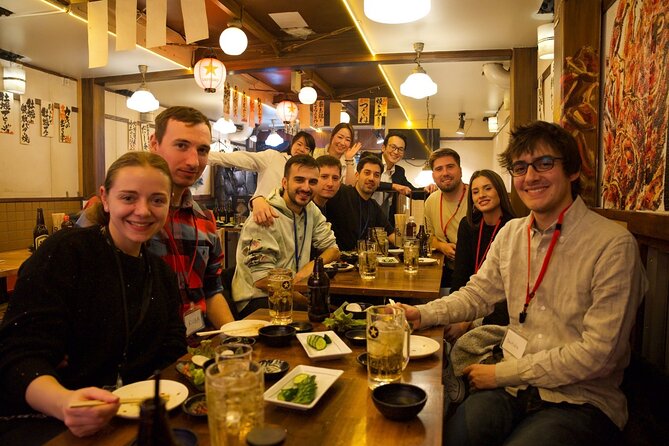
Ueno’s best food stories are often told at a counter, over a plate of yakitori or a glass of highball. This 210-minute evening tour takes you to three or four restaurants for about nine dishes, ramen, and roughly six drinks, with an English-speaking Japanese guide explaining the food and the neighborhood.
I like the small group of up to 10 people, which makes it easier to ask questions and share dishes. I also like the mix of food and local context: you are not simply eating, you are learning how Ueno fits into modern Tokyo. The main drawback is that menus and restaurants can change, and this is not a good choice if you have food allergies or need wheelchair access.
In This Review
- Key points at a glance
- Why Ueno makes a good food-tour base
- The first restaurant: a proper introduction to izakaya food
- The drinks: sake, highballs, hoppy, and local drinking customs
- Moving through three or four restaurants
- Ramen gives the evening a satisfying finish
- What the guide adds beyond the food
- Is $103 a fair price?
- Who should book this Ueno food tour?
- Booking, cancellation, and practical details
- Should you book the Japanese Food Experience Night Tour in Ueno?
- FAQ
- Where does the tour meet?
- How long does the tour last?
- How many restaurants will I visit?
- What food is included?
- What drinks are included?
- Who cannot join the tour?
Key points at a glance
- About nine dishes and ramen: Try foods such as yakitori, yakiton, sashimi, and a final bowl of ramen.
- Around six drinks: The tasting can include sake, highballs, hoppy, and other Japanese drinks.
- Three or four restaurants: You move through Ueno instead of sitting in one dining room all night.
- English-speaking local guide: Guides explain the neighborhood, its past, and present-day Japanese dining customs.
- Small-group format: The tour is limited to 10 participants, with a welcome drink and small souvenir included.
- Adults only: Participants must be at least 20, and comfortable walking shoes are essential.
Why Ueno makes a good food-tour base
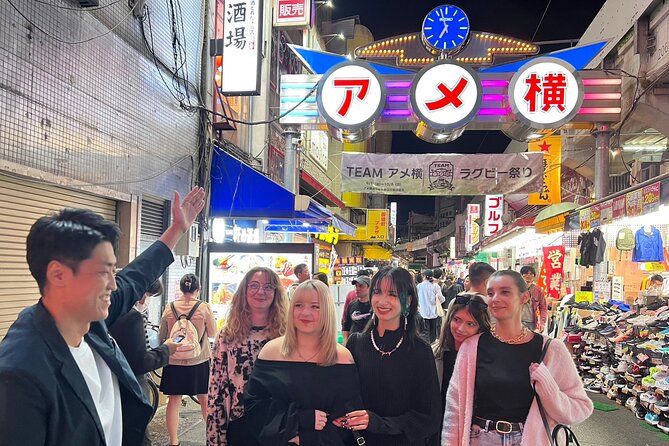
Ueno is known internationally for its park, museums, and transport connections. At night, another side of the district takes over. Around the station and nearby streets, Japanese diners gather at informal restaurants and bars for quick plates, drinks, and conversation.
That makes this a useful choice if you want more than the polished Tokyo often presented in guidebooks. Ginza, Shibuya, and Shinjuku have plenty of famous dining spots, but Ueno gives you a chance to follow the kind of evening route many local people use: small restaurants, shared food, and several stops rather than one formal meal.
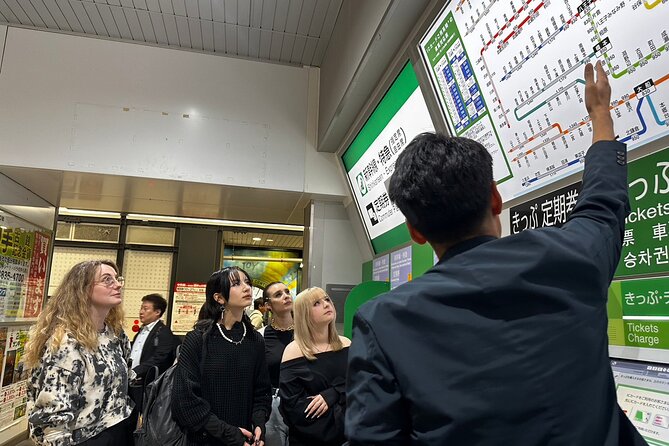
You meet at the restaurant on the 14th floor of Hotel Monday Premium Ueno Okachimachi. The meeting point matters, so allow enough time to find the hotel and reach the restaurant upstairs. Transportation to the meeting point is not included, and you make your own way there.
From the start, the guide sets the tone. The tour is led in Japanese and English, and the guide provides background on Ueno, the restaurants, and modern Japan. Nguyen is one guide associated with this experience, and the evening may also include assistant guides. That can add energy to the group, though the exact guide arrangement can vary.
A few more Tokyo tours and experiences worth a look
The first restaurant: a proper introduction to izakaya food
The opening stop introduces the style of dining that shapes much of the evening. An izakaya is not simply a bar and not quite a standard restaurant. It is a place for small plates, drinks, and an unhurried meal made up of several orders.
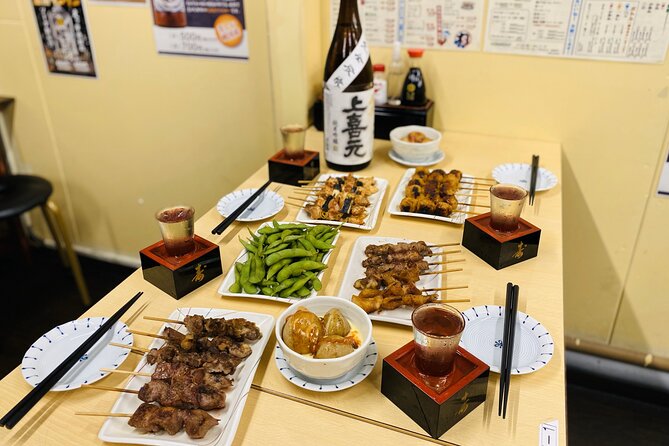
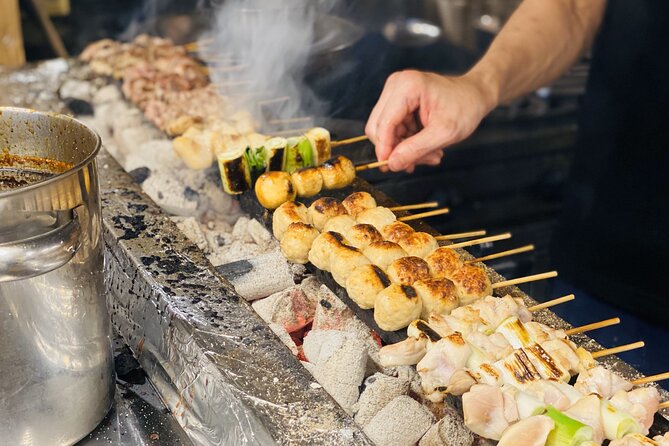
You can expect food such as yakitori, grilled chicken on skewers, and yakiton, grilled pork skewers. These dishes are practical for a multi-stop tour because they are easy to share and give you a direct taste of casual Japanese cooking. Sashimi may also be served, adding a fresh seafood course to the grilled items.
The useful part is the guide’s explanation. If you are unsure how to order or what belongs with which drink, you can ask as the meal unfolds. You also get a clearer sense of how Japanese diners use a restaurant like this, taking several modest plates instead of ordering one large main course.
The food is selected by the tour company, while each restaurant is responsible for its own food quality. That is worth keeping in mind. The selection is planned, but this is not a private chef experience or a fixed restaurant tasting with a guaranteed menu.
The drinks: sake, highballs, hoppy, and local drinking customs
Drinks are a major part of the evening, not an optional extra. The tour includes around six drink items in total, with possible choices such as sake, highball, and hoppy.
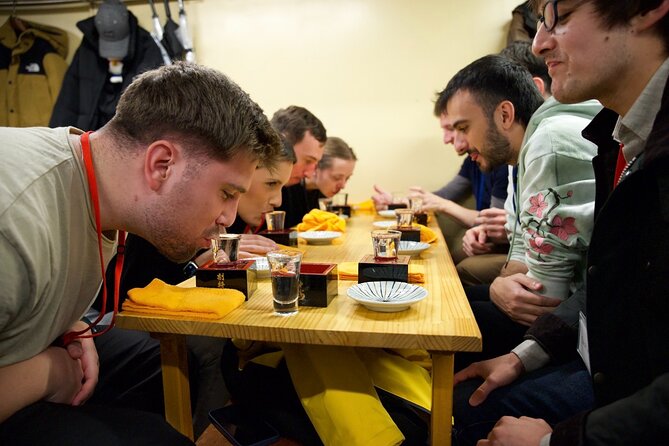
Sake gives you a chance to try Japan’s best-known traditional alcohol. A highball, commonly whisky mixed with soda, is lighter and refreshing. Hoppy is another familiar Japanese drink often associated with casual bars. The exact drinks can change, so think of the list as a guide to the style of the experience rather than a promise of six specific brands or pours.
I like this arrangement because it connects the food to everyday dining habits. You are not just sampling alcohol in isolation. You are trying drinks alongside skewers, seafood, noodles, and other small dishes, which gives the evening a more natural rhythm.
Still, pace yourself. Six drink items over three and a half hours may be manageable for some people but tiring for others. You should be comfortable drinking alcohol, and the tour is restricted to people aged 20 and older. The supplied details do not promise nonalcoholic substitutions, so ask before booking if that matters to you.
Moving through three or four restaurants
The route includes about three or four restaurants, followed by ramen as part of the food program. This is the feature that turns dinner into a neighborhood experience.
At one place, the focus may be skewers. At another, you might find sashimi or other small plates. The point is variety, both in food and in setting. You see how different restaurants serve different roles in a Japanese night out, rather than judging Ueno from a single table.
The exact order and menu are subject to change without notice. That flexibility is normal for a walking food route, but it also means you should not book this expecting a precise dish-by-dish guarantee. You are paying for a guided evening with a planned range of food, drinks, and local stops.
Wear comfortable shoes. The tour lasts 210 minutes and involves moving between restaurants, so stiff footwear can make a pleasant evening less pleasant. Large bags and luggage are not allowed, and pets cannot join. Plan to leave suitcases at your accommodation before arriving.
Ramen gives the evening a satisfying finish
Ramen is included, which gives the route a clear finish. After several shared plates and drinks, a bowl of noodles provides the familiar comfort of a full meal.
The details of the ramen are not specified, so you should not expect a particular broth, topping, or restaurant. The strength of including it is the sense of progression: grilled items and sashimi early on, drinks along the way, then noodles near the end.
If you have a large appetite, the amount of food should be reassuring. The tour includes around nine dishes plus ramen, and the portions are designed as part of a multi-stop meal. If you prefer light eating, the steady flow of dishes and alcohol may feel like a lot. You can manage your pace, but you should arrive ready for a substantial evening rather than a small tasting.
A few more Tokyo tours and experiences worth a look


What the guide adds beyond the food
The guide is the reason this tour is more useful than simply choosing restaurants on your own. You receive information about Ueno’s history and modern Japan while moving through the district.
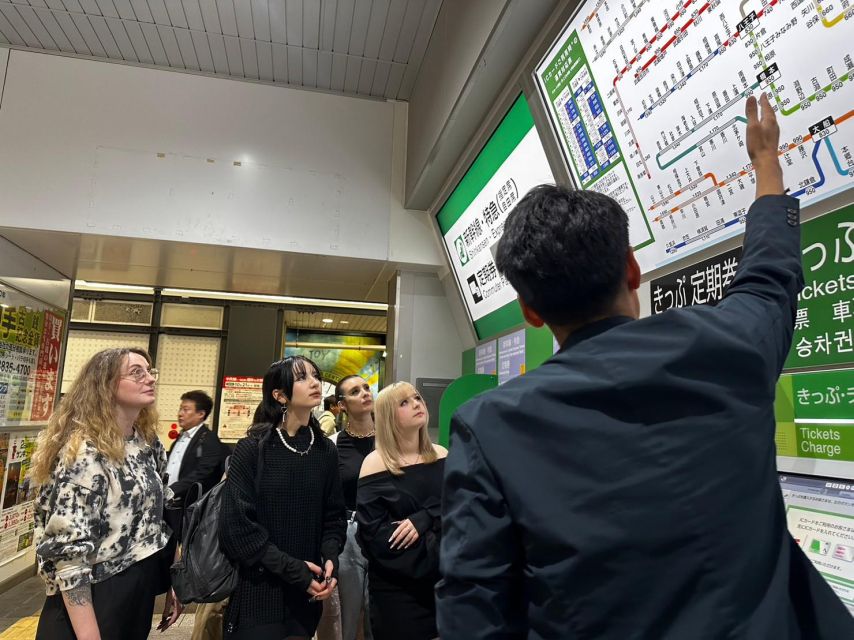
That context helps you notice details you might otherwise pass. You can ask about the food, the restaurants, and local dining habits as they come up. The English-speaking format also removes some of the uncertainty that can make casual Japanese restaurants difficult for a first-time visitor.
The small group helps here. With a maximum of 10 participants, you are less likely to lose the guide’s explanations in a crowd, and it is easier to ask a quick question. The tour may include two main guides or additional assistant guides. Nguyen, in particular, is described as an enthusiastic and capable guide who made the evening friendly and informative.
I would not book this if you want a quiet, private dinner. The social side is part of the experience, and moving with a group through several restaurants can be lively. If you like meeting people and comparing dishes, that is a benefit. If you want to choose every restaurant and control the timing, an independent evening may suit you better.
Is $103 a fair price?
At $103 per person, the value depends on how you normally approach Tokyo dining. You receive about nine food items at three or four restaurants, ramen, around six drinks, a welcome drink, a small souvenir, and a local English-speaking guide for three and a half hours.
That is more than the cost of one casual meal, but the comparison is not simply food against food. The price also covers the planning, the restaurant route, the language help, and the chance to order with confidence. For someone new to Japan, those services can prevent an evening of guesswork.
The value is strongest if you plan to drink, want several different kinds of food, and care about local context. It is weaker if you do not drink alcohol, have strict dietary needs, or would rather spend $103 on one carefully chosen meal.
The provider, JHAT Co., Ltd., operates 24 hotels in Japan, and this experience is connected with that hotel company. That may make the meeting point convenient for some people staying nearby, but you should not assume hotel accommodation is included. It is not.
Who should book this Ueno food tour?
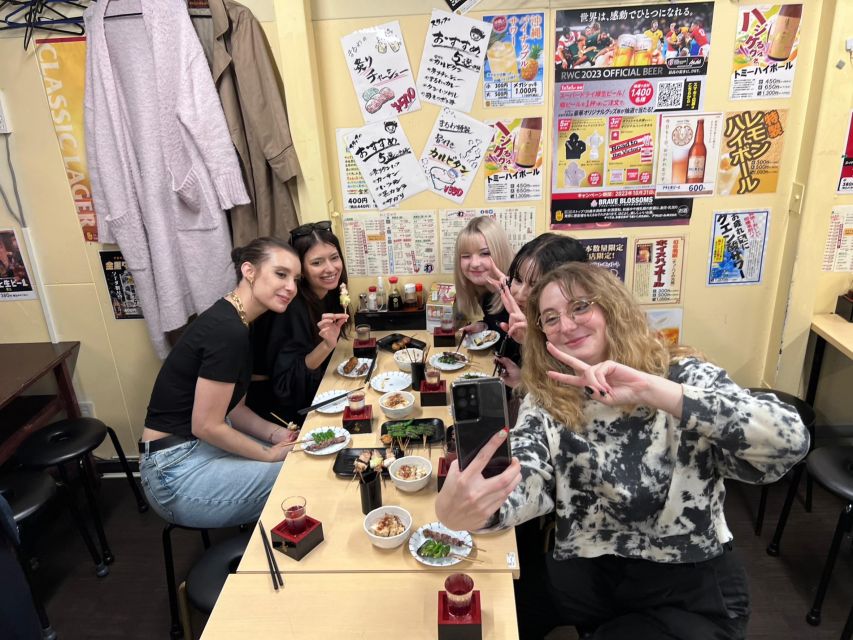
I would recommend it to first-time visitors who want a guided introduction to casual Japanese food. It also suits solo visitors and couples who prefer a social evening, since a small group can make it easier to meet people without joining a huge bus tour.
Food-focused visitors will appreciate the range. You get grilled meat, seafood, noodles, and Japanese drinks in one evening. The guide’s commentary also gives you a better basis for choosing restaurants later in your trip.
This tour is less suitable for anyone under 20, anyone with food allergies, and wheelchair users. The allergy rule is especially important: you are responsible for handling your own allergies, and the restaurants or menu can change. If you have dietary restrictions, contact the operator before booking and do not assume substitutions will be available.
You should also think about your walking comfort. The tour is not described as a long hike, but it is a moving restaurant route. Comfortable shoes are required, and large bags cannot come along.
Booking, cancellation, and practical details
The tour lasts 210 minutes, but starting times depend on availability. Check the date and time carefully before reserving, especially if you have a tight evening schedule.
You can reserve now and pay later, which is useful if you are still arranging your Japan plans. Free cancellation is available up to 24 hours in advance for a full refund.
At the meeting point, you receive a document explaining the participation conditions. You must read it and sign the consent form before taking part. This is a formal requirement, so arrive prepared to complete that step.
The schedule and menu may change without notice. Consider the published food list a solid outline rather than a fixed contract. You can expect the general style of the evening, but not necessarily every restaurant or dish named in advance.
Should you book the Japanese Food Experience Night Tour in Ueno?
Book it if you want a guided, social introduction to Ueno’s casual dining scene, especially if yakitori, yakiton, sashimi, ramen, sake, and highballs all sound appealing. The combination of three or four restaurant stops, a generous food selection, and local commentary gives you a full evening rather than a single reservation.
Skip it if you need guaranteed allergy-friendly food, dislike alcohol, use a wheelchair, or prefer complete control over your dinner. For everyone else, the tour offers a practical way to get beyond Tokyo’s most famous districts and spend an evening eating in places chosen for a local Japanese audience.
FAQ
Where does the tour meet?
The meeting point is the restaurant on the 14th floor of Hotel Monday Premium Ueno Okachimachi.
How long does the tour last?
The experience lasts 210 minutes, or three and a half hours. Starting times depend on availability.
How many restaurants will I visit?
The tour includes about three or four restaurants in the Ueno area. The schedule and restaurant selection can change without notice.
What food is included?
The food includes around nine dishes at the restaurants, plus ramen. Possible foods include yakitori, yakiton, and sashimi.
What drinks are included?
Around six drink items are included in total. Possible drinks include sake, highballs, and hoppy. A welcome drink is also included.
Who cannot join the tour?
The tour is not suitable for people under 20, people with food allergies, or wheelchair users. Pets and luggage or large bags are also not allowed.
More Food Experiences in Tokyo


More Night Tours in Tokyo
More Ueno & Yanaka Walks in Tokyo
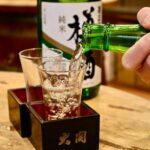
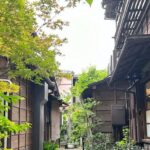
More tours in Tokyo we've reviewed










Ueno & Yanaka Walks, compared.
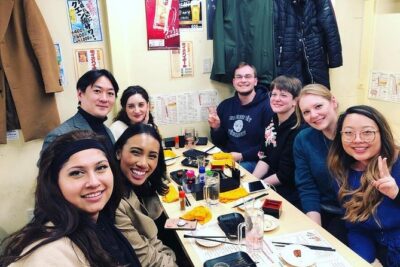 ★ 5.0Eat and Drink Like a Local: Tokyo Ueno Food Tour-Taverns&RamenFrom $95
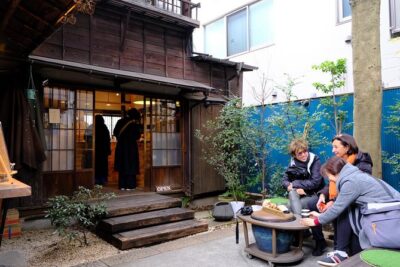 ★ 4.5The Old Quarter of Tokyo – Yanaka Walking TourFrom $40
 ★ 5.0Yanaka Walking Tour: Historic and Traditional District of TokyoFrom $72
 ★ 4.8Tokyo: Old Quarter Yanaka Walking TourFrom $323 hours
 ★ 5.0Tokyo: Food Tour in Ueno with 10+ Tastings of Japanese ClassicsFrom $142
 ★ 4.9Tokyo:Stroll in Old traditional culture towns~Yanaka & NezuFrom $293h 30m