
Reviewed · SUSHI MAKING CLASSES
How to use Japanese knife, Tuna Cutting and Sushi Workshop
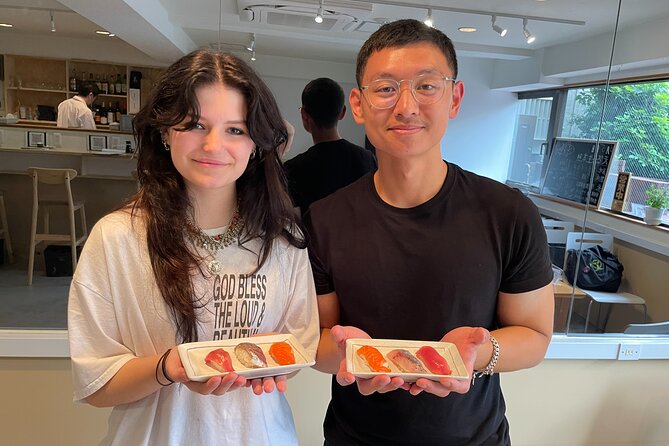
Cutting a tuna block is normally a professional’s job, not a holiday activity. In this small Tokyo workshop, you handle the knife yourself, learn which parts of the fish become which cuts, then use your tuna to make sushi and eat it for breakfast.
I like the hands-on tuna cutting, since it gives you a better sense of sushi craft than simply watching a chef work. I also like the small group size, with no more than 10 people, and the fact that the tuna and sushi ingredients are included.
The main drawback is the price: $182.43 for about two hours is a serious outlay for a short class. You are paying for a rare, guided experience rather than a long meal, so it suits curious food lovers more than anyone seeking a cheap breakfast.
In This Review
- Key points at a glance
- What makes the tuna lesson special
- Inside the Tokyo meeting point
- Learning the parts of a tuna block
- Shaping sushi after the knife work
- The instructors and group atmosphere
- How much value do you get for $182.43?
- What the morning does and does not include
- Timing, transport, and booking advice
- Who should book this sushi workshop?
- Is the two-hour format enough?
- Final verdict: should you book it?
- FAQ
- Where does the tuna and sushi workshop begin?
- What time does the activity start?
- How long does the workshop last?
- Where does the activity finish?
- Are tuna and sushi ingredients included?
- How many people can join the activity?
- Is the workshop near public transportation?
- What is the cancellation policy?
Key points at a glance
- Cut a real block of tuna: Learn how a sushi chef separates and uses different parts of the fish.
- Make and eat your own sushi: Your tuna and other sushi ingredients are included in the price.
- Learn from a professional maker: The chef explains knife handling, tuna cuts, and sushi preparation.
- Meet at 9:30 am in Azabujuban: The meeting point is at Sanpia Azabujuban in Minato City.
- Keep the group intimate: A maximum of 10 people allows for more direct instruction.
- Allow two hours: The activity begins and ends at the same Tokyo meeting point.
What makes the tuna lesson special
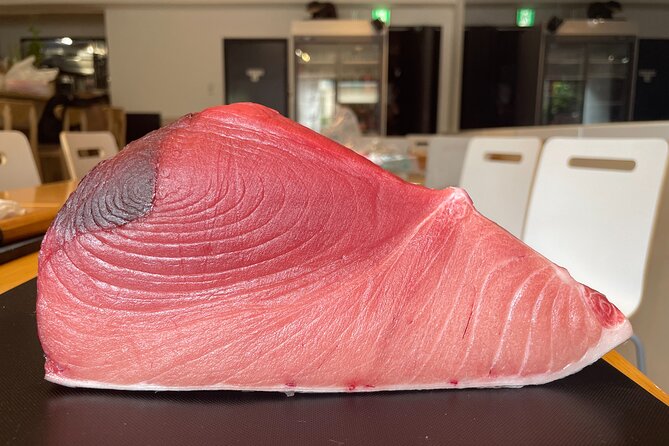
Most sushi classes start with rice, toppings, and a few easy shapes. This one begins further upstream, with the fish itself. You learn about tuna before you turn it into food, including how a chef recognizes and uses different sections of the fish.
That matters because sushi is not just a matter of placing raw fish on rice. The cut affects the texture, appearance, and way the fish is eaten. By working with a tuna block, you get a practical look at a skill usually kept behind the counter.
The chef demonstrates the proper cut before you try it yourself. You should expect guidance rather than total independence. That is a good thing here. A professional knife is a serious tool, and a short lesson is much more useful when the instructor watches your technique and corrects it.
The activity is designed for beginners, not trained chefs. Still, you should be ready to pay attention. Cutting fish properly takes control and precision, and the class gives you a quick lesson in why sushi chefs spend years practicing.
A few more Tokyo tours and experiences worth a look

Inside the Tokyo meeting point
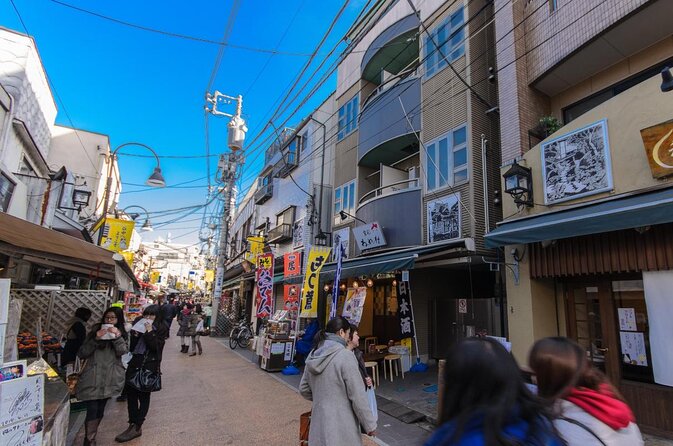
You meet at 9:30 am at Sanpia Azabujuban, 3-chome in Azabujuban, Minato City, Tokyo, postal code 106-0045. The location is described as easy to find and close to public transportation, which helps with an early start in a city where a wrong turn can cost you half an hour.
The meeting point is also the end point, so you do not need to arrange a separate pickup afterward. That makes the workshop easy to fit into a morning schedule. You can continue exploring Tokyo from the same general part of the city once the two-hour session finishes.
I would still arrive early. The listed start time is precise, and the activity has a small maximum group size. A late arrival could affect your own lesson and the pace of everyone else’s.
Your mobile ticket is useful for showing confirmation at the meeting point. Booking confirmation is sent within 48 hours, subject to availability, so do not assume your place is final until that confirmation arrives.
Learning the parts of a tuna block
The first lesson is about the tuna itself. The chef explains the different portions and how they are treated for sushi. This is the most unusual part of the experience, since it moves beyond the familiar restaurant menu and shows you the work behind the slices on your plate.
You will cut tuna alongside the sushi chef. The exact number of cuts is not specified, but the activity allows you to work with the fish rather than only watch a demonstration. Past sessions have also included several tuna cuts and explanations of Edo-style sushi, giving the food a useful Tokyo connection.
The knife lesson is likely to be the part that demands the most focus. You are not simply chopping. The chef shows you how to make an attractive cut and how much technique goes into producing a clean piece of fish.
That can be humbling, in a useful way. Sushi looks simple when an expert makes it. A short attempt shows you why the craft is harder than it appears, and you leave with more respect for the person preparing your breakfast.
Shaping sushi after the knife work
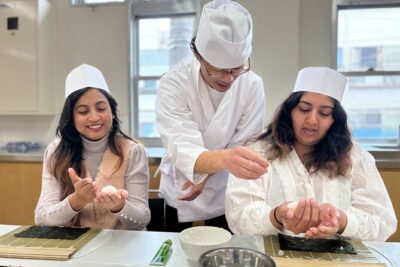
Once the tuna is prepared, you use it to make sushi. The class includes the sushi ingredients, so you do not need to shop for fish, rice, or basic components before arriving.
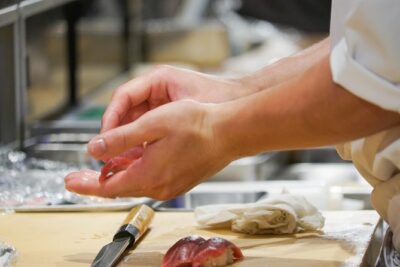
The focus is on making attractive sushi, not just assembling something edible. You receive instruction from the chef, then try the technique yourself. A historical introduction may also be part of the lesson, giving context for Edo sushi and the way Tokyo’s sushi tradition developed.
This is a good sequence. First you learn where the fish comes from and how it is cut. Then you see how that cut works with rice. The two parts belong together, and the workshop gives you a clearer idea of how much preparation sits behind a small piece of nigiri.
The food is eaten at breakfast after the preparation. That early meal is part of the appeal, especially if you want a Tokyo morning that feels different from a hotel buffet. You make the food, then eat the result while the lesson is still fresh.
The instructors and group atmosphere
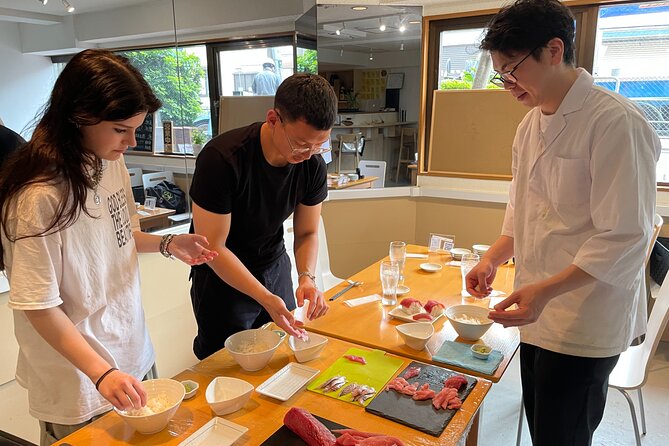
The instruction comes from a professional sushi maker, with translation support when needed. The team has included Amy as an enthusiastic translator, as well as Azusa and Adam, who have led food-focused sessions and explained the process clearly.
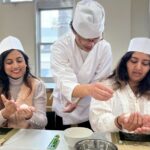
Because the group is capped at 10, the format should feel more personal than a large cooking demonstration. You can watch the chef’s hand position, ask questions, and get a chance to practice instead of standing at the back of a crowded room.
The social side is another quiet benefit. You work around the same table with a few other people, and the hands-on task gives you an easy way to talk. It is less forced than a formal group introduction, since everyone is concentrating on the same knife and sushi techniques.
The experience is suitable for families and couples, and it has also worked well for parents and children learning together. If you bring children, remember that the activity involves a sharp knife and raw fish. The provided information does not give a minimum age, so confirm suitability before booking for young children.
A few more Tokyo tours and experiences worth a look


How much value do you get for $182.43?
At $182.43 per person, this is not a bargain meal. You could eat excellent sushi in Tokyo for less, and you could find longer cooking classes at a lower hourly cost.
The value comes from the access and instruction. You are not paying only for a plate of tuna. You are paying to handle a fish block, receive professional guidance, learn about the parts of tuna, prepare sushi, and eat what you made. Those are details that a normal restaurant visit cannot provide.
The maximum of 10 also matters. A smaller class usually gives you more time with the instructor, although the listing does not promise one-to-one coaching. If the chef spends much of the two hours demonstrating, your personal cutting time may be limited.
I would book this if the technique interests you more than the meal alone. It is particularly worthwhile for someone who has already eaten sushi in Japan and wants to understand what happens before the plate reaches the counter.
I would skip it if your main goal is simply a generous sushi breakfast. The experience is short, and the price reflects its specialist nature.
What the morning does and does not include
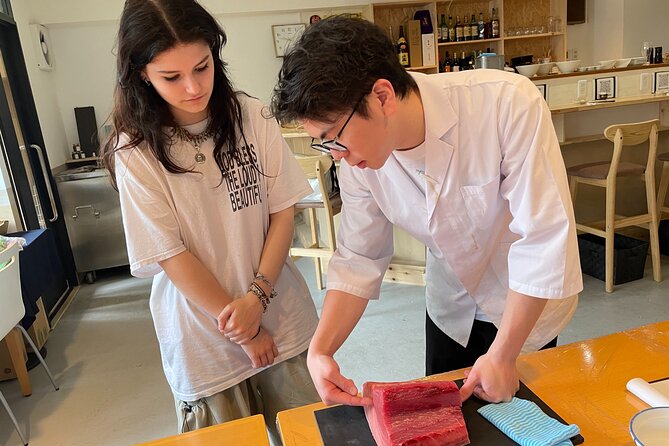
The core activity is clearly the tuna cutting and sushi workshop at the Azabujuban meeting point. Tuna and sushi ingredients are included, and the class ends back where it began.
Some descriptions connected with this experience also refer to Toyosu Market, tuna buying, wholesale seafood, and a market visit before the sushi lesson. Those elements appear in accounts of longer food-focused outings, but they are not clearly listed as part of this two-hour workshop. Do not book this version expecting a full market tour unless the operator confirms it directly.
That distinction is important. Toyosu is a major reason many food lovers visit Tokyo, but the practical details here point to a focused class in Azabujuban. You should plan your day around tuna preparation and sushi making, not assume you will see an auction or wholesale floor.
The workshop also does not promise a full meal beyond the sushi you prepare, a market shopping stop, or a take-home portion. The food is intended to be made and eaten during the session.
Timing, transport, and booking advice
The 9:30 am start makes this a useful first activity of the day. You finish after roughly two hours, leaving time for another Tokyo neighborhood, museum, or meal.
The meeting point is near public transportation, but the supplied information does not name a particular station or line. Check the exact route from your accommodation on the morning of the class rather than relying on a last-minute map search.
The activity usually attracts bookings well in advance, with an average booking lead time of 71 days. That does not mean you must reserve 71 days ahead, but it is a warning for busy travel seasons and limited morning dates.
Free cancellation is available until 24 hours before the start time. If you cancel inside that window, you do not receive a refund, and late changes are not accepted. The experience may also be canceled for poor weather or because too few people book. In those cases, you are offered another date or a full refund.
Who should book this sushi workshop?
I would recommend it to you if you:
- Enjoy food experiences that teach a real skill
- Want more than a standard sushi meal
- Are curious about tuna anatomy and professional knife work
- Prefer a small group over a large demonstration
- Like meeting other people during a hands-on activity
- Can justify a premium price for a short, unusual experience
It is especially good for repeat visitors to Tokyo. If you have already seen the major sights, cutting tuna with a sushi chef offers a different way to understand the city’s food culture.
Families can also enjoy it, particularly if older children are interested in cooking. The lack of a stated minimum age means you should confirm the rules before reserving for a child.
You may want to choose another activity if you dislike raw fish, have no interest in handling a knife, or want a full market tour. The class is built around both the preparation and eating of tuna, so those are not minor parts of the morning.
Is the two-hour format enough?
Two hours is enough for a clear introduction, but not enough to make you a sushi chef. You learn the basic logic of the work, practice a few cuts, shape sushi, and eat it. You do not receive the years of repetition that professional preparation requires.
That short format is also convenient. You get a focused lesson without giving up a full day in Tokyo. For many people, that is the right balance: enough detail to make the craft memorable, but not so much time that the experience becomes tiring.
Think of it as a carefully guided first look rather than a complete cooking course. You may leave wanting more practice, which is a fair result for a beginner workshop.
Final verdict: should you book it?
Book this experience if you want an unusual, food-centered Tokyo morning and are willing to pay for personal instruction. The best reasons are the rare chance to cut a tuna block, the professional chef’s guidance, the included ingredients, and the small group limit.
The price is high for two hours, and you should not assume the class includes a Toyosu Market visit unless that is confirmed separately. Still, for a sushi fan who values technique and local food knowledge, this is more memorable than simply ordering another plate of nigiri.
If you want a practical introduction to tuna and sushi, the workshop is a strong choice. If you want the cheapest breakfast or a longer market excursion, spend your money elsewhere.
FAQ
Where does the tuna and sushi workshop begin?
It begins at Sanpia Azabujuban, 3-chome, Azabujuban, Minato City, Tokyo, Japan, 106-0045.
What time does the activity start?
The activity starts at 9:30 am.
How long does the workshop last?
The experience lasts approximately two hours.
Where does the activity finish?
It finishes back at the meeting point in Azabujuban.
Are tuna and sushi ingredients included?
Yes. The tuna and sushi ingredients are included in the price.
How many people can join the activity?
The group has a maximum of 10 participants.
Is the workshop near public transportation?
Yes. The meeting point is near public transportation.
What is the cancellation policy?
You can cancel for a full refund up to 24 hours before the experience starts. Cancellations or changes made less than 24 hours before the start time are not refunded or accepted. If the operator cancels because of poor weather or too few participants, you are offered another date or a full refund.
More Workshops & Classes in Tokyo
More Sushi Making Classes in Tokyo
More tours in Tokyo we've reviewed











Sushi Making Classes, compared.
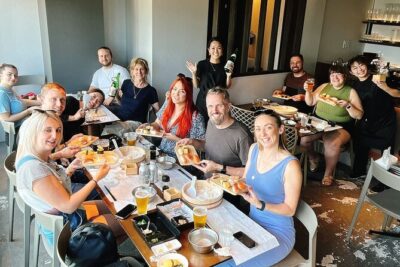 ★ 5.0Sushi Making Tokyo Roll and Authentic Japanese Sushi ClassFrom $59
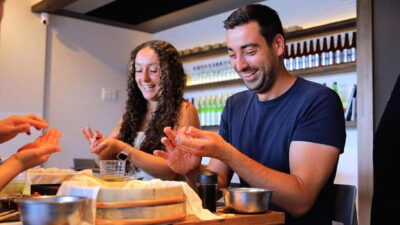 ★ 4.9Tokyo: Roll and Authentic Sushi Making Class in AsakusaFrom $581h 40m
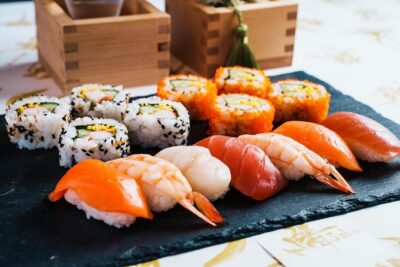 ★ 5.0Make Sushi and Create Unforgettable Memories in TokyoFrom $79
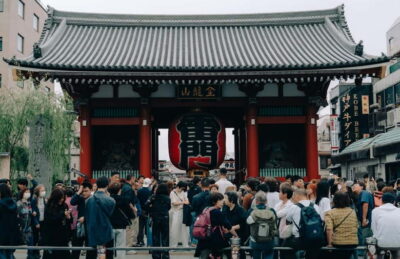 ★ 4.9Tokyo: Sushi Making Class in a Happi Coat near a Famous SpotFrom $421h 30m
 ★ 5.0Tokyo Sushi Making Class in Tsukiji with Professional ChefFrom $49
 ★ 5.0Tokyo Night Foodie Tour in Shinjuku – Seasonal Sushi, Wagyu BeefFrom $111