
Reviewed · SUSHI MAKING CLASSES
Hands On Wagyu Sushi Making Experience
Premium Wagyu takes the place of raw fish in this hands-on Tokyo sushi class, giving you a very different way to learn a familiar Japanese dish. In about 90 minutes, you’ll shape nigiri, gunkan maki, and temaki, then plate and eat what you make.
I like the small six-person limit, which should give you room to follow each step and ask for help. I also like that Hiroko and Saori teach the class in English and cover both the sushi rice, called shari, and the proper way to cook the beef.
The main drawback is clear: this is not suitable for vegans or vegetarians, and the $104.51 price is a serious spend for a short class. You’ll need at least two people to book, too.
In This Review
- Key points to know before booking
- Wagyu instead of the usual raw fish
- A 90-minute lesson with real hands-on work
- Learning from Hiroko and Saori
- Why the plating lesson matters
- What the Wagyu changes
- Is $104.51 a fair price?
- Planning the meeting point and timing
- Who will enjoy this class most?
- Final verdict: book it for the food and the format
- FAQ
- How long does the Wagyu sushi class last?
- What time does the class start?
- What types of sushi will I make?
- Is lunch included?
- Are ingredients and cooking equipment provided?
- Can I cancel for a full refund?
Key points to know before booking
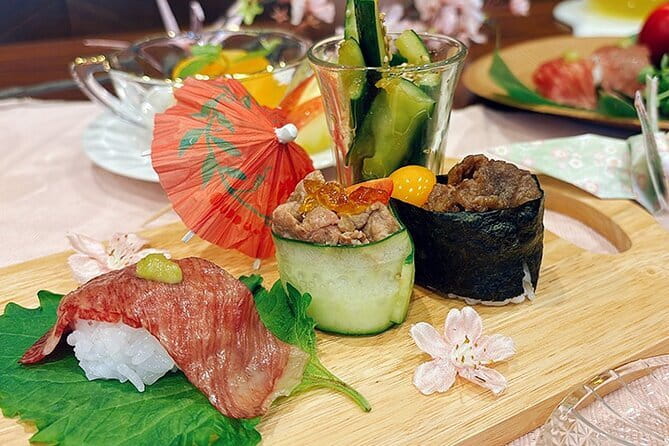
- Three Wagyu sushi styles: Make nigiri, gunkan maki, and temaki rather than only one basic roll.
- A six-person maximum: The compact group keeps the lesson personal and practical.
- English-speaking instructors: Hiroko and Saori guide you through the recipes and techniques.
- Lunch is included: You eat the sushi you prepare instead of leaving with only a recipe card.
- Everything is supplied: Ingredients and cooking equipment are provided, along with downloadable photographs taken during the experience.
- A central midday activity: The class starts at 12:00 pm near public transportation and finishes at the same meeting point.
Wagyu instead of the usual raw fish
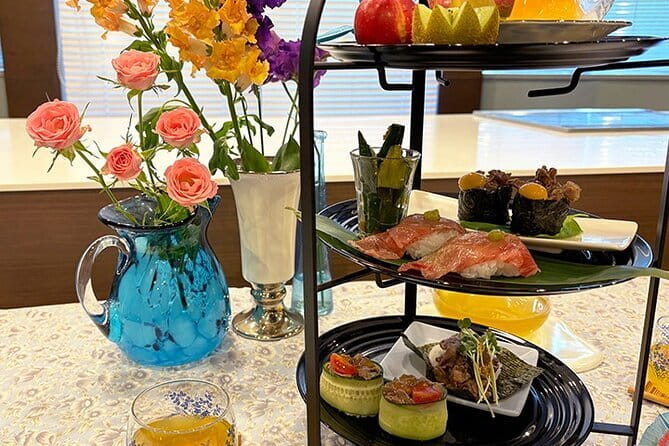
The appeal here is simple. You get the hands-on craft of sushi-making without centering the meal on fish or seafood. Premium Wagyu brings a luxurious, savory flavor to the rice and seaweed, and it gives meat lovers a good reason to try a sushi class in Tokyo.
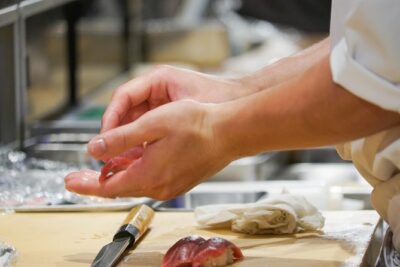
This is not presented as a standard sushi-rolling lesson. You’ll work with several forms: nigiri, gunkan maki, and temaki. That variety matters because each style asks you to handle the ingredients in a different way.
Nigiri gives you the classic pairing of rice and topping. Gunkan maki uses a seaweed wrapper that forms a small cup around the filling. Temaki is the cone-shaped hand roll, which has a more relaxed feel and lets you build the sushi by hand.
The class also covers how to prepare the shari. That is useful because sushi rice is not just ordinary cooked rice placed under a topping. Its texture, seasoning, and shape affect the whole bite. You’ll also learn how to cook the Wagyu, an important part of this particular class since the meat must work with the rice rather than overwhelm it.
A few more Tokyo tours and experiences worth a look

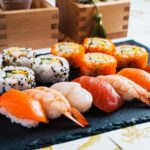
A 90-minute lesson with real hands-on work
The activity begins at noon in Tokyo and lasts about an hour and a half. You meet at the designated location, with no hotel pickup or drop-off included, so you’ll need to make your own way there. The location is near public transportation, which makes this easier to fit into a day of sightseeing.
Expect the class to move through preparation, shaping, cooking, and plating. Ingredients and equipment are supplied, so you do not need to shop for specialty items or bring cooking tools. That makes the experience practical for a visitor with limited time and no kitchen access.
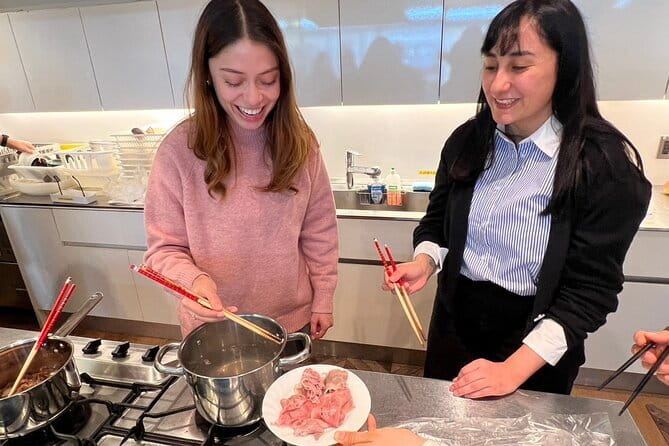
The lesson is designed for participation, not just watching a chef work. You’ll be shown how to make the different Wagyu sushi styles, then have the chance to prepare your own. The instructors help at each step, which is especially useful when shaping rice or handling the seaweed.
At the end, the food becomes your lunch. I like this arrangement because it gives the class a satisfying finish. You are not simply practicing with sample ingredients and then heading out to find a meal. The cooking session and lunch are tied together.
The 90-minute length is also a useful middle ground. It is long enough to learn several techniques, but short enough to fit before an afternoon visit to another part of Tokyo. Still, anyone expecting a full-day Japanese cooking course should adjust their expectations. This is a focused introduction to Wagyu sushi, not a broad survey of Japanese cuisine.
Learning from Hiroko and Saori
The instructors, Hiroko and Saori, are an important part of the experience. You can expect English-language guidance, which removes a major concern for visitors who want to understand what they are doing rather than simply copy hand movements.
The teaching covers more than assembly. You’ll learn how to prepare the shari, cook the beef, shape the sushi, and arrange the finished dishes. That gives you a better sense of how the separate parts fit together.
The class also has a friendly, patient tone. That matters in a cooking lesson, where small corrections can make the difference between rice that holds together and rice that falls apart. If you have never made sushi, you should have opportunities to get help rather than struggle alone.
The six-person limit works in your favor. A larger group could turn a hands-on lesson into a demonstration with a long wait for assistance. Here, the format is better suited to questions, corrections, and individual attention.
You should still remember that the minimum booking is two people. Solo visitors cannot book this experience on their own unless they arrange to join another booking or travel with someone else. The maximum is six, so you should expect a small class rather than a large cooking-school session.
Why the plating lesson matters
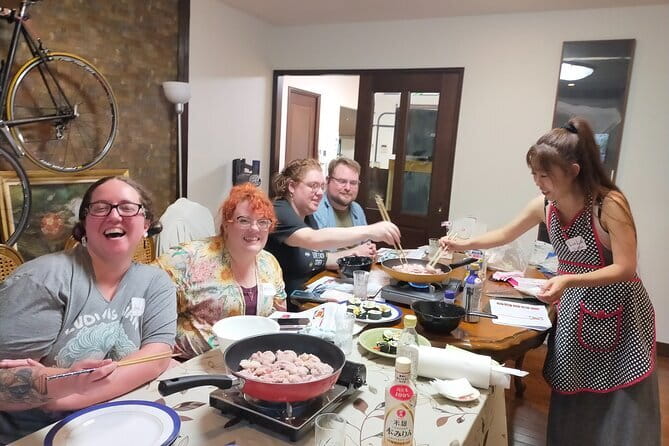
Sushi is judged with the eyes as well as the taste buds. This class includes instruction on plating, so you are not only shown how to make the food but also how to present it attractively.
That part may sound minor, but it adds value. A plate of carefully arranged Wagyu sushi feels more like a finished Japanese meal than a pile of practice pieces. You can also use the plating ideas later at home, especially if you want to recreate the meal for friends.
Photographs taken during the experience can be downloaded later. This gives you a record of the class and may help you remember the shaping and presentation steps. It is a small extra, but a useful one for a food experience that is as visual as it is hands-on.
The photographs should not be the main reason to book. The real value is the chance to make and eat the sushi yourself. Think of the images as a pleasant extra rather than a professional photo session.
What the Wagyu changes
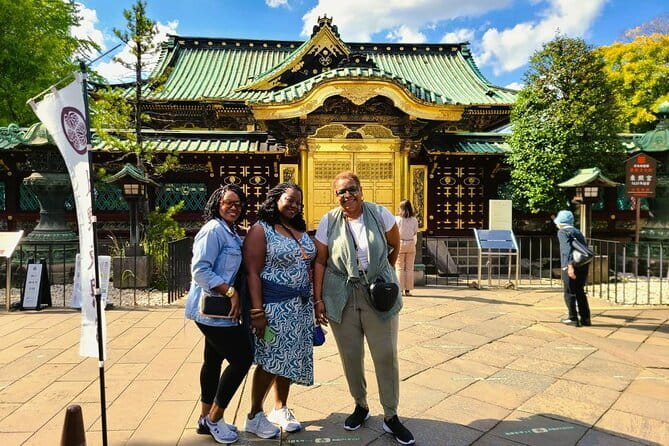
Traditional sushi often depends on the clean flavor of seafood. Wagyu changes the balance, bringing a rich, meaty taste and a different texture. That makes this class a good fit if you like beef, feel unsure about raw fish, or simply want to try something less predictable in Tokyo.
It is also a useful choice for repeat visitors. If you have already eaten plenty of standard sushi, working with Wagyu gives you a new angle on familiar forms. You still practice the basic shapes and rice preparation, but the finished dish has a different character.
The menu is not suitable for everyone. Vegan and vegetarian options are not available, and the experience is built around Wagyu. If anyone in your group does not eat meat, this is not a flexible class where the instructor can simply substitute vegetables.
The supplied information does not list specific dietary substitutions or allergy arrangements. If you have food restrictions, contact the provider before booking rather than assuming changes can be made on the day.



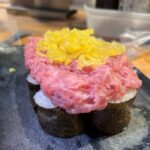

Is $104.51 a fair price?
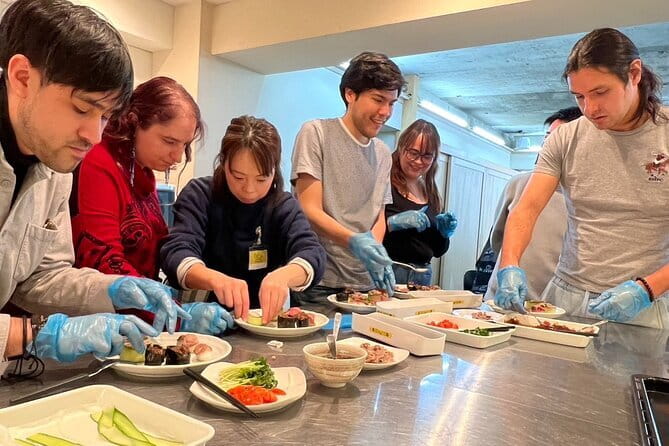
At $104.51 per person, this is not a bargain lunch. You are paying for more than the ingredients, though. The fee includes the cooking class, equipment, ingredients, lunch, instruction, and downloadable photographs.
The value depends on how you use the experience. If you only want a cheap meal, you can find less expensive ways to eat in Tokyo. If you want a guided activity that teaches several sushi styles and lets you eat the finished food, the price is easier to justify.
The small group helps support the cost. You are not paying for a crowded room where you watch from the back. With a maximum of six people, the class has a more personal format, and the English-speaking instruction makes the lesson more useful for international visitors.
I would see it as a special-occasion activity rather than an everyday food stop. It could work well for a couple, friends, or a family group with older children, provided everyone eats Wagyu and the minimum booking requirement is met.
The class is often reserved well ahead, with bookings made on average 36 days in advance. That does not guarantee that every date sells out, but it is a good reason to plan ahead if your Tokyo schedule is fixed.
Planning the meeting point and timing
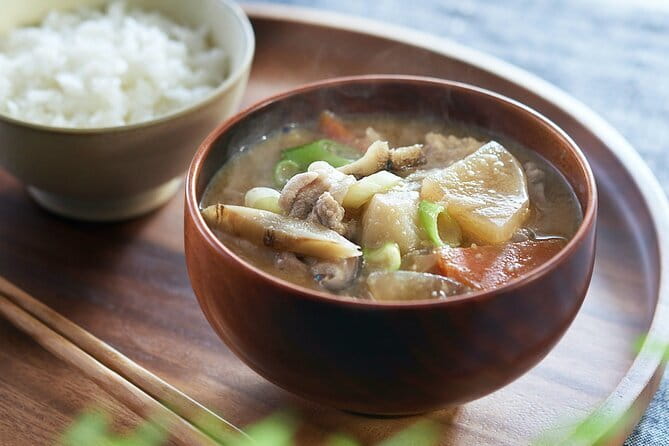
The class starts at 12:00 pm and ends back at the meeting point. Since hotel transportation is not included, allow time to reach the location independently. The fact that it is near public transportation should make the journey manageable, but you should still check the exact meeting details after booking.
A midday start gives you a natural lunch plan. You can arrive ready to cook, spend the next 90 minutes in the lesson, and leave having already eaten. That frees your evening for another Tokyo neighborhood or a restaurant reservation.
The activity is mobile-ticket friendly, so you can keep the booking on your phone. Confirmation is provided at the time of booking. I would save the meeting details before setting out, particularly if you are changing trains or navigating an unfamiliar part of the city.
The experience returns to its starting point, which is convenient. You do not need to arrange a second pickup location or guess where the lesson will finish.
The activity has a weather-related cancellation condition, even though the class itself is indoors according to the supplied information. If poor weather causes cancellation, you’ll be offered another date or a full refund. The provider may also cancel if the minimum number of participants is not reached, with a replacement date, another experience, or a full refund offered.
For your own plans, free cancellation is available if you cancel at least 24 hours before the start time. Changes or cancellations inside that window are not accepted for a refund, so do not leave this decision until the last minute.
Who will enjoy this class most?
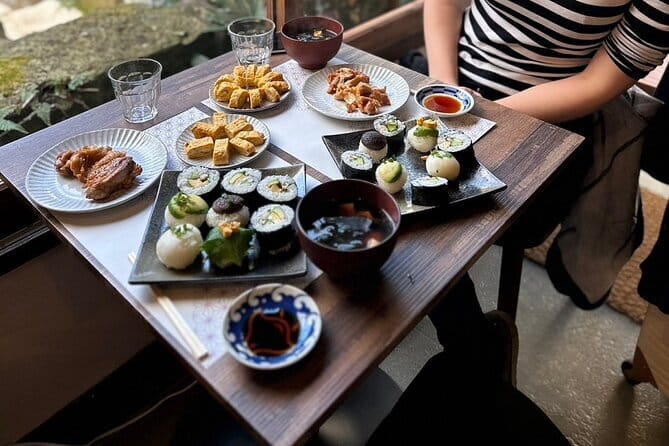
I would recommend it first to people who like Wagyu and want a more active food experience than simply ordering sushi at a restaurant. You get to handle the ingredients, learn the basic methods, and sit down to eat the result.
It also suits visitors who are curious about sushi but less interested in fish. Since the class uses beef, it offers a way to explore sushi craftsmanship without making seafood the center of the meal.
Couples and small groups are a natural fit because at least two people must book. The six-person limit also makes it a good pick for friends who want to take the class together without being folded into a large tour.
You should skip it if you are looking for vegetarian food, a long cooking course, or a low-cost lunch. It is also not the right choice if you want hotel transportation or a class that covers many unrelated Japanese dishes.
Final verdict: book it for the food and the format
I would book the Hands On Wagyu Sushi Making Experience if you want a compact Tokyo activity with excellent food at the finish. The strongest points are the small group, English-speaking instruction from Hiroko and Saori, several sushi styles, and the chance to learn both shari preparation and Wagyu cooking.
The price is high for 90 minutes, and the meat-focused menu limits who can join. But for the right person, this is more useful than a simple restaurant meal because you leave with new skills, a full lunch, and photographs of your work.
Book it well ahead if you have a fixed schedule, bring at least one other person, and confirm that everyone in your group eats beef. If those conditions fit, this is a fun and distinctive way to spend a Tokyo lunchtime.
FAQ
How long does the Wagyu sushi class last?
The experience lasts approximately 1 hour and 30 minutes.
What time does the class start?
The class starts at 12:00 pm.
What types of sushi will I make?
You’ll learn to make Wagyu nigiri, gunkan maki, and temaki.
Is lunch included?
Yes. Lunch is included, and you can eat the sushi you prepare during the experience.
Are ingredients and cooking equipment provided?
Yes. The cooking experience includes the ingredients and equipment needed for the class.
Can I cancel for a full refund?
Yes, if you cancel at least 24 hours before the experience start time. Cancellations made less than 24 hours in advance are not refunded.
More Sushi Making Classes in Tokyo
More tours in Tokyo we've reviewed







Sushi Making Classes, compared.
 ★ 5.0Sushi Making Tokyo Roll and Authentic Japanese Sushi ClassFrom $59
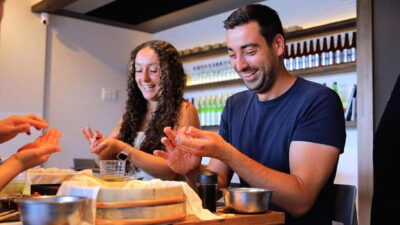 ★ 4.9Tokyo: Roll and Authentic Sushi Making Class in AsakusaFrom $581h 40m
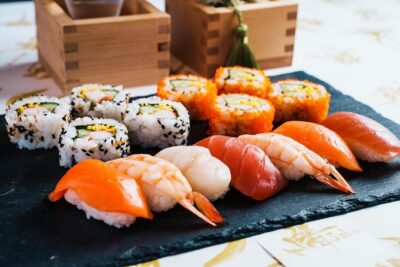 ★ 5.0Make Sushi and Create Unforgettable Memories in TokyoFrom $79
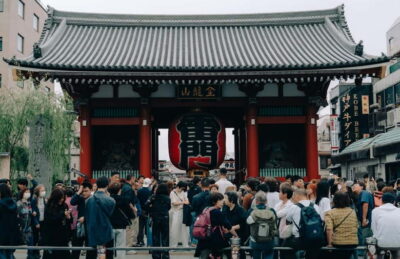 ★ 4.9Tokyo: Sushi Making Class in a Happi Coat near a Famous SpotFrom $421h 30m
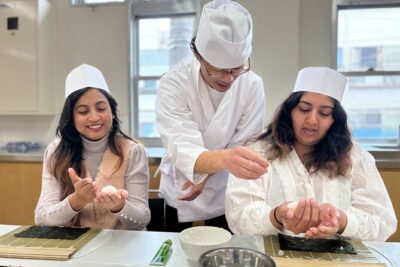 ★ 5.0Tokyo Sushi Making Class in Tsukiji with Professional ChefFrom $49
 ★ 5.0Tokyo Night Foodie Tour in Shinjuku – Seasonal Sushi, Wagyu BeefFrom $111