
Reviewed · TOKYO FOOD TOURS
Tokyo Street Food Tour – 7 Japanese Foods
Tokyo’s best food experiences do not always happen near the famous fish market or neon-packed shopping streets. This small-group walk takes you through Musashi Koyama and Togoshi Ginza, two local shopping areas where you can eat at ordinary neighborhood shops rather than chase the usual sushi-and-ramen checklist. The payoff is seven Japanese foods, served in small bites and full portions as you walk.
I like the low-tourist setting and the way the food tells a broader story about Japan. You get crisp karaage from an award-winning vendor, yakitori from a shop operating since 1926, handmade onigiri with more than 40 filling choices, curry bread, and creamy Japanese pudding. I also like the small maximum of eight people, which leaves room for questions and conversation.
The main drawback is pace. This is a two-hour food walk, not a long sit-down meal, and the portions can add up quickly. You will need to walk between stops and arrive ready to eat, so it may feel hurried for anyone who prefers slow meals or has limited mobility.
In This Review
- Key points to know before booking
- Why this Tokyo food walk feels different
- Starting with Musashi Koyama’s covered arcade
- The five named foods and the two final tastings
- Reaching Togoshi Ginza Shopping Street
- How the guides shape the experience
- Is $91.45 a fair price?
- Walking, group size, and practical comfort
- Who will enjoy this food tour most?
- Should you book the Togoshi Ginza food walk?
- FAQ
- How long does the Tokyo Street Food Tour last?
- How many foods are included?
- Where does the tour meet and end?
- Is a drink included?
- How large is the group?
- Can I cancel for a full refund?
Key points to know before booking
- Seven foods beyond sushi and ramen: Expect a broad tasting of fried, grilled, savory, rice-based, baked, and sweet Japanese foods.
- A walk through two local arcades: Musashi Koyama Shopping Street Palm comes first, followed by Togoshi Ginza Shopping Street.
- Small groups capped at eight: The format suits questions, conversation, and personal guidance.
- Guides vary by departure: Past guides have included Makayla, Bunga, Sahori, and Frank.
- A filling lunch, not just samples: Generous portions mean you should pace yourself.
- About two hours with no hotel transfer: Meet at Park City Musashikoyama and finish at Togoshi Ginza.
Why this Tokyo food walk feels different
Tokyo has no shortage of food tours, but many cluster around famous districts and familiar dishes. This one heads into Shinagawa City, where shopping streets serve the daily needs of local residents. That change of setting matters. You are not simply moving from one photogenic food stop to another. You are seeing how small neighborhood shops fit into everyday Tokyo.
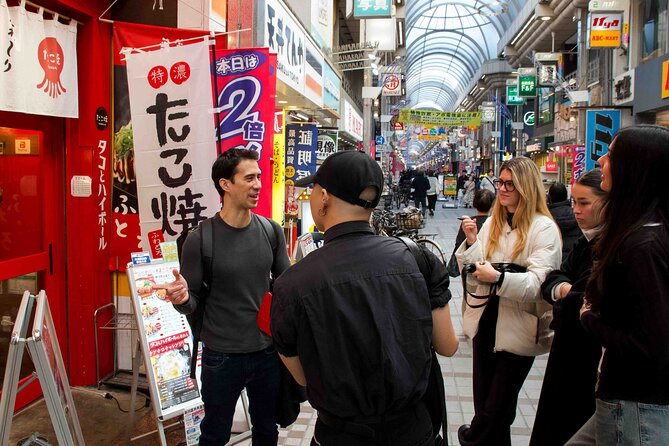
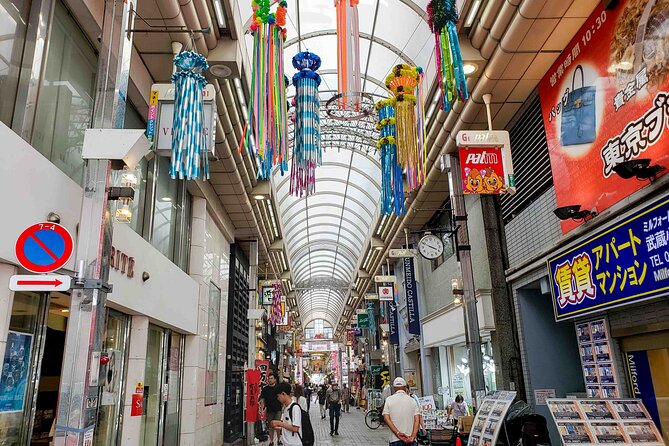
The route begins at Park City Musashikoyama THE MALL, then heads toward Togoshi Ginza. Along the way, you pass through Musashi Koyama Shopping Street Palm, a covered arcade that has been part of the area for decades. Covered shopping streets, known in Japan as shotengai, are practical places for groceries, snacks, household goods, and quick meals. They offer a useful look at city life without requiring a trip far from central Tokyo.
The experience combines walking, eating, and local food history in a compact package. Your guide explains the dishes and the shops as you go, so the food is not presented as a random parade of snacks. The setting also gives the tour a relaxed feel. You are eating at storefronts and moving through a neighborhood rather than sitting in a formal restaurant for two hours.
A few more Tokyo tours and experiences worth a look
Starting with Musashi Koyama’s covered arcade
The first stretch takes you through Musashi Koyama Shopping Street Palm. This is not just a route between the meeting point and the main shopping street. It is where the first food stops begin, and the arcade provides a gentle introduction to the format.
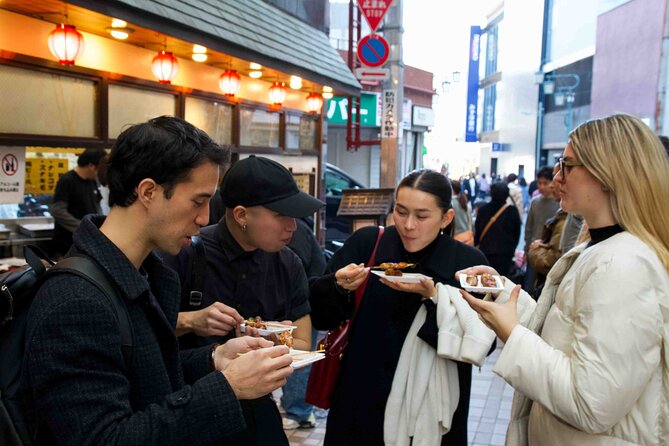
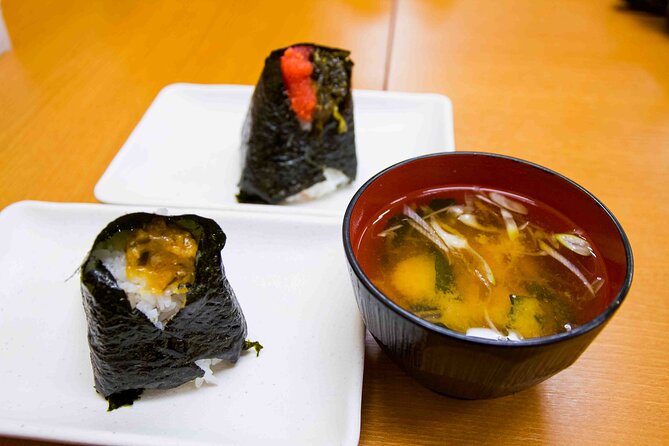
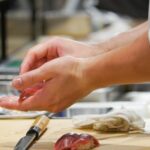
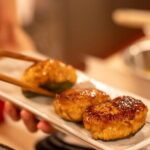
The food selections here include several of the tour’s most appealing contrasts. Karaage brings crisp, seasoned fried chicken. Yakitori adds smoky, charcoal-grilled chicken on skewers. Onigiri offers a softer, more portable bite, with rice wrapped around a filling and shaped for eating on the go.
The karaage comes from an award-winning vendor, while the yakitori stop operates from a restaurant that dates to 1926. Those details give you a sense of continuity. Japanese street food is not only about trendy stalls or new flavor combinations. Many shops have spent decades refining a narrow specialty and serving the surrounding community.
The onigiri shop is especially useful for showing how flexible a familiar Japanese food can be. With more than 40 filling choices, the selection goes well beyond the combinations many visitors know. You might see options such as bacon with cream cheese, alongside spicy tuna. The exact choice available to you may depend on the guide and the shop, but the large menu makes this more than a basic rice ball stop.
The five named foods and the two final tastings
The food list includes five clearly named examples: karaage, yakitori, onigiri, curry bread, and Japanese pudding. The full experience includes seven types of food, with additional tastings taken along Togoshi Ginza Shopping Street. Since the exact final two items are not specified, you should treat the menu as subject to the guide’s selection and shop availability.
Curry bread is a particularly good stop for anyone who wants to understand how Japanese food often adapts outside influences. It is a fresh-baked bread filled with Japanese beef curry, combining a crisp or tender baked exterior with a warm savory center. It is heavier than a small nibble, so do not finish the first part of the walk assuming you are only having tiny samples.
The pudding provides a change of texture and flavor. Japanese pudding is known for its smooth, creamy consistency, and this stop gives the meal a sweet pause before the route continues. The contrast between fried chicken, grilled meat, rice, curry bread, and pudding is one of the tour’s strengths. You get a fuller picture of snack culture than a route built around one food category.
Several food choices are easy to eat while walking or standing, but you should still expect a little stopping and waiting at shops. The experience is not a rushed race. At the same time, a two-hour tour has a fixed rhythm, and a popular shop could affect the pace.
Reaching Togoshi Ginza Shopping Street
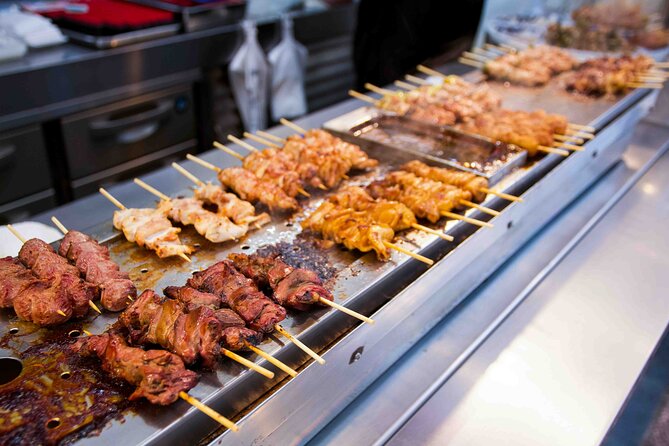
After the first arcade, you walk to Togoshi Ginza Shopping Street, the main part of the route. This street is lined with small shops and food counters, giving your guide room to point out local specialties and choose the remaining tastings.
The street is the best part of the tour for people who want to see a less tourist-focused side of Tokyo. You are not being taken to a famous attraction between bites. The food and the shopping street are the attraction. That can feel more ordinary, but ordinary is exactly the point. You get a sense of where Tokyo residents buy quick food and spend part of their day.
The tour ends at Togoshi Ginza Shopping Street, at the shopping street association building. This one-way route is convenient because you finish in the area you have just explored rather than returning to the original meeting point. You will need to arrange your own onward transport, since hotel pickup and drop-off are not included.
The shopping street section lasts about an hour within the stated two-hour experience. A past participant described roughly an hour and a half of walking and grazing, so the exact timing may vary with group size, shop lines, and the guide’s pace. Plan your schedule with a little breathing room rather than booking a tight connection immediately afterward.
How the guides shape the experience
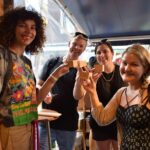
The guide is important here because the food itself is only half the appeal. Your guide explains the dishes, gives context about the shops, and keeps the group moving from one stop to the next. This is also where the small group size helps. With a maximum of eight people, questions are easier to ask, and the walk can feel more like a conversation than a lecture.
Guides named in past departures include Makayla, Bunga, Sahori, and Frank. Do not assume you will have a particular person, but the range of feedback suggests that the guide can make a strong difference to your day. Makayla was noted for being personable and for explaining the area and the history of the dishes. Sahori led a group of four through a less touristy area and was able to adjust when someone did not want a particular food. Frank was praised for pairing food choices with explanations of the dishes and the shops.
That flexibility matters if you have a mild food preference or simply want more conversation. Still, the supplied details do not promise substitutions for every dietary need. If you have allergies, strict religious restrictions, or a serious intolerance, ask before booking rather than relying on the guide to solve it on the day.
A few more Tokyo tours and experiences worth a look


Is $91.45 a fair price?
At $91.45 per person, this is not a bargain meal in the everyday Tokyo sense. You could buy individual snacks for less if you already know where to go, can read the menus, and are comfortable ordering without guidance.
The value comes from the package. Your fee covers seven types of food, one soda or other soft drink, a walking route through two local shopping areas, and a guide who handles the choices and explains what you are eating. For a first visit, that can remove a lot of guesswork. You also save the time it would take to find five or more suitable shops on your own.
The portions appear generous enough that this functions as lunch rather than a light tasting. One useful tip is to pace yourself. Fried chicken, yakitori, onigiri, curry bread, pudding, and the remaining foods can make a surprisingly substantial meal, especially if you arrive after breakfast.
The tour is a better value for curious food lovers than for budget-focused eaters. If you already have a detailed list of Togoshi Ginza shops and enjoy ordering independently, the price may feel high. If you want a friendly introduction to local food with the decisions made for you, the cost is easier to justify.
Walking, group size, and practical comfort
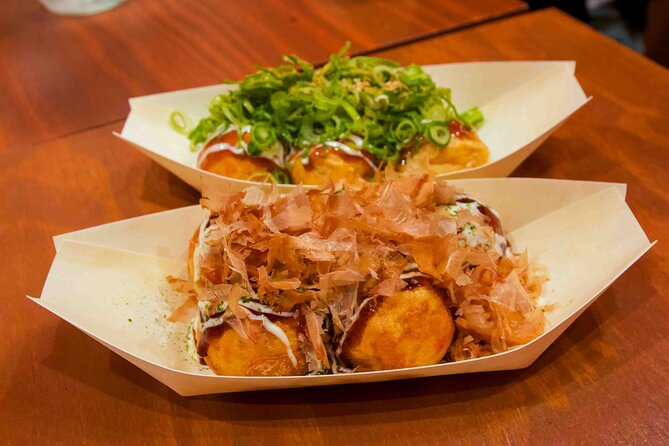
The tour lasts approximately two hours and requires a moderate level of physical fitness. You will walk from Musashi Koyama to Togoshi Ginza and spend time standing at food stops. Wear comfortable shoes and avoid arriving overly full.
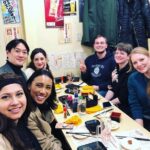
The maximum group size is eight, though some departures may be much smaller. One Sunday outing had only two people, and another group had four. A small group can make the experience more personal, but the size will depend on bookings for your date.
The meeting point is Park City Musashikoyama THE MALL, 3-chome-15-1 Koyama, Shinagawa City. The end point is Togoshi Ginza Shopping Street, at 1-chome 15-16 Togoshi. Both points are near public transportation, but hotel pickup and drop-off are not part of the service. Check your route to the meeting point before departure, especially if you are starting from a different part of Tokyo.
A mobile ticket is provided, and booking confirmation arrives at the time of booking. Service animals are allowed. The tour offers free cancellation if you cancel at least 24 hours before the local start time. Changes or cancellations inside that window are not accepted for a refund.
Who will enjoy this food tour most?
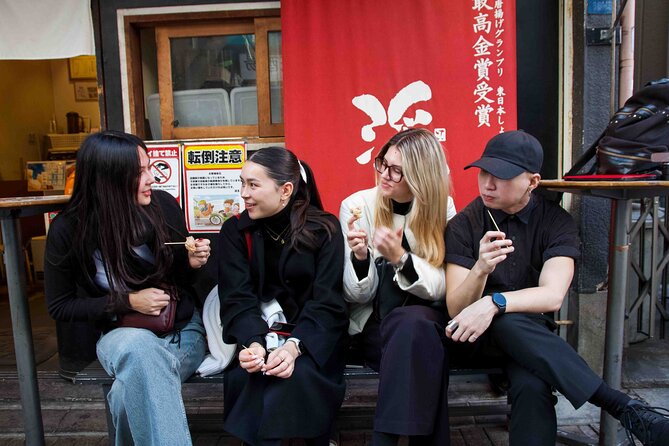
I would choose this for someone visiting Tokyo for the first time who wants more than the usual headline dishes. It is also a good fit if you enjoy trying several foods in one outing and prefer local shopping streets to major sightseeing zones.
Families can find the format appealing because the food changes often and the walk breaks up the meal. The small group can also be easier for conversation. Keep in mind that the total quantity may be more than children or light eaters want, so sharing and pacing will help.
It suits solo visitors as well. A guide and a small group give you company without the commitment of a full-day tour. The route is short enough to fit into a wider Tokyo itinerary, though you should not place it immediately before another substantial meal.
This is less suitable for anyone seeking a seated restaurant lunch, a carefully controlled dietary menu, or a tour focused on one specialty such as ramen. It is also not the right choice if you want a major sightseeing route. The sights here are the arcades, shops, food counters, and the daily rhythm of the neighborhood.
Should you book the Togoshi Ginza food walk?
Book it if you want a tasty local introduction to Tokyo and like the idea of trying seven different foods without planning each stop yourself. The route gives you karaage, yakitori, onigiri, curry bread, pudding, and more, while the guide adds context about the dishes and the area.
I would especially recommend it for food lovers who have already accepted that Tokyo is much more than sushi and ramen. The less tourist-focused setting, small groups, and generous portions are the main reasons to choose it.
Skip it if $91.45 feels too high for a short meal, if you need guaranteed dietary substitutions, or if you prefer a long restaurant lunch. For everyone else, this is a practical way to spend two hours eating through a part of Tokyo you might not otherwise reach.
FAQ
How long does the Tokyo Street Food Tour last?
The tour lasts approximately two hours. Some past departures have taken about an hour and a half, so the exact pace can vary.
How many foods are included?
The experience includes seven types of Japanese street food. Named examples include karaage, yakitori, onigiri, curry bread, and Japanese pudding, with additional tastings along Togoshi Ginza Shopping Street.
Where does the tour meet and end?
You meet at Park City Musashikoyama THE MALL, 3-chome-15-1 Koyama, Shinagawa City, Tokyo. The tour ends at Togoshi Ginza Shopping Street, at 1-chome 15-16 Togoshi.
Is a drink included?
Yes. One free soda or other soft drink is included, along with the seven food tastings.
How large is the group?
The maximum group size is eight people. Some departures may be smaller, depending on the bookings for that date.
Can I cancel for a full refund?
Yes, if you cancel at least 24 hours before the experience start time. Cancellations or changes made less than 24 hours beforehand are not accepted for a refund.
More Food Experiences in Tokyo
More Tokyo Food Tours in Tokyo
More tours in Tokyo we've reviewed



Tokyo Food Tours, compared.
 ★ 5.0Tokyo: Shinjuku Food Tour (13 Dishes at 4 Local Eateries)From $86
 ★ 4.9Tokyo: Shinjuku Food Tour (15 Dishes and 4 Eateries)From $853 hours
 ★ 5.0Best of Shinjuku: Izakaya Food Tour (4 Stops, 14+ Tastings)From $92
 ★ 5.0Tokyo Night Foodie Tour in Shinjuku – Seasonal Sushi, Wagyu BeefFrom $111
 ★ 5.0Eat and Drink Like a Local: Tokyo Ueno Food Tour-Taverns&RamenFrom $95
 ★ 5.0Tokyo: Shibuya Food Tour (13 dishes and 4 Eateries)From $77