
Reviewed · SUSHI MAKING CLASSES
Master the art of Sushi : Toyosu Market Tour & Tuna Cutting
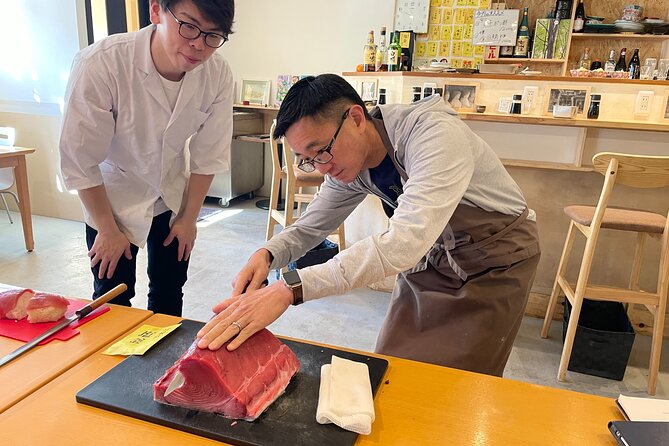
Tokyo’s seafood story comes into focus when a chef cuts a large tuna in front of you, separating fatty, medium-fat, and lean sections before turning them into nigiri. This four-hour food tour links Toyosu Market, Tsukiji’s outer market, and a sushi restaurant in Azabujuban.
I like the hands-on lunch, where you compare tuna parts and make sushi yourself. I also like the small group limit of six, which gives the guide room to explain fish quality and answer questions. The main drawback is the price, $297.23 per person, plus subway or bus fares, and the transfers can take more time than you expect.
In This Review
- Key points at a glance
- Why this Tokyo food tour is different
- 7:00 am at Toyosu Market
- Tsukiji’s outer market, one hour of eating and browsing
- The tuna-cutting lesson in Azabujuban
- What the small group changes
- Is $297.23 a fair price?
- Timing, transit, and what to bring
- Who should book this experience?
- Booking and cancellation details
- Should you book the Toyosu tuna tour?
- FAQ
- Where does the tour start?
- Where does the tour end?
- How long does the experience last?
- Is transportation included?
- What markets does the tour visit?
- Is lunch included?
- Is an English-speaking guide included?
- How many people can join?
- Can I cancel for a full refund?
Key points at a glance
- Watch a full tuna-cutting session: See how a large tuna is divided into fatty, middle, and lean portions before tasting each one.
- Visit both Toyosu and Tsukiji: Compare Tokyo’s modern wholesale market with Tsukiji’s food stalls and shops.
- Make your own sushi: A chef shows you how tuna becomes nigiri, then serves the finished meal for lunch.
- Start early at 7:00 am: The morning meeting time suits the market schedule, but it requires an early start.
- Keep the group personal: A maximum of six people makes it easier to ask questions and follow the demonstrations.
- Budget for public transit: Subway and bus fares between stops are not included in the tour price.
Why this Tokyo food tour is different
Many Tokyo food outings simply take you to a sushi counter and explain what is on the plate. This one tries to show the full chain, from wholesale seafood to market shopping to knife work and sushi preparation.
That order matters. At Toyosu, you see the professional side of seafood commerce. At Tsukiji, you browse smaller shops and food stands. In Azabujuban, you sit down with a sushi chef and handle the ingredients yourself.
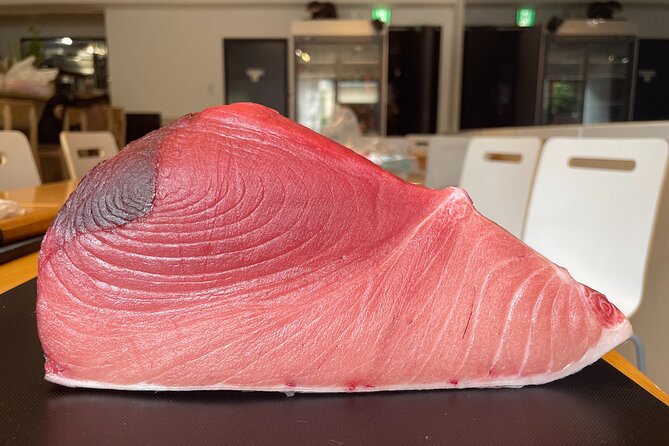
The tuna session is the heart of the day. You do not just eat one piece and call it tuna. You compare several parts of the fish and learn how texture and fat change from one cut to another. You also see how a large section of tuna is managed before it becomes the neat slices served at a sushi restaurant.
When guide Amy leads the day, her warm, personable style adds to the experience. The guide’s role is important here because Toyosu can feel like a place to observe from the edges rather than a market designed for casual browsing. Clear explanations help you understand what you are seeing and why it matters.
A few more Tokyo tours and experiences worth a look
7:00 am at Toyosu Market
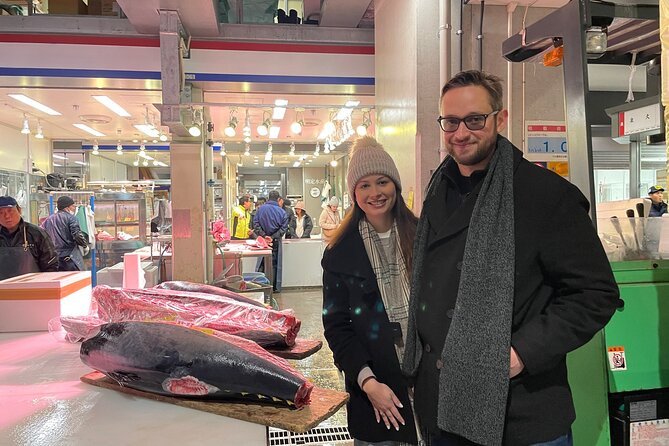
The tour begins at Shijo-mae Station, beside Toyosu Market, at 7:00 am. Toyosu is Tokyo’s principal fish market and the successor to Tsukiji’s former wholesale market, so this is the place to see the modern side of the city’s seafood trade.
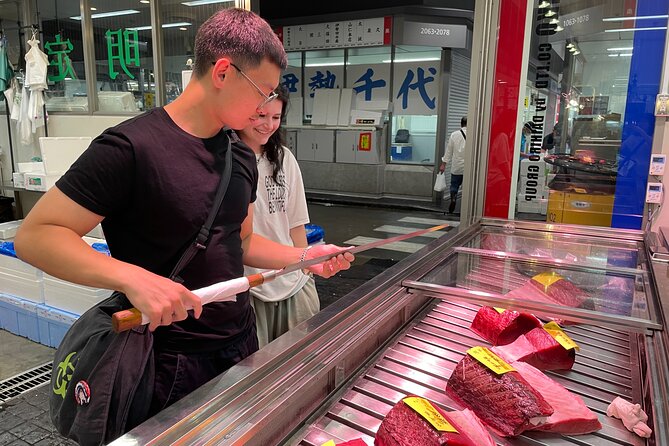
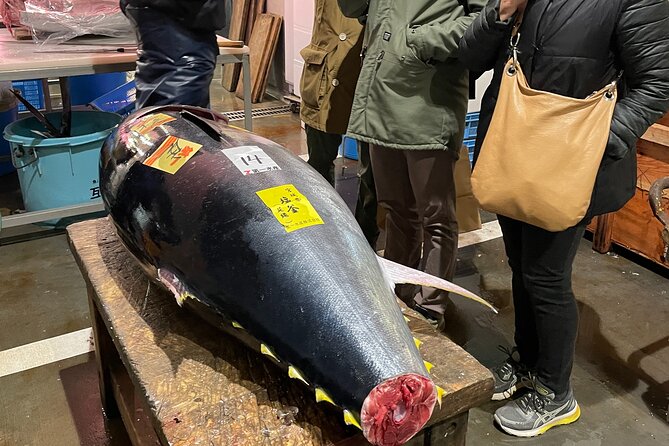
The first visit lasts about 45 minutes. With a guide, you visit a wholesaler area and have the chance to purchase fish. This is not the same as wandering through a general food hall. Toyosu serves a professional trade, and the value of the visit comes from learning how seafood is selected, sold, and judged.
Your guide can explain ideas such as freshness and sushi-grade quality while you look at the products. That makes the stop useful for anyone who has wondered why one piece of tuna costs far more than another, or how chefs decide what belongs on a sushi menu.
Do not expect a long, leisurely market morning here. Forty-five minutes passes quickly, especially if you stop to ask questions or consider buying something. The schedule gives you an introduction rather than an exhaustive tour of every section.
The early start has two sides. You reach the market at a sensible time for its morning rhythm, but you will need to plan your Tokyo morning carefully. Have your meeting point ready on your phone, and allow enough time to reach Shijo-mae Station without rushing.
Tsukiji’s outer market, one hour of eating and browsing
The next stop is Tsukiji Jogai Market, the outer market area associated with the old Tsukiji district. The tour allows about an hour here, including travel time, so this part feels more relaxed and informal than Toyosu.
You visit different stores while eating and walking around. This is your chance to sample or buy market sushi and see the kind of small-scale food shopping that made Tsukiji famous. The stop also gives you a useful comparison: Toyosu is the wholesale successor, while Tsukiji’s outer market remains a place for shops, snacks, and direct browsing.
I like this contrast because the two places serve different purposes. Toyosu helps you understand the trade. Tsukiji lets you experience the food culture from the customer’s side, with more room for casual tasting and shopping.
The hour is not long enough for a slow meal, extensive shopping, and a full market survey. You may need to choose. If you want to sample something, do so early rather than spending the entire stop looking at shops.
There is also a practical issue. The movement between the three areas uses public transportation, and subway or bus costs are not included. The itinerary includes travel time, but the full sequence can still involve more transit than the four-hour label suggests. In hot weather, this transfer can be tiring, especially after an early start.
The tuna-cutting lesson in Azabujuban
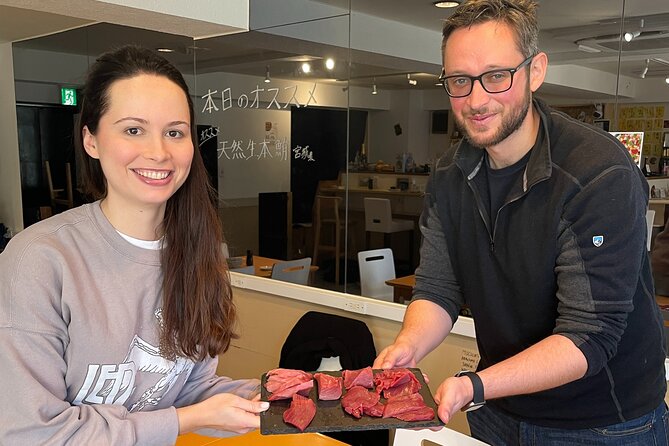
The final major stop takes place at a Japanese restaurant in Azabujuban. The session lasts about an hour and a half and focuses on cutting tuna and preparing nigiri sushi.
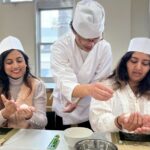
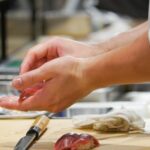
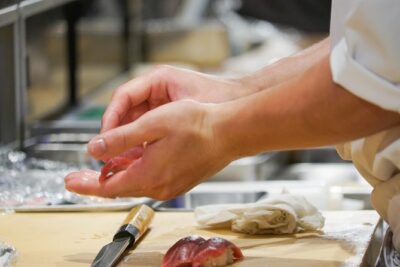
This is where the tour becomes hands-on. You help cut approximately three kilograms of tuna, then compare fatty, middle, and lean portions. The exact balance of fat and texture becomes much easier to understand when the pieces are side by side on your plate.
You also try different ways of eating the tuna. That matters because the best preparation can change with the cut. A rich piece may be approached differently from a leaner portion, and the chef can show you how sushi preparation is shaped by the fish itself.
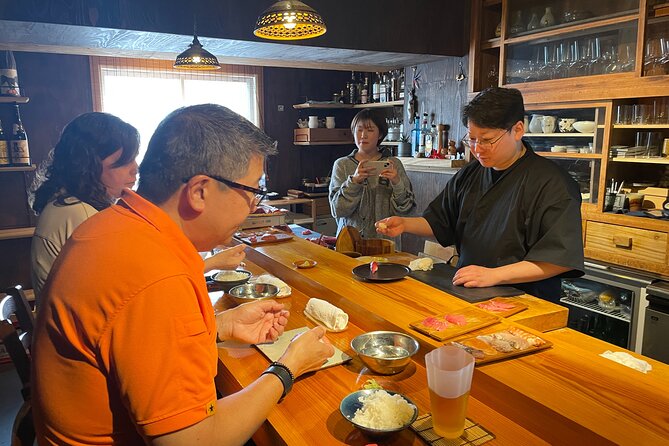
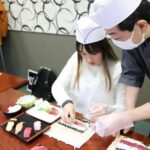
The chef then guides you through making nigiri. You get practical preparation tips that you can try at home, though the class is more about understanding and enjoying the process than becoming a trained sushi chef in one afternoon.
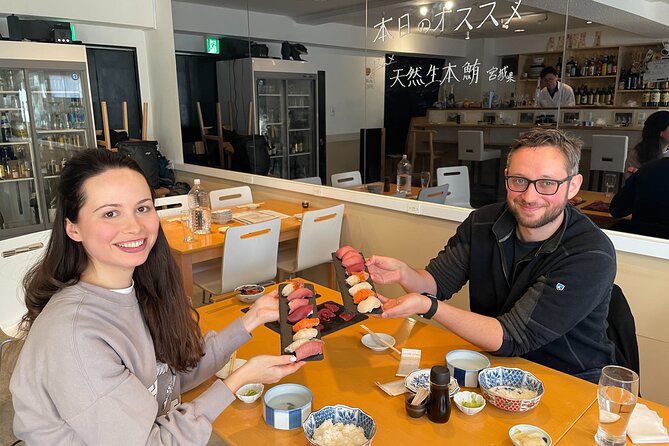
Lunch includes tuna and sushi made during the session. This is a strong part of the price because it combines instruction, tasting, and a proper meal. You are not simply watching a demonstration from a distance. You are involved in turning the fish into the food you eat.
The restaurant setting also gives the day a satisfying finish. After seeing the market side of seafood, you can sit down and focus on flavor, texture, and technique. For many people, this will be the most memorable part of the morning.
What the small group changes
The tour accepts no more than six people. That limit is useful for a food class because knife demonstrations and sushi preparation can become frustrating in a large crowd. A small group should make it easier to see what the chef is doing and ask about fish selection or preparation.
It also allows the guide to adjust the conversation. If you already know your way around sushi, you can ask more detailed questions. If you are new to Japanese seafood, you can slow down and ask about basic terms without feeling lost in a crowd.
The guide matters as much as the size of the group. Amy is specifically praised for being friendly and easy to spend time with. Since the day includes three different settings, a guide who can keep the schedule moving while still making room for questions is a real advantage.
Still, a six-person maximum does not mean every moment is private. The market stops take place in public areas, and the restaurant class follows its own pace. Think of this as a small-group activity, not a private tour.
Other shopping tours in Tokyo

Is $297.23 a fair price?
At $297.23 per person, this is an expensive food activity. You also pay separately for subway or bus travel, and you may want money for purchases or extra tasting at Tsukiji.
The value depends on what you want from a Tokyo food tour. If you only want to eat sushi, the cost will seem high. You could spend less at a sushi restaurant and still have a very good meal.
If you want access to several connected parts of the seafood trade, the calculation is different. The price covers an English guide, the market visits, a tuna-cutting lesson, hands-on sushi preparation, and lunch made with tuna and sushi. The small group also gives the day more personal attention than a large food walk.
I would see this as a special-occasion activity for a serious sushi fan, not an everyday sightseeing purchase. It is most worthwhile if you care about how fish is selected, cut, and served, and if you want to do more than sample finished sushi.
The price is harder to justify if you are mainly interested in Tsukiji’s shops or if you dislike moving between neighborhoods. In that case, a market visit and separate sushi meal could offer more freedom for less money.
Timing, transit, and what to bring
The tour runs for about four hours and ends in Azabujuban, not at Toyosu. That is useful to remember when planning the rest of your day. You can continue sightseeing from Azabujuban, but you will need to arrange your own onward transportation.
Public transit between stops is part of the day, and the fare is extra. Because the route crosses several parts of Tokyo, check that you are comfortable with subway or bus travel before booking. The schedule may feel tight at the markets and slower during transfers.
The early meeting time is another practical point. A 7:00 am start can be ideal for a market-focused morning, but it may not suit anyone who prefers a late breakfast or a slow hotel routine.
Wear comfortable shoes and clothing suited to walking and public transit. The experience requires movement between locations, and one part of the route may feel especially warm during hot weather. Keep your phone charged because the meeting point, transit, and end point are all important to the day.
A mobile ticket is provided. Confirmation arrives within 48 hours, subject to availability. The activity is near public transportation, and most people can participate, but the information does not give detailed accessibility specifications, so contact the provider if you have specific mobility needs.
Who should book this experience?
I would recommend it to:
- Sushi lovers who want to understand tuna beyond the menu
- Visitors interested in Japanese seafood buying and preparation
- First-time Tokyo visitors who want a guided introduction to Toyosu and Tsukiji
- People who enjoy hands-on food classes
- Small groups who prefer an English-speaking guide and a limited group size
It may not suit you if you want a leisurely market breakfast, dislike public transportation, or are watching your food budget closely. The day has a clear structure, so it offers less free time than visiting Tsukiji independently.
Families can consider it, since most people can participate, but the early start and transit should fit your group. The knife work and market setting may also require children to stay close and follow instructions.
Booking and cancellation details
Free cancellation is available if you cancel at least 24 hours before the local start time. Changes or cancellations made less than 24 hours before the start are not accepted for a refund.
The tour depends on good weather and a minimum number of participants. If the provider cancels for either reason, you are offered another date or experience, or a full refund.
Should you book the Toyosu tuna tour?
Book it if you want a guided look at Tokyo’s seafood system and the chance to cut tuna and make nigiri with a chef. The combination of Toyosu, Tsukiji, and Azabujuban gives you three different views of sushi culture in one morning.
I especially like the tuna comparison and the included lunch. Those details turn the activity from a standard market walk into a lesson you can taste. The small group and a personable guide such as Amy add to the appeal.
Skip it if the price feels too steep for a four-hour activity, or if you would rather spend a full morning browsing Tsukiji at your own pace. Also remember that transportation is extra and can take a meaningful part of the schedule.
For a dedicated sushi fan, this is a focused and memorable Tokyo food outing. For a casual eater, it is probably better treated as a special splurge than a basic sightseeing tour.
FAQ
Where does the tour start?
It starts at Shijo-mae Station near Toyosu Market, at 6 Chome-3 Toyosu, Koto City, Tokyo. The meeting time is 7:00 am.
Where does the tour end?
The tour ends in Azabujuban at 3-chome-3-4 Azabujuban, Minato City, Tokyo.
How long does the experience last?
The tour lasts approximately four hours.
Is transportation included?
No. Subway or bus travel between the stops is not included in the price.
What markets does the tour visit?
It visits Toyosu Market and Tsukiji Jogai Market. At Toyosu, you visit the wholesaler market with a guide. At Tsukiji, you visit shops while eating and walking around.
Is lunch included?
Yes. Lunch includes tuna and sushi made during the experience.
Is an English-speaking guide included?
Yes. An English guide is included. Guide Amy leads some departures.
How many people can join?
The tour has a maximum of six participants.
Can I cancel for a full refund?
Yes, if you cancel at least 24 hours before the experience start time. Cancellations or changes made less than 24 hours before the start are not refunded.
More Markets in Tokyo
More Shopping Tours in Tokyo
More Sushi Making Classes in Tokyo
More tours in Tokyo we've reviewed

Sushi Making Classes, compared.
 ★ 5.0Sushi Making Tokyo Roll and Authentic Japanese Sushi ClassFrom $59
 ★ 4.9Tokyo: Roll and Authentic Sushi Making Class in AsakusaFrom $581h 40m
 ★ 5.0Make Sushi and Create Unforgettable Memories in TokyoFrom $79
 ★ 4.9Tokyo: Sushi Making Class in a Happi Coat near a Famous SpotFrom $421h 30m
 ★ 5.0Tokyo Sushi Making Class in Tsukiji with Professional ChefFrom $49
 ★ 5.0Tokyo Night Foodie Tour in Shinjuku – Seasonal Sushi, Wagyu BeefFrom $111