
Reviewed · SHINJUKU TOURS
Hands-on Japanese Cooking in a Shinjuku Home Kitchen with Satoru
The most memorable part of this Tokyo experience is not a restaurant table. It is the walk from JR Shinjuku Station to Satoru’s small, efficient home kitchen, where you cook and eat together. You learn two or three Japanese homestyle dishes from scratch, then sit down for the meal with the person who taught you how to make it.
I like the private setting and the practical teaching. Satoru explains ingredients such as savory dashi and sweet organic honey, and he adds stories and useful tips along the way. I also like that the class works well for families, including teenagers, because the cooking is hands-on and the meal gives everyone a reason to talk. The main consideration is that the menu depends on the day, so you need to check it early and report dietary needs at least one week ahead.
In This Review
- Key points to know before booking
- A Tokyo cooking class that begins at Shinjuku Station
- What you actually cook with Satoru
- Why the ingredient explanations matter
- Sitting down to eat what you made
- A private experience that suits families
- Is $130 a fair price?
- Timing, confirmation, and cancellation
- Who should book this Shinjuku cooking class?
- Should you book it?
- FAQ
- Where does the cooking class begin?
- How long does the experience last?
- What dishes can I cook?
- Can I request a vegetarian menu?
- Is alcohol included?
- Is the activity private?
Key points to know before booking
- Meet at JR Shinjuku Station: Satoru picks you up at the station, then walks with you to his apartment in central Shinjuku.
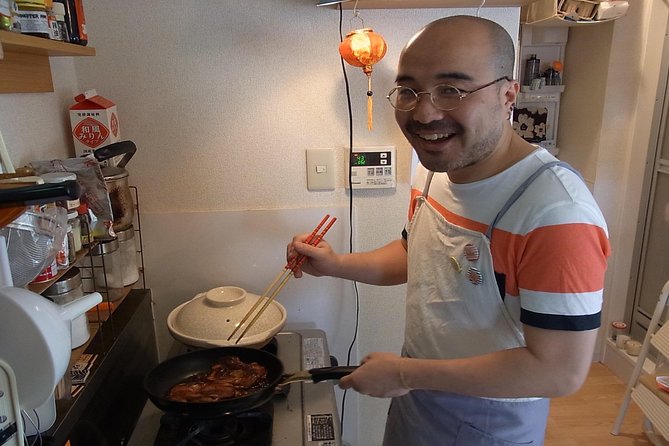
- Cook in a real home kitchen: The setting is simple and cozy, not a purpose-built cooking school.
- Menu changes by day: Sunday through Tuesday focus on teishoku, while Wednesday through Friday offer popular dishes such as okonomiyaki, ramen, gyoza, or karaage.
- Private meal and conversation: Your group cooks, eats, and shares one to two glasses of local alcohol with Satoru.
- Plan food requests early: Vegetarian options are available, but special requirements and menu changes should be given one week in advance.
- A small take-home gift is included: You receive a Japanese utensil and an ingredient connected to the cooking experience.
A Tokyo cooking class that begins at Shinjuku Station
Shinjuku can feel like a city within the city, with huge station halls, department stores, neon streets, and endless places to eat. This class gives you a different way into the neighborhood. Instead of heading straight to a counter or dining room, you meet Satoru at JR Shinjuku Station and walk together to his apartment.
The meeting point is at Shinjuku Station, at 3-chōme-38-1 Shinjuku, Shinjuku City. The station pickup matters because Shinjuku is large and confusing, especially if you are still learning Tokyo’s rail system. The activity ends back at the meeting point, so you are not left to find your own way home from an unfamiliar residential address.
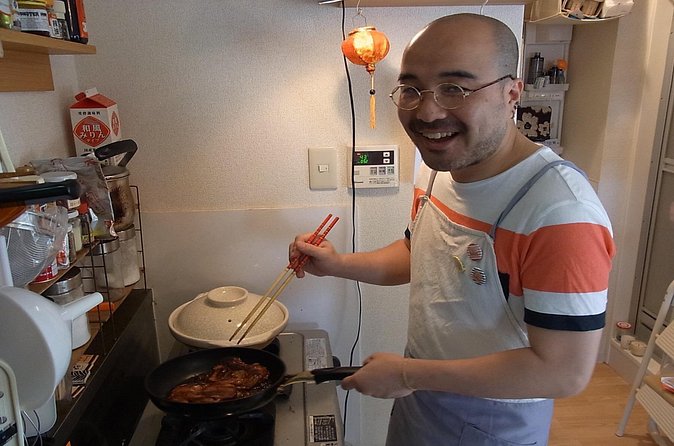
From there, the experience shifts from public Tokyo to private Tokyo. Satoru’s apartment is described as simple and cozy, with a small but efficient kitchen. That means you should not picture a spacious cooking studio with rows of workstations. You will be working in a real home, in a more personal setting, and the limited space is part of what makes the activity feel different from a standard food lesson.
This setup is best for people who value conversation and local routine over polished presentation. If you want a cooking class designed for large groups, professional equipment, or a formal restaurant atmosphere, this may feel modest. If you want to see how everyday Japanese food comes together in a local home, the setting is the main attraction.
A few more Tokyo tours and experiences worth a look

What you actually cook with Satoru
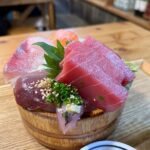
The class lasts about two hours and 30 minutes. Cooking takes roughly an hour and a half, followed by the shared meal and conversation. The description gives slightly different dish counts in different places, ranging from two or three dishes to as many as two to five, so you should think of this as a multi-dish homestyle lesson rather than expect a fixed number.
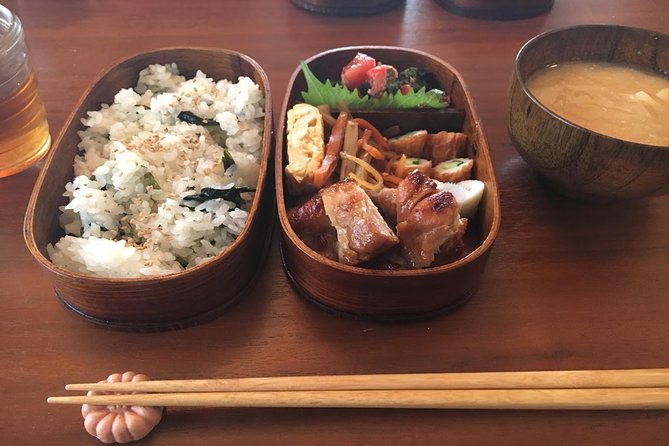
The day of the week determines much of the menu. On Saturday, Sunday, Monday, and Tuesday, the focus is teishoku, the Japanese set meal format. This generally includes miso soup, rice, and two side dishes. That combination gives you a useful look at the structure of an everyday Japanese meal, where several modest dishes work together instead of one oversized main course.
On Wednesday, Thursday, and Friday, you may prepare one of several popular Japanese foods:
- Okonomiyaki, a savory Japanese pancake
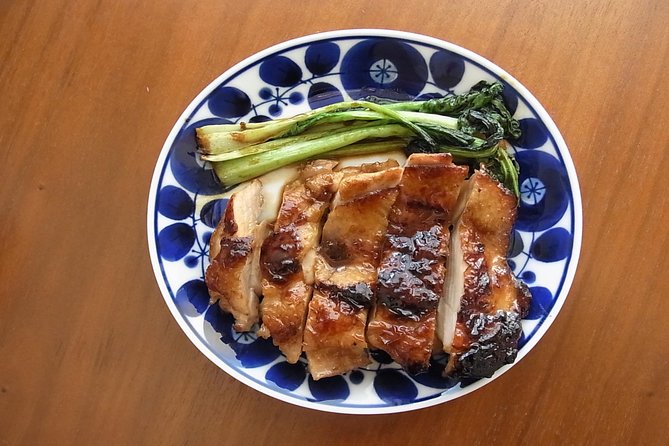
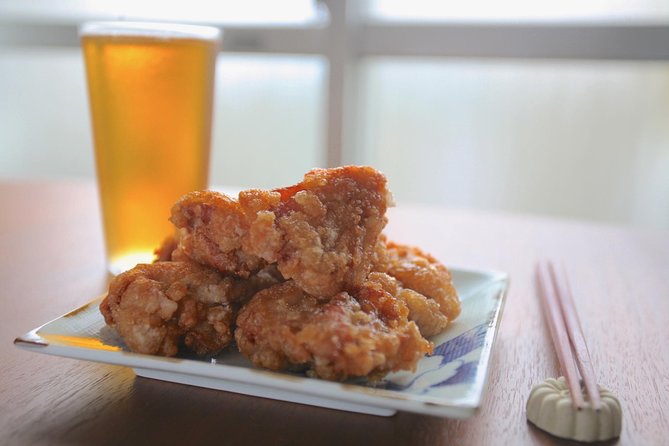
- Karaage, Japanese fried chicken
- Yakisoba, pan-fried noodles
- Katsu curry rice
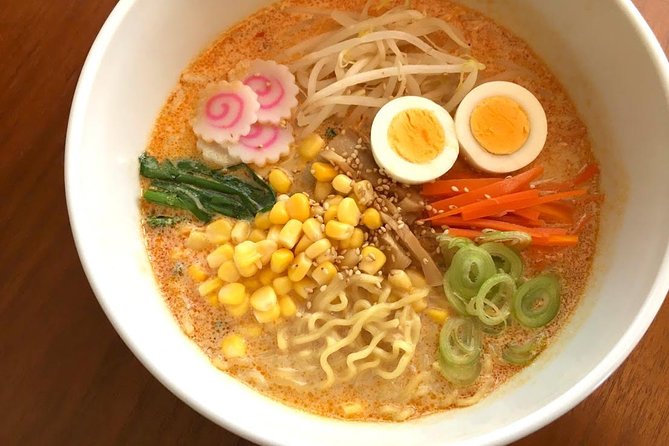
- Ramen
- Gyoza
The menu is not interchangeable at the last minute. Specific days have specific menus, and if you do not state a preference, the menu assigned to that day will be cooked. If you have your heart set on ramen, gyoza, or okonomiyaki, check the available menu before booking or contact the host at least one week ahead.
That advance planning is especially important for families and mixed groups. One person may want to try a familiar favorite, while another may be vegetarian or unable to eat a particular ingredient. Vegetarian cooking is available, but you need to request it when booking. Other dietary requirements belong in the special requirements box, with changes requested one week ahead.
Why the ingredient explanations matter
Japanese cooking can look simple on the plate, but much of its character comes from small choices. Satoru discusses ingredients such as dashi, the savory stock used in many Japanese dishes, as well as organic honey for sweetness. You can ask where an ingredient fits into the dish, why it was chosen, and how it affects the final flavor.
That kind of explanation adds value to the class. You are not simply following instructions, chopping food, and eating the result. You get context for the ingredients and hear a story or tip connected to Satoru’s choices. It helps you understand why miso soup tastes the way it does, or why a small amount of seasoning can matter so much.
The teaching style also appears suited to beginners. Satoru is described as patient, funny, welcoming, and courteous, with clear explanations. That is useful if you are cooking with children or teenagers, or if you have little experience in a kitchen. A family can divide up the work and stay involved instead of watching a chef do everything.
Still, a home kitchen means the pace may feel more personal and less standardized than a commercial class. You should expect to share the available space and equipment with your group. The tradeoff is that you get a private lesson built around conversation rather than a production-line demonstration.
Sitting down to eat what you made
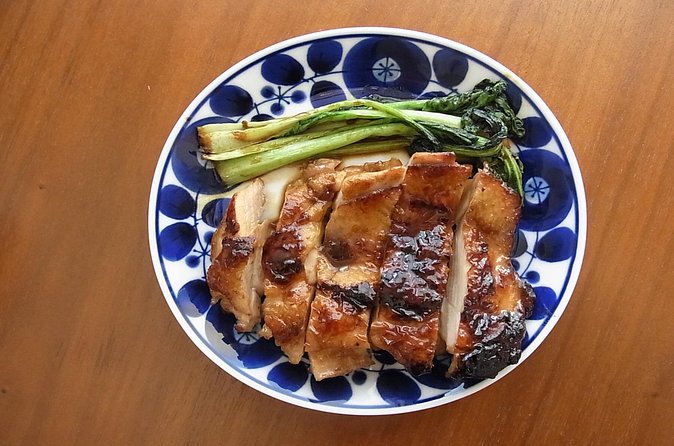
After about 90 minutes of cooking, you sit down with Satoru and share the meal. This second half is important. It turns the class from a practical lesson into a social experience, giving you time to taste the finished dishes and talk about Japanese food and daily life.
One or two glasses of local alcohol are included. This is part of the meal, not a separate tasting session, so the activity remains focused on food and conversation. If you do not drink alcohol, the supplied information does not specify an alternative, so it is sensible to ask when booking.
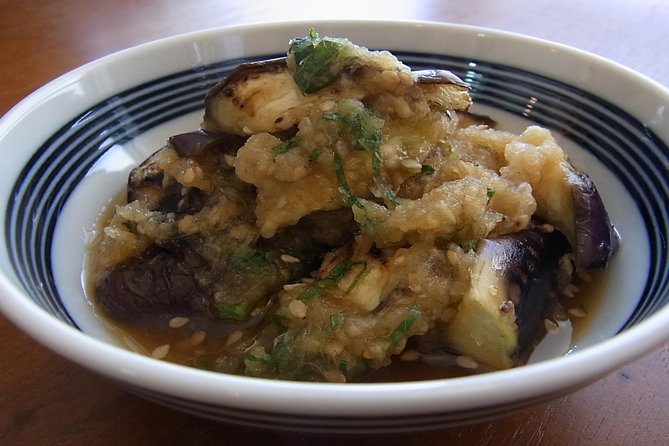
The shared meal also gives you a chance to judge the cooking for yourself. Teishoku offers a balanced set meal with rice, miso soup, and side dishes. The weekday menu gives you more familiar comfort-food choices, from fried chicken and noodles to curry rice and dumplings.
I would choose the day based on the meal you want to learn. Saturday through Tuesday make sense if you want a lesson in everyday set-meal structure. Wednesday through Friday are better if you already know you want a specific popular dish. Since the menu can vary by season, confirm the details before you pay.
A private experience that suits families
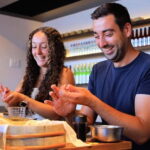
This is a private activity, so only your own group participates. That makes it easier to ask questions, work at your own speed, and discuss food restrictions without worrying about strangers. It also makes the class a good fit for a family looking for a shared activity in Tokyo.
The strongest family use case is a group with teenagers. Cooking provides a clear task, while Satoru’s explanations and humor help keep the experience from feeling like a lecture. The meal at the end gives everyone something concrete to enjoy, even if one person is less interested in the cooking itself.
Couples and small groups can also benefit from the private format. You have room for ordinary conversation and can ask about ingredients, recipes, and local habits. Solo visitors should note that the price is listed per person and the activity is private, so the value depends partly on how much you enjoy one-to-one interaction with a host.
The class is not the best match for someone who wants a quick food stop. Two and a half hours is a substantial part of your day, and the point is to cook, talk, and eat. It is also not ideal if you dislike advance planning, since the menu and dietary requests need attention before the activity.
A few more Tokyo tours and experiences worth a look


Is $130 a fair price?
At $130 per person, this costs far more than buying a casual bowl of ramen or a plate of gyoza in Tokyo. You are not paying only for the food. The price covers a private class, instruction, a walk from JR Shinjuku Station, the prepared meal, one to two glasses of local alcohol, and a Japanese utensil and ingredient to take home.
The better comparison is with a private cultural activity, not a restaurant meal. You get direct time with Satoru, a meal prepared by your group, and access to a local home, which is difficult to arrange independently. For a family or small group that wants personal contact, the private format can justify the cost.
The value is weaker if you mainly want to eat Japanese food. Tokyo offers plenty of inexpensive restaurants, and the class uses a large block of time. It makes more financial sense if you want to learn a few dishes, ask questions, and share the experience with a host.
The gift is a small extra rather than the reason to book. The real value is the combination of instruction and conversation. If you return home and use the utensil or ingredient while making one of the dishes, the experience has a practical afterlife beyond your Tokyo visit.
Timing, confirmation, and cancellation
The activity runs for approximately two hours and 30 minutes, and confirmation is sent within 48 hours of booking, subject to availability. It is often reserved well ahead, with an average booking time of 72 days in advance, so popular dates may require planning.
You receive a mobile ticket, and public transportation is nearby. Hotel pickup and drop-off are not included. The included pickup is specifically from JR Shinjuku Station, and the tour returns you there at the end.
Free cancellation is available if you cancel at least 24 hours before the local start time. Cancellations or changes made within 24 hours are not accepted for a refund. That is a reasonable safety net, but it does not cover a last-minute change of plans.
Who should book this Shinjuku cooking class?
You should consider it if you want a private, hands-on introduction to Japanese home cooking rather than another restaurant meal. It is especially suitable for:
- Families with teenagers
- Couples who enjoy food and conversation
- Small private groups
- First-time cooks who appreciate patient guidance
- Visitors curious about ingredients such as dashi, miso, rice, and Japanese seasonings
- People who want a local home setting in central Tokyo
You should think twice if you need a fixed menu, a large professional kitchen, or a very short activity. The dish count and menu vary, and dietary requests must be handled ahead of time. The home setting is personal and appealing, but it is not designed for a large crowd or a formal culinary certification.
Should you book it?
Book this experience if the idea of cooking in Satoru’s home, asking questions over dashi and honey, and eating a private meal afterward sounds more appealing than simply ordering Japanese food. The patient instruction, humor, and family-friendly format make it a strong choice for people who want culture through an ordinary shared activity.
Before booking, check the weekday menu and send every dietary request at least one week ahead. Choose the day based on the dish you want to learn, not just on your sightseeing schedule. At $130, this is a special-occasion activity, but it offers something a restaurant cannot: a personal introduction to Japanese home cooking with a local host.
FAQ
Where does the cooking class begin?
You meet Satoru at JR Shinjuku Station at 3-chōme-38-1 Shinjuku, Shinjuku City, Tokyo 160-0022, Japan. He walks with you to his apartment.
How long does the experience last?
The activity lasts approximately two hours and 30 minutes. Cooking takes about an hour and a half, followed by the shared meal and conversation.
What dishes can I cook?
Saturday through Tuesday feature teishoku, a Japanese set meal with miso soup, rice, and two side dishes. Wednesday through Friday may feature okonomiyaki, karaage, yakisoba, katsu curry rice, ramen, or gyoza. The menu may also change by season.
Can I request a vegetarian menu?
Yes. A vegetarian option is available, but you need to request it when booking. Other dietary requirements should also be provided in the special requirements box.
Is alcohol included?
Yes. One to two glasses of local alcohol are included with the meal.
Is the activity private?
Yes. Only your group participates in the private cooking class and meal. The activity ends back at the meeting point.
More Workshops & Classes in Tokyo
More Shinjuku Tours in Tokyo
More tours in Tokyo we've reviewed






Shinjuku Tours, compared.
 ★ 5.0Tokyo: Shinjuku Food Tour (13 Dishes at 4 Local Eateries)From $86
 ★ 5.0Tokyo Bar Hopping Tour in Shinjuku (All-You-Can-Drink + Dinner)From $106
 ★ 4.9Tokyo: Shinjuku Food Tour (15 Dishes and 4 Eateries)From $853 hours
 ★ 5.0Best of Shinjuku: Izakaya Food Tour (4 Stops, 14+ Tastings)From $92
 ★ 4.9Tokyo: Shinjuku Local Bar and Izakaya Guided Walking TourFrom $343 hours
 ★ 5.0Tokyo Shinjuku Chopsticks Making ClassFrom $20