
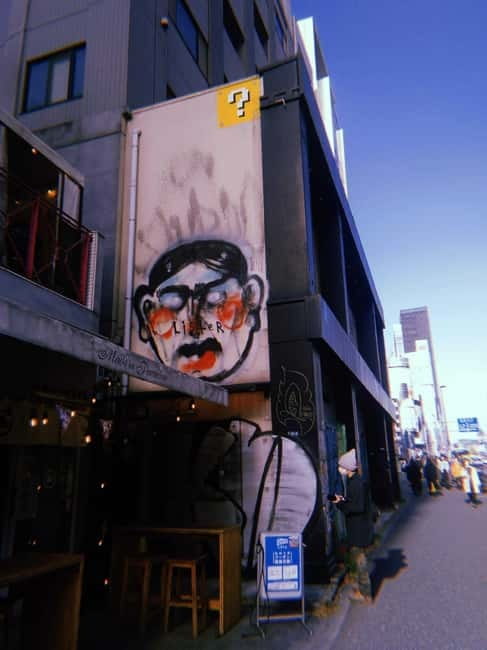
Reviewed · SHIBUYA TOURS
Graffiti in Tokyo Walking Tour: Shibuya and Harajuku
Tokyo’s polished streets hide a rougher art scene. On this two-hour walk from Shibuya to Harajuku, Elena Calderon of Totemo points out tags, stickers, murals, and tucked-away works that most visitors walk past without seeing. You get a look at both legal walls and art made in places where permission is less clear.
I like the sharp local focus and the way Elena connects individual pieces to Japanese graffiti culture, local artists, international crews, galleries, and art studios. I also like the route through ordinary back streets, where the tour gives familiar Shibuya and Harajuku a fresh purpose. The main drawback is simple: street art changes, disappears, or gets painted over, so the exact works you see can vary.
In This Review
- Key points at a glance
- Tokyo’s street art hides in plain sight
- Meeting at Manhattan Records in Shibuya
- What the Shibuya walk reveals
- Harajuku beyond the fashion streets
- Why Elena’s guidance makes a difference
- Legal walls, secret spots, and local rules
- Is $38 a fair price?
- Walking conditions and who should book
- Practical booking advice
- Should you book this graffiti walk?
- FAQ
- Where does the Graffiti in Tokyo Walking Tour begin?
- How long does the tour last?
- Which areas does the tour visit?
- Which languages are available?
- What should I bring?
- What is included in the price?
Key points at a glance
- Start at Manhattan Records in Shibuya: Meet at a landmark with a strong connection to Tokyo’s music and street culture.
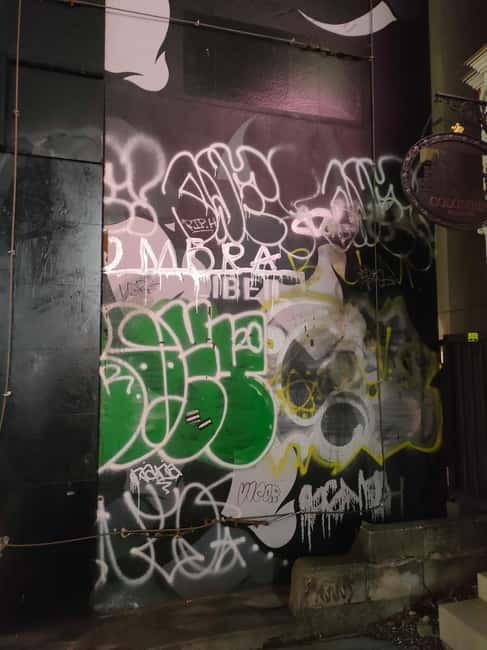
- See art you might otherwise miss: Elena helps you notice small tags, stickers, and concealed pieces as well as larger murals.
- Learn from an art specialist: Your guide has more than 10 years of graffiti research experience and works as an art curator.
- Walk from Shibuya toward Harajuku: The route shows a less polished side of two of Tokyo’s best-known districts.
- Get gallery and restaurant tips: The experience includes insider suggestions and discounts at selected art galleries and restaurants.
- Plan for a real city walk: Wear comfortable shoes, carry water and cash, and be ready for changing weather.
Tokyo’s street art hides in plain sight
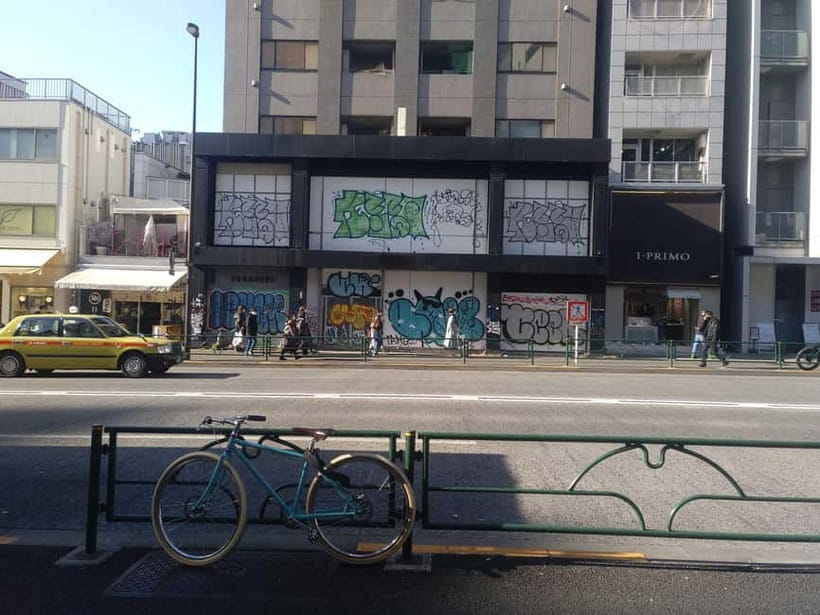
Graffiti in Tokyo is not always presented like a public attraction. You may see a large mural in a legal space, then turn a corner and find a tiny sticker, a layered tag, or a quick piece tucked beside a shutter. The pleasure comes partly from learning how to look.
That makes this different from a standard Shibuya sightseeing walk. You are not simply crossing famous streets and taking photographs. You are being shown how artists use overlooked surfaces and how the city’s strict public rules shape the work.
Elena brings a useful mix of field research and gallery experience. She has spent more than a decade studying graffiti and also works as an art curator. That background matters because the tour is not limited to naming artists. You hear about styles, crews, local context, and the difference between a legal wall and a secret street spot.
The strongest part of the experience is her eye. She can point out work that blends into its surroundings, including tags and stickers that you might not consider art at first glance. Once you understand what to look for, the streets begin to feel more layered.
A few more Tokyo tours and experiences worth a look


Meeting at Manhattan Records in Shibuya
The advertised meeting point is Manhattan Records shop in Shibuya. This is a practical place to begin because it is easy to identify and fits the tour’s connection to music, youth culture, and alternative art.
The itinerary also refers to the Kifune Building as the starting and ending point. Because those names are not identical, confirm the exact meeting instructions before you set out. Use the current booking details rather than relying on an old map pin.
Give yourself enough time to reach Shibuya. Transportation to the meeting point is not included, and the walk itself begins once you arrive. You will want your phone charged for maps and photographs, though the guide supplies the main visual information.
The tour is offered in English or Spanish. If you are particularly interested in artist names, gallery visits, or technical graffiti terms, choose the language in which you can ask the most questions comfortably.
What the Shibuya walk reveals
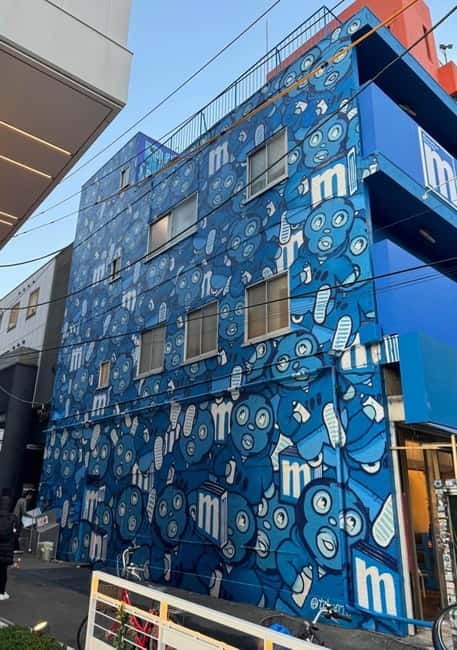
The main guided portion takes place in Shibuya and lasts about two hours, with Harajuku included as a short visit. Shibuya is famous for giant screens, shopping streets, and the scramble crossing, but the graffiti route uses a different rhythm.
Expect to move through side streets and less obvious corners rather than spend the whole time at major landmarks. Elena may stop at a wall, doorway, alley, or shopfront and explain why a particular mark matters. The tour includes larger murals, but small works are part of the fun. A tag or sticker can show a different side of an artist’s practice than a polished wall piece.
The route also introduces local and international artists. That wider view helps you place Tokyo within a global street-art culture without treating the city as just another stop on a graffiti checklist.
I would bring a camera, but do not rush from one photograph to the next. Listen first. A picture records the surface, while Elena’s explanation gives you the reason to notice it. One useful feature is the chance to ask for help finding murals or pieces you want to photograph again after the walk.
The route is not a museum visit, so conditions can be unpredictable. A piece may be partly covered, removed, or hard to photograph because of its location. That is part of street art, but it can disappoint anyone expecting a fixed exhibition.
Harajuku beyond the fashion streets
Harajuku is best known for fashion, youth culture, and colorful shops. This tour uses the area to show another layer, including art spaces, studios, galleries, and back streets that do not usually appear in a first-time Tokyo itinerary.
The stated Harajuku visit lasts about 10 minutes, so think of it as a final stop or short segment rather than a full neighborhood tour. You may get a quick look at selected works and receive suggestions for galleries or exhibitions to visit later.
That limited timing is worth keeping in mind. If you want a long walk through Harajuku’s shopping streets, shrine grounds, cafés, and design shops, this is not the right tour for that purpose. Its attention stays on graffiti and related art.
The benefit is focus. Instead of trying to cover every sight, the guide uses Harajuku to connect street work with Tokyo’s broader art culture. The included gallery information can help you continue exploring on your own after the tour.
Why Elena’s guidance makes a difference
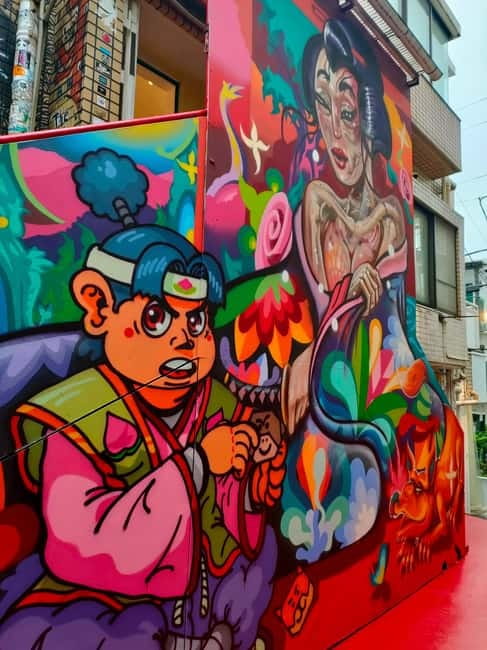
Graffiti is easy to miss when you do not know the visual language. A large mural announces itself, but a small sticker or quick tag may look like random paint. Elena helps separate those details and explains what you are seeing.
Her experience also gives the walk a personal, research-based feel. She has explored Tokyo extensively to find art and artists, and her explanations cover both the work and its setting. That is especially useful in Japan, where street art can be less visible than in cities with large, officially promoted mural districts.
The guide’s enthusiasm is another strength. This is not a dry lesson in art terms. The walk is built around looking, asking questions, and following the trail from one piece to the next. If you already know graffiti, you can ask about artists, crews, galleries, and techniques. If you are new to it, you can start with the basics.
The experience also includes insider information on top art galleries, plus discounts at selected galleries and restaurants along the tour. The exact businesses and discount terms are not specified, so ask Elena how to use them before you leave.
Other walking tours we've reviewed in Tokyo


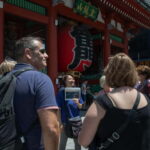

Legal walls, secret spots, and local rules
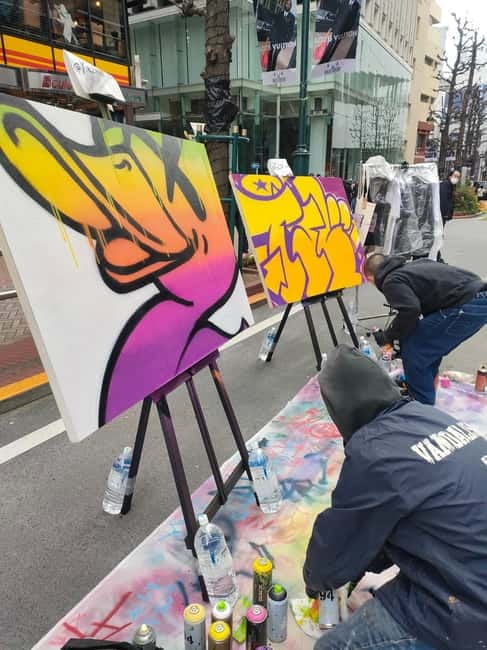
The tour includes both legal walls and secret street spots. That contrast is important. Legal walls show how graffiti can be given room to develop, while unauthorized work reflects the risks and limits artists face in a tightly managed city.
Do not treat the tour as permission to copy what you see. Respect local laws, private property, and the guide’s instructions. The activity specifically prohibits smoking, alcohol, drugs, and littering.
You should also avoid touching, adding to, or altering any artwork. Street pieces may look rough, but the location and surrounding property still matter. A respectful approach protects the scene and keeps the experience focused on observation.
This is one reason cash is listed among the recommended items. You may want it for food, drinks, or later gallery and restaurant stops, though meals and drinks are not included.
Is $38 a fair price?
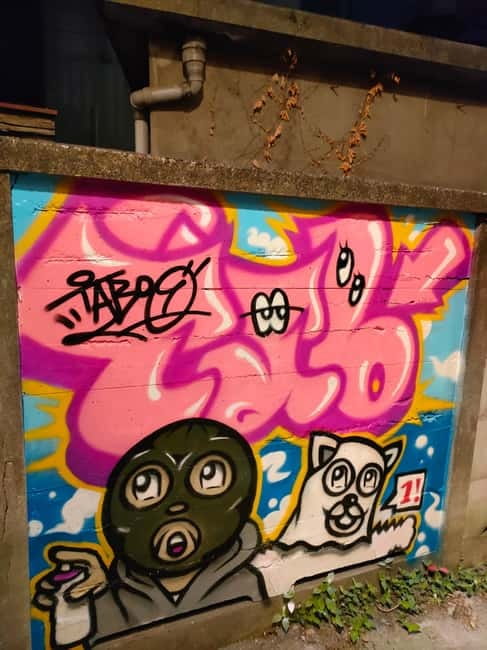
At $38 per person, the tour sits at a reasonable price for a focused, expert-led walk in central Tokyo. You are paying for two hours of guiding, route planning, access to less obvious locations, and interpretation that you would be unlikely to gather from a guidebook alone.
The value is highest if you have a real interest in graffiti, street photography, urban culture, or contemporary art. A casual sightseer who only wants major Tokyo landmarks may find the subject too narrow.
The price also makes more sense because the tour can save you time. You could spend hours searching Shibuya and Harajuku for street art and still miss the pieces Elena knows to look for. The gallery and restaurant tips add value, especially if you plan to keep exploring Tokyo’s art scene.
Do not book it expecting entry to a major museum or a formal exhibition. Gallery and museum admission is not included, although most such places are free of charge. Meals, drinks, and transportation to the meeting point are also separate.
Walking conditions and who should book
Wear comfortable walking shoes. The route passes through city streets and back lanes, and the tour is not suitable for people with mobility impairments. Babies under one year old and people over 95 are also listed as unsuitable for this activity.
Carry water and prepare for changing weather. Tokyo can be hot, rainy, or cold depending on the season, and the experience takes place outdoors. A small umbrella or light rain layer may be useful, but only pack what you can carry comfortably.
Bring a camera if photography matters to you. Street art can be temporary, and some pieces may be difficult to revisit. Still, make room for the guide’s explanation rather than treating the walk as a photo hunt.
This tour suits:
- Street-art fans who want tags, stickers, murals, and artist stories
- Photographers looking for less familiar subjects in Shibuya and Harajuku
- Visitors who have already seen Tokyo’s major sights and want a different angle
- People interested in galleries, art studios, and contemporary Japanese culture
- Families with older children who can manage a two-hour city walk
It is less suitable if you need step-free access, dislike walking, or want a broad introduction to Tokyo’s temples, food, shopping, and history.
Practical booking advice
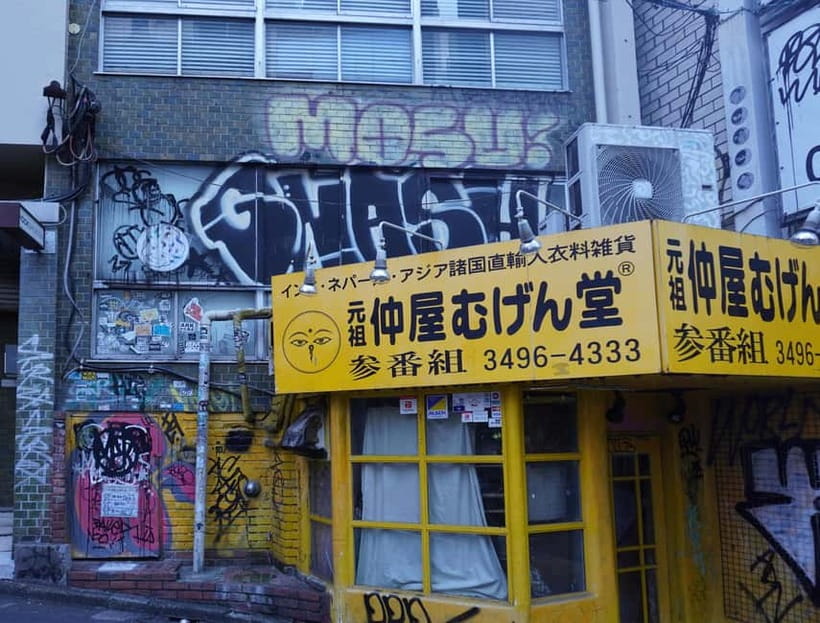
The tour lasts two hours, but one recent outing ran about two and a half hours. That suggests the pace may have some flexibility, though you should plan around the stated two-hour duration and avoid scheduling a tight connection afterward.
English and Spanish tours are available. Free cancellation is allowed up to 24 hours before the start time, and the reserve-now-pay-later option lets you hold a place without paying immediately. Check the available starting times because they vary.
The activity returns to the Kifune Building according to the itinerary details, while Manhattan Records is given as the meeting point. Confirm both the starting location and the end point when booking.
The tour is led by Elena Calderon and provided by Totemo. Her name is worth noting if you are trying to coordinate with a guide, ask a follow-up question, or make sure you have the right meeting instructions.
Should you book this graffiti walk?
Book it if you want to see Tokyo through the eyes of someone who actively studies its street art. The best parts are the concealed tags, the stories behind artists and crews, and the shift in your own attention. After two hours, you may find yourself scanning ordinary walls more carefully.
The tour is especially good for repeat visitors, street photographers, and anyone who finds the polished side of Tokyo only half the story. It also makes a strong choice for a small group with mixed experience, since beginners can learn the basics while art fans can ask more detailed questions.
Skip it if your schedule is packed with headline sights or if outdoor walking is difficult for you. The exact art can change, the route is not a formal museum circuit, and the Harajuku portion is brief.
For $38, I consider it a good buy for the right audience. You are not simply shown a collection of walls. You are taught how to notice a part of Tokyo that most people pass without seeing.
FAQ
Where does the Graffiti in Tokyo Walking Tour begin?
The meeting point is Manhattan Records shop in Shibuya. The itinerary also names the Kifune Building as the starting and ending location, so confirm the exact instructions before departure.
How long does the tour last?
The stated duration is two hours. One outing lasted about two and a half hours, so avoid arranging an immediate appointment afterward.
Which areas does the tour visit?
The main walk takes place in Shibuya and includes a visit to Harajuku. The Harajuku portion is listed as approximately 10 minutes.
Which languages are available?
The tour is offered with a live guide in English or Spanish.
What should I bring?
Bring comfortable walking shoes, water, a camera, and cash. You should also be ready for changing weather.
What is included in the price?
The price includes an expert guide, access to selected hidden graffiti locations, information about Tokyo’s graffiti scene and art galleries, and discounts at selected galleries and restaurants. Meals, drinks, transportation to the meeting point, and gallery or museum entrance fees are not included.
More Walking Tours in Tokyo
More Shibuya Tours in Tokyo



More tours in Tokyo we've reviewed







Shibuya Tours, compared.
 ★ 5.0Official Street Go-Kart in ShibuyaFrom $76
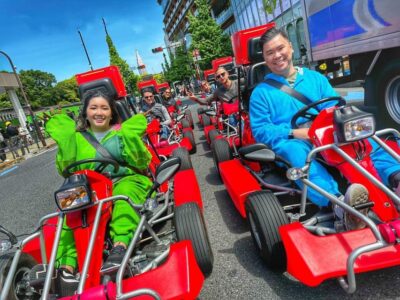 ★ 4.9Tokyo: Street Kart Experience in ShibuyaFrom $741 hour
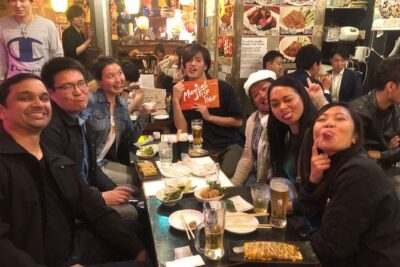 ★ 5.0Shibuya Meltdown Nightlife Tour: All-You-Can-Drink Bar HoppingFrom $106
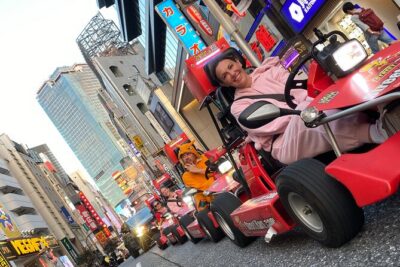 ★ 5.0Shibuya Official Street Go-Kart in Shibuya AnnexFrom $69
 ★ 5.0Tokyo: Shibuya Food Tour (13 dishes and 4 Eateries)From $77
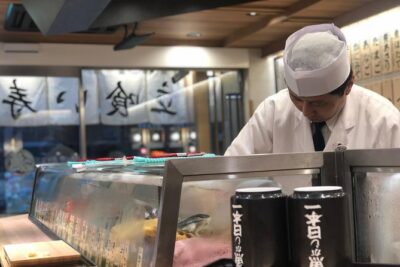 ★ 5.0Best of Shibuya Food TourFrom $217