
Reviewed · GINZA TOURS
Ginza Tokyo: Easy Matcha (Green Tea) Experience
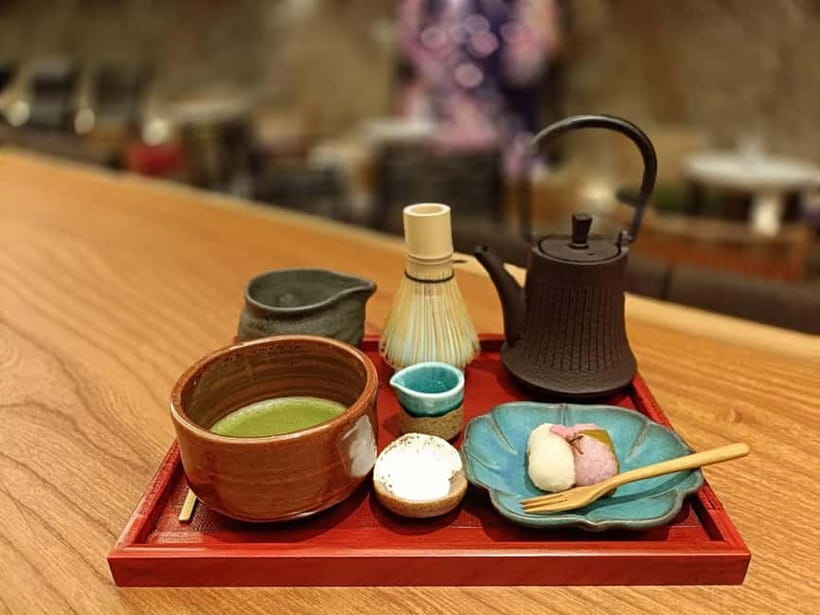
Tokyo sightseeing can be hard on the feet, so this 30-minute matcha experience offers a useful pause in the middle of Ginza. You learn how powdered tea is made, prepare your own cup, and eat a small wagashi sweet at the same table.
I like the small one-to-two-person format, which gives you room to ask questions. I also like the friendly teaching style associated with Aki, who explains both the techniques and the history clearly. The main drawback is its short length: this is a casual introduction, not a full formal tea ceremony.
In This Review
- Key Points
- A Short Tea Lesson in the Middle of Ginza
- Finding Japan Premium Lounge Cafe at 8-3-11 Ginza
- Grinding Matcha Before You Drink It
- Whisking Your Own Cup
- Wagashi Balances the Bitter Tea
- What Makes This Different From a Tea House Ceremony
- A Good 30-Minute Break From Ginza Sightseeing
- Is the $13 Price Good Value?
- Who Will Enjoy This Most
- A Simple Plan for Your Visit
- Should You Book This Matcha Experience?
- FAQ
- How long does the matcha experience last?
- Where does the experience take place?
- Where does the activity end?
- What will I do during the activity?
- Is the tea ceremony formal?
- How many people can join?
- Which languages are available?
- What is included in the price?
- What should I wear?
- Are children under five allowed?
Key Points
- Grind your own matcha: Learn how powdered green tea is prepared before you drink it.
- Aki’s friendly instruction: Clear explanations cover tea ceremony customs, techniques, and history.
- A 30-minute Ginza pause: Fit this neatly between shopping, meals, and sightseeing.
- Matcha with wagashi: Your tea comes with a Japanese sweet that balances its bitter edge.
- Small-scale setting: The activity is designed for one or two people.
- Simple booking terms: Pay later, and cancel up to 24 hours before the activity for a full refund.
A Short Tea Lesson in the Middle of Ginza
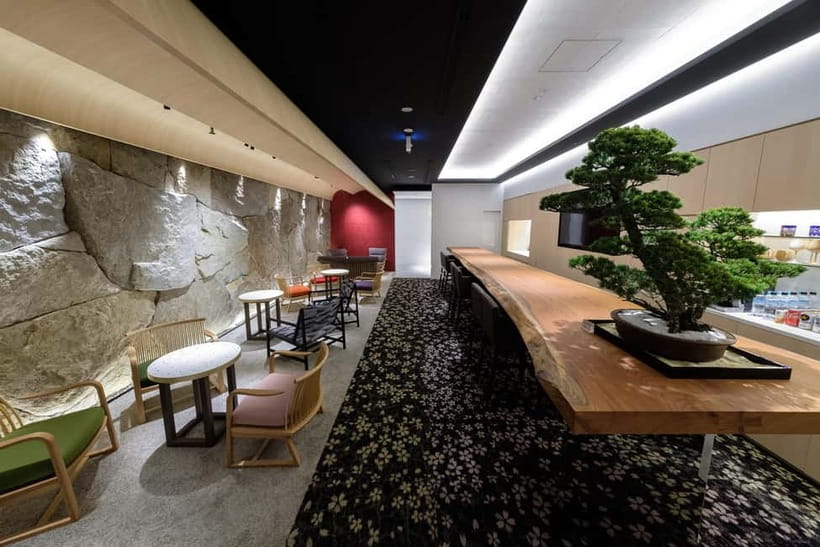
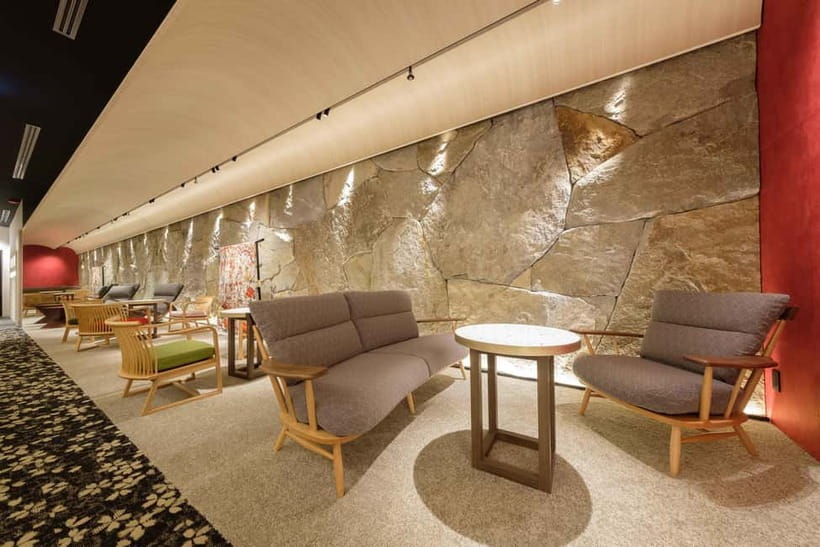
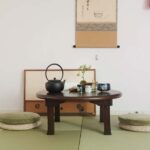
This experience does not ask you to sit through a long, formal ceremony. Instead, you get a hands-on introduction to matcha inside Japan Premium Lounge Cafe, at 8-3-11 Ginza, Chuo-ku, on the first floor of the Wako Building.
That setting shapes the whole visit. You are not entering a traditional tea house for an elaborate ritual. You are taking a quiet break from the bright streets and dense shopping district around Ginza, then learning enough to understand what goes into a cup of matcha.
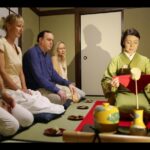
The activity is designed for one or two people. That matters because the host can explain each stage without trying to manage a large group. If you are curious about the small details, you should have a chance to ask questions rather than simply watch from the back of a room.
The lesson is offered in English and Japanese. Aki, named in the feedback for the experience, is praised for being kind, welcoming, and happy to answer questions. The teaching also covers history, so you get more than instructions on how to stir a bowl.
A few more Tokyo tours and experiences worth a look

Finding Japan Premium Lounge Cafe at 8-3-11 Ginza
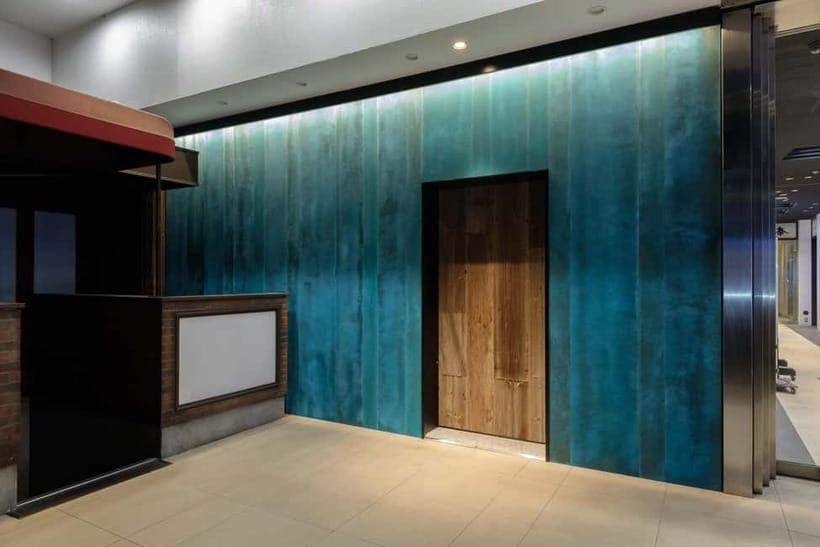
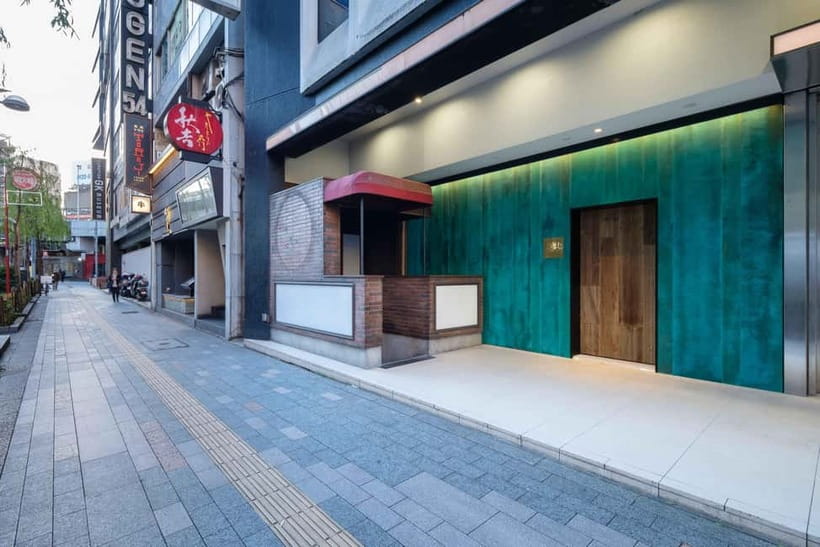
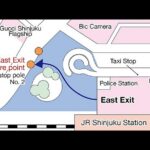
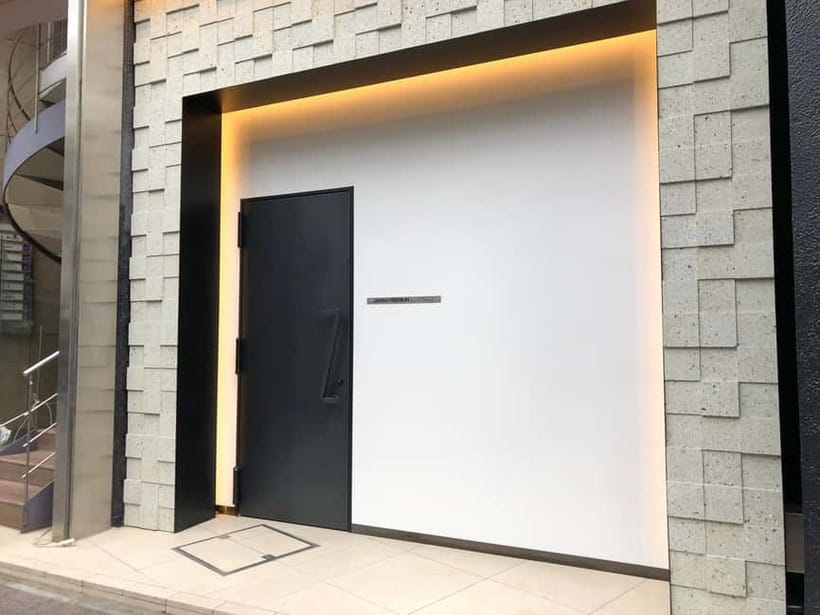
The meeting point is Japan Premium Lounge Cafe, 8-3-11, Ginza, Chuo-ku, Tokyo, in the Wako Building. The store has two entrances, one on the west side with a black door and one on the east side marked by a green wall and wooden door.
This is worth noting before you arrive. Ginza streets can feel confusing when you are watching shop signs, building numbers, and crowds at the same time. Look for the building and check both sides if the first entrance you see does not match the description.
The activity begins and ends at the same place. You do not need to arrange a transfer or follow a guide through several parts of the city. That makes it easy to place before lunch, after shopping, or between major sights.
Wear comfortable clothes. The information does not call for special dress, and the tone is casual. Children under five are not permitted, so families with very young children will need to choose another activity.
Grinding Matcha Before You Drink It
The most interesting part is that you do not simply receive a prepared cup. You learn about the art of matcha grinding and make your own powdered tea.
Matcha is different from ordinary steeped green tea. You drink the powdered leaf itself, whisked into water, rather than removing the leaves after brewing. That gives the tea its strong color, fine texture, and distinctive taste.
The short lecture puts this process into context. You learn the basic idea behind the tea ceremony, then take part instead of just watching. For many people, this is the difference between a pleasant drink and a useful cultural lesson.
The supplied details do not specify the exact grinding equipment, water temperature, or whisking sequence, so you should not expect a technical tea-school lesson. The focus is on making the process approachable. You are there to understand the basics and enjoy the result, not to qualify as a tea master in half an hour.
That lighter approach is a good fit if you have never tried matcha. It also works well if you want an activity that feels more active than a cafe stop but less demanding than a full ceremony.
Whisking Your Own Cup
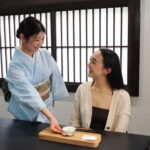
After the explanation, you prepare your own matcha. The teacher guides you through the technique, and you can ask questions as you work.
This hands-on step gives you a better feel for the drink. You see how the powdered tea changes as it is mixed, and you can appreciate why preparation matters. The process is simple enough for beginners, but it still gives you something to do with your hands.
Do not expect the ceremony to be silent or highly formal. The description makes clear that this is a casual version. You can relax, listen, and take part without worrying that you will break a strict rule.
That makes the activity especially useful for couples or solo visitors who want a gentle cultural encounter. You are not placed in a large class, and the experience is not built around a long performance. It is a short lesson with a drink at the center.
Wagashi Balances the Bitter Tea
Your matcha is served with wagashi, a Japanese sweet. This pairing is important because matcha can have a sharp, grassy, or bitter taste, especially if you are not used to it.
Wagashi gives you a sweet counterpoint. It also introduces another part of Japanese food culture without turning the activity into a full meal. The serving is meant as an accompaniment to the tea, not a replacement for lunch.
The exact type of wagashi is not specified, so the sweet may vary. You should arrive expecting one Japanese confection rather than a selection of desserts.
I like this part because it gives the short visit a clear rhythm: learn, prepare, taste, and pause. You are not just checking matcha off a list. You are seeing how the tea is traditionally enjoyed with a small sweet.
A few more Tokyo tours and experiences worth a look


What Makes This Different From a Tea House Ceremony
A formal tea ceremony can involve set movements, carefully arranged utensils, special clothing, and a stronger sense of ritual. This Ginza activity is intentionally easier to join.
You get a brief lecture, an introduction to the ceremony, a chance to make matcha, and time to drink it with wagashi. The experience lasts about 30 minutes and takes place in a cafe rather than a dedicated tea ceremony house.
That difference is not a flaw, but you should choose with clear expectations. If you want a long, quiet ceremony with highly formal etiquette, this is probably too brief and relaxed. If you want to understand the basic customs without giving up much of your sightseeing day, it is a sensible choice.
The casual format also reduces pressure. You do not need to know how to kneel, handle every utensil, or follow an elaborate sequence before you arrive. The host explains what you need to know as you go.
A Good 30-Minute Break From Ginza Sightseeing
Ginza is a natural place for a short stop. You can place this activity between shopping visits, meals, or other sights without losing half a day.
The 10:00 to 18:00 opening window gives you several scheduling choices. A morning visit can provide a calm start before more shopping. A midafternoon booking can give your feet a rest. An early evening visit works if it fits your sightseeing plan, though you should allow time to find the cafe.
The activity begins and ends at the meeting point, which keeps the logistics simple. There is no transport segment and no need to learn a second meeting location.
The short duration is also the main limitation. Thirty minutes is enough for an introduction, but it does not leave much room for a long conversation or a broad study of Japanese tea culture. If you want a slow, reflective ceremony, you may find the visit over quickly.
For most people, though, that is the point. You can add a small cultural experience to a busy Tokyo day without building your whole schedule around it.
Is the $13 Price Good Value?
At $13 per person, the price is modest for a Ginza activity that includes a cup of matcha, wagashi, instruction, and a photo opportunity.
The value is strongest if you want more than a drink. A cafe can sell you matcha, but it will not normally explain the tea ceremony, show you how the powdered tea is made, and let you prepare it yourself. Here, part of the cost pays for the teaching and personal attention.
The one-to-two-person setup also helps the price feel fair. You are not paying for a long group tour, but you are receiving direct instruction in a small setting.
The value is weaker if you already know how to prepare matcha or have attended a formal ceremony. In that case, the short lesson may repeat familiar information. It is best viewed as a first taste, a refresher, or a simple cultural stop rather than an advanced workshop.
There is also a practical benefit: you can reserve now and pay later, which keeps your Tokyo plans flexible. Cancellation is allowed up to 24 hours in advance for a full refund.
Who Will Enjoy This Most
I would recommend this for solo visitors, couples, first-time matcha drinkers, and anyone who wants a small cultural activity near central Tokyo.
It suits you particularly well if you:
- Want a gentle introduction rather than a formal ceremony
- Have only 30 minutes available
- Enjoy learning by doing
- Prefer small groups
- Want an activity in English or Japanese
- Need a quiet break from sightseeing
- Like food experiences that include a little cultural background
It is also a good choice for people who feel uncertain about Japanese tea etiquette. The casual style removes much of the worry. You can ask questions and learn the basic motions without pretending that you already understand the ritual.
I would think twice if you are looking for a full traditional ceremony, a long historical lecture, or a large range of Japanese sweets. The available information supports a focused, short experience, not a full afternoon program.
A Simple Plan for Your Visit
Try to arrive at the cafe with enough time to identify the correct entrance. The west side has a black door, while the east side has a green wall and wooden door.
Wear clothes that let you sit and move comfortably. No special clothing is required, and the activity is designed to be easy for beginners.
During the introduction, pay attention to the reasons behind the steps rather than rushing toward the drink. The history and technique are a large part of what you are paying for. If you are curious about matcha, ask questions while Aki or the host is explaining the process.
When you make your own cup, take time to notice the texture and taste. The wagashi is there to be enjoyed with the tea, so try the sweet alongside the matcha rather than treating it as a separate dessert.
Bring your camera or phone if you want a record of the activity. A photo opportunity is included, though the supplied details do not promise a particular photo setup or professional photography.
Should You Book This Matcha Experience?
Book it if you want a low-cost, low-commitment taste of Japanese tea culture in the center of Ginza. The $13 price, 30-minute schedule, small group size, wagashi, and chance to prepare your own matcha make it easy to fit into a busy Tokyo itinerary.
The strongest reason to go is the personal instruction. Aki is described as warm, thorough, and ready to answer questions, with explanations that cover both technique and history. That turns a quick cup of tea into a useful cultural lesson.
Skip it if your main goal is a formal tea house ceremony or advanced matcha training. For everyone else, this is a smart little pause between Ginza sights, especially if you want to sit down, learn something real, and taste the result.
FAQ
How long does the matcha experience last?
The activity lasts approximately 30 minutes.
Where does the experience take place?
It takes place at Japan Premium Lounge Cafe, 8-3-11, Ginza, Chuo-ku, Tokyo, on the first floor of the Wako Building.
Where does the activity end?
The experience ends back at the same meeting point.
What will I do during the activity?
You will receive a brief lecture on the tea ceremony and matcha grinding, make your own powdered matcha, and drink it with a Japanese wagashi sweet.
Is the tea ceremony formal?
No. This is presented as a casual tea ceremony experience rather than a full formal ceremony at a tea ceremony house.
How many people can join?
The experience is designed for one to two people.
Which languages are available?
The experience is available in English and Japanese.
What is included in the price?
The price includes one cup of matcha, one Japanese wagashi sweet, a brief lecture, and a photo opportunity.
What should I wear?
Wear comfortable clothes. No special clothing is listed as required.
Are children under five allowed?
No. The activity is not suitable for children under five years old.
More Tea Ceremony & Matcha in Tokyo
More Ginza Tours in Tokyo



More tours in Tokyo we've reviewed







Ginza Tours, compared.
 ★ 4.8Chopstick Making Workshop in GinzaFrom $251 hour
 ★ 4.5Tokyo: Art Aquarium Museum GINZA Entry TicketFrom $171 day
 ★ 4.5Official Japan Go-Kart Through Tokyo Bay / Ginza (IDP Required)From $85
 ★ 5.0Private Ginza Architecture Walking TourFrom $132
 ★ 4.5【SUMO FESTIVAL】Tokyo Ginza: Sumo Show & Photo ExperienceFrom $63
 ★ 4.8Tokyo GINZA: KONPARU Japanese Cabaret Show with DrinkFrom $502 hours